Can You Have A 700 Credit Score With Collections
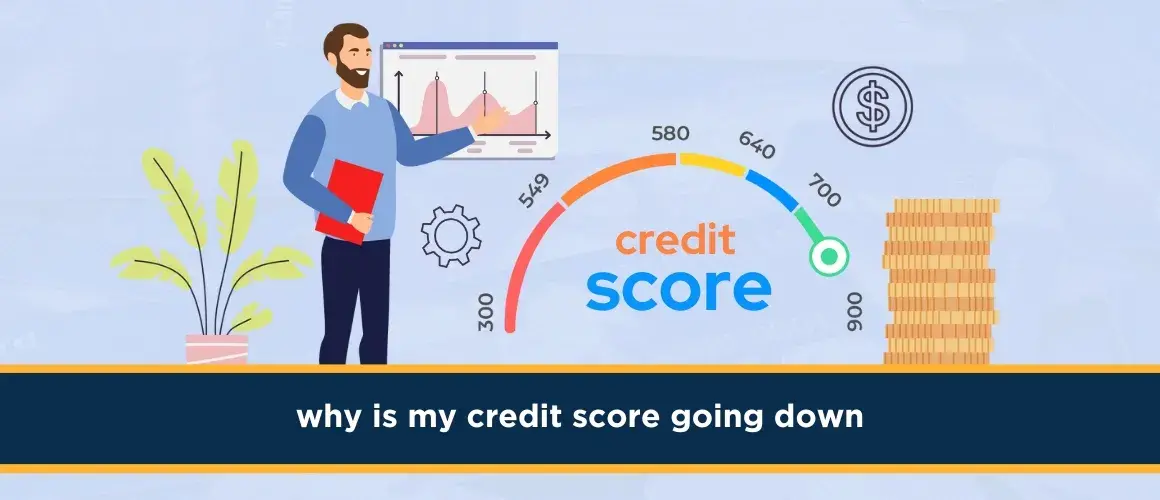
Yes, it's possible to have a 700 credit score even with collections on your report, but it requires strategic management and understanding of how these negative marks impact your score. This guide will break down the nuances, offering actionable steps for 2025.
Understanding Collections and Credit Scores
Collections appear on your credit report when a debt that you've failed to pay is sold to a third-party debt collector. This typically happens after an account has been delinquent for a significant period, often 120-180 days, and the original creditor has given up on trying to collect the debt themselves. Once a debt is sent to collections, it's a serious negative mark on your credit history. Credit scoring models, like FICO and VantageScore, are designed to assess your creditworthiness based on your history of repaying debts. The presence of collections signals to lenders that you have a history of not meeting your financial obligations, which can significantly lower your credit score.
It's crucial to understand that collections are not a minor issue. They are treated as a severe indicator of risk. The scoring models weigh them heavily, often more than late payments that are still with the original creditor. However, the severity of the impact can vary depending on several factors, including the age of the collection, the amount owed, and the overall health of your credit report otherwise. For instance, a single, old collection for a small amount might have less impact than multiple recent collections for larger sums.
The credit bureaus – Equifax, Experian, and TransUnion – are the entities that maintain your credit reports. When a debt goes to collections, the collection agency reports it to these bureaus. This information then becomes part of your credit history, influencing your credit score. The Fair Credit Reporting Act (FCRA) provides consumers with rights regarding the accuracy and privacy of their credit information, including the right to dispute inaccurate information on their credit reports. This is a vital piece of knowledge when dealing with collection accounts.
In 2025, the credit scoring landscape continues to evolve, but the core principles remain. Payment history is still the most significant factor in determining your credit score, accounting for about 35% of your FICO score. Negative items like collections directly impact this crucial category. Understanding how these models interpret collections is the first step toward mitigating their damage and working towards a higher credit score.
What Exactly is a Collection Account?
A collection account is a debt that has been deemed uncollectable by the original creditor and has been turned over to a third-party debt collection agency. This agency then attempts to recover the outstanding balance from the consumer. The collection agency may purchase the debt for a fraction of its face value or work on a commission basis. Regardless of the arrangement, the collection agency will report the debt to the credit bureaus. This reporting is what directly impacts your credit score. The original creditor will typically cease reporting on this specific debt once it's in collections, and the collection agency will take over.
The key differentiator between a collection account and a delinquent account that is still with the original creditor is the change in reporting entity and the increased severity in the eyes of credit scoring models. A delinquent account might show up as a late payment, but a collection account signifies a more significant breakdown in the repayment process. This is why collections are often a major hurdle for individuals aiming for higher credit scores.
How Collections Affect Credit Reports
When a collection account is added to your credit report, it typically appears in a dedicated section. It will list the name of the collection agency, the original creditor (sometimes), the date the debt was placed in collections, the outstanding balance, and the account status. The most damaging aspect is the negative history associated with it. Credit scoring models will see this as a significant negative event. The impact is generally more severe than a single 30- or 60-day late payment. Collections can remain on your credit report for up to seven years from the date of the first delinquency that led to the collection, even if you pay it off.
The presence of a collection can lower your credit score by tens, or even hundreds, of points, depending on your starting score and the other factors on your report. For someone with an excellent credit score, a collection can be devastating. For someone with a fair score, it might push them into the poor category. The age of the collection also plays a role; older collections tend to have a diminishing impact over time, but they still remain a negative mark until they fall off your report.
The Real Impact of Collections on Your Credit Score
The impact of a collection on your credit score is substantial, and it's not a one-size-fits-all scenario. Several factors determine just how much a collection will drag down your score. Understanding these variables is key to strategizing your credit repair efforts. In 2025, the algorithms used by FICO and VantageScore are sophisticated, but they still prioritize payment history above all else.
Factors Influencing the Score Drop
1. Age of the Collection: A collection that is recent (within the last 1-2 years) will have a much more significant negative impact than one that is several years old. As a collection ages, its influence on your score tends to decrease, though it still remains a negative item. For example, a collection from 2024 will hurt your score more than one from 2020.
2. Amount of the Debt: While the scoring models don't explicitly penalize based on the dollar amount of a collection, larger debts can sometimes have a more pronounced effect, especially if they represent a substantial portion of your overall credit obligations. However, even small collection amounts can significantly lower a score.
3. Number of Collections: Having one collection is bad, but having multiple collections is significantly worse. Each collection account represents a separate instance of non-payment, and multiple such instances signal a higher risk to lenders.
4. Your Credit Score Before the Collection: If you had an excellent credit score (e.g., 780+) before the collection appeared, the drop will likely be more dramatic than if you had a fair score (e.g., 620) already. This is because a negative mark on an otherwise stellar report stands out more.
5. Other Negative Marks: The presence of other negative items on your report, such as late payments, bankruptcies, or charge-offs, will amplify the negative impact of a collection. Your credit score is a holistic assessment, and multiple negative factors compound the damage.
6. Payment Status of the Collection: A collection that is currently unpaid will generally have a more negative impact than one that has been paid or settled. However, even a paid collection will remain on your report for its statutory period and can still affect your score, though its immediate negative influence might lessen.
Typical Score Reductions
It's challenging to give exact numbers, as the impact is highly individualized. However, based on 2025 credit scoring trends and expert analysis:
- A single collection account, especially if recent and unpaid, can potentially lower a credit score by 50 to 150 points or more.
- For individuals with scores above 750, the drop can be even more significant, potentially pushing them below the 700 mark.
- Multiple collections, or a collection combined with other negative factors, can result in a score reduction of 200 points or higher.
Consider this example: Sarah had a credit score of 760. She had a medical bill go to collections for $500. Within months, her score dropped to 640. This illustrates the potential severity. Conversely, John had a score of 600 and a collection for $1,000. His score might drop to 550, a less drastic percentage-wise but still a significant negative impact.
Collections vs. Other Negative Items
When comparing collections to other negative items, collections are generally considered more damaging than simple late payments. A 30-day late payment might reduce a score by 30-60 points, while a 60-day late payment by 60-90 points. A collection, however, represents a more severe delinquency and often a complete breakdown in the creditor-debtor relationship. Charge-offs are also severe, and a collection can sometimes stem from a charge-off. Bankruptcies are the most damaging and remain on your report for 7-10 years, severely impacting scores.
The key takeaway is that collections are a major hurdle. They are not just a minor blemish; they are a significant red flag for lenders. However, they are not an insurmountable barrier to achieving a good credit score.
Can You Actually Reach a 700 Credit Score with Collections?
The short answer is a resounding yes, it is absolutely possible to have a credit score of 700 or higher even with one or more collection accounts on your credit report. However, it's not a guarantee, and the path to achieving this score requires diligent effort and a strategic approach. The possibility hinges on several mitigating factors and proactive steps you take to manage your credit.
The Role of Mitigating Factors
For a 700+ score to coexist with collections, other positive aspects of your credit profile must be exceptionally strong. These include:
- Excellent Payment History (Excluding Collections): If the vast majority of your credit accounts show a perfect payment history, with no late payments or other negative marks, this can help offset the impact of a collection.
- Low credit utilization Ratio: Keeping your credit card balances low relative to your credit limits (ideally below 30%, and even better below 10%) demonstrates responsible credit management and can significantly boost your score.
- Long Credit History: A long-standing history of responsible credit use shows lenders you have experience managing credit over time.
- Credit Mix: Having a mix of different types of credit (e.g., credit cards, installment loans like a mortgage or auto loan) can be beneficial, though this factor is less impactful than payment history and utilization.
- Few or No Recent Inquiries: A history of only a few recent credit inquiries suggests you are not actively seeking a lot of new credit, which is seen as less risky.
In essence, if the rest of your credit report is spotless, a single, older, or paid collection might not be enough to drag your score below 700. However, multiple recent, unpaid collections will almost certainly prevent you from reaching that benchmark.
Age and Type of Collection Matters
The impact of a collection diminishes over time. A collection that is nearing the end of its seven-year reporting period will have a much smaller negative effect than a brand-new one. Furthermore, the type of debt in collection can play a role. For instance, medical collections are sometimes viewed slightly less harshly by some lenders compared to credit card or loan defaults, though this is not universally true and depends on the specific lender's underwriting criteria.
Scenario Example: Consider Maria. She has a 720 credit score. She has a collection account for $300 that was placed in 2021. All her other accounts are in good standing, her credit utilization is 5%, and she has a 10-year credit history. It's highly probable that her score remains above 700 because the collection is aging, it's for a relatively small amount, and her overall credit profile is strong. Now consider David, who also has a 720 score. He has two recent collections, one for $1,500 from a credit card and another for $800 from a personal loan, both from 2024. His credit utilization is 60%. It is highly unlikely his score would remain above 700; it would likely drop significantly.
The 700 Score Threshold and Lending
A credit score of 700 is often considered a significant benchmark. Scores above 700 generally qualify for better interest rates on loans (mortgages, auto loans, personal loans) and are more likely to be approved for credit cards with premium rewards and benefits. While some lenders might approve loans for scores below 700, the terms will likely be less favorable, with higher interest rates and potentially higher fees. Therefore, aiming for 700+ is a worthwhile goal for financial well-being.
The good news is that even if you have a collection, by focusing on the other factors that influence your score, you can still reach and maintain a score of 700 or above. The key is to understand that collections are a negative factor that needs to be actively managed and offset by positive credit behaviors.
Strategies for Improving Your Credit Score with Collections
Improving your credit score when you have collections on your report requires a multi-pronged approach. It's not just about ignoring the problem; it's about actively addressing it and building positive credit habits. The goal is to minimize the negative impact of the collections while maximizing the positive factors on your credit report. For 2025, these strategies remain highly effective.
Step 1: Obtain and Review Your Credit Reports
The first and most critical step is to know exactly what's on your credit report. You are entitled to a free credit report from each of the three major credit bureaus (Equifax, Experian, and TransUnion) every 12 months through AnnualCreditReport.com. You can also get free credit reports more frequently through various financial institutions and credit monitoring services.
Once you have your reports, meticulously review each one. Look for:
- Accuracy of Collection Accounts: Is the collection agency reporting accurate information? Check the dates, amounts, and original creditor.
- Duplicate Accounts: Sometimes, a debt might be reported by both the original creditor and the collection agency, which is incorrect.
- Accounts You Don't Recognize: There might be fraudulent accounts or errors.
- Age of Collections: Note how long each collection has been on your report.
This review is essential because inaccurate information can be disputed and removed, which is the easiest way to improve your score.
Step 2: Dispute Inaccurate Information
If you find any inaccuracies on your credit reports, you have the right to dispute them with the credit bureaus. You can do this online, by mail, or by phone. For collections, common disputes include:
- Incorrect amount owed.
- Incorrect date of delinquency.
- The debt was already paid or settled.
- The debt is not yours.
- The collection agency cannot validate the debt.
The credit bureaus have 30 days (sometimes 45) to investigate your dispute. If they cannot verify the information with the creditor, it must be removed from your report. This can be a powerful tool for credit repair. For more on this process, consult resources on disputing credit report errors.
Step 3: Develop a Plan for Collection Accounts
For accurate collection accounts, you have a few strategic options:
A. Pay the Collection in Full: If you have the means, paying the collection in full will update the status on your credit report to "paid collection." While the collection will still remain on your report for its statutory period (typically seven years from the original delinquency date), a paid collection often has a less severe negative impact than an unpaid one. Some scoring models may even give it less weight.
B. Negotiate a Settlement: You can try to negotiate a settlement for less than the full amount owed. Collection agencies often buy debt for pennies on the dollar, so they may be willing to accept a lump sum that is less than the full balance to close the account. When negotiating, always aim to get the agreement in writing before you pay. Crucially, try to negotiate a "pay-for-delete" agreement. This is where the collection agency agrees to remove the collection from your credit report entirely in exchange for payment. While not all agencies will agree to this, it's worth asking. If they agree to remove it, ensure this is explicitly stated in your written agreement.
C. Set Up a Payment Plan: If you cannot afford to pay in full or settle, you might be able to set up a monthly payment plan. This demonstrates good faith and can help improve your score over time, especially if the collection agency reports the account as "paying as agreed" or "paid under agreed terms."
D. Wait for it to Age Off: If the collection is old (e.g., within its last year or two of reporting) and you have no other significant negative marks, you might consider waiting for it to fall off your report naturally. However, this is a passive strategy and won't improve your score in the interim.
Step 4: Prioritize Other Credit Factors
While dealing with collections, simultaneously focus on strengthening other areas of your credit report:
- Pay All Bills On Time: This is the most critical factor for your credit score. Set up automatic payments or reminders for all your credit accounts (credit cards, loans, utilities if reported).
- Reduce Credit Card Balances: Aim to keep your credit utilization ratio below 30%, and ideally below 10%. If you have high balances, focus on paying them down aggressively.
- Avoid Opening New Credit Unnecessarily: Each new credit application can result in a hard inquiry, which can slightly lower your score. Only apply for credit when you truly need it.
- Maintain a Mix of Credit (if applicable): If you have a good mix of credit types, continue to manage them responsibly.
By actively managing collections and diligently building positive credit, you can significantly improve your score and potentially reach the 700 mark.
Dealing with Collection Accounts: Options and Tactics
When faced with a collection account on your credit report, you have several avenues to explore. The best strategy depends on your financial situation, the age of the debt, and your overall credit goals. Understanding the nuances of each option is crucial for making informed decisions in 2025.
Option 1: Paying the Collection
Paying a collection account can be a straightforward way to resolve the issue. However, the impact on your credit score isn't always as simple as "paid is good."
A. Pay in Full: If you can afford to pay the entire outstanding balance, this is often the cleanest resolution. The account will be updated to reflect that it has been paid. While the collection will still appear on your credit report for the remainder of its seven-year reporting period, a "paid collection" is generally viewed more favorably by lenders and scoring models than an unpaid one. Some models may even give it less weight.
B. Negotiate a Settlement: Collection agencies often purchase debt for a fraction of its original value. This gives you leverage to negotiate a settlement for less than the full amount. For example, if a debt is $1,000, you might be able to settle for $400-$600. Always negotiate in writing. Get the agreement detailing the settlement amount and the fact that it will be reported as "settled in full" or "paid in full" before you make any payment.
C. Pay-for-Delete: This is the most desirable outcome when paying. A "pay-for-delete" agreement means the collection agency agrees to remove the collection account from your credit report entirely in exchange for payment. This is a powerful way to improve your score quickly, as the negative mark is gone. However, not all collection agencies will agree to this. It's crucial to get this agreement in writing before you pay. If they refuse to put it in writing, it's often not worth the risk, as they may take your payment and still leave the collection on your report.
Option 2: Disputing the Debt
As mentioned earlier, disputing inaccurate information is a fundamental right. If you believe the collection is invalid, you should dispute it. This is particularly relevant if:
- You don't recognize the debt: It could be a case of identity theft or a billing error.
- The statute of limitations has expired: While the debt may still be legally collectable in some states, it cannot be reported on your credit report past the seven-year mark from the original delinquency.
- The collection agency cannot validate the debt: Under the Fair Debt Collection Practices Act (FDCPA), you can request validation of the debt. If the agency cannot provide proof that you owe the debt and that they have the right to collect it, it must be removed.
To dispute, send a written dispute letter to the credit bureau(s) reporting the collection. Include any supporting documentation. The credit bureau has 30 days to investigate. If the collection agency fails to validate the debt, it must be removed from your report.
Option 3: Letting It Age Off
Collection accounts typically remain on your credit report for seven years from the date of the original delinquency that led to the collection. If a collection is nearing the end of this reporting period, and you have no other major negative items, you might consider waiting for it to fall off your report naturally. This is a passive strategy and offers no immediate benefit, but it avoids potentially paying a debt that will soon disappear from your credit history anyway.
Caution: Making a payment on an old debt, especially if it's close to falling off, can sometimes reset the clock on its reporting period, depending on state laws and the collection agency's reporting practices. Be very cautious and research this aspect thoroughly before making any payment on an old debt.
Comparison of Options for Dealing with Collections
Here's a simplified table to compare the common approaches:
| Option | Pros | Cons | Best For |
|---|---|---|---|
| Pay in Full | Resolves debt, updates status to "paid," generally viewed better than unpaid. | Requires full payment, collection still on report for 7 years. | Those who can afford it and want a clean resolution. |
| Negotiate Settlement | Lower payment, resolves debt. | May be reported as "settled for less than full amount," collection still on report. | Those with limited funds who can negotiate a favorable settlement. |
| Pay-for-Delete | Collection removed from report, significant score boost. | Difficult to negotiate, requires written agreement, may require payment. | Those who can negotiate this and want maximum score improvement. |
| Dispute | Potential for removal if inaccurate or unvalidated, no payment required. | Requires valid grounds, investigation may fail, collection remains if dispute is unsuccessful. | Anyone with potential inaccuracies or who can request validation. |
| Wait for Age Off | No cost, no action needed. | Collection remains a negative mark until it falls off, no score improvement in interim. | Very old collections nearing the end of their reporting period. |
Tactics for Negotiation
When negotiating with collection agencies, remember:
- Be polite but firm.
- Know the amount you can afford.
- Always get agreements in writing before paying.
- Understand the reporting status (paid, settled, deleted).
By strategically choosing and executing a plan for your collection accounts, you can effectively manage their impact and pave the way for a higher credit score.
Building Positive Credit History to Offset Collections
Dealing with existing collections is crucial, but building a robust positive credit history is equally, if not more, important for achieving and maintaining a 700+ credit score. Positive actions can significantly counteract the negative impact of collections. In 2025, lenders are looking for consistent, responsible credit behavior, and you can demonstrate this even with a collection or two on your report.
On-Time Payment is Paramount
Payment history is the single most significant factor influencing your credit score, accounting for approximately 35% of your FICO score. Even with a collection, if all your other accounts are paid on time, every time, you are demonstrating good credit management. This is the foundation of a strong credit score.
- Set up automatic payments: For all your credit cards, loans, and any other recurring bills that are reported to credit bureaus.
- Use calendar reminders: As a backup to automatic payments, especially for variable amounts.
- Pay at least the minimum: If you're ever short on funds, always pay at least the minimum due to avoid a late payment.
Every on-time payment is a positive data point that builds your creditworthiness.
Managing Credit Utilization Effectively
Credit utilization ratio (CUR) is the amount of credit you're using compared to your total available credit. It accounts for about 30% of your FICO score. High utilization signals risk to lenders, while low utilization demonstrates financial discipline.
- Keep balances low: Aim to keep your credit card balances below 30% of your credit limit. For the best scores, aim for below 10%.
- Pay down balances strategically: Focus on paying down cards with the highest utilization first.
- Request credit limit increases: If you have a good payment history with a particular card issuer, you can request a credit limit increase. This can lower your CUR if your spending remains the same. Be aware that this may result in a hard inquiry, so consider the trade-off.
For example, if you have a credit card with a $5,000 limit and a $4,000 balance, your CUR is 80%, which is very high. If you pay it down to $1,000, your CUR drops to 20%, a significant positive for your score.
Consider a Secured Credit Card
If your credit is damaged due to collections and you're struggling to get approved for unsecured credit, a secured credit card can be an excellent tool. These cards require a cash deposit, which typically becomes your credit limit. They function like regular credit cards, and responsible use (making on-time payments and keeping balances low) is reported to the credit bureaus.
How it helps:
- Builds positive payment history.
- Can improve credit utilization if used responsibly.
- Demonstrates creditworthiness to lenders over time.
After 6-12 months of responsible use, many secured card issuers will review your account and may convert it to an unsecured card and refund your deposit.
Credit-Builder Loans
Similar to secured credit cards, credit-builder loans are designed to help individuals establish or rebuild credit. You make payments on the loan, but the borrowed amount is held in an account by the lender. Once you've paid off the loan, the lender releases the funds to you. The on-time payments are reported to credit bureaus, helping to build your credit history.
Benefits:
- Establishes installment loan history.
- Demonstrates consistent repayment.
- Can be an affordable way to build credit.
These loans are often available through credit unions and community banks.
Demonstrate Longevity and Stability
While you can't speed up the age of your credit accounts, maintaining them responsibly over time is beneficial. A longer credit history (about 15% of your FICO score) generally leads to higher scores. Avoid closing old, unused credit cards, as this can reduce your total available credit and increase your overall utilization ratio.
By focusing on these positive credit-building strategies, you can actively work to offset the negative impact of any collection accounts and steadily climb towards a 700+ credit score.
Monitoring Your Progress and Maintaining a Good Score
Achieving a 700 credit score with collections on your report is a significant accomplishment, but it's not a one-time event. Ongoing monitoring and maintenance are essential to keep your score healthy and prevent future damage. In 2025, the digital tools available make this easier than ever.
Regular Credit Report Checks
Don't wait for a problem to arise before checking your credit reports. Make it a habit to review them at least twice a year, or more frequently if you've recently taken steps to improve your credit.
- Use AnnualCreditReport.com: As mentioned, this is your go-to for free reports from all three bureaus.
- Utilize free credit monitoring services: Many banks, credit card companies, and dedicated credit monitoring services (like Credit Karma, Credit Sesame, Experian Boost) offer free access to your credit score and reports. While these may not be the exact FICO scores lenders use, they provide valuable insights into your credit health and can alert you to changes.
By regularly checking your reports, you can quickly identify any new negative items, errors, or changes in the status of your existing collection accounts.
Tracking Your Credit Score
Beyond just checking reports, actively track your credit score. Most free monitoring services will provide a score. Look for trends over time. Is your score increasing, decreasing, or staying stagnant? Understanding these trends can help you adjust your credit management strategies.
- Understand what influences your score: Many monitoring tools provide a breakdown of the factors affecting your score (e.g., payment history, utilization, age of accounts). Use this information to focus your efforts.
- Set score goals: Aim for specific milestones, like reaching 650, then 700, then 750.
Seeing your score improve can be a powerful motivator to continue your good credit habits.
Staying on Top of Collection Payments
If you've negotiated a payment plan or settlement for a collection account, ensure you adhere to the agreed-upon terms. Missing a payment on a payment plan can lead to the account being re-aged or sent back to collections, and it will be reported as a missed payment, further damaging your score.
Keep records of all payments made and communications with the collection agency. If you've secured a pay-for-delete agreement, mark your calendar to follow up if the collection doesn't disappear from your report by the agreed-upon date.
Continuing Positive Credit Behavior
The most effective way to maintain a good credit score, especially with past collections, is to consistently practice good credit habits:
- Always pay bills on time.
- Keep credit utilization low.
- Avoid unnecessary credit applications.
- Review your credit reports regularly.
These habits, when consistently applied, build a strong credit profile that can withstand minor blemishes and ensure your score remains in the desired range.
What to Do If Your Score Drops
If you notice a drop in your credit score, don't panic. Take these steps:
- Check your credit reports immediately: Look for the cause of the drop. Is it a new late payment, an increase in utilization, or a new collection?
- Address the issue: If it's an error, dispute it. If it's a legitimate negative mark, focus on mitigating its impact through other positive actions.
- Re-evaluate your strategy: Adjust your spending, payment habits, or debt repayment plan as needed.
Consistent monitoring and proactive management are key to long-term credit health.
Preventing Future Collections and Credit Damage
The best way to deal with collections is to prevent them from happening in the first place. By implementing sound financial practices, you can safeguard your credit score and avoid the stress and financial repercussions associated with delinquent accounts and collections. This proactive approach is vital for sustainable financial health in 2025 and beyond.
Create and Stick to a Budget
A budget is your roadmap to financial stability. It helps you understand where your money is going, identify areas where you can save, and ensure you have enough funds to cover your essential expenses and debt obligations.
- Track your income and expenses: Know exactly how much money you have coming in and going out.
- Categorize spending: Differentiate between needs and wants.
- Allocate funds for debt repayment: Make sure your budget includes sufficient allocation for your loan and credit card payments.
- Build an emergency fund: Aim to save 3-6 months of living expenses. This fund is critical for covering unexpected costs (job loss, medical emergencies, car repairs) without resorting to credit or falling behind on payments.
A well-managed budget is the first line of defense against financial distress that can lead to collections.
Manage Debt Responsibly
Avoid accumulating excessive debt. If you do have debt, manage it strategically:
- Prioritize high-interest debt: Use methods like the debt snowball or debt avalanche to pay down your most expensive debts first.
- Avoid taking on new debt unless necessary: Think carefully before taking out new loans or opening new credit cards.
- Understand loan terms: Be aware of interest rates, fees, and repayment schedules before committing to any new debt.
Responsible debt management prevents balances from spiraling out of control, which is a common precursor to collections.
Communicate with Lenders Early
If you anticipate difficulty making a payment, don't wait until the due date has passed. Contact your lender or creditor immediately. Many lenders are willing to work with you if you communicate proactively. They might offer options such as:
- Temporary payment deferral.
- A modified payment plan.
- Waiving late fees.
Early communication can prevent a missed payment from becoming a delinquent account and eventually a collection.
Set Up Payment Reminders and Alerts
Even with the best intentions, it's easy to miss a payment due to oversight. Utilize technology to your advantage:
- Automatic payments: Set up auto-pay for at least the minimum amount due on all your credit accounts.
- Calendar alerts: Schedule reminders a few days before your payment due dates.
- Bank notifications: Many banks offer alerts for low balances or upcoming bill payments.
These systems act as safety nets to ensure you never miss a due date.
Understand Your Credit Report Regularly
As discussed in the monitoring section, regular checks of your credit report are crucial not just for identifying errors but also for staying aware of your credit health. This allows you to catch potential issues early, before they escalate into serious problems like collections.
By adopting these preventative measures, you can maintain a strong credit score, avoid the negative consequences of collections, and build a secure financial future.
Conclusion
The question, "Can you have a 700 credit score with collections?" is answered with a qualified yes. While collections are a significant negative mark that can lower your score substantially, they are not necessarily an insurmountable barrier to reaching a 700+ credit score. The key lies in understanding the impact of collections, actively managing them, and diligently building a strong positive credit history. For 2025, the strategies for achieving this are clear and actionable.
Your credit report is a dynamic document. By obtaining and reviewing your reports from Equifax, Experian, and TransUnion, you can identify inaccuracies to dispute, understand the age and amount of your collections, and strategize the best approach for resolution – whether that's paying in full, negotiating a settlement, or pursuing a pay-for-delete agreement. Remember, always get agreements in writing. Simultaneously, focus on the pillars of good credit: making all payments on time, keeping credit utilization low, and avoiding unnecessary credit applications. Tools like secured credit cards and credit-builder loans can be invaluable for rebuilding positive credit history.
Consistent monitoring of your credit score and reports is essential for tracking progress and catching any new issues promptly. By adopting a proactive approach to financial management, creating a realistic budget, building an emergency fund, and communicating with lenders early if you face difficulties, you can prevent future collections and safeguard your creditworthiness. Achieving and maintaining a 700 credit score with collections is a testament to resilience and smart financial management, proving that past credit challenges do not have to define your financial future.
