- Quick Answer
- What You Need to Know About Chip Card Skimming and Scanning: Protecting Your Finances
- How Chip Card Skimming and Scanning Works
- Actionable Strategies for Protecting Your Chip Card Information
- Frequently Asked Questions About Chip Card Skimming and Scanning
Quick Answer
Protecting your finances from chip card skimming and scanning involves being vigilant about where and how you use your cards, regularly monitoring your accounts for suspicious activity, and understanding the security features of your chip-enabled cards. If you've experienced identity theft or financial fraud, seek expert help to address potential credit damage. Need professional guidance? Call CreditRepairinMyArea at (888) 804-0104 for a free credit consultation.
What You Need to Know About Chip Card Skimming and Scanning: Protecting Your Finances
In today's digital age, safeguarding your financial information is paramount. While credit cards with EMV chips (often called chip cards) offer significantly enhanced security over traditional magnetic stripe cards, they are not entirely immune to fraudulent activities. Criminals are constantly evolving their tactics, and understanding these methods is the first step in protecting yourself from financial loss. Chip card skimming and scanning are two such threats that consumers need to be aware of. These techniques aim to illicitly obtain your card's data, which can then be used to make unauthorized purchases or even create counterfeit cards. The convenience of card payments means we use them for almost everything, from buying groceries to booking travel, making the potential for fraud a widespread concern. Many consumers mistakenly believe that the chip makes their card invincible, but this is a dangerous misconception. While the chip encrypts data in a way that is much harder to copy than a magnetic stripe, sophisticated criminals have found ways to bypass these protections or exploit vulnerabilities in the payment process. Data from the U.S. Federal Trade Commission (FTC) indicates that identity theft and credit card fraud remain persistent problems, costing consumers billions annually. This highlights the ongoing need for consumer education and proactive security measures.
The transition to chip technology was a major step forward, as each transaction generates a unique, encrypted code. This makes it incredibly difficult for skimmers to steal static data like they could from a magnetic stripe, which simply stores your account number and expiration date in a readable format. However, the vulnerabilities often lie not in the chip itself, but in the point-of-sale (POS) devices or the human element. For instance, criminals might install illegal devices on ATMs or gas pumps that capture your card information when it's swiped (if the terminal still has a magnetic stripe reader) or trick you into entering your PIN into a fake keypad. More recently, "contactless" payment methods, while convenient, have also raised concerns about unauthorized scanning of card information from a distance, though this is significantly harder to achieve in practice and often requires close proximity and specialized equipment. Understanding these nuances is crucial for staying ahead of potential fraud. The financial implications of compromised card data can be severe, ranging from small fraudulent charges to significant financial distress, impacting credit scores and leading to lengthy battles to reclaim stolen funds. Therefore, a comprehensive understanding of these threats and robust protective measures are essential for every cardholder.
How Chip Card Skimming and Scanning Works
Understanding the mechanics behind chip card skimming and scanning is vital for effective prevention. While the EMV chip has made traditional magnetic stripe skimming obsolete for the most part, criminals have adapted. Instead of simply swiping your card, they now focus on exploiting vulnerabilities in the payment terminals or using advanced technology to intercept data. One common method involves tampering with point-of-sale (POS) devices, like those at gas pumps, ATMs, or even retail checkouts. Skimmers might attach a disguised device over the legitimate card reader, or install a hidden camera to capture your PIN as you enter it. While the chip itself is designed to generate dynamic, encrypted data for each transaction, making it unreadable if intercepted in transit, the surrounding infrastructure can still be compromised. Sometimes, the focus shifts to intercepting data during the transaction process itself, if the POS system has a security flaw, or by tricking the user into revealing more information than intended. The goal is always to obtain your card number, expiration date, CVV code, and potentially your PIN, which can then be used for fraudulent purchases online or by creating a counterfeit physical card.
What to Expect During the Process of Data Interception
- Initial Data Capture: Criminals physically install devices onto legitimate card readers or POS terminals. These devices, often called "skimmers," are designed to blend in and capture the data when a card is inserted or swiped. For chip cards, the focus might be on capturing the data that is read from the chip as it interacts with the reader, or more commonly, capturing the PIN entered by the user via a hidden keypad overlay or a small camera. For contactless payments, specialized scanners in close proximity might attempt to intercept the radio frequency signals, though this is far less common and requires significant technical expertise and proximity.
- Data Retrieval: Once the skimmer is in place and has collected data from multiple victims, the criminals must retrieve it. This can involve physically returning to the compromised device to collect the stored data, or in more sophisticated setups, transmitting the data wirelessly to a remote location. This retrieval step is a critical point where their operation can be discovered.
- Data Exploitation: With the stolen card data (account number, expiry, CVV, and potentially PIN), criminals can then proceed to use it. This often involves making online purchases where the physical card isn't required, or if they have managed to obtain the PIN, they might be able to use it for cash withdrawals at ATMs or to make in-person purchases using a cloned card. The dynamic data from the chip is extremely difficult to clone, so the focus often shifts to exploiting other pieces of information or finding systems that still rely on less secure methods.
- Reporting and Recovery: If your card data is compromised, you will likely notice unauthorized transactions on your bank or credit card statements. It's crucial to report these immediately to your financial institution. They will typically investigate, issue you a new card, and often reverse the fraudulent charges, especially if you report them promptly. However, the process of rebuilding trust in your financial security and ensuring no further unauthorized activity occurs can take time.
The entire process, from the installation of a skimmer to the exploitation of the data, can occur very quickly, sometimes within days or even hours. The effectiveness of these schemes relies on the criminals' ability to remain undetected for as long as possible. For consumers, the impact can range from minor inconvenience and the hassle of disputing charges to more significant financial disruption if not caught early. Understanding these methods empowers you to recognize potential threats and take preventative measures, such as being observant of your surroundings when using ATMs or POS terminals.
📞 Ready to take action on your credit? Don't navigate the credit repair process alone. Call CreditRepairinMyArea at (888) 804-0104 and speak with a credit expert who can help you today.
Actionable Strategies for Protecting Your Chip Card Information
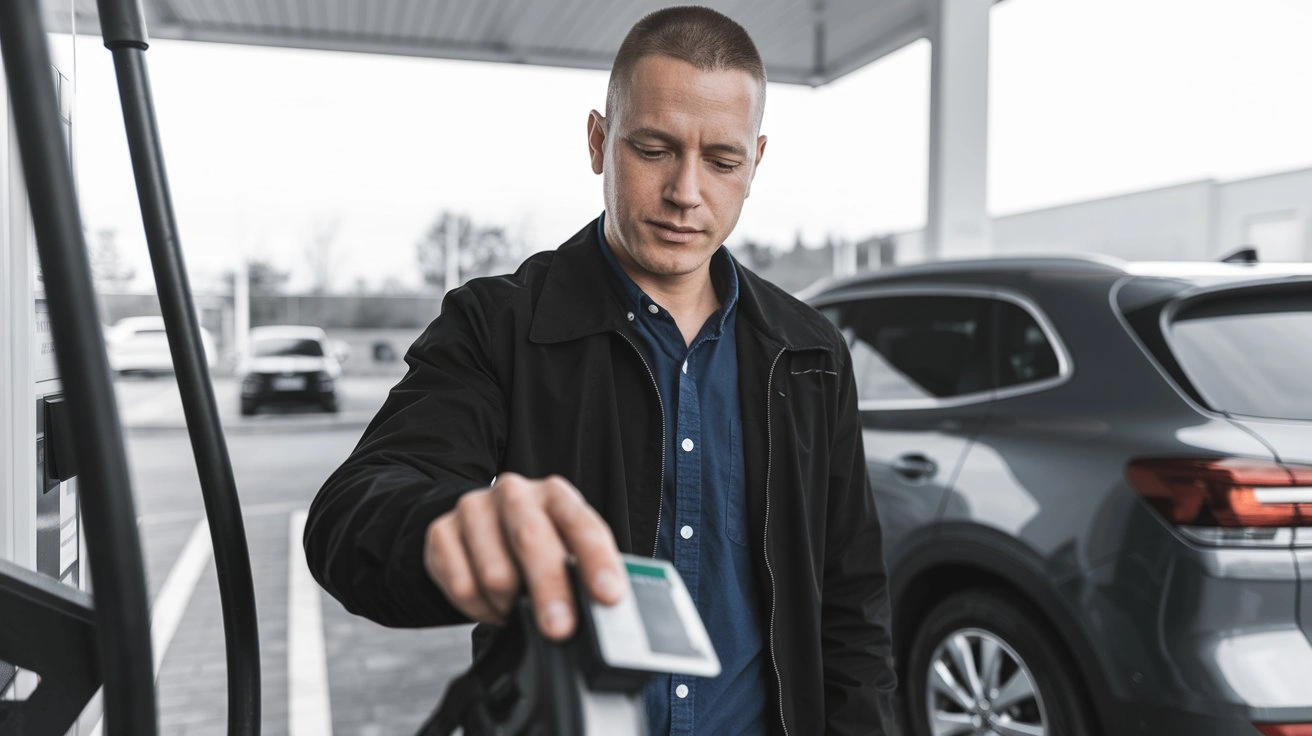
While chip technology has made credit card fraud more difficult, it hasn't eliminated it. Staying informed and proactive is key to safeguarding your finances. Here are practical steps you can take to protect yourself from chip card skimming and scanning. Regularly reviewing your bank and credit card statements is your first line of defense. Look for any transactions you don't recognize, no matter how small. Many fraudulent activities start with small test charges. If you see anything suspicious, report it immediately to your financial institution. Also, be mindful of your surroundings when using ATMs or payment terminals, especially at gas stations or standalone machines. Check for any signs of tampering, such as loose parts, odd colors, or an unusual thickness to the card reader. If something seems off, trust your gut and use a different terminal or card. Always cover the keypad when entering your PIN, even if you think no one is watching. Criminals can use hidden cameras or keyloggers to capture your PIN, which is critical for many types of fraud.
Proven Approaches That Work
- Secure Your PIN: Always shield the keypad when entering your Personal Identification Number (PIN). This is one of the most effective ways to prevent PIN theft, even if a skimmer is present.
- Inspect Terminals: Before inserting or swiping your card, visually inspect the ATM, gas pump, or POS terminal for any signs of tampering. Look for loose parts, misaligned components, or anything that seems unusual or out of place.
- Monitor Accounts Vigilantly: Set up transaction alerts for your credit and debit cards. This allows you to be notified immediately of any activity, enabling swift reporting of suspicious charges.
- Use Secure Networks for Online Purchases: When shopping online, ensure the website is secure (look for "https://" in the URL and a padlock icon). Avoid making purchases on public Wi-Fi networks, as they can be less secure.
Furthermore, consider using mobile payment options like Apple Pay or Google Pay when available. These services use tokenization, which replaces your actual card number with a unique, temporary code for each transaction, making it much harder for criminals to steal your financial data. Be cautious of unsolicited calls or emails asking for your card details or personal information, even if they appear to be from your bank. Legitimate financial institutions will rarely ask for sensitive information over the phone or email. Finally, familiarize yourself with your credit card company's fraud protection policies. Most offer zero-liability policies, meaning you won't be held responsible for unauthorized charges if reported promptly. By combining these strategies, you can significantly reduce your risk of becoming a victim of chip card skimming and scanning, keeping your finances secure.
Frequently Asked Questions About Chip Card Skimming and Scanning
Question 1: How is chip card skimming different from traditional magnetic stripe skimming?
Chip card skimming is significantly more difficult because EMV chips create dynamic, encrypted data for each transaction, unlike magnetic stripes which store static information. Criminals often focus on capturing your PIN or exploiting vulnerabilities in the POS system rather than directly copying the chip data itself.
Question 2: Can my chip card be scanned from a distance without me knowing?
While contactless technology uses radio frequency (RF) signals, it requires very close proximity (usually within a few inches) and specific equipment to scan. It's highly unlikely for your card to be scanned and compromised from a distance without your awareness, especially with modern security measures.
Question 3: Should I hire a professional credit repair company or do this myself?
Both options have merit. Doing it yourself can save money but requires time, research, and understanding of credit laws like the FCRA. A professional credit repair company, like CreditRepairinMyArea, can offer expertise, streamline the process, and handle disputes on your behalf, which can be beneficial if you're facing complex issues or lack the time.
Question 4: What should I do if I suspect my chip card information has been compromised?
Immediately contact your credit card issuer or bank. They can freeze your account, issue a new card, and guide you through the process of disputing any unauthorized charges. Prompt reporting is crucial for limiting your liability.
Question 5: Are certain places or types of transactions more vulnerable to chip card fraud?
While chip technology is more secure, ATMs, gas pumps, and standalone payment kiosks can still be targets for physical tampering. Transactions made in less secure environments or on outdated payment systems might also present slightly higher risks, though the chip itself is a robust security feature.
Question 6: How long does it typically take for unauthorized charges to be resolved after reporting them?
Under the Fair Credit Billing Act (FCBA), creditors generally have 30 days to acknowledge your dispute and up to two billing cycles (but no more than 90 days) to investigate and resolve it. Most financial institutions aim to resolve these issues much faster.
Get Professional Credit Repair Help
If you're struggling with credit issues and want professional assistance, CreditRepairinMyArea is here to help. Our experienced team understands the complexities of credit laws and can guide you through the dispute process, helping you address inaccurate negative items on your credit reports.
Don't let bad credit hold you back from getting approved for loans, mortgages, or credit cards. Take the first step toward better credit today by working with professionals who understand the system.
Call CreditRepairinMyArea now at (888) 804-0104 to speak with a credit repair specialist and start your journey to healthier credit.