- Quick Answer
- What You Need to Know About The Key to Car Buying: What Credit Score Do I Need
- How Credit Repair Actually Works
- Actionable Strategies for key car buying:
- Frequently Asked Questions About key car buying:
Quick Answer
Generally, a credit score of 660 or higher is considered good for car loans, but scores above 700 often secure the best interest rates. While some lenders may approve scores as low as 580, expect higher interest rates and stricter terms. For the most favorable financing, aim for a score in the excellent range (740+). Need professional guidance? Call CreditRepairinMyArea at (888) 804-0104 for a free credit consultation.
What You Need to Know About The Key to Car Buying: What Credit Score Do I Need
Buying a car is a significant financial undertaking, and your credit score plays an absolutely pivotal role in how smoothly that process goes. For many, it's the single biggest hurdle to clear when trying to drive off the lot in their dream vehicle. Lenders use your credit score as a primary indicator of your creditworthiness – essentially, how likely you are to repay borrowed money. A higher score signals to lenders that you're a responsible borrower, which translates into more favorable loan terms, lower interest rates, and potentially a larger loan amount. Conversely, a lower score can mean denial, higher interest rates that drastically increase the total cost of the car over time, or requirements for a larger down payment. Many people underestimate the impact of their credit score, only to be surprised by rejections or exorbitant monthly payments when they're ready to purchase. This is where understanding the benchmarks becomes crucial for successful car buying. Think of it this way: your credit score is your financial handshake with the lender. A firm, confident handshake opens doors; a weak or uncertain one can leave you standing on the outside.
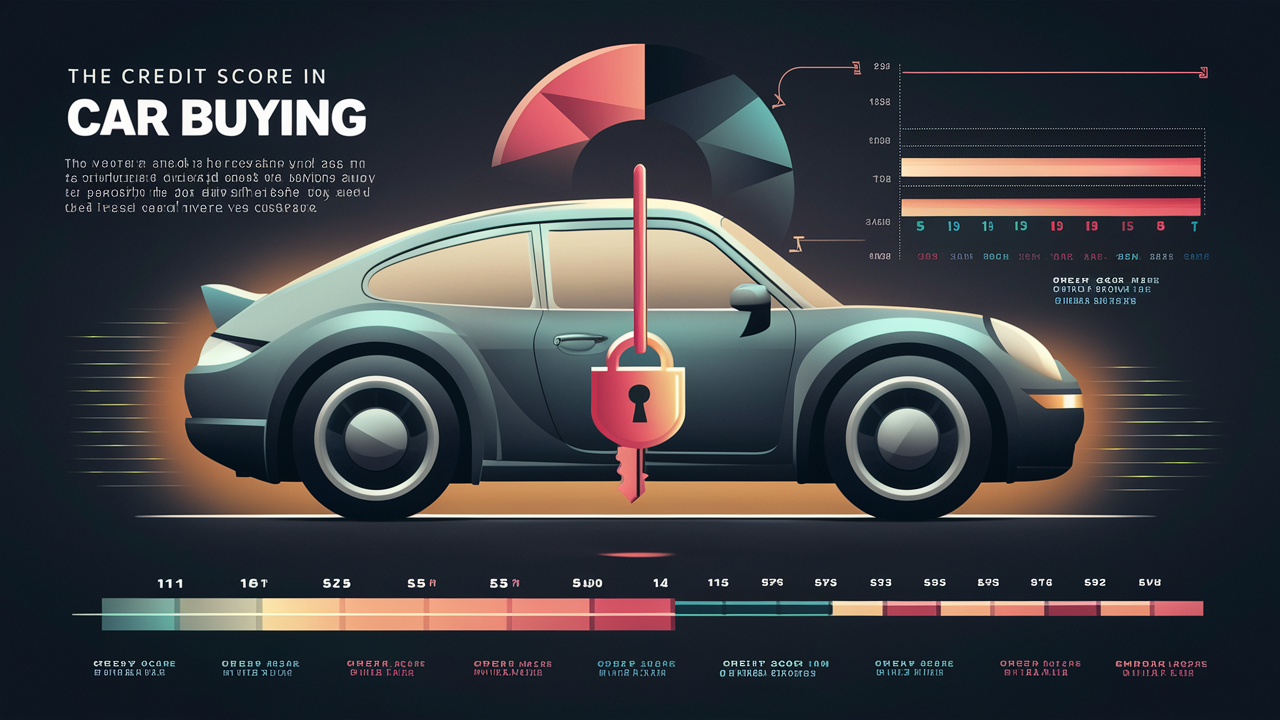
The automotive financing landscape is segmented by credit tiers. Typically, scores are categorized as exceptional (800-850), very good (740-799), good (670-739), fair (580-669), and poor (below 580). For a new car loan, lenders generally prefer applicants in the "good" to "exceptional" range. If your score falls into the "fair" category, you might still get approved, but you'll likely face interest rates that are significantly higher – sometimes several percentage points higher than someone with excellent credit. This difference can add thousands of dollars to the total cost of your vehicle over the life of the loan. For example, a $30,000 loan at 5% APR for 60 months will have a monthly payment of approximately $574. That same $30,000 loan at 10% APR for 60 months jumps to about $665 per month, an extra $91 every month, or over $5,400 more in interest paid. For used cars, the requirements can sometimes be slightly more lenient, but the principle remains the same: a better score leads to better terms. It's not uncommon for individuals to discover their credit score is much lower than they anticipated, especially if they haven't checked it in a while or have experienced unforeseen financial setbacks. This is precisely why knowing your score and understanding its implications before you even step onto a dealership lot is such a critical first step in the car buying journey.
How Credit Repair Actually Works
The process of credit repair, particularly when dealing with inaccurate information that might be hindering your car loan approval, is governed by federal law, primarily the Fair Credit Reporting Act (FCRA). This legislation empowers consumers to dispute any information on their credit reports that they believe is inaccurate or incomplete. Credit repair professionals at companies like CreditRepairinMyArea leverage this act to help clients clean up their credit profiles. They meticulously review your credit reports from the three major bureaus (Equifax, Experian, and TransUnion) to identify potential errors. These errors can range from incorrect personal information, outdated negative accounts, identity theft marks, or even accounts that belong to someone else. Once identified, the next step involves formally disputing these items with the credit bureaus and the original creditors. This systematic approach aims to remove inaccuracies that could be negatively impacting your credit score and, consequently, your ability to secure favorable auto financing.
What to Expect During the Process
- Initial credit report analysis: This is the foundational step where a credit repair specialist from CreditRepairinMyArea will conduct a thorough review of all three of your credit reports. They'll spend a significant amount of time (often several hours) meticulously examining each section – personal information, credit accounts, public records, and inquiries. The goal is to pinpoint any item that appears questionable, potentially inaccurate, or outdated, and that could be dragging down your score. This analysis typically happens within the first week of engaging with a service.
- Dispute letter preparation: Once the analysis is complete, the specialist will draft detailed dispute letters. These letters are carefully worded to comply with FCRA requirements and are addressed to the credit bureaus and sometimes directly to the original creditors. Each letter will clearly outline the specific item being disputed and the reason for the dispute, often citing evidence gathered during the initial analysis. This phase usually takes another week to prepare and send out the initial round of disputes.
- Credit bureau investigation: Upon receiving a dispute, the credit bureaus are legally obligated under the FCRA to investigate the claim. They have a strict timeline of typically 30 to 45 days to complete this investigation and respond. During this period, they will contact the original creditor or data furnisher to verify the accuracy of the disputed information. The bureaus must then update your credit report to reflect the findings of their investigation.
- Results and next steps: After the 30-45 day investigation period, you'll receive updated credit reports from the bureaus, and the credit repair specialist will review these with you. If an item has been successfully removed or corrected, it's a win. If the dispute is denied, the specialist will assess the outcome and determine if further action is warranted, such as sending follow-up disputes or exploring other avenues under the FCRA. This iterative process continues until all potential inaccuracies are addressed.
The entire credit repair process can vary in length depending on the number and complexity of the disputes, as well as the responsiveness of the credit bureaus and creditors. Generally, clients begin to see noticeable changes within 30 to 60 days, with more significant improvements often occurring over a period of 3 to 6 months. Factors influencing success rates include the accuracy of the information being disputed, the thoroughness of the initial analysis, and the consumer's cooperation in providing necessary documentation. Consistency and patience are key, as credit repair is not an overnight fix but a strategic effort to correct errors and build a stronger credit foundation.
📞 Ready to take action on your credit? Don't navigate the credit repair process alone. Call CreditRepairinMyArea at (888) 804-0104 and speak with a credit expert who can help you today.
Actionable Strategies for key car buying:
When it comes to securing a car loan, your credit score is paramount. Beyond just knowing the number, there are proactive steps you can take to improve your standing and ensure you get the best possible financing. Start by obtaining your free credit reports from AnnualCreditReport.com. You're entitled to one free report from each of the three major bureaus every 12 months. Scrutinize these reports for any errors, such as incorrect personal information, accounts you don't recognize, late payments that were actually on time, or duplicate negative entries. If you find errors, dispute them immediately with the credit bureaus and the creditor. Even small inaccuracies can shave points off your score. Another crucial step is to pay down existing debt, especially high-interest credit card balances. A high credit utilization ratio (the amount of credit you're using compared to your total available credit) can significantly drag down your score. Aim to keep this ratio below 30%, and ideally below 10% for the best impact. Making timely payments on all your existing credit accounts is non-negotiable; payment history is the single biggest factor influencing your credit score. Finally, avoid opening multiple new credit accounts in a short period before applying for a car loan, as this can be perceived as risky behavior by lenders.
Proven Approaches That Work
- Strategy 1: Pay Down Credit Card Balances: Focus on reducing the amount of revolving credit you're using. High credit utilization negatively impacts your score. Paying down balances, even before applying for a loan, can show lenders you're managing your credit responsibly.
- Strategy 2: Ensure On-Time Payments: Payment history is king. Set up automatic payments or reminders to ensure you never miss a due date on any credit account, including loans and credit cards.
- Strategy 3: Dispute Inaccuracies: Actively review your credit reports for errors. Incorrect negative information can unfairly lower your score. Promptly disputing and removing these errors can lead to a quick score improvement.
- Strategy 4: Avoid New Credit Applications: Refrain from applying for new credit cards or loans in the months leading up to your car purchase. Each application can result in a hard inquiry, which can slightly lower your score temporarily.
Common mistakes to avoid include applying for too much credit at once, ignoring your credit reports altogether, or assuming a low score is an insurmountable barrier. Many people also fall into the trap of focusing solely on the monthly payment without considering the total cost of the loan, which is heavily influenced by the interest rate. Understanding the difference between a hard inquiry (from applying for credit) and a soft inquiry (like checking your own score) is also important. Soft inquiries don't affect your score, while hard inquiries do. By implementing these strategies and avoiding common pitfalls, you can significantly improve your chances of getting approved for a car loan with favorable terms, saving you money and stress throughout the car buying process.
Frequently Asked Questions About key car buying:
Question 1: What is the minimum credit score needed to get a car loan?
While some subprime lenders might approve scores as low as 500-580, it's challenging and usually comes with very high interest rates and fees. For a more reasonable approval with decent terms, aiming for a score of at least 620 is advisable. Scores in the 670+ range unlock significantly better options and lower costs.
Question 2: How much does my credit score affect my car loan interest rate?
Your credit score is one of the most significant factors determining your interest rate. A difference of just 50-100 points can mean paying hundreds or even thousands of dollars more in interest over the loan's life. Excellent credit scores secure the lowest rates, while fair or poor scores result in considerably higher APRs.
Question 3: Should I hire a professional credit repair company or do this myself?
Doing it yourself is certainly possible if you have the time and knowledge to understand credit laws and dispute procedures. However, professional companies like CreditRepairinMyArea have expertise, established processes, and can often navigate complex situations more efficiently. They can save you time and potentially achieve better results, especially if your credit issues are extensive.
Question 4: If I have a low credit score, can I still get approved for a car loan?
Yes, it's often possible to get approved even with a low credit score, but the terms will likely be less favorable. Lenders may require a larger down payment, a co-signer, or charge a substantially higher interest rate. Focusing on improving your score before applying can lead to a much better outcome.
Question 5: What's the difference between a new and used car loan regarding credit scores?
Generally, lenders are more conservative with new car loans, often requiring higher credit scores (e.g., 670+) for the best rates. Used car loans might have slightly more flexible criteria, with some lenders approving scores in the mid-600s or even high 500s, though with higher interest rates.
Question 6: How long does it typically take to see an improvement in my credit score after addressing issues?
Improvements can sometimes be seen within 30-60 days after negative inaccuracies are removed or corrected. However, building a consistently strong credit history takes time. For significant score increases that would substantially impact car loan approvals, plan for a period of 6 months to a year of diligent credit management.
Get Professional Credit Repair Help
If you're struggling with credit issues and want professional assistance, CreditRepairinMyArea is here to help. Our experienced team understands the complexities of credit laws and can guide you through the dispute process, helping you address inaccurate negative items on your credit reports.
Don't let bad credit hold you back from getting approved for loans, mortgages, or credit cards. Take the first step toward better credit today by working with professionals who understand the system.
Call CreditRepairinMyArea now at (888) 804-0104 to speak with a credit repair specialist and start your journey to healthier credit.