Does A Repo Hurt Your Credit?
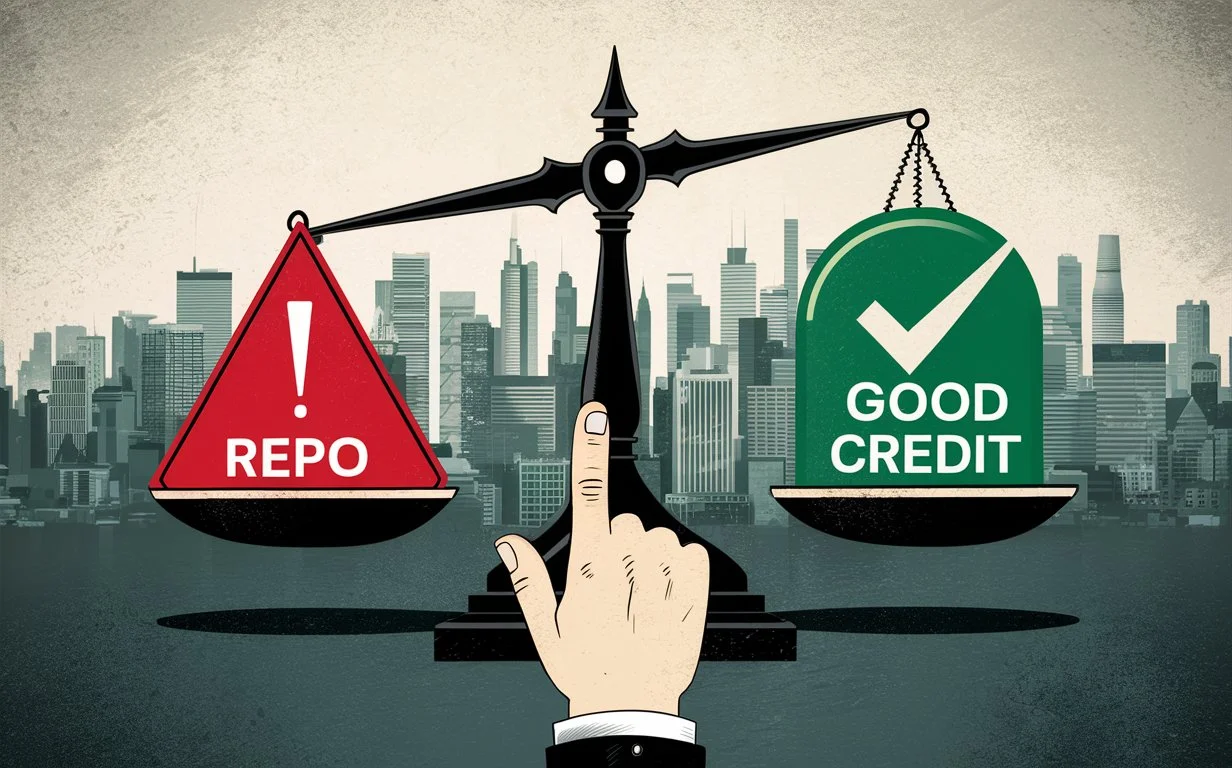
Yes, a vehicle repossession significantly hurts your credit score, often by a substantial margin. This guide details the immediate and long-term impacts, offering strategies to mitigate the damage and rebuild your financial standing. Understanding the severity is the first step toward recovery.
Understanding Vehicle Repossession
A vehicle repossession, often called a "repo," occurs when a borrower fails to make their auto loan payments as agreed. The lender, having a lien on the vehicle as collateral, has the legal right to repossess the car, truck, or motorcycle to recoup their losses. This is a serious financial event that goes beyond simply losing your transportation; it has profound and lasting effects on your creditworthiness.
What Triggers a Repossession?
The primary trigger for repossession is defaulting on your auto loan. While loan agreements can vary, most lenders consider a borrower in default after missing a certain number of payments, typically 30 to 90 days past due. However, some loan contracts may have clauses that allow for repossession even after a single missed payment under specific circumstances, though this is less common.
It's crucial to understand your loan agreement. Key terms to look for include:
- Grace periods for late payments.
- The exact number of missed payments that constitute default.
- Notification procedures the lender must follow before repossessing.
- Any clauses regarding early termination or prepayment penalties.
The Lender's Perspective
From a lender's viewpoint, repossession is a last resort. It's a costly and time-consuming process. Lenders incur expenses for towing, storage, potential repairs, advertising, and the sale of the vehicle. Their goal is to recover as much of the outstanding loan balance as possible. When a vehicle is repossessed, it is typically sold at an auction, often for less than its market value, leading to a potential deficiency balance for the borrower.
Your Rights and Responsibilities
While lenders have rights, borrowers also have rights. These vary by state, but generally include:
- Receiving notice before repossession (in some states).
- The right to retrieve personal belongings from the vehicle.
- The right to "reinstate" the loan in some states by paying all past-due amounts, fees, and costs.
- The right to notice of the vehicle's sale and the opportunity to redeem it.
It is essential to be aware of your state's specific laws regarding repossession. Ignoring the situation will not make it go away; proactive communication with your lender is always the best first step.
How Repossession Impacts Your Credit Score
The impact of a vehicle repossession on your credit score is significant and multifaceted. It's not just one negative mark; it's a series of events that collectively erode your creditworthiness. The primary reason for this severe impact is that repossession is a direct reflection of a borrower's inability to meet their financial obligations, a key factor in credit scoring models.
The Role of Payment History
Payment history is the single most important factor influencing your credit score, accounting for approximately 35% of the FICO score. When your car is repossessed, it signifies a severe delinquency or default. This is reported to the credit bureaus (Equifax, Experian, and TransUnion) as a major negative event. Even if you were only a few payments behind before the repo, the repossession itself is a clear indicator of financial distress and a failure to uphold a contractual agreement.
Public Records and Negative Information
A repossession is considered negative public record information. When reported to credit bureaus, it appears on your credit report as a derogatory mark. This mark remains on your credit report for seven years from the date of the original delinquency that led to the repossession. The longer it stays on your report, the less impact it generally has, but its presence is a significant red flag for lenders.
Impact on credit utilization and Other Factors
While the direct impact comes from the delinquency and the repo itself, other credit score factors can also be indirectly affected. For instance, if you had to take out a new, higher-interest loan to cover transportation needs immediately after the repo, this could increase your credit utilization ratio on that new loan, further impacting your score. The inability to secure new credit easily after a repo also limits your ability to manage your credit mix and age of accounts positively.
Severity of the Impact
The exact number of points a repossession will drop your credit score varies depending on your score before the event, the severity of the delinquency leading up to it, and the scoring model used. However, estimates suggest a repossession can drop a credit score by 50 to 150 points or even more. For someone with an excellent credit score, the drop will be more dramatic than for someone with a fair or poor score.
The Credit Reporting Process After Repossession
Understanding how a repossession is reported to the credit bureaus is crucial for comprehending its impact. The process involves several steps, and the information reported is detailed and persistent.
Reporting the Delinquency
Long before the vehicle is physically repossessed, missed payments are reported to the credit bureaus. If you miss a payment, it's marked as 30 days late. Subsequent missed payments are reported as 60 days late, 90 days late, and so on. Each of these late payments negatively affects your credit score. The repossession itself is the culmination of these delinquencies.
The Repossession Entry
Once the vehicle is repossessed, the lender updates the account status with the credit bureaus. The account will be marked as "repossessed" or "charged off" (if the lender writes off the debt). This entry will include details about the loan, the date of the repossession, and the outstanding balance at the time.
The Deficiency Balance Reporting
If the sale of the repossessed vehicle does not cover the outstanding loan balance, fees, and costs, the remaining amount is called a deficiency balance. Lenders will typically attempt to collect this balance. If they are unsuccessful, they may sell the debt to a collection agency. Both the lender and the collection agency can report this deficiency balance to the credit bureaus. This can appear as a separate negative entry or an update to the original loan account, further damaging your credit.
Duration on Credit Reports
A repossession, along with any associated deficiency balance, will remain on your credit report for seven years from the date of the original delinquency that led to the repossession. For example, if your first missed payment was in January 2024 and the car was repossessed in April 2024, the repossession and its impact will typically fall off your credit report in January 2031. While it's on your report, it will significantly influence lenders' decisions.
Disputing Errors
It is vital to review your credit reports regularly for accuracy. If you find any errors related to your repossession (e.g., incorrect dates, incorrect balances, or if the repossession was not legitimate according to your loan agreement or state law), you have the right to dispute these errors with the credit bureaus. A successful dispute can lead to the removal of inaccurate negative information, which can help your credit score.
Credit Score Damage Quantified
Quantifying the exact damage a repossession inflicts on a credit score is complex, as it depends on numerous variables. However, by examining credit scoring models and expert analyses, we can establish a clear picture of the severity. The damage is not uniform; it's a significant blow that can take years to recover from.
FICO Score Impact
The FICO score is the most widely used credit scoring model. Payment history accounts for 35% of a FICO score. A repossession is a severe negative mark on payment history. For someone with an excellent credit score (e.g., 780-850), a repossession can easily drop their score by 100-150 points. For someone with a good score (e.g., 670-739), the drop might be 70-100 points. For those with fair or poor credit (e.g., below 670), the impact might be proportionally less in terms of raw points but still critically damaging to their ability to obtain new credit.
Example Scenario (2025 Data):
Consider a borrower with a FICO score of 750 before a repossession. After the repo is reported, their score could realistically fall to the 600-650 range. This drop moves them from "excellent" credit to "fair" or "good" credit, significantly increasing the cost of future borrowing.
VantageScore Impact
VantageScore, another popular credit scoring model, also heavily weights payment history. While specific point drops can vary, a repossession is considered a highly negative event that will significantly lower a VantageScore. The general principle remains: a severe lapse in payment responsibility leads to a substantial score reduction.
Factors Influencing the Severity of Damage
- Credit Score Prior to Repossession: Higher scores are generally more susceptible to larger point drops.
- Number of Missed Payments: A repo following many missed payments is worse than one following only a few.
- Presence of Other Negative Marks: If your report already contains bankruptcies or collections, a repo adds to the negative picture.
- Time Since Last Delinquency: The closer the repo is to the last missed payment, the more severe the immediate impact.
- Reporting of Deficiency Balance: If a deficiency balance is sold to collections and reported separately, it compounds the damage.
Comparison of Negative Marks
To put the damage in perspective, here's a general comparison of how different negative marks might affect a credit score (estimates for 2025):
| Negative Mark | Estimated Score Drop (from excellent credit) | Duration on Report |
|---|---|---|
| Late Payment (30 days) | 10-20 points | 7 years |
| Late Payment (60 days) | 20-40 points | 7 years |
| Late Payment (90+ days) | 40-60 points | 7 years |
| Repossession | 70-150+ points | 7 years |
| Charge-off | 70-150+ points | 7 years |
| Collection Account | 50-100 points | 7 years |
| Bankruptcy (Chapter 7) | 100-200+ points | 10 years |
As the table illustrates, a repossession is among the most damaging events that can occur to a credit report, second only to a bankruptcy in terms of immediate score reduction.
Immediate Effects of Repossession on Your Credit
The moment a vehicle is repossessed, the negative repercussions on your credit report begin to manifest. These immediate effects are the most jarring and can create significant financial hurdles.
The Reporting of the Default
Even before the physical act of repossession, the underlying delinquency is being reported. If you've missed payments, your credit report will already show late payment notations. The repossession itself is the official confirmation of a severe default, which the lender will report to the credit bureaus. This reporting solidifies the negative impact on your payment history.
Loss of Transportation and Financial Strain
While not directly a credit score factor, the immediate loss of transportation creates immense financial strain. You may need to rely on expensive public transport, ride-sharing services, or borrow money for a new vehicle. This financial pressure can lead to further missed payments on other obligations, creating a domino effect of credit damage.
Difficulty Securing New Credit
Lenders view a repossession as a major red flag. Immediately after a repo, you will likely find it extremely difficult to get approved for any new credit, especially loans. This includes not only auto loans but also personal loans, credit cards, and even mortgages or rental agreements. Lenders perceive you as a high-risk borrower.
Higher Interest Rates
If you are approved for credit, expect significantly higher interest rates. Lenders will charge a premium to offset the perceived risk. This means any new loans or credit cards you obtain will be considerably more expensive, making it harder to manage your debt and improve your financial situation.
Impact on Rental and Employment Opportunities
Beyond traditional lending, a repossession can affect other areas of your life. Some landlords conduct credit checks and may deny rental applications based on a repo. Similarly, certain employers, particularly those in financial sectors or positions of trust, may review credit reports during the hiring process, and a repossession could be a barrier to employment.
Psychological Impact
The immediate aftermath of a repossession can be emotionally draining. The loss of a necessary asset, coupled with the realization of the severe credit damage, can lead to stress, anxiety, and feelings of hopelessness. Addressing this psychological impact is also a part of the recovery process.
Long-Term Consequences of a Repo
The effects of a vehicle repossession extend far beyond the initial shock. The negative mark on your credit report can haunt you for years, influencing major life decisions and financial opportunities.
Extended Period of Poor Credit
As mentioned, a repossession stays on your credit report for seven years. During this entire period, it can negatively influence your credit score. While its impact lessens over time, it remains a significant factor, especially in the first few years following the event. This means that for a considerable duration, you will be considered a higher risk by lenders.
Higher Costs for Future Loans
For the entire seven-year period, obtaining loans will be more expensive. Whether it's a mortgage, a personal loan, or another auto loan, you will likely face higher interest rates compared to someone with a clean credit history. This can translate into thousands of dollars in extra interest payments over the life of a loan.
Difficulty Obtaining Essential Services
Beyond loans, a poor credit history resulting from a repossession can affect your ability to:
- Secure a Cell Phone Contract: Many carriers require a deposit or may deny service to individuals with severely damaged credit.
- Obtain Utilities: Some utility companies (electricity, gas, water) may require a deposit to set up service if your credit is poor.
- Rent an Apartment: Landlords often use credit checks, and a repo can lead to denial or higher security deposits.
- Get Insurance: In some states, credit history is used to determine insurance premiums, meaning you might pay more for car or home insurance.
Challenges in Rebuilding Credit
Rebuilding credit after a repossession requires patience and consistent effort. It's not a quick fix. You'll need to establish a new pattern of responsible credit behavior. This often involves starting with secured credit cards or credit-builder loans, which are designed for individuals with damaged credit.
The Shadow of the Deficiency Balance
If a deficiency balance remains after the vehicle sale, this debt can be pursued by the lender or a collection agency. If it goes to collections, it can result in a separate negative mark on your credit report, further compounding the damage. A collection account also stays on your report for seven years from the date of delinquency, potentially extending the period of negative reporting.
Impact on Financial Goals
Major financial goals, such as buying a home, starting a business, or even securing a favorable car loan for a necessary vehicle, become significantly more challenging. The increased costs and restricted access to credit can delay or even derail these aspirations.
Strategies to Rebuild Credit After Repossession
Recovering from a vehicle repossession is a marathon, not a sprint. It requires a strategic approach and consistent discipline. The good news is that with time and effort, your credit score can be rebuilt. Here are effective strategies for 2025:
1. Obtain Your Credit Reports and Analyze Them
Your first step is to understand the full extent of the damage. Get free copies of your credit reports from Equifax, Experian, and TransUnion at AnnualCreditReport.com. Review them carefully for accuracy. Dispute any errors immediately.
2. Pay All Bills On Time, Every Time
Payment history is paramount. Make it your absolute priority to pay all your current bills on time. This includes credit cards, utility bills, rent, and any other debts. Even small, consistent on-time payments build a positive payment history over time.
3. Consider a Secured Credit Card
Secured credit cards require a cash deposit that typically becomes your credit limit. This makes them easier to obtain with a damaged credit history. Use the card for small, everyday purchases and pay the balance in full each month. This demonstrates responsible credit usage to the bureaus.
Example: A secured card with a $300 deposit can be used for gas or groceries. Paying the $50-$100 balance each month builds positive payment history and shows lenders you can manage credit.
4. Explore Credit-Builder Loans
These are small loans designed specifically to help individuals build or rebuild credit. The loan amount is held in a savings account while you make payments. Once the loan is repaid, you receive the funds. This process demonstrates your ability to make loan payments reliably.
5. Manage Credit Utilization Wisely
For any credit cards you have (secured or otherwise), keep your credit utilization ratio low. Aim to use no more than 30% of your available credit limit, and ideally less than 10%. High utilization can negatively impact your score.
Calculation: If your secured card has a $500 limit, try to keep your balance below $150.
6. Be Patient and Persistent
Credit repair takes time. The negative mark of the repossession will remain for seven years, but its impact diminishes over time, especially as you establish a new history of positive credit behavior. Focus on consistent, responsible financial habits.
7. Avoid Opening Too Many New Accounts Quickly
While you may need credit, opening multiple new accounts in a short period can result in numerous hard inquiries on your credit report, which can temporarily lower your score.
8. Consider a Co-signer (with Caution)
For larger loans in the future, a co-signer with excellent credit might help you get approved or secure better terms. However, be aware that if you default, the co-signer is responsible, which can damage your relationship.
9. Educate Yourself on Credit Management
Understanding how credit works is crucial for long-term success. Resources from non-profit credit counseling agencies can provide valuable insights into budgeting, debt management, and credit building.
Preventing Repossession in the First Place
The best way to deal with the impact of a repossession is to avoid it altogether. If you are struggling to make your car payments, proactive steps can make a significant difference.
Communicate with Your Lender Immediately
If you anticipate missing a payment or have already missed one, contact your lender *before* the due date. Explain your situation honestly. Lenders are often willing to work with borrowers who communicate proactively. They may offer options such as:
- Payment Deferral: Allowing you to skip a payment and add it to the end of the loan term.
- Loan Modification: Adjusting the loan terms, such as extending the repayment period to lower monthly payments.
- Temporary Forbearance: A short period where payments are reduced or paused.
Explore Budget Adjustments
Review your monthly budget rigorously. Identify areas where you can cut expenses to free up funds for your car payment. This might involve reducing discretionary spending, finding cheaper alternatives for entertainment, or cutting back on subscriptions.
Sell the Vehicle Voluntarily
If you can no longer afford the payments, consider selling the car yourself. You might be able to sell it for more than it would fetch at a repo auction, potentially avoiding a deficiency balance. If the sale price is less than what you owe, you can work with your lender to pay the difference (the deficiency) or arrange a settlement.
Refinance Your Auto Loan
If your credit score has improved since you took out the original loan, or if interest rates have dropped, you might be able to refinance your auto loan. A lower interest rate or a longer loan term could make your monthly payments more manageable. Be aware of potential fees associated with refinancing.
Seek Professional Financial Advice
Non-profit credit counseling agencies can offer objective advice and help you explore all your options. They can assist with budgeting, debt management plans, and negotiating with creditors.
Understand the Loan Terms
Before signing any loan agreement, ensure you fully understand the terms, including late fees, grace periods, and the conditions under which repossession can occur. Knowledge is your first line of defense.
Understanding Deficiency Balances
A deficiency balance is a critical consequence of repossession that many borrowers are unaware of until it's too late. It represents the remaining debt owed after the lender sells the repossessed vehicle.
How a Deficiency Balance Occurs
When a vehicle is repossessed, the lender sells it, usually at a public auction. The proceeds from this sale are applied to the outstanding loan balance, plus any fees associated with the repossession (towing, storage, legal fees, advertising costs, etc.). If the total amount recovered from the sale is less than the total amount owed, the difference is the deficiency balance.
Example (2025):
You owe $15,000 on your car loan. Your car is repossessed and sold at auction for $10,000. The repossession costs (towing, auction fees) amount to $1,000. The total amount owed was $15,000 + $1,000 = $16,000. The sale proceeds were $10,000. Therefore, the deficiency balance is $16,000 - $10,000 = $6,000.
Your Obligation to Pay
In most states, you are legally obligated to pay this deficiency balance. The lender will typically send you a notice detailing the sale and the amount you owe. They may demand payment in full or offer a payment plan.
Collection and Legal Action
If you fail to pay the deficiency balance, the lender may:
- Send the Debt to Collections: A collection agency will attempt to recover the debt. This can lead to further calls, letters, and a negative mark on your credit report as a collection account.
- Sue You: The lender or collection agency can sue you to recover the debt. If they win, they can obtain a court judgment against you, which could lead to wage garnishment or bank levies.
Negotiating the Deficiency Balance
You may be able to negotiate the deficiency balance. Lenders might be willing to accept a lump-sum settlement for a reduced amount, especially if they believe collecting the full amount will be difficult. It's always worth trying to negotiate, but do so in writing.
Impact on Credit Reports
A deficiency balance is a significant negative item on your credit report. It can be reported by the original lender or by the collection agency. It remains on your report for seven years from the date of the original delinquency, compounding the damage caused by the repossession itself.
Your Legal Rights During and After Repossession
While repossession is a lender's right when a borrower defaults, borrowers still have legal rights that vary by state. Understanding these rights is crucial to ensure the repossession is conducted legally and to know your options afterward.
Before Repossession
- Notice of Default: Some states require lenders to send a formal notice of default and intent to repossess before taking action.
- Right to Cure: In some jurisdictions, you may have a "right to cure" the default by paying all past-due amounts, late fees, and repossession costs before the lender can proceed with taking the vehicle.
During Repossession
- No Breach of Peace: Repossession agents generally cannot use force, threats, or break into your home or garage to take the vehicle. If they do, it may be considered a "breach of peace," and you may have legal recourse.
- Retrieving Personal Property: You have the right to retrieve your personal belongings from the vehicle. The lender should allow you reasonable access to do so.
After Repossession
- Notice of Sale: In most states, the lender must provide you with written notice of the date, time, and location of the public sale of the repossessed vehicle. This notice is typically sent a certain number of days before the sale.
- Right to Redeem: You may have the right to "redeem" the vehicle by paying the entire outstanding loan balance, plus all repossession and sale costs, before the sale occurs.
- Right to Reinstate: Some states allow you to "reinstate" the loan by paying only the past-due amounts, fees, and costs, rather than the full balance. This allows you to keep the original loan and vehicle.
- Notice of Deficiency: If the sale results in a deficiency balance, the lender must typically notify you of the amount owed.
Seeking Legal Assistance
If you believe your rights have been violated during the repossession process, or if you are unsure about your rights and obligations, consult with a consumer protection attorney or a legal aid society. They can advise you on your specific situation and potential legal actions.
Finding New Auto Financing After a Repo
The prospect of buying another car after a repossession can seem daunting, but it's not impossible. Lenders who specialize in subprime auto loans understand that people face financial difficulties. However, expect higher interest rates and stricter terms.
Subprime Auto Lenders
These lenders cater to borrowers with lower credit scores or past negative credit events like repossessions. They often work through dealerships or offer direct loans.
Dealership Financing (Buy Here, Pay Here)
Some dealerships offer in-house financing, often referred to as "Buy Here, Pay Here" (BHPH). These lots typically have less stringent credit requirements. However, they often come with very high interest rates and may require you to make payments weekly or bi-weekly directly to the dealership. Be cautious, as these terms can be predatory.
Secured Auto Loans
Similar to secured credit cards, a secured auto loan requires collateral. This could be a down payment on the vehicle or another asset. The collateral reduces the lender's risk, making approval more likely.
Co-signer
As mentioned earlier, a co-signer with good credit can significantly improve your chances of approval and may help you secure a lower interest rate. Ensure the co-signer understands the risks involved.
Focus on a Larger Down Payment
Offering a substantial down payment reduces the amount you need to borrow, which lowers the lender's risk. This can make a big difference in getting approved for a loan, even with a recent repossession.
Build a Relationship with a Local Credit Union
Credit unions are often more flexible and willing to work with members who have faced financial hardship. Building a relationship and demonstrating consistent positive financial behavior with a credit union can be beneficial.
Prepare for Higher Costs
Be realistic. You will likely pay higher interest rates and potentially face stricter loan terms (shorter repayment periods, lower vehicle age/mileage requirements) for several years after a repossession. Factor these increased costs into your budget.
Final Thoughts on Credit Impact
A vehicle repossession is undeniably one of the most severe negative events that can occur on a credit report. It signals a significant failure to meet financial obligations, leading to a substantial drop in your credit score and making it difficult to obtain credit for years to come. The immediate aftermath involves not only the credit damage but also the loss of essential transportation and potential financial strain.
However, it is crucial to remember that a repossession is not a permanent financial death sentence. While the mark remains on your credit report for seven years, its influence wanes over time, especially as you actively implement strategies to rebuild your credit. Consistent on-time payments, responsible credit utilization, and patience are your most powerful tools. By understanding the severity of the impact, knowing your rights, and committing to a disciplined rebuilding process, you can gradually restore your creditworthiness and achieve your financial goals.
The key takeaway is proactive management: communicate with lenders early if you face difficulties, explore all options to avoid default, and once a repo occurs, focus relentlessly on establishing a new, positive credit history. Your financial future is within your control, even after a significant setback.
