Does Checking Your Credit Score Lower It?
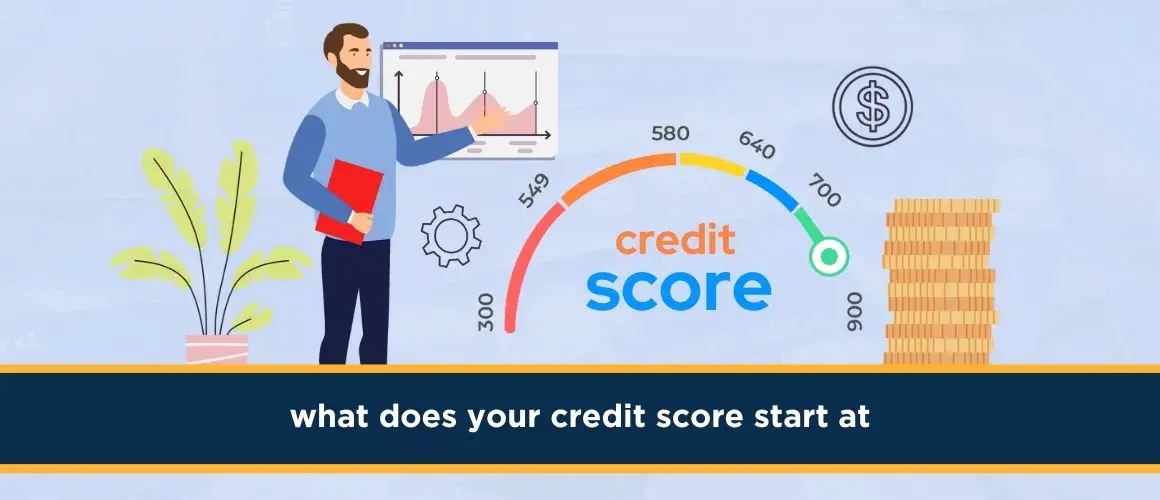
The burning question on many minds: Does checking your credit score actually lower it? This comprehensive guide will demystify the process, explain the different types of credit checks, and provide actionable insights to help you manage your credit health effectively in 2025.
Understanding Credit Checks: The Two Main Types
Navigating the world of credit can feel complex, and one of the most common points of confusion revolves around how checking your credit score affects its overall health. The good news is that for the vast majority of individuals, simply looking at your credit score does not lower it. This is because there are two fundamental types of credit checks, and only one of them has a potential, albeit minor, impact. Understanding this distinction is crucial for making informed financial decisions and maintaining a healthy credit profile. In 2025, with the increasing accessibility of credit information, this knowledge is more important than ever for consumers aiming to secure loans, mortgages, or even rent an apartment.
The two types of credit checks are known as "hard inquiries" and "soft inquiries." While both involve a lender or other entity accessing your credit report, their purpose and their effect on your credit score are vastly different. One is a precursor to a potential lending decision, while the other is typically for informational or pre-qualification purposes. This guide will break down each type in detail, so you can confidently monitor your credit without fear of damaging your score.
Hard vs. Soft Inquiries: The Key Difference
The fundamental distinction between hard and soft inquiries lies in their intent and the permission granted. A hard inquiry occurs when a lender checks your credit report because you have applied for new credit. This could be a credit card, a mortgage, an auto loan, or even a personal loan. When you apply for credit, you typically authorize the lender to pull your credit report. This authorization signals to the credit bureaus that you are actively seeking to take on new debt. Because taking on new debt can increase your financial risk, credit scoring models view multiple hard inquiries within a short period as a potential sign of financial distress or increased borrowing activity. Therefore, hard inquiries can have a small, negative impact on your credit score.
Conversely, a soft inquiry occurs when your credit report is accessed for reasons other than a direct application for new credit. This includes checking your own credit score, pre-qualification offers from lenders, background checks for employment or rental applications, and even existing creditors reviewing your account. Soft inquiries are not visible to other lenders and have absolutely no impact on your credit score. They are essentially informational checks that do not signal an increased risk to your financial profile. In 2025, with many services offering free credit score monitoring, understanding this difference ensures consumers can utilize these tools without apprehension.
What Constitutes a Hard Inquiry?
A hard inquiry is a formal request to view your credit report by a potential lender. This is typically initiated by you when you formally apply for:
- Credit cards (new applications)
- Mortgages
- Auto loans
- Personal loans
- Student loans
- Some rental applications (for apartments or houses)
- Some utility or cell phone service applications
When you sign an application for any of these, you are giving explicit permission for the lender to perform a hard inquiry. This is a standard part of the underwriting process. The lender needs to assess your creditworthiness to decide whether to approve your application and what terms to offer.
What Constitutes a Soft Inquiry?
A soft inquiry is a less intrusive check of your credit report. These checks are often initiated by you or by companies for non-lending purposes. Common examples of soft inquiries include:
- Checking your own credit score or report through a credit monitoring service or directly from a credit bureau.
- Pre-approved or pre-qualified credit card offers you receive in the mail or online. Lenders use these to gauge interest, but they don't impact your score.
- Background checks for employment purposes (with your consent).
- Background checks for rental applications (in some cases, though some landlords may opt for a hard inquiry).
- Existing creditors who periodically review your account to manage their risk or offer you new products.
- Identity verification checks.
The key takeaway is that soft inquiries are designed to provide information or assess general eligibility without signaling a direct intent to borrow, thus having no effect on your credit score.
How Hard Inquiries Impact Your Score
Hard inquiries can have a minor negative effect on your credit score. This is because credit scoring models, such as FICO and VantageScore, view a sudden increase in applications for credit as a potential indicator of financial strain or increased risk. When you apply for multiple credit accounts in a short period, it might suggest that you are in financial trouble and are desperately trying to borrow money. Therefore, each hard inquiry typically results in a small drop in your credit score, usually by a few points.
The impact of a hard inquiry is generally short-lived. Most credit scoring models will consider inquiries from the same category (e.g., mortgage inquiries) made within a specific window (typically 14-45 days, depending on the scoring model) as a single inquiry. This is known as a "rate shopping" or "deduplication" period. This allows consumers to shop around for the best rates on mortgages, auto loans, or student loans without being penalized for each individual comparison. For example, if you apply for three different car loans within a two-week period, all three inquiries might be treated as one for scoring purposes. However, inquiries for different types of credit, such as a credit card and a mortgage, are usually treated as separate.
The Magnitude of the Impact
The exact impact of a hard inquiry varies depending on several factors, including your existing credit profile, the number of inquiries, and the specific credit scoring model used. For individuals with excellent credit and a long credit history, a single hard inquiry might have a negligible effect, perhaps a drop of 1-5 points. For those with a thinner credit file or a history of credit issues, the impact could be slightly more pronounced. However, it's crucial to remember that the impact is generally small and temporary. Hard inquiries typically remain on your credit report for two years, but their impact on your score usually diminishes significantly after a few months.
Rate Shopping vs. Multiple Applications
It's essential to distinguish between genuine rate shopping and applying for numerous unrelated credit products. As mentioned, credit scoring models are designed to recognize and accommodate rate shopping for specific types of loans. For instance, if you are shopping for a mortgage, you might have several lenders pull your credit within a 30-day window. These inquiries are usually grouped together and count as a single inquiry. This is a beneficial feature that allows consumers to compare offers from different lenders to secure the best possible terms.
However, if you are applying for multiple credit cards, personal loans, and other disparate credit products simultaneously, each inquiry is likely to be counted individually and could lead to a more noticeable drop in your score. This behavior is viewed as a higher risk by credit scoring models. Therefore, it's advisable to be strategic about when and how you apply for new credit. In 2025, with the ease of online applications, it's tempting to apply for multiple offers, but exercising restraint is key to maintaining a healthy credit score.
Duration of Impact
Hard inquiries typically affect your credit score for about 12 months, although they may remain on your credit report for up to 24 months. The initial negative impact is usually felt most strongly in the first few months after the inquiry. As time passes and you continue to manage your credit responsibly, the effect of these inquiries will gradually fade. The best way to mitigate the impact of hard inquiries is to avoid unnecessary applications for new credit and to focus on positive credit behaviors like making on-time payments and keeping credit utilization low.
How Soft Inquiries Work (And Why They Don't)
Soft inquiries are the silent observers of your credit health. They are checks performed on your credit report that do not require your explicit permission for a credit application and, crucially, do not affect your credit score in any way. These inquiries are designed for informational purposes, either for yourself or for entities that need to verify your identity or assess your general creditworthiness without the intent of extending new credit at that moment. In 2025, understanding the prevalence and purpose of soft inquiries is vital for consumers who want to monitor their credit proactively.
When a soft inquiry occurs, it is recorded on your credit report, but it is typically only visible to you when you review your own credit report. Lenders and other creditors who pull your report for lending decisions cannot see these soft inquiries. This is a deliberate design choice by credit bureaus and scoring models to encourage consumers to check their credit and to allow businesses to perform necessary checks without negatively impacting the individual's creditworthiness. This distinction is paramount for anyone concerned about their credit score.
Examples of Soft Inquiries and Their Purpose
Let's delve deeper into common scenarios that trigger soft inquiries:
- Checking Your Own Credit Score: This is perhaps the most common type of soft inquiry. When you use a credit monitoring service, a banking app, or request your free annual credit reports, you are performing a soft inquiry. The purpose is to provide you with information about your credit health, enabling you to identify potential errors or track your progress.
- Pre-qualification and Pre-approval Offers: Many credit card companies and lenders send out "pre-approved" or "pre-qualified" offers. To do this, they perform a soft inquiry on a large group of consumers to identify those who meet certain criteria. Receiving these offers does not mean you have been approved for credit, nor does it impact your score. It's simply a marketing tool.
- Employment Background Checks: If you apply for a job, the employer may request to check your credit report as part of the background screening process. This is a soft inquiry, provided you give your consent. The employer is looking for information that might indicate reliability or financial responsibility, but it won't hurt your score.
- Rental Application Checks: While some landlords might opt for a hard inquiry to assess your creditworthiness for a rental property, many perform a soft inquiry. This allows them to get a general sense of your credit history without negatively impacting your score, especially if you are applying to multiple properties.
- Existing Creditor Account Reviews: Your current credit card company or loan provider may periodically review your credit report to manage their relationship with you. They might do this to assess your risk or to decide if they can offer you a credit limit increase or a new product. These are soft inquiries.
Why Soft Inquiries Don't Affect Your Score
The reason soft inquiries have no impact on your credit score is fundamental to how credit scoring models are designed. These models aim to predict your likelihood of repaying debt. A soft inquiry does not indicate that you are actively seeking to borrow more money or that your financial risk has increased. Instead, it signifies an informational check. If soft inquiries were to lower your score, consumers would be discouraged from monitoring their credit, which is counterproductive to maintaining good financial health. Credit bureaus and scoring agencies want to empower consumers with information, not penalize them for seeking it. Therefore, soft inquiries are intentionally excluded from the credit scoring calculation.
Visibility of Soft Inquiries
It's important to note that while soft inquiries do not affect your score, they can appear on your credit report. However, they are typically only visible to you when you access your own report. Lenders reviewing your report for a credit application will not see these soft inquiries. This separation ensures that your creditworthiness for lending purposes is not influenced by your personal credit monitoring activities or by pre-qualification checks. This transparency allows you to track who is looking at your credit, even for informational purposes.
Common Scenarios for Credit Checks
Understanding when your credit might be checked can help you anticipate potential impacts on your score. Most credit checks fall into the categories of hard or soft inquiries, each with its own implications. In 2025, with the continued evolution of financial services, being aware of these scenarios is key to proactive credit management.
Applying for New Credit
This is the most common reason for a hard inquiry. When you apply for any new line of credit, such as a credit card, mortgage, auto loan, or personal loan, the lender will perform a hard inquiry. This is a crucial step in their decision-making process. They need to assess your credit history to determine your creditworthiness. For example, if you are looking to buy a new car, you will likely apply for an auto loan. The lender will then pull your credit report, resulting in a hard inquiry. It's advisable to limit applications for new credit to when you genuinely need it and to consolidate your shopping for specific loan types within a short timeframe to minimize the impact.
Renting an Apartment or House
Landlords often check the credit history of prospective tenants to gauge their reliability in paying rent on time. Depending on the landlord or property management company, this check can be either a hard or a soft inquiry. Some may opt for a soft inquiry to avoid negatively impacting your score, especially if they are screening many applicants. Others might require your explicit permission for a hard inquiry as part of their standard application process. If you're concerned, it's best to ask the landlord or property manager about their screening process beforehand. A good credit score is increasingly important for securing rental properties in 2025.
Employment Verification
Many employers, particularly in financial services or roles involving significant responsibility, conduct credit checks as part of their background screening process. These are almost always soft inquiries and require your written consent. The employer is not looking at your credit score to decide whether to hire you based on your ability to repay debt, but rather to assess your overall responsibility and trustworthiness. These inquiries will not affect your credit score.
Getting Pre-Approved for Loans or Credit Cards
As discussed earlier, when you receive pre-approved or pre-qualified offers for credit cards or loans, this is typically based on a soft inquiry. Companies use these checks to identify consumers who meet their general criteria. This process allows you to see what offers you might be eligible for without any risk to your credit score. You can then choose to apply for one of these offers, which would then trigger a hard inquiry.
Checking Your Own Credit Score
This is the safest way to monitor your credit. Whether you use a free online service, your bank's mobile app, or request your report directly from the credit bureaus (Equifax, Experian, TransUnion), checking your own credit score is always a soft inquiry. It has zero impact on your score and is highly recommended for maintaining good credit health. In 2025, with numerous free and low-cost tools available, there's no excuse not to regularly review your credit report.
Utility and Cell Phone Services
When you sign up for new utility services (electricity, gas, water) or a new cell phone plan, the provider may check your credit. This is often done to determine if a security deposit is required. These checks can sometimes be hard inquiries, especially if you are establishing service for the first time or have a history of non-payment with other providers. It's worth inquiring about their specific policy when signing up.
Comparison of Inquiry Types in Common Scenarios
To further clarify, let's use a table to compare the common scenarios and the type of inquiry they usually involve:
| Scenario | Typical Inquiry Type | Impact on Credit Score | Visibility to Lenders |
|---|---|---|---|
| Applying for a Credit Card | Hard Inquiry | Minor, temporary decrease | Yes |
| Applying for a Mortgage | Hard Inquiry (often grouped for rate shopping) | Minor, temporary decrease | Yes |
| Checking Your Own Score | Soft Inquiry | None | No (only visible to you) |
| Receiving Pre-Approved Offers | Soft Inquiry | None | No |
| Employment Background Check | Soft Inquiry (with consent) | None | No |
| Renting an Apartment (some cases) | Soft Inquiry | None | No |
Managing Your Credit Score in 2025
Maintaining a healthy credit score is a cornerstone of financial well-being, and understanding how credit checks work is a vital part of this process. In 2025, with an ever-evolving financial landscape, proactive management is key. The good news is that for most consumers, the act of checking your credit score itself does not lower it. The key lies in understanding the difference between hard and soft inquiries and adopting smart credit habits.
The primary factors that influence your credit score remain consistent: payment history, credit utilization, length of credit history, credit mix, and new credit. While hard inquiries have a minor impact, they are far less significant than consistent on-time payments or managing your credit utilization ratio. Therefore, focus on building a strong credit foundation, and the occasional hard inquiry for a necessary loan will have a manageable effect.
Strategies for Maintaining a Healthy Credit Score
Here are actionable strategies to keep your credit score in top shape:
- Pay Your Bills On Time, Every Time: Payment history is the most significant factor influencing your credit score. Late payments can have a severe and lasting negative impact. Set up automatic payments or reminders to ensure you never miss a due date.
- Keep Credit Utilization Low: Aim to use no more than 30% of your available credit limit on each credit card. For example, if your credit limit is $10,000, try to keep your balance below $3,000. Lower utilization signals to lenders that you are not over-reliant on credit.
- Avoid Opening Too Many New Accounts at Once: While rate shopping for specific loans is acceptable, opening multiple credit cards or loans in a short period can trigger numerous hard inquiries and signal increased risk. Be strategic about when you apply for new credit.
- Monitor Your Credit Reports Regularly: Obtain your credit reports from Equifax, Experian, and TransUnion at least annually (or more frequently through free services). Review them for any errors or fraudulent activity. Correcting errors can significantly boost your score. You can get your free reports at annualcreditreport.com.
- Maintain a Mix of Credit: Having a mix of credit types, such as credit cards, installment loans (like a mortgage or auto loan), can be beneficial. However, don't open accounts you don't need just to achieve a mix.
- Keep Old Accounts Open: The length of your credit history is another important factor. Keeping older, well-managed accounts open can positively impact your score, even if you don't use them frequently.
The Role of Credit Scoring Models (FICO and VantageScore)
Understanding how credit scores are calculated is essential. The two most widely used credit scoring models are FICO and VantageScore. While they have some differences, they share many core principles. Both models consider the following:
- Payment History (35% for FICO): Whether you pay your bills on time.
- Amounts Owed (30% for FICO): How much credit you are using, particularly your credit utilization ratio.
- Length of Credit History (15% for FICO): How long your credit accounts have been open.
- Credit Mix (10% for FICO): The types of credit you have (e.g., revolving credit, installment loans).
- New Credit (10% for FICO): How often you open new accounts and the number of inquiries.
The "New Credit" category is where hard inquiries have their influence. However, as you can see from the percentages, their weight is relatively small compared to payment history and amounts owed. This reinforces the idea that while hard inquiries matter, they are not the sole determinant of your credit score.
2025 Statistics on Credit Score Impact
Current data from 2025 indicates that a single hard inquiry typically lowers a credit score by fewer than 5 points. The impact is most pronounced for individuals with limited credit history. For those with established credit, the effect is often negligible. Furthermore, the impact of inquiries diminishes significantly over time, with most scoring models giving them minimal weight after 12 months. For example, a study by Experian in 2025 found that the average credit score drop from one hard inquiry was 3 points, and this effect dissipated within six months for most consumers.
The Federal Trade Commission (FTC) also provides guidance, emphasizing that consumers should not fear checking their own credit. They highlight that soft inquiries, which are the most common when checking your score, have no impact. Hard inquiries are a necessary part of obtaining new credit, and scoring models are designed to account for this by grouping similar inquiries and reducing their impact over time. Therefore, in 2025, the advice remains consistent: monitor your credit, but apply for new credit judiciously.
Credit Monitoring Services and Your Score
Credit monitoring services have become increasingly popular, offering consumers a convenient way to keep tabs on their credit health. These services provide regular updates on your credit score and report, alerting you to significant changes or potential fraudulent activity. A crucial aspect of these services, and a common concern for users, is whether the ongoing monitoring process itself can negatively affect their credit score. The answer, fortunately, is a resounding no.
When you sign up for a credit monitoring service, the initial setup and subsequent regular checks performed by the service are classified as soft inquiries. As we've established, soft inquiries do not impact your credit score in any way. This is a deliberate design choice by credit bureaus and scoring agencies to encourage consumers to stay informed about their credit without fear of penalty. In 2025, with the rise of identity theft and the increasing importance of a good credit score, these services are invaluable tools for financial protection and management.
How Credit Monitoring Services Work
Credit monitoring services typically work by accessing your credit reports from one or more of the major credit bureaus (Equifax, Experian, TransUnion). They then use this information to provide you with:
- Credit Score Updates: Many services provide your credit score (often a FICO or VantageScore) on a regular basis, such as monthly or even weekly.
- Credit Report Access: You usually get access to your full credit reports, allowing you to review them for accuracy.
- Alerts and Notifications: These services will notify you of significant changes to your credit report, such as new accounts being opened, inquiries being made, or changes in your credit score. This is particularly useful for detecting identity theft.
- Identity Theft Protection: Many services offer additional features like dark web monitoring, social security number tracking, and insurance for identity theft.
The "Soft Inquiry" Advantage
The key benefit of using credit monitoring services is that all the checks they perform on your credit report are soft inquiries. This means that even if the service checks your credit daily, weekly, or monthly, it will never lower your credit score. These inquiries are visible only to you when you review your credit report, and they do not signal to lenders that you are actively seeking new credit. This allows you to stay informed and protected without any negative consequences to your creditworthiness.
Examples of Reputable Credit Monitoring Services (2025)
While specific offerings can change, some well-regarded credit monitoring services available in 2025 include:
- Credit Karma: Offers free credit scores and reports from TransUnion and Equifax, along with personalized insights.
- Experian Boost: Allows you to add utility and telecom payments to your Experian report, potentially improving your score.
- MyFICO: Provides FICO scores directly from FICO, offering a more in-depth view of your credit.
- Credit Sesame: Offers free credit scores and monitoring, along with personalized recommendations.
- AnnualCreditReport.com: While not a monitoring service, it's the official site to get your free credit reports annually from all three bureaus. Many monitoring services are built around these reports.
It's important to research and choose a service that best fits your needs and budget. Many offer free basic services, while premium tiers provide more comprehensive features and protection.
Understanding Your Credit Reports
Your credit report is a detailed history of your borrowing and repayment activities. It's compiled by the three major credit bureaus: Equifax, Experian, and TransUnion. Understanding what's in your credit report is crucial for managing your credit score effectively, especially in 2025. It's not just about the score; it's about the data that forms that score. Regularly reviewing your credit report allows you to catch errors, identify fraudulent activity, and understand the factors influencing your creditworthiness.
The information contained in your credit report is used by lenders to make decisions about whether to grant you credit and at what terms. It provides a comprehensive financial snapshot, detailing your credit accounts, payment history, outstanding debts, and public records. In essence, it's your financial autobiography, and it's vital to ensure it's accurate and up-to-date.
Key Sections of a Credit Report
A typical credit report is divided into several key sections:
- Personal Information: This includes your name, Social Security number, date of birth, current and previous addresses, and employment information. It's essential to ensure this information is accurate, as discrepancies can sometimes lead to identity theft issues or affect credit applications.
- Credit Accounts: This is the core of your report. It lists all your current and past credit accounts, including credit cards, mortgages, auto loans, student loans, and personal loans. For each account, you'll find details such as the lender's name, account number (often partially masked), date opened, credit limit or loan amount, current balance, and payment history (including any late payments or defaults).
- Inquiries: This section lists all the times your credit report has been accessed. It differentiates between hard inquiries (resulting from credit applications) and soft inquiries (from other sources). Hard inquiries are typically listed for two years, while soft inquiries may also appear but are not visible to lenders.
- Public Records: This section includes information from public records, such as bankruptcies, tax liens, and civil judgments. These have a significant negative impact on your credit score.
- Personal Statement: You have the right to add a brief statement (usually up to 100 words) to your credit report to explain any negative information, such as a period of unemployment or a significant medical debt.
The Importance of Accuracy
Accuracy on your credit report is paramount. Errors can occur due to various reasons, including data entry mistakes by lenders, misidentification, or even identity theft. Common errors include:
- Incorrect personal information (e.g., wrong address, wrong Social Security number).
- Accounts that do not belong to you.
- Incorrect payment status (e.g., a payment marked late when it was on time).
- Incorrect credit limits or balances.
- Outdated information that should have been removed.
If you find any inaccuracies, it's crucial to dispute them with the credit bureau and the furnisher of the information (the lender). The Fair Credit Reporting Act (FCRA) gives you the right to have errors investigated and corrected. In 2025, with the increasing reliance on credit for major life events, an accurate credit report is more critical than ever.
How to Obtain and Review Your Credit Reports
You are entitled to a free copy of your credit report from each of the three major credit bureaus every 12 months through annualcreditreport.com. This is the official, government-mandated source for free credit reports. Due to the COVID-19 pandemic, many bureaus continued to offer free weekly reports online, which is a benefit that may persist into 2025. It's advisable to stagger your requests, getting one report every four months from a different bureau, to monitor your credit throughout the year.
When reviewing your report, take your time and go through each section carefully. Check for any information that seems unfamiliar or incorrect. Pay close attention to the payment history section and the inquiries section. If you discover an error, follow the dispute process outlined by the credit bureau. This typically involves submitting a dispute online, by mail, or by phone, providing evidence to support your claim. The credit bureau then has a legal obligation to investigate your dispute within a specified timeframe.
What Experts Say About Credit Checks
Financial experts and credit counselors universally agree that the act of checking your own credit score does not lower it. This is a fundamental piece of advice they offer to consumers looking to improve or maintain their credit health. The distinction between hard and soft inquiries is central to this consensus. In 2025, this advice remains as relevant as ever, empowering individuals to take control of their financial information.
Leading financial institutions and consumer advocacy groups emphasize that regular monitoring of credit reports and scores is not only safe but highly recommended. They encourage consumers to utilize the free resources available, such as annualcreditreport.com and the many free credit score services offered by banks and credit card companies. The consensus is that transparency and informed decision-making are key to responsible credit management.
Guidance from Consumer Protection Agencies
Organizations like the Consumer Financial Protection Bureau (CFPB) and the Federal Trade Commission (FTC) provide extensive resources on credit reporting and scoring. Their guidance consistently reinforces the following points:
- Checking your own credit score is always a soft inquiry and has no negative impact on your credit score. This is a critical message designed to encourage financial literacy and proactive monitoring.
- Hard inquiries occur only when you apply for credit. Lenders use these to assess your creditworthiness. While they can have a small, temporary impact, credit scoring models are designed to account for consumers shopping for loans by grouping similar inquiries.
- Consumers have the right to access their credit reports and dispute inaccuracies. This right is protected by federal law, ensuring that credit reporting is fair and accurate.
These agencies actively promote the idea that consumers should feel empowered, not penalized, when seeking information about their credit. The availability of free credit reports and scores is a testament to this philosophy.
Insights from Credit Bureaus and Scoring Model Developers
The credit bureaus themselves (Equifax, Experian, TransUnion) and the developers of credit scoring models (like FICO and VantageScore) are aligned on this issue. Their public statements and educational materials consistently clarify:
- Soft inquiries are for informational purposes and do not affect credit scores. This includes checks by yourself, pre-qualification offers, and employment background checks.
- Hard inquiries are weighted in scoring models but have a limited impact, especially when clustered for rate shopping. For example, FICO explicitly states that inquiries are a small part of the overall score and their impact lessens over time.
- The goal of credit scoring is to predict future credit risk. Actions that indicate a higher risk (like applying for many new credit lines in a short period) are penalized, while informational checks are not.
Their educational content often features FAQs and articles that directly address the "does checking my score lower it?" question, providing clear and reassuring answers based on the mechanics of their systems.
Expert Advice for 2025
As we move through 2025, the advice from financial experts remains consistent and clear:
"Don't hesitate to check your credit score regularly. It's one of the most powerful tools you have for understanding and improving your financial health. The inquiries generated by checking your own score are 'soft' and will never hurt your credit. Focus your attention on the factors that truly drive your score: paying bills on time, keeping balances low, and managing new credit responsibly."
This sentiment is echoed by countless financial advisors, credit counselors, and personal finance bloggers. The emphasis is on proactive engagement with one's credit report and score, rather than fear of an imagined penalty. By demystifying credit checks and promoting regular monitoring, experts aim to empower consumers to make better financial decisions and achieve their goals, whether it's buying a home, securing a car loan, or simply maintaining financial stability.
Conclusion: Your Credit Score is Safe
The definitive answer to the question, "Does checking your credit score lower it?" is a resounding **no**, provided you are checking your own score or are the subject of a soft inquiry. The fear that simply looking at your credit report will negatively impact your score is a widespread misconception, but one that is easily dispelled by understanding the difference between hard and soft credit inquiries. In 2025, with readily available tools for credit monitoring, there's no reason to shy away from this essential aspect of financial management.
Hard inquiries, which occur when you apply for new credit, can have a minor and temporary negative effect. However, credit scoring models are designed to accommodate consumers who are rate shopping for specific loans, grouping similar inquiries within a short period. Soft inquiries, which are generated by checking your own score, pre-qualification offers, employment checks, and other informational purposes, have absolutely no impact on your credit score. They are visible only to you and do not signal increased risk to lenders.
Therefore, embrace the power of information. Regularly check your credit score and review your credit reports from Equifax, Experian, and TransUnion. Utilize the many free services available to monitor your credit health, detect potential fraud, and identify errors. Focus your efforts on the core pillars of good credit: consistent on-time payments, low credit utilization, and a healthy credit history length. By doing so, you not only safeguard your credit score but also pave the way for a more secure and prosperous financial future. Your credit score is a tool, and like any tool, understanding how it works is the first step to using it effectively.
