Don't Let Errors Sink You: Fix Your Equifax Credit Report
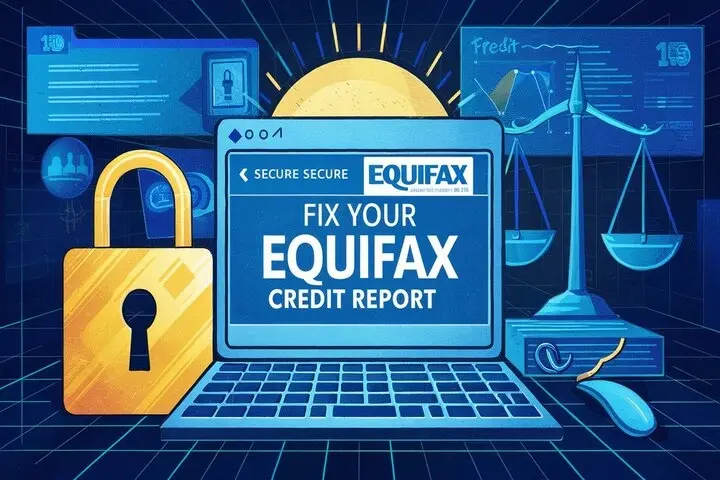
Equifax credit report errors can significantly impact your financial future, from loan approvals to rental applications. This guide provides actionable steps to identify, dispute, and correct inaccuracies, ensuring your creditworthiness isn't unfairly undermined. Don't let mistakes sink your financial goals; take control of your Equifax report today.
Understanding Your Equifax Credit Report
Your Equifax credit report is a detailed history of your borrowing and repayment activities. It's one of the three major credit bureaus in the United States, alongside Experian and TransUnion. Lenders, landlords, insurers, and even potential employers use this report to assess your creditworthiness and risk. A comprehensive understanding of its contents is the first crucial step in identifying and rectifying any errors that might be negatively impacting your financial standing.
Key Components of Your Equifax Report
An Equifax credit report is typically divided into several key sections:
- Personal Information: This includes your name, Social Security number, date of birth, current and previous addresses, and employment history. Accuracy here is paramount, as misspellings or outdated information can sometimes lead to confusion and errors.
- Credit Accounts: This is the core of your report, detailing all your credit accounts, such as credit cards, mortgages, auto loans, and student loans. For each account, you'll find information like the creditor's name, account number (often partially masked), date opened, credit limit or loan amount, current balance, payment history (including due dates and whether payments were on time), and the status of the account (e.g., open, closed, charged off).
- Public Records: This section lists significant negative financial events reported by government agencies. Common examples include bankruptcies, tax liens, and civil judgments. While less common, errors can still occur here.
- Credit Inquiries: This shows who has recently accessed your credit report. "Hard inquiries" occur when you apply for new credit, and they can slightly lower your score. "Soft inquiries" happen for promotional offers or when you check your own credit, and they don't affect your score.
Why Accuracy Matters
The information on your Equifax report directly influences your credit score. A higher credit score generally leads to:
- Lower interest rates on loans and credit cards.
- Easier approval for mortgages, car loans, and rental properties.
- Potentially lower insurance premiums.
- Better chances of getting approved for a new apartment or even a job.
Conversely, inaccuracies, such as late payments that weren't actually late, accounts that don't belong to you, or incorrect balances, can artificially lower your score, costing you money and opportunities. In 2025, with the continued emphasis on financial health and responsible lending, the scrutiny of credit reports by institutions is higher than ever.
Common Equifax Errors and Their Impact
Credit reporting is a complex process, and unfortunately, errors can and do occur. Understanding the most frequent types of mistakes on Equifax reports is the first step toward identifying them. The impact of these errors can range from minor inconvenconveniences to significant financial setbacks.
Types of Common Equifax Errors
Here are some of the most prevalent errors found on Equifax credit reports:
- Incorrect Personal Information: This can include misspellings of your name, incorrect Social Security numbers, wrong dates of birth, or outdated addresses. While seemingly minor, these can sometimes lead to accounts being wrongly associated with you.
- Duplicate Accounts: Sometimes, a single credit account might appear multiple times on your report, potentially inflating your total debt or credit utilization.
- Accounts Belonging to Someone Else: This is a serious error where a credit account opened by another individual with a similar name or address is mistakenly listed on your report. This can include identity theft.
- Incorrect Account Status: An account might be reported as "late" when the payment was made on time, or a "closed" account might still show an active balance.
- Wrong Balances or Credit Limits: The reported balance owed on a credit card or loan might be inaccurate, or the credit limit might be misstated, affecting your credit utilization ratio.
- Outdated Information: Negative information, such as late payments or collections, should be removed from your report after a certain period (typically seven years, with some exceptions for bankruptcies). Errors occur when this information isn't purged correctly.
- Public Record Errors: Incorrect details about bankruptcies, tax liens, or judgments can appear, or these records might be inaccurately attributed to you.
The Financial Ramifications of Errors
The consequences of these errors can be substantial:
| Error Type | Potential Impact |
|---|---|
| Late payment reported incorrectly | Lowered credit score, difficulty obtaining new credit, higher interest rates. |
| Account belonging to someone else | Inflated debt, reduced available credit, potential identity theft implications. |
| Incorrect high credit utilization | Significantly lowered credit score, even if payments are current. |
| Outdated negative information | Unfairly penalizing your score for past issues that should no longer be reported. |
| Public record errors | Severe damage to credit score, making it extremely difficult to get approved for any credit or housing. |
In 2025, with the average credit score hovering around 715, even a small dip due to an error can push individuals into higher-risk categories, costing them thousands over the life of a loan. For example, a 0.5% increase in a mortgage interest rate on a 30-year, $300,000 loan can amount to over $60,000 in additional interest paid.
Your Rights When Disputing Equifax Errors
The Fair Credit Reporting Act (FCRA) is a federal law that protects consumers by ensuring the accuracy, fairness, and privacy of their credit information. This act grants you specific rights when it comes to disputing inaccuracies on your Equifax credit report.
Key Provisions of the FCRA
The FCRA empowers you to:
- Access Your Credit Reports: You are entitled to a free copy of your credit report from each of the three major credit bureaus (Equifax, Experian, and TransUnion) once every 12 months through AnnualCreditReport.com. This allows you to review your report for errors.
- Dispute Inaccurate Information: If you find any information on your report that you believe is inaccurate or incomplete, you have the right to dispute it with the credit bureau.
- Investigation by Credit Bureaus: Upon receiving a dispute, the credit bureau must investigate the disputed information. They are required to contact the furnisher of the information (e.g., the bank or credit card company) to verify its accuracy.
- Time Limits for Investigation: The investigation must generally be completed within 30 days of receiving your dispute. This period can be extended to 45 days if you provide additional information during the 30-day period.
- Removal of Inaccurate Information: If the furnisher cannot verify the accuracy of the disputed information, or if it's found to be inaccurate, it must be corrected or removed from your credit report.
- Notification of Results: The credit bureau must provide you with the results of their investigation in writing.
- Right to Add a Statement: If the dispute is not resolved to your satisfaction, you have the right to add a brief statement to your credit report explaining your side of the story.
The Role of the Furnisher
It's important to understand that while you dispute the information with Equifax, Equifax's primary responsibility is to investigate. The accuracy of the information ultimately rests with the "furnisher" – the company that originally reported the data to Equifax. The FCRA mandates that furnishers also have a responsibility to ensure the accuracy of the information they provide.
What Constitutes a Valid Dispute?
A valid dispute typically involves:
- Identifying the specific inaccurate information on your report.
- Stating why you believe it is inaccurate.
- Providing supporting documentation if available.
The FCRA doesn't require you to use a specific form, but it does require you to identify yourself and the information you are disputing. It's also advisable to keep records of all communication with Equifax and the furnisher.
Step-by-Step Guide to Fixing Equifax Errors
Fixing errors on your Equifax credit report requires a systematic approach. By following these steps, you can effectively identify, dispute, and resolve inaccuracies, helping to restore the integrity of your credit history.
Step 1: Obtain and Review Your Equifax Credit Report
The first and most critical step is to get a copy of your Equifax credit report. As per the FCRA, you are entitled to a free report from each of the three major credit bureaus annually. Visit AnnualCreditReport.com to request your reports.
Once you have your report, review it thoroughly. Pay close attention to:
- Personal Information: Ensure your name, address, Social Security number, and date of birth are correct.
- Account Details: Check the names of creditors, account numbers (even partially masked ones), dates opened, balances, credit limits, and payment history for each account.
- Public Records: Verify the accuracy of any judgments, liens, or bankruptcies listed.
- Inquiries: Make sure you recognize all the hard inquiries.
Step 2: Identify Specific Errors
As you review, make a list of every piece of information you believe is inaccurate. Be specific. Instead of just saying "late payment error," note the account name, the date of the alleged late payment, and the correct payment date if you have proof.
Common errors to look for include:
- Accounts you don't recognize.
- Late payments reported when you paid on time.
- Incorrect balances or credit limits.
- Accounts that are listed as open but should be closed.
- Personal information that is outdated or incorrect.
- Duplicate accounts.
Step 3: Gather Supporting Documentation
For each error you identify, gather any documentation that supports your claim. This could include:
- Copies of canceled checks or bank statements showing proof of payment.
- Credit card statements showing on-time payments.
- Letters from creditors confirming account status or payment history.
- Court documents related to public records.
- Any other official documents that contradict the information on your report.
Having strong evidence significantly strengthens your dispute.
Step 4: Decide How to Dispute
Equifax offers several ways to dispute information:
- Online: This is often the fastest method. Visit the Equifax website and navigate to their credit report dispute section.
- By Mail: You can send a written dispute letter to Equifax. This method allows you to include copies of your supporting documents and creates a clear paper trail.
- By Phone: While you can initiate a dispute by phone, it's generally recommended to follow up in writing or online for documentation purposes.
For 2025, online disputes are highly encouraged for their speed and efficiency. However, if you have extensive documentation or complex issues, a mailed letter can be more effective.
Step 5: Submit Your Dispute
Follow the instructions for your chosen method. If mailing, send your letter via certified mail with a return receipt requested. This ensures you have proof of delivery. Include your full name, address, Social Security number, and a clear description of the information you are disputing and why. Attach copies (never originals) of your supporting documents.
Equifax Dispute Address (as of recent information, always verify on their site):
Equifax Information Services LLC
P.O. Box 740256
Atlanta, GA 30374
Step 6: Monitor Your Progress
After submitting your dispute, Equifax has 30-45 days to investigate. They will typically send you an acknowledgment of your dispute and then the results of their investigation. Keep records of all correspondence.
Step 7: Review the Results and Follow Up
Once you receive the results, carefully review them. If the error has been corrected, congratulations! If the error persists and you believe it's still inaccurate, you may have grounds for further action, including submitting additional evidence or escalating the dispute.
Gathering Evidence for Your Dispute
The success of your dispute hinges on the quality and relevance of the evidence you provide. Without sufficient proof, Equifax and the furnisher may simply uphold their original reporting. This section details the types of evidence that are most effective when disputing errors on your Equifax credit report.
Types of Strong Evidence
When disputing, think about what directly contradicts the information reported by Equifax. Here are some examples of strong evidence:
- Proof of Payment for Late Payments:
- Canceled Checks: The front and back of the canceled check, clearly showing the date it was cashed and the payee.
- Bank Statements: Highlighting the transaction, date, and amount, along with the creditor's name.
- Online Payment Confirmations: Screenshots or printouts of successful online payments, including transaction IDs and dates.
- Account Ownership Disputes:
- Proof of Identity: If an account is wrongly attributed to you, and it belongs to someone else with a similar name, provide documentation that clearly distinguishes your identity (e.g., a driver's license copy showing your correct name and address).
- Affidavits: A sworn statement from the individual who actually opened the account, confirming it is theirs and not yours.
- Incorrect Balances or Credit Limits:
- Recent Account Statements: The most recent statement from the creditor that shows the correct balance or credit limit.
- Correspondence from Creditor: Any letters or emails from the creditor that acknowledge an error in reporting or confirm a corrected balance/limit.
- Closed Accounts Still Showing Activity:
- Original Account Closure Documentation: A letter or statement from the creditor confirming the date the account was closed.
- Statements Showing Zero Balance Post-Closure: If the account was closed with a zero balance, provide statements reflecting this.
- Public Record Errors:
- Court Documents: If a judgment or lien has been wrongly reported or satisfied, provide official court documents showing its dismissal, satisfaction, or that it was never against you.
- IRS or State Tax Agency Letters: If a tax lien is incorrect, documentation from the relevant tax authority proving it's been resolved or was never applicable.
- Identity Theft Evidence:
- Police Report: If you've filed a police report for identity theft, a copy of this is crucial.
- Identity Theft Affidavit: A formal affidavit stating you are a victim of identity theft.
- Letters from Fraud Departments: Any communication from creditors or collection agencies acknowledging fraudulent activity on an account.
Tips for Organizing and Submitting Evidence
Effective organization makes your dispute stronger and easier for Equifax to process:
- Create a Master File: Keep all your dispute-related documents in one place.
- Number Your Documents: If sending by mail, number each piece of evidence and reference these numbers in your dispute letter.
- Make Copies: Never send original documents. Always keep originals for your records and send clear, legible copies.
- Be Concise and Clear: Your dispute letter should be easy to read and understand. Clearly state what you are disputing and why, referencing your evidence.
- Use Certified Mail: For mailed disputes, always use certified mail with a return receipt. This provides proof that Equifax received your package and on what date.
- Digital Organization: If disputing online, ensure you have scanned, clear copies of your documents ready for upload.
In 2025, the digital landscape for dispute resolution is increasingly sophisticated. While mailed letters are still valid, online portals are designed for efficiency. Ensure your scanned documents are high-resolution and easily readable. The goal is to make it as simple as possible for the investigator to see the validity of your claim.
Submitting Your Equifax Dispute
Successfully submitting your Equifax dispute is a critical step. This section outlines the primary methods for filing a dispute and provides essential tips to ensure your submission is processed efficiently and effectively.
Methods of Dispute Submission
Equifax offers several convenient ways to file a dispute:
- Online Dispute:
- Process: This is generally the quickest and most recommended method. Navigate to the Equifax website and look for the "Dispute" or "Credit Report Help" section. You'll typically be guided through an online form where you can input your personal information, identify the specific information you're disputing, and upload supporting documents.
- Advantages: Fast processing, immediate confirmation of submission, easy document upload, and a digital record of your submission.
- Considerations: Ensure you have clear, scanned copies of all supporting documents before starting.
- Dispute by Mail:
- Process: Write a formal dispute letter detailing the inaccuracies and include copies of your supporting documentation. Send this letter via certified mail with a return receipt requested to the Equifax address provided in the previous section.
- Advantages: Provides a strong paper trail, allows for detailed explanations, and is ideal for those with extensive physical documentation.
- Considerations: This method is slower due to mail transit and processing times. Always keep a copy of your letter and the return receipt.
- Dispute by Phone:
- Process: You can call Equifax's customer service to initiate a dispute. However, it's often advisable to follow up with a written or online submission to ensure proper documentation.
- Advantages: Can be helpful for initial inquiries or if you need clarification.
- Considerations: Verbal disputes may not be as robustly documented as written ones.
Crafting Your Dispute Letter (for Mail or as a Template for Online)
Whether you're mailing a letter or filling out an online form, the content should be clear and comprehensive. Here’s what to include:
- Your Full Name and Address: As it appears on your credit report.
- Social Security Number: For verification.
- Date of Birth: For verification.
- Clear Identification of the Disputed Item: Specify the account name, account number (if available), and the specific information you believe is inaccurate (e.g., "The reported late payment on account #XXXX on MM/DD/YYYY is incorrect").
- Reason for Dispute: Clearly explain why the information is inaccurate. Refer to your supporting documents (e.g., "I have attached a copy of my bank statement showing this payment was made on time on MM/DD/YYYY").
- Desired Outcome: State what you want Equifax to do (e.g., "I request that this inaccurate late payment be removed from my credit report").
- List of Enclosed Documents: If mailing, list all the documents you are including.
- Your Signature and Date: For mailed letters.
Important Tips for a Successful Submission
- Be Specific: Vague disputes are less likely to be resolved. Pinpoint the exact error.
- Be Polite and Professional: Maintain a respectful tone in all your communications.
- Keep Records: Document every interaction, including dates, times, names of representatives, and what was discussed.
- Respond Promptly: If Equifax requests additional information, respond within the given timeframe to avoid delays.
- Understand the Furnisher's Role: Remember that Equifax will contact the data furnisher. Your evidence needs to convince them.
- Consider Sending to the Furnisher Directly: In some cases, it can be beneficial to also dispute the information directly with the company that reported it to Equifax. This can sometimes expedite the correction process.
By following these guidelines, you can ensure your Equifax dispute is submitted correctly, increasing the likelihood of a swift and favorable resolution. In 2025, proactive communication and meticulous record-keeping are your strongest allies in navigating the credit reporting system.
What Happens After You Dispute
Once you've submitted your dispute to Equifax, a structured investigation process begins. Understanding these steps and what to expect can help you manage your expectations and follow up effectively. The goal is to have inaccuracies corrected or removed, thereby improving your credit report and score.
The Investigation Process
Equifax is legally obligated to investigate your dispute under the FCRA. Here's a breakdown of the typical process:
- Acknowledgement: Equifax will usually acknowledge receipt of your dispute, either verbally, via email, or in writing. This confirmation often includes a reference number for your case.
- Review and Verification: Equifax reviews your dispute and the supporting documentation you provided. They then contact the furnisher of the information (e.g., the credit card company, bank, or collection agency) to verify the accuracy of the disputed item.
- Furnisher's Response: The furnisher is required to investigate the disputed information and report back to Equifax with their findings. They must provide substantiation for the accuracy of the data.
- Equifax's Decision: Based on the furnisher's response and their own review, Equifax makes a determination.
Timeframes for Investigation
The FCRA sets strict deadlines:
- Standard Investigation: Equifax generally has 30 days from the date they receive your dispute to complete their investigation and provide you with the results.
- Extended Investigation: If you provide additional information or documentation during the initial 30-day period, Equifax has an additional 15 days (for a total of 45 days) to complete the investigation.
It's crucial to submit all your information upfront to avoid delays. If Equifax fails to meet these deadlines, it could be a violation of the FCRA.
Receiving the Results
After the investigation, Equifax must send you the results in writing. This notification will include:
- A summary of the investigation's findings.
- A statement that the disputed information has been corrected, deleted, or that the furnisher has verified its accuracy.
- A free copy of your updated credit report if any changes were made.
- Information on your right to have a statement of dispute added to your file if the dispute is not resolved to your satisfaction.
Possible Outcomes of Your Dispute
There are several potential outcomes:
- Error Corrected: The most favorable outcome. The inaccurate information is removed or corrected on your report.
- Error Verified: The furnisher provides evidence that the information is accurate, and Equifax upholds the original reporting.
- Information Removed: Sometimes, the furnisher may not respond within the required timeframe or may not be able to verify the information, leading to its removal from your report, even if it was accurate.
- Partial Correction: Some aspects of your dispute may be upheld, while others are not.
What to Do If the Dispute is Unsuccessful
If Equifax determines the disputed information is accurate, or if you are unsatisfied with the outcome:
- Review the Results Carefully: Understand why Equifax made their decision. Did the furnisher provide sufficient evidence?
- Gather More Evidence: If you have additional proof that contradicts the furnisher's claim, collect it.
- Re-dispute: You can submit a new dispute with new or more compelling evidence.
- Add a Statement of Dispute: You have the right to add a brief explanation (up to 100 words) to your credit file about why you believe the information is inaccurate. This statement will appear on future credit reports.
- Contact the Furnisher Directly: Sometimes, communicating directly with the original creditor or debt collector can resolve issues.
- Consider Legal Action: If you believe Equifax or the furnisher has violated the FCRA, you may consult with a consumer protection attorney.
In 2025, staying informed about your rights and maintaining thorough records are paramount. The dispute process can be frustrating, but persistence and a clear understanding of the procedures are key to achieving a positive outcome for your Equifax credit report.
Preventing Future Equifax Errors
While disputing errors is essential, taking proactive steps to prevent them from occurring in the first place is equally important for maintaining a clean and accurate Equifax credit report. By implementing good financial habits and staying vigilant, you can significantly reduce the likelihood of future mistakes.
Regularly Monitor Your Credit Reports
Don't wait for a problem to arise. Make it a habit to check your credit reports regularly. As mentioned, you're entitled to a free report from each bureau annually via AnnualCreditReport.com. Consider staggering your requests: check Equifax one quarter, Experian the next, and TransUnion the quarter after that. Many credit card companies and financial institutions also offer free credit score monitoring, which can alert you to significant changes.
Maintain Accurate Personal Information
Ensure your personal details are up-to-date with all your creditors and financial institutions. This includes your:
- Full legal name
- Social Security number
- Current address
- Phone number
- Employment information
When you move, change your name, or update your employment, inform all relevant parties promptly. This prevents confusion that could lead to reporting errors.
Practice Good Financial Habits
The most effective way to prevent negative information from appearing on your report is to manage your credit responsibly:
- Pay Bills On Time: Late payments are a primary driver of negative credit reporting. Set up automatic payments or calendar reminders to ensure you never miss a due date.
- Keep Credit Utilization Low: Aim to use no more than 30% of your available credit on credit cards. High utilization can negatively impact your score and may be misreported.
- Understand Your Credit Terms: Be aware of your credit limits, payment due dates, and any fees associated with your accounts.
- Close Unused Accounts Carefully: If you decide to close an old credit card account, ensure there are no outstanding balances. Sometimes, closing accounts can affect your credit utilization ratio, so do so thoughtfully.
Be Wary of Identity Theft
Identity theft is a major cause of fraudulent accounts appearing on credit reports. Protect yourself by:
- Shredding sensitive documents before discarding them.
- Using strong, unique passwords for online accounts.
- Being cautious of phishing scams and suspicious emails or calls.
- Monitoring your bank and credit card statements for unauthorized transactions.
- Considering credit freezes if you are particularly concerned about identity theft.
Communicate with Creditors
If you anticipate difficulty making a payment, contact your creditor *before* the due date. Many creditors are willing to work with you to find a solution, such as a payment plan or a temporary deferral, which can prevent a late payment from being reported to the credit bureaus.
Understand the Reporting Cycle
Creditors typically report to the credit bureaus once a month. While you can't control exactly when this happens, knowing that it's a monthly process can help you time your payments and disputes. For example, if you make a payment right before the reporting cycle, it should reflect on your next report.
Review Credit Card Offers Carefully
When you receive pre-approved credit card offers, they are based on a "soft inquiry" of your credit. However, if you accept an offer, it will result in a "hard inquiry" and the account will be added to your report. Ensure you only apply for credit you actually need to avoid unnecessary inquiries and potential reporting errors.
By integrating these preventative measures into your financial routine, you can build a more robust defense against errors on your Equifax credit report. In 2025, a proactive approach to credit management is more valuable than ever in securing your financial well-being.
When to Seek Professional Help
While you have the right and ability to dispute errors on your Equifax credit report yourself, there are specific situations where seeking assistance from a professional can be highly beneficial. These professionals can navigate complex issues, save you time, and potentially achieve better results.
Signs You Might Need Professional Assistance
Consider seeking help if you encounter any of the following:
- Extensive Errors: Your credit report contains numerous inaccuracies across multiple accounts or categories.
- Identity Theft: You suspect or know that your identity has been stolen, and fraudulent accounts are appearing on your report. This often requires a more complex and strategic approach.
- Unresolved Disputes: You have attempted to dispute errors multiple times, but Equifax or the furnisher has failed to correct them, or the disputes have been consistently denied without sufficient explanation.
- Complex Account Issues: You are dealing with issues like debt validation disputes, collection agency harassment, or accounts that have been sold multiple times, making it difficult to determine the correct party to address.
- Significant Negative Impact: Errors on your report are actively preventing you from obtaining essential services like a mortgage, a rental property, or even a job, and the stakes are very high.
- Lack of Time or Resources: You simply don't have the time, energy, or confidence to navigate the dispute process effectively on your own.
Types of Professionals Who Can Help
Several types of professionals can assist with credit report issues:
- Credit Counseling Agencies: Non-profit credit counseling agencies accredited by the National Foundation for Credit Counseling (NFCC) or the Financial Counseling Association of America (FCAA) can offer guidance. They can help you understand your credit report, create a budget, and sometimes advise on dispute strategies. Be cautious and ensure they are reputable and not offering credit repair services that make unrealistic promises.
- Credit Repair Organizations: These for-profit companies specialize in disputing errors on credit reports. They often have experience and established processes for dealing with credit bureaus and furnishers. However, it's crucial to choose a reputable one. Look for companies that are members of the Credit Reporting Industry Association (CRIA) or have good reviews and transparent pricing. Be wary of companies that guarantee results or charge upfront fees before any work is done.
- Consumer Protection Attorneys: If you suspect your rights under the FCRA have been violated, or if you're dealing with severe identity theft or predatory practices, a consumer protection attorney is your best resource. They can take legal action against credit bureaus or furnishers on your behalf. Many offer free initial consultations.
Choosing the Right Professional
When selecting a professional, consider the following:
- Reputation and Accreditation: For non-profits, look for NFCC or FCAA accreditation. For for-profits, research their history, client reviews, and any affiliations.
- Transparency: A good professional will clearly explain their services, fees, and the process involved. They should not make guarantees of specific results.
- Fees: Understand the fee structure. Credit repair organizations typically charge monthly fees or per-item fees. Attorneys work on retainers or contingency fees. Compare costs and value.
- Communication: The professional should be responsive and keep you informed about the progress of your case.
- Focus on Education: Reputable professionals will also educate you on maintaining good credit habits to prevent future issues.
The Credit Repair Organizations Act (CROA) provides some consumer protections for those using credit repair services. Ensure any company you hire complies with these regulations.
In 2025, with the increasing complexity of financial data and the prevalence of sophisticated fraud, professional help can be a valuable investment for individuals facing significant credit report challenges. They can offer expertise and leverage that may be difficult to replicate on your own.
In conclusion, errors on your Equifax credit report can have far-reaching consequences, impacting your ability to secure loans, rent housing, and even obtain employment. By understanding your rights under the FCRA, meticulously reviewing your report, gathering strong evidence, and following a systematic dispute process, you can effectively challenge inaccuracies. Don't let mistakes on your Equifax report derail your financial aspirations. Take proactive steps to identify, dispute, and correct these errors. If the situation becomes overwhelming or complex, consider seeking guidance from reputable credit counseling agencies, credit repair organizations, or consumer protection attorneys. Your financial future is too important to leave to chance; empower yourself to maintain an accurate and healthy credit profile.