Easy Ways to Improve Your Credit Score In 2021
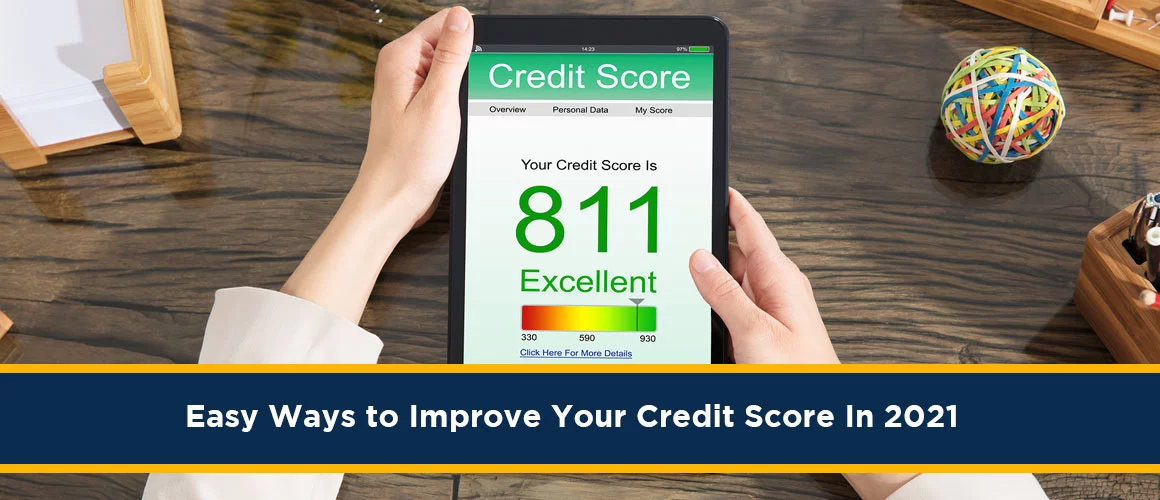
Ready to boost your financial future? This guide reveals the simplest, most effective strategies to significantly improve your credit score in 2025. We'll cut through the confusion and provide actionable steps you can implement today for a healthier credit profile.
Understanding Credit Scores: The Foundation
Your credit score is a three-digit number that lenders use to assess your creditworthiness. It's a crucial element in obtaining loans, mortgages, credit cards, and even renting an apartment or securing certain jobs. In 2025, understanding how this number is calculated is more important than ever. Scores typically range from 300 to 850, with higher scores indicating lower risk to lenders. The most common scoring models are FICO and VantageScore, both of which consider similar factors, though their weighting may differ slightly.
Essentially, your credit score is a snapshot of your financial behavior over time. It tells lenders how likely you are to repay borrowed money. A good credit score can unlock lower interest rates, saving you thousands of dollars over the life of a loan. Conversely, a poor score can lead to higher interest rates, limited credit options, and outright denial of credit. This guide will break down the key components that influence your score and provide actionable, easy ways to improve them throughout 2025 and beyond.
Why Your Credit Score Matters in 2025
The financial landscape in 2025 continues to emphasize the importance of a strong credit score. Beyond traditional lending, landlords increasingly check credit reports, and some employers use them as part of their hiring process, particularly for roles involving financial responsibility. The cost of borrowing is also directly tied to your score. For instance, a person with a score of 750 might qualify for a mortgage interest rate of 6%, while someone with a score of 650 might face a rate of 7.5% or higher. Over 30 years on a $300,000 mortgage, this difference can amount to over $100,000 in extra interest payments.
Furthermore, the availability of credit products designed for building credit is expanding, but these often come with higher fees or interest rates if your score isn't robust. Understanding the mechanics of your credit score is the first step toward leveraging it to your financial advantage.
Key Factors Influencing Your Credit Score
While the exact algorithms are proprietary, both FICO and VantageScore agree on the primary drivers of your credit score. These include:
- Payment history
- Credit utilization ratio
- Length of credit history
- Credit mix
- New credit inquiries
We will delve into each of these in detail, providing practical advice for improvement.
Payment History: The Undisputed King
Payment history is the single most impactful factor in your credit score, accounting for approximately 35% of your FICO score. This metric reflects whether you pay your bills on time. Lenders want to see a consistent track record of responsible repayment. Late payments, missed payments, defaults, and bankruptcies can significantly damage your score.
The good news is that this is also the area where you have the most direct control. Making timely payments on all your credit accounts is the most fundamental and effective way to build and maintain a healthy credit score.
The Impact of Late Payments
Even a single late payment can have a noticeable negative effect. The severity of the impact depends on how late the payment is (30, 60, 90 days past due) and your existing credit score. A 30-day late payment will hurt less than a 90-day delinquency. However, any mark on your payment history will remain on your credit report for up to seven years, with bankruptcies staying for up to 10 years.
In 2025, lenders are particularly attuned to payment behavior, as economic fluctuations can test consumers' ability to manage their debts. Demonstrating consistent on-time payments is your strongest defense against credit score dips.
Easy Ways to Ensure On-Time Payments
Here are actionable steps to ensure you never miss a payment:
- Set Up Automatic Payments: This is arguably the easiest and most effective strategy. Link your bank account to your credit card and loan accounts to make minimum payments automatically. Ensure you have sufficient funds in your account to cover these payments to avoid overdraft fees.
- Use Calendar Reminders: If you prefer not to automate, set up calendar alerts on your phone or computer a few days before the due date.
- Pay Bills Immediately Upon Receipt: When you receive your statement, make the payment right away. This reduces the chance of forgetting.
- Consolidate Due Dates: If possible, try to align your due dates for different accounts. Many credit card companies allow you to change your due date.
- Prioritize Secured Debts: If you're facing financial hardship, prioritize payments on secured debts like mortgages and car loans, as these can lead to repossession if not paid.
What to Do If You Miss a Payment
Mistakes happen. If you realize you've missed a payment, act immediately.
- Pay Immediately: Make the payment as soon as you discover the oversight.
- Contact the Creditor: Call your credit card company or lender. Explain the situation and ask if they can waive the late fee and, more importantly, if they will refrain from reporting the late payment to the credit bureaus. If it's your first late payment in a long time, they might be willing to help, especially if you have a good history with them.
- Check Your Credit Report: After a week or two, check your credit report to ensure the late payment was not reported, or if it was, that it's accurately reflected as a single instance.
Remember, consistency is key. Aim for a perfect payment record to maximize the positive impact on your credit score.
Credit Utilization: Mastering Your Spending Ratio
Credit utilization ratio (CUR) is the second most important factor, typically accounting for about 30% of your FICO score. It measures the amount of credit you're using compared to your total available credit. For example, if you have a credit card with a $10,000 limit and you owe $3,000 on it, your utilization is 30%.
Experts generally recommend keeping your credit utilization below 30% on each card and overall. However, lower is always better. A utilization ratio of 10% or less is considered excellent and can significantly boost your score.
Why Low Utilization Matters
A high credit utilization ratio can signal to lenders that you are heavily reliant on credit and may be at a higher risk of defaulting. This is because it suggests you might be struggling to manage your debt or are maxing out your credit lines. In 2025, with economic uncertainties, lenders are scrutinizing this metric more closely.
Strategies to Lower Your Credit Utilization
Here are effective ways to keep your credit utilization low:
- Pay Down Balances: The most direct approach is to pay down your credit card balances. Focus on paying more than the minimum payment whenever possible.
- Request a Credit Limit Increase: If you have a good payment history with a particular card issuer, contact them and ask for a credit limit increase. If approved, this instantly lowers your utilization ratio without you spending more. Be aware that some issuers may perform a hard inquiry for this, which can temporarily ding your score.
- Spread Your Spending Across Cards: Instead of putting all your purchases on one card, distribute them across multiple cards. This helps keep the utilization on each individual card low.
- Make Multiple Payments Per Month: Pay off your balance or a significant portion of it before your statement closing date. This way, the lower balance is reported to the credit bureaus. For example, if your statement closes on the 25th, make a payment on the 15th to reduce the reported balance.
- Avoid Maxing Out Cards: Even if you pay the balance off in full before the due date, repeatedly maxing out cards can still be viewed negatively by some scoring models.
The Impact of Credit Limit Reductions
It's important to note that credit card issuers can sometimes reduce your credit limit, especially if they perceive increased risk or if you haven't used the card in a while. If your limit is reduced, your utilization ratio automatically increases, potentially lowering your score. Always monitor your credit limits and balances.
Length of Credit History: Patience is a Virtue
The length of your credit history, which accounts for about 15% of your FICO score, refers to how long your credit accounts have been open and the average age of all your accounts. Lenders prefer to see a longer history of responsible credit management, as it provides more data points to assess your behavior.
A longer credit history generally indicates more experience managing credit, which is seen as a positive sign. The average age of your accounts is more important than the age of your oldest account alone.
How to Build a Longer Credit History
This factor is largely out of your immediate control, as it requires time. However, there are strategies to ensure you're building a positive history:
- Keep Old Accounts Open: Even if you don't use an old credit card much, keeping it open (especially if it has no annual fee) can help maintain the average age of your accounts. Just make a small purchase on it occasionally and pay it off immediately to keep it active.
- Avoid Closing Accounts Unnecessarily: Closing an account reduces your total available credit, which can increase your credit utilization ratio, and it also removes that account's history from your credit report, potentially lowering the average age of your accounts.
- Be Patient: The best way to improve this aspect of your score is simply to continue using credit responsibly over time.
The Myth of "Starting Over"
Some people believe closing old accounts and opening new ones will "refresh" their credit. This is generally not true and can be detrimental. While it's good to close accounts that have high fees or you no longer need, closing your oldest accounts is usually counterproductive for credit age.
Credit Mix: Why Diversification Matters
Credit mix, accounting for about 10% of your FICO score, refers to the variety of credit accounts you have. This includes revolving credit (like credit cards) and installment loans (like mortgages, auto loans, or personal loans). Lenders want to see that you can manage different types of credit responsibly.
Having a mix of both revolving and installment credit can be beneficial. For example, managing a credit card and a car loan well demonstrates a broader ability to handle different credit obligations. However, this factor is less impactful than payment history or utilization.
Balancing Your Credit Mix
You don't need to open new accounts solely to diversify your credit mix, especially if you don't need them. The key is responsible management of the accounts you already have.
- Don't Open Accounts Just for Mix: If you don't need a personal loan, don't take one out just to improve your credit mix. The potential harm from interest and fees outweighs the minor benefit.
- Focus on Other Factors First: Prioritize on-time payments and low credit utilization. These have a much larger impact.
- Natural Diversification: As you progress in life, you'll naturally acquire different types of credit. A mortgage, a car loan, and credit cards are common.
Is Having Only Credit Cards Bad?
Having only credit cards, or only installment loans, won't automatically tank your score if you manage them perfectly. However, a diverse mix, managed well, can provide a slight edge. For instance, a person with a good credit card history and a mortgage might score slightly higher than someone with an equally good credit card history but no other forms of credit.
New Credit: Applying Responsibly
The amount of new credit you've recently sought or opened accounts for makes up about 10% of your FICO score. When you apply for credit, lenders often perform a "hard inquiry" on your credit report. Too many hard inquiries in a short period can signal to lenders that you are in financial distress or are a higher risk.
Each hard inquiry typically results in a small, temporary drop in your credit score (usually less than 5 points). While the impact is usually minimal and short-lived, it's best to avoid excessive applications.
Managing Inquiries and New Accounts
Here's how to manage this factor effectively:
- Apply for Credit Only When Necessary: Resist the urge to apply for every "pre-approved" offer you receive. Only apply for credit when you genuinely need it, such as for a major purchase like a car or home, or if you're strategically looking for a better credit card.
- Shop Around for Rates: If you're applying for a mortgage or auto loan, you can "rate shop" within a specific timeframe (typically 14-45 days, depending on the scoring model). Multiple inquiries for the same type of loan within this window are often treated as a single inquiry, minimizing the impact on your score.
- Be Mindful of "Soft" vs. "Hard" Inquiries: Soft inquiries (like checking your own credit score or pre-qualification checks) do not affect your credit score. Only applications for new credit trigger hard inquiries.
- Avoid Opening Too Many Accounts at Once: Spreading out applications over time is better than opening several new accounts in a few months.
The Impact of Authorized User Status
Becoming an authorized user on someone else's credit card can sometimes help your credit score, especially if the primary cardholder has a long, positive payment history and low utilization. However, if the primary cardholder misses payments or has high utilization, it can negatively impact your score. In 2025, some scoring models are giving less weight to authorized user status, but it can still be a helpful tool for some.
Dealing with Errors and Collections
Negative items on your credit report, such as errors, late payments, or collections, can severely damage your score. Addressing these promptly is crucial for improvement.
Disputing Errors on Your Credit Report
Mistakes happen. Your credit report may contain inaccuracies that can lower your score. You have the right to dispute any information you believe is incorrect.
- Obtain Your Credit Reports: Get free copies of your credit reports from Equifax, Experian, and TransUnion at AnnualCreditReport.com.
- Review Carefully: Look for any inaccuracies, such as accounts that aren't yours, incorrect payment statuses, or wrong personal information.
- File a Dispute: You can file a dispute online, by mail, or by phone with each credit bureau reporting the error. Provide as much documentation as possible.
- Follow Up: The credit bureaus have about 30 days to investigate your dispute. They will contact the furnisher of the information (e.g., the credit card company) for verification. If the information is found to be inaccurate, it must be corrected or removed.
In 2025, the process for disputing errors is streamlined, but persistence is still key.
Handling Collections Accounts
A collections account appears on your credit report when a debt has been turned over to a collection agency because it was severely delinquent. These have a significant negative impact.
- Verify the Debt: Before paying anything, request a "debt validation letter" from the collection agency to confirm they have the right to collect the debt and that the amount is accurate.
- Negotiate a "Pay for Delete": If the debt is valid, try to negotiate a "pay for delete" agreement. This means you agree to pay a portion or all of the debt in exchange for the collection agency removing the item from your credit report entirely. Get this agreement in writing before making any payment.
- Settle the Debt: If pay for delete isn't possible, try to settle the debt for less than the full amount owed. Even a settled collection account is better than an unpaid one, though it will still show as settled.
- Statute of Limitations: Be aware of the statute of limitations for debt collection in your state. While a collection account can remain on your credit report for seven years, the time period during which a creditor can sue you for the debt is shorter.
Addressing collections promptly is vital for credit score recovery.
Advanced Strategies for an Extra Boost
Once you've mastered the fundamentals, consider these advanced strategies to give your credit score an extra edge in 2025.
Secured Credit Cards and Credit-Builder Loans
For individuals with no credit history or a damaged one, secured credit cards and credit-builder loans are excellent tools.
- Secured Credit Cards: You provide a cash deposit that typically equals your credit limit. This deposit acts as collateral, making it less risky for the issuer. Use the card responsibly, make on-time payments, and the issuer will report your activity to the credit bureaus, helping you build positive credit history. After a period of good behavior, you may be able to graduate to an unsecured card and get your deposit back.
- Credit-Builder Loans: These are small loans where the borrowed amount is held in a savings account by the lender. You make payments on the loan, and once it's paid off, you receive the funds. Your on-time payments are reported to the credit bureaus, helping to establish or rebuild credit.
Becoming an Authorized User (Strategically)
As mentioned earlier, being added as an authorized user to a credit card with a long, positive history and low utilization can sometimes boost your score. However, this strategy comes with risks:
- Choose Wisely: Only agree to this if the primary cardholder has impeccable credit habits.
- Understand the Risk: If the primary cardholder misses payments or racks up debt, it can negatively impact your credit score.
- Check Reporting Practices: Some card issuers don't report authorized user activity to all credit bureaus, or they may have specific rules about it.
Rent and Utility Reporting Services
In recent years, services have emerged that allow you to report your on-time rent and utility payments to credit bureaus. While not universally adopted by all scoring models, they can provide an additional boost, especially for those who don't have much other credit activity.
- How it Works: You typically pay a fee to a third-party service, which then reports your payment history to one or more of the major credit bureaus.
- Considerations: Ensure the service you choose reports to all three major bureaus and is compatible with the scoring models you're aiming to improve.
Tools and Resources to Help You Succeed
Leveraging the right tools and resources can make the process of improving your credit score much smoother and more effective in 2025.
credit monitoring Services
Regularly monitoring your credit is essential. Credit monitoring services can help you:
- Track Your Score: See how your score changes over time and identify which actions are having the most impact.
- Receive Alerts: Get notified of any significant changes to your credit report, such as new accounts opened in your name, late payments, or inquiries. This can help you spot identity theft quickly.
- Review Credit Reports: Many services provide access to your full credit reports from all three bureaus, making it easier to spot errors.
Popular options include Credit Karma, Experian Boost, MyFICO, and services offered by major credit card companies.
Budgeting and Financial Planning Apps
Effective budgeting is the backbone of good credit management. Apps can help you:
- Track Spending: Understand where your money is going.
- Create Budgets: Set financial goals and stick to them.
- Manage Bills: Some apps integrate with bill payment services to help you avoid late fees.
Examples include Mint, YNAB (You Need A Budget), and PocketGuard.
Educational Resources
Continuously educating yourself about credit and personal finance is crucial.
- Government Resources: The Consumer Financial Protection Bureau (CFPB) offers a wealth of free information on credit reports, scores, and consumer rights.
- Non-Profit Credit Counseling Agencies: Organizations like the National Foundation for Credit Counseling (NFCC) can provide free or low-cost advice and debt management plans.
- Reputable Financial Websites: Many established financial news sites and blogs offer articles, guides, and tools related to credit improvement.
By utilizing these resources, you can make informed decisions and stay on track with your credit-building journey.
Comparison of Credit Score Factors and Their Impact (Approximate FICO Weighting)
| Factor | Approximate Weighting | Key Actions for Improvement |
|---|---|---|
| Payment History | 35% | Pay all bills on time, every time. Set up auto-pay. |
| Credit Utilization Ratio | 30% | Keep balances low (under 30%, ideally under 10%). Pay down debt. |
| Length of Credit History | 15% | Keep old accounts open. Be patient. |
| Credit Mix | 10% | Manage different types of credit responsibly (if applicable). |
| New Credit | 10% | Apply for credit only when needed. Shop rates within a window. |
In conclusion, improving your credit score in 2025 is an achievable goal with a strategic approach. By focusing on consistent on-time payments, maintaining low credit utilization, and managing your credit accounts responsibly, you can build a strong financial foundation. Remember to monitor your credit reports regularly for errors and address any negative items promptly. With patience and consistent effort, you'll see your credit score rise, opening doors to better financial opportunities and saving you money in the long run.
