How Can You Repair Your Credit Score?
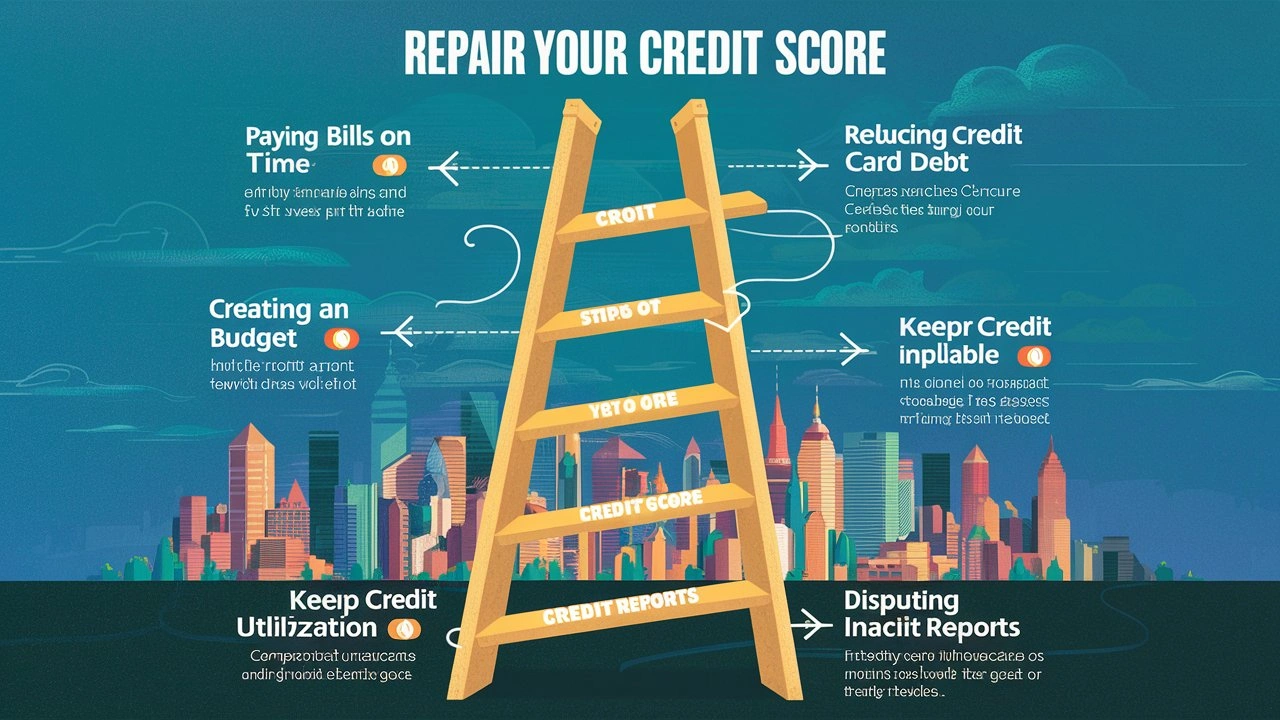
Understanding how to repair your credit score is crucial for achieving financial goals like securing loans or better interest rates. This guide provides actionable strategies and expert insights to help you navigate the credit repair process effectively, empowering you to take control of your financial future.
Understanding Credit Scores
A credit score is a three-digit number that lenders use to assess your creditworthiness, essentially predicting how likely you are to repay borrowed money. In 2025, these scores remain a cornerstone of financial decision-making, influencing everything from loan approvals to rental applications and even insurance premiums. The most common scoring models, like FICO and VantageScore, generate scores typically ranging from 300 to 850. A higher score indicates a lower risk to lenders, making it easier to access credit and secure favorable terms. Conversely, a low score signals a higher risk, leading to loan denials or significantly higher interest rates.
Understanding the mechanics behind your credit score is the first step toward improving it. It’s not a static number; it fluctuates based on your financial behaviors and the information reported by your creditors. This dynamic nature means that with consistent effort and smart financial habits, you can actively influence and enhance your credit standing over time. Recognizing the importance of this score is paramount for anyone looking to build a stable financial future.
Why Credit Repair Matters
The impact of a good credit score extends far beyond simply qualifying for a loan. In 2025, a strong credit profile is often a prerequisite for major life events. For instance, when applying for a mortgage, a higher credit score can translate into thousands of dollars saved in interest over the life of the loan. Similarly, auto insurance companies increasingly use credit-based insurance scores to determine premiums, meaning a better score can lead to lower monthly payments. Even renting an apartment can become challenging with a poor credit history, as landlords often view it as an indicator of your reliability as a tenant.
Beyond these tangible benefits, a good credit score offers peace of mind. It provides financial flexibility and reduces stress associated with unexpected expenses or major purchases. It’s a testament to responsible financial management and can open doors to opportunities that might otherwise remain closed. Investing time and effort into repairing your credit is not just about fixing past mistakes; it's about building a foundation for future financial success and security.
Common Reasons for Low Credit
Several factors can contribute to a low credit score, often stemming from financial missteps or challenging life circumstances. Understanding these common culprits is essential for identifying areas that need attention during the credit repair process.
Late or Missed Payments: This is arguably the most significant factor impacting credit scores. Even a single missed payment can have a detrimental effect, and a pattern of late payments can severely damage your creditworthiness. Lenders view timely payments as the primary indicator of your ability to manage debt responsibly.
High Credit Utilization Ratio: This refers to the amount of credit you're using compared to your total available credit. If you consistently carry high balances on your credit cards, it suggests you may be overextended, which can negatively impact your score. A utilization ratio above 30% is generally considered high.
Collections and Charge-offs: When you fail to pay a debt for an extended period, the creditor may send the account to a collection agency or "charge it off" as a loss. These negative marks remain on your credit report for years and significantly lower your score.
Length of Credit History: While not always a primary driver, a short credit history can sometimes lead to a lower score. Lenders prefer to see a long track record of responsible credit management.
Limited Credit Mix: Having only one type of credit (e.g., only credit cards) might not be as beneficial as having a mix of credit types, such as credit cards, installment loans (like mortgages or auto loans), and potentially a personal loan. However, this factor is less impactful than payment history or utilization.
New Credit Applications: Applying for multiple credit accounts in a short period can lead to numerous "hard inquiries" on your credit report. Each hard inquiry can slightly lower your score, as it might suggest you are in financial distress and seeking a lot of credit quickly.
Errors on Credit Reports: Unfortunately, inaccuracies can appear on credit reports. Incorrectly reported late payments, accounts that aren't yours, or wrong balances can all drag down your score without you being at fault.
How to Check Your Credit Report
Before you can repair your credit, you need to know what's on your credit report. This document details your credit history and is used to calculate your credit score. Fortunately, accessing your credit report is a straightforward process, and you're entitled to free copies regularly.
AnnualCreditReport.com: This is the official, government-mandated website where you can obtain free credit reports from the three major credit bureaus: Equifax, Experian, and TransUnion. Due to the ongoing economic climate, you can typically access a free report from each bureau weekly in 2025. This is the most reliable and recommended method.
Directly from Credit Bureaus: You can also request reports directly from Equifax, Experian, or TransUnion. While they will provide reports, using AnnualCreditReport.com ensures you get all three for comparison.
Through Credit Card Companies or Financial Institutions: Many credit card issuers and banks now offer free access to your credit score and sometimes even a summarized credit report as a customer benefit. While convenient for monitoring, these are often not the full, detailed reports needed for comprehensive repair.
What to Look For: Once you have your reports, scrutinize them carefully. Pay attention to:
- Personal Information: Ensure your name, address, Social Security number, and employment history are accurate.
- Account Information: Verify all listed credit accounts, their balances, credit limits, and payment history. Check for any accounts you don't recognize.
- Public Records: Look for bankruptcies, judgments, or tax liens.
- Inquiries: Note all recent credit inquiries. Differentiate between "soft inquiries" (like checking your own score) and "hard inquiries" (from lenders checking your credit for new applications).
Reviewing your reports from all three bureaus is crucial because they may contain slightly different information.
Key Components of Your Credit Score
Understanding the factors that influence your credit score is vital for effective repair. While the exact weighting can vary slightly between scoring models, the core components remain consistent. In 2025, these elements are still the primary drivers of your creditworthiness:
1. Payment History (Approximately 35%): This is the most critical factor. It reflects whether you pay your bills on time. Late payments, defaults, bankruptcies, and collections all significantly harm this component. Conversely, a consistent history of on-time payments builds a strong foundation.
2. Amounts Owed (Credit Utilization) (Approximately 30%): This measures how much of your available credit you are using. Keeping your credit utilization ratio low (ideally below 30%, and even better below 10%) is crucial. High utilization suggests you might be overextended and a higher risk.
3. Length of Credit History (Approximately 15%): This considers the age of your oldest account, the age of your newest account, and the average age of all your accounts. A longer credit history generally indicates more experience managing credit, which is viewed favorably.
4. Credit Mix (Approximately 10%): This factor looks at the variety of credit accounts you have, such as credit cards, installment loans (mortgages, auto loans), and retail accounts. Having a mix can be beneficial, demonstrating your ability to manage different types of credit responsibly. However, this is less impactful than payment history or utilization.
5. New Credit (Approximately 10%): This involves the number of recently opened accounts and the number of recent hard inquiries on your credit report. Opening too many new accounts in a short period or having many hard inquiries can indicate increased risk.
By focusing your repair efforts on the most influential factors – payment history and credit utilization – you can make the most significant impact on your score.
Strategies for Repairing Credit
Repairing your credit score is a journey that requires patience, consistency, and a strategic approach. It's not about quick fixes but about building sustainable, positive financial habits. Here are the most effective strategies for improving your credit standing:
Addressing Late Payments
Late payments are a major red flag for lenders. The first step is to ensure all current accounts are paid on time. For past late payments that are still within the reporting period (typically 7 years, or 10 for bankruptcy), the damage is already done, but you can mitigate further harm.
Catch Up Immediately: If you have any accounts that are currently past due, bring them current as soon as possible. The longer an account remains delinquent, the more damage it causes.
Set Up Automatic Payments: For all your bills, consider setting up automatic payments from your bank account. This is one of the most effective ways to ensure you never miss a due date again. Ensure you have sufficient funds in your account to cover these payments.
Payment Reminders: If automatic payments aren't feasible, use calendar alerts, phone reminders, or budgeting apps to track due dates and make payments well in advance.
Goodwill Letters: In rare cases, if you have a long history of on-time payments with a specific creditor and a single late payment occurred due to extenuating circumstances, you might try writing a "goodwill letter." This is a polite request asking the creditor to remove the late payment from your report. Success is not guaranteed, but it's a low-risk option.
Negotiating with Creditors: If you are struggling to catch up, contact your creditors immediately. They may be willing to work with you on a payment plan or temporarily adjust your payment terms to help you avoid further delinquency.
Managing Credit Utilization
Your credit utilization ratio (CUR) is the amount of revolving credit you're using compared to your total available revolving credit. A high CUR signals to lenders that you might be over-reliant on credit, which can negatively impact your score. The general rule of thumb is to keep your CUR below 30%, but aiming for below 10% is even better for maximizing your score.
Pay Down Balances: The most direct way to lower your CUR is to pay down the balances on your credit cards. Focus on paying more than the minimum payment whenever possible. Prioritize paying down cards with the highest interest rates first (the debt avalanche method) or those with the highest balances (the debt snowball method).
Increase Credit Limits: If your spending habits are under control, you can request a credit limit increase from your credit card issuer. If approved, this will automatically lower your CUR, assuming your spending remains the same. Be cautious not to increase spending just because your limit is higher.
Spread Out Your Spending: If you have multiple credit cards, try to distribute your spending across them rather than maxing out one card while others have low balances. This can help keep the CUR on individual cards low, which is often considered by scoring models.
Make Multiple Payments: Consider making payments throughout the billing cycle, not just once a month. If you pay down your balance before the statement closing date, the reported utilization to the credit bureaus will be lower.
Avoid Closing Unused Credit Cards: Unless there's an annual fee or a specific reason, avoid closing old, unused credit cards. Doing so reduces your total available credit, which can increase your CUR and potentially lower your score.
Dealing with Collections and Charge-offs
Accounts in collections or that have been charged off are significant negative marks on your credit report. They typically remain for seven years from the date of the original delinquency. While they can't be removed instantly, you can take steps to manage them.
Negotiate a Pay-for-Delete: This is a powerful strategy where you negotiate with the collection agency to remove the collection account from your credit report entirely in exchange for payment. Get any agreement in writing *before* you pay. While not all collection agencies agree to this, it's worth attempting.
Pay the Debt: Even if you can't get a pay-for-delete, paying off the collection account is generally advisable. While the negative mark may remain for its full duration, a paid collection looks better than an unpaid one. It shows you've taken responsibility.
Verify the Debt: Before paying anything, ensure the debt is valid and that the collection agency has the legal right to collect it. You can request debt validation from the agency within 30 days of their initial contact. If they can't validate it, you may not be obligated to pay.
Understand Charge-offs: A charge-off means the original creditor has written off the debt as a loss. This is still a serious negative mark. You may still be pursued for payment by the original creditor or a collection agency. Addressing it, even if paid, can help mitigate its long-term impact.
Statute of Limitations: Be aware of the statute of limitations for debt collection in your state. This is the period during which a creditor can sue you to collect a debt. Paying an old debt might restart this clock in some states, so consult with a legal professional if unsure.
Disputing Errors on Your Credit Report
Errors on credit reports are more common than many people realize and can unfairly lower your score. The Fair Credit Reporting Act (FCRA) gives you the right to dispute inaccurate information with the credit bureaus and the furnisher of the information (the creditor).
Identify the Error: Carefully review your credit reports from Equifax, Experian, and TransUnion. Look for inaccuracies such as incorrect personal information, accounts you don't recognize, incorrect balances, duplicate negative entries, or payments reported incorrectly.
Gather Evidence: Collect all supporting documents that prove the information is inaccurate. This could include payment receipts, account statements, letters from creditors, or any other relevant paperwork.
Submit a Dispute: You can file a dispute online, by mail, or by phone with each credit bureau that shows the error. The most effective method is often via certified mail, as it provides a record of your communication.
Dispute with the Furnisher: You can also dispute the information directly with the creditor or company that reported it. This often speeds up the process, as the bureau will typically contact the furnisher anyway.
Follow Up: The credit bureaus have 30 days (sometimes 45) to investigate your dispute. They must remove any information that is found to be inaccurate, incomplete, or unverifiable. If they don't resolve it satisfactorily, you may need to escalate your dispute or seek professional assistance.
Keep Records: Document every communication, including dates, names of representatives, and the content of discussions. This is crucial if further action is needed.
Building Positive Payment History
Payment history is the most significant factor in your credit score. The best way to repair a damaged score is to consistently demonstrate responsible payment behavior going forward.
Pay All Bills On Time: This cannot be stressed enough. Make it a priority to pay every bill – credit cards, loans, utilities (if reported), rent (if reported) – by its due date. Even one late payment can undo months of progress.
Use Credit Responsibly: If you have credit cards, use them for small, manageable purchases that you can pay off in full each month. This helps build a positive payment history without increasing your debt or utilization ratio.
Consider a Secured Credit Card: If you have a very low credit score or no credit history, a secured credit card can be an excellent tool. You provide a cash deposit, which becomes your credit limit. Use it for small purchases and pay it off diligently. After 6-12 months of responsible use, many issuers will refund your deposit and convert it to an unsecured card.
Become an Authorized User: If you have a trusted friend or family member with excellent credit, they might consider adding you as an authorized user on one of their credit cards. Their positive payment history on that account can then reflect on your credit report. Ensure they are responsible with their credit.
Credit-Builder Loans: Some credit unions and community banks offer credit-builder loans. You make payments on the loan, but the money is held in an account until the loan is fully repaid. This demonstrates consistent payment behavior and helps build your credit history.
Responsible Credit Management
Beyond just fixing past mistakes, adopting a mindset of responsible credit management is key to long-term credit health.
Budgeting: Create and stick to a realistic budget. Knowing where your money is going helps you avoid overspending and ensures you have funds available to meet your financial obligations.
Avoid Unnecessary Debt: Think carefully before taking on new debt. If you can pay for something with cash, it's often a better option than financing it, especially if it's a depreciating asset or a non-essential purchase.
Monitor Your Credit Regularly: Continue to check your credit reports and scores periodically. This allows you to catch any new errors or fraudulent activity quickly and track your progress.
Understand Loan Terms: When you do take out loans, make sure you fully understand the interest rate, fees, repayment schedule, and any other terms and conditions before signing.
Emergency Fund: Build an emergency fund. Having savings for unexpected expenses (job loss, medical bills, car repairs) can prevent you from having to rely on credit cards or loans in a crisis, thus protecting your credit score.
Credit Repair Companies: Pros and Cons
For those who feel overwhelmed by the credit repair process, credit repair companies offer their services. However, it's crucial to approach them with caution and understand what they can and cannot do.
| Pros of Credit Repair Companies | Cons of Credit Repair Companies |
|---|---|
| Expertise: They understand credit laws and reporting systems. | Cost: Services can be expensive, often charging monthly fees or per-item fees. |
| Time Savings: They handle the administrative tasks of disputing and negotiating. | No Guarantees: They cannot guarantee specific results or removal of accurate information. |
| Objectivity: They can provide an objective perspective on your credit situation. | Potential for Scams: The industry has seen its share of fraudulent companies. |
| Negotiation Skills: Some companies are skilled at negotiating with creditors and collection agencies. | Limited Impact on Accurate Information: They cannot remove information that is accurate and verifiable. |
What to Look For: If you choose to use a credit repair company, ensure they are reputable. Look for companies that:
- Are transparent about their fees and services.
- Do not charge upfront fees for services they haven't yet performed (this is illegal in many places).
- Provide a clear contract outlining services and costs.
- Are registered and compliant with relevant consumer protection laws.
- Advise you to continue paying your bills on time while they work on your behalf.
Important Note: Credit repair companies cannot do anything that you cannot do yourself for free. They primarily leverage their knowledge and time to pursue disputes and negotiations. Many of the strategies outlined above can be implemented by individuals without professional help.
Timeline for Credit Repair
Repairing a credit score is not an overnight process. The timeline depends heavily on the severity of the issues on your report and the consistency of your efforts. In 2025, here's a realistic outlook:
- Initial Impact (1-3 Months): After you start implementing positive changes like paying bills on time and reducing credit utilization, you might see a small improvement in your score within a few months. Disputing errors can also yield results within this timeframe if the errors are promptly verified and removed.
- Moderate Improvement (6-12 Months): With consistent positive activity, you should see more significant gains. Paying down debt, maintaining low utilization, and continuing on-time payments will build a stronger credit history. Negative items like late payments will start to have a diminishing impact as they age.
- Significant Gains (1-2 Years): By the time negative marks like collections and charge-offs are a couple of years old and you've established a solid history of responsible credit use, your score can see substantial increases.
- Full Impact (7-10 Years): Most negative information, such as late payments, collections, and charge-offs, will remain on your credit report for seven years. Bankruptcies can stay for up to ten years. While their impact lessens over time, they will eventually fall off your report, leading to a potentially much higher score if you've maintained good credit habits in the interim.
Patience and persistence are key. Focus on making smart financial decisions consistently, and your credit score will reflect those efforts over time.
Preventing Future Credit Damage
Once you've made progress in repairing your credit, the focus shifts to maintaining and protecting your improved score. Preventing future damage is as important as the repair process itself.
Maintain Low Credit Utilization: Continue to keep your credit card balances low, ideally below 30% of your credit limit, and even better, below 10%. Pay down balances regularly.
Always Pay Bills On Time: This is the golden rule. Set up reminders or automatic payments to ensure no payment is ever missed. Even a single late payment can set you back significantly.
Avoid Opening Too Much New Credit: Only apply for credit when you genuinely need it. Multiple hard inquiries in a short period can lower your score.
Monitor Your Credit Reports: Regularly check your credit reports for any inaccuracies or signs of identity theft. AnnualCreditReport.com is your best resource for free reports.
Build an Emergency Fund: Having savings can prevent you from needing to rely on credit cards for unexpected expenses, thus avoiding high-interest debt and potential payment issues.
Review Your Statements: Carefully review your credit card and loan statements each month for any unauthorized charges or errors.
Be Wary of High-Interest Offers: While a mix of credit can be good, avoid falling into the trap of high-interest debt that you struggle to manage.
Educate Yourself: Stay informed about credit scoring and personal finance. The more you understand, the better equipped you'll be to make sound financial decisions.
Credit Score Benchmarks and Goals
Understanding what constitutes a "good" credit score can help you set realistic goals for your credit repair journey. In 2025, these benchmarks are generally:
- Exceptional Credit (800-850): You'll likely qualify for the best interest rates and terms on loans and credit cards.
- Very Good Credit (740-799): You'll qualify for most loans and credit cards with favorable terms.
- Good Credit (670-739): You'll likely be approved for most standard loans and credit cards, though terms may not be as competitive as for those with higher scores.
- Fair Credit (580-669): You may be approved for some loans, but often with higher interest rates and fees. You might face challenges with rental applications or certain utility services.
- Poor Credit (Below 580): Approval for new credit will be difficult, and if approved, it will likely come with very high interest rates and unfavorable terms.
Setting Goals: Your goal should be to move from your current score range into the "Good" or "Very Good" categories. If your score is currently in the "Fair" or "Poor" range, focus first on reaching "Fair" or "Good" by addressing the most impactful factors: payment history and credit utilization. Then, aim higher. For example, if your score is 550, a realistic initial goal might be to reach 620 within 6-12 months by consistently paying bills on time and reducing debt.
Remember that credit repair is a marathon, not a sprint. Celebrate small victories along the way and stay committed to your financial well-being.
Conclusion
Repairing your credit score is an achievable goal that requires diligence, strategic planning, and consistent effort. By understanding the components of your credit score, identifying the root causes of a low score, and implementing proven strategies like addressing late payments, managing credit utilization, and disputing errors, you can systematically improve your financial standing. Remember that building positive payment history and practicing responsible credit management are the cornerstones of long-term credit health. While credit repair companies can offer assistance, many of the most effective steps can be taken independently. Be patient with the process, as significant improvements typically take time, but the rewards of a stronger credit score – better loan terms, increased financial opportunities, and greater peace of mind – are well worth the investment. Start today by checking your credit reports and taking the first actionable step toward a healthier financial future.
