How Long Does It Take To Get A Credit Score: A Comprehensive Guide
Understanding Credit Scores: The Foundation
Embarking on the journey to financial well-being often begins with understanding a crucial element: your credit score. This three-digit number is a snapshot of your creditworthiness, influencing everything from loan approvals to rental applications. Many individuals wonder, "How long does it take to get a credit score?" This guide will demystify the process, providing clear timelines and actionable strategies for building a strong financial future, starting today.
A credit score is a numerical representation of your credit risk, calculated by credit bureaus based on your credit history. Lenders use this score to assess the likelihood that you will repay borrowed money. While the exact algorithms are proprietary, the core factors remain consistent. Understanding these factors is the first step toward building a score that works for you. This comprehensive guide will explore the nuances of credit score creation, the timeframes involved, and how to accelerate your progress.
In essence, a credit score isn't something you "get" instantly; it's something you build over time through responsible financial behavior. The question isn't just about the initial creation of a score, but rather about cultivating a positive credit history that leads to a favorable score. We will delve into the specific actions required to establish this history and the typical durations associated with seeing those actions reflected in your credit report and score.
How Long Does It Take To Get A Credit Score? The Initial Timeline
The most direct answer to "How long does it take to get a credit score?" is that you need an active credit account that is reported to the major credit bureaus. This typically requires at least one tradeline (like a credit card or loan) to be open and reported for a minimum of six months. Once this reporting occurs, a credit score can be generated.
However, this initial score might be very thin and not truly representative of your long-term credit habits. A "thin file" means there isn't enough information for a comprehensive assessment. Therefore, while a score can technically be generated in about six months with a single, well-managed account, a truly robust and meaningful credit score takes longer to develop.
Think of it like building a house. You can lay the foundation in a few weeks, but the house isn't livable or complete until all the walls, roof, plumbing, and electrical systems are in place and inspected. Similarly, a credit score needs a history of responsible behavior across various credit categories to become a reliable indicator of your financial health.
The Credit Scoring Models:
- FICO Scores: The most widely used credit scoring model. Different versions exist (FICO Score 8, FICO Score 9, FICO 10), but the underlying principles of assessing credit risk remain.
- VantageScore: Another popular scoring model developed by the three major credit bureaus. It aims for more consistent scoring across bureaus.
Both models consider similar factors, but their weighting and specific calculations may differ. Regardless of the model, the need for a history of credit activity is paramount.
The Six-Month Rule Explained
The "six-month rule" is a general guideline. It signifies the minimum period a credit account must be active and reported to the credit bureaus before a credit score can be generated. For example, if you open a credit card today and it reports your account activity to Equifax, Experian, and TransUnion, it will typically take about six months of on-time payments and consistent reporting for a score to appear on your credit report.
It's crucial to understand that this is the *minimum* time. If your first credit account is a secured loan, or a credit-builder loan, the reporting cycle might also follow this six-month benchmark. The key is the consistent, positive reporting of your payment behavior.
What Happens If You Have No Credit History?
Individuals with no prior credit history are often referred to as "credit invisibles." They don't have a credit report with the major bureaus, and therefore, no credit score. This can make it challenging to rent an apartment, get a loan, or even secure a cell phone plan without a hefty deposit. The process of building credit from scratch is designed to move you out of this "invisible" category.
The initial step for credit invisibles is to establish that first tradeline. This could be a secured credit card, a co-signed loan, or becoming an authorized user on someone else's account. Once this account is opened and actively reported, the clock starts ticking towards that six-month mark for a score to be generated.
Factors Influencing Score Creation Time
While the six-month mark is a general starting point, several factors can influence how quickly and how well your credit score develops beyond its initial creation. These factors are not about *getting* a score, but about the *quality* and *strength* of that score.
Types of Credit Accounts
The type of credit accounts you open and manage plays a significant role. A diverse credit mix can be beneficial, but it takes time to establish. For example, having both revolving credit (like credit cards) and installment credit (like loans) demonstrates a broader ability to manage different types of debt responsibly. However, opening too many accounts too quickly can negatively impact your score.
* Revolving Credit: Credit cards, lines of credit. These have a credit limit, and you can borrow and repay funds repeatedly. * Installment Credit: Mortgages, auto loans, personal loans, student loans. These are typically repaid in fixed monthly payments over a set period.
For score creation, one type of account is sufficient to start. However, to build a strong score, demonstrating responsible management of multiple types over time is beneficial. This diversification typically takes more than just the initial six months.
Payment History Consistency
This is the single most important factor in credit scoring, accounting for about 35% of a FICO score. Every on-time payment is a positive mark, while late payments can severely damage your score and extend the time it takes to recover. For a score to be meaningful, it needs to reflect a consistent pattern of timely payments. This consistency is built over months and years, not weeks.
A single missed payment can stay on your credit report for seven years, and its impact diminishes over time but is still significant. Therefore, establishing a history of *only* on-time payments is crucial for rapid, positive score development.
credit utilization Ratio
This refers to the amount of credit you're using compared to your total available credit. It's particularly important for revolving credit. Keeping your credit utilization low (ideally below 30%, and even better below 10%) demonstrates that you're not over-reliant on credit. While you can have a low utilization from day one with a new card, maintaining it requires ongoing management of your spending and balances.
A low utilization ratio can help boost your score more quickly once it's established. For example, if you have a credit card with a $1,000 limit and you only use $100, your utilization is 10%. If you use $800, your utilization is 80%, which is detrimental.
Length of Credit History
This factor, accounting for about 15% of a FICO score, refers to the age of your oldest account, your newest account, and the average age of all your accounts. A longer credit history generally indicates more experience managing credit, which is viewed favorably. This is a factor that inherently takes time to build. You cannot artificially inflate the age of your accounts.
Starting early and maintaining accounts responsibly is the best way to build a long credit history. For someone starting from scratch, this factor will naturally take years to become a significant positive contributor to their score.
Credit Mix and Inquiries
As mentioned, a mix of credit types can be beneficial, but it's less important than payment history and credit utilization. It usually takes time to acquire and manage different loan types. Hard inquiries, which occur when you apply for new credit, can slightly lower your score temporarily. Too many inquiries in a short period can signal to lenders that you may be a higher risk.
For score creation, focusing on establishing one or two reliable accounts first is more important than immediately seeking a diverse mix. The impact of inquiries is usually minimal and short-lived, but it's something to be mindful of as you build your credit profile.
Building Credit From Scratch: A Step-by-Step Guide
For those starting with no credit history, the path to a good score involves deliberate steps. This process requires patience and consistent good habits. Here’s a breakdown of how to build credit from the ground up.
Step 1: Secure a Credit-Builder Account
This is your entry point into the credit system. The most common options include:
- Secured Credit Card: You provide a cash deposit (e.g., $200-$500) which becomes your credit limit. The issuer reports your payment activity to the credit bureaus. After a period of responsible use, you may be able to upgrade to an unsecured card and get your deposit back.
- Credit-Builder Loan: You make payments on a small loan, but the borrowed amount is held in an account by the lender. Once you've paid off the loan, you receive the funds. Your payment history is reported to the bureaus.
- Secured Loan (e.g., Auto Loan): If you need a car, a secured auto loan can help. The car serves as collateral.
Timeline: Opening the account is immediate. Reporting typically begins within 30-60 days, and a score can be generated after approximately six months of consistent, on-time payments.
Step 2: Use Your Account Responsibly
This is where the actual credit building happens. The goal is to demonstrate reliability.
- Make Small, Regular Purchases: Use your secured card for everyday items like gas or groceries.
- Pay Your Bill in Full and On Time: This is non-negotiable. Set up auto-pay or reminders to ensure you never miss a due date. Paying in full also keeps your credit utilization low.
- Keep Utilization Low: Aim to use no more than 10-30% of your credit limit. If your limit is $300, try to keep your balance below $30-$90.
Timeline: This is an ongoing process. Positive habits established in the first six months will contribute to your initial score. Sustained good behavior over 12-24 months will significantly improve the score.
Step 3: Consider Becoming an Authorized User
If you have a trusted family member or friend with excellent credit, they can add you as an authorized user to their credit card. Their positive payment history on that account can then be reflected on your credit report, helping to build your credit history. However, their negative activity can also affect you.
Important Note: Ensure the primary cardholder is financially responsible and makes timely payments. Some newer scoring models (like FICO 9 and VantageScore 3.0/4.0) may give less weight to authorized user accounts, but it can still be a valuable tool for those with no credit history.
Timeline: Once added, the account's history can appear on your report within one to two billing cycles. This can help establish a credit history faster than starting solely with a secured card.
Step 4: Add Other Credit Products Gradually
Once you have a solid foundation (e.g., 6-12 months of responsible use on a secured card), you can consider adding other credit products to diversify your credit mix. This might include:
- Unsecured Credit Card: Apply for a basic unsecured card. Look for cards designed for students or those rebuilding credit.
- Personal Loan or Auto Loan: If you have a specific need, taking out and responsibly repaying a loan can further diversify your credit mix.
Timeline: This step should only be taken after demonstrating consistent responsibility with your initial credit-building accounts. Spreading out applications over several months is advisable.
Step 5: Monitor Your Progress
Regularly check your credit reports and scores. This helps you catch errors, understand how your actions are impacting your score, and stay motivated. You are entitled to a free credit report from each of the three major bureaus (Equifax, Experian, TransUnion) annually via AnnualCreditReport.com.
Timeline: Start monitoring after your first few months of activity, and continue monthly or quarterly.
Credit Building Strategies and Their Timelines
Different strategies exist for building credit, each with its own timeline and effectiveness. Understanding these can help you choose the right path for your situation.
Strategy 1: Secured Credit Cards
How it works: Requires a cash deposit as collateral. Issuer reports to bureaus.
Timeline:
- Score Generation: ~6 months of on-time payments.
- Building a Good Score: 1-2 years of consistent, responsible use.
- Transition to Unsecured: Often possible after 6-12 months of good behavior.
Pros: Accessible for those with no credit, helps establish payment history and credit utilization.
Cons: Requires an upfront deposit, credit limits are usually low.
Strategy 2: Credit-Builder Loans
How it works: Loan amount held by lender, you make payments, funds released upon payoff.
Timeline:
- Score Generation: ~6 months of on-time payments.
- Building a Good Score: 1-2 years of consistent payments. The loan term itself (e.g., 12-24 months) dictates the duration of reporting for this specific account.
Pros: Builds installment loan history, funds are available upon completion.
Cons: May have fees, interest rates can vary.
Strategy 3: Authorized User Status
How it works: Added to an existing account by the primary cardholder.
Timeline:
- History Appears: 1-2 billing cycles.
- Score Generation: Can potentially generate a score sooner if the primary account is old and well-managed, but still requires ~6 months of reporting.
- Building a Good Score: Dependent on the primary user's ongoing credit behavior.
Pros: Can quickly add positive history, no direct application needed.
Cons: Reliant on primary user's behavior, potential for negative impact, some newer scoring models may de-emphasize this.
Strategy 4: Student or Starter Credit Cards
How it works: Unsecured cards designed for individuals with limited or no credit history. Often require proof of enrollment or have lower limits.
Timeline:
- Score Generation: ~6 months of on-time payments.
- Building a Good Score: 1-2 years of responsible use.
Pros: Direct path to an unsecured card, can offer rewards.
Cons: May have higher interest rates or annual fees, approval not guaranteed.
Strategy 5: Rent and Utility Reporting Services
How it works: Services like Experian Boost, RentReporters, or LevelCredit allow you to report on-time rent and utility payments to credit bureaus.
Timeline:
- Reporting Begins: Typically within 1-2 billing cycles after signing up and verifying payments.
- Score Impact: Can start to influence scores within a few months of consistent reporting. Experian Boost can potentially impact your Experian score immediately.
Pros: Leverages payments you're already making, can help those with limited credit tradelines.
Cons: Not all bureaus accept all types of data, may have fees, impact varies by individual.
Comparison of Strategies
| Strategy | Initial Timeline for Score | Time to Build Good Score | Primary Benefit | Potential Drawback |
|---|---|---|---|---|
| Secured Card | ~6 months | 1-2 years | Establishes tradeline, reports payment history & utilization | Requires deposit |
| Credit-Builder Loan | ~6 months | 1-2 years | Establishes installment loan history | Funds released upon payoff |
| Authorized User | ~1-2 cycles (history appears) | Variable (depends on primary) | Quickly adds positive history | Reliance on primary user |
| Student/Starter Card | ~6 months | 1-2 years | Direct unsecured credit | Approval not guaranteed |
| Rent/Utility Reporting | ~1-2 cycles (reporting begins) | 3-6 months (for impact) | Leverages existing payments | Impact varies, not universal |
Monitoring Your Credit Progress
Once you've started building credit, consistent monitoring is essential. It's not just about seeing your score go up; it's about ensuring accuracy and identifying potential issues early.
Checking Your Credit Reports
Your credit report is a detailed record of your credit history. It includes personal information, account details, payment history, inquiries, and public records. The three major credit bureaus are Equifax, Experian, and TransUnion.
- AnnualCreditReport.com: This is the only official source for your free annual credit reports from all three bureaus. Due to the ongoing economic climate, you may be able to get weekly free reports through December 31, 2023, and potentially beyond. Check the site for current offerings.
- credit monitoring Services: Many credit card companies and financial institutions offer free credit score monitoring. These services often provide access to your FICO or VantageScore and may alert you to significant changes on your report.
What to look for:
- Accuracy: Ensure all personal information, account details, balances, and payment statuses are correct.
- Unrecognized Accounts: Watch out for any accounts you didn't open, which could indicate identity theft.
- Inquiries: Verify that all hard inquiries are from applications you authorized.
Timeline: Check your reports at least annually. If you notice suspicious activity, check them more frequently.
Understanding Your Credit Score
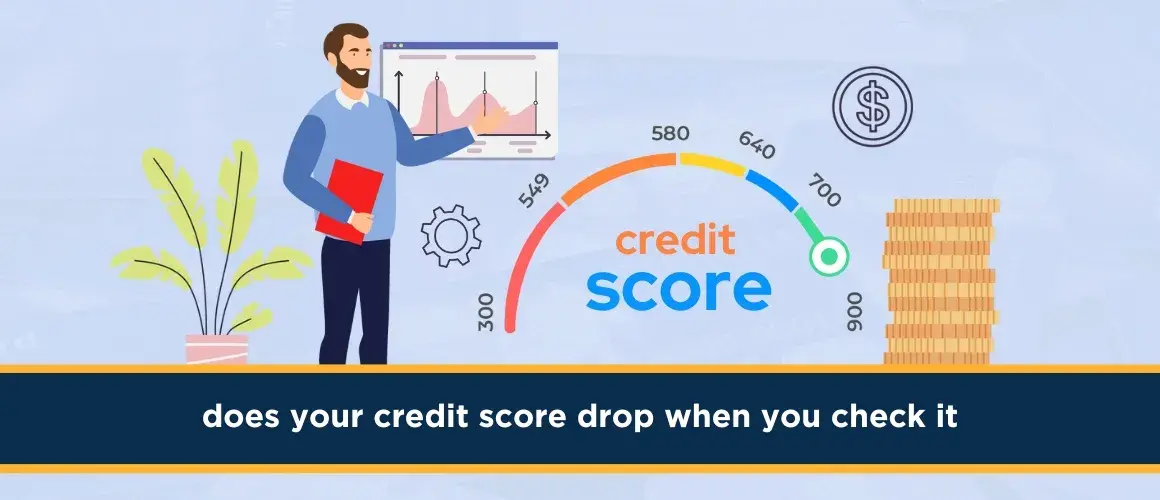
Your credit score is a snapshot derived from your credit report. Different scoring models (FICO, VantageScore) and versions exist, so your score might vary slightly depending on where you check it.
General Score Ranges (approximate):
- Excellent: 800-850
- Very Good: 740-799
- Good: 670-739
- Fair: 580-669
- Poor: 300-579
Keep in mind that these ranges can shift slightly based on the scoring model and the lender's specific criteria. A score in the "Good" range is often sufficient for many loan approvals, but higher scores unlock better interest rates and terms.
How Often Should You Check?
* Credit Reports: At least once a year from AnnualCreditReport.com. More often if you suspect fraud. * Credit Scores: Many services offer monthly or even real-time updates. Checking your score monthly can give you a good sense of trends and the impact of your financial habits.
The key is consistency. Regular monitoring helps you stay on track and make informed decisions about your credit.
Common Pitfalls to Avoid When Building Credit
Building credit is a marathon, not a sprint. Many people stumble along the way. Awareness of common mistakes can help you navigate the process more smoothly.
Pitfall 1: Missing Payments
This is the most damaging mistake. A single late payment can drop your score significantly and remains on your report for seven years. Even being a day late can sometimes be reported as late.
How to avoid:
- Set up automatic payments for at least the minimum amount due.
- Use calendar reminders or budgeting apps.
- If you anticipate difficulty, contact your lender *before* the due date to discuss options.
Pitfall 2: High Credit Utilization
Using a large percentage of your available credit signals risk to lenders. As mentioned, keeping it below 30% is crucial, and below 10% is even better.
How to avoid:
- Make multiple payments throughout the month to keep balances low.
- Request a credit limit increase on existing cards (if responsible).
- Avoid maxing out credit cards.
Pitfall 3: Opening Too Many Accounts Too Quickly
Applying for multiple credit cards or loans in a short period can result in several hard inquiries, which can lower your score. It can also make lenders perceive you as desperate for credit.
How to avoid:
- Focus on establishing one or two reliable accounts first.
- Space out applications for new credit by several months.
- Understand that inquiries have a limited impact, but multiple ones are a red flag.
Pitfall 4: Closing Old Accounts
Closing an old credit card account can negatively impact your credit score in two ways: it reduces your total available credit (potentially increasing your utilization ratio) and it shortens the average age of your credit history.
How to avoid:
- Keep older, unused credit cards open, especially if they have no annual fee.
- Use them occasionally for small purchases and pay them off immediately to keep them active.
Pitfall 5: Ignoring Credit Reports
Errors on your credit report can significantly harm your score. If you don't check your reports, you might not know about these errors or fraudulent activity.
How to avoid:
- Request and review your credit reports from all three bureaus annually.
- Dispute any inaccuracies immediately with the credit bureau and the creditor.
Pitfall 6: Falling for Credit Repair Scams
Be wary of companies that promise to erase legitimate negative information from your credit report or offer guaranteed results for a fee. Legitimate credit repair involves time, responsible behavior, and disputing actual errors.
How to avoid:
- Understand that negative information (like late payments) stays on your report for up to seven years.
- Focus on building positive credit history.
- Consult with non-profit credit counseling agencies if you need help managing debt.
Credit Scores for Different Purposes: What You Need to Know
The credit score you build isn't just one static number. Different industries and lenders use various scoring models and criteria for different purposes. Understanding this can help you tailor your credit-building efforts.
Mortgage Lending
Mortgage lenders typically use older versions of FICO scores (e.g., FICO Score 2, 4, or 5) because they have been historically reliable for predicting mortgage default. They look for strong, long-term credit histories.
- Typical Minimum Score: Often around 620 for conventional loans, but higher scores (700+) are needed for the best interest rates.
- Key Factors: Payment history, credit utilization, length of history, and credit mix are all critical.
Timeline: Building a score sufficient for a mortgage typically takes several years of consistent, responsible credit management.
Auto Loans
Auto lenders often use FICO Auto Scores, which are specifically tailored to predict the likelihood of default on auto loans. These scores weigh factors like payment history on auto loans more heavily.
- Typical Minimum Score: Can range from 500-600 for subprime loans to 700+ for prime rates.
- Key Factors: Payment history, utilization, and credit age are important.
Timeline: A score can be generated in about six months, but a strong score for favorable auto loan terms usually takes 1-3 years of good habits.
Credit Cards
Credit card issuers use a variety of FICO and VantageScore models, often the most recent versions (e.g., FICO Score 8 or VantageScore 4.0). They focus heavily on payment history and credit utilization.
- Typical Minimum Score: Varies widely. Starter cards may approve scores in the 500s, while premium rewards cards require scores in the high 600s to 700s.
- Key Factors: Payment history, utilization, and recency of credit activity.
Timeline: A basic score can be established in six months, but building a profile for premium cards takes 1-3 years of excellent management.
Rental Applications
Landlords use credit scores to assess the risk of a tenant not paying rent. They often use VantageScore or a specialized tenant screening score. They look for reliability and financial responsibility.
- Typical Minimum Score: Often a minimum of 620-650, but this varies by landlord and location.
- Key Factors: Payment history, any history of evictions or collections.
Timeline: Having any score generated (around six months) is better than none. A score in the "Good" range significantly improves your chances.
Utility and Cell Phone Services
These providers may check your credit to determine if a deposit is required. They often use VantageScore or a specialized credit check. A good score can help you avoid deposits.
- Typical Minimum Score: Often a score in the "Fair" to "Good" range (580+) can help avoid deposits.
- Key Factors: Payment history, overall credit risk.
Timeline: Even a score generated after six months can be enough to waive initial deposit requirements.
Score Variations and Lender Preferences
It's important to remember that your credit score is not a single, fixed number. Different bureaus may have slightly different information, and different scoring models weigh factors differently. Lenders also have their own proprietary criteria and risk tolerance. Therefore, focus on building a consistently strong credit profile across all key factors rather than chasing a specific number.
Conclusion: Your Credit Journey Starts Now
So, how long does it take to get a credit score? While a score can technically be generated in about six months with a single, reported credit account, a truly robust and beneficial credit score is a product of consistent, responsible financial behavior cultivated over time. It’s not an overnight achievement but a journey built on a foundation of timely payments, judicious credit utilization, and a well-managed credit history.
For those starting from scratch, the initial steps involve securing a credit-builder account, such as a secured credit card or a credit-builder loan. Diligent use of these tools—making small purchases and paying them off in full and on time—is paramount. Over the first 6-12 months, this consistent positive activity will not only generate your initial score but begin to shape it positively. As you progress, consider diversifying your credit mix gradually, always prioritizing responsible management over speed.
The key takeaway is that time is a critical component of credit building. While strategies exist to accelerate the process, such as becoming an authorized user or utilizing rent reporting services, the most impactful factor remains consistent, positive behavior demonstrated over months and years. Avoid common pitfalls like missed payments and high credit utilization, and regularly monitor your credit reports and scores to ensure accuracy and track your progress. Your financial future is directly linked to your credit health, and by understanding the timelines and employing the right strategies, you can build a strong credit profile that opens doors to better financial opportunities. The journey to a great credit score begins with the first responsible step you take today.
