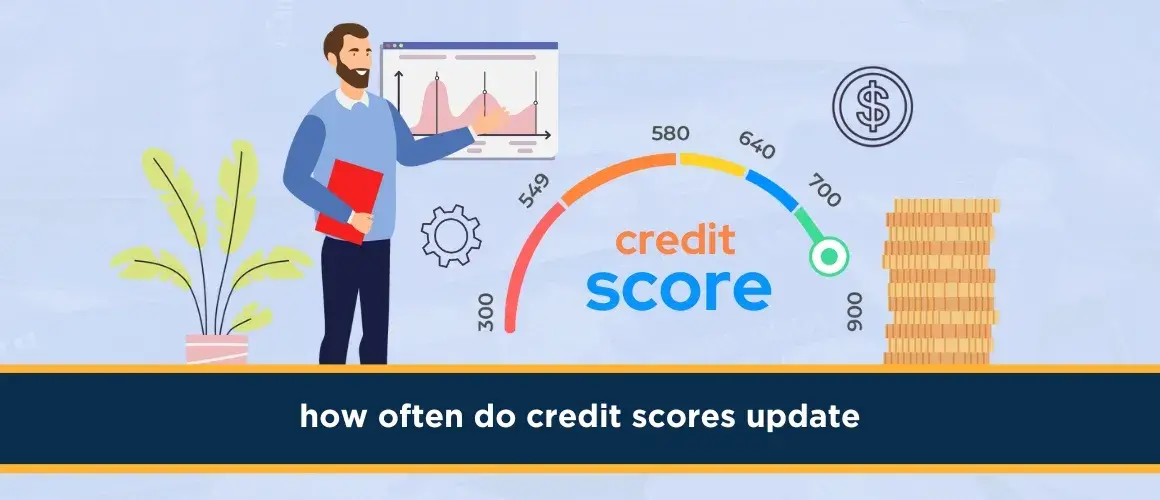
Understanding Credit Score Updates
Your credit score is a dynamic reflection of your financial behavior. Understanding how often it's updated is crucial for managing your finances effectively and achieving your borrowing goals. This guide will demystify the process, providing clarity on the frequency and factors behind credit score changes.
How Often Are Credit Scores Updated?
The question "How often is credit score updated?" doesn't have a single, simple answer. Instead, it's a complex interplay of reporting cycles, data transmission, and scoring model processing. While many consumers believe their score updates daily, this is rarely the case. The reality is more nuanced, with updates typically occurring monthly, but with variations depending on the information being reported and the specific credit bureau involved.
The Monthly Reporting Cycle
The most common frequency for credit score updates is tied to the monthly billing cycle of your credit accounts. Lenders and creditors are generally required to report your account activity to the three major credit bureaus – Experian, Equifax, and TransUnion – once a month. This reporting typically happens shortly after your statement closing date.
For example, if your credit card statement closes on the 15th of each month, your creditor will likely report your payment history, balance, and other relevant details for that billing period to the credit bureaus around that date or within a few days thereafter. This information then becomes part of the data used to calculate your credit score.
Data Transmission and Processing Time
Once your creditor reports the information, it takes time for the credit bureaus to receive, process, and integrate this data into their systems. This processing time can vary. While some bureaus may update their databases relatively quickly, it can still take several days for the new information to be fully reflected and for a new credit score to be generated based on that updated data.
Therefore, even if your creditor reports on the 15th, your credit score might not reflect that update until the 20th or even the end of the month. This delay is a critical factor in understanding why your score might not change immediately after a payment or a new account opening.
Variations Between Bureaus
It's important to note that each of the three major credit bureaus operates independently. While they all receive data from your creditors, the timing of their data receipt and processing can differ. This means your credit score might be slightly different across Experian, Equifax, and TransUnion at any given time, and the exact date of an update can vary between them.
For instance, one bureau might have received and processed your latest payment information sooner than another, leading to a slightly older score being reflected by the bureau that is still processing. This is why it's often recommended to check your credit score from multiple sources to get a comprehensive view.
When Immediate Updates Might Occur
While monthly updates are the norm, there are a few scenarios where you might see more immediate changes, though these are less common and often related to specific events rather than routine updates:
- Correction of Errors: If you successfully dispute an error on your credit report and it's corrected, this change can lead to an immediate recalculation of your credit score.
- New Account Opening: When you open a new credit account, it will be added to your credit report. This addition will be reflected in your score during the next reporting cycle. Some services might provide an "estimated" score that incorporates this, but the official score update will follow the reporting cycle.
- Account Closure: Similarly, when an account is closed, its status is updated on your credit report. This change will also be factored into your score during the next reporting period.
It's essential to distinguish between these specific events and the regular, ongoing updates that reflect your payment habits and credit utilization. For the vast majority of consumers, the credit score update cycle is monthly.
Factors Influencing Update Frequency
The frequency with which your credit score is updated isn't solely determined by the credit bureaus; it's also heavily influenced by the reporting practices of your creditors and the type of credit account you have. Understanding these nuances can help you better anticipate changes to your creditworthiness.
Type of Credit Account
Different types of credit accounts have varying reporting cycles. While most credit cards and installment loans (like mortgages, auto loans, and personal loans) are reported monthly, other types of credit might have different schedules.
- Credit Cards: Typically reported monthly, usually after the statement closing date. This is the most common type of credit and a primary driver of score updates.
- Mortgages and Auto Loans: Also generally reported monthly, reflecting your payment status and outstanding balance.
- Student Loans: Similar to other installment loans, student loans are usually reported monthly.
- Retail Store Cards: These often function like standard credit cards and are reported monthly.
- Payday Loans and Rent-to-Own Agreements: The reporting of these can be less consistent. Some providers may not report to the major bureaus at all, while others might have less frequent reporting schedules. This inconsistency is a key reason why these types of credit may have a lesser impact on your traditional credit score.
- Medical Bills: While previously less likely to appear on credit reports unless significantly delinquent, changes in regulations have made it more common for medical debts to be reported. However, the reporting frequency might still be less predictable than for traditional credit lines.
Creditor's Reporting Schedule
Even within the same type of credit, individual creditors can have slightly different reporting schedules. Some might report the day after your statement closes, while others might take a week or more. This variability contributes to the staggered nature of credit score updates across different accounts.
For example, if you have two credit cards, one might report on the 10th of the month and the other on the 25th. This means that changes in your spending or payment habits on one card might reflect in your score before changes on the other.
Data Transmission Delays
Beyond the creditor's internal processes, there can be delays in the electronic transmission of data to the credit bureaus. Technical glitches, system maintenance, or simply the sheer volume of data being processed can introduce minor delays. These are usually resolved quickly but can contribute to the overall time it takes for a score to be updated.
New Account Information
When you open a new credit account, the information about this account (such as the credit limit and the opening date) is added to your credit report. This addition will be processed and reflected in your credit score during the next reporting cycle. It's not an instant update to your score calculation but rather an addition to the data pool used for future calculations.
Account Status Changes
Significant changes in the status of an existing account, such as a missed payment, a late payment, a charge-off, or a settled debt, will be reported by the creditor. These negative events are typically reported as soon as they occur or within the next reporting cycle. The impact on your credit score can be immediate and significant once this information is processed by the credit bureaus.
Dispute Resolution
If you dispute information on your credit report and the dispute is found to be valid, the credit bureau will correct the inaccurate information. This correction will then be factored into your credit score. The speed of this update depends on the bureau's investigation process and the creditor's response, but it can lead to a more rapid score change than routine monthly updates.
credit monitoring Services
Many credit monitoring services provide credit score updates on a more frequent basis, sometimes daily or weekly. It's crucial to understand that these services are often providing scores based on data that may not yet be fully processed by the credit bureaus or may be using different scoring models. While useful for tracking trends, they might not always reflect the exact score that a lender would see at a particular moment.
These services typically pull data from one or more of the credit bureaus and then use a scoring algorithm to generate a score. The frequency of their updates is limited by how often they can access fresh data from the bureaus, which, as we've established, is typically tied to the monthly reporting cycle.
The Role of Credit Bureaus
The three major credit bureaus – Experian, Equifax, and TransUnion – are the central repositories of consumer credit information in the United States. They play a pivotal role in how often your credit score is updated by acting as intermediaries between lenders and consumers.
Data Collection and Aggregation
Creditors, lenders, and other financial institutions report information about your credit accounts to these bureaus on a regular basis, typically monthly. This information includes details such as your payment history, outstanding balances, credit limits, the age of your accounts, and any public records (like bankruptcies or judgments) associated with your name.
The credit bureaus aggregate this vast amount of data from millions of consumers. They maintain individual credit files for each person, constantly updating these files as new information is received from their data furnishers.
Scoring Models and Calculation
Once the bureaus have the raw data, they use complex statistical algorithms, known as scoring models, to calculate your credit score. The most widely used scoring models are FICO and VantageScore. Each bureau may use different versions or variations of these models, which can lead to slight differences in your scores across the bureaus.
These scoring models analyze various factors within your credit file, such as payment history (35% of FICO score), credit utilization (30%), length of credit history (15%), credit mix (10%), and new credit (10%). The algorithms are designed to predict the likelihood of you repaying borrowed money.
Frequency of Data Updates
As mentioned, the bureaus typically receive updated information from creditors once a month. This means that the data within your credit file is refreshed on a monthly basis for most accounts. The bureaus then process this new data and recalculate scores based on the updated information.
However, the exact timing of these updates can vary. A creditor might report on the 1st of the month, while another might report on the 20th. The bureaus also have their own internal processing schedules. This means that while the underlying data is updated monthly, the actual score you see might reflect information that is a few weeks old.
Providing Credit Reports and Scores
The primary function of the credit bureaus is to provide credit reports and credit scores to lenders, creditors, and consumers. When a lender requests your credit information to assess a loan application, they receive a credit report from one or more of the bureaus. This report contains the detailed history of your credit activity.
The credit score is a numerical representation derived from the data in your credit report. Lenders use this score as a quick indicator of your creditworthiness. The bureaus are responsible for ensuring the accuracy of the data in these reports and for generating the scores based on established models.
Dispute Resolution Process
Credit bureaus are legally obligated to investigate any disputes you file regarding information in your credit report. If you find an error, you can file a dispute with the relevant bureau. They will then contact the furnisher of the information (your creditor) to verify its accuracy. If the information is found to be inaccurate or incomplete, the bureau will correct your credit report. This correction will then be factored into future credit score calculations.
The "Real-Time" Myth
It's a common misconception that credit scores are updated in real-time. While some credit monitoring services might offer daily or even more frequent score updates, these are often estimates or based on data that has been recently processed by the bureaus. The underlying data in your credit file, which is the foundation of your score, is generally updated on a monthly cycle by your creditors.
Therefore, while you might see your score fluctuate daily on a monitoring app, the significant changes that impact your ability to get approved for credit or secure favorable interest rates are typically driven by the monthly reporting cycle of your creditors to the credit bureaus.
How Your Creditors Report Information
The accuracy and timeliness of the information your creditors report to the credit bureaus are fundamental to how and when your credit score is updated. Understanding this process sheds light on the mechanics behind credit score fluctuations.
Data Furnishers and Their Obligations
Creditors, lenders, and other financial institutions that extend credit to you are known as "data furnishers." They have a legal obligation under laws like the Fair Credit Reporting Act (FCRA) to report accurate information to the credit bureaus. This reporting is typically done electronically through secure data transmission systems.
Monthly Reporting Cycle Explained
The most common reporting schedule is monthly. After your statement closing date for a credit card or after your payment due date for an installment loan, your creditor will compile the relevant data for that billing period. This data includes:
- Payment History: Whether you paid on time, were late, or missed a payment.
- Account Balances: The amount you owe on revolving credit (like credit cards) and installment loans.
- Credit Limits: The maximum amount you can borrow on revolving accounts.
- Date of Last Payment: Indicates recent activity.
- Account Status: Whether the account is open, closed, delinquent, in collections, etc.
- Date Opened: Contributes to the length of your credit history.
This information is then transmitted to the credit bureaus. The timing of this transmission can vary by creditor, but it usually occurs within a few days to a couple of weeks after the statement closing or payment due date.
Timeliness and Accuracy
While creditors are obligated to report accurate information, errors can still occur. These can be due to manual data entry mistakes, system glitches, or misinterpretations of account activity. The FCRA requires furnishers to investigate any inaccuracies reported by consumers or bureaus.
The timeliness of reporting is also crucial. If a creditor delays reporting a late payment, for instance, it might not immediately reflect on your credit report and score. Conversely, if they report it promptly, the negative impact can be swift once the bureaus process the data.
What Triggers Reporting
Several actions or statuses related to your credit accounts trigger reporting to the bureaus:
- Regular Account Activity: The routine monthly reporting of your payment and balance status.
- Missed Payments: A payment that is 30, 60, 90 days or more past due will be reported as such. This is a significant negative event.
- New Accounts: When you open a new credit card or loan, the details of this account are reported.
- Account Closures: Whether initiated by you or the creditor, account closures are reported.
- Debt Settlement or Charge-Offs: When a creditor writes off a debt as uncollectible or you settle for less than the full amount, this is reported with specific notations.
- Changes in Credit Limit: An increase or decrease in your credit limit can affect your credit utilization ratio.
Impact on Credit Score Updates
The data furnished by your creditors directly influences your credit score. For example:
- Making all payments on time: Positive information that helps build your score.
- Carrying high balances relative to your credit limits (high credit utilization): Negative information that can lower your score.
- Opening multiple new accounts in a short period: Can be seen as a sign of increased risk and may slightly lower your score.
Because this data is reported monthly, the impact of these actions on your credit score is generally realized in the subsequent monthly update cycle.
The Role of Credit Reporting Agencies (CRAs)
The bureaus (Experian, Equifax, TransUnion) are the primary CRAs. They receive the data from furnishers and then use scoring models to generate credit scores. They also provide the detailed credit reports that lenders use.
Understanding that your creditors are the source of the information, and the bureaus are the processors, helps clarify why updates aren't instantaneous. There's a chain of events: creditor activity -> creditor reporting -> bureau processing -> score recalculation.
What Triggers a Credit Score Update?
A credit score update isn't a single event but rather a consequence of changes in the data within your credit report. While routine monthly updates are the norm, specific actions and events can also trigger a recalculation of your score. Understanding these triggers helps you manage your credit more effectively.
Routine Monthly Reporting
This is the most common trigger. As discussed, creditors report your account activity (payments, balances, etc.) to the credit bureaus monthly. Once the bureaus receive and process this new data, they recalculate your credit score. This means that for most people, their credit score is updated approximately once a month, reflecting the most recent billing cycle's activity.
Payment Activity
- On-Time Payments: Consistently making payments by their due dates is positive information that, when reported, contributes to a stable or improving credit score.
- Late Payments: A missed payment, especially if it's 30 days or more past due, is a significant negative event. When reported, it will almost certainly trigger a decrease in your credit score. The severity of the score drop depends on how late the payment is and your credit history.
Changes in Credit Utilization
Credit utilization is the ratio of your revolving credit balances to your total available revolving credit. A high utilization ratio (generally above 30%) can negatively impact your score. If you significantly pay down your credit card balances or if your credit limit is increased, this reduction in utilization, when reported, can trigger a score increase.
Conversely, if you max out your credit cards or increase your balances substantially, your utilization will rise, potentially leading to a score decrease in the next update cycle.
New Credit Applications and Accounts
- Applying for New Credit: When you apply for a new credit card, loan, or mortgage, the lender typically performs a "hard inquiry" on your credit report. A few hard inquiries in a short period can slightly lower your score, as it may suggest increased credit risk. This effect is usually temporary.
- Opening New Accounts: The act of opening a new credit account is also factored into your score. It affects the average age of your accounts and your credit mix. These changes will be reflected in your score during the next reporting cycle.
Closing Accounts
When you close a credit card account, it remains on your credit report for several years (typically 10 years). However, closing an account can affect your credit utilization ratio (if it was a revolving account with a zero balance) and the average age of your accounts. If closing an account significantly reduces your available credit, it could increase your utilization and potentially lower your score.
Errors and Disputes
If you identify an error on your credit report and successfully dispute it with a credit bureau, the correction of that error will trigger an update to your credit score. For example, if a fraudulent account was wrongly listed on your report and it's removed, your score could improve.
The dispute process involves the credit bureau contacting the data furnisher to verify the information. Once the furnisher confirms the error or provides new, accurate data, the bureau updates your report, and your score is recalculated.
Public Records and Collections
Negative public records, such as bankruptcies, tax liens, or civil judgments, can severely impact your credit score. When these are added to your credit report, they will trigger a significant score decrease. Similarly, accounts sent to collections will be reported, leading to a drop in your score.
identity theft or Fraud
If your identity is stolen and fraudulent accounts are opened in your name, these will appear on your credit report. If you discover this and report it, the fraudulent accounts will be removed, triggering a positive score update. Vigilance in monitoring your credit is key to catching such issues early.
Credit Score Monitoring Services
While not a direct trigger for the credit bureaus, credit monitoring services often provide score updates more frequently than monthly. They do this by periodically pulling your credit data from one or more bureaus and running it through a scoring model. The frequency of their updates is limited by how often they can access fresh data, which, again, is tied to the monthly reporting cycle of your creditors.
For instance, a service might update your score daily, but the underlying data it's using might only be a few days or weeks old. It's important to remember that the score you see from a monitoring service is an indication of your credit health, but the score used by lenders might be based on slightly different data or a different scoring model at that precise moment.
Monitoring Your Credit Score
Regularly monitoring your credit score is a cornerstone of good financial health. It allows you to track your progress, identify potential issues early, and understand how your financial decisions are impacting your creditworthiness. Here's how to effectively monitor your credit score and what to look for.
Why Monitor Your Credit Score?
Monitoring your credit score offers several key benefits:
- Track Progress: See how your efforts to improve your credit are paying off.
- Detect Errors: Quickly spot inaccuracies or fraudulent activity on your credit report.
- Understand Impact: Learn how specific financial actions (like paying off debt or opening new accounts) affect your score.
- Prepare for Major Purchases: Know your credit standing before applying for loans, mortgages, or even renting an apartment.
- Identify Identity Theft: Unusual activity or sudden score drops can be early warning signs of identity theft.
Where to Get Your Credit Score
You have several options for accessing your credit score:
- Free Annual Credit Reports: You are entitled to one free credit report from each of the three major bureaus (Experian, Equifax, TransUnion) every year via AnnualCreditReport.com. While these reports contain the data used to calculate your score, they don't always include the score itself.
- Credit Card Companies: Many credit card issuers offer free access to your FICO or VantageScore through their online portals or mobile apps. This is often the most convenient way to get a regular, updated score.
- Banks and Financial Institutions: Some banks and credit unions provide their customers with free credit score monitoring services.
- Credit Monitoring Services: Numerous companies offer credit monitoring services, often for a fee. These services typically provide your credit score, credit report access, and alerts for significant changes. Some offer free trials. Examples include Credit Karma, Credit Sesame, and services from the credit bureaus themselves.
- Lenders and Mortgage Brokers: When you apply for a loan, the lender will pull your credit score. While this is a one-time event, it gives you insight into the score being used by potential creditors.
Understanding Different Scores
It's important to be aware that there isn't just one single credit score. Different scoring models (like FICO and VantageScore) and different versions of these models are used by various lenders. Additionally, each of the three credit bureaus might have slightly different data in your file at any given moment, leading to variations in scores across bureaus.
When you use a credit monitoring service or your credit card issuer provides a score, it's usually a FICO score or a VantageScore. Understanding which score you are looking at can be helpful, but the general trends and the factors influencing the score are usually consistent.
What to Look For When Monitoring
When reviewing your credit score and report, pay attention to:
- Score Trends: Is your score generally increasing, decreasing, or staying stable?
- Payment History: Ensure all payments are accurately reported as on time.
- Credit Utilization: Keep an eye on your credit card balances relative to your limits. Aim to keep utilization below 30%, ideally below 10%.
- Account Information: Verify that all accounts listed are yours and that their status (open, closed, balances) is correct.
- Inquiries: Note any recent hard inquiries. Too many can be a red flag.
- Public Records: Ensure no erroneous bankruptcies, liens, or judgments appear.
- Personal Information: Check that your name, address, and Social Security number are accurate.
Frequency of Monitoring
For most consumers, checking your credit score monthly through your credit card issuer or a free monitoring service is sufficient. This allows you to stay informed without becoming overly fixated on minor daily fluctuations. If you are actively working to improve your credit or are about to apply for a major loan, you might check more frequently.
Remember that the score you see from a monitoring service is a snapshot. The score a lender uses might be based on slightly different data or a different scoring model at the exact moment of your application. However, consistent monitoring provides valuable insights into your overall credit health.
Impact of Credit Score Updates on Loans
Your credit score is a critical factor in the lending process. Any update to your credit score, whether positive or negative, can have a direct and significant impact on your ability to obtain loans and the terms you are offered. Understanding this relationship is key to making informed financial decisions.
Loan Approval
Lenders use your credit score as a primary indicator of your creditworthiness. A higher score suggests a lower risk of default, making you a more attractive borrower. Conversely, a lower score indicates a higher risk, which can lead to loan denials.
If your credit score improves due to positive updates (e.g., consistent on-time payments, reduced credit utilization), your chances of being approved for a loan increase. If your score drops due to negative updates (e.g., missed payments, high balances), lenders may reject your application.
Interest Rates
The interest rate you are offered on a loan is heavily influenced by your credit score. Borrowers with higher credit scores are typically offered lower interest rates because they are considered less risky. This means you'll pay less in interest over the life of the loan.
A positive credit score update can lead to a lower interest rate offer on a new loan, saving you a substantial amount of money. For example, a mere 1% difference in interest rate on a 30-year mortgage can amount to tens of thousands of dollars in savings. Conversely, a negative score update can result in higher interest rates, making borrowing more expensive.
Loan Terms and Conditions
Beyond interest rates, your credit score can also affect other loan terms, such as:
- Loan Amount: Lenders may be willing to offer larger loan amounts to borrowers with excellent credit.
- Down Payment Requirements: For mortgages and auto loans, a lower credit score might necessitate a larger down payment.
- Repayment Period: While not always directly tied, a lender's confidence in your ability to repay (informed by your score) can influence the loan terms offered.
- Fees: Some loans come with origination fees or other charges that might be higher for borrowers with lower credit scores.
Positive credit score updates can lead to more favorable loan terms, giving you greater flexibility and potentially reducing your overall borrowing costs.
Types of Loans Affected
Credit score updates impact a wide range of credit products:
- Mortgages: Essential for home buying. A good score is crucial for approval and favorable rates.
- Auto Loans: Used to finance vehicle purchases. Your score affects the interest rate and monthly payment.
- Personal Loans: Unsecured loans for various purposes. Approval and rates depend heavily on your creditworthiness.
- Credit Cards: The type of card you can qualify for (rewards cards, low-interest cards) and your credit limit are determined by your score.
- Student Loans: While federal student loans often don't require a credit check, private student loans do.
- Rental Applications: Landlords often check credit scores to assess a tenant's reliability in paying rent.
- Insurance Premiums: In many states, insurance companies use credit-based insurance scores to help set premiums for auto and home insurance.
The Lag Time Between Update and Lender Perception
It's important to remember the lag time discussed earlier. When you apply for a loan, the lender will pull your credit report and score at that moment. If you've had a recent positive update that hasn't yet been fully processed by the bureaus and reflected in the score the lender pulls, they won't see that improvement.
Conversely, if you've had a recent negative event that hasn't yet been reported and processed, the lender might approve you based on your then-current score, only for your score to drop later. This is why maintaining consistent good credit habits is more beneficial than trying to time score improvements for specific applications.
Impact of Credit Monitoring
By monitoring your credit score regularly, you can stay aware of any significant updates. If you see a negative trend, you have time to address the underlying issues before applying for credit. If you see a positive trend, you can be more confident when approaching lenders, knowing your creditworthiness has improved.
For example, if you're planning to buy a home in six months, monitoring your score now allows you to identify any issues and work on improving them well in advance of your mortgage application. This proactive approach can lead to better loan offers and a smoother home-buying process.
Common Misconceptions About Credit Score Updates
The world of credit scores can be confusing, and several common misconceptions surround how and when they are updated. Dispelling these myths is crucial for accurate financial understanding and effective credit management.
Misconception 1: Credit Scores Update Daily in Real-Time
Reality: As we've extensively covered, credit scores are typically updated monthly. While some credit monitoring services may provide daily score updates, these are often estimates based on data that is already a few days or weeks old. The underlying data in your credit report is refreshed by creditors on a monthly cycle. True, real-time updates reflecting every single transaction are not how the system works.
Misconception 2: Closing a Credit Card Immediately Lowers Your Score
Reality: Closing a credit card account doesn't always immediately lower your score. The impact depends on several factors:
- Credit Utilization: If the closed card had a high credit limit and a zero balance, closing it could increase your overall credit utilization ratio, potentially lowering your score.
- Age of Accounts: If it was one of your oldest accounts, closing it could reduce the average age of your credit history, which can have a negative effect.
- Credit Mix: If it was your only account of a certain type (e.g., a store card), closing it might slightly alter your credit mix.
However, if the card had a low limit, a high balance, or was rarely used, closing it might have a negligible impact or even be beneficial if it helps you manage spending.
Misconception 3: Checking Your Own Credit Score Hurts Your Score
Reality: This is a common misunderstanding. Checking your own credit score or accessing your own credit report is considered a "soft inquiry." Soft inquiries do not affect your credit score. Only "hard inquiries," which occur when you apply for new credit, can have a small, temporary negative impact.
Misconception 4: All Credit Scores Are the Same
Reality: There are multiple credit scoring models (FICO, VantageScore) and various versions of these models. Furthermore, each of the three major credit bureaus (Experian, Equifax, TransUnion) may have slightly different information in your credit file, leading to different scores across the bureaus. The score a lender uses depends on their specific practices and the data provider they choose.
Misconception 5: You Can "Fix" Your Credit Score Overnight
Reality: Building or repairing a credit score takes time and consistent positive behavior. While significant negative events like a bankruptcy take years to fall off your report, positive actions like consistent on-time payments and reducing debt build your score gradually over months and years. There are no quick fixes.
Misconception 6: A Very High Credit Score is Always Necessary
Reality: While a high score is beneficial, the "best" score depends on your goals. Many lenders offer excellent rates to borrowers with scores in the high 600s and 700s. Focusing on maintaining a good score (generally above 700) is more practical than obsessing over reaching the absolute highest possible score, which may offer diminishing returns.
Misconception 7: If I Don't Use Credit, I Don't Need to Worry About My Score
Reality: If you don't use credit, you won't have a credit score. A credit score is built from your credit activity. Without any credit accounts being reported, you will have a "thin file" or no file at all, making it difficult to obtain credit when you eventually need it (e.g., for a mortgage, car loan, or even renting an apartment).
Misconception 8: All Debts Affect Your Score Equally
Reality: Different types of debt and different payment behaviors have varying impacts. For example, a single late payment on a credit card can be more detrimental than a slightly higher credit utilization ratio, assuming all other factors are equal. Secured debts (like mortgages and auto loans) may be viewed differently than unsecured debts (like credit cards).
Strategies for Improving Your Credit Score
Improving your credit score is a marathon, not a sprint. It requires consistent, responsible financial habits. By focusing on the key factors that influence your score, you can steadily increase your creditworthiness. Here are proven strategies to help you achieve a better credit score.
1. Pay Your Bills On Time, Every Time
Why it matters: Payment history accounts for the largest portion (35%) of your FICO score. Late payments are one of the most damaging events for your credit.
How to do it:
- Set up automatic payments for at least the minimum amount due.
- Use calendar reminders or budgeting apps to track due dates.
- If you miss a payment, pay it as soon as possible and contact the creditor to see if they can waive any late fees or prevent it from being reported as late (though this is not guaranteed).
2. Reduce Your Credit Utilization Ratio
Why it matters: Credit utilization (30% of your FICO score) is the ratio of your revolving credit balances to your total available credit. Keeping this ratio low signals to lenders that you are not overextended.
How to do it:
- Pay down your credit card balances. Aim to keep your utilization below 30%, and ideally below 10% for the best results.
- Avoid maxing out your credit cards.
- Consider asking for a credit limit increase on your existing cards (if you can manage the temptation to spend more). This can lower your utilization ratio without you having to pay down debt immediately.
- Do not close unused credit cards, as this can reduce your total available credit and increase your utilization ratio.
3. Keep Old Credit Accounts Open
Why it matters: The length of your credit history (15% of your FICO score) is important. Older accounts demonstrate a longer track record of responsible credit management.
How to do it:
- Resist the urge to close old credit cards, even if you don't use them often.
- Make a small purchase on an old card occasionally and pay it off immediately to keep it active and prevent the issuer from closing it due to inactivity.
4. Limit New Credit Applications
Why it matters: Applying for new credit triggers a hard inquiry, and opening multiple new accounts in a short period (10% of your FICO score) can signal increased risk.
How to do it:
- Only apply for credit when you genuinely need it.
- Space out your credit applications over time.
- When shopping for rates (e.g., for a mortgage or auto loan), do so within a short window (typically 14-45 days, depending on the scoring model) so that multiple inquiries for the same type of loan are treated as a single event.
5. Diversify Your Credit Mix
Why it matters: Having a mix of different types of credit (e.g., credit cards, installment loans like mortgages or auto loans) can positively impact your score (10% of your FICO score). This shows you can manage various forms of credit responsibly.
How to do it:
- This is a less critical factor than payment history or utilization. Don't open new accounts solely for the sake of credit mix.
- As you naturally take on different types of credit over time (e.g., a car loan, a mortgage), your credit mix will diversify.
6. Check Your Credit Reports Regularly for Errors
Why it matters: Inaccurate information on your credit report can unfairly lower your score. Identifying and correcting these errors is crucial.
How to do it:
- Obtain your free credit reports from Experian, Equifax, and TransUnion at AnnualCreditReport.com at least once a year.
- Review each report carefully for any accounts you don't recognize, incorrect payment statuses, or outdated negative information.
- If you find an error, dispute it immediately with the credit bureau and the creditor that furnished the information.
7. Consider a Secured Credit Card or Credit-Builder Loan
Why it matters: If you have limited credit history or are rebuilding after financial difficulties, these tools can help establish or re-establish positive credit behavior.
How to do it:
- Secured Credit Card: Requires a cash deposit that typically becomes your credit limit. Use it for small purchases and pay it off in full each month.
- Credit-Builder Loan: You make payments on a loan that is held in a savings account. Once you've paid it off, you receive the money. The lender reports your payment history to the credit bureaus.
8. Be Patient
Why it matters: Credit building is a long-term process. The positive impact of good habits accumulates over time, and negative marks take years to fade.
How to do it:
- Stay committed to your financial goals.
- Focus on consistent, responsible behavior rather than looking for quick fixes.
By implementing these strategies consistently, you can expect to see positive changes in your credit score over time, opening doors to better financial opportunities.
Conclusion
Understanding how often your credit score is updated is fundamental to effective financial management. While the exact moment your score changes can seem elusive, the core principle remains consistent: updates are primarily driven by the monthly reporting cycles of your creditors to the major credit bureaus. This means your credit score reflects your financial activity from the previous billing period, with a processing lag involved.
Key takeaways include the monthly nature of reporting, the role of credit bureaus as data aggregators, and the direct impact of your payment history and credit utilization on score fluctuations. By actively monitoring your credit through reliable sources and understanding the factors that influence your score, you gain control over your financial narrative. Remember that positive changes take time, so consistent, responsible credit behavior is your most powerful tool for improvement.