How To Check Credit Score Without Affecting It: Your Comprehensive Guide
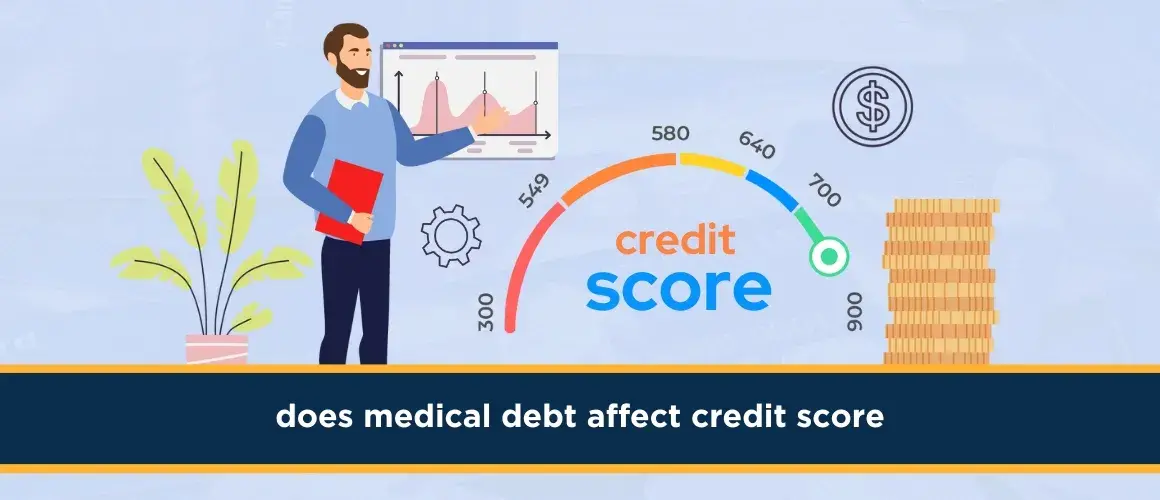
Curious about your credit score but worried about harming your financial standing? This comprehensive guide reveals the safest and most effective ways to check your credit score without affecting it, empowering you with the knowledge to monitor and improve your financial health.
Understanding Credit Scores: The Foundation
In the intricate world of personal finance, your credit score stands as a silent yet powerful testament to your financial reliability. It's a three-digit number, typically ranging from 300 to 850, that lenders and other financial institutions use to assess your creditworthiness. This score is not arbitrary; it's a calculated representation of your past borrowing and repayment behavior, distilled into a single, easily digestible figure. Understanding what a credit score is, how it's derived, and why it's so important is the first crucial step towards achieving and maintaining strong financial health.
At its core, a credit score is a predictive tool. It attempts to forecast the likelihood that you will repay borrowed money as agreed. A higher score indicates a lower risk to lenders, making it easier to qualify for loans, credit cards, mortgages, and even rental agreements. Conversely, a lower score signals a higher risk, which can lead to loan denials, higher interest rates, and stricter terms. The most widely used credit scoring models are FICO and VantageScore, each with its own proprietary algorithms, but they generally consider similar factors.
The Pillars of Credit Scoring
Several key factors contribute to the calculation of your credit score. While the exact weighting is proprietary, financial experts and credit bureaus generally agree on the primary components:
- Payment History (Approximately 35%): This is the most significant factor. It reflects whether you pay your bills on time. Late payments, missed payments, defaults, and bankruptcies can severely damage your score.
- Amounts Owed (Approximately 30%): This refers to the total amount of debt you carry across all your credit accounts, particularly credit cards. A key metric here is your credit utilization ratio – the amount of credit you're using compared to your total available credit. Keeping this ratio low (ideally below 30%) is crucial.
- Length of Credit History (Approximately 15%): The longer you've had credit accounts open and in good standing, the better. A longer history provides more data for scoring models to analyze your behavior over time.
- Credit Mix (Approximately 10%): This factor considers the variety of credit you manage, such as credit cards, installment loans (like mortgages or auto loans), and other types of credit. Having a mix can demonstrate your ability to handle different credit products responsibly.
- New Credit (Approximately 10%): This looks at how often you open new credit accounts and the number of recent credit inquiries. Opening too many accounts in a short period can be seen as a sign of financial distress.
Understanding these components is vital because it highlights where you can focus your efforts to improve your creditworthiness. It’s not just about having credit; it’s about managing it wisely and consistently.
Why Checking Your Credit Score Matters
Regularly monitoring your credit score is not merely a suggestion; it's a fundamental practice for sound financial management. In today's economic landscape, your credit score influences far more than just your ability to secure a loan. It's a pervasive metric that can impact various aspects of your life, from securing housing to obtaining employment. Proactively checking your score allows you to stay informed, identify potential issues early, and strategically position yourself for financial success.
The benefits of consistent credit score monitoring are multifaceted. Firstly, it provides a clear snapshot of your financial health. Knowing your score gives you a realistic understanding of your borrowing power and the interest rates you might qualify for. This knowledge is invaluable when planning major purchases like a car or a home, allowing you to budget effectively and avoid unexpected financial burdens.
Key Benefits of Regular Credit Score Checks:
- Informed Financial Decisions: Armed with your credit score, you can make more strategic decisions about applying for new credit, negotiating loan terms, and understanding your eligibility for various financial products.
- Early Detection of Errors and Fraud: Credit reports are not infallible. Errors, such as incorrect account information or fraudulent activity, can appear. Regular checks allow you to spot these discrepancies quickly and dispute them with the credit bureaus, preventing further damage to your score. This is especially critical in an era where identity theft is a growing concern.
- Understanding Loan Eligibility and Interest Rates: Your credit score is a primary determinant of the interest rates you'll be offered on loans and credit cards. A higher score typically translates to lower interest rates, saving you significant money over the life of a loan. Conversely, a low score might mean you're denied credit or offered rates that make borrowing prohibitively expensive.
- Preparation for Major Life Events: Whether you're planning to buy a house, lease a car, or even rent an apartment, landlords and lenders will often check your credit. Knowing your score in advance ensures you meet the necessary requirements and can approach these processes with confidence.
- Monitoring Progress Towards Financial Goals: If your goal is to improve your credit score for future financial endeavors, regular checks allow you to track your progress. You can see the impact of positive financial habits and identify areas that still need attention.
- Avoiding Unnecessary Inquiries: By knowing your score, you can gauge your eligibility before applying for credit, thereby avoiding multiple "hard inquiries" that can negatively impact your score. This guide will focus on how to do this effectively.
In essence, treating your credit score as a vital sign of your financial well-being means understanding its fluctuations and taking proactive steps to maintain or improve it. This proactive approach is the cornerstone of responsible financial management.
Hard vs. Soft Inquiries: The Crucial Difference
One of the most critical distinctions to grasp when discussing credit score checks is the difference between "hard inquiries" and "soft inquiries." This distinction is paramount because it directly impacts whether checking your credit will affect your score. Misunderstanding this can lead to unnecessary damage to your creditworthiness.
Both hard and soft inquiries are recorded on your credit report. They represent a request for information about your credit history. However, their purpose and their impact on your credit score are vastly different. Think of it as the difference between a casual glance and a thorough investigation.
Hard Inquiries: The Impactful Ones
A hard inquiry, also known as a hard pull, occurs when a lender or creditor checks your credit report because you have applied for new credit. This includes applying for:
- Mortgages
- Auto loans
- Student loans
- Personal loans
- New credit cards
- Some rental applications (for apartments or vehicles)
When you apply for credit, you typically authorize the lender to perform a hard inquiry. This is because the lender is assessing your risk and deciding whether to extend you credit. Credit scoring models view multiple hard inquiries in a short period as a potential sign of financial distress or increased risk, as it might indicate you are trying to borrow a significant amount of money quickly. Consequently, each hard inquiry can cause a small, temporary dip in your credit score, usually by a few points. While one or two hard inquiries typically have a minimal effect, a cluster of them can be more noticeable.
It's important to note that credit scoring models are designed to differentiate between inquiries made for a single purpose. For example, if you are shopping for a mortgage or an auto loan, multiple inquiries within a specific "shopping window" (typically 14-45 days, depending on the scoring model) are often treated as a single inquiry to allow you to compare offers without penalty.
Soft Inquiries: The Harmless Ones
A soft inquiry, or soft pull, occurs when your credit report is accessed for reasons other than applying for new credit. Crucially, soft inquiries do not affect your credit score. These types of checks are often performed for:
- Checking your own credit score or report
- Pre-approved credit card offers you receive in the mail
- Background checks by potential employers (with your consent)
- Existing creditors monitoring your account (e.g., your current credit card company checking your credit to offer you a limit increase)
- Insurance companies assessing your risk
- Rental agencies checking your credit for tenant screening (sometimes, though some may use hard inquiries)
The key takeaway is that when you actively seek out your own credit information, or when companies check your credit for informational purposes or pre-qualification, it's a soft inquiry. This is precisely why it's possible and advisable to check your credit score without negatively impacting it.
Methods to Check Your Credit Score Without Impact
The good news is that you have several legitimate and secure avenues to check your credit score and report without incurring any negative impact on your creditworthiness. These methods primarily involve soft inquiries, making them ideal for regular monitoring and financial planning. Understanding these options empowers you to take control of your credit health without fear.
The most common and accessible ways to check your credit score without affecting it involve leveraging services that are designed for consumer education and monitoring. These services are typically provided by credit bureaus, financial institutions, and reputable credit monitoring companies.
1. Free Annual Credit Reports from the Major Bureaus
The Fair Credit Reporting Act (FCRA) mandates that each of the three major credit bureaus – Equifax, Experian, and TransUnion – provide consumers with a free copy of their credit report once every 12 months. You can request these reports through the official government-authorized website: AnnualCreditReport.com.
How it works:
- Visit AnnualCreditReport.com.
- You can request one report from each bureau at a time, or all three. Many consumers opt to stagger their requests throughout the year (e.g., get Equifax in January, Experian in May, and TransUnion in September) to monitor their credit more frequently.
- You will need to provide personal information to verify your identity.
- Once verified, you can access and download your credit reports.
Important Note: While these reports provide detailed information about your credit history, they often do not include your FICO or VantageScore score itself, only the report data used to generate it. However, they are invaluable for checking for errors and understanding the factors influencing your score.
2. Credit Card Issuer Programs
Many credit card companies now offer their cardholders free access to their credit scores as a perk. This is usually a soft inquiry and doesn't affect your score. The scores provided are often FICO or VantageScore scores, and they are typically updated monthly.
How it works:
- Log in to your online credit card account.
- Look for a section related to "Credit Score," "Credit Insights," or similar.
- Click on the link to view your score.
Pros: Convenient, often provides the actual score, updated regularly.
Cons: You only get the score from the bureau your card issuer uses (e.g., Discover might show an Experian score, Chase might show a TransUnion score).
3. Bank and Financial Institution Services
Similar to credit card issuers, many banks and credit unions provide their customers with free access to their credit scores. This is often integrated into their online banking platforms or mobile apps.
How it works:
- Log in to your online banking portal or mobile app.
- Navigate to the credit score or financial wellness section.
- Follow the prompts to view your score.
Pros: Integrated into your banking experience, convenient, usually free.
Cons: Similar to credit card issuers, the score might be from a specific bureau and may not be the most up-to-date.
4. Reputable Free Credit Monitoring Services
Several well-known companies offer free credit monitoring services. These services typically provide you with access to your credit score and report, and they alert you to significant changes. These checks are almost always soft inquiries. Examples include Credit Karma, Credit Sesame, and Experian's free service.
How it works:
- Sign up for a free account on the service's website.
- You'll likely need to provide personal information for identity verification.
- Once registered, you can view your credit score and report.
Pros: Provides regular score updates, alerts for changes, often includes credit report access, user-friendly interfaces.
Cons: These services often make money by offering you credit products or insurance; be mindful of marketing. The scores provided might be VantageScore, which is different from FICO, though still a good indicator.
5. Direct Checks with Credit Bureaus (Limited Free Options)
While AnnualCreditReport.com is the official source for free reports, sometimes credit bureaus themselves offer limited free score access. For instance, Experian offers a free FICO Score 8 based on Experian data with their free service. Equifax and TransUnion also have their own consumer services, but access to scores might be part of a paid subscription.
How it works: Visit the consumer-facing websites of Equifax, Experian, and TransUnion and look for their free credit score or monitoring offerings.
By utilizing these methods, you can consistently monitor your credit score and report without the risk of negatively impacting your credit. The key is to differentiate between these soft inquiries and the hard inquiries that occur when you apply for credit.
Leveraging Free Credit Report Services
In the digital age, accessing your credit information has become more streamlined and consumer-friendly than ever before. Free credit report services, such as those provided by the government-mandated AnnualCreditReport.com and various third-party platforms, are invaluable tools for consumers. These services allow you to obtain your credit reports and, in many cases, your credit scores, without incurring any cost or negatively affecting your credit score. Understanding how to effectively use these resources is key to proactive credit management.
The primary goal of these services is to empower consumers with knowledge about their credit history. By providing free access, they encourage regular monitoring, which is essential for identifying errors, detecting fraud, and understanding the factors that influence your creditworthiness.
Understanding AnnualCreditReport.com
As mentioned, AnnualCreditReport.com is the official, government-sanctioned website for obtaining your free credit reports. It's the only site authorized by federal law to provide these reports.
Key Features and Benefits:
- Mandated by Law: The Fair Credit Reporting Act (FCRA) ensures you are entitled to one free report from each of the three major credit bureaus (Equifax, Experian, and TransUnion) every 12 months.
- Comprehensive Data: Your credit report contains a detailed history of your credit accounts, including loans, credit cards, payment history, public records (like bankruptcies), and inquiries.
- Staggered Access: Due to economic circumstances, you can currently request your reports weekly from each bureau via AnnualCreditReport.com. This allows for more frequent monitoring.
- Identity Theft Protection: Regularly reviewing your reports is a critical step in identifying any unauthorized accounts or activity that could indicate identity theft.
How to Maximize Usage:
- Spread Out Your Requests: Instead of requesting all three reports at once, request one report every few months. For example, request Equifax in January, Experian in April, TransUnion in July, and repeat. This provides continuous oversight throughout the year.
- Review Thoroughly: Don't just glance at the reports. Scrutinize every detail: personal information, account statuses, payment histories, and inquiries.
- Dispute Errors Promptly: If you find any inaccuracies, contact the credit bureau directly to file a dispute. The process is usually outlined on the credit report itself or on the bureau's website.
Third-Party Free Credit Monitoring Services
Beyond AnnualCreditReport.com, a growing number of reputable companies offer free access to credit scores and monitoring services. These platforms typically partner with one or more credit bureaus to provide consumers with their scores and alerts.
Popular Providers and Their Offerings:
- Credit Karma: Offers free credit scores (VantageScore 3.0) and reports from TransUnion and Equifax. They also provide personalized recommendations for credit cards and loans based on your profile.
- Credit Sesame: Provides a free credit score (often VantageScore) and credit monitoring. They also offer tools to help you manage your finances and identify potential savings.
- Experian Boost & Free FICO Score: Experian offers a free service that provides your FICO Score 8 based on Experian data. They also have Experian Boost, which allows you to potentially improve your score by adding on-time utility and telecom payments.
- MyFICO.com (Limited Free Options): While primarily a paid service, MyFICO.com sometimes offers limited free score access or educational resources.
Key Considerations for Third-Party Services:
- Score Model: Be aware that many of these services provide VantageScores, which differ from FICO scores. While both are widely used, lenders may rely more heavily on FICO. However, VantageScores are still a good indicator of your credit health.
- Data Sources: Understand which credit bureau the service pulls data from. Some services provide scores from multiple bureaus, while others focus on one.
- Marketing and Offers: These services are often free because they generate revenue by marketing financial products. While they can be helpful, be discerning about the offers presented.
- Frequency of Updates: Scores are typically updated monthly, but some services may offer more frequent updates.
By strategically using both AnnualCreditReport.com for detailed report reviews and third-party services for regular score monitoring, you can maintain a comprehensive and up-to-date understanding of your credit standing without any negative repercussions.
Understanding Your Credit Report Data
A credit report is a detailed history of your borrowing and repayment activities. It's the raw data that credit scoring models use to generate your credit score. While it might seem complex at first glance, understanding the key sections of your credit report is crucial for identifying potential issues and appreciating what influences your score. Each report is divided into several distinct sections.
The information contained within your credit report is provided by lenders and creditors who report your account activity to the credit bureaus. This data is then compiled into a report that paints a picture of your financial behavior over time.
Key Sections of Your Credit Report
When you access your credit report, you'll find the following main sections:
- Personal Information: This section includes your name, Social Security number, date of birth, current and previous addresses, and employment information. It's essential to ensure this information is accurate, as errors here can sometimes lead to other inaccuracies.
- Credit Accounts: This is the most substantial part of your report. It details all your credit accounts, including:
- Credit Cards: Including the issuer, account number (often partially masked), date opened, credit limit, current balance, and payment history (e.g., on-time payments, late payments).
- Installment Loans: Such as mortgages, auto loans, and student loans. This section shows the lender, loan type, original loan amount, current balance, payment schedule, and payment history.
- Other Accounts: This might include retail accounts, lines of credit, or any other form of credit you've obtained.
- Public Records: This section lists significant negative financial events that have been reported publicly. This can include bankruptcies, tax liens, and civil judgments. These items have a substantial negative impact on your credit score.
- Inquiries: This section lists all the times your credit report has been accessed. It's divided into:
- Hard Inquiries: Those resulting from credit applications (as discussed previously).
- Soft Inquiries: Those for promotional offers, account reviews by existing creditors, or your own credit checks.
What to Look For and Why It Matters
When reviewing your credit report, pay close attention to the following:
- Accuracy of Personal Information: Ensure your name, address, and Social Security number are correct. Mismatched information can sometimes lead to accounts being incorrectly associated with your report.
- Account Status: Verify that all listed accounts are indeed yours and that their status (e.g., open, closed, current, delinquent) is accurately reflected.
- Payment History: This is paramount. Check for any late payments that you don't recognize or that are older than the typical reporting period (usually 7 years for most negative items, except bankruptcies which can stay for up to 10 years). Ensure all payments are marked as "on time" or current if applicable.
- Credit Utilization Ratio: While not explicitly calculated as a single ratio on your report, you can see your balances and credit limits for revolving accounts (like credit cards). Calculate your utilization for each card and overall. High utilization negatively impacts your score.
- Account Opening Dates: These are important for calculating the length of your credit history. Ensure older, positive accounts are still reflected.
- Inquiries: Review the inquiries section to ensure you recognize all the hard inquiries. An excessive number of recent hard inquiries can lower your score.
- Public Records: Check for any public records that are listed. If you see one that has been resolved or is inaccurate, you'll need to dispute it.
The Link Between Your Report and Your Score
Your credit score is essentially a numerical summary of the information contained in your credit report. The scoring models (like FICO and VantageScore) analyze the data in your report based on their algorithms to produce your score.
For example:
- A history of on-time payments in the "Credit Accounts" section will positively influence your "Payment History" factor.
- High balances on credit cards relative to their limits in the "Credit Accounts" section will negatively impact your "Amounts Owed" factor.
- The age of your oldest account in the "Credit Accounts" section contributes to your "Length of Credit History" factor.
- Multiple recent hard inquiries in the "Inquiries" section will negatively affect your "New Credit" factor.
By understanding the contents of your credit report, you gain direct insight into what is affecting your credit score. This knowledge is the foundation for making informed decisions about how to manage your credit effectively and improve your score over time.
Interpreting Your Credit Score: What the Numbers Mean
Once you've checked your credit score, the next logical step is to understand what that number actually signifies. Credit scores are typically presented within a range, and different ranges are associated with varying levels of creditworthiness. Knowing these ranges helps you gauge your financial standing and understand your borrowing potential. While FICO and VantageScore use slightly different scoring scales and algorithms, the general interpretation of score ranges is quite similar.
For the purpose of this guide, we will focus on the common FICO score ranges, as they are widely used by lenders. It's important to remember that these are general guidelines, and individual lenders may have their own specific criteria.
General FICO Score Ranges and Their Meaning (as of 2025)
FICO scores generally fall between 300 and 850. The interpretation of these scores can be broadly categorized as follows:
| Score Range | Category | Implication |
|---|---|---|
| 300-579 | Very Poor | Indicates significant credit risk. Lenders are unlikely to approve applications for credit. If approved, expect very high interest rates and unfavorable terms. This range often reflects serious delinquencies, defaults, or bankruptcies. |
| 580-669 | Fair | Below average creditworthiness. You may qualify for some credit products, but interest rates will likely be higher than average. Lenders may require a co-signer or a larger down payment. |
| 670-739 | Good | Represents solid credit history. You are likely to qualify for most credit cards and loans with competitive interest rates. This is a common range for many consumers. |
| 740-799 | Very Good | Excellent creditworthiness. You can expect to receive the best interest rates and terms offered by lenders. This range demonstrates a consistent history of responsible credit management. |
| 800-850 | Exceptional | Top-tier creditworthiness. This score indicates minimal risk to lenders, often resulting in the most favorable loan terms, lowest interest rates, and potential for exclusive offers. |
Understanding Your Specific Score
When you check your credit score, you'll receive a specific number. Use the table above as a guide to interpret what it means.
- If your score is in the "Very Poor" or "Fair" range: Your primary focus should be on improving your credit habits. This might involve paying bills on time, reducing debt, and avoiding new credit applications until your score improves. It will take time and consistent effort.
- If your score is in the "Good" range: You are in a solid position. Continue practicing good credit habits to maintain or improve your score. You might consider strategies to optimize your credit utilization or length of history.
- If your score is in the "Very Good" or "Exceptional" range: Congratulations! You have demonstrated excellent financial responsibility. Continue to manage your credit wisely, avoid accumulating excessive debt, and monitor your reports for any errors. You are well-positioned to take advantage of favorable financial opportunities.
Beyond the Number: The Credit Report Matters
While the score is a critical number, it's important to remember that it's derived from the data in your credit report. A high score doesn't guarantee approval for all credit, and a low score doesn't mean you'll be denied for everything. Lenders also consider other factors, such as your income, employment history, and the specific loan product you're applying for.
For instance, if your score is excellent but your credit report shows a recent history of maxed-out credit cards, a lender might be more cautious. Conversely, if your score is fair but your report shows a long history of on-time payments on a mortgage, a lender might be more willing to approve a new loan.
Therefore, always review both your credit score and your credit report. The report provides the context and the underlying reasons for your score, enabling you to identify specific areas for improvement.
Common Misconceptions About Credit Score Checks
The world of credit scores can be confusing, leading to several common misconceptions, especially regarding how checking your score affects it. Dispelling these myths is crucial for making informed decisions about your financial health and avoiding unnecessary worry. Many people hesitate to check their credit out of fear of inadvertently lowering their score.
Let's address some of the most prevalent myths surrounding credit score checks and inquiries.
Myth 1: Checking Your Own Credit Score Lowers It
Reality: This is perhaps the most widespread misconception. As we've extensively discussed, checking your own credit score or obtaining your credit report through services like AnnualCreditReport.com, your bank, or credit card issuer involves a "soft inquiry." Soft inquiries are never visible to lenders and do not impact your credit score in any way. Only "hard inquiries," which occur when you apply for new credit, can potentially lower your score slightly.
Myth 2: All Credit Inquiries Are the Same
Reality: This is incorrect. There are two distinct types of inquiries: hard and soft. Hard inquiries are initiated when you apply for credit and can affect your score. Soft inquiries are for informational purposes or pre-approvals and have no impact on your score. Understanding this difference is fundamental to knowing how to check your credit without penalty.
Myth 3: Your Credit Score Is Static
Reality: Your credit score is dynamic and can change frequently. It's influenced by your ongoing credit activity. For example, making a late payment can lower your score, while paying down a large balance can raise it. This is why regular monitoring is important – to track these changes and understand their causes.
Myth 4: You Only Need to Check Your Credit Score Once a Year
Reality: While you are entitled to one free report from each bureau annually via AnnualCreditReport.com, checking more frequently is highly recommended. Many services offer free monthly score updates, and reviewing your reports periodically can help you catch errors or fraudulent activity much sooner. Early detection can prevent significant damage.
Myth 5: Credit Scores Are Based Solely on Your Income
Reality: Your income is generally not a direct factor in calculating your credit score. Credit scoring models focus on your history of managing debt and repaying borrowed money. While lenders may consider your income when deciding whether to approve a loan, it doesn't directly influence the three-digit score itself.
Myth 6: Closing Old Credit Cards Will Improve Your Score
Reality: Often, closing old credit cards can actually hurt your score. This is because it can:
- Reduce your average age of credit: A longer credit history is generally better.
- Increase your credit utilization ratio: If you have balances on other cards, closing an account reduces your total available credit, making your utilization ratio higher.
It's usually advisable to keep older, well-managed credit accounts open, even if you don't use them often, to benefit your credit history and utilization.
Myth 7: Everyone Uses the Same Credit Score
Reality: There are different scoring models (FICO, VantageScore) and different versions of these models. Lenders may use different scores depending on the type of credit they are offering. While they all evaluate similar factors, the weighting and specific calculations can vary. This is why scores from different sources might differ slightly.
By understanding these realities, you can approach credit score checks with confidence, knowing that you can monitor your financial health without fear of negative consequences.
Strategies for Improving Your Credit Score
Improving your credit score is a journey, not a destination. It requires consistent effort and responsible financial habits. Fortunately, the factors that influence your score are well-defined, allowing you to implement targeted strategies for improvement. Whether your score is fair or good, there are always steps you can take to enhance it.
The most effective strategies focus on the core components of credit scoring: payment history, amounts owed, length of credit history, credit mix, and new credit.
1. Prioritize On-Time Payments
As the most significant factor (around 35% of your score), your payment history is paramount.
- Pay all bills on time, every time. This includes credit cards, loans, rent, utilities, and any other recurring payments that might be reported to credit bureaus.
- Set up automatic payments or reminders. This helps prevent missed payments, especially for busy individuals.
- If you miss a payment, rectify it immediately. Contact the lender to see if you can make a payment arrangement and minimize the negative impact.
2. Reduce Your Credit Utilization Ratio
This factor accounts for about 30% of your score. It's the ratio of your outstanding credit card balances to your total credit card limits.
- Pay down credit card balances. Aim to keep your utilization below 30%, and ideally below 10%, on each card and overall.
- Avoid maxing out credit cards. This significantly harms your score.
- Request a credit limit increase. If you have a good payment history with a card issuer, you may be able to get a higher credit limit, which can lower your utilization ratio if your balance remains the same.
- Do not close unused credit cards. As mentioned earlier, this can reduce your total available credit and increase your utilization ratio.
3. Lengthen Your Credit History
This factor contributes about 15% to your score. The longer you've had credit accounts open and in good standing, the better.
- Keep older accounts open. As long as they don't have annual fees you can't justify or negative activity, older accounts contribute positively to your credit history length.
- Be patient. This factor improves naturally over time with responsible credit management.
4. Diversify Your Credit Mix
Credit mix accounts for roughly 10% of your score. Having a variety of credit types (e.g., credit cards, installment loans like a mortgage or auto loan) can be beneficial.
- Don't open new accounts solely for the sake of mix. This strategy is more about demonstrating your ability to manage different types of credit responsibly over the long term.
- Focus on managing existing accounts well. If you have a good mix, continue to handle them responsibly. If not, don't force it; focus on payment history and utilization first.
5. Be Cautious with New Credit
This factor makes up about 10% of your score. Opening too many new accounts in a short period can signal risk.
- Apply for new credit only when necessary.
- Space out credit applications.
- When shopping for loans (mortgage, auto), do so within a short period (e.g., 14-45 days) to allow credit scoring models to treat them as a single shopping trip.
6. Address Errors on Your Credit Report
Errors can significantly drag down your score.
- Regularly review your credit reports from Equifax, Experian, and TransUnion.
- Dispute any inaccuracies with the credit bureaus immediately. This includes incorrect personal information, accounts that aren't yours, or incorrect payment statuses.
7. Consider Secured Credit Cards or Credit-Builder Loans
If you have a limited credit history or a low score, these tools can help.
- Secured Credit Card: Requires a cash deposit that typically becomes your credit limit. Use it for small purchases and pay it off in full each month.
- Credit-Builder Loan: You make payments on a loan that is held in an account, and once you've paid it off, you receive the money. This demonstrates your ability to make loan payments.
Improving your credit score is a marathon, not a sprint. By consistently applying these strategies and monitoring your progress through regular, no-impact credit checks, you can build a strong credit profile that opens doors to better financial opportunities.
Conclusion: Taking Control of Your Financial Future
Navigating the landscape of credit scores and reports can seem daunting, but armed with the right knowledge, it becomes an empowering process. You've learned that checking your credit score doesn't have to be a risky endeavor. By understanding the critical difference between hard and soft inquiries, you can confidently utilize various free resources to monitor your financial health without fear of negatively impacting your score.
Remember that your credit score is a dynamic reflection of your financial habits. Regularly reviewing your credit reports via AnnualCreditReport.com and utilizing free score monitoring services from your bank, credit card issuer, or reputable third-party platforms are your most valuable tools. These methods provide crucial insights into your payment history, credit utilization, and overall creditworthiness, allowing for early detection of errors or fraudulent activity.
The power lies in consistent action. Prioritize on-time payments, diligently manage your credit utilization, and be patient as your credit history lengthens. By implementing these proven strategies, you are not just improving a number; you are building a robust financial foundation. Take proactive steps today to check your score, understand your report, and implement the strategies for improvement. Your financial future is within your control, and informed credit management is a key to unlocking its full potential.
