Quick Answer
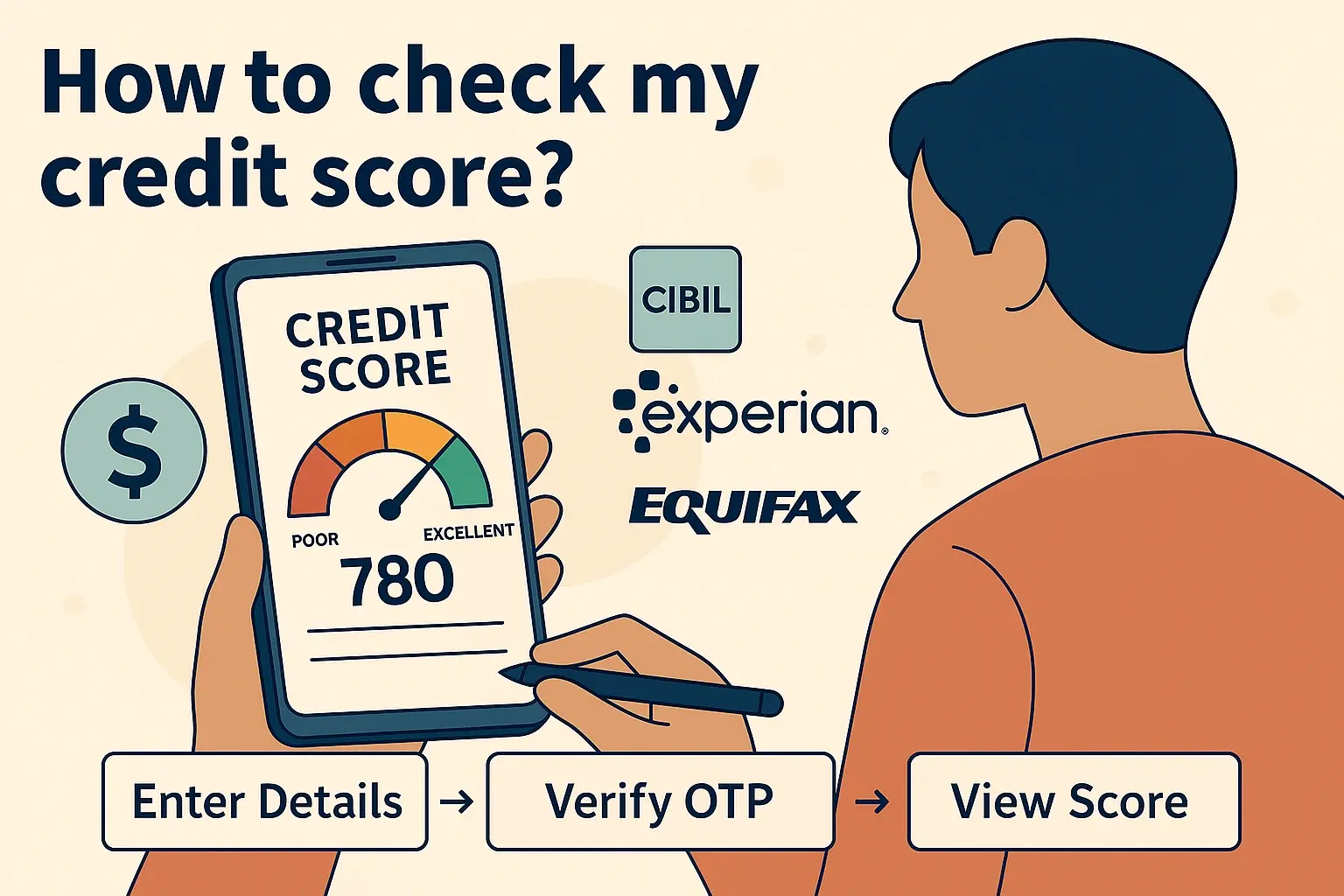
You can check your credit score by obtaining your credit reports from the three major bureaus (Equifax, Experian, and TransUnion) and using a credit monitoring service or checking with your bank or credit card issuer. Many offer free access to your score and reports. Need professional guidance? Call CreditRepairinMyArea at (888) 804-0104 for a free credit consultation.
What You Need to Know About How to check my credit score ?
Understanding your credit score is a fundamental step toward achieving financial well-being. Think of your credit score as a three-digit number that lenders use to assess your creditworthiness – essentially, how likely you are to repay borrowed money. A higher score generally means lower interest rates on loans and credit cards, making borrowing more affordable. Conversely, a low score can lead to loan denials, higher insurance premiums, and even difficulties when renting an apartment or securing a job. Many people mistakenly believe their credit score is a static, unchanging number, but in reality, it fluctuates based on your financial habits. For example, paying bills late, carrying high credit card balances, or opening too many new accounts in a short period can all negatively impact your score. Understanding how to check your credit score is the first domino in a chain of positive financial actions. It's not just about knowing the number; it's about understanding what that number represents and how it influences your life. For instance, someone looking to buy a home might find their dream slipping away due to a score that's just a few points too low, preventing them from qualifying for a favorable mortgage rate. This is where proactive monitoring and understanding become crucial. Companies like CreditRepairinMyArea emphasize that knowing your score is the starting point for taking control.
The Federal Trade Commission (FTC) mandates that consumers are entitled to a free copy of their credit report from each of the three major credit bureaus annually. This is a powerful tool that many individuals overlook. These reports contain detailed information about your credit history, including your payment history, credit utilization, length of credit history, credit mix, and new credit inquiries. Your credit score is derived from this information. It’s vital to remember that while the score is a summary, the report provides the underlying details. Sometimes, errors can appear on your credit report, such as incorrect late payment notations or accounts that don't belong to you. These errors can significantly drag down your score. The process of checking your score and reports allows you to identify these inaccuracies and take steps to correct them, which can lead to a substantial improvement in your creditworthiness over time. For many, the idea of navigating credit reports and scores can seem daunting, but breaking it down into manageable steps makes it accessible to everyone.
How Credit Repair Actually Works
When we talk about credit repair, we're referring to the process of identifying and disputing inaccuracies or outdated negative information on your credit reports that are unfairly harming your credit score. The foundation of this process is built upon the Fair Credit Reporting Act (FCRA), a federal law that protects consumers. The FCRA grants you the right to dispute any information in your credit file that you believe is inaccurate or incomplete. Once a dispute is filed, the credit bureau has a legal obligation to investigate. This investigation typically involves contacting the furnisher of the information (e.g., your credit card company or lender) to verify the accuracy of the disputed item. The law gives them a specific timeframe to complete this investigation, usually within 30 to 45 days after receiving your dispute. During this period, they must review the information and determine if it is indeed accurate. If the furnisher cannot verify the information, or if it's found to be inaccurate, it must be removed from your credit report. This is the core mechanism through which credit repair companies, or individuals doing it themselves, can help improve credit scores.
What to Expect During the Process
- Initial credit report analysis: This is where the journey begins. A qualified professional or you yourself will meticulously review your full credit reports from Equifax, Experian, and TransUnion. This analysis typically takes anywhere from a few days to a week, depending on the complexity of your credit history. The goal is to identify any potential inaccuracies, such as late payments that were actually made on time, collection accounts that are past the statute of limitations, incorrect personal information, or accounts that you don't recognize. This deep dive is crucial for building a strong case for disputes.
- Dispute letter preparation: Once discrepancies are identified, the next step is to craft detailed dispute letters. These letters, often sent via certified mail to ensure proof of delivery, clearly outline the specific items being disputed and the reasons why. This process can take another few days to a week, as each dispute needs to be tailored to the individual item and supported by any available documentation. The language used in these letters is important, adhering to the requirements of the FCRA.
- Credit bureau investigation: After the dispute letters are sent, the credit bureaus have a statutory period of 30 to 45 days (depending on whether the dispute is filed during or after the initial report issuance) to conduct their investigation. During this time, they will contact the credit furnishers to verify the disputed information. You should expect to receive correspondence from the credit bureaus acknowledging your dispute and informing you of their findings.
- Results and next steps: Once the investigation is complete, the credit bureaus will send you a letter detailing the results. If the disputed items are found to be inaccurate or unverifiable, they will be removed from your credit report. This can lead to an immediate increase in your credit score. If the items are verified as accurate, the dispute is closed, but you may have further options, such as escalating the dispute or considering other strategies. The entire process, from initial analysis to receiving results, can take anywhere from 30 to 90 days, depending on the number of disputes and the responsiveness of the credit bureaus and furnishers.
The overall timeframe for significant credit score improvement through repair can vary greatly. For some, seeing a noticeable difference might happen within a couple of months after inaccurate negative items are removed. For others with more complex credit histories or multiple disputed items, it could take six months to a year or even longer. Factors influencing success rates include the accuracy of the disputes filed, the cooperation of the credit bureaus and furnishers, and the consumer's continued responsible credit behavior during the process. It's important to understand that credit repair is not a quick fix; it's a process that requires patience and diligence.
📞 Ready to take action on your credit? Don't navigate the credit repair process alone. Call CreditRepairinMyArea at (888) 804-0104 and speak with a credit expert who can help you today.
Actionable Strategies for check my credit
Taking control of your credit score starts with understanding where you stand. The most impactful first step is to obtain your free annual credit reports from all three major credit bureaus: Equifax, Experian, and TransUnion. You can do this legally at AnnualCreditReport.com. Once you have these reports, which are essential for a comprehensive view, you can then check your credit score. Many credit card companies and banks offer free credit score monitoring as a perk to their customers. This is a convenient way to track your score's progress over time and identify any sudden drops. If your primary financial institutions don't offer this, consider using a reputable free credit monitoring service or a paid service that provides more in-depth analysis and alerts. The key is to regularly monitor both your score and your reports for accuracy and to understand the factors influencing your score.
Proven Approaches That Work
- Obtain Your Free Credit Reports: Visit AnnualCreditReport.com to request your free reports from Equifax, Experian, and TransUnion. Do this at least once a year.
- Check Your Credit Score Regularly: Utilize free services offered by your bank, credit card issuer, or reputable credit monitoring apps. This helps you track progress and spot issues.
- Scrutinize Your Reports for Errors: Carefully review each section of your credit reports for any inaccuracies, such as incorrect personal information, outdated negative items, or accounts you don't recognize.
- Dispute Inaccuracies Promptly: If you find errors, initiate a dispute with the credit bureau that issued the report. Clearly state the inaccuracy and provide any supporting documentation you have.
A common mistake people make is only checking their score without reviewing their credit reports. The score is a snapshot, but the report tells the whole story, including the details that might be dragging your score down. Another pitfall is ignoring collection accounts, assuming they will eventually fall off. While there are time limits on how long negative information can remain on your report (generally seven years, with some exceptions for bankruptcy), actively addressing them can be more beneficial. Best practices include paying all your bills on time, every time, keeping credit utilization low (ideally below 30% of your credit limit), and avoiding unnecessary applications for new credit, as each hard inquiry can slightly lower your score. Building positive credit history takes time and consistent good financial habits.
Frequently Asked Questions About check my credit
Question 1: How often should I check my credit score and reports?
It's advisable to check your credit score at least monthly, especially if you are actively managing your credit or working on improving it. You are entitled to your full credit reports from each of the three major bureaus for free annually at AnnualCreditReport.com. Reviewing these reports periodically, perhaps every few months or after significant financial events, can help catch errors early.
Question 2: What's the difference between a credit score and a credit report?
Your credit report is a detailed history of your borrowing and repayment activities. Your credit score is a three-digit number calculated from the information in your credit report, used by lenders to quickly assess your credit risk. Think of the report as the source document and the score as a summary derived from it.
Question 3: Should I hire a professional credit repair company or do this myself?
Doing it yourself is possible and can save money. However, professional companies like CreditRepairinMyArea have expertise in FCRA laws and dispute processes, potentially making it faster and more effective, especially for complex credit issues. Weigh the cost of a service against your time and confidence in handling it alone.
Question 4: Can checking my credit score hurt my score?
Generally, no. Checking your own credit score or reports is considered a "soft inquiry" and does not impact your score. "Hard inquiries" occur when you apply for new credit, and these can slightly lower your score temporarily.
Question 5: What is considered a "good" credit score?
While exact ranges can vary slightly by scoring model, generally, a score of 700 and above is considered good to excellent. Scores below 600 may be considered fair to poor, potentially making it harder to get approved for credit or secure favorable interest rates.
Question 6: How long does it take for my credit score to improve after disputing an error?
After a successful dispute and removal of inaccurate negative information, you may see an improvement in your credit score within 30 to 60 days. However, the full impact can take longer, depending on the severity of the error and other factors in your credit report.
Get Professional Credit Repair Help
If you're struggling with credit issues and want professional assistance, CreditRepairinMyArea is here to help. Our experienced team understands the complexities of credit laws and can guide you through the dispute process, helping you address inaccurate negative items on your credit reports. We are dedicated to helping consumers achieve their financial goals by improving their credit standing.
Don't let bad credit hold you back from getting approved for loans, mortgages, or credit cards. Take the first step toward better credit today by working with professionals who understand the system and can advocate on your behalf. A healthy credit score opens doors to better opportunities and financial freedom.
Call CreditRepairinMyArea now at (888) 804-0104 to speak with a credit repair specialist and start your journey to healthier credit.