How To Get 800 Credit Score: Your Path to Financial Excellence
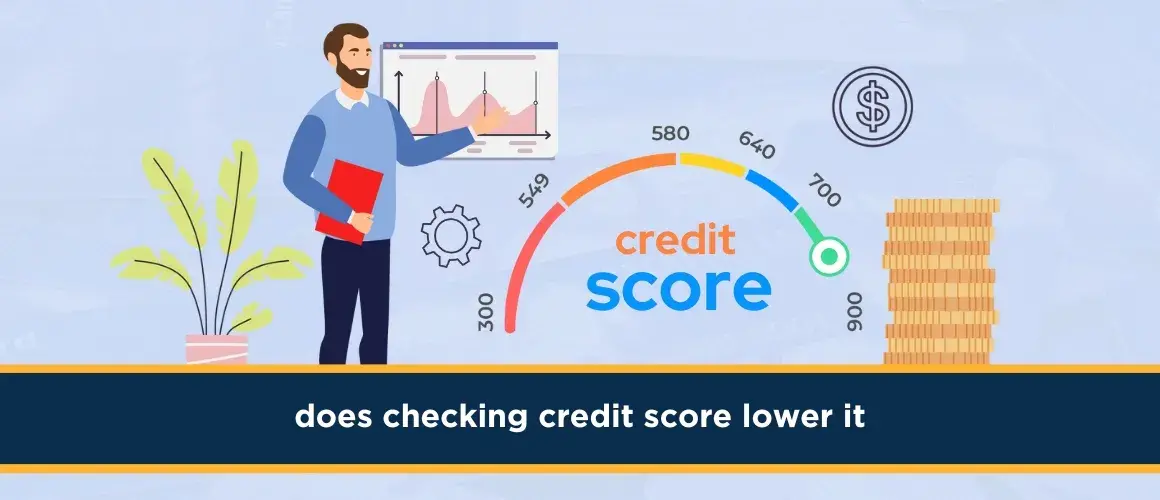
Achieving an 800 credit score is within reach. This comprehensive guide reveals the proven strategies and actionable steps you need to build exceptional credit, unlock financial opportunities, and secure your path to true financial excellence in 2025.
Understanding Credit Scores and the 800 Milestone
In the landscape of personal finance, your credit score acts as a crucial indicator of your financial health and reliability. It’s a three-digit number, typically ranging from 300 to 850, that lenders, landlords, and even some employers use to assess your creditworthiness. A higher score signifies a lower risk to those extending credit, opening doors to more favorable financial terms and opportunities. The 800 credit score mark is often considered the pinnacle of creditworthiness, representing an exceptional level of financial responsibility.
Reaching an 800 credit score isn't just about bragging rights; it translates into tangible benefits that can significantly impact your financial life. For instance, obtaining a mortgage with an 800 score can lead to lower interest rates, saving you tens of thousands of dollars over the life of the loan. Similarly, car loans, personal loans, and even insurance premiums can become substantially cheaper. In 2025, the financial environment continues to emphasize the importance of a strong credit profile, making the pursuit of an 800 score a strategic move for long-term financial well-being.
This guide is meticulously designed to demystify the process of achieving an 800 credit score. We will delve into the core components that influence your score, provide actionable strategies, and outline a clear roadmap to help you navigate your journey to financial excellence. Whether you're starting from scratch or looking to refine an already good score, the insights and methods presented here will equip you with the knowledge and tools needed to reach this coveted financial milestone.
The Pillars of an 800 Credit Score: Key Factors
Credit scoring models, most notably FICO and VantageScore, utilize several key factors to calculate your credit score. While the exact algorithms are proprietary, the general weighting and importance of these factors are well-understood. To achieve an 800 credit score, you must demonstrate excellence across all these pillars. Understanding their relative significance is the first step in strategizing your credit improvement efforts. In 2025, these core factors remain the bedrock of credit scoring, with a continued emphasis on consistent, responsible financial behavior.
The primary factors influencing your credit score are:
- Payment History (Approximately 35% of FICO Score): This is the most critical factor. It reflects whether you pay your bills on time. Late payments, defaults, and bankruptcies can severely damage your score.
- Credit Utilization Ratio (Approximately 30% of FICO Score): This measures how much of your available credit you are using. Keeping this ratio low is crucial for a high score.
- Length of Credit History (Approximately 15% of FICO Score): The longer you have had credit accounts open and in good standing, the better. This demonstrates a track record of responsible credit management over time.
- Credit Mix (Approximately 10% of FICO Score): Having a variety of credit types (e.g., credit cards, installment loans) can be beneficial, provided you manage them responsibly.
- New Credit (Approximately 10% of FICO Score): Opening too many new credit accounts in a short period can negatively impact your score, as it may signal increased risk.
To reach an 800 credit score, you need to aim for near-perfect performance in the most heavily weighted categories, particularly payment history and credit utilization. Even minor blemishes in these areas can prevent you from reaching the highest tiers of creditworthiness. This guide will break down each of these factors, providing specific tactics to optimize your standing in each one, paving your way to an 800 score by 2025.
Mastering Payment History: The Foundation of Credit
Your payment history is the single most influential factor in determining your credit score. Lenders want to see that you are a reliable borrower who consistently meets their financial obligations. In 2025, as in previous years, a spotless record of on-time payments is non-negotiable for achieving an 800 credit score. Even a single late payment can have a significant and lasting negative impact, potentially dropping your score by dozens of points, depending on your current standing and how late the payment was.
What Constitutes a Good Payment History?
- On-Time Payments: Every single payment for every credit account (credit cards, loans, mortgages, even some utility bills if reported) must be made on or before the due date.
- Absence of Derogatory Marks: This includes avoiding late payments (especially those 30 days or more past due), collections, charge-offs, repossessions, foreclosures, and bankruptcies.
Strategies to Ensure Perfect Payment History:
- Automate Your Payments: Set up automatic payments for all your bills. This is the most effective way to ensure you never miss a due date. Schedule payments to be withdrawn a few days before the actual due date to account for any processing delays.
- Set Reminders: Even with automation, it's wise to set calendar reminders a week before your payment due dates. This provides an extra layer of security and allows you to manually intervene if an automatic payment fails for any reason.
- Understand Due Dates vs. Grace Periods: Be aware that the due date is the final day to pay without incurring a late fee or affecting your credit. While credit card companies often have grace periods, relying on them is risky. Always aim to pay before the due date.
- Communicate with Lenders: If you anticipate difficulty making a payment, contact your lender *before* the due date. Many lenders are willing to work with borrowers experiencing temporary financial hardship, potentially offering payment plans or deferrals that can prevent a late payment from being reported.
- Check Your Credit Reports Regularly: Periodically review your credit reports from Equifax, Experian, and TransUnion. Ensure that all payments are accurately reported as on time. If you find an error, dispute it immediately. You can get free copies of your reports at AnnualCreditReport.com.
Example Scenario:
Sarah has three credit cards and a car loan. She sets up automatic payments for the minimum amount due on each account, scheduled to withdraw five days before the due date. She also receives a notification on her phone two days before each payment is scheduled to go out. This ensures that even if her bank account has a temporary dip, she has time to transfer funds or manually make the payment. Her payment history has been perfect for five years, contributing significantly to her excellent credit score.
2025 Stat Insight: According to recent analyses, individuals with a perfect payment history are statistically far more likely to achieve credit scores in the 800+ range compared to those with even a single 30-day late payment within the last two years.
For an 800 credit score, your payment history must be impeccable. There is no room for error. Focus on robust systems and proactive communication to maintain this crucial foundation.
Optimizing Credit Utilization: Keeping Balances Low
Credit utilization ratio (CUR) is the second most significant factor influencing your credit score. It represents the amount of revolving credit you are using compared to your total available revolving credit. For example, if you have a credit card with a $10,000 limit and you owe $3,000 on it, your utilization for that card is 30%. Your overall CUR is calculated by summing up all your revolving balances and dividing by the sum of all your revolving credit limits.
Why is Low Utilization Important?
A high credit utilization ratio signals to lenders that you might be overextended and relying heavily on credit, which increases the perceived risk. Conversely, a low utilization ratio indicates that you are managing your credit responsibly and are not dependent on borrowed funds. To achieve an 800 credit score, experts generally recommend keeping your overall credit utilization below 30%, and ideally below 10%.
Strategies to Optimize Credit Utilization:
- Pay Down Balances: The most straightforward way to lower your utilization is to pay down your credit card balances. Focus on paying more than the minimum payment whenever possible.
- Make Multiple Payments Per Month: Instead of waiting for the statement closing date, make payments throughout the billing cycle. This can help keep the reported balance lower when the credit card company reports to the credit bureaus.
- Request Credit Limit Increases: If you have a good payment history with a particular card issuer, consider requesting a credit limit increase. If approved, this will increase your total available credit, thereby lowering your utilization ratio, assuming your spending remains the same. Be cautious, as some issuers may perform a hard inquiry, which can temporarily ding your score.
- Spread Out Your Spending: If you have multiple credit cards, try to spread your spending across them rather than maxing out one card. This helps keep the utilization on individual cards low.
- Avoid Closing Unused Credit Cards: Closing a credit card reduces your total available credit, which can increase your utilization ratio and negatively impact your score. Keep older, unused cards open, especially if they have no annual fee, and use them for small, recurring purchases that you pay off immediately.
Example Scenario:
David has two credit cards. Card A has a $5,000 limit and a $2,000 balance. Card B has a $7,000 limit and a $1,000 balance. His total available credit is $12,000, and his total balance is $3,000. His overall utilization is $3,000 / $12,000 = 25%. To improve this, David decides to pay down Card A by an additional $1,000. His new balance on Card A is $1,000, and his total balance is now $2,000. His overall utilization becomes $2,000 / $12,000 = 16.7%. This significant improvement will boost his credit score.
2025 Stat Insight: Data from major credit bureaus in 2025 indicates that individuals with a credit utilization ratio below 7% are significantly more likely to achieve credit scores above 800.
Aiming for a credit utilization ratio below 10% is a critical step towards an 800 credit score. It demonstrates strong financial discipline and a low reliance on borrowed funds.
The Power of Time: Building Credit Age
The length of your credit history, often referred to as credit age, is another important factor in calculating your credit score. Lenders view a longer history of responsible credit management as a sign of stability and reliability. In 2025, this factor continues to hold significant weight, rewarding individuals who have managed credit accounts for extended periods.
What is Credit Age?
Credit age is typically measured in two ways:
- Average Age of Accounts: This is the average age of all your open credit accounts.
- Age of Oldest Account: This is the age of your very first credit account that is still open.
Both metrics are important. A longer average age indicates a sustained period of good credit behavior, while a long-standing oldest account demonstrates a deep history with the credit system.
Strategies to Build Credit Age:
- Open Accounts Strategically and Keep Them Open: The best way to build credit age is to open credit accounts early in your financial journey and keep them open and in good standing. Avoid closing older accounts, as this can reduce your average account age and your total available credit.
- Be Patient: Credit age is something that builds naturally over time. There are no shortcuts. The longer you consistently manage credit responsibly, the more this factor will benefit your score.
- Consider a Secured Credit Card or Credit-Builder Loan Early: If you are young or new to credit, consider opening a secured credit card or a credit-builder loan. These products are designed to help individuals establish a credit history. Using them responsibly for a year or two can lay a strong foundation for future credit age.
- Use Older Accounts Periodically: To keep older accounts active and prevent issuers from closing them due to inactivity, make small, recurring purchases on them every few months and pay them off immediately. This signals to the issuer that the account is still in use.
Example Scenario:
Maria opened her first credit card when she was 18. She has managed it responsibly for 15 years. She later opened a second credit card and a car loan. Her oldest account is 15 years old. Her average account age is around 10 years. This long credit history is a significant asset to her credit score, demonstrating a consistent track record of responsible borrowing and repayment over a substantial period.
2025 Stat Insight: Credit scoring models often give a boost to individuals whose oldest credit account has been open for 10 years or more, and whose average age of accounts exceeds 7 years. This demonstrates a deep-rooted financial history.
While you can't speed up time, you can make strategic decisions early on to maximize the benefit of credit age. For an 800 credit score, a long and well-maintained credit history is a powerful ally.
Diversifying Your Credit: The Credit Mix Advantage
Credit mix refers to the variety of credit accounts you have. This typically includes revolving credit (like credit cards) and installment loans (like mortgages, auto loans, and personal loans). Lenders like to see that you can manage different types of credit responsibly, as it indicates a broader understanding of financial obligations.
Why Does Credit Mix Matter?
Having a mix of credit types can demonstrate to lenders that you have experience handling various forms of debt. It suggests you can manage the fixed payments of installment loans as well as the variable payments of revolving credit. However, it's crucial to understand that this factor is less impactful than payment history or credit utilization. You should never open new accounts solely to improve your credit mix if you don't genuinely need them or can't manage them responsibly.
What is a Good Credit Mix?
A healthy credit mix often includes a combination of:
- Revolving Credit: Typically one or more credit cards.
- Installment Loans: Such as a mortgage, auto loan, student loan, or personal loan.
Having both types of credit, managed well, can contribute positively to your score. For instance, having a mortgage and a couple of credit cards, all in good standing, is generally viewed favorably.
Strategies for Credit Mix:
- Focus on Your Primary Credit Needs: Prioritize obtaining the types of credit you actually need, such as a mortgage for a home or an auto loan for a vehicle. Manage these accounts impeccably.
- Don't Open Unnecessary Accounts: Resist the urge to open new credit accounts solely for the sake of diversifying your credit mix. This can lead to multiple hard inquiries, increased debt, and potentially lower your average account age, all of which can harm your score.
- Leverage Existing Credit Wisely: If you already have a good mix, continue to manage those accounts responsibly. For example, if you have a mortgage and credit cards, ensure both are paid on time and credit card balances are kept low.
- Consider a Personal Loan Strategically: In some cases, a small, manageable personal loan can be a way to introduce an installment loan if you primarily have revolving credit. However, ensure you can comfortably afford the payments and that it aligns with your overall financial goals.
Example Scenario:
Chen has two credit cards with low balances and a history of on-time payments. He also has an auto loan that he is paying down steadily. This combination of revolving credit and an installment loan, all managed perfectly, contributes positively to his credit mix. He doesn't have a mortgage, but his existing mix is considered healthy enough not to hinder his progress towards an 800 credit score.
2025 Stat Insight: While not the primary driver, having at least one installment loan and one revolving credit account in good standing is often observed in individuals with scores above 780. The key is responsible management, not just variety.
For an 800 credit score, a well-managed credit mix can provide a small but helpful boost. Focus on having a healthy combination of credit types, but always prioritize responsible management over simply accumulating different types of debt.
Managing New Credit: A Strategic Approach
The "New Credit" factor in credit scoring models assesses how often you apply for and open new credit accounts. When you apply for credit, lenders typically perform a "hard inquiry" on your credit report. A few hard inquiries over a long period are usually not a major concern, but a cluster of them in a short time can signal to lenders that you might be in financial distress or taking on too much debt too quickly.
Understanding Hard Inquiries:
A hard inquiry occurs when a lender checks your credit report because you've applied for new credit (e.g., a credit card, loan, or mortgage). Each hard inquiry can temporarily lower your credit score by a few points. While the impact is usually minor and short-lived (typically affecting your score for about 12 months, though they remain on your report for two years), multiple inquiries in a short span can add up.
Strategies for Managing New Credit:
- Apply for Credit Sparingly: Only apply for credit when you genuinely need it. Avoid applying for multiple credit cards or loans simultaneously or in quick succession.
- Space Out Applications: If you need to apply for new credit, try to space out your applications over several months or even a year. This minimizes the impact of multiple hard inquiries on your score.
- Shop for Rates Within a Short Window: For certain types of loans, like mortgages or auto loans, credit scoring models are designed to treat multiple inquiries for the same type of loan within a short period (usually 14-45 days, depending on the model) as a single inquiry. This allows you to shop for the best rates without excessively damaging your score.
- Be Mindful of "Pre-qualification" Offers: Many credit card companies send "pre-qualified" or "pre-approved" offers. These often involve a "soft inquiry," which does not affect your credit score. However, if you accept the offer and formally apply, a hard inquiry will occur.
- Avoid Opening Store Credit Cards for Discounts: While tempting, opening store credit cards for an immediate discount can lead to unnecessary hard inquiries and potentially a new account that you don't need, especially if you struggle to manage it responsibly.
Example Scenario:
Jessica wants to improve her credit score. She currently has a good credit history but wants to reach 800. She knows that opening too many new accounts will hurt her. Instead of applying for three new rewards cards at once, she decides to apply for one premium travel card that aligns with her spending habits. She waits six months and then, if her score has improved, considers applying for another card. This strategic approach minimizes the negative impact of new credit applications.
2025 Stat Insight: Individuals with 800+ credit scores typically have very few hard inquiries on their reports in the past 12 months, often fewer than two, and rarely more than one in the preceding six months.
For an 800 credit score, a conservative approach to new credit is essential. Limit your applications, space them out, and only apply when necessary and strategically.
Actionable Strategies to Boost Your Score
Now that we've broken down the core components of credit scoring, let's focus on actionable strategies you can implement to actively boost your credit score towards the 800 mark. These are practical steps designed to address potential weaknesses and leverage your strengths. In 2025, these strategies remain highly effective for credit enhancement.
1. Dispute Errors on Your Credit Report:
Mistakes on credit reports are more common than you might think. Errors like incorrect late payments, accounts that aren't yours, or inaccurate balance information can significantly drag down your score. Take advantage of your right to a free credit report from each of the three major bureaus annually at AnnualCreditReport.com. If you find an error, dispute it immediately with the credit bureau and the creditor. The process is straightforward and can lead to a quick score increase if the error is removed.
2. Become an Authorized User (Use with Caution):
If you have a trusted friend or family member with an excellent credit history and a long-standing account in good standing, they might consider adding you as an authorized user. Their positive payment history and low utilization on that account can then appear on your credit report, potentially boosting your score. However, this strategy comes with risks: if the primary account holder mismanages the account (late payments, high utilization), it will negatively impact your credit. Ensure you have a clear agreement and trust the primary user implicitly.
3. Use a Secured Credit Card Strategically:
If your credit history is thin or damaged, a secured credit card is an excellent tool. You provide a cash deposit, which typically becomes your credit limit. Use this card for small, everyday purchases and pay the balance in full and on time every month. This builds a positive payment history and demonstrates responsible credit management, which will eventually be reflected positively on your credit report and help you qualify for unsecured cards later.
4. Consider a Credit-Builder Loan:
Similar to secured credit cards, credit-builder loans are designed for those looking to establish or improve credit. You make payments on the loan, but the funds are held in an account by the lender and released to you after the loan is fully repaid. The lender reports your on-time payments to the credit bureaus, helping to build your credit history. This is a good option if you prefer not to use a credit card.
5. Negotiate with Creditors for "Pay for Delete" (Rare but Possible):
If you have a collection account on your credit report, you might be able to negotiate with the collection agency. In some cases, you can offer to pay the debt in exchange for them removing the collection entry from your credit report entirely. This is known as a "pay for delete" agreement. While not always successful and often requiring persistence, it can be a powerful way to clean up your report and significantly improve your score.
6. Utilize Credit Card Balance Transfer Offers (Carefully):
If you have existing credit card debt, a 0% introductory APR balance transfer offer can help you pay down debt faster by avoiding interest charges. This can indirectly help your credit score by allowing you to allocate more of your payment towards the principal, thus reducing your credit utilization. However, be aware of balance transfer fees and the APR after the introductory period ends. Ensure you have a plan to pay off the balance before the promotional period expires.
7. Monitor Your Credit Score Regularly:
Use free credit monitoring services offered by many credit card companies or third-party apps. This allows you to track your score's progress, identify any new negative marks quickly, and understand how different financial actions impact your score. Many services also offer simulations to show how certain actions might affect your score.
2025 Stat Insight: Individuals who actively monitor their credit reports and scores and dispute errors are, on average, 30-50 points higher than those who do not.
Implementing these strategies requires diligence and a proactive approach. By focusing on accuracy, strategic use of credit products, and diligent monitoring, you can accelerate your journey towards an 800 credit score.
Step-by-Step Plan to Reach 800
Embarking on the journey to an 800 credit score requires a structured approach. Here's a step-by-step plan designed to guide you systematically. This plan is adaptable, but the core principles remain consistent for achieving financial excellence in 2025.
Phase 1: Assessment and Foundation (Months 1-3)
- Obtain Your Credit Reports: Visit AnnualCreditReport.com and request your free credit reports from Equifax, Experian, and TransUnion.
- Analyze Your Reports:
- Payment History: Identify any late payments, collections, or other derogatory marks. Note their dates and severity.
- Credit Utilization: Calculate your current utilization ratio for each card and your overall ratio.
- Credit Age: Note the age of your oldest account and your average account age.
- Credit Mix: Assess the types of credit you have.
- New Credit: Count the number of recent hard inquiries.
- Dispute Errors: If you find any inaccuracies, immediately initiate disputes with the relevant credit bureaus and creditors.
- Set Up Payment Systems: Implement automatic payments or robust reminder systems for all your existing accounts to ensure on-time payments going forward.
- Address High Utilization: If your utilization is above 30%, create a plan to pay down balances aggressively. Prioritize cards with the highest interest rates or highest utilization ratios.
Phase 2: Strategic Improvement (Months 4-12)
- Maintain Perfect Payment History: This is paramount. No exceptions.
- Keep Utilization Low: Aim to keep your overall utilization below 10%. Consider requesting credit limit increases on existing cards if appropriate.
- Use Older Accounts: Make small, recurring purchases on your oldest credit accounts and pay them off immediately to keep them active.
- Avoid New Credit Applications: Unless absolutely necessary for a major purchase (like a home or car), refrain from applying for new credit.
- Consider Credit-Building Tools (If Needed): If your credit history is thin, explore secured credit cards or credit-builder loans and use them responsibly.
Phase 3: Refinement and Monitoring (Months 13+)
- Continue Perfect Practices: Consistency is key. Maintain flawless payment history and low utilization.
- Monitor Your Score Regularly: Use free credit monitoring tools to track your progress. Understand how your actions are impacting your score.
- Review Credit Reports Annually: Continue to check your credit reports for accuracy and to ensure no new negative information has appeared.
- Be Patient: Building an 800 credit score takes time. Focus on sustainable habits rather than quick fixes.
- Re-evaluate Strategies: As your score approaches 800, you might refine your approach, perhaps considering a well-timed application for a premium rewards card if your profile is strong enough.
Example Timeline and Milestones:
Let's say you start with a score of 680, high utilization (50%), and a few blemishes.
- Month 3: Errors disputed and removed. Utilization reduced to 30%. Score might jump 30-50 points.
- Month 6: Utilization consistently below 20%. Payment history perfect. Score might be in the low 700s.
- Month 12: Utilization below 10%. All past blemishes are aging off. Score might be in the mid-to-high 700s.
- Month 18-24: With continued perfect practices, your score can climb into the 800s.
2025 Stat Insight: The average time it takes for individuals to improve their credit score by 100 points or more, starting from a fair credit range (650-699), is typically between 12 to 24 months of consistent positive behavior.
This step-by-step plan provides a clear framework. The most crucial elements are discipline, patience, and a commitment to consistent, responsible financial behavior.
Monitoring Your Progress and Staying on Track
Achieving an 800 credit score is a marathon, not a sprint. Continuous monitoring of your credit reports and scores is essential to ensure you are on the right track and to catch any potential issues before they significantly impact your progress. In 2025, the tools for monitoring are more accessible than ever, making this a critical part of your strategy.
Why Monitor Your Credit?
- Identify Errors: As mentioned, errors can occur. Regular monitoring helps you spot them quickly.
- Track Score Changes: Understand what actions positively or negatively affect your score.
- Detect Fraud: Monitoring can alert you to unauthorized activity or identity theft.
- Stay Motivated: Seeing your score improve can be a powerful motivator to continue your good financial habits.
Tools and Methods for Monitoring:
- Free Annual Credit Reports: As previously stated, use AnnualCreditReport.com to get your full reports three times a year (once from each bureau, or all three every four months). This is the most comprehensive way to see all the details affecting your score.
- Credit Card Issuer Services: Many major credit card issuers (e.g., Chase, American Express, Discover) provide free access to your FICO or VantageScore through their online portals or mobile apps. They often include features like credit score simulators and alerts for significant score changes.
- Third-Party Credit Monitoring Services: Numerous reputable services offer free credit monitoring, often including credit scores, credit report summaries, and alerts for new accounts, inquiries, or changes on your reports. Examples include Credit Karma, Credit Sesame, and Experian Boost. Be aware of the terms of service for any free service, as some may offer paid upgrades.
- Bank Account Integration: Some banking apps also integrate credit score monitoring features.
What to Look For When Monitoring:
- Score Trends: Are you seeing a consistent upward trend?
- New Inquiries: Are there any hard inquiries you didn't authorize?
- New Accounts: Are there any new accounts opened in your name that you didn't apply for?
- Balance Changes: Are your reported balances on credit cards changing significantly (beyond your own spending and payments)?
- Public Records: Ensure no new bankruptcies, liens, or judgments appear.
Staying on Track:
If you notice your score stagnating or decreasing, it's time to re-evaluate your habits. Is your utilization creeping up? Did you miss a payment? Are there new errors on your report? Use the monitoring tools to pinpoint the cause and adjust your strategy accordingly. Celebrate small victories – a 10-point increase is still progress!
Example Scenario:
Maria checks her credit score through her credit card app every month. She notices her score dipped by 5 points. Upon investigation, she sees that her credit card balance was reported slightly higher than she expected due to the statement closing date. She immediately makes an extra payment to bring her utilization back down. This proactive monitoring allowed her to correct a minor issue before it became a larger problem.
2025 Stat Insight: Individuals who actively monitor their credit scores at least monthly are more likely to maintain scores in the excellent range (780+) and are quicker to identify and resolve fraudulent activity.
Consistent monitoring is not just about tracking progress; it's about active management. It empowers you to stay in control of your financial narrative and ensures you remain on the most efficient path to your 800 credit score goal.
Avoiding Common Pitfalls on Your Journey
The path to an 800 credit score is clear, but many individuals stumble due to common mistakes. Being aware of these pitfalls can help you navigate your journey more effectively and avoid setbacks. In 2025, these pitfalls remain prevalent, so vigilance is key.
Pitfall 1: Missing Payments
This is the most detrimental mistake. Even one 30-day late payment can drop your score significantly and remain on your report for seven years. The solution is robust payment systems: automatic payments, calendar reminders, and clear communication with lenders if hardship arises.
Pitfall 2: High Credit Utilization
Carrying high balances on your credit cards is a major score killer. Many people fall into the trap of using their credit limit as a spending target. Remember, lower is always better. Aim for under 10% utilization.
Pitfall 3: Closing Old Credit Accounts
While it might seem like decluttering, closing old credit accounts reduces your average age of credit and your total available credit, both of which can hurt your score. Keep older, unused cards open (if they have no annual fee) and use them sparingly.
Pitfall 4: Applying for Too Much Credit Too Quickly
Opening multiple new credit accounts in a short period triggers numerous hard inquiries and can signal financial distress. Be strategic and space out your applications.
Pitfall 5: Not Checking Credit Reports for Errors
Relying solely on credit monitoring scores without reviewing full reports means you might miss critical errors that are dragging your score down. Always get your full reports from AnnualCreditReport.com.
Pitfall 6: Relying Solely on Credit Monitoring Scores
Credit monitoring services often provide scores, but these might not be the exact FICO or VantageScore used by lenders. While useful for tracking trends, always refer to your full credit reports for the most accurate picture.
Pitfall 7: Falling for "Quick Fix" Scams
Be wary of services promising to instantly boost your credit score or remove negative information that is legitimately on your report. These are often scams and can cause more harm than good.
Pitfall 8: Ignoring Collections or Past-Due Accounts
Ignoring a debt doesn't make it go away; it often leads to it being sent to collections, which severely damages your credit. Address these issues proactively, even if it means negotiating a payment plan.
Pitfall 9: Not Understanding the Impact of Authorized User Status
While beneficial, becoming an authorized user on someone else's poorly managed account can harm your credit. Ensure the primary account holder has excellent credit habits.
Pitfall 10: Treating All Credit Cards the Same
Different cards have different reporting cycles and grace periods. Understanding how your credit card companies report to the bureaus can help you manage your utilization more effectively.
Example Scenario:
John was close to his goal score but decided to open three new credit cards in one month to take advantage of sign-up bonuses. His score dropped by 20 points due to the hard inquiries and the new accounts. He also started carrying higher balances on his existing cards, increasing his utilization. He had to spend several extra months correcting these missteps.
2025 Stat Insight: A significant percentage of individuals seeking credit repair are found to have made one or more of the above mistakes, highlighting the importance of education and diligent practice.
By being aware of these common pitfalls and actively working to avoid them, you significantly increase your chances of reaching and maintaining an 800 credit score. Focus on consistency, accuracy, and long-term financial health.
The Rewards of an 800 Credit Score
Reaching an 800 credit score is a significant financial achievement that unlocks a world of benefits. It signifies exceptional creditworthiness, making you a highly desirable borrower in the eyes of lenders. The advantages extend far beyond just having a high number; they translate into tangible financial savings and opportunities. In 2025, the premium associated with an 800 score remains exceptionally high.
1. Lower Interest Rates:
This is perhaps the most significant benefit. With an 800 credit score, you'll qualify for the lowest interest rates on mortgages, auto loans, personal loans, and credit cards. Over the life of a loan, this can save you tens of thousands of dollars. For example, on a 30-year mortgage, a lower interest rate can mean monthly savings of hundreds of dollars and hundreds of thousands in interest paid over the loan term.
2. Better Loan Approval Odds:
Lenders are much more likely to approve your applications for credit when you have an 800 credit score. This means you'll have an easier time securing financing for major purchases like a home or car, or for consolidating debt.
3. Higher Credit Limits:
Financial institutions are more willing to extend larger lines of credit to individuals with excellent credit. This can provide greater financial flexibility and purchasing power, though it's crucial to manage these higher limits responsibly.
4. Favorable Insurance Premiums:
In many states, insurance companies use credit-based insurance scores to help determine premiums for auto and homeowners insurance. An excellent credit score can lead to lower insurance rates, saving you money annually.
5. Easier Rental Approvals:
Landlords often check credit scores to assess the reliability of potential tenants. An 800 score can make it easier to get approved for rental properties, especially in competitive markets.
6. Access to Premium Rewards Credit Cards:
The best travel rewards, cashback cards, and other premium credit cards are typically reserved for applicants with excellent credit. These cards can offer significant perks, sign-up bonuses, and valuable rewards that can offset travel costs or provide substantial cashback.
7. Reduced Security Deposits:
When setting up utilities or services like cell phone plans, a strong credit score can often waive or reduce the need for security deposits.
8. Greater Negotiating Power:
When you have an 800 credit score, you are in a strong position to negotiate terms and rates with lenders. You are the ideal customer, and lenders are eager to earn your business.
9. Financial Peace of Mind:
Beyond the monetary benefits, having an excellent credit score provides a sense of security and confidence. It means you have a strong financial foundation that can help you weather unexpected financial storms and achieve your long-term financial goals.
Example Scenario:
Sarah, with an 805 credit score, recently purchased a home. She secured a mortgage with a 5.8% interest rate. Her colleague, with a score of 710, was approved for the same loan amount but at a 6.9% interest rate. Over 30 years, Sarah will save over $80,000 in interest compared to her colleague, simply due to her superior credit score.
2025 Stat Insight: On average, consumers with 800+ credit scores save over $1,000 per year on interest payments across all their credit accounts compared to those with average credit scores.
The pursuit of an 800 credit score is a worthwhile endeavor, offering a multitude of financial advantages that compound over time. It is a testament to responsible financial management and a gateway to greater financial freedom.
Your Path to Financial Excellence
Achieving an 800 credit score is a testament to diligent financial stewardship and a strategic approach to credit management. It's not an overnight transformation but a journey built on consistent, responsible habits. By understanding the core pillars of credit scoring – payment history, credit utilization, credit age, credit mix, and new credit – you gain the power to influence your score positively. The strategies outlined in this guide, from automating payments and keeping balances low to disputing errors and monitoring your progress, are your roadmap to this coveted financial milestone.
Remember that patience and persistence are your greatest allies. Avoid common pitfalls like missed payments or excessive credit applications, and leverage tools like free credit reports and monitoring services to stay informed and in control. The rewards of an 800 credit score are substantial, ranging from significantly lower interest rates on loans to better insurance premiums and easier approvals for rentals. These benefits not only save you money but also provide invaluable financial peace of mind and open doors to greater opportunities.
Your path to financial excellence begins with a commitment to these principles. Start today by assessing your current credit standing, implementing the recommended strategies, and consistently monitoring your progress. With dedication and the knowledge gained from this guide, you are well-equipped to reach your 800 credit score goal and secure a future of enhanced financial well-being.
