How To Get A Repo Off My Credit?
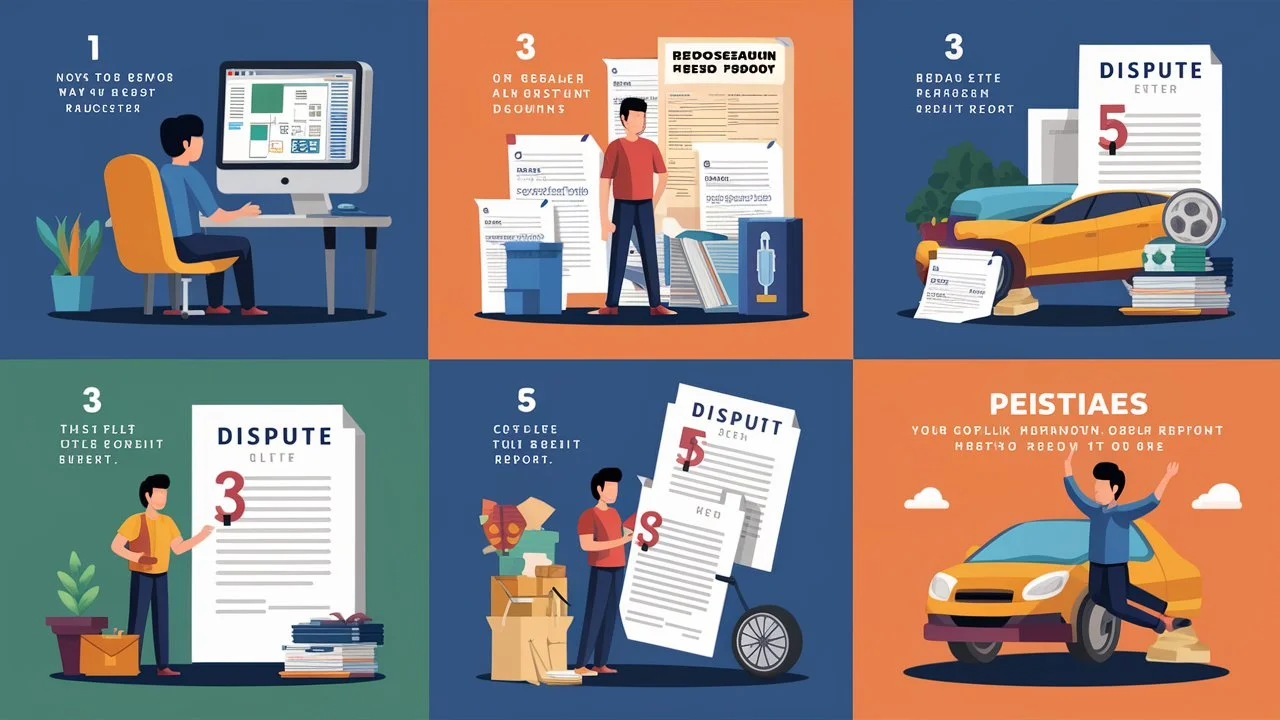
Facing a repossession on your credit report can feel like a significant setback, but understanding how to address it is the first step toward regaining financial control. This guide will walk you through the essential strategies and steps to get a repo off your credit, offering actionable advice for 2025.
Understanding Repossession and Its Impact on Your Credit
A repossession, often shortened to "repo," occurs when a lender takes back an asset, typically a vehicle, because the borrower has failed to make payments as agreed upon in the loan contract. This is a serious event that can have long-lasting consequences for your financial health, primarily through its negative impact on your credit score. In 2025, the credit landscape continues to evolve, but the severity of a repossession remains a significant factor. Lenders view a repossession as a clear indication of a borrower's inability or unwillingness to meet financial obligations, making it difficult to secure new loans or credit in the future.
What Constitutes a Repossession?
A repossession isn't just about falling behind on a payment or two. It typically happens after a borrower has defaulted on their loan agreement, meaning they have failed to fulfill the terms of the contract. This usually involves missing multiple payments, often consecutively, or violating other terms of the loan, such as failing to maintain required insurance on the collateral (like a car). The lender has the legal right to reclaim the property once default occurs, provided they follow specific legal procedures. The specific definition of default can vary slightly based on state laws and the loan agreement itself, but it's fundamentally about failing to pay as promised.
The Financial Fallout of a Repo
The immediate financial impact of a repossession is the loss of the asset itself. However, the damage extends far beyond that. Here's a breakdown of the financial fallout:
- Loss of the Asset: You no longer own the item that was repossessed.
- Deficiency Balance: In most cases, the sale of the repossessed item at auction will not cover the full amount owed on the loan. The remaining balance is called a deficiency balance. The lender can and will pursue you for this amount.
- Collection Efforts: If you don't pay the deficiency balance, the lender may send your account to a collection agency, leading to persistent calls and letters.
- Legal Action: The lender could sue you to recover the deficiency balance. A judgment against you can lead to wage garnishment or liens on other property.
- Damage to Credit Score: This is perhaps the most significant long-term consequence. A repossession can drop your credit score by 50 to 150 points or more, depending on your score before the incident.
How Repossession Affects Your Credit Score
Credit scoring models, like FICO and VantageScore, heavily penalize negative information. A repossession is considered a severe negative mark because it signifies a significant failure to meet financial obligations. The impact is immediate and can linger for years. It signals to future lenders that you are a higher risk, leading to:
- Higher interest rates on future loans.
- Difficulty obtaining approval for mortgages, auto loans, and even credit cards.
- Potential denial of rental applications or employment opportunities that involve credit checks.
Understanding these impacts is crucial before diving into strategies for removal. The goal isn't just to get it off your report but to rebuild your financial reputation.
Your Rights and Responsibilities Regarding Repossession
Navigating the aftermath of a repossession involves understanding both your legal rights and your obligations. This knowledge is critical for effectively managing the situation and potentially challenging the repossession or its reporting on your credit. As of 2025, consumer protection laws remain in place to ensure fair treatment, but they require informed action on your part.
Your Rights as a Borrower
Before and after a repossession, you have certain rights. It's important to be aware of these:
- Right to Notice: In most states, lenders must provide you with a written notice before they can repossess your property. This notice typically outlines the default and gives you a chance to cure it (catch up on payments).
- Right to Reinstate the Loan: Some states allow you to "reinstate" the loan by paying all past-due amounts, late fees, and repossession costs within a specified period. This would allow you to get your property back.
- Right to Redeem the Property: You may have the right to "redeem" the property by paying the entire outstanding loan balance, plus repossession and sale costs, before the lender sells it.
- Right to Notification of Sale: After repossession, the lender must typically notify you of the date, time, and place of the sale of the repossessed item.
- Right to a Commercially Reasonable Sale: The lender must sell the repossessed property in a "commercially reasonable" manner. This means they can't just give it away for a fraction of its value.
- Right to Surplus Funds: If the sale of the repossessed item brings in more money than you owe on the loan (including repossession and sale costs), the lender must return the surplus to you.
Your Responsibilities as a Borrower
While you have rights, you also have responsibilities that, if not met, can lead to further complications:
- Responsibility to Make Payments: The primary responsibility is to make your loan payments on time as per the contract.
- Responsibility to Maintain Insurance: If your loan agreement requires you to maintain specific insurance coverage on the collateral, you must do so. Failure to do so can be grounds for repossession.
- Responsibility to Respond to Notices: If the lender sends you notices regarding default or repossession, you must read and understand them and respond appropriately.
- Responsibility for Deficiency Balance: As mentioned, you are typically responsible for any deficiency balance remaining after the sale of the repossessed item.
- Responsibility to Cooperate (to an extent): While you don't have to make repossession easy, you shouldn't obstruct it if the lender has the legal right to repossess.
Understanding these rights and responsibilities empowers you to assess whether the repossession was lawful and whether you have grounds for dispute. This is a crucial first step before attempting to remove the repossession from your credit report.
The Credit Reporting Process: How Repossessions Appear
For a repossession to impact your credit, it must be reported to the major credit bureaus: Equifax, Experian, and TransUnion. Lenders report account activity, including defaults and repossessions, to these bureaus monthly. Understanding how this information is presented and what it signifies is key to identifying potential errors or grounds for dispute.
What Information is Reported?
When a repossession is reported, it typically appears on your credit report in the following ways:
- Account Status: The account will be marked with negative status codes indicating default and repossession. This is a clear signal of delinquency.
- Date of the Incident: The date of the repossession is recorded, which is crucial for determining how long it will remain on your report.
- Balance Information: The outstanding balance at the time of repossession, and any subsequent deficiency balance, will be reported.
- Creditor Information: The name of the original lender and any collection agency involved will be listed.
- Public Records: In some cases, especially if legal action is taken, a repossession might also appear in the public records section of your credit report, though this is less common for simple vehicle repossessions and more for foreclosures or bankruptcies.
How Long Does a Repo Stay on Your Credit Report?
Under the Fair Credit Reporting Act (FCRA), most negative information, including repossessions, can remain on your credit report for seven years from the date of the delinquency that led to the repossession. For example, if you stopped paying in January 2024 and the car was repossessed in March 2024, the seven-year clock typically starts from the date of the first missed payment (January 2024).
Key Point: While the repossession itself might be removed after seven years, the impact of the missed payments leading up to it will also fade over time as newer, positive credit behavior emerges. However, the repossession itself is a severe mark that lenders will notice.
The Difference Between Repossession and Foreclosure
It's important to distinguish between repossession and foreclosure, as they have different implications and reporting mechanisms:
| Feature | Repossession (e.g., Vehicle) | Foreclosure (e.g., Home) |
|---|---|---|
| Asset Type | Typically personal property like vehicles, furniture, or electronics. | Real estate (houses, condos). |
| Legal Process | Often a non-judicial process, meaning the lender can repossess without going to court, provided they follow state laws. | A judicial process involving court proceedings to legally take possession of the property. |
| Credit Reporting | Reported as a negative account status, often with a deficiency balance. | Reported as a foreclosure in public records and a significant negative mark on the mortgage account. |
| Impact | Severe negative impact on credit score, difficulty getting new loans. | Extremely severe negative impact, often leading to bankruptcy or significant credit rebuilding efforts. |
| Duration on Report | Typically 7 years from delinquency date. | Typically 7 years from delinquency date, but the event itself is a long-term credit killer. |
Understanding these distinctions helps in accurately identifying and addressing the specific issue on your credit report.
Strategies to Get a Repo Off Your Credit
Removing a repossession from your credit report is challenging but not impossible. It requires a strategic approach, focusing on identifying errors, negotiating with lenders, and understanding your rights. Here are the primary strategies employed by consumers in 2025 to achieve this goal.
1. Identify and Dispute Errors
The most straightforward way to get a negative item removed is if it's inaccurate. Credit bureaus and lenders are required to report accurate information. If the repossession itself is reported incorrectly, or if it's not your account at all, you have strong grounds for dispute.
- Incorrect Information: Check your credit reports from Equifax, Experian, and TransUnion for any discrepancies. This could include incorrect dates, amounts, account numbers, or even the fact that the item was repossessed.
- identity theft: In rare cases, a repossession might be reported on your credit report due to identity theft. If you suspect this, you'll need to file a police report and an FTC affidavit.
- Statute of Limitations: While a repo stays on your report for 7 years, some states have statutes of limitations for collecting on debt. If the lender is trying to collect on a deficiency balance beyond this period, it might be a point of leverage, though it doesn't automatically remove the repo from your credit history.
Action: Gather all relevant documentation (loan agreements, payment histories, repossession notices) and write a dispute letter to each credit bureau that lists the incorrect information. Include copies of your evidence. You can also dispute directly with the lender.
2. Negotiate with the Lender
If the repossession is accurate, your next best bet is to negotiate with the original lender or the collection agency that may have purchased the debt. The goal is to convince them to remove the negative mark in exchange for payment or a settlement.
- Good Faith Negotiation: Approach the lender professionally and explain your situation. Sometimes, lenders are willing to work with you to resolve the deficiency balance.
- Settlement Offers: They might offer to settle the deficiency for a lump sum that is less than the full amount owed.
This strategy often leads to a "pay for delete" agreement, which is highly effective but not guaranteed.
3. "Pay for Delete" Agreements
This is a highly sought-after but often elusive strategy. A "pay for delete" agreement is when a creditor or collection agency agrees to remove a negative item from your credit report in exchange for payment. It's crucial to get this agreement in writing *before* you make any payment.
- How it Works: You negotiate a settlement amount for the deficiency balance. As part of the agreement, the creditor agrees to delete the repossession entry from your credit reports entirely.
- Challenges: Not all lenders or collection agencies will agree to this. Some may claim they cannot remove items from credit reports due to reporting requirements.
This is where persistence and negotiation skills are paramount. If successful, this is one of the most direct ways to get a repo removed.
4. Wait for the Seven-Year Mark
As established, a repossession will typically fall off your credit report automatically after seven years from the date of the original delinquency. While this isn't an active removal strategy, it's a reality to plan for. If you can't negotiate its removal, focusing on building positive credit history during this period will minimize the repo's impact when it eventually ages off.
5. Legal Review
In some cases, a lender may not have followed proper procedures during the repossession or reporting process. If you believe your rights were violated, consulting with a consumer protection attorney specializing in credit reporting or debt collection could be beneficial. They can assess your situation and advise on potential legal recourse, which might include forcing the removal of inaccurate information.
Each of these strategies requires a different approach and level of effort. The best path for you will depend on the specifics of your repossession and your ability to negotiate.
Disputing Errors with Credit Bureaus
Disputing inaccuracies on your credit report is a fundamental consumer right under the Fair Credit Reporting Act (FCRA). If you find any errors related to a repossession, this is your primary avenue for correction. This process can be time-consuming but is essential for accurate credit reporting.
Step-by-Step Dispute Process
Here's a structured approach to disputing a repossession with the credit bureaus:
- Obtain Your Credit Reports: Get free copies of your credit reports from Equifax, Experian, and TransUnion. You can do this annually at AnnualCreditReport.com.
- Identify the Error: Carefully review each report. Look for any inaccuracies related to the repossession, such as incorrect dates, amounts, account status, or if the account is listed incorrectly.
- Gather Evidence: Collect any documents that support your claim of an error. This might include loan statements, payment records, correspondence with the lender, or proof of identity if the account isn't yours.
- Write a Dispute Letter: Draft a clear and concise dispute letter for each credit bureau. Be specific about the information you believe is inaccurate and why.
- Address the letter to the credit bureau's dispute department.
- Include your full name, address, and account number (if applicable).
- Clearly state the account in question and the specific error(s).
- Attach copies (never originals) of your supporting evidence.
- Request that the inaccurate information be investigated and removed.
- Keep a copy of your letter and all evidence for your records.
- Send the Letter: Send your dispute letters via certified mail with a return receipt requested. This provides proof that the credit bureau received your correspondence.
- Credit Bureau Investigation: The credit bureaus have 30 days (or 45 days if you provide additional information during the 30-day period) to investigate your dispute. They will contact the furnisher of the information (the lender or collection agency) to verify the accuracy.
- Receive the Results: The credit bureau will send you a written response detailing the results of their investigation. If they agree with your dispute, the inaccurate information will be corrected or removed. If they don't, they must provide you with the reason and information on how to request a review if you're not satisfied.
Disputing Directly with the Furnisher
You can also dispute the information directly with the lender or collection agency that reported it. This is often a good first step, as they are the source of the information and may be able to correct it more quickly. Follow a similar process: write a letter, state the error, provide evidence, and request correction. If the furnisher verifies the information, you can then proceed with disputing it with the credit bureaus.
What to Do if the Dispute is Unsuccessful
If your dispute is denied, review the credit bureau's response. If you believe they did not conduct a thorough investigation or if you have new evidence, you can resubmit your dispute. You may also consider:
- Filing a Complaint: You can file a complaint with the Consumer Financial Protection Bureau (CFPB) or your state's Attorney General's office.
- Consulting an Attorney: If you suspect the lender or credit bureau has violated your rights under the FCRA, a consumer protection attorney can advise you on further legal options.
Persistence and thorough documentation are key to successful credit report disputes.
Negotiating with the Lender
When a repossession is legitimate, your primary leverage often lies in negotiation. This involves engaging with the original creditor or the collection agency that now holds the debt to resolve the outstanding balance, with the ultimate goal of having the negative mark removed from your credit report. Success hinges on preparation, professionalism, and understanding the lender's motivations.
Understanding the Lender's Position
Lenders and collection agencies want to recover as much of the outstanding debt as possible. However, they also incur costs associated with repossession, storage, and selling the asset. They may be willing to accept a lower lump sum payment to avoid further collection efforts, legal fees, and the administrative burden of managing a delinquent account.
Key Negotiation Tactics
- Know Your Debt: Before you negotiate, understand the exact amount owed, including any fees, interest, and costs associated with the repossession and sale. Obtain a detailed breakdown from the lender.
- Assess Your Financial Situation: Determine how much you can realistically afford to pay. Having a clear budget will help you set a target settlement amount.
- Be Professional and Polite: Maintain a respectful tone throughout your interactions. Aggression or rudeness can hinder negotiations.
- Propose a Settlement: Start by offering a lower amount than you are willing to pay. For example, if you owe $5,000, you might start by offering $2,500.
- Highlight Your Willingness to Pay: Emphasize that you want to resolve the debt and that your offer reflects your current financial capacity.
- Leverage "Pay for Delete" (If Possible): If your primary goal is to get the repo off your credit, you can cautiously introduce the idea of a "pay for delete" agreement. Frame it as: "If we can agree on a settlement amount, would you be willing to remove this entry from my credit report entirely?"
- Get Everything in Writing: This is the most critical step. Before making any payment, ensure you have a written agreement that clearly states the settlement amount, the debt it resolves, and the creditor's promise to remove the entry from your credit report.
What to Negotiate For
Beyond just the settlement amount, consider negotiating for:
- Full Removal from Credit Reports: This is the ultimate goal.
- Reporting as "Settled" or "Paid": If full removal isn't possible, aim for the account to be updated to reflect that the debt has been settled or paid in full. This is better than leaving it as unpaid.
- No Further Collection Activity: Ensure the agreement states that the lender will cease all collection efforts once the settlement is made.
Potential Outcomes of Negotiation
- Successful Removal: The best-case scenario is that the lender agrees to a "pay for delete" and removes the repossession from your credit reports.
- Account Updated: The account might be updated to show "settled for less than full balance" or "paid in full." While the repossession event itself remains, the status is improved.
- No Agreement: The lender may refuse to negotiate or offer terms you cannot accept. In this case, you may need to consider other strategies or the seven-year rule.
Negotiation requires patience and a clear understanding of what you want to achieve. Always prioritize getting any agreement in writing.
Settlement Agreements and "Pay for Delete"
These two concepts are often intertwined when dealing with negative items like repossessions. A settlement agreement is a contract where you agree to pay a portion of the debt owed, and the creditor agrees to consider the debt satisfied. "Pay for delete" is a specific term within that agreement where the creditor agrees to remove the negative entry from your credit report entirely.
Understanding Settlement Agreements
When a lender or collection agency agrees to a settlement, it means they are accepting less than the full amount owed to close the account. This is common when the debt is old, difficult to collect, or when the debtor demonstrates a genuine inability to pay the full amount but a willingness to pay a reduced sum.
- Benefits: Settling a debt can be financially advantageous compared to paying the full amount, especially if the debt is significantly past due and has accrued interest and fees. It also stops further collection efforts.
- Credit Reporting Impact: Even if you settle a debt, it will still appear on your credit report as "settled for less than full balance" or a similar notation. This is still a negative mark, though generally less damaging than an unpaid collection or charge-off.
The Power and Pitfalls of "Pay for Delete"
"Pay for delete" is the holy grail for consumers trying to clean up their credit reports. It's a negotiation tactic where the creditor agrees to remove the negative tradeline from your credit report in exchange for payment.
- Why it Works: For creditors, especially collection agencies, the primary goal is to recover some money. If they can get a payment and avoid the administrative hassle of reporting an old debt, they might agree. For consumers, it's the fastest way to improve credit scores by removing the most damaging information.
- The Catch: Not all creditors or collection agencies will agree to "pay for delete." Some may claim it violates their reporting agreements with the credit bureaus. Others might simply refuse.
- Crucial Requirement: Get it in Writing! This cannot be stressed enough. Before you send a single penny, you must have a written agreement signed by an authorized representative of the creditor or collection agency stating that they will remove the specific negative item from all three credit bureaus. Verbal agreements are not legally binding in this context and are easily denied later.
How to Negotiate for "Pay for Delete"
- Initiate Contact: Call the collection agency or original creditor.
- Acknowledge the Debt (Carefully): You might say, "I'm looking to resolve this outstanding balance."
- Propose a Settlement: Offer a lump sum that is significantly less than the total owed.
- Introduce "Pay for Delete": Once a settlement amount is discussed, ask: "If I agree to pay $X, would you be willing to remove this account from my credit reports entirely?"
- Be Prepared for Counteroffers: They might increase their settlement demand or refuse "pay for delete." You may need to go back and forth.
- If They Agree: Ask for the agreement in writing immediately. Do not proceed until you have it.
- Make the Payment: Once you have the written agreement, make the agreed-upon payment.
- Verify Removal: After the payment clears, wait for your next credit report update. Check all three bureaus to ensure the item has been removed. If it hasn't, you have your written agreement to present as proof.
While "pay for delete" is not guaranteed, it's a powerful strategy to consider when dealing with accurate but damaging information like a repossession.
Understanding the Seven-Year Rule
The "seven-year rule" is a fundamental aspect of credit reporting regulated by the Fair Credit Reporting Act (FCRA). It dictates how long most negative information can remain on your credit report. Understanding this rule is crucial for setting realistic expectations and planning your credit repair journey.
What the Seven-Year Rule Covers
The FCRA generally limits the reporting of negative information to seven years from the date of the delinquency that led to the negative status. This includes:
- Late payments
- Charge-offs
- Collections accounts
- Repossessions
- Foreclosures (in most cases)
For a repossession, the seven-year clock typically starts from the date of the first missed payment that ultimately led to the repossession, not the date the vehicle was actually taken back. This is a critical distinction. For example, if you stopped paying your car loan in January 2024 and the car was repossessed in March 2024, the seven-year period for reporting the repossession would likely begin in January 2024. Therefore, it would fall off your credit report around January 2031.
Exceptions to the Seven-Year Rule
There are a few significant exceptions to the seven-year rule:
- Bankruptcies: Chapter 7 bankruptcies can remain on your credit report for up to 10 years. Chapter 13 bankruptcies can remain for up to 7 years from the filing date, but their impact can be felt for longer.
- Unpaid Taxes and Judgments: Certain types of judgments, tax liens, and other civil judgments may remain on your credit report indefinitely or for longer periods, depending on state laws and specific circumstances. However, many tax liens were removed from credit reports by the major bureaus in 2017-2018, so their reporting is less common now unless they have resulted in a judgment.
- Inquiries: Hard inquiries (those resulting from credit applications) typically remain on your report for two years but only affect your score for a much shorter period.
How the Seven-Year Rule Affects Your Credit Score
While a repossession remains on your report for seven years, its impact on your credit score diminishes over time. Credit scoring models weigh recent activity more heavily. A repossession from five years ago will have less impact than one from six months ago. As you build positive credit history (on-time payments, responsible credit utilization) and the repossession ages, your credit score will naturally begin to recover.
Planning Around the Seven-Year Mark
If you cannot get a repossession removed through dispute or negotiation, your strategy must include planning for its eventual removal:
- Focus on Positive Credit: The best way to counteract the negative impact of a repossession is to consistently demonstrate responsible credit behavior. Pay all bills on time, keep credit utilization low, and avoid opening too many new accounts.
- Monitor Your Reports: Keep an eye on your credit reports as the seven-year mark approaches. Ensure the repossession is removed on schedule. If it isn't, dispute it immediately with the credit bureaus.
- Rebuild Trust: Use the time to rebuild trust with lenders. By the time the repossession falls off, you can have a strong credit history that speaks for itself.
The seven-year rule provides a definitive timeline, offering a light at the end of the tunnel for those dealing with significant negative marks on their credit.
Preventing Future Repossession and Protecting Your Credit
Once you've navigated the challenges of a repossession, the priority shifts to preventing recurrence and fortifying your credit health. Proactive financial management and informed decision-making are key to long-term credit stability. As we look at 2025, these principles remain paramount.
Budgeting and Financial Planning
A solid budget is the foundation of financial security. It helps you understand where your money is going and ensures you have enough to cover essential expenses, including loan payments.
- Track Expenses: Use budgeting apps, spreadsheets, or a notebook to meticulously track all your income and expenses.
- Prioritize Payments: Identify essential bills (rent/mortgage, utilities, loan payments) and ensure they are paid first.
- Build an Emergency Fund: Aim to save 3-6 months of living expenses. This fund acts as a buffer against unexpected events like job loss or medical emergencies, preventing you from falling behind on payments.
- Plan for Irregular Expenses: Account for annual insurance premiums, property taxes, or holiday spending to avoid surprises.
Communicating with Lenders
Don't wait until you're in crisis mode to talk to your lender. Open communication can prevent minor issues from escalating into major problems.
- Early Intervention: If you anticipate difficulty making a payment, contact your lender *before* the due date.
- Explore Options: Lenders may offer temporary solutions like deferment, forbearance, or a modified payment plan. These options can help you avoid default and protect your credit.
- Be Honest: Explain your situation clearly and honestly. Lenders are more likely to work with borrowers who communicate proactively.
Understanding Loan Terms
Before signing any loan agreement, ensure you fully understand all terms and conditions.
- Interest Rates and Fees: Be aware of the Annual Percentage Rate (APR), late fees, prepayment penalties, and any other associated costs.
- Collateral Requirements: If the loan is secured (like an auto loan), understand the lender's rights regarding the collateral and any insurance requirements.
- Default Clauses: Know what constitutes a default and the consequences.
Responsible Credit Management
Beyond just avoiding repossession, maintaining good credit is crucial for your financial future.
- On-Time Payments: This is the most significant factor in your credit score. Always pay your bills on or before the due date.
- Credit Utilization: Keep your credit card balances low, ideally below 30% of your credit limit.
- Avoid Excessive Debt: Only borrow what you can realistically repay.
- Monitor Your Credit Reports: Regularly check your credit reports for errors or signs of identity theft.
Insurance and Asset Protection
For secured loans, maintaining adequate insurance is non-negotiable.
- Required Coverage: Ensure you have the insurance coverage stipulated in your loan agreement (e.g., comprehensive and collision for a car loan).
- Timely Premiums: Pay your insurance premiums on time to avoid lapses in coverage.
- Review Policies: Periodically review your insurance policies to ensure they still meet your needs and the lender's requirements.
By implementing these preventive measures, you can significantly reduce the risk of future repossessions and build a stronger, more resilient credit profile.
When to Seek Professional Help
While many aspects of dealing with a repossession can be handled independently, there are specific situations where seeking professional assistance is not only advisable but often necessary. These professionals can offer specialized knowledge and leverage that can significantly improve your outcome.
Credit Counseling Agencies
Non-profit credit counseling agencies can be invaluable resources. They offer:
- Budgeting Assistance: Help you create a realistic budget and manage your finances.
- Debt Management Plans (DMPs): For those with multiple debts, a DMP can consolidate payments into one monthly installment, often with reduced interest rates.
- Negotiation Support: While they may not always negotiate "pay for delete" directly, they can often negotiate with creditors on your behalf for better terms.
- Financial Education: Provide guidance on responsible credit use and debt management strategies.
Ensure you choose a reputable agency accredited by organizations like the National Foundation for Credit Counseling (NFCC) or the Financial Counseling Association of America (FCAA).
Consumer Protection Attorneys
If you believe the repossession was unlawful, the reporting is inaccurate, or the lender or collection agency has violated your rights, consulting a consumer protection attorney is crucial.
- Legal Review: They can review your case to determine if the lender followed all applicable state and federal laws (e.g., the Uniform Commercial Code for vehicle repossession, FCRA for credit reporting).
- Challenging the Repossession: If there were procedural errors, an attorney can help you challenge the repossession itself or seek damages.
- Dispute Resolution: They can send demand letters to creditors or credit bureaus, which often carry more weight than consumer letters.
- Litigation: If necessary, they can represent you in court to force the removal of inaccurate information or seek compensation for damages.
Look for attorneys specializing in consumer law, credit reporting disputes, or debt collection defense.
credit repair services
While some credit repair services can be helpful, it's crucial to be discerning. Many offer services that you can perform yourself (like disputing errors) for a fee.
- What to Look For: Reputable services focus on disputing inaccuracies and may have established relationships with creditors for "pay for delete" negotiations.
- Red Flags: Be wary of services that guarantee results, charge upfront fees before performing any work, or ask you to sign blank dispute forms.
- Due Diligence: Research any credit repair company thoroughly. Check their reviews and understand their fee structure.
It's often more cost-effective to leverage credit counseling or legal expertise for complex issues rather than relying solely on a general credit repair service.
When is Professional Help Most Needed?
- Unlawful Repossession: If you believe the lender did not have the right to repossess your property or did not follow proper legal procedures.
- Inaccurate Reporting: If you have tried to dispute errors with the credit bureaus and the lender, but the inaccuracies persist.
- Aggressive Collection Tactics: If you are facing harassment or illegal collection practices.
- Significant Financial Distress: If you are overwhelmed by debt and struggling to manage your finances.
- Complex Legal Issues: If the repossession involves intricate legal aspects or potential violations of consumer protection laws.
Seeking professional guidance can provide clarity, strategy, and powerful advocacy when navigating the complexities of repossession and credit repair.
In conclusion, getting a repossession off your credit report in 2025 requires a multifaceted approach, blending diligence, negotiation, and a thorough understanding of your rights. Whether you're disputing errors, negotiating with lenders for a "pay for delete" agreement, or patiently waiting for the seven-year mark, every step taken with informed strategy contributes to a healthier credit future. Remember to always document your communications and seek professional advice when needed. Your proactive efforts today will pave the way for improved creditworthiness tomorrow.