How to Increase My Credit Score by 65 Points in 5 Minutes?
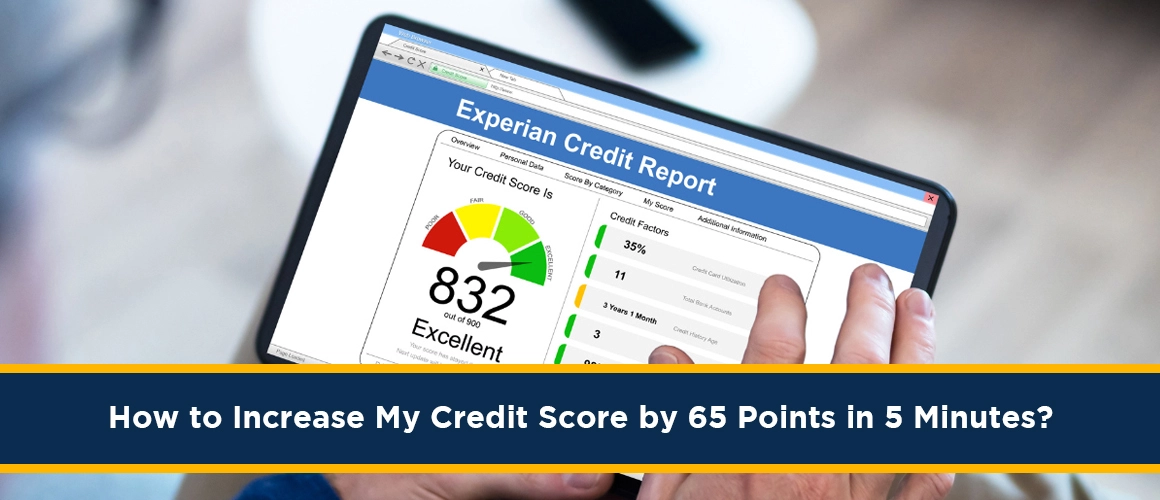
While achieving a 65-point credit score increase in just five minutes is an ambitious goal, this guide unpacks the immediate actions and strategic long-term plays that can significantly impact your creditworthiness, even in the short term. Discover how to leverage existing financial habits and smart maneuvers for rapid credit score improvement.
Understanding Your Credit Score and Its Components
Your credit score is a three-digit number that lenders use to assess your creditworthiness. It's a snapshot of your financial behavior, indicating how likely you are to repay borrowed money. In 2025, credit scores continue to be a critical factor in obtaining loans, mortgages, credit cards, and even renting an apartment or securing certain jobs. Understanding what influences this score is the first step toward improving it.
The FICO Score Model: A Deeper Dive
The most widely used credit scoring model is the FICO score. While there are different versions, the core components remain consistent. These components are weighted to determine your overall score:
Payment History (35% of your score)
This is the most significant factor. Making payments on time, every time, is paramount. Late payments, defaults, bankruptcies, and collections can severely damage your score.
Amounts Owed (30% of your score)
This refers to your credit utilization ratio – the amount of credit you're using compared to your total available credit. Keeping this ratio low, ideally below 30%, is crucial. High utilization suggests you might be overextended.
Length of Credit History (15% of your score)
The longer you've had credit accounts open and managed them responsibly, the better. This demonstrates a track record of financial responsibility over time.
Credit Mix (10% of your score)
Having a mix of credit types, such as revolving credit (credit cards) and installment loans (mortgages, auto loans), can be beneficial. It shows you can manage different kinds of debt.
New Credit (10% of your score)
Opening multiple new credit accounts in a short period can negatively impact your score. Each application for credit typically results in a "hard inquiry," which can slightly lower your score temporarily.
Credit Bureaus: The Gatekeepers of Your Data
Three major credit bureaus in the United States collect and maintain your credit information: Equifax, Experian, and TransUnion. Lenders report your payment history and account activity to these bureaus. Your credit score is then calculated based on the data held by these bureaus.
Why a 65-Point Jump in 5 Minutes is Unlikely
It's essential to set realistic expectations. The credit scoring models are designed to reflect long-term financial habits. A 65-point increase in just five minutes is virtually impossible because the most impactful factors – payment history, length of credit history, and credit utilization – require time to change and for those changes to be reported and reflected in your score. However, understanding these components allows us to identify immediate actions that can *begin* the process of improvement or prevent further damage.
The Myth of Instant Credit Score Boosts: What's Realistic?
The allure of a quick fix for credit scores is strong, but it often leads to disappointment. Many services and claims promise rapid score increases, but these are rarely sustainable or based on legitimate credit-building practices. In 2025, the landscape of credit improvement remains rooted in consistent, responsible financial behavior.
Understanding the Time Lag
Credit bureaus and scoring agencies don't update scores in real-time. When you make a payment, it takes time for your lender to report that payment to the credit bureaus. This reporting cycle can take anywhere from a few days to a billing cycle. Similarly, if you pay down a credit card balance, it might take a billing cycle for that updated balance to appear on your credit report and subsequently affect your credit utilization ratio. Therefore, any action you take today might not be reflected in your score for 30-60 days.
The "Five Minutes" Scenario: What Can Actually Happen?
While a 65-point jump is a fantasy for a 5-minute window, what *can* happen in that timeframe that might initiate a positive trajectory or prevent negative impacts? It boils down to:
- Correcting errors: Identifying and disputing inaccuracies on your credit report.
- Making a payment: If a payment is due immediately and you make it, you prevent a late mark.
- Checking credit: Understanding your current standing.
These actions don't *instantly* raise your score by 65 points, but they are crucial first steps. The true gains come from consistent application of sound financial principles over time.
Debunking "Credit Repair" Scams
Be wary of companies that guarantee rapid credit score increases or promise to remove negative information from your report that is accurate. Legitimate credit repair involves working with credit bureaus and creditors, which takes time and effort. Services that charge exorbitant fees for little to no tangible results are often scams. The Federal Trade Commission (FTC) provides extensive information on how to avoid these predatory practices.
Focus on Sustainable Habits
The most effective way to improve your credit score is through consistent, responsible financial habits. This includes paying bills on time, keeping credit utilization low, and managing your credit accounts wisely over the long term. While the "5 minutes" aspect of your search is about immediacy, the true solution lies in understanding and implementing these long-term strategies.
Immediate Actions for Potential Quick Wins
While a 65-point increase in five minutes is unrealistic, there are actions you can take *right now* that can lay the groundwork for significant credit score improvement or prevent immediate damage. These are the foundational steps that, when followed consistently, lead to substantial gains over time.
1. Check Your Credit Reports for Errors (5 Minutes - Initial Scan)
This is arguably the most impactful action you can take quickly. Errors on your credit report can artificially lower your score. You are entitled to a free credit report from each of the three major bureaus (Equifax, Experian, TransUnion) every week at AnnualCreditReport.com. Take 5 minutes to log in and quickly scan for:
- Accounts you don't recognize.
- Incorrect personal information (name, address, Social Security number).
- Incorrect payment statuses (e.g., a paid account marked as delinquent).
- Duplicate accounts.
While a full dispute process takes longer, identifying an error in 5 minutes is achievable and crucial.
2. Make a Payment (If Due Immediately) (2 Minutes)
If you have a bill that is due *today* or has just become past due, making that payment immediately is vital. A single late payment can drop your score significantly, sometimes by 50-100 points. Paying it within the grace period or before it's officially reported as late can prevent this severe drop. This action directly impacts your payment history, the most critical factor in your credit score.
3. Understand Your Credit Utilization Ratio (3 Minutes)
Your credit utilization ratio (CUR) is the amount of credit you're using divided by your total available credit. A high CUR can significantly lower your score. In 5 minutes, you can calculate this for your primary credit cards. For example, if you have a credit card with a $1,000 balance and a $5,000 limit, your CUR for that card is 20% ($1,000 / $5,000). If you have multiple cards, sum the balances and the limits to get an overall CUR. Knowing this number helps you prioritize which balances to pay down.
4. Set Up Payment Reminders (3 Minutes)
To prevent future late payments, which are detrimental to your score, use the remaining time to set up automatic payment reminders or automatic payments. Most credit card companies and lenders offer these services through their websites or apps. This proactive step ensures you don't miss due dates, directly safeguarding your payment history.
5. Review Your Credit Score (2 Minutes)
While this doesn't change your score, knowing your current score provides a baseline. Many credit card companies and financial institutions offer free credit score monitoring. Accessing this information quickly gives you a starting point and helps you track progress. Understanding where you stand is the first step to improvement.
These actions, while not directly resulting in a 65-point boost within the 5-minute window, are the most effective immediate steps to either prevent score damage or initiate the process of improvement. The real gains come from sustained effort following these initial checks.
Leveraging Credit Reporting Agencies for Faster Impact
Credit reporting agencies are the central hubs for your credit information. While they don't directly change your score, they are where the data that *determines* your score resides. By interacting with them strategically, you can expedite the process of correcting inaccuracies and ensuring your positive financial actions are accurately reflected.
The Power of Dispute Resolution
If you identified an error during your initial 5-minute scan, the next step is to dispute it. While the entire dispute process can take weeks, initiating it promptly is key. You can typically dispute information online, by mail, or by phone with each credit bureau.
Online Dispute Process
Most credit bureaus offer online dispute portals. This is often the fastest method. You'll need to provide details about the error and any supporting documentation. The bureau will then investigate by contacting the furnisher of the information (e.g., your bank or credit card company).
Mail Dispute Process
You can also send a dispute letter via certified mail. This provides a paper trail. Include copies of supporting documents, but never send originals. The bureaus have a legal timeframe (typically 30 days, or 45 days if you file the dispute within 30 days of receiving a credit report) to investigate and respond.
What to Include in Your Dispute
- Your full name, address, and Social Security number.
- A clear description of the error.
- The account number associated with the error.
- Your desired resolution (e.g., removal of the incorrect entry).
- Copies of any supporting documents (e.g., payment receipts, account statements).
The quicker you initiate this, the sooner the investigation begins, and the sooner a correct report can lead to a score improvement.
Credit Freeze vs. Credit Lock
In 2025, both credit freezes and locks offer ways to protect your identity, but they function slightly differently and can indirectly impact your credit management. Understanding them is part of a comprehensive strategy.
Credit Freeze
A credit freeze restricts access to your credit report. This means lenders cannot pull your report to approve new credit, effectively preventing identity theft. You can temporarily lift a freeze if you need to apply for credit. Freezing your credit with all three bureaus is free of charge.
Credit Lock
Similar to a freeze, a credit lock restricts access. Many services offer credit locking, often through a subscription. The primary difference is usually the speed of locking/unlocking and the user interface. Some services offer real-time alerts for credit access attempts.
While these don't directly increase your score, they prevent unauthorized new accounts from being opened in your name, which would negatively impact your score through hard inquiries and increased debt. This is a preventative measure that supports your overall credit health.
Authorized User Strategy (Requires Time and Trust)
Becoming an authorized user on a credit card account with a long, positive history and low utilization can potentially boost your score. The primary cardholder's positive payment history and low credit utilization can be reflected on your credit report. However, this is not an "instant" fix and requires trust with the primary cardholder.
How it Works
The primary cardholder adds you to their account. The account's history (positive or negative) is then reported on your credit report. If the history is good, it can help your score.
Risks and Considerations
- Primary cardholder's behavior matters: If the primary cardholder misses payments or carries high balances, it will hurt your score.
- Reporting variations: Not all card issuers report authorized user activity to all credit bureaus.
- Trust is paramount: You are relying on someone else's financial discipline.
This strategy, while potentially effective, is not a quick 5-minute solution and carries significant risks if not managed carefully with a trusted individual.
By understanding and strategically utilizing the mechanisms of credit reporting agencies – particularly through dispute resolution and identity protection – you can ensure your credit report accurately reflects your financial standing and prevent external factors from harming your score. These are crucial steps in building a strong credit foundation.
Strategic Long-Term Plays for Sustained Growth
While the initial goal might be a rapid increase, sustainable credit score improvement comes from consistent, responsible financial habits. The following strategies, though not instantaneous, are the most effective for building and maintaining a high credit score in 2025 and beyond.
1. Prioritize On-Time Payments
As mentioned, payment history is the most significant factor. Consistently paying all your bills on time, every time, is non-negotiable for a good credit score. Set up automatic payments or reminders to avoid missing due dates. Even one late payment can have a substantial negative impact.
2. Manage Credit Utilization Ratio (CUR) Aggressively
Keeping your credit utilization low is crucial. Aim to keep your balances on revolving credit accounts (like credit cards) below 30% of their limits. Ideally, keeping it below 10% is even better. If you have high balances, focus on paying them down. Consider making multiple payments throughout the month to reduce the reported balance before the statement closing date.
Example: Credit Card Balance Reduction
Suppose you have a credit card with a $5,000 limit and a $4,000 balance. Your CUR is 80% ($4,000 / $5,000). This is very high and will negatively impact your score. If you pay down the balance to $1,500, your CUR drops to 30% ($1,500 / $5,000), which is much more favorable.
3. Avoid Opening Too Many New Accounts
Each time you apply for credit, it typically results in a hard inquiry on your credit report, which can slightly lower your score. While opening new credit can be part of a long-term strategy (e.g., building credit history or improving credit mix), doing so frequently or unnecessarily can be detrimental. Space out applications for new credit.
4. Keep Old, Unused Accounts Open (If No Annual Fee)
The length of your credit history matters. Closing old credit accounts, especially those with a long positive history, can reduce your average age of accounts and increase your overall credit utilization ratio. If an old account has no annual fee and you can manage it responsibly (e.g., by making a small purchase occasionally and paying it off immediately), keeping it open can benefit your score.
5. Consider a Secured Credit Card or Credit-Builder Loan
If you have a limited credit history or a damaged credit score, these tools can be invaluable for building positive credit. A secured credit card requires a cash deposit that typically becomes your credit limit. A credit-builder loan is a small loan where the funds are held in an account and released to you after you've made all the payments. Both report your payment activity to the credit bureaus, helping you establish a positive credit record.
6. Regularly Monitor Your Credit Reports and Scores
Make it a habit to check your credit reports at least annually (or more frequently through free services) and monitor your credit score. This allows you to catch any errors, track your progress, and understand how different financial actions affect your score. Staying informed is key to making informed decisions.
7. Understand the Impact of Debt Settlement and Consolidation
While debt settlement can lower your overall debt, it often involves closing accounts and can be reported as "settled for less than full amount" or "charge-off," which can significantly damage your credit score. Debt consolidation can be helpful if it leads to lower interest rates and manageable payments, but if it involves opening new credit lines or closing old ones without careful planning, it can also have mixed effects. Always consult with a reputable credit counselor before pursuing these options.
8. Seek Professional Advice When Needed
If you're struggling with significant debt or a severely damaged credit score, consider consulting a non-profit credit counseling agency. They can provide personalized advice, help you create a budget, and guide you through debt management plans. Be sure to choose a reputable agency accredited by organizations like the National Foundation for Credit Counseling (NFCC).
These long-term strategies are the bedrock of a strong credit score. While they require patience and consistency, they offer the most reliable path to significant and lasting creditworthiness. The "quick win" is often the first step in a marathon of responsible financial management.
Common Pitfalls to Avoid on Your Credit Score Journey
Navigating the world of credit scores can be complex, and several common mistakes can hinder your progress or even damage your score. Being aware of these pitfalls is as important as knowing what actions to take. In 2025, these remain critical considerations for anyone aiming to improve their creditworthiness.
1. Missing Payments or Paying Late
This is the cardinal sin of credit management. Even a single 30-day late payment can drop your score by a significant margin. Lenders view late payments as a strong indicator of financial distress. The impact of a late payment can linger on your report for up to seven years.
2. Maxing Out Credit Cards (High Credit Utilization)
As discussed, high credit utilization is a major score killer. Using close to your credit limit signals to lenders that you are heavily reliant on credit and may be at risk of defaulting. Aim to keep your utilization below 30%, and ideally below 10% for the best results.
3. Applying for Too Much Credit at Once
Each application for new credit typically results in a hard inquiry. While one or two inquiries won't drastically affect your score, multiple inquiries within a short period can suggest financial desperation and lead to a noticeable drop. Space out your credit applications.
4. Closing Old, Unused Credit Accounts
While it might seem logical to close accounts you don't use, this can negatively impact your score. Closing an account can:
- Reduce your average age of accounts, which is a factor in your score.
- Increase your overall credit utilization ratio if you have balances on other cards.
Unless an account has a high annual fee or you're concerned about potential fraud, it's often better to keep older, well-managed accounts open.
5. Falling for Credit Repair Scams
Be extremely wary of companies that promise to remove accurate negative information from your credit report, guarantee a specific score increase quickly, or charge upfront fees for services you can do yourself. Legitimate credit repair takes time and involves working with the credit bureaus and creditors. The FTC warns consumers about these predatory practices.
6. Co-signing Loans Without Understanding the Risks
Co-signing a loan means you are equally responsible for the debt if the primary borrower defaults. If the borrower misses payments, it will negatively impact your credit score. You are essentially putting your own creditworthiness on the line for someone else's financial behavior.
7. Not Checking Your Credit Reports Regularly
Errors on your credit report are more common than you might think. If you don't check your reports periodically, these errors can go unnoticed and negatively affect your score for extended periods. Take advantage of your free annual credit reports from Equifax, Experian, and TransUnion.
8. Relying Solely on One Type of Credit
While you shouldn't open accounts unnecessarily, having a mix of credit types (e.g., credit cards, installment loans like a mortgage or auto loan) can be beneficial for your credit score. A lack of credit mix might not be a major detractor, but having a healthy mix can demonstrate your ability to manage different forms of credit responsibly.
9. Ignoring Small Debts or Bills
Even small amounts owed can impact your credit if they go to collections. If a debt is sent to collections, it's a significant negative mark on your credit report and can severely lower your score. Address all outstanding debts, regardless of their size.
10. Using Credit Cards for Cash Advances Frequently
Cash advances typically come with very high interest rates and fees, and interest often begins accruing immediately. They can also be viewed negatively by lenders as a sign of financial strain.
Avoiding these common pitfalls is crucial for protecting and improving your credit score. By staying vigilant and informed, you can steer clear of costly mistakes and build a solid financial future.
Your Action Plan for Credit Score Improvement
Achieving a significant credit score increase, like 65 points, is a journey that requires consistent effort and strategic planning. While the "5 minutes" is about initiating action, the real gains come from a sustained commitment. Here’s a comprehensive action plan to guide you toward a healthier credit score.
Phase 1: Immediate Assessment and Damage Control (First 24 Hours)
Action 1: Obtain Your Credit Reports. Visit AnnualCreditReport.com and download your free reports from Equifax, Experian, and TransUnion. This is your baseline.
Action 2: Scan for Errors. Quickly review your reports for any inaccuracies, such as incorrect personal information, accounts you don't recognize, or incorrect payment statuses. Note down any discrepancies.
Action 3: Check Payment Due Dates. Identify any bills due in the next 7 days. If any are past due, make the payment immediately to prevent further negative reporting.
Action 4: Calculate Credit Utilization. For each credit card, calculate your current balance divided by your credit limit. Note down these percentages and your overall utilization.
Phase 2: Strategic Corrections and Optimization (Weeks 1-4)
Action 5: Dispute Inaccuracies. If you found errors in Phase 1, initiate dispute processes with the relevant credit bureaus immediately. Provide clear documentation.
Action 6: Pay Down High Utilization Balances. Prioritize paying down balances on cards with the highest utilization ratios. Aim to get all card balances below 30% of their limits. Consider making multiple payments before the statement closing date.
Action 7: Set Up Payment Reminders/Autopay. Implement systems to ensure all future bills are paid on time. This could be calendar reminders, email alerts, or automatic payments from your bank account.
Action 8: Review Credit Score. Use a free credit score monitoring service (often provided by your bank or credit card issuer) to track your score's progress. Understand which factors are impacting it most.
Phase 3: Long-Term Credit Building (Months 2-12 and Beyond)
Action 9: Maintain Low Credit Utilization. Consistently keep your credit utilization below 30%. Regularly monitor your balances and pay them down proactively.
Action 10: Continue On-Time Payments. Make this a non-negotiable habit. Every on-time payment builds positive history.
Action 11: Avoid Unnecessary Credit Applications. Only apply for credit when you truly need it. Space out applications to minimize hard inquiries.
Action 12: Keep Old Accounts Open. Unless there's a compelling reason (like a high annual fee), keep your oldest, well-managed credit accounts open to benefit your average age of accounts and credit utilization.
Action 13: Consider Credit-Building Tools (If Needed). If you have limited credit history, explore secured credit cards or credit-builder loans. Use them responsibly to establish a positive track record.
Action 14: Diversify Credit Mix (If Appropriate). Over time, having a mix of credit types (revolving and installment) can be beneficial. However, do not open new accounts solely for the sake of mix if you don't need them.
Action 15: Regularly Monitor Progress. Continue to check your credit reports annually and monitor your credit score regularly. This allows you to adapt your strategy as needed.
Example Scenario: Targeting a 65-Point Increase
Let's consider a hypothetical scenario for 2025:
| Starting Point | Actions Taken | Potential Impact | Estimated Timeline |
|---|---|---|---|
| Credit Score: 620 | Identified and disputed a fraudulent account (correctly removed). | Score increase due to removal of negative item. | 30-60 days after dispute resolution. |
| Credit Utilization: 70% on one card ($3,500 balance, $5,000 limit) | Paid down balance to $1,500 (30% utilization). | Significant score increase due to improved utilization. | 1-2 billing cycles for reporting. |
| One 30-day late payment from 2 years ago. | Continued consistent on-time payments. | Decreased negative impact of older delinquency as newer positive history builds. | Ongoing. |
| No new credit in 18 months. | No new applications. | Avoided score drop from hard inquiries. | Ongoing. |
| Result | Combination of error correction and improved utilization. | Potential for 65+ point increase. | 3-6 months. |
This table illustrates how a combination of actions, particularly addressing errors and high utilization, can lead to substantial score improvements over a few months. The "5 minutes" is the spark, but the plan is the engine.
By following this structured action plan, you move beyond the myth of instant fixes and embrace a proven strategy for building and maintaining a strong credit score. Remember, consistency and diligence are your greatest allies in this endeavor.
Conclusion
While the idea of increasing your credit score by 65 points in just five minutes is a captivating fantasy, the reality of credit improvement lies in understanding its core components and implementing consistent, strategic actions. The initial five minutes are best spent identifying errors on your credit reports, confirming immediate payment due dates, and understanding your current credit utilization. These quick checks are vital for preventing immediate damage and setting the stage for genuine progress. The true power to elevate your credit score, potentially by 65 points or more, comes from a sustained commitment to responsible financial habits over the following weeks and months. This includes diligently paying bills on time, aggressively managing your credit utilization ratio, and avoiding common pitfalls like excessive credit applications or falling for scams. By adopting the long-term strategies outlined in this guide, you are not just chasing a number but building a foundation for lasting financial health and unlocking better opportunities. Start today with informed actions, and build towards a brighter financial future.
