How to Lock Your Credit Report ?
Securing your financial future is paramount in today's digital landscape. This comprehensive guide will walk you through exactly how to lock your credit report, a crucial step in safeguarding yourself against identity theft and fraudulent activity. Learn the benefits, methods, and considerations to effectively protect your credit.
What is Credit Report Locking?
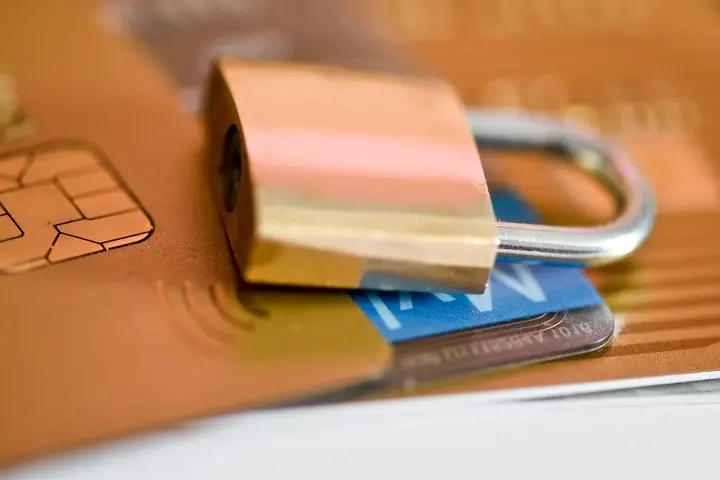
Credit report locking, often used interchangeably with credit freezing, is a powerful security measure that restricts access to your credit report. When your credit report is locked, it prevents new credit accounts from being opened in your name without your explicit permission. This is an essential tool for protecting yourself from identity theft and preventing unauthorized credit applications from negatively impacting your credit score. In essence, it acts as a digital padlock on your financial identity.
Why Lock Your Credit Report?
The primary reason to lock your credit report is to prevent identity theft and credit fraud. In 2025, with the increasing sophistication of cyber threats and data breaches, protecting your personal financial information is more critical than ever. When your credit is locked, it significantly hinders the ability of fraudsters to open new credit cards, loans, or other financial accounts using your stolen identity. This proactive step can save you immense time, money, and emotional distress associated with resolving fraudulent activity. Furthermore, it provides peace of mind, knowing that your credit history is shielded from unauthorized access. Many consumers also choose to lock their credit reports when they are not actively seeking new credit, such as when they are between major financial transactions or simply want an extra layer of security.
Understanding Credit Freezes vs. Credit Locks
While often used interchangeably, there are subtle distinctions between credit freezes and credit locks, though their practical effect is largely the same: preventing unauthorized access to your credit report. Both are highly effective security measures.
Credit Freezes (Security Freezes)
A credit freeze, also known as a security freeze, is a right granted by federal law (the Economic Growth, Regulatory Relief, and Consumer Protection Act of 2018) that allows consumers to restrict access to their credit reports. When you place a freeze, a potential creditor cannot access your credit report to make a lending decision. To allow a creditor to access your report, you must temporarily lift or permanently remove the freeze. As of 2025, placing and lifting a credit freeze is generally free for all consumers, including children.
Credit Locks
Credit locks are services offered by the three major credit bureaus (Experian, Equifax, and TransUnion) that provide a similar level of protection to a credit freeze. They typically offer more convenient access for consumers who want to grant temporary access to their credit report. For example, if you're applying for a loan and need the lender to access your report, you can often unlock your credit report through a mobile app or online portal with a few clicks, and then re-lock it just as easily. While many credit lock services are free, some may be part of a paid credit monitoring service. The functionality is very similar to a freeze, but the user experience and availability of additional features can differ.
Key Differences and Similarities
Here's a comparative look:
| Feature | Credit Freeze | Credit Lock |
|---|---|---|
| Legal Basis | Federal Law (Economic Growth, Regulatory Relief, and Consumer Protection Act) | Service offered by credit bureaus, often with enhanced features. |
| Access Restriction | Prevents access to credit report by creditors. | Prevents access to credit report by creditors. |
| Ease of Temporary Access | Requires explicit unfreezing process (can take time). | Often allows for quick, digital unlocking and re-locking via app/web. |
| Cost (as of 2025) | Generally free to place, lift, and remove. | Often free, but some premium features may be part of paid services. |
| Primary Goal | Security against identity theft and fraud. | Security against identity theft and fraud, with added convenience. |
For most consumers looking to protect themselves from identity theft, both options provide robust security. The choice often comes down to personal preference for convenience and specific features offered by the credit bureaus' lock services.
How to Lock Your Credit Report Step-by-Step
Locking your credit report is a straightforward process, but it needs to be done with each of the three major credit bureaus individually. This ensures comprehensive protection across all platforms where your credit information is stored and accessed. Here’s a general step-by-step guide:
Step 1: Gather Your Personal Information
Before you begin, ensure you have readily available information that the credit bureaus will need to verify your identity. This typically includes:
- Full Legal Name
- Date of Birth
- Social Security Number (SSN)
- Current and Previous Addresses (for the last 2-5 years)
- Phone Number
- Email Address
- Potentially, information from existing credit accounts (e.g., account numbers, loan types) or government-issued identification (driver's license, state ID, passport).
Step 2: Visit the Official Websites of Each Credit Bureau
You will need to go through the process with Experian, Equifax, and TransUnion. Do not rely on third-party websites claiming to lock your credit; always use the official portals.
- Experian: Visit the Experian website and navigate to their security or credit freeze/lock section.
- Equifax: Go to the Equifax website and find their credit freeze/lock service.
- TransUnion: Navigate to the TransUnion website and locate their credit freeze/lock options.
Step 3: Create an Account (if necessary)
Most credit bureaus will require you to create an online account to manage your credit freeze or lock. This account will be used to access your report, place the freeze/lock, and later, to temporarily lift or permanently remove it.
Step 4: Follow the Bureau's Instructions to Place the Freeze/Lock
Once logged into your account or on the relevant page, you will be guided through a series of questions to verify your identity. This may involve answering questions based on your credit history or providing uploaded documents. You will then be prompted to confirm that you wish to place a freeze or lock on your credit report.
Step 5: Save Your Confirmation and PIN/Password
After successfully placing the freeze or lock, you will receive a confirmation. Crucially, you will also be provided with a confirmation number, a PIN, or instructions on how to reset your password. Keep this information in a secure, accessible place. This is essential for when you need to unfreeze or unlock your credit report.
Step 6: Repeat for All Three Bureaus
As mentioned, you must complete this process for Experian, Equifax, and TransUnion. A freeze or lock with one bureau does not affect the others. Comprehensive protection requires action with all three.
Locking Your Experian Credit Report
Experian offers its consumers the ability to lock their Experian credit report through its dedicated service, Experian CreditLock. This service provides real-time protection against identity theft.
How to Lock Your Experian Credit Report:
- Visit the Experian Website: Go to Experian.com.
- Navigate to CreditLock: Look for the "CreditLock" or "Security Freeze" section. You can often find this under "Products" or "Security."
- Sign In or Create an Account: If you have an existing Experian account, sign in. If not, you will need to create one. This account is free.
- Verify Your Identity: You will be asked to provide personal information to verify your identity.
- Activate CreditLock: Once your identity is confirmed, you can activate Experian CreditLock. This usually involves a simple click or toggle.
- Receive Confirmation: You will receive a confirmation that your Experian credit report is locked. Keep your login credentials and any confirmation details safe.
Experian CreditLock allows for easy unlocking and re-locking via their mobile app or website, making it convenient if you need to apply for credit temporarily.
Locking Your Equifax Credit Report
Equifax provides a security freeze service that allows you to lock your Equifax credit report. This is a critical step in protecting your financial identity.
How to Lock Your Equifax Credit Report:
- Visit the Equifax Website: Go to Equifax.com.
- Find the Security Freeze Page: Navigate to the "Security Freeze" or "Credit Freeze" section. This is usually found under "Personal" or "Security & Privacy."
- Create or Log In to Your Account: You will need to create a free Equifax account or log in if you already have one.
- Complete Identity Verification: Follow the prompts to verify your identity using your personal information.
- Place the Security Freeze: Once verified, you will be able to place the security freeze on your Equifax credit report.
- Record Your PIN: Equifax will provide you with a confirmation number and a PIN. This PIN is crucial for lifting or removing the freeze later. Store it securely.
Equifax also offers an online portal for managing your freeze, allowing for relatively quick temporary unfreezing when needed.
Locking Your TransUnion Credit Report
TransUnion offers a service called TrueIdentity, which includes the ability to lock your TransUnion credit report. This service is designed to protect consumers from identity theft.
How to Lock Your TransUnion Credit Report:
- Visit the TransUnion Website: Go to TransUnion.com.
- Locate the Credit Freeze/Lock Option: Find the section related to "Credit Freeze" or "Security Freeze."
- Sign In or Register: You will need to either log into your existing TransUnion account or register for a new, free account.
- Verify Your Identity: Provide the requested personal information to confirm your identity.
- Initiate the Freeze: Follow the instructions to place a freeze on your TransUnion credit report.
- Secure Your Confirmation: After the freeze is placed, you will receive confirmation details and a PIN. Keep this information in a safe place for future use.
TransUnion's platform also allows for easy management of your freeze, including temporary unfreezing.
What Happens When Your Credit Report is Locked?
When your credit report is locked, it creates a significant barrier for anyone attempting to access your credit information for the purpose of opening new accounts. Here’s a breakdown of the implications:
- New Credit Applications Denied: If you or someone else tries to open a new credit card, loan, mortgage, or even some utility accounts in your name, the lender or service provider will be unable to pull your credit report. This will typically result in the application being denied.
- Identity Theft Prevention: This is the primary benefit. A locked report makes it extremely difficult for identity thieves to open fraudulent accounts, thus protecting your credit score and finances from damage.
- No Impact on Existing Credit: Locking your credit report does not affect your existing credit accounts. You can continue to use your credit cards, make loan payments, and manage your current financial relationships without interruption.
- No Impact on Credit Score: Placing a credit freeze or lock does not harm your credit score. It is a security measure, not a reflection of your creditworthiness.
- Potential Delays for Legitimate Applications: If you are applying for new credit yourself, you will need to temporarily lift or permanently remove the freeze. This process, while usually quick, can introduce a slight delay.
- Employment and Background Checks: In most cases, employment screening and background checks that require a credit report will still be able to proceed if you temporarily lift the freeze for the employer. However, it's good practice to inform the employer about the freeze.
- Rental Applications and Insurance: Some landlords and insurance companies may also check your credit report. You will need to temporarily unfreeze your report for these checks as well.
It's important to understand that a credit lock or freeze is a powerful tool, but it requires active management when you intend to apply for new credit.
Unfreezing or Unlocking Your Credit Report
When you need to apply for new credit, rent an apartment, or undergo a background check that requires your credit report, you'll need to temporarily lift or permanently remove the freeze. The process is similar to placing it but in reverse.
How to Unfreeze/Unlock:
- Contact Each Credit Bureau: You must contact Experian, Equifax, and TransUnion individually.
- Use Your PIN/Confirmation: You will need the PIN or confirmation number you received when you initially placed the freeze/lock.
- Request Temporary Unfreeze or Permanent Removal:
- Temporary Unfreeze: You can typically request to unfreeze your credit for a specific period (e.g., 24 hours, 48 hours, or a custom date range). This is ideal if you have a specific application or inquiry in mind.
- Permanent Removal: If you no longer wish to have your credit frozen, you can request a permanent removal of the freeze.
- Identity Verification: You will likely need to verify your identity again, often through your online account or by answering security questions.
- Confirmation: Once the unfreeze or removal is processed, you will receive a confirmation.
Important Considerations:
- Timing: While many bureaus process temporary unfurls quickly (often within minutes to an hour), some may take up to 24 hours to complete, especially if requested by mail. Online requests are generally faster.
- Cost: As of 2025, temporary unfrozen and permanent removal are generally free for consumers.
- Re-locking: If you only temporarily unfroze your credit, remember to re-lock it once the need has passed to maintain your security.
For credit locks offered by the bureaus, the process of unlocking and re-locking is typically much faster and can often be done instantly via their mobile apps or websites.
Cost of Credit Report Locking
One of the significant advantages of credit freezes and locks in 2025 is that they are largely free for consumers. The Economic Growth, Regulatory Relief, and Consumer Protection Act of 2018 mandates that placing, lifting, and removing a security freeze is free for all consumers, including children. This applies to all three major credit bureaus: Experian, Equifax, and TransUnion.
Credit lock services offered by the bureaus are also typically free to use. While these bureaus do offer paid credit monitoring services that may include credit locking as a feature, the core functionality of locking and unlocking your credit report itself is a free service. Consumers should be wary of any service that charges a fee to simply place a credit freeze or lock, as this is generally not permitted by law.
The only potential costs might arise if you choose to use a third-party credit monitoring service that bundles credit locking with other features, but the essential security measure of freezing or locking your credit report is a no-cost protection for consumers.
Alternatives to Credit Report Locking
While credit report locking (or freezing) is the most robust method for preventing identity theft related to new credit accounts, there are other security measures that can supplement or, in some limited cases, serve as alternatives. However, it's crucial to understand that these alternatives do not offer the same level of protection against the opening of new fraudulent credit accounts.
1. Credit Monitoring Services
These services track your credit activity across the major bureaus and alert you to significant changes, such as new account inquiries, new accounts opened, or changes to your personal information. While they can alert you to fraud after it has occurred, they do not prevent it from happening in the first place.
2. Fraud Alerts
A fraud alert is a notification placed on your credit report that warns potential creditors to take extra steps to verify your identity before extending credit. There are two types:
- Initial Fraud Alert: Lasts for one year and is recommended if you suspect you've been or may be a victim of identity theft.
- Extended Fraud Alert: Lasts for seven years and requires you to submit a police report or identity theft affidavit.
When you place a fraud alert with one bureau, that bureau must notify the other two. While helpful, a fraud alert can sometimes be bypassed by determined fraudsters, and it may not be as effective as a freeze or lock.
3. Identity Theft Protection Services
These are comprehensive services that often combine credit monitoring, fraud alerts, and sometimes even insurance to cover losses due to identity theft. Some may also offer assistance in restoring your identity if it's compromised. Again, these are reactive measures rather than preventative ones like credit locks.
4. Monitoring Your Credit Reports Regularly
You are entitled to a free credit report from each of the three major bureaus every 12 months via AnnualCreditReport.com. Regularly reviewing these reports for any suspicious activity is a fundamental step in protecting yourself. However, this is a manual process and doesn't prevent unauthorized access.
5. Social Security Number (SSN) Misuse Prevention
While not a direct alternative to credit locking, being vigilant about protecting your SSN is paramount. Avoid carrying your Social Security card, be cautious about sharing your SSN, and shred documents containing it. Some states offer SSN protection services that allow you to replace your SSN with a new one if it's compromised, but this is a drastic step.
Comparison Table:
| Method | Primary Function | Prevention vs. Detection | Ease of Use for New Credit | Cost (as of 2025) |
|---|---|---|---|---|
| Credit Freeze/Lock | Restricts access to credit report. | Prevention | Requires temporary unfreeze/unlock (can cause delays). | Free |
| Credit Monitoring | Tracks credit activity and alerts to changes. | Detection | No impact. | Varies (often paid) |
| Fraud Alert | Warns creditors to verify identity. | Prevention (less robust than freeze/lock) | May cause minor delays; can be bypassed. | Free |
| Identity Theft Protection Services | Comprehensive monitoring, alerts, and assistance. | Detection & Recovery | No impact. | Varies (often paid) |
For the most effective protection against identity theft that leads to fraudulent new accounts, credit report locking or freezing remains the gold standard.
Tips for Managing Your Locked Credit Report
Effectively managing a locked credit report ensures you maintain strong security without unnecessary inconvenience. Here are some key tips:
- Keep Your PINs and Login Credentials Secure: This is paramount. Store your confirmation numbers, PINs, and login details for each credit bureau in a safe, easily accessible place. A password manager or a secure physical location (like a locked file cabinet) are good options.
- Understand the Unlocking Process: Familiarize yourself with how to temporarily lift or permanently remove the freeze with each bureau *before* you need to. Knowing the steps and potential timelines will save you stress when applying for credit.
- Plan for Credit Applications: If you know you'll be applying for a loan or credit card, initiate the unfreezing process a day or two in advance to account for any processing times.
- Re-Lock Immediately After Use: If you temporarily unfreeze your credit for a specific purpose, make it a habit to re-lock it as soon as that purpose is fulfilled. Don't wait – lock it back up right after the lender has accessed your report.
- Educate Family Members: If you have children, consider freezing their credit reports as well, especially if they are minors. Identity thieves can target children, as their compromised information may go undetected for years.
- Monitor Your Credit Reports Periodically: Even with a locked report, it's wise to check your credit reports from AnnualCreditReport.com at least once a year from each bureau. This helps ensure no unauthorized activity has slipped through or that your information hasn't been compromised in other ways.
- Be Aware of Exceptions: Understand that a credit freeze might not prevent all types of identity fraud. For instance, some companies may still be able to access your credit report for specific purposes like insurance quotes, rental applications, or employment background checks if you haven't specifically lifted the freeze for those entities.
- Stay Informed: Keep up-to-date with changes in identity theft protection laws and services. The landscape is constantly evolving.
- Consider a Credit Lock Service for Convenience: If you frequently need to grant temporary access to your credit report, consider using the credit lock services offered by the bureaus, as they often provide quicker digital unlocking and re-locking capabilities compared to the formal freeze process.
By following these tips, you can maintain a robust security posture against identity theft while ensuring your credit remains accessible when you genuinely need it.
Conclusion
In an era where digital footprints are vast and data breaches are commonplace, taking proactive steps to safeguard your financial identity is not just advisable—it's essential. Locking your credit report stands out as one of the most powerful and accessible tools available to consumers for preventing identity theft and credit fraud. By understanding what credit locking entails, the differences between freezes and locks, and the straightforward process of implementing this protection with each of the three major credit bureaus—Experian, Equifax, and TransUnion—you empower yourself with a significant layer of security.
Remember that this is a free service, and the minimal effort required to set it up offers substantial peace of mind. While alternatives like credit monitoring and fraud alerts play a role, they are primarily detection-based, whereas locking your credit report is a preventative measure that directly hinders unauthorized access. Managing your locked credit report requires diligence, particularly when you need to grant temporary access for legitimate credit applications. By keeping your PINs secure, planning for unfreezing, and re-locking promptly, you can navigate the process smoothly.
We strongly recommend that every consumer take the time to lock their credit reports with all three bureaus. It is a fundamental step towards securing your financial future against the growing threat of identity theft. Don't wait for a compromise; act now to protect your credit and your peace of mind.
Related Stories


Recent Posts
How to Build Credit from Scratch: A Beginner's Guide to Starting Your Financial Journey
Understanding the Fair Debt Collection Practices Act (FDCPA): Your Rights and Updates in 2026
The 7-Day Credit Hack: Why Your Score Now Updates Every Tuesday (and How to Use It)
What Is Debt Settlement? How It Works, Pros, Cons & Real Examples (2026 Guide)
Inaccurate Account Balances on Your Credit Report: Causes, Risks, and How to Fix Them