How To Repair Credit After Bankruptcy?
Rebuilding credit after bankruptcy can seem daunting, but it's entirely achievable with a strategic, step-by-step approach. This guide provides actionable insights and current 2025 strategies to help you navigate the process and restore your financial health.
Understanding the Impact of Bankruptcy on Your Credit
Bankruptcy is a legal process designed to help individuals and businesses who can no longer pay their debts. While it offers a fresh start, its impact on your credit score is significant and long-lasting. In the United States, different types of bankruptcy have varying durations on your credit report. Chapter 7 bankruptcy, which involves liquidating assets to pay off creditors, typically remains on your credit report for up to 10 years from the filing date. Chapter 13 bankruptcy, a repayment plan where you pay back a portion of your debts over three to five years, also stays on your report for up to 7 years from the filing date, though the discharge date is more relevant for rebuilding.
The immediate effect of filing for bankruptcy is a sharp decline in your credit score. This is because bankruptcy indicates a high level of financial distress. Lenders view this as a significant risk, making it challenging to obtain new credit, secure loans, or even rent an apartment. However, it's crucial to understand that bankruptcy is not the end of your credit journey. It's a structured pause, a reset button, that allows you to systematically rebuild your financial standing.
In 2025, credit scoring models are becoming more sophisticated. While the negative impact of bankruptcy is undeniable, these models also increasingly weigh positive payment history and responsible credit management. This means that the actions you take immediately after your bankruptcy discharge are paramount. The key is to demonstrate to future lenders that you have learned from past mistakes and are now a reliable borrower. This requires patience, discipline, and a well-defined strategy.
Your Credit Report After Bankruptcy
After your bankruptcy case is discharged, your credit report will reflect this event. The specific notation will depend on the type of bankruptcy filed. For Chapter 7, you'll see an entry indicating the liquidation of assets and discharge of debts. For Chapter 13, you'll see a notation of the repayment plan and its completion or discharge. It's vital to obtain copies of your credit reports from all three major credit bureaus – Equifax, Experian, and TransUnion – shortly after your bankruptcy is finalized.
Why is this so important? Errors can occur. Sometimes, debts that were discharged in bankruptcy may still appear as outstanding, or incorrect amounts may be listed. You have the right to dispute any inaccuracies on your credit report. The Fair Credit Reporting Act (FCRA) mandates that credit bureaus investigate disputes within a reasonable timeframe, typically 30 days. Correcting errors can provide a significant boost to your credit score, even before you start actively rebuilding.
Beyond accuracy, understanding what remains on your report is key. Even after discharge, the bankruptcy filing itself will remain visible for the statutory period. However, the accounts that were included in the bankruptcy will be marked as discharged. This means that while the bankruptcy itself is a negative mark, the individual debts are no longer considered active liabilities. The goal now shifts from eliminating debt to establishing a positive credit history that outweighs the past negative event.
In 2025, credit bureaus are increasingly using advanced algorithms to assess creditworthiness. While the presence of a bankruptcy filing is a significant factor, lenders also look at your credit utilization, payment history on new accounts, and the length of your credit history. Therefore, the information on your report post-bankruptcy needs to be meticulously managed. It's not just about what's there, but how it's presented and what new, positive information you add.
Immediate Steps to Take After Bankruptcy
The period immediately following your bankruptcy discharge is critical for setting the foundation for credit repair. These initial steps are designed to clean up your credit report and begin establishing a positive financial footprint.
1. Obtain and Review Your Credit Reports
As mentioned, the first actionable step is to get your credit reports from Equifax, Experian, and TransUnion. You are entitled to a free report from each bureau annually via AnnualCreditReport.com. Review them thoroughly for any discrepancies, such as accounts that should have been discharged but are still listed as active or owing a balance. Note down any errors.
2. Dispute Inaccuracies
For any errors found, initiate a dispute with the respective credit bureau. You can usually do this online, by mail, or by phone. Provide documentation to support your claim. This process is crucial, as removing incorrect negative information can immediately improve your credit standing. Remember, accuracy is paramount for credit reporting agencies.
3. Secure a Copy of Your Discharge Order
Keep your bankruptcy discharge order in a safe place. This document is proof that your debts have been legally resolved. You may need it when disputing errors or when applying for new credit, especially if lenders have questions about past credit events.
4. Understand Your Credit Score
While your score will be low, it's beneficial to understand where you stand. Many credit card companies and financial institutions offer free credit score monitoring services. Knowing your starting point helps you track your progress and identify areas for improvement. In 2025, many platforms provide detailed insights into the factors affecting your score.
5. Start with Secured Credit Cards
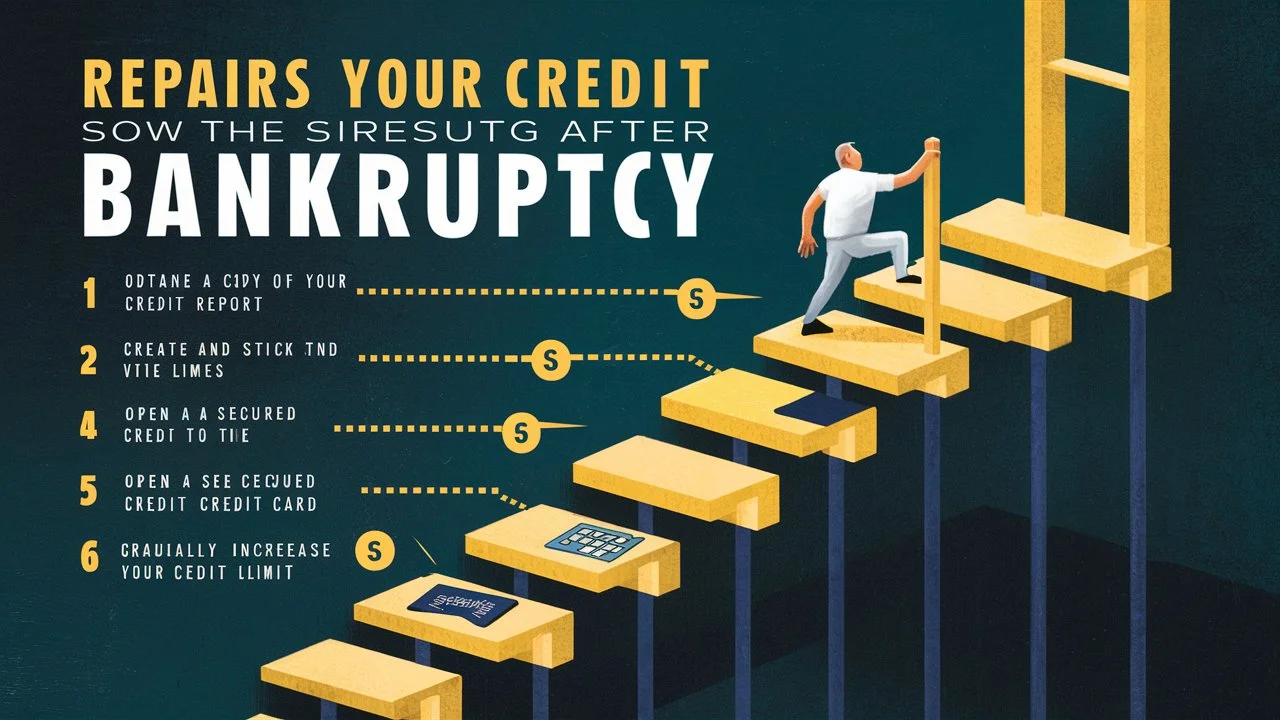
One of the most effective ways to rebuild credit after bankruptcy is by obtaining a secured credit card. These cards require a cash deposit, which typically becomes your credit limit. The deposit reduces the lender's risk, making them more accessible to individuals with damaged credit. Use this card for small, everyday purchases and pay the balance in full and on time each month. This demonstrates responsible credit usage to the bureaus.
6. Consider a Secured Loan
Similar to a secured credit card, a secured loan involves using an asset (like a savings account or CD) as collateral. The lender holds the collateral while you make regular payments on the loan. Once the loan is fully repaid, you receive your collateral back, and the positive payment history is reported to the credit bureaus. This is an excellent way to build a positive payment history.
7. Avoid New Unnecessary Debt
While you need to establish new credit, it's crucial not to overextend yourself. Resist the temptation to open multiple new credit accounts simultaneously. Focus on managing one or two new credit products responsibly before considering others. The goal is to build a positive history, not to accumulate more debt.
These initial steps are foundational. They address immediate concerns and set a clear path for building new, positive credit history. The discipline shown in these early stages will pay dividends in the long run.
Building New Credit Responsibly
Once you've taken the immediate steps to clean up your report and secured your first credit products, the focus shifts to consistent, responsible credit management. This is where the long-term rebuilding truly begins.
1. Master Your Secured Credit Card
Your secured credit card is your primary tool for establishing a positive payment history. Use it for recurring expenses you would normally pay anyway, like groceries or gas. The key is to:
- Pay On Time, Every Time: This is the single most important factor in credit scoring. Even one late payment can significantly set you back. Set up automatic payments or reminders.
- Keep Utilization Low: Credit utilization ratio (CUR) is the amount of credit you're using compared to your total available credit. Aim to keep your CUR below 30%, ideally below 10%. For example, if your secured card has a $300 limit, try to keep your balance below $90. Paying down the balance before the statement closing date can help keep your reported utilization low.
- Avoid Maxing Out: Never use your entire credit limit. This signals financial strain to lenders.
2. Explore Credit-Builder Loans
Credit-builder loans are specifically designed for individuals looking to establish or rebuild credit. These loans work differently from traditional loans. You make payments on the loan, but the money is held in an account by the lender until the loan is fully repaid. Once paid off, you receive the principal amount. The lender reports your timely payments to the credit bureaus, building your positive credit history. These are often available through credit unions and some community banks.
3. Consider a Co-signer (with Caution)
If you have a trusted family member or friend with excellent credit, they might be willing to co-sign for a credit card or loan. This means they are legally obligated to pay the debt if you default. While this can help you get approved for credit, it also puts their credit at risk. It's crucial to have a clear agreement and ensure you can make payments independently. The co-signer's good credit history can benefit your score if you manage the account responsibly. However, if you miss payments, it will negatively impact both your and the co-signer's credit.
4. Graduating to Unsecured Credit
After 6-12 months of responsible use of a secured credit card and/or credit-builder loan, you may qualify for an unsecured credit card. Many issuers of secured cards will automatically convert them to unsecured cards or offer you a new unsecured product. Unsecured cards don't require a deposit, signifying that lenders now see you as less of a risk. When you get an unsecured card, continue the same responsible practices: pay on time, keep utilization low, and avoid overspending.
5. Understand Different Credit Products
As your credit improves, you might be offered different types of credit. A mix of credit (e.g., a credit card and an installment loan like a car loan or mortgage) can be beneficial for your credit score. However, only take on new credit if you genuinely need it and can manage the payments. The length of your credit history and the types of credit you manage responsibly are factors in credit scoring models.
6. Authorized User Status (Use with Extreme Caution)
Being added as an authorized user to someone else's credit card can potentially help your credit, as their positive payment history may be reported on your report. However, this is risky. If the primary cardholder misses payments or racks up debt, it will negatively impact your credit. Furthermore, some newer credit scoring models (like FICO 10) may give less weight to authorized user accounts. Only consider this if you have absolute trust and transparency with the primary cardholder.
Building new credit is a marathon, not a sprint. Consistency and responsible habits are key. In 2025, lenders are increasingly focused on behavioral patterns, so demonstrating reliability over time is your strongest asset.
Managing Debt Wisely
Even after bankruptcy, the principles of wise debt management remain critical. The goal is to avoid falling back into old habits that led to financial distress in the first place.
1. Budgeting is Non-Negotiable
A realistic budget is the cornerstone of responsible financial management. Track your income and expenses meticulously. Identify areas where you can cut back to free up funds for debt repayment and savings. In 2025, numerous budgeting apps and tools can simplify this process. Your budget should prioritize essential needs, followed by debt repayment and then discretionary spending.
2. Prioritize Debt Repayment
With new credit accounts, you'll have balances to manage. Decide on a repayment strategy. Two popular methods are:
- Debt Snowball: Pay off your smallest debts first while making minimum payments on larger ones. Once the smallest is paid off, roll that payment into the next smallest debt, creating a "snowball" effect. This method offers psychological wins.
- Debt Avalanche: Pay off debts with the highest interest rates first, while making minimum payments on others. This method saves you the most money on interest over time.
For credit cards, always aim to pay more than the minimum payment. Paying only the minimum can keep you in debt for years and significantly increase the total interest paid.
3. Avoid High-Interest Debt
Be extremely wary of payday loans, title loans, and high-interest personal loans. These predatory lending practices can quickly trap you in a cycle of debt that is even harder to escape than your previous situation. If you need funds, explore options with your bank, credit union, or responsible credit-building tools.
4. Understand Credit Card Terms and Fees
Always read the fine print of any credit card agreement. Understand the annual percentage rate (APR), late fees, over-limit fees, and any other charges. Even with a secured card, knowing these terms is crucial for avoiding unexpected costs.
5. Build an Emergency Fund
A significant reason people file for bankruptcy is an unexpected financial shock, such as job loss or a medical emergency. To prevent this from happening again, start building an emergency fund. Aim to save at least 3-6 months of living expenses. Keep this fund in an easily accessible savings account. This fund acts as a buffer, preventing you from relying on credit cards or loans when unexpected expenses arise.
6. Consider Financial Counseling
Non-profit credit counseling agencies can provide valuable guidance. They can help you create a budget, develop a debt management plan, and offer education on financial literacy. Look for agencies accredited by the National Foundation for Credit Counseling (NFCC) or the Financial Counseling Association of America (FCAA).
7. Live Within Your Means
This is the simplest yet most challenging aspect of financial health. It means spending less than you earn. After bankruptcy, it’s an opportunity to reassess your spending habits and adopt a more disciplined approach to consumption. Prioritize needs over wants and make conscious spending decisions.
Wise debt management is not just about avoiding debt; it's about using credit strategically as a tool for financial growth while maintaining control. In 2025, financial literacy is more accessible than ever, empowering individuals to make informed decisions.
Monitoring Your Progress
Rebuilding credit is a journey, and consistent monitoring is essential to ensure you're on the right track and to catch any potential issues early.
1. Regular Credit Report Checks
Beyond the initial review, continue to check your credit reports at least once or twice a year from each of the three major bureaus. You can get free reports annually from AnnualCreditReport.com. This allows you to see how your positive actions are reflected and to identify any new errors or fraudulent activity.
2. Track Your Credit Score
Most credit card issuers and many financial apps offer free credit score tracking. Monitor your score regularly to see its progression. Understand that your score will fluctuate, and don't get discouraged by minor dips. Focus on the overall upward trend.
3. Analyze Credit Score Factors
Many credit score monitoring services provide insights into the factors influencing your score. Pay attention to these. Are you consistently paying on time? Is your credit utilization low? Is your credit mix improving? Understanding these components helps you focus your efforts on the most impactful actions.
4. Review Account Statements
Carefully review your credit card and loan statements each month. Ensure all transactions are correct and that your payments have been applied as expected. This vigilance helps prevent billing errors and potential fraud.
5. Set Milestones
Set realistic short-term and long-term credit score goals. For instance, a short-term goal might be to reach a score of 600 within a year. A long-term goal could be to achieve a score of 700 or higher within 3-5 years. Celebrating these milestones can provide motivation.
6. Seek Professional Advice When Needed
If you feel overwhelmed or are not seeing the progress you expect, consider consulting with a reputable credit counselor or a financial advisor. They can offer personalized strategies and help you navigate complex situations.
Consistent monitoring empowers you to make informed adjustments to your strategy and ensures that your hard work in rebuilding credit is accurately reflected on your reports. In 2025, data-driven insights from credit monitoring tools make this process more transparent and actionable than ever before.
Common Pitfalls to Avoid
The path to credit repair is not always smooth. Being aware of common mistakes can help you steer clear of them and accelerate your progress.
1. Opening Too Many Accounts Too Quickly
While you need to establish new credit, applying for multiple credit cards or loans simultaneously can result in numerous hard inquiries on your credit report, which can lower your score. It can also signal to lenders that you are desperate for credit. Space out your applications, especially in the initial stages of rebuilding.
2. Missing Payments
This is the most damaging mistake you can make. A single late payment can drop your score significantly and remain on your report for years. Always prioritize on-time payments. Automate payments or set multiple reminders.
3. High Credit Utilization
As discussed, keeping your credit utilization ratio high is detrimental. Lenders see this as a sign of financial distress. Aim to keep balances low relative to your credit limits.
4. Closing Old Accounts
Even if an old credit card account was included in your bankruptcy, if it's still reporting on your credit report and has a zero balance, consider keeping it open if there's no annual fee. Closing accounts, especially those with a long history, can reduce your average age of credit and increase your overall credit utilization ratio.
5. Falling for Credit Repair Scams
Be wary of companies that promise to remove accurate negative information from your credit report or guarantee a specific score increase quickly. Legitimate credit repair takes time and consistent effort. Never pay upfront fees for services that sound too good to be true.
6. Ignoring Your Credit Reports
Failing to monitor your credit reports means you might miss errors, fraudulent activity, or opportunities to improve your score. Regular checks are essential.
7. Relying Solely on Secured Products
While secured cards and loans are excellent starting points, the ultimate goal is to transition to unsecured credit. Don't stay with secured products longer than necessary if you qualify for better options.
8. Not Understanding Your Bankruptcy Discharge
Ensure you understand which debts were discharged and which were not. Misunderstanding this can lead to confusion and incorrect actions regarding your credit.
9. Reverting to Old Spending Habits
Bankruptcy is a chance for a financial reset. If you don't change your spending habits, you risk falling back into debt. Budgeting and conscious spending are crucial for long-term success.
Avoiding these pitfalls requires diligence and a commitment to learning from past experiences. In 2025, the landscape of credit is constantly evolving, making continuous education and careful decision-making more important than ever.
Long-Term Credit Health Strategies
Rebuilding credit after bankruptcy is not just about fixing the past; it's about building a robust financial future. Implementing long-term strategies ensures sustained credit health and financial stability.
1. Diversify Your Credit Mix
As your creditworthiness improves, aim for a healthy mix of credit types. This typically includes revolving credit (credit cards) and installment loans (mortgages, auto loans, personal loans). A diverse credit profile demonstrates your ability to manage different forms of credit responsibly. However, only take on new loans if they align with your financial goals and budget.
2. Increase Your Credit Limits
As you demonstrate responsible behavior with your existing credit cards, consider requesting credit limit increases. A higher credit limit, if you maintain low spending, will further reduce your credit utilization ratio, which is beneficial for your score. Do this strategically, and only if you trust yourself not to overspend.
3. Maintain a Long Credit History
The length of your credit history is a significant factor in credit scoring. Avoid closing old, well-managed accounts, especially those with no annual fees. Even if you don't use them regularly, they contribute to the average age of your accounts.
4. Build a Strong Payment History
This cannot be overstated. Consistently paying all your bills on time, every time, is the most critical element of a good credit score. Make this a non-negotiable habit.
5. Monitor for identity theft
After bankruptcy, you may be more vulnerable to identity theft. Continue to monitor your credit reports and statements closely. Consider identity theft protection services if you are particularly concerned.
6. Financial Planning and Goal Setting
Integrate credit health into your broader financial planning. Set goals for major purchases like a home or car and work towards building the credit profile necessary to achieve them. Regularly review your budget and financial plan to ensure you are on track.
7. Stay Informed About Credit Scoring Changes
Credit scoring models evolve. In 2025 and beyond, understanding how these models work and any upcoming changes can help you adapt your strategies. Resources like the Consumer Financial Protection Bureau (CFPB) and reputable financial education websites can provide up-to-date information.
8. Practice Financial Discipline
Ultimately, long-term credit health is a reflection of your financial discipline. This means living within your means, avoiding unnecessary debt, saving consistently, and making informed financial decisions. Bankruptcy can be a powerful catalyst for developing these habits.
By focusing on these long-term strategies, you can not only recover from bankruptcy but also build a credit profile that supports your financial aspirations for years to come. The commitment to responsible financial behavior is a lifelong endeavor.
Conclusion
Rebuilding your credit after bankruptcy is a marathon, not a sprint, but one that is absolutely winnable. The journey begins with understanding the profound impact of bankruptcy on your credit report and then taking immediate, decisive steps to clean up inaccuracies and establish a foundation of responsible credit usage. By diligently using secured credit cards, considering credit-builder loans, and always prioritizing on-time payments and low credit utilization, you can systematically transform your financial standing.
Remember that wise debt management, including strict budgeting and avoiding predatory lending, is paramount to preventing a relapse. Consistent monitoring of your credit reports and scores will keep you informed and allow you to celebrate progress while catching potential issues early. Crucially, steer clear of common pitfalls like opening too many accounts at once or missing payments, which can derail your efforts. By embracing long-term strategies such as diversifying your credit mix, increasing credit limits judiciously, and maintaining a long credit history, you will not only repair your credit but build a strong, resilient financial future. The insights and strategies provided here, updated for 2025, offer a clear roadmap to financial recovery and lasting credit health.