How To Repair Credit To Buy A House?
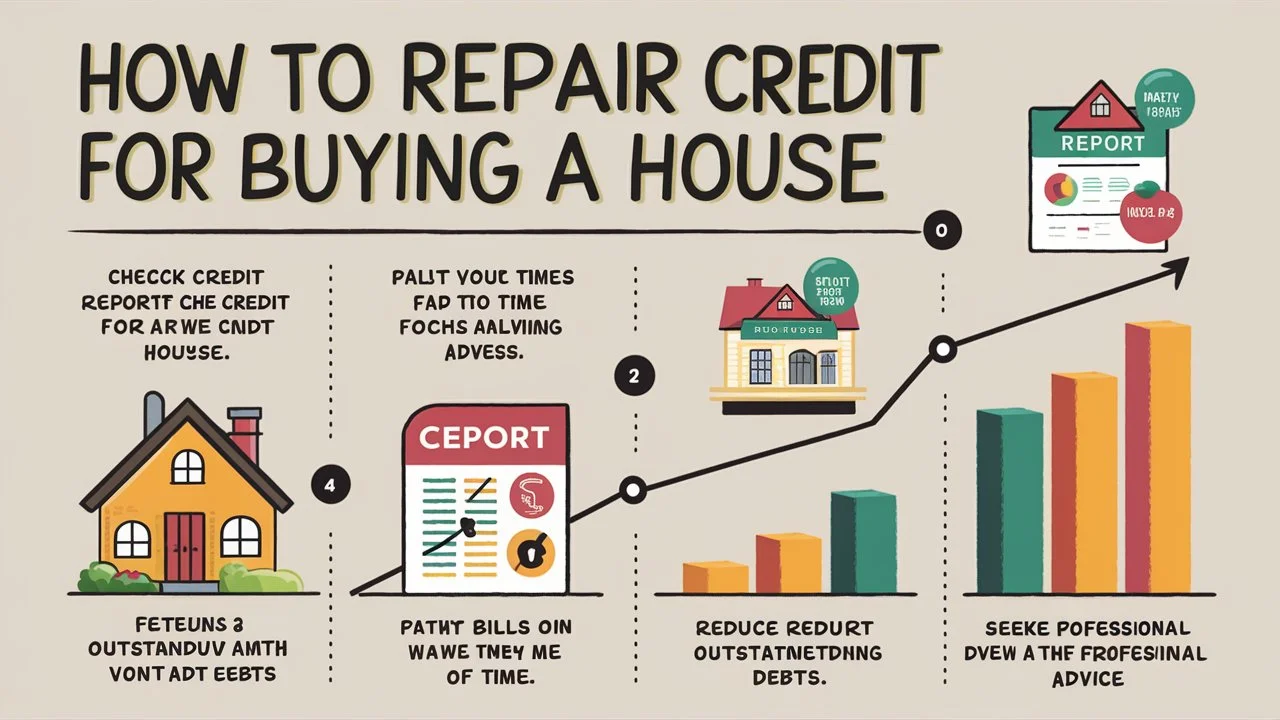
Repairing credit to buy a house is achievable with a strategic, step-by-step approach. This comprehensive guide outlines the essential actions you need to take, from understanding your credit report to securing a mortgage, ensuring you're well-prepared for homeownership in 2025.
Understanding Your Credit Score and Report
Embarking on the journey to homeownership often begins with a crucial step: understanding and improving your creditworthiness. For many aspiring homeowners, the phrase "repair credit to buy a house" is a common search query, reflecting a widespread need for guidance. This guide is designed to provide a comprehensive roadmap, detailing the strategies, timelines, and considerations necessary to achieve your goal of buying a home in 2025. We will delve into the intricacies of credit reports, the factors that shape your credit score, actionable repair techniques, and how to prepare yourself for the mortgage application process.
The Building Blocks of Your Credit Report
Before you can repair your credit, you must understand what it is and how it's documented. Your credit report is a detailed history of your borrowing and repayment activities. It's compiled by three major credit bureaus: Equifax, Experian, and TransUnion. Each report contains information that lenders use to assess your credit risk. Key components include:
- Personal Information: Your name, address, Social Security number, and date of birth. Lenders use this to verify your identity.
- Credit Accounts: A list of all your credit cards, loans (mortgages, auto loans, student loans), and other lines of credit. For each account, you'll see the lender, account number (often partially masked), date opened, credit limit or loan amount, current balance, and payment history.
- Public Records: This section includes information like bankruptcies, foreclosures, tax liens, and civil judgments. These are significant negative marks on your credit.
- Inquiries: A record of who has accessed your credit report. "Hard inquiries" occur when you apply for credit and can slightly lower your score. "Soft inquiries" (like checking your own score) do not affect your score.
Key Factors Influencing Your Credit Score
Your credit score is a three-digit number that summarizes the information in your credit report, predicting your likelihood of repaying borrowed money. While specific scoring models vary (like FICO and VantageScore), the general factors are consistent. Understanding these is paramount to effective credit repair:
- Payment History (35%): This is the most critical factor. Late payments, missed payments, defaults, and collections significantly damage your score. Consistently paying bills on time is the cornerstone of good credit.
- Amounts Owed / Credit Utilization (30%): This refers to the amount of credit you're using compared to your total available credit. Keeping your credit utilization ratio low (ideally below 30%, and even better below 10%) is crucial.
- Length of Credit History (15%): The longer you've had credit accounts open and managed them responsibly, the better. This shows lenders a track record of responsible behavior over time.
- Credit Mix (10%): Having a variety of credit types (e.g., credit cards, installment loans like mortgages or auto loans) can be beneficial, as it demonstrates you can manage different forms of credit. However, this is less important than payment history or utilization.
- New Credit (10%): Opening many new accounts in a short period can signal risk to lenders. Each hard inquiry can also slightly lower your score.
How to Obtain Your Credit Reports
Accessing your credit reports is the first actionable step in credit repair. You are entitled to a free copy of your credit report from each of the three major bureaus annually. You can get these through:
- AnnualCreditReport.com: This is the official, federally mandated website for obtaining your free credit reports. Due to the ongoing economic climate, they often offer weekly free access to your reports online.
- Directly from the Bureaus: You can also request reports directly from Equifax, Experian, and TransUnion via their websites or by mail, though AnnualCreditReport.com is the most convenient portal.
2025 Tip: Regularly check your reports throughout the year, not just annually. Many free credit monitoring services offered by banks or credit card companies can alert you to changes.
Disputing Errors on Your Credit Report
Errors on your credit report are surprisingly common and can negatively impact your score. Common errors include incorrect personal information, accounts that aren't yours, incorrect payment statuses, or duplicate negative entries. It's vital to review your reports meticulously for any inaccuracies.
How to Dispute:
- Identify the Error: Pinpoint the specific inaccuracy on your report.
- Gather Documentation: Collect any evidence that supports your claim (e.g., payment confirmations, statements, letters).
- Contact the Credit Bureau: You can dispute online, by mail, or by phone. Online disputes are often the fastest. You'll need to provide details about the error and your supporting evidence.
- Contact the Furnisher: You can also dispute directly with the company that reported the information (the "furnisher"). The credit bureau will typically notify them as part of their investigation.
The credit bureaus have approximately 30 days to investigate your dispute. If they find the information to be inaccurate, they must correct it. This process can take time, but removing errors is a powerful way to improve your credit score.
Effective Strategies for Repairing Credit
Once you understand your credit report and have identified any errors, it's time to implement strategies to actively repair your credit. This is where consistent effort and smart financial habits come into play. The goal is to demonstrate to lenders that you are a responsible borrower.
Prioritizing On-Time Payments
As mentioned, payment history is the most significant factor in your credit score. To repair your credit, making every payment on time, every time, is non-negotiable. This applies to credit cards, loans, utility bills (if reported), and any other recurring obligations.
- Set Up Auto-Pay: For fixed bills, auto-pay can prevent missed payments. Ensure you have sufficient funds in your account to cover the payment.
- Use Calendar Reminders: For variable bills or those you prefer to pay manually, set up calendar alerts a few days before the due date.
- Pay at Least the Minimum: If you're struggling to pay the full amount, always pay at least the minimum due by the deadline. This prevents a late payment mark.
- Catch Up on Past Due Accounts: If you have accounts that are currently past due, prioritize bringing them current as quickly as possible.
2025 Insight: Lenders are increasingly looking for a consistent history of on-time payments. Even a single 30-day late payment can have a substantial negative impact, so vigilance is key.
Managing Credit Utilization Ratio
Your credit utilization ratio (CUR) is the amount of revolving credit you're using divided by your total available revolving credit. For example, if you have a credit card with a $10,000 limit and a $3,000 balance, your CUR for that card is 30%. The total CUR is calculated across all your revolving accounts.
- Keep Balances Low: Aim to keep your total CUR below 30%. For optimal scores, aim for below 10%.
- Pay Down Balances: The most direct way to lower your CUR is to pay down outstanding balances on your credit cards.
- Request Credit Limit Increases: If you have a good payment history with a card issuer, you might be able to request a credit limit increase. This increases your available credit without increasing your spending, thus lowering your CUR. Be aware that some issuers may perform a hard inquiry for this.
- Spread Out Spending: If you have multiple credit cards, try to distribute your spending across them rather than maxing out one card.
Example: If you have two credit cards, each with a $5,000 limit (total $10,000), and balances of $2,000 and $3,000 respectively (total $5,000), your overall CUR is 50% ($5,000 / $10,000). To get this down to 30%, you'd need to reduce your total balance to $3,000.
Strategies for Paying Down Debt
High levels of debt, particularly on credit cards, are detrimental to your credit score. Developing a plan to tackle this debt is essential for credit repair and financial health.
- Debt Snowball Method: Pay minimums on all debts except the smallest one, which you attack with extra payments. Once that's paid off, roll that payment into the next smallest debt. This method provides psychological wins.
- Debt Avalanche Method: Prioritize paying off debts with the highest interest rates first, while making minimum payments on others. This saves you the most money on interest over time.
- Debt Consolidation: Consider a debt consolidation loan or balance transfer to a 0% introductory APR card. This can simplify payments and potentially lower your interest rate, but be cautious of fees and ensure you have a plan to pay it off before the promotional period ends.
- Negotiate with Creditors: If you're struggling, contact your creditors. They may be willing to offer hardship programs, lower interest rates, or payment plans.
2025 Data: The average credit card debt per household in the U.S. continues to be a significant concern. Proactive debt reduction is a key differentiator for mortgage readiness.
Becoming an Authorized User
If you have a trusted friend or family member with excellent credit, they might consider adding you as an authorized user on one of their credit cards. This means you get a card linked to their account. The payment history and credit limit of that account can then appear on your credit report.
- Benefits: This can help boost your credit score by adding positive payment history and lowering your overall credit utilization, provided the primary account holder manages the card responsibly.
- Risks: If the primary cardholder misses payments or carries high balances, it will negatively impact your credit. Ensure you trust the person implicitly and that they are committed to responsible credit management.
- Caveat: Some newer scoring models (like FICO 10) may give less weight to authorized user accounts, but it can still be a valuable tool, especially for those with very thin credit files.
Building a Healthy Credit Mix
While not as impactful as payment history or utilization, having a mix of credit types can positively influence your score. This typically includes revolving credit (credit cards) and installment loans (mortgages, auto loans, personal loans).
- Secured Credit Cards: If you have a poor credit history or no credit history, a secured credit card is an excellent way to start. You provide a cash deposit, which becomes your credit limit. Use it responsibly, and it can help build positive credit history.
- Credit-Builder Loans: These are small loans offered by some credit unions and banks. The loan amount is held in a savings account while you make payments. Once the loan is repaid, you receive the money, and the positive payment history is reported to credit bureaus.
Avoid opening unnecessary accounts just to create a mix. Focus on managing the credit you have or need responsibly.
Opening New Credit Responsibly
While too many new accounts can hurt your score, strategically opening new credit can be part of a repair plan, especially if you have a thin credit file or need to lower your credit utilization.
- Secured Credit Cards: As mentioned, these are ideal for building or rebuilding credit.
- Credit-Builder Loans: Another option for those needing to establish credit history.
- Careful Application: When applying for any new credit, ensure you meet the eligibility requirements and understand that each application results in a hard inquiry. Space out applications if possible.
Important Note: Be wary of companies that promise to "fix" your credit overnight or charge exorbitant upfront fees. Legitimate credit repair services are transparent about their processes and fees.
The Timeline for Credit Repair
Credit repair is not an overnight process. It requires patience and consistent effort. The timeline depends heavily on the severity of the issues on your report and your commitment to the repair strategies.
- Removing Errors: Disputing and removing errors can take 30-60 days per dispute.
- Impact of Late Payments: Negative marks like late payments typically stay on your report for seven years, but their impact diminishes over time, especially if followed by positive payment behavior.
- Bankruptcy: Bankruptcies can remain on your report for seven to ten years, but you can often qualify for a mortgage much sooner with diligent credit rebuilding.
- General Improvement: You may start to see small improvements in your score within a few months of implementing positive habits. Significant improvements, enough to qualify for a mortgage, can take anywhere from 6 months to 2 years or more.
2025 Reality: Lenders are increasingly sophisticated in their credit assessments. While scores are important, a consistent pattern of positive behavior over a longer period is highly valued.
Preparing for a Mortgage Application
Once you've made significant progress in repairing your credit, the next phase is preparing to apply for a mortgage. Lenders will scrutinize several aspects of your financial profile, not just your credit score.
Target Credit Scores for Homeownership
While there's no single magic number, higher credit scores generally lead to better mortgage terms (lower interest rates, fewer fees) and a higher chance of approval.
General Guidelines for 2025:
- FHA Loans: Can allow scores as low as 580 with a 3.5% down payment, or 500-579 with a 10% down payment.
- Conventional Loans (Fannie Mae/Freddie Mac): Typically require scores of 620 or higher. Scores of 740+ often secure the best interest rates.
- VA Loans: While VA loans don't have a specific minimum score set by the VA, lenders often impose their own minimums, usually around 620.
- USDA Loans: Similar to VA loans, lenders often set their own minimums, typically 640 or higher.
Recommendation: Aim for a credit score of 660 or higher for conventional loans to improve your chances of approval and secure competitive rates. For the absolute best rates, aim for 740+.
Understanding Mortgage Options
Different mortgage types cater to various borrower needs and credit profiles. Knowing these can help you choose the best path forward:
- Conventional Mortgages: Not backed by a government agency. Require good to excellent credit.
- FHA Loans: Insured by the Federal Housing Administration. Designed for borrowers with lower credit scores or smaller down payments.
- VA Loans: Guaranteed by the Department of Veterans Affairs for eligible veterans, active-duty military, and surviving spouses. Often feature no down payment and competitive rates.
- USDA Loans: For eligible rural and suburban homebuyers. Offer no down payment options.
Your credit repair journey might initially point you towards FHA or other government-backed loans, offering a pathway to homeownership even with a less-than-perfect credit history. As your credit improves, you can explore conventional options.
What Lenders Look For Beyond Credit
While your credit score is a primary factor, lenders assess your overall financial health. They want to ensure you can afford the monthly mortgage payments and property expenses.
- Income Stability: Lenders want to see a consistent employment history, usually at least two years in the same field or with the same employer.
- Debt-to-Income Ratio (DTI): This compares your total monthly debt payments to your gross monthly income.
- Down Payment: The amount of money you put down upfront. A larger down payment reduces the lender's risk and can lead to better loan terms.
- Assets and Reserves: Lenders may want to see that you have funds saved for closing costs, moving expenses, and reserves (money to cover a few months of mortgage payments).
Saving for Your Down Payment
The down payment is a significant hurdle for many homebuyers. The required amount varies by loan type and lender, but here are common scenarios:
- FHA Loans: Minimum 3.5% of the purchase price (with a credit score of 580+).
- Conventional Loans: Can be as low as 3% for some programs, but 5%, 10%, or 20% are common. A 20% down payment avoids Private Mortgage Insurance (PMI).
- VA and USDA Loans: Often require no down payment.
Saving Strategies:
- Automate Savings: Set up automatic transfers from your checking to a dedicated savings account.
- Cut Expenses: Review your budget and identify areas where you can reduce spending.
- Side Hustle: Earn extra income through a part-time job or freelance work.
- Gift Funds: Many lenders allow a portion or all of your down payment to come from gifts from family members. Ensure proper documentation is provided.
2025 Market Note: Housing prices remain a key consideration. Saving for a down payment in a competitive market requires disciplined financial planning.
Verifying Income and Employment
Lenders will meticulously verify your income and employment to ensure its stability and accuracy.
- Pay Stubs: Typically require the most recent 30 days of pay stubs.
- W-2 Forms: Usually the last two years' W-2s.
- Tax Returns: Often require the last two years' federal tax returns, especially for self-employed individuals or those with commission-based income.
- Employment Verification: The lender will contact your employer to confirm your position, salary, and length of employment.
Be prepared to provide clear, consistent documentation. Any gaps in employment or significant income fluctuations will require explanation.
Calculating and Improving Your DTI
Your DTI is a critical metric for mortgage lenders. It's calculated as:
DTI = (Total Monthly Debt Payments / Gross Monthly Income) * 100
Lenders generally prefer a DTI of 43% or lower, but this can vary by loan program and lender. Some government-backed loans may allow slightly higher DTIs if other factors are strong.
- Total Monthly Debt Payments: Include minimum payments for credit cards, student loans, auto loans, personal loans, and the estimated future mortgage payment (principal, interest, taxes, and insurance).
- Gross Monthly Income: Your income before taxes and deductions.
Improving DTI:
- Reduce Debt: The most effective way is to pay down or eliminate existing debts, especially high-interest ones.
- Increase Income: Seek a raise, promotion, or additional income streams.
- Lower Housing Costs: This might involve looking at less expensive homes or areas, though this is often a later consideration once you've found a home you like.
Example: If your gross monthly income is $6,000 and your total monthly debt payments (excluding the new mortgage) are $1,500, your current DTI is 25% ($1,500 / $6,000). If your estimated new mortgage payment is $2,000, your new DTI would be 58.3% ($3,500 / $6,000), which is likely too high for most lenders.
When to Seek Professional Credit Repair Assistance
While many individuals can successfully repair their credit on their own, some situations warrant professional help. If your credit report is complex, contains significant errors, or you feel overwhelmed by the process, a reputable credit repair company might be beneficial.
Selecting a Reputable Credit Repair Company
The credit repair industry has its share of scams. It's crucial to choose a legitimate service:
- Research Thoroughly: Look for companies with good reviews, clear fee structures, and a history of success. Check with the Better Business Bureau (BBB).
- Understand Fees: Reputable companies typically charge a one-time setup fee and a monthly service fee. They should not charge fees for services they haven't yet performed. Be wary of companies demanding large upfront fees.
- Ask About Their Methods: They should explain their process, which usually involves disputing errors with credit bureaus and creditors.
- Avoid Guarantees: No legitimate company can guarantee specific results or a certain score increase.
- Read the Contract Carefully: Understand all terms and conditions before signing.
2025 Warning: Be extra cautious of unsolicited offers or claims of "guaranteed" credit fixes. The FTC provides resources on avoiding credit repair scams.
Alternatives to Traditional Credit Repair
Beyond professional services, other avenues can assist:
- Non-Profit Credit Counseling Agencies: Organizations accredited by the National Foundation for Credit Counseling (NFCC) or the Financial Counseling Association of America (FCAA) offer free or low-cost advice, budget counseling, and debt management plans. They focus on education and sustainable financial habits.
- Financial Advisors: For more complex financial planning, including long-term goals like homeownership, a financial advisor can provide comprehensive guidance.
Maintaining Good Credit Post-Repair
Achieving a good credit score is only half the battle; maintaining it is crucial for long-term financial health and future borrowing needs.
- Continue On-Time Payments: This is the most important habit.
- Keep Credit Utilization Low: Regularly monitor your balances and pay down credit card debt.
- Avoid Unnecessary Credit Applications: Only apply for credit when you genuinely need it.
- Monitor Your Credit Reports: Continue to check your reports periodically for accuracy and to track your progress.
- Build Emergency Savings: Having an emergency fund can prevent you from relying on credit cards during unexpected financial challenges.
Conclusion
Repairing credit to buy a house is a journey that requires dedication, strategic planning, and consistent action. By understanding the components of your credit report and score, diligently implementing repair strategies like on-time payments and low credit utilization, and preparing thoroughly for the mortgage application process, you can significantly enhance your financial profile. Aiming for target credit scores, saving diligently for a down payment, and ensuring your income and debt-to-income ratio are favorable will pave the way for approval. Whether you choose to navigate this process independently or seek professional assistance from reputable sources, the key is persistence. With the right approach, homeownership in 2025 is an attainable goal, even if your credit history needs some attention. Start today, stay focused, and unlock the door to your new home.
