How To Repair My Credit Report?
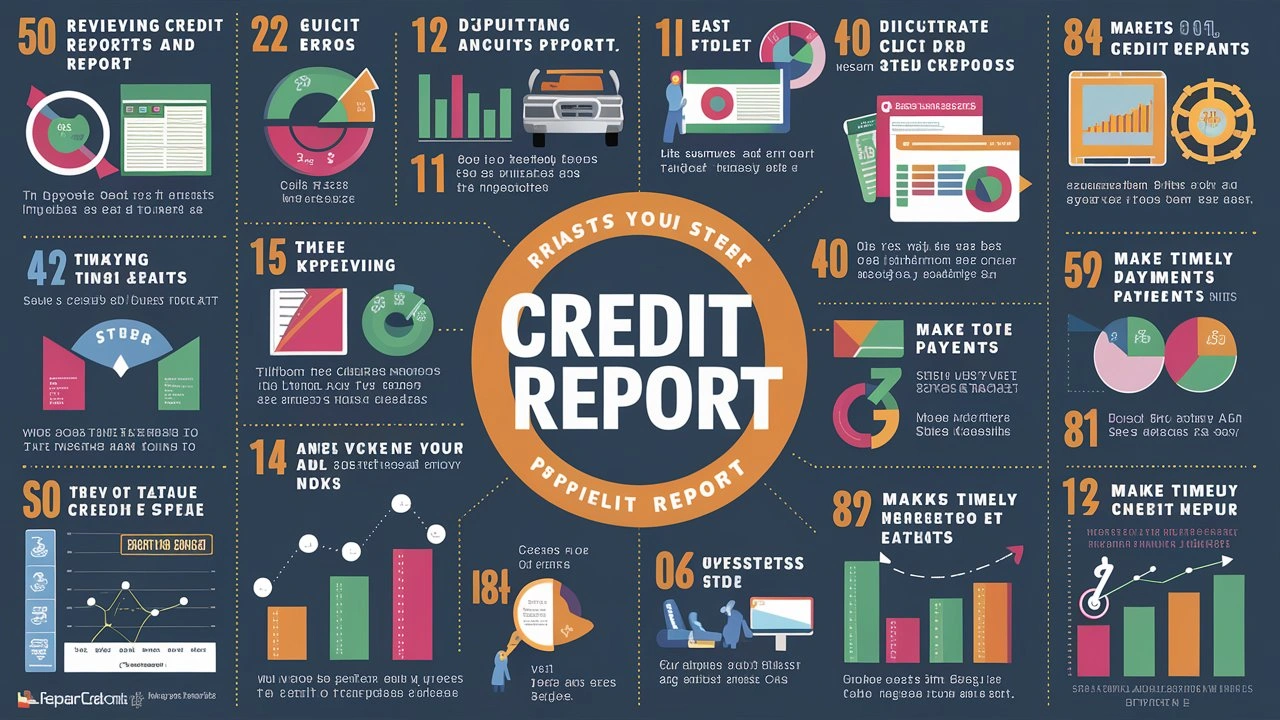
Repairing your credit report is a crucial step toward financial well-being. This comprehensive guide will walk you through identifying errors, disputing inaccuracies, and implementing effective strategies to rebuild your credit score, empowering you to take control of your financial future.
Understanding Your Credit Report
Your credit report is a detailed record of your credit history, compiled by credit bureaus. It plays a pivotal role in determining your creditworthiness, influencing everything from loan approvals and interest rates to rental applications and even insurance premiums. In 2025, understanding the intricacies of your credit report is more vital than ever, as lenders and institutions increasingly rely on this data to make critical decisions.
What is a Credit Report?
At its core, a credit report is a snapshot of how you've managed credit in the past. It includes information about your:
- Personal Identifiers: Name, address, Social Security number, and date of birth.
- Credit Accounts: Details of all credit cards, loans (mortgages, auto loans, student loans), and lines of credit you've held, including the lender, account number, date opened, credit limit, and current balance.
- Payment History: A record of whether you've paid your bills on time, late payments, defaults, and bankruptcies. This is the most influential factor in your credit score.
- Credit Inquiries: A list of entities that have recently accessed your credit report. Hard inquiries (when you apply for credit) can slightly lower your score, while soft inquiries (like checking your own report) do not.
- Public Records: Information from public sources, such as bankruptcies, liens, and judgments.
The Three Major Credit Bureaus
In the United States, three main credit bureaus collect and maintain credit information:
- Equifax: One of the oldest and largest credit bureaus.
- Experian: Another major player in the credit reporting industry.
- TransUnion: The third of the "big three" credit bureaus.
Each bureau may have slightly different information on your report, as lenders report to them independently. Therefore, it's essential to obtain and review reports from all three.
Why is Your Credit Report Important in 2025?
The financial landscape in 2025 continues to emphasize the importance of a strong credit profile. Lenders use your credit report to assess risk. A good credit report indicates you are a reliable borrower, leading to:
- Easier Loan Approvals: Whether it's a mortgage, car loan, or personal loan, a clean report increases your chances of getting approved.
- Lower Interest Rates: This is a significant factor. A higher credit score, derived from your report, can save you thousands of dollars in interest over the life of a loan. For example, a 2025 study by the Consumer Financial Protection Bureau (CFPB) showed that borrowers with excellent credit could qualify for mortgage rates up to 1.5% lower than those with fair credit, translating to substantial savings.
- Better Credit Card Offers: Premium rewards cards and cards with lower APRs are typically reserved for individuals with strong credit histories.
- Rental and Employment Opportunities: Landlords and some employers may review your credit report as part of their screening process.
- Insurance Premiums: In many states, insurance companies use credit-based insurance scores to help set premiums.
How to Obtain Your Credit Report
You are entitled to a free copy of your credit report from each of the three major bureaus annually. The official source for these free reports is AnnualCreditReport.com. Due to the ongoing impact of economic shifts, it's advisable to check your reports more frequently than once a year. You can request your reports online, by phone, or by mail.
Identifying Errors and Inaccuracies
The first and most critical step in repairing your credit report is to meticulously review it for any mistakes. Errors, whether minor or significant, can negatively impact your credit score and hinder your financial progress. In 2025, with the increasing reliance on automated systems, the potential for data entry or processing errors remains a concern.
Common Types of Credit Report Errors
Errors on credit reports can manifest in various ways. Recognizing these common pitfalls is key to effective dispute:
- Incorrect Personal Information: This includes misspelled names, incorrect addresses, or even someone else's Social Security number linked to your report.
- Accounts That Aren't Yours: The presence of accounts opened by identity thieves or errors where an account belonging to someone with a similar name is listed under your profile.
- Incorrect Account Status: An account marked as delinquent or in default when you have consistently made on-time payments.
- Duplicate Accounts: The same debt listed multiple times on your report.
- Outdated Information: Negative information, such as late payments or bankruptcies, remaining on your report beyond the legally allowed timeframe (typically 7-10 years, depending on the type of information).
- Incorrect Credit Limits or Balances: Discrepancies in the reported credit limit or the outstanding balance on an account.
- Closed Accounts Still Showing as Open: Or vice-versa, which can affect your credit utilization ratio.
A Step-by-Step Guide to Reviewing Your Report
Thoroughness is paramount when examining your credit report. Follow these steps to ensure you don't miss anything:
- Gather All Three Reports: Obtain your credit reports from Equifax, Experian, and TransUnion via AnnualCreditReport.com.
- Compare Reports: Lay out all three reports side-by-side. Look for discrepancies between them regarding account details, balances, and payment histories.
- Scrutinize Personal Information: Verify your name, address, Social Security number, and date of birth are all accurate.
- Examine Each Account: For every credit account listed, check the following:
- Creditor Name: Is it correct?
- Account Number: Does it match your records?
- Date Opened: Is it accurate?
- Credit Limit/Loan Amount: Is it reported correctly?
- Current Balance: Does it align with your statements?
- Payment History: This is crucial. Check for any missed payments, late payments, or collections that you don't recognize or believe are incorrect.
- Review Inquiries: Note any hard inquiries. Ensure you recognize and authorized each one. If you see an inquiry you don't recognize, it could be a sign of identity theft.
- Check Public Records: Look for any bankruptcies, liens, or judgments. Ensure they are accurate and within the permissible reporting period.
- Note Everything: Keep a detailed log of any potential errors or inaccuracies you find. Include the account name, account number (if applicable), the specific error, and the date you found it.
Using a Checklist for Accuracy
To aid in your review, consider creating a checklist based on the common errors mentioned above. This structured approach ensures consistency and reduces the chance of overlooking critical details.
Example Checklist Item:
Account: [Creditor Name]
Error Type: Late Payment Reported
Your Records Show: All payments made on time.
Action: Gather payment proof and prepare to dispute.
When to Seek Professional Help
While most errors can be disputed directly with the credit bureaus, some situations might warrant professional assistance. If you are dealing with extensive identity theft, complex financial issues, or if your disputes are repeatedly ignored, a reputable credit repair service or a consumer protection attorney might be beneficial. However, be wary of services that guarantee results or charge exorbitant upfront fees.
Disputing Errors with Credit Bureaus
Once you've identified inaccuracies on your credit report, the next crucial step is to formally dispute them with the credit bureaus. The Fair Credit Reporting Act (FCRA) grants you the right to do this. In 2025, understanding the dispute process and having strong documentation is key to a successful resolution.
The Dispute Process Explained
The dispute process involves notifying the credit bureau of the error and providing evidence to support your claim. The bureau then has a legal obligation to investigate your claim, typically within 30 days (or 45 days if you provide additional information during the initial 30-day period).
How to File a Dispute
You can file a dispute online, by mail, or by phone with each credit bureau. Filing by mail is often recommended because it provides a documented trail of your communication.
1. Online Dispute:
Each credit bureau has a dedicated online portal for disputes:
- Equifax: Visit their website and navigate to the dispute section.
- Experian: Use their online dispute resolution center.
- TransUnion: Access their online dispute service.
Pros: Quick, convenient, and often provides immediate confirmation. You can usually upload supporting documents directly.
Cons: Less formal documentation compared to mail; relies on the accuracy of the online system.
2. Mail Dispute:
This method is highly recommended for its strong paper trail. You'll need to send a dispute letter to each bureau where the error appears. It's advisable to send these letters via certified mail with a return receipt requested.
What to Include in Your Dispute Letter:
- Your Personal Information: Full name, address, phone number, and Social Security number.
- Account Information: Clearly state the account number and the creditor's name associated with the error.
- The Specific Error: Describe the inaccuracy precisely. For example, "The payment history for account ending in XXXX shows a late payment on [date], but I have attached proof of timely payment."
- Your Desired Resolution: State what you want the bureau to do, such as "correct the payment history" or "remove this account as it is not mine."
- Supporting Documents: Include copies (never originals) of any evidence that supports your claim. This could include payment stubs, bank statements, cancelled checks, letters from creditors, or copies of identity theft protection reports.
- A Statement of Accuracy: "I certify that the information provided is true and accurate to the best of my knowledge."
- Your Signature and Date.
Mailing Addresses (as of early 2025 - always verify on their official websites):
- Equifax: P.O. Box 740256, Atlanta, GA 30374-0256
- Experian: P.O. Box 4490, Allen, TX 75013
- TransUnion: P.O. Box 1000, Chester, PA 19016
Pros: Creates a strong, documented record of your dispute. Provides a tangible paper trail.
Cons: Slower than online disputes; requires postage and careful record-keeping.
What Happens After You File a Dispute?
Once a dispute is filed, the credit bureau will:
- Acknowledge Your Dispute: They will typically send you a confirmation letter or email.
- Investigate: The bureau will contact the furnisher of the information (the original creditor or lender) to verify the accuracy of the disputed item.
- Receive a Response: The furnisher must respond to the bureau's inquiry within a specific timeframe.
- Update Your Report: If the investigation finds the information to be inaccurate, the bureau must correct or remove it from your report.
- Send You an Updated Report: You will receive an updated credit report reflecting the changes made.
Disputing with the Information Furnisher
While disputing directly with the credit bureaus is effective, you can also dispute directly with the company that reported the information (the furnisher). This can sometimes expedite the process, especially if the error originated with that specific company. You would send a similar dispute letter to the creditor or lender, providing your evidence.
What If Your Dispute is Denied?
If your dispute is denied and you believe the information is still inaccurate, you have options:
- Re-dispute: If you have new evidence, you can file a new dispute.
- Add a Statement: You can add a statement to your credit report explaining your side of the story. This statement will be included when your report is accessed by lenders.
- Contact the CFPB: The Consumer Financial Protection Bureau (CFPB) can assist consumers with credit reporting issues.
- Consult an Attorney: For persistent issues or significant damages, consider consulting a consumer protection attorney.
Timelines and Expectations
Be patient. The dispute process can take time. While the FCRA mandates a 30-day investigation, it can sometimes extend. Keep meticulous records of all your communications and follow up if you don't hear back within the expected timeframe. In 2025, understanding these timelines and maintaining consistent communication is key.
Strategies for Improving Credit Score
Repairing your credit report is only half the battle; the other crucial half is actively improving your credit score. Your credit score is a three-digit number that lenders use to assess your credit risk. A higher score generally means better loan terms and easier access to credit. In 2025, focusing on these core strategies will yield the most significant improvements.
Understanding the Factors That Influence Your Credit Score
Credit scoring models, like FICO and VantageScore, weigh several factors differently. While the exact algorithms are proprietary, the general components are well-known:
- Payment History (35%): The most significant factor. Paying bills on time, every time, is paramount.
- Amounts Owed (30%): This refers to your credit utilization ratio – the amount of credit you're using compared to your total available credit. Keeping this low is crucial.
- Length of Credit History (15%): The longer you've had credit accounts open and in good standing, the better.
- Credit Mix (10%): Having a variety of credit types (e.g., credit cards, installment loans) can be beneficial, but this is less impactful than payment history or utilization.
- New Credit (10%): Opening too many new accounts in a short period can negatively affect your score.
Key Strategies for Credit Score Improvement
1. Pay All Bills On Time, Every Time
This is non-negotiable. Even one late payment can significantly damage your score. If you struggle with remembering due dates, set up automatic payments for at least the minimum amount due. For credit cards, aim to pay the full statement balance to avoid interest charges.
2. Lower Your Credit Utilization Ratio (CUR)
Your CUR is the amount of credit you're using divided by your total available credit. A CUR below 30% is generally considered good, but below 10% is excellent. For example, if you have a credit card with a $10,000 limit and a balance of $3,000, your CUR is 30% ($3,000 / $10,000). To lower it, you can:
- Pay Down Balances: Focus on paying down high-balance credit cards first.
- Request a Credit Limit Increase: If you have a good payment history with a particular card issuer, you can request a higher credit limit. This increases your available credit without you spending more, thus lowering your CUR.
- Avoid Maxing Out Cards: Never use your entire credit limit.
3. Keep Old Accounts Open
The length of your credit history matters. Closing old, unused credit cards can shorten your average account age and reduce your available credit, potentially hurting your score. As long as there's no annual fee and the account is in good standing, consider keeping it open.
4. Be Strategic About New Credit
While opening new accounts can help build credit, doing so too frequently can signal risk to lenders. If you need to open a new account, do it strategically. For instance, if you're trying to improve your credit, a secured credit card or a credit-builder loan can be beneficial.
5. Check Your Credit Score Regularly
Many credit card companies and financial institutions offer free access to your credit score. Monitoring your score allows you to track your progress and identify any sudden drops that might indicate an issue.
Comparison of Credit Improvement Strategies
Here's a look at how different strategies stack up in terms of impact:
| Strategy | Impact Level (2025) | Notes |
|---|---|---|
| On-time Payments | Very High | The single most important factor. |
| Lowering Credit Utilization | High | Crucial for scores above 650. Aim for under 30%. |
| Keeping Old Accounts Open | Moderate | Helps with average age of accounts. |
| Managing New Credit Applications | Moderate | Avoid excessive applications. |
| Credit Mix | Low | Less critical than other factors. |
The Role of Credit Counseling Services
Reputable non-profit credit counseling agencies can offer valuable guidance. They can help you create a budget, negotiate with creditors, and develop a debt management plan. Be cautious of for-profit companies that make unrealistic promises.
Managing Debt Effectively
Effective debt management is the cornerstone of credit repair and long-term financial health. High levels of debt, particularly on credit cards, can significantly depress your credit score and create a cycle of financial stress. In 2025, a proactive approach to debt is essential for rebuilding trust with lenders and achieving financial freedom.
Understanding Different Types of Debt
It's important to differentiate between types of debt, as they impact your credit differently:
- Revolving Credit: This includes credit cards and lines of credit. The balance can fluctuate, and it's heavily influenced by your credit utilization ratio. High utilization on revolving debt is a major red flag.
- Installment Credit: This includes mortgages, auto loans, and personal loans. These have fixed monthly payments over a set term. While they impact your credit, they are generally viewed more favorably than high revolving balances, provided payments are made on time.
- Secured Debt: Loans backed by collateral (e.g., a mortgage secured by your home, an auto loan secured by your car).
- Unsecured Debt: Loans not backed by collateral (e.g., most credit cards, personal loans). These typically carry higher interest rates.
Strategies for Paying Down Debt
1. The Debt Snowball Method
This popular method involves paying off your smallest debts first, regardless of interest rate, while making minimum payments on larger debts. Once the smallest debt is paid off, you roll that payment amount into the next smallest debt, creating a "snowball" effect. This method provides psychological wins that can keep you motivated.
Example:
- Debt A: $500 balance, $50/month payment
- Debt B: $2,000 balance, $100/month payment
- Debt C: $5,000 balance, $200/month payment
You'd attack Debt A first. Once paid, you add its $50 to Debt B's payment, paying $150 on Debt B. Once Debt B is paid, you add its $150 to Debt C's payment, paying $350 on Debt C.
2. The Debt Avalanche Method
This strategy prioritizes paying down debts with the highest interest rates first, while making minimum payments on others. This method saves you the most money on interest over time, though it may take longer to see the first debt paid off.
Example (using the same debts as above, assuming Debt C has the highest interest rate):
You'd attack Debt C first. Once paid, you move to the debt with the next highest interest rate, and so on. This is mathematically the most efficient way to become debt-free.
3. Balance Transfers
If you have high-interest credit card debt, you might consider a balance transfer to a card with a 0% introductory APR. This can give you a period (often 12-21 months) to pay down the principal without accruing interest. Be aware of balance transfer fees (typically 3-5%) and ensure you can pay off the balance before the introductory period ends, as the regular APR can be very high.
4. Debt Consolidation Loans
A debt consolidation loan allows you to combine multiple debts into a single new loan, often with a lower interest rate and a single monthly payment. This can simplify your finances and potentially save you money on interest. However, it's crucial to ensure the new loan's interest rate and fees are truly beneficial.
5. Negotiating with Creditors
If you are struggling to make payments, don't hesitate to contact your creditors. Many are willing to work with you to create a more manageable payment plan, temporarily reduce your interest rate, or waive late fees. Document all your conversations and agreements.
The Impact of Debt Management on Your Credit Score
Successfully managing and reducing debt has a direct positive impact on your credit score:
- Lower Credit Utilization: As you pay down balances, your credit utilization ratio decreases, boosting your score.
- Improved Payment History: Consistently making payments on your debt obligations reinforces a positive payment history.
- Reduced Risk Profile: Lower debt levels signal to lenders that you are less of a credit risk.
Creating a Realistic Debt Repayment Plan
A successful debt repayment plan requires a realistic budget. Track your income and expenses meticulously. Identify areas where you can cut back to free up more money for debt repayment. Consider using budgeting apps or spreadsheets to stay organized. In 2025, financial planning tools are more accessible than ever.
Building Positive Credit History
For individuals with limited credit history or those looking to rebuild after past mistakes, actively building a positive credit history is paramount. This involves demonstrating responsible credit behavior over time. In 2025, several accessible tools and strategies can help you establish and grow a strong credit profile.
Starting with Secured Credit Cards
Secured credit cards are an excellent entry point for building credit. They require a cash deposit, which typically becomes your credit limit. This deposit mitigates the risk for the lender, making them easier to obtain. Use the card for small, everyday purchases and pay the balance in full each month. Ensure the card issuer reports to all three major credit bureaus.
Example: A $300 deposit might give you a $300 credit limit. If you use $50 for groceries and pay it off before the due date, you've demonstrated responsible usage.
Credit-Builder Loans
These are small loans designed specifically to help people build credit. The loan amount is typically held in a savings account by the lender. You make regular payments on the loan, and once it's fully repaid, you receive the funds. The lender reports your payment history to the credit bureaus. This process helps establish a positive payment record for an installment loan.
Becoming an Authorized User
If you have a trusted friend or family member with excellent credit, they might consider adding you as an authorized user on one of their credit cards. Their positive payment history and low credit utilization on that card can then appear on your credit report. However, it's crucial that the primary cardholder maintains responsible behavior, as their negative actions could also impact your credit.
Important Note: While this can help, it's not a substitute for building your own credit history. Some newer scoring models may weigh authorized user accounts differently.
Responsible Use of Existing Credit
If you already have credit accounts, even if they are few, focus on using them responsibly:
- Keep Balances Low: As discussed, maintaining a low credit utilization ratio is vital.
- Pay Bills On Time: This cannot be stressed enough. Set up reminders or automatic payments.
- Avoid Unnecessary Applications: Each hard inquiry can slightly lower your score.
Demonstrating Consistent Payment Behavior
The key to building positive credit is consistency. It takes time to establish a strong track record. Lenders want to see a pattern of responsible financial behavior over months and years. This includes:
- Regular Payments: Making at least the minimum payment on time for all credit obligations.
- Low Credit Utilization: Keeping credit card balances well below their limits.
- Longevity of Accounts: Maintaining accounts in good standing for extended periods.
What to Expect from Building Credit
Building credit is a marathon, not a sprint. It can take anywhere from 6 months to 2 years of consistent, responsible behavior to see significant improvements in your credit score. For those rebuilding after significant financial setbacks, it might take longer.
Table: Tools for Building Credit
| Tool | How it Works | Impact on Credit | Considerations |
|---|---|---|---|
| Secured Credit Card | Requires a cash deposit as collateral. | Reports payment history and utilization to bureaus. | Look for cards with low fees and no annual fee if possible. |
| Credit-Builder Loan | Loan amount held by lender, repaid over time. | Reports on-time installment payments. | Ensure the lender reports to all three bureaus. |
| Authorized User | Added to another person's account. | Inherits some of the primary user's account history. | Relies on the primary user's creditworthiness. |
| Rent/Utility Reporting Services | Some services report on-time rent/utility payments. | Can add positive payment history. | Not universally accepted by all lenders/scoring models. |
The Importance of Patience and Persistence
Building good credit requires patience. Don't get discouraged by slow progress. Continue to practice good financial habits, and your credit score will gradually improve. In 2025, with increased financial literacy resources, maintaining this discipline is more achievable than ever.
Preventing Future Credit Issues
Once you've invested the time and effort into repairing and building your credit, the final, crucial step is to maintain those gains and prevent future problems. Proactive habits are key to long-term financial stability. In 2025, staying vigilant and informed is your best defense against credit report inaccuracies and score dips.
Maintain a Budget and Stick to It
A well-managed budget is the foundation of financial health. It helps you track your income and expenses, identify where your money is going, and allocate funds for savings, debt repayment, and discretionary spending. Regularly reviewing and adjusting your budget ensures it remains relevant to your financial goals.
Automate Savings and Bill Payments
Automating your finances can significantly reduce the risk of missed payments or insufficient funds. Set up automatic transfers to your savings account and automatic payments for your bills (ensuring you have sufficient funds in your checking account). This creates a consistent, reliable financial flow.
Regularly Monitor Your Credit Reports and Scores
Don't wait until you need credit to check your reports. Continue to obtain your free credit reports annually from AnnualCreditReport.com. Also, leverage the free credit score monitoring services offered by many credit card companies and financial institutions. Early detection of errors or unusual activity can prevent significant damage.
Protect Yourself from Identity Theft
Identity theft is a major threat to your credit. Take steps to safeguard your personal information:
- Shred sensitive documents: Before discarding papers with personal information.
- Use strong, unique passwords: For online accounts and enable two-factor authentication where possible.
- Be wary of phishing attempts: Never click on suspicious links or provide personal information via email or text.
- Monitor your financial accounts: For any unauthorized transactions.
- Consider credit monitoring services: Which can alert you to suspicious activity.
Understand the Terms of Credit Products
Before opening any new credit card or loan, thoroughly understand the terms and conditions. Pay close attention to:
- Annual Percentage Rate (APR): Especially introductory vs. regular APRs.
- Fees: Annual fees, balance transfer fees, late fees, over-limit fees.
- Credit Limit: And how it impacts your utilization.
- Rewards Programs: And whether they align with your spending habits.
Build an Emergency Fund
An emergency fund is a critical safety net. Having 3-6 months of living expenses saved can prevent you from having to rely on high-interest credit cards or loans when unexpected expenses arise (e.g., job loss, medical emergency, car repair). This avoids derailing your credit repair progress.
Avoid Predatory Lending Practices
Be cautious of "payday loans," "title loans," and other forms of predatory lending. These often come with exorbitant interest rates and fees that can trap you in a cycle of debt, severely damaging your credit and financial well-being. In 2025, these risks remain significant.
Seek Professional Advice When Needed
Don't hesitate to consult with a certified financial planner or a reputable credit counselor if you feel overwhelmed or unsure about your financial decisions. They can provide objective guidance and help you stay on track.
The Long-Term Benefits of Good Credit Management
Consistently practicing good credit management not only protects your credit score but also opens doors to better financial opportunities. It builds a foundation of trust with lenders, allowing you to access favorable loan terms, secure housing, and achieve major financial milestones with greater ease and less cost. In essence, it provides peace of mind and financial resilience.
Conclusion
Repairing your credit report and improving your credit score is an achievable goal with a strategic and disciplined approach. By understanding your credit report, diligently disputing errors, implementing sound debt management strategies, and consistently practicing good credit habits, you can build a strong financial future. Remember that patience, persistence, and regular monitoring are your greatest allies. Take control of your credit today to unlock better financial opportunities and achieve lasting financial well-being.