How To Repair Your Credit Report?
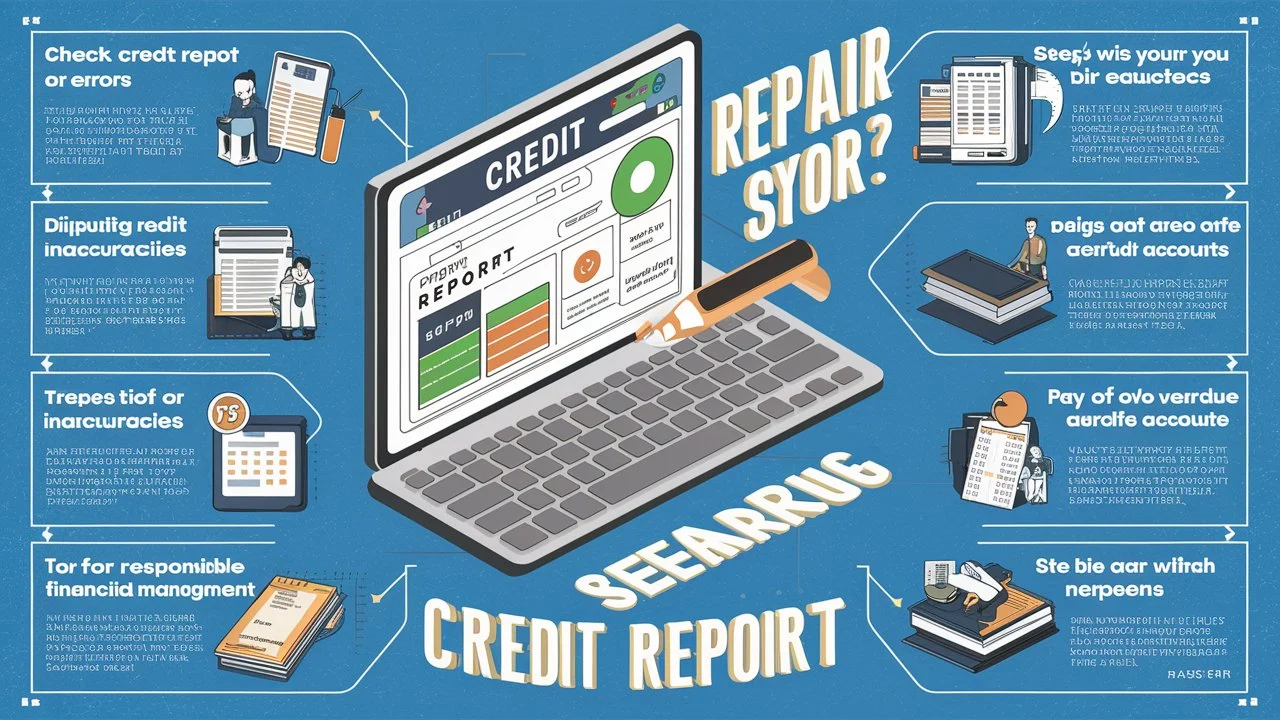
Understanding how to repair your credit report is crucial for achieving financial goals like securing loans or better interest rates. This comprehensive guide will equip you with actionable strategies and expert insights to effectively identify errors, dispute inaccuracies, and rebuild your creditworthiness for a stronger financial future.
Understanding Your Credit Report
Your credit report is a detailed record of your credit history, compiled by credit bureaus. It’s a vital document that lenders use to assess your creditworthiness, influencing your ability to get approved for loans, credit cards, mortgages, and even impacting insurance premiums and rental applications. In 2025, understanding its components is more important than ever.
What is a Credit Report?
A credit report is a snapshot of your financial behavior over time. It includes information such as your personal details, credit accounts (loans, credit cards), payment history, credit utilization, length of credit history, and public records like bankruptcies or judgments. The three major credit bureaus in the United States—Equifax, Experian, and TransUnion—collect and maintain this information. While they aim for accuracy, errors can and do occur.
The Role of Credit Bureaus
Equifax, Experian, and TransUnion are responsible for gathering credit data from lenders and other sources and then providing credit reports to authorized entities. They are regulated by federal laws, most notably the Fair Credit Reporting Act (FCRA), which grants consumers rights regarding their credit information.
Key Components of a Credit Report
A typical credit report is divided into several sections:
- Personal Information: Your name, address history, Social Security number, and employment history.
- Credit Accounts: Details of all your credit cards, loans (mortgages, auto loans, student loans), and other lines of credit. This includes the creditor's name, account number (often partially masked), date opened, credit limit or loan amount, current balance, and payment history.
- Payment History: This is the most critical section, detailing whether you've paid your bills on time, any late payments (and how late), and any accounts that have gone into collections or charged off.
- Credit Utilization: The ratio of your outstanding credit card balances to your total credit card limits. A lower utilization ratio (ideally below 30%) generally indicates better credit management.
- Length of Credit History: The average age of your credit accounts and the age of your oldest account. A longer history is generally viewed favorably.
- Credit Inquiries: A record of who has accessed your credit report. "Hard inquiries" (when you apply for credit) can slightly lower your score, while "soft inquiries" (like checking your own report) do not.
- Public Records: Information from public sources, such as bankruptcies, judgments, liens, and civil lawsuits.
Credit Scores vs. Credit Reports
It's important to distinguish between a credit report and a credit score. Your credit report is the raw data; your credit score is a three-digit number derived from this data, summarizing your credit risk. Common scoring models include FICO and VantageScore. A higher credit score (generally above 700) signifies lower risk to lenders, leading to better loan terms. Repairing your credit report directly impacts your credit score.
Identifying Errors on Your Credit Report
Errors on your credit report can significantly harm your credit score and hinder your financial progress. Proactive identification is the first step in effective credit repair. In 2025, with more digital transactions, the potential for errors remains a concern.
Why Errors Happen
Errors can arise from various sources:
- Data Entry Mistakes: Simple human error when information is input by creditors or credit bureaus.
- Mixed Files: Your report being merged with someone else's who has a similar name or address.
- Outdated Information: Negative information remaining on your report longer than legally permitted.
- Identity Theft: Unauthorized accounts or inquiries appearing on your report.
- Reporting Errors: Creditors reporting incorrect payment statuses, balances, or account details.
How to Obtain Your Credit Reports
You are entitled to a free copy of your credit report from each of the three major bureaus annually. The official source for this is AnnualCreditReport.com. You can request your reports online, by phone, or by mail. It’s advisable to stagger your requests throughout the year (e.g., one bureau every four months) to monitor your credit continuously.
Common Types of Errors to Look For
When reviewing your reports, be vigilant for the following:
- Incorrect Personal Information: Misspelled names, incorrect addresses, or outdated Social Security numbers.
- Accounts You Don't Recognize: Any credit accounts or loans that you did not open.
- Incorrect Account Status: Accounts listed as delinquent, in collections, or charged off when they are current and in good standing.
- Duplicate Accounts: The same debt listed multiple times.
- Incorrect Balances or Credit Limits: Balances that are too high or credit limits that are too low, which can negatively impact your credit utilization ratio.
- Late Payments You Didn't Make: Payments marked as late when you paid on time.
- Closed Accounts Still Showing Open: Or vice-versa.
- Public Records That Are Inaccurate or Outdated: Such as bankruptcies that have been discharged or liens that have been satisfied.
Step-by-Step Review Process
- Gather All Three Reports: Obtain your reports from Equifax, Experian, and TransUnion.
- Cross-Reference Information: Compare the information across all three reports. Minor discrepancies are common, but significant differences or the same error appearing on multiple reports warrant immediate attention.
- Scrutinize Each Section: Go through each section methodically, as outlined above.
- Check Payment History Carefully: This is the most impactful part of your report. Verify every payment status.
- Note Any Discrepancies: Keep a detailed record of every error you find, including the account name, date of the error, and the nature of the inaccuracy.
Disputing Errors with Credit Bureaus and Creditors
Once you've identified errors, the next crucial step is to dispute them. The Fair Credit Reporting Act (FCRA) provides you with the right to dispute inaccurate information. This process involves communicating with both the credit bureaus and the original creditors.
Understanding the Dispute Process
The FCRA mandates that credit bureaus investigate disputes within a reasonable period, typically 30 days (or 45 days if you submit additional information during the 30-day period). During this investigation, the bureau will contact the furnisher of the information (the creditor) to verify its accuracy.
Disputing Directly with Credit Bureaus
You can initiate a dispute with Equifax, Experian, or TransUnion online, by mail, or by phone. Mailing a dispute letter is often recommended as it provides a written record.
What to Include in a Dispute Letter (Mailed):
- Your full name, address, and Social Security number.
- A clear statement that you are disputing information on your credit report.
- The specific account or item you are disputing (account number, creditor name).
- The reason for the dispute (e.g., "This balance is incorrect," "This payment was made on time," "I did not open this account").
- Copies of any supporting documentation (e.g., canceled checks, statements showing on-time payments, letters from creditors). Never send original documents.
- A request for the inaccurate information to be removed or corrected.
- Your signature and the date.
Send your letter via certified mail with a return receipt requested. This ensures you have proof of delivery.
Disputing Directly with Creditors (Furnishers)
While disputing with the bureaus is primary, you can also contact the creditor directly (the "furnisher" of the information) to request a correction. This can sometimes resolve the issue faster, especially if the error originated with them. Many creditors have their own dispute resolution processes.
What Happens After You Dispute?
The credit bureau will review your dispute and contact the creditor. The creditor must then investigate and report back to the bureau. If the information is found to be inaccurate or unverifiable, it must be corrected or removed from your report. You will receive a notification of the investigation's outcome.
What if the Dispute is Unsuccessful?
If the bureau or creditor claims the information is accurate, you have options:
- Submit Additional Evidence: If you have new proof, you can resubmit your dispute.
- Add a Statement to Your Report: You can add a brief statement (up to 100 words) to your credit report explaining your side of the story regarding a disputed item. This statement will be included when your report is accessed.
- Consult a Consumer Attorney: If you believe the creditor or bureau is acting in bad faith or violating your rights under the FCRA, legal action might be considered.
Timeline for Dispute Resolution
Credit bureaus generally have 30-45 days to investigate your dispute. If the disputed item is removed or corrected, you should see the changes reflected in your updated credit report. It's essential to keep records of all correspondence and timelines.
| Dispute Method | Pros | Cons |
|---|---|---|
| Credit Bureaus (Online/Mail) | Formal process, legally mandated investigation, good for systemic errors. Mail provides proof. | Can take up to 45 days, requires careful documentation. |
| Creditors (Furnishers) | Potentially faster resolution for simple errors, direct communication. | May not always be responsive, doesn't directly alter bureau records initially. |
Strategies for Building Positive Credit History
Repairing your credit report isn't just about removing errors; it's also about actively building a positive credit history. This involves demonstrating responsible financial behavior over time.
Responsible Credit Card Management
Credit cards can be powerful tools for building credit when used wisely.
- Secured Credit Cards: For those with no credit history or poor credit, a secured credit card requires a cash deposit that usually equals the credit limit. Use it for small, regular purchases and pay it off in full each month.
- Store Credit Cards: Similar to secured cards, these can be easier to obtain but often have high interest rates. Use them cautiously.
- Authorized User: Being added as an authorized user on a trusted person's credit card can help if that person has excellent credit history and manages the account responsibly. However, their negative activity can also affect you.
- Credit-Builder Loans: Offered by some banks and credit unions, these loans involve depositing money into a savings account, which is then held as collateral for a small loan. You make payments on the loan, and your payment history is reported to credit bureaus.
On-Time Payments are Paramount
Payment history is the single most significant factor in your credit score.
- Set Up Automatic Payments: To avoid missing due dates, set up automatic payments for at least the minimum amount.
- Use Payment Reminders: Utilize calendar alerts or apps to remind you of upcoming due dates.
- Pay More Than the Minimum: Whenever possible, pay more than the minimum to reduce your balance faster and minimize interest charges.
Lowering Credit Utilization Ratio
Your credit utilization ratio (CUR) is the amount of credit you're using compared to your total available credit. A high CUR can significantly lower your score.
- Pay Down Balances: Focus on paying down credit card balances, especially those with high utilization.
- Increase Credit Limits: Requesting a credit limit increase on existing cards (if you can manage the spending) can lower your CUR, provided your spending doesn't increase proportionally.
- Spread Balances: If you have multiple cards, try to keep the balances low across all of them rather than maxing out one card.
Maintaining a Long Credit History
The longer you've managed credit responsibly, the better.
- Keep Old Accounts Open: Even if you don't use them often, keeping older, well-managed credit accounts open can benefit your average age of accounts.
- Avoid Closing Accounts Unnecessarily: Closing an account reduces your total available credit, which can increase your CUR.
What to Avoid
- Applying for Too Much Credit at Once: Each credit application can result in a hard inquiry, which can temporarily lower your score.
- Carrying High Balances: Maxing out credit cards is detrimental.
- Missing Payments: Even one late payment can have a substantial negative impact.
- Co-signing Loans: Unless you are fully prepared to take on the debt if the primary borrower defaults, avoid co-signing.
Effective Debt Management for Credit Repair
High levels of debt, particularly revolving debt like credit card balances, are major obstacles to credit repair. Implementing a strategic debt management plan is essential.
Understanding Different Types of Debt
It's important to differentiate between good debt and bad debt.
- Good Debt: Typically includes mortgages and student loans, which are investments in your future and can build positive credit history when managed well.
- Bad Debt: Usually refers to high-interest credit card debt or payday loans, which can quickly spiral out of control and severely damage your credit.
Debt Payoff Strategies
Several popular methods can help you tackle your debt:
- Debt Snowball Method: Pay off your smallest debts first, while making minimum payments on others. Once a debt is paid off, roll that payment amount into the next smallest debt. This provides psychological wins.
- Debt Avalanche Method: Prioritize paying off debts with the highest interest rates first, while making minimum payments on others. This saves you the most money on interest over time.
Debt Consolidation
Debt consolidation involves combining multiple debts into a single, new loan.
- Personal Loans: A personal loan can be used to pay off multiple credit cards. You'll then have one monthly payment, potentially with a lower interest rate.
- Balance Transfer Credit Cards: These cards offer a low introductory interest rate (often 0%) for a limited period, allowing you to transfer balances from high-interest cards. Be aware of balance transfer fees and the interest rate after the introductory period.
- Home Equity Loans/Lines of Credit (HELOCs): If you own a home, you might be able to borrow against your equity. These often have lower interest rates but put your home at risk if you can't repay.
Caution: Debt consolidation is only effective if you address the spending habits that led to the debt in the first place.
Debt Management Plans (DMPs)
A DMP is a program offered by non-profit credit counseling agencies. You make one monthly payment to the agency, which then distributes it to your creditors. They may also negotiate lower interest rates or fees on your behalf.
- Pros: Can simplify payments, potentially lower interest rates, and help you avoid bankruptcy.
- Cons: May involve fees, can impact your credit score negatively in the short term (e.g., by closing accounts), and requires commitment.
When to Consider Professional Help
If you are overwhelmed by debt, struggling to make payments, or considering bankruptcy, consulting a reputable non-profit credit counseling agency is advisable. They can assess your financial situation and recommend the best course of action. Be wary of for-profit debt settlement companies that make unrealistic promises.
The Importance of Credit Monitoring
Once you've started the process of repairing your credit, ongoing monitoring is crucial. It allows you to track your progress, detect new errors or fraudulent activity quickly, and stay informed about changes to your credit report.
Why Monitor Your Credit?
- Early Detection of Fraud: Monitoring helps you spot unauthorized accounts or inquiries that could indicate identity theft. The sooner you detect it, the easier it is to mitigate damage.
- Track Progress: See how your efforts to dispute errors and build positive credit are impacting your report and score.
- Identify New Errors: Ensure that new accounts or changes are reported accurately.
- Stay Informed: Understand how your financial decisions are affecting your credit profile.
Methods for Credit Monitoring
There are several ways to monitor your credit:
- Free Annual Reports: As mentioned, you can get free reports from AnnualCreditReport.com annually. Staggering these requests provides ongoing oversight.
- Credit Monitoring Services: Many companies offer credit monitoring services, often for a monthly fee. These services typically provide:
- Regular updates on your credit reports from one or more bureaus.
- Credit score tracking.
- Alerts for significant changes (new accounts, inquiries, changes in personal information, public records).
- Identity theft protection features.
- Credit Card and Bank Features: Many credit card issuers and banks now offer free credit score monitoring and basic credit report alerts as a perk to their customers. This is a convenient way to get a general overview.
What to Look for in a Monitoring Service
If you choose a paid service, consider:
- Which Bureaus are Monitored: Does it cover all three major bureaus?
- Frequency of Updates: How often are your reports and scores refreshed?
- Types of Alerts: Are the alerts comprehensive enough for your needs?
- Cost: Is the monthly fee reasonable for the services provided?
- Identity Theft Protection: What level of protection is offered if you become a victim of identity theft?
Using Monitoring to Your Advantage
Regularly review the alerts and reports provided by your monitoring service. If you see anything suspicious or incorrect, act immediately to dispute it. Consistent monitoring is a proactive approach to maintaining good credit health.
Your Legal Rights in Credit Repair
Understanding your rights under federal law is crucial when repairing your credit. The primary legislation governing credit reporting is the Fair Credit Reporting Act (FCRA).
The Fair Credit Reporting Act (FCRA)
The FCRA ensures that the information in your credit report is accurate, fair, and private. It grants consumers several important rights:
- Right to Access: You have the right to access your credit reports from each of the three major bureaus.
- Right to Dispute: You have the right to dispute any information on your credit report that you believe is inaccurate or incomplete.
- Right to Correction: If information is found to be inaccurate, it must be corrected or removed.
- Right to Privacy: Your credit report can only be accessed by entities with a permissible purpose (e.g., lenders, employers with your consent, insurers).
- Right to Know: You have the right to know if information in your file has been used against you (e.g., if a loan application was denied due to your credit report).
Other Relevant Laws
- Fair Debt Collection Practices Act (FDCPA): This act protects consumers from abusive, deceptive, and unfair debt collection practices by third-party debt collectors. It outlines what collectors can and cannot do.
- Credit Repair Organizations Act (CROA): This act aims to protect consumers from deceptive practices by credit repair organizations. It requires these organizations to provide specific disclosures, prohibits them from making false promises, and mandates a waiting period before they can charge fees.
What Credit Repair Organizations Can and Cannot Do
Reputable credit repair organizations can assist you by:
- Reviewing your credit reports.
- Helping you identify errors.
- Assisting with dispute letters to credit bureaus and creditors.
- Providing guidance on debt management.
However, they **cannot**:
- Remove accurate and verifiable negative information from your report.
- Guarantee removal of negative items.
- Charge you fees before they have performed the services they promised.
- Advise you to dispute accounts that are accurate.
- Create a new identity or Social Security number for you.
Be Wary of Scams
The credit repair industry has its share of scams. Be cautious of companies that:
- Promise to remove all negative information, regardless of accuracy.
- Ask for payment before any services are rendered.
- Guarantee a specific credit score increase.
- Suggest you obtain a new Social Security number.
- Use vague or high-pressure sales tactics.
Always check the reputation of any credit repair service with the Better Business Bureau (BBB) and state consumer protection agencies.
Timeline and Realistic Expectations for Credit Repair
Credit repair is not an overnight process. It requires patience, diligence, and a clear understanding of realistic timelines.
Factors Influencing Repair Time
The duration of credit repair depends on several factors:
- Severity of Credit Issues: The number and type of negative items on your report (e.g., bankruptcies, collections, late payments).
- Accuracy of Information: The ease with which errors can be disputed and removed.
- Your Financial Habits: How quickly you can adopt positive financial behaviors (on-time payments, low utilization).
- Cooperation of Creditors and Bureaus: The responsiveness of these entities to disputes.
Typical Timelines for Specific Actions
- Disputing Errors: Investigations typically take 30-45 days. If successful, the change should appear on your report shortly thereafter.
- Negative Information Removal: Most negative items remain on your credit report for seven years, with bankruptcies lasting up to 10 years (Chapter 13 can be 7 years). Accurate negative information cannot be legally removed before this period.
- Building Positive Credit: It takes consistent positive behavior over months and years to significantly improve your credit score. You might see initial score improvements within 3-6 months of consistent positive actions, but substantial repair can take 1-2 years or more.
- Debt Payoff: The time to pay off debt varies greatly depending on the amount of debt and your repayment strategy.
Setting Realistic Goals
Avoid setting yourself up for disappointment by aiming for unrealistic results.
- Focus on Progress, Not Perfection: Celebrate small wins, like having an error removed or making a debt payment on time.
- Understand Score Fluctuations: Credit scores can change due to various factors, not all of which you can control.
- Patience is Key: Consistent effort over time is more effective than sporadic bursts of activity.
The Long-Term View
The ultimate goal of credit repair is not just to fix past mistakes but to establish and maintain healthy credit habits for the long term. By understanding your credit report, actively managing your finances, and staying vigilant, you can build a strong credit foundation that supports your financial goals for years to come. In 2025 and beyond, a well-managed credit profile remains a cornerstone of financial well-being.
Repairing your credit report is a journey that requires dedication and a strategic approach. By diligently identifying and disputing errors, adopting responsible credit management practices, and effectively managing your debt, you can significantly improve your creditworthiness. Consistent monitoring and understanding your legal rights will empower you to navigate this process successfully, paving the way for a stronger financial future.