Is 315 a Good Credit Score? Understanding Credit Scores and Their Impact
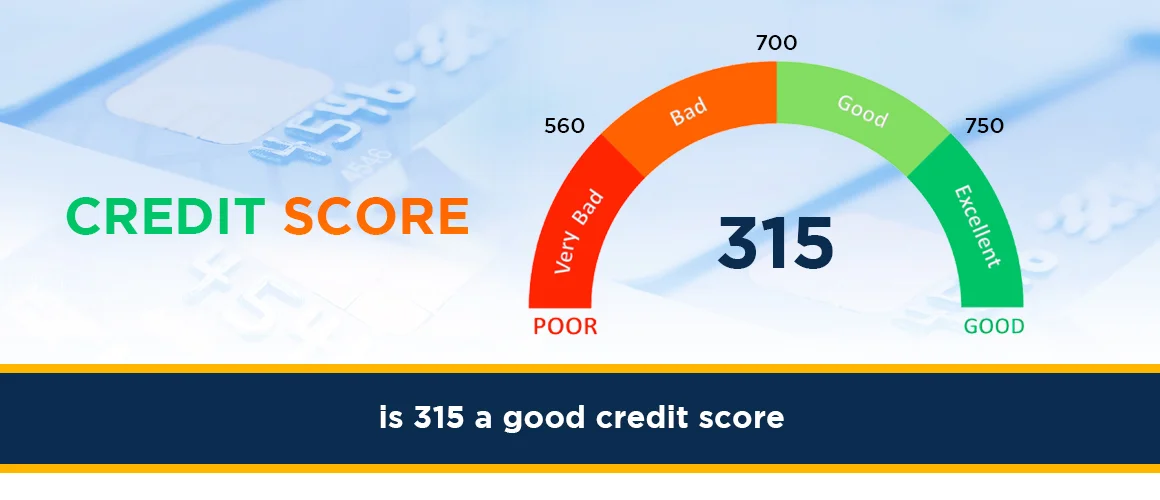
A credit score of 315 is considered very low, significantly impacting your ability to secure loans, rent an apartment, or even get certain jobs. This guide will break down what this score means and provide a clear roadmap for improvement.
Understanding Credit Scores: The Foundation
In the intricate world of personal finance, your credit score stands as a crucial determinant of your financial health and accessibility to credit. It's not just a number; it's a three-digit summary that lenders, landlords, and even potential employers use to gauge your creditworthiness – essentially, how likely you are to repay borrowed money. Understanding the mechanics behind credit scores is paramount, especially when dealing with scores at the lower end of the spectrum, such as 315. This section will lay the groundwork for comprehending what a credit score represents and why it holds such significant weight in your financial life.
What Exactly is a Credit Score?
At its core, a credit score is a statistical representation of your credit risk. It's calculated based on your credit history, which is a record of how you've managed debt over time. This history is compiled by credit bureaus, primarily Experian, Equifax, and TransUnion in the United States. These bureaus collect information from lenders, creditors, and public records to create your credit report. A credit scoring model, most commonly FICO and VantageScore, then analyzes this report to generate your credit score.
Think of your credit score as a financial report card. A higher score indicates a history of responsible borrowing and repayment, making you a less risky prospect for lenders. Conversely, a lower score suggests a history of financial struggles, such as missed payments, high debt levels, or defaults, signaling a higher risk to potential creditors. The most widely used scoring models, FICO and VantageScore, typically range from 300 to 850, with higher scores signifying better creditworthiness.
Understanding Credit Score Ranges
Credit scores are not a simple pass or fail. They exist on a spectrum, and different ranges are associated with varying levels of credit risk and financial opportunities. While the exact cutoffs can vary slightly between scoring models and lenders, the general ranges provide a good understanding of where you stand:
| Score Range | Credit Quality | Likelihood of Approval |
|---|---|---|
| 800-850 | Exceptional | Very High |
| 740-799 | Very Good | High |
| 670-739 | Good | Moderate to High |
| 580-669 | Fair | Limited, often with higher rates |
| 300-579 | Poor | Very Low, difficult to obtain credit |
These ranges are crucial for understanding how lenders perceive your financial behavior. A score within the "Poor" category, which includes 315, signifies significant challenges in accessing traditional credit products. Understanding these ranges is the first step in recognizing the gravity of a low credit score and the necessity for improvement.
Is 315 a Good Credit Score? The Blunt Truth
Let's address the core question directly: Is 315 a good credit score? The unequivocal answer is no. A credit score of 315 falls squarely into the "Poor" category, often considered the lowest possible range. In fact, it's very close to the absolute minimum score of 300 in most major credit scoring models like FICO and VantageScore.
Having a 315 credit score means that your credit history, as interpreted by scoring algorithms, indicates a high level of risk for lenders. This score suggests a pattern of financial behavior that has led to significant negative marks on your credit report. These marks could include multiple late payments, defaults on loans, significant credit card debt that is maxed out, or even bankruptcies.
When lenders see a score of 315, they are likely to assume that you have a high probability of defaulting on any new credit they extend. This perception translates into practical difficulties in almost every aspect of your financial life. The implications are far-reaching, affecting your ability to obtain loans, secure housing, and even your employment prospects.
To put it into perspective, a score of 315 is so low that many lenders will not even consider an application. For those who might, the terms offered will likely be extremely unfavorable, characterized by exorbitant interest rates, substantial fees, and demanding repayment schedules. This scenario often traps individuals in a cycle of debt, making it even harder to climb out.
The goal for anyone with a 315 credit score is not to maintain it but to systematically and diligently work towards improving it. This requires understanding the factors that contribute to such a low score and implementing strategies to rectify them. The journey to a better credit score is achievable, but it demands patience, consistency, and a commitment to responsible financial practices. The following sections will delve deeper into the specific impacts of this score and outline a clear path toward rebuilding your creditworthiness.
The Real-World Impact of a 315 Credit Score
A credit score of 315 is not merely an abstract number; it has tangible and often severe consequences on your daily life and future financial opportunities. The inability to access credit or the prohibitive costs associated with it can create significant hurdles. Let's explore the key areas where a 315 credit score will likely have a profound impact:
Access to Loans and Credit Cards
This is the most immediate and obvious impact. With a 315 credit score, obtaining traditional loans such as personal loans, auto loans, or mortgages becomes exceedingly difficult, if not impossible. Lenders view this score as a red flag, indicating a high risk of default. If, by some chance, you are approved for a loan, expect:
- Extremely High Interest Rates: You will likely be offered the highest possible Annual Percentage Rates (APRs), making borrowing significantly more expensive over time. For example, a $10,000 personal loan at 25% APR (common for very low scores) would cost thousands more in interest than if you had a good credit score.
- Large Down Payments Required: For auto loans or mortgages, lenders will demand substantial down payments to mitigate their risk.
- Strict Loan Terms: Shorter repayment periods and higher monthly payments might be imposed.
- Limited Credit Card Options: Forget about rewards cards or low-interest introductory offers. You might only qualify for secured credit cards or subprime credit cards with very low credit limits and high fees.
Renting an Apartment
Landlords often check credit scores as part of their tenant screening process. A score of 315 is almost guaranteed to result in an application rejection. Landlords want to ensure their tenants can consistently pay rent on time, and a low credit score suggests otherwise. You may face:
- Application Denials: Many landlords have minimum credit score requirements, often in the 600s or higher.
- Requirement for a Co-signer: You might need a trusted individual with good credit to co-sign your lease, making them responsible for rent if you fail to pay.
- Larger Security Deposits: If you are approved, you may be asked for a significantly larger security deposit than usual, sometimes several months' rent.
- Limited Housing Choices: Your options for rental properties will be severely restricted.
Employment Opportunities
Many employers, especially in industries dealing with finances, sensitive information, or security, conduct background checks that include credit reports. While they typically don't see your exact score, they see a summary of your credit history. A low score can raise concerns about:
- Responsibility and Reliability: Employers may infer that poor credit management reflects a lack of responsibility.
- Risk of Theft or Fraud: In certain positions, employers might worry about financial desperation leading to dishonest behavior.
- Job Rejection: For specific roles, a poor credit history can be a disqualifying factor.
Insurance Premiums
In many states, insurance companies (auto and homeowners) use credit-based insurance scores to help determine premiums. A lower score often correlates with higher insurance rates because statistical data suggests that individuals with lower credit scores tend to file more claims. This means you could be paying more for essential insurance coverage.
Utility Services
When setting up utilities like electricity, gas, or even a mobile phone plan, companies may check your credit. A score of 315 could lead to:
- Security Deposits: You might be required to pay a substantial security deposit to activate services, which you would typically get back after a period of on-time payments.
- Prepaid Services: You might be limited to prepaid plans for mobile phones, requiring you to pay upfront for usage.
Overall Financial Stress
The inability to access affordable credit, secure housing, or even manage essential services can lead to significant financial stress and limit your ability to build wealth or achieve financial stability. It can create a cycle where poor credit prevents you from taking steps that would help improve your financial situation.
Recognizing these impacts is the first step towards motivation. The good news is that credit scores are dynamic and can be improved with consistent effort and the right strategies. The following sections will guide you on how to achieve this.
How Credit Scores Are Calculated: The Factors That Matter
Understanding how your credit score is calculated is fundamental to knowing how to improve it. While the exact algorithms used by FICO and VantageScore are proprietary, they rely on several key factors derived from your credit report. Focusing on these elements is the most effective way to raise your score, especially from a low point like 315.
Payment History (Approximately 35% of FICO Score)
This is the most significant factor. It reflects whether you pay your bills on time. Even a single missed payment can have a substantial negative impact, especially if it's recent. A score of 315 strongly suggests a history of late or missed payments.
- On-time payments: Consistently paying your bills by the due date is crucial.
- Late payments: Payments 30, 60, 90 days or more past due will significantly lower your score. The longer the delay, the greater the damage.
- Collections: Accounts sent to collections are severe negative marks.
- Bankruptcies and Foreclosures: These are among the most damaging events and can stay on your report for 7-10 years.
Amounts Owed / credit utilization (Approximately 30% of FICO Score)
This factor looks at how much debt you carry relative to your available credit. It's often referred to as your credit utilization ratio (CUR).
- High Credit Utilization: Maxing out credit cards or carrying balances close to the credit limit significantly hurts your score. A low score like 315 often indicates high utilization on existing accounts.
- Credit Utilization Ratio (CUR): This is calculated by dividing the total balance on your credit cards by your total credit card limits. For example, if you have two cards with a $1,000 limit each ($2,000 total limit) and owe $1,500, your CUR is 75%. Keeping this ratio below 30%, and ideally below 10%, is recommended for a good score.
- Number of Accounts with Balances: Having balances on many accounts can also be a negative signal.
Length of Credit History (Approximately 15% of FICO Score)
This factor considers how long your credit accounts have been open and the average age of your accounts. A longer credit history generally indicates more experience managing credit.
- Average Age of Accounts: Older accounts are generally better than newer ones.
- Age of Oldest Account: The longer your oldest account has been open, the more positive it is.
- Avoid Closing Old Accounts: Closing an old account can reduce your average credit history length.
Credit Mix (Approximately 10% of FICO Score)
This factor examines the variety of credit accounts you have, such as credit cards, installment loans (like mortgages or auto loans), and other types of credit. Having a mix can show you can manage different types of debt responsibly.
- Responsible Management: Successfully managing both revolving credit (credit cards) and installment credit (loans) can be beneficial.
- Not a Major Factor for Low Scores: For someone with a 315 score, this is less critical than payment history and utilization, but it's something to consider as you rebuild.
New Credit (Approximately 10% of FICO Score)
This factor considers how many new credit accounts you've opened recently and how many hard inquiries you have on your credit report. Opening too many new accounts in a short period can signal risk.
- Hard Inquiries: When you apply for credit, lenders perform a "hard inquiry" on your report, which can slightly lower your score. Multiple hard inquiries in a short time can be a red flag.
- Opening New Accounts: Applying for and opening several new credit accounts simultaneously can negatively impact your score.
For a 315 credit score, the most impactful areas to focus on are undoubtedly Payment History and Amounts Owed. Addressing these two factors will yield the most significant improvements over time. The subsequent sections will provide actionable steps to tackle these issues.
Building Credit from Scratch or Rebuilding a Damaged Score
Whether you have a limited credit history or a severely damaged one, the principles for building or rebuilding credit are similar. The key is to demonstrate responsible financial behavior consistently over time. For someone starting with a 315 credit score, the focus will be heavily on rebuilding and establishing a positive track record.
1. Obtain a Copy of Your Credit Reports
Before you can fix your credit, you need to know what's on it. You are entitled to a free credit report from each of the three major credit bureaus (Equifax, Experian, and TransUnion) every 12 months at AnnualCreditReport.com. It's crucial to review these reports carefully for any errors or inaccuracies that might be dragging down your score.
- Check for Errors: Look for accounts you don't recognize, incorrect payment statuses, or incorrect personal information.
- Dispute Inaccuracies: If you find errors, dispute them with the credit bureau and the creditor. This process can take time but can significantly help if errors are present.
2. Address Existing Negative Marks
A 315 score indicates significant negative information. You need to address these:
- Outstanding Debts: Prioritize paying off any past-due accounts or accounts in collections. Contact the collection agencies to negotiate a payment plan or a settlement. While settling for less than the full amount might appear attractive, it can still have a negative mark on your report, but it stops further collection efforts.
- Late Payments: You can't erase past late payments, but you can prevent new ones.
3. Start with Secured Credit Cards
Secured credit cards are designed for individuals with poor or no credit. They require a cash deposit that usually equals your credit limit. This deposit reduces the lender's risk.
- How They Work: You deposit money (e.g., $200-$500), and you get a credit card with that limit.
- Report to Bureaus: Reputable secured cards report your payment activity to all three credit bureaus.
- Usage Strategy: Use the card for small, everyday purchases (like gas or groceries) and pay the balance in full and on time every month. This builds a positive payment history and keeps your credit utilization low.
4. Consider a Credit-Builder Loan
A credit-builder loan is a small loan where the borrowed amount is held in a savings account by the lender until you pay off the loan. Once paid, you receive the money. The lender reports your on-time payments to the credit bureaus.
- How They Work: You make regular payments on the loan, which is reported to the credit bureaus.
- Builds Payment History: This is another effective way to establish a positive payment history.
5. Become an Authorized User (Use with Caution)
If you have a trusted friend or family member with excellent credit, they might add you as an authorized user on their credit card. Their positive payment history on that account can then appear on your credit report, potentially boosting your score.
- Risks: Ensure the primary cardholder is responsible. If they miss payments or max out the card, it can negatively impact your credit too.
- Not a Guarantee: Some scoring models weigh authorized user accounts less heavily than your own primary accounts.
6. Pay All Bills On Time, Every Time
This cannot be stressed enough. For a 315 score, establishing a perfect payment history moving forward is paramount. Set up automatic payments or reminders to ensure you never miss a due date for any bill – credit cards, loans, utilities, rent, etc.
7. Keep Credit Utilization Low
Once you have credit cards, even secured ones, manage your balances diligently. Aim to keep your credit utilization ratio below 30%, and ideally below 10%. This means if your secured card has a $300 limit, try to keep the balance below $90, or even better, below $30.
8. Be Patient and Consistent
Rebuilding credit takes time. A 315 score didn't happen overnight, and it won't disappear overnight. Consistent, responsible financial behavior over months and years is what will gradually improve your score. Expect to see slow but steady progress.
The journey from a 315 credit score requires a strategic approach. By focusing on obtaining and responsibly managing new credit, consistently paying bills on time, and diligently monitoring your credit reports, you can begin the process of rebuilding your financial foundation.
Actionable Strategies for Improving a 315 Credit Score
Transforming a 315 credit score into a more respectable number requires a focused, multi-pronged approach. It's not just about avoiding mistakes; it's about actively implementing positive financial habits that demonstrate reliability and responsibility to credit bureaus and lenders. Here are actionable strategies tailored for individuals looking to climb out of the "poor" credit range:
1. Prioritize Paying Down High Credit Card Balances
If you have any credit cards, even secured ones, with balances, aggressively paying them down is a top priority. High credit utilization is a major drag on your score. Aim to get your utilization ratio below 30% for each card and overall. For example, if you have a $500 limit and owe $400, that's 80% utilization. Paying it down to $150 or less (below 30%) will have a positive impact.
- Balance Transfer (with caution): While often not an option with a 315 score, if you can qualify for a balance transfer card with a 0% introductory APR, it could help you pay down debt faster without accruing more interest. However, approval is unlikely with such a low score.
- Snowball or Avalanche Method: Use these debt repayment strategies to systematically tackle your balances. The snowball method focuses on paying off the smallest debts first for psychological wins, while the avalanche method prioritizes debts with the highest interest rates to save money long-term.
2. Negotiate with Creditors for Past-Due Accounts
If you have accounts that are severely delinquent or in collections, contact the creditors or collection agencies. Explain your situation and try to negotiate a payment plan or a settlement. While settling for less than the full amount may still appear on your report as "settled for less than full amount," it can stop further collection actions and potentially allow you to move forward. Document all agreements in writing.
- Be Honest and Polite: Approach the negotiation with a willingness to resolve the debt.
- Get Agreements in Writing: Never agree to a payment plan or settlement without a written confirmation.
3. Set Up Payment Reminders and Automatic Payments
To ensure you never miss another payment, which is critical for improving your score, implement robust reminder systems. Set calendar alerts a few days before the due date for all your bills. Even better, set up automatic minimum payments from your bank account for all credit accounts. While you should always aim to pay more than the minimum, the automatic payment ensures you avoid late fees and negative reporting.
- Bank Account Buffer: Ensure you always have sufficient funds in your bank account to cover automatic payments to avoid overdraft fees.
- Manual Top-Up: Review your credit card statements regularly and manually pay down any remaining balance before the statement closing date to keep utilization low.
4. Monitor Your Credit Reports Regularly
Beyond the annual free reports, consider using free credit monitoring services offered by many credit card companies or financial institutions. These services can alert you to significant changes on your credit report, including new accounts, hard inquiries, or changes in your score. Early detection of issues or positive changes can help you stay on track.
- Identify Trends: Monitoring allows you to see the impact of your actions on your score over time.
- Catch Fraudulent Activity: Quick alerts can help you identify and address any fraudulent accounts opened in your name.
5. Avoid Applying for New Credit Unnecessarily
While you need to obtain new credit (like secured cards) to build a positive history, avoid applying for multiple types of credit in a short period. Each application typically results in a hard inquiry, which can slightly lower your score. Focus on managing the credit you obtain responsibly before seeking more.
- Strategic Applications: Only apply for credit when you have a clear need and have researched options that you are likely to be approved for.
- Wait Between Applications: Give your score some time to recover after an inquiry before applying for new credit.
6. Dispute Any Erroneous Information Promptly
If you discover any errors on your credit report after obtaining your free reports, dispute them immediately. This includes incorrect late payment notations, accounts that don't belong to you, or incorrect balances. The dispute process can be initiated online with each credit bureau.
- Gather Evidence: Provide any supporting documentation you have for your dispute.
- Follow Up: Keep track of your dispute status and follow up if necessary.
7. Consider a Secured Loan or Co-signer (if applicable and with extreme caution)
For larger financial needs like a car, you might explore options like a secured auto loan where the vehicle serves as collateral. If you have a trusted individual with excellent credit, they might be willing to co-sign a loan for you. However, this puts them at significant risk, so ensure you can meet all obligations.
- Co-signer Responsibility: Understand that a co-signer is fully responsible for the debt if you default.
- Secured Loans: These are often easier to obtain with low credit, but the lender can repossess the collateral if you fail to pay.
Improving a 315 credit score is a marathon, not a sprint. It requires discipline, patience, and a commitment to changing financial habits. By consistently applying these strategies, you will gradually build a positive credit history that will reflect in your score, opening up more financial opportunities.
Alternatives When Your Credit Score is Low
When your credit score is as low as 315, traditional financial products are often out of reach. However, this doesn't mean you have no options. There are alternative solutions and strategies that can help you meet your financial needs while you work on rebuilding your credit. Understanding these alternatives can prevent you from falling into predatory lending traps or giving up on your financial goals.
1. Secured Credit Cards
As mentioned earlier, secured credit cards are a cornerstone for rebuilding credit. They require a refundable cash deposit, which serves as collateral. This makes them accessible to individuals with poor credit. Responsible use (making on-time payments and keeping balances low) is key to graduating to an unsecured card and improving your score.
- Example: A $300 deposit might get you a card with a $300 limit. Using it for small purchases and paying it off monthly builds positive history.
2. Credit-Builder Loans
These loans are specifically designed to help individuals establish or rebuild credit. The borrowed money is typically held in an account by the lender and released to you after you've paid off the loan. Your payment history is reported to the credit bureaus.
- Purpose: Primarily for building credit history, not for immediate cash needs.
- Availability: Often offered by credit unions and community banks.
3. Secured Loans (Using Collateral)
If you need a larger loan, such as for a car, and have an asset you can use as collateral (like an existing car or savings), a secured loan might be an option. The collateral reduces the lender's risk, making approval more likely even with a low credit score.
- Risk: Failure to repay means the lender can seize your collateral.
- Interest Rates: While potentially lower than unsecured loans for bad credit, they can still be higher than for borrowers with good credit.
4. Co-signer or Guarantor
For significant loans like mortgages or auto loans, a co-signer with good credit can significantly increase your chances of approval. The co-signer agrees to be legally responsible for the debt if you fail to pay. This is a big responsibility for the co-signer, so ensure you can manage the payments.
- Impact on Co-signer: The loan will appear on their credit report and affect their credit utilization and payment history.
- Trust is Key: Only consider this if you have a very strong and trusting relationship.
5. Rent-to-Own Programs
For housing, rent-to-own agreements can be an alternative to traditional renting or buying. You pay a higher rent for a period, with a portion of each payment going towards a down payment on the property. At the end of the term, you have the option to buy the home.
- Pros: Allows you to secure housing and build equity without an immediate need for a high credit score.
- Cons: Can be more expensive than traditional renting, and if you don't exercise the option to buy, you lose the portion of payments that went towards the down payment.
6. Predatory Lending Alternatives (Avoid if Possible)
While options like payday loans, title loans, and rent-a-center-style financing exist, they often come with exorbitant interest rates and fees that can trap borrowers in a cycle of debt. These should be considered a last resort and avoided if at all possible. If you must use them, understand the full cost and have a clear plan to repay quickly.
- High APRs: Payday loans can have APRs exceeding 400%.
- Cycle of Debt: It's easy to get stuck repaying one loan with another.
7. Build Relationships with Local Credit Unions
Credit unions are member-owned non-profit organizations. They are often more flexible and willing to work with members who have lower credit scores, especially if you have a history of responsible financial behavior with them (like direct deposit or savings). They may offer small "share secured" loans or credit cards that are easier to qualify for.
- Membership Required: You typically need to meet certain eligibility criteria to join.
- Personalized Service: They often provide more personalized service than large banks.
Exploring these alternatives can provide necessary financial services while you actively work on improving your credit score. The ultimate goal is to transition from these alternatives to traditional financial products as your creditworthiness improves.
Preventing Future Credit Damage
Once you've begun the journey to improve your 315 credit score, preventing future damage is just as critical as the rebuilding process itself. Consistent, responsible financial behavior is the key to maintaining and further improving your creditworthiness. Here are essential strategies to safeguard your credit score moving forward:
1. Maintain a Perfect Payment Record
This is the single most important factor. Always pay your bills on time, every time. Even one late payment can significantly set back your progress. Set up automatic payments for at least the minimum amount due on all your credit accounts. Ensure you have sufficient funds in your bank account to cover these payments.
- Use Calendar Reminders: Supplement automatic payments with calendar alerts a few days before the due date.
- Pay More Than the Minimum: Whenever possible, pay more than the minimum to reduce your balance faster and save on interest.
2. Keep Credit Utilization Low
High credit utilization is a major score killer. Aim to keep your credit utilization ratio below 30% on each card and overall. Ideally, aim for below 10% for the best scores. If you have a $1,000 credit limit, try to keep your balance below $100.
- Pay Before Statement Closing: Make a payment before your statement closing date to ensure a lower balance is reported to the credit bureaus.
- Request Credit Limit Increases (Strategically): Once you've established a positive payment history, you can request a credit limit increase on your existing cards. This can lower your utilization ratio if your spending remains the same.
3. Avoid Opening Too Many New Accounts Too Quickly
While opening new credit accounts (like secured cards) is necessary for rebuilding, avoid applying for multiple credit cards or loans in a short period. Each application generates a hard inquiry, which can temporarily lower your score. Space out applications and only apply when you truly need new credit.
- Research First: Before applying, research which cards or loans you are most likely to be approved for to minimize unnecessary inquiries.
- Focus on Existing Accounts: Prioritize building a strong history with the accounts you already have.
4. Monitor Your Credit Reports Regularly
Continue to monitor your credit reports for accuracy and to track your progress. Use free credit monitoring services to get alerts about significant changes. This helps you catch any potential errors or fraudulent activity quickly.
- Annual Credit Reports: Obtain your free reports from AnnualCreditReport.com at least once a year.
- Credit Monitoring Services: Utilize services from your bank, credit card issuer, or third-party providers.
5. Build a Diverse Credit Mix (Over Time)
As your credit improves, having a mix of credit types (like credit cards and installment loans) can be beneficial. However, don't open new accounts solely for the sake of credit mix. Focus on managing your existing accounts responsibly first.
- Don't Take on Unnecessary Debt: Only take out loans or credit cards you genuinely need and can afford to repay.
6. Understand the Impact of Closing Old Accounts
While it might seem like a good idea to close old, unused credit cards, doing so can negatively impact your credit score. It reduces your average age of credit history and can increase your overall credit utilization ratio if you have balances on other cards. Unless there's a compelling reason (like high annual fees or poor customer service), consider keeping old, well-managed accounts open.
- Small Purchases: If you keep an old card open, make a small purchase on it occasionally and pay it off immediately to keep it active.
7. Be Wary of Credit Repair Scams
Beware of companies that promise to instantly remove negative information from your credit report or guarantee a specific score increase. Legitimate credit repair takes time and consistent effort. If it sounds too good to be true, it probably is. Never pay upfront fees for credit repair services.
- Legitimate Help: Non-profit credit counseling agencies can offer valuable advice and assistance.
By adhering to these preventative measures, you can build a strong and stable credit history, ensuring that your financial future is not hampered by past mistakes. The goal is to cultivate habits that lead to long-term financial health and stability.
Conclusion
A credit score of 315 is undeniably low and presents significant challenges in accessing credit and financial services. It signals a history of financial struggles that lenders perceive as high risk. However, this score is not a permanent sentence. By understanding the factors that influence credit scores – particularly payment history and credit utilization – and implementing consistent, responsible financial practices, you can embark on a journey to rebuild your creditworthiness.
Focus on obtaining secured credit cards or credit-builder loans, paying all bills on time without fail, and diligently keeping credit utilization low. Be patient, as credit repair takes time and consistent effort. Explore alternative financial solutions when necessary, but always prioritize avoiding predatory lenders. By preventing future credit damage through disciplined financial habits, you can steadily transform your financial standing.
The path from a 315 credit score requires dedication, but the rewards – greater financial freedom, better loan terms, and increased opportunities – are well worth the effort. Start today by taking concrete steps towards a healthier credit future.
