Is 530 a Good Credit Score? A Comprehensive Guide
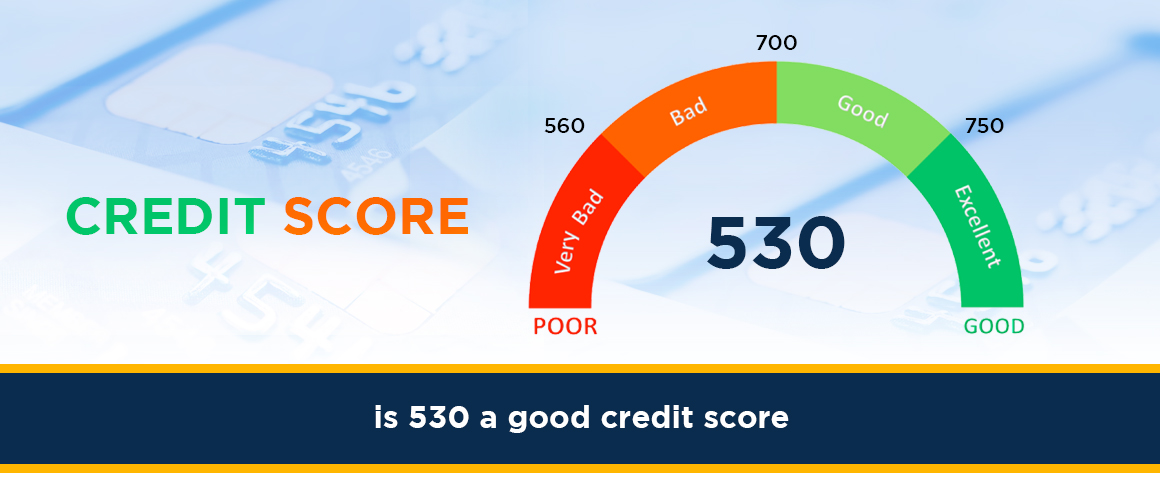
A credit score of 530 is generally considered poor, often falling into the "subprime" category. This guide will delve into what this score means, its implications for borrowing, and actionable strategies to improve it for better financial opportunities in 2025.
Understanding Credit Scores: The Basics
Before we can definitively answer whether a 530 credit score is good, it's crucial to understand what a credit score is and why it matters. In essence, a credit score is a three-digit number that lenders use to assess your creditworthiness. It's a snapshot of your financial behavior, reflecting how likely you are to repay borrowed money. This score is calculated by credit bureaus, primarily Equifax, Experian, and TransUnion, using information from your credit reports.
Your credit report is a detailed history of your borrowing and repayment activities. It includes information such as:
- Payment history (whether you pay bills on time)
- Amounts owed (how much debt you have)
- Length of credit history (how long you've had credit accounts)
- Credit mix (the types of credit you use, like credit cards and loans)
- New credit (how many new accounts you've opened recently)
These factors are then fed into a scoring model, most commonly the FICO score or the VantageScore, to generate your credit score. While the exact algorithms are proprietary, the general principles remain consistent. Lenders use these scores to decide whether to approve you for loans, credit cards, mortgages, and even rental applications or insurance policies. A higher score generally signals lower risk to lenders, leading to better interest rates and more favorable terms.
Is 530 a Good Credit Score? The Verdict
Let's get straight to the point: a credit score of 530 is not considered good. In fact, it's typically categorized as a "poor" credit score. This score falls well below the average credit score in the United States, which hovers in the mid-700s. For context, most lenders consider a score of 670 or higher to be "good" or "fair," and scores above 740 are generally viewed as "very good" to "excellent."
A score of 530 indicates to lenders that you represent a higher risk of defaulting on payments. This doesn't mean you're a bad person or that you can never access credit again, but it does mean that obtaining new credit will be significantly more challenging, and if approved, the terms will likely be less favorable. You might face higher interest rates, larger down payments, or be required to provide collateral or a co-signer.
The primary reason a 530 score is problematic is its placement within the credit score spectrum. It signifies that negative factors have had a substantial impact on your credit history. These negative factors could include late payments, defaults, collections, or a high credit utilization ratio. Understanding these underlying issues is the first step toward improvement.
Credit Score Ranges in 2025: What They Mean
Credit scoring models can vary slightly, but generally, FICO and VantageScore categorize credit scores into distinct ranges. For 2025, these ranges provide a clear picture of where a 530 score stands:
| Credit Score Range | Category | Implications |
|---|---|---|
| 800-850 | Exceptional | Best interest rates, easiest loan approvals, premium rewards. |
| 740-799 | Very Good | Excellent loan terms, good credit card offers, minimal restrictions. |
| 670-739 | Good / Fair | Access to most standard loans and credit cards, moderate interest rates. |
| 580-669 | Poor / Subprime | Difficulty getting approved, higher interest rates, limited credit options, may require down payments or co-signers. |
| 300-579 | Very Poor / Deep Subprime | Very difficult to get approved, extremely high interest rates, significant restrictions, may require secured credit or specialized programs. |
As you can see from the table, a score of 530 falls squarely within the "Poor / Subprime" category, bordering on "Very Poor / Deep Subprime." This means that while it's not the absolute lowest possible score, it's still a significant barrier to favorable financial products. Lenders are wary of extending credit to individuals with scores in this range because historical data suggests a higher probability of repayment issues.
It's important to note that these ranges are general guidelines. Specific lenders may have their own internal thresholds for approval and pricing. However, a 530 score will likely put you outside the preferred customer tier for most mainstream financial institutions. For example, when applying for a mortgage, a score of 530 would almost certainly disqualify you from conventional loans and might only qualify you for FHA loans with substantial down payments and higher mortgage insurance premiums.
The Real-World Impact of a 530 Credit Score
Having a 530 credit score can significantly impact various aspects of your financial life. It's not just about loans; your credit score can influence your daily living and future opportunities. Here's a breakdown of the common consequences:
Loan and Credit Card Applications
This is the most direct impact. Applying for a new credit card or a personal loan with a 530 score is likely to result in rejection from most major banks and credit unions. If you are approved, expect:
- Higher Interest Rates: This is the most common consequence. Lenders compensate for the increased risk by charging significantly higher Annual Percentage Rates (APRs). This means you'll pay much more in interest over the life of any loan or credit card balance.
- Lower Credit Limits: If you do get approved for a credit card, the credit limit will likely be very low, perhaps only a few hundred dollars.
- Required Down Payments: For larger purchases like a car, you may be required to make a substantial down payment to reduce the lender's risk.
- Co-signer Needed: Many lenders will require a co-signer with good credit to approve your application. This means the co-signer is legally responsible for the debt if you fail to pay.
- Secured Loans/Cards: You might be limited to secured credit cards or loans, which require you to put down a cash deposit as collateral.
Renting an Apartment
Landlords often check credit scores as part of their tenant screening process. A 530 score can make it difficult to secure a rental property. Landlords view a low score as an indicator that you might struggle to pay rent consistently. You might be asked for a larger security deposit, a higher rent amount, or a co-signer for the lease.
Utility Services
Many utility companies (electricity, gas, water, internet, cable) also perform credit checks. With a 530 score, you may be required to pay a security deposit to activate services, which can range from $50 to several hundred dollars. This deposit is refunded after a period of consistent, on-time payments.
Insurance Premiums
In many states, insurance companies (auto, home, renters) use credit-based insurance scores to help determine premiums. A lower credit score can lead to higher insurance rates because statistically, individuals with lower scores are seen as more likely to file claims. This can add hundreds of dollars to your annual insurance costs.
Employment Opportunities
While not as common, some employers, particularly those in financial industries or positions involving handling money or sensitive information, may check credit reports as part of their background checks. A very low score could potentially impact your job prospects in these specific roles.
Overall Financial Freedom
Ultimately, a 530 credit score limits your financial flexibility. It makes it harder to achieve major life goals like buying a home, purchasing a reliable car, or even consolidating debt to save money. The higher costs associated with credit and services due to a low score can also strain your budget, making it harder to save and build wealth.
Key Factors That Influence Your Credit Score
Understanding what drives your credit score is crucial for developing an effective improvement plan. The three major credit bureaus (Equifax, Experian, TransUnion) and scoring models like FICO and VantageScore generally weigh the following factors:
1. Payment History (Most Important - Approximately 35% of FICO Score)
This is the single most significant factor. It reflects whether you pay your bills on time. Late payments, even by a few days, can negatively impact your score. More severe delinquencies like 30, 60, or 90+ days late, defaults, bankruptcies, and foreclosures have a substantial and lasting negative effect.
Example: If your credit report shows multiple 30-day late payments on credit cards and a recent 60-day late payment on an auto loan, this is a primary reason your score is likely around 530.
2. Amounts Owed / Credit Utilization (Approximately 30% of FICO Score)
This refers to the amount of credit you are using compared to your total available credit. It's often expressed as a credit utilization ratio (CUR). A high CUR indicates you're relying heavily on credit, which lenders see as a risk. Experts recommend keeping your CUR below 30%, and ideally below 10%, for each card and overall.
Example: You have a credit card with a $1,000 limit and a balance of $800. Your CUR for that card is 80%. If this is the case for multiple cards, it significantly drags down your score.
3. Length of Credit History (Approximately 15% of FICO Score)
This factor considers how long your credit accounts have been open and how long you've been using credit. A longer credit history generally indicates more experience managing credit, which is viewed favorably. The average age of your accounts and the age of your oldest account are both considered.
Example: If you only opened your first credit card last year, your credit history is short, which can limit your score, especially if other factors are also weak.
4. Credit Mix (Approximately 10% of FICO Score)
This refers to the variety of credit types you have, such as revolving credit (credit cards) and installment loans (mortgages, auto loans, student loans). Having a mix of credit types can be beneficial, showing you can manage different kinds of debt responsibly. However, this factor is less critical than payment history or credit utilization.
Example: Having both a credit card and an auto loan demonstrates a mix, which is generally better than having only one type of credit.
5. New Credit (Approximately 10% of FICO Score)
This factor considers how many new credit accounts you've opened recently and how many hard inquiries you have on your credit report. Opening too many new accounts in a short period can signal financial distress or increased risk to lenders. Each time you apply for credit, a lender may perform a "hard pull" on your credit report, which can slightly lower your score temporarily.
Example: Applying for three new credit cards within a month will have a more negative impact than applying for one card every few years.
For a 530 credit score, it's highly probable that negative marks in Payment History and high Amounts Owed are the primary culprits. Addressing these two areas will yield the most significant improvements.
Strategies to Improve a 530 Credit Score
Improving a 530 credit score requires a strategic and consistent approach. It's a marathon, not a sprint, but the rewards of a higher score are substantial. Here are actionable steps you can take:
1. Get Your Credit Reports and Review Them
The first step is to understand exactly what's on your credit reports. You are entitled to a free credit report from each of the three major bureaus (Equifax, Experian, TransUnion) annually via AnnualCreditReport.com. Review them carefully for any errors, such as incorrect personal information, accounts you don't recognize, or inaccurate late payment notations.
Action: Dispute any inaccuracies with the credit bureau immediately. Errors can significantly lower your score, and correcting them can provide a quick boost.
2. Pay All Bills On Time, Every Time
As payment history is the most critical factor, making on-time payments is paramount. For any existing accounts, ensure you pay at least the minimum amount due by the due date. For future bills, consider setting up automatic payments or calendar reminders to avoid missing deadlines.
Action: Prioritize paying your credit card bills and loan installments first. If you're struggling to make full payments, at least pay the minimum to avoid delinquency.
3. Reduce Your Credit Utilization Ratio (CUR)
This is another high-impact area. Focus on paying down the balances on your credit cards. Aim to get your CUR below 30% for each card and overall. If you have multiple cards maxed out, focus on paying down the card with the highest interest rate first (debt avalanche method) or the card with the smallest balance first (debt snowball method) for psychological wins.
Action: If possible, make more than the minimum payment on your credit cards. Even an extra $25-$50 can make a difference in reducing your balance and improving your CUR faster.
4. Avoid Opening New Credit Accounts Unnecessarily
While new credit is a factor, opening too many accounts at once can hurt your score. Focus on managing your existing credit responsibly before seeking new credit. If you need to build credit, do so strategically with a secured card or credit-builder loan.
Action: Resist the temptation to apply for multiple store credit cards or "buy now, pay later" services without a clear plan and need.
5. Keep Old, Unused Accounts Open (If No Annual Fee)
Closing old credit accounts can shorten your average credit history length and reduce your total available credit, potentially increasing your CUR. If an old card has no annual fee and you don't use it, keeping it open can be beneficial for your score.
Action: Make a small purchase on an old card every few months and pay it off immediately to keep it active and avoid closure by the issuer.
6. Consider a Debt Management Plan (DMP)
If you're overwhelmed by debt, a Debt Management Plan through a reputable non-profit credit counseling agency can help. They can negotiate with your creditors for lower interest rates and a consolidated monthly payment. While enrolling in a DMP may temporarily impact your score, it can be a structured way to get out of debt and improve your credit long-term.
Action: Research and choose a reputable credit counseling agency accredited by the National Foundation for Credit Counseling (NFCC) or the Financial Counseling Association of America (FCAA).
Building Credit Responsibly with a Low Score
For individuals with a 530 credit score, the immediate challenge is accessing credit to begin building a positive history. Fortunately, there are several avenues specifically designed for this situation:
Secured Credit Cards
These cards require a cash deposit that typically equals your credit limit. For example, a $300 deposit might give you a $300 credit limit. You use the card like a regular credit card, and your payment activity is reported to the credit bureaus. If you make all payments on time, you can build positive credit history. After a period of responsible use (usually 6-12 months), many issuers will review your account and may refund your deposit, potentially converting the card to an unsecured one.
Example: Applying for a secured card from Capital One, Discover, or local credit unions. Be sure to choose one that reports to all three major credit bureaus.
Credit-Builder Loans
These are small loans offered by some banks and credit unions specifically for building credit. The loan amount is held in a savings account by the lender, and you make payments on it over a set period. Once you've paid off the loan, the funds are released to you. Your payment history on the loan is reported to the credit bureaus.
Example: A credit union might offer a $500 credit-builder loan. You pay $45 per month for 12 months, and after the 12th payment, you receive the $500 plus any accrued interest.
Secured Loans (e.g., Auto Loan)
If you need a car and have a 530 score, you might qualify for a secured auto loan. The car itself serves as collateral. While the interest rates will be high, making consistent on-time payments on this loan can significantly improve your credit score over time.
Example: A subprime auto lender might approve you for a car loan, but with a high APR and a requirement for a substantial down payment.
Become an Authorized User
If you have a trusted friend or family member with excellent credit, they could add you as an authorized user to one of their credit cards. Their positive payment history on that account can then appear on your credit report, potentially boosting your score. However, their negative activity on that card could also hurt you, and some newer scoring models de-emphasize this strategy.
Important Note: Ensure the primary cardholder understands the responsibility and uses the card responsibly. You don't necessarily need to use the card yourself to benefit from their positive history, but the primary user's behavior is key.
Alternative Credit Building Methods
Beyond traditional credit products, several newer methods are emerging to help individuals build credit, particularly those with thin or damaged credit files. These can be valuable supplements or alternatives, especially in 2025.
Rent Reporting Services
Services like RentReporters, LevelCredit, and Experian Boost allow you to report your on-time rent payments to the credit bureaus. Since rent is often one of the largest monthly expenses for many, this can be a powerful way to demonstrate consistent financial responsibility. Note that some services may charge a fee, and not all landlords report rent payments directly.
Action: Research these services to see which ones partner with your preferred credit bureau and understand their reporting policies and costs.
Utility and Phone Bill Reporting
Similar to rent reporting, some services allow you to report your on-time utility (electricity, gas, water) and mobile phone payments. Experian Boost is a prominent example that allows you to connect your bank account to report these payments. Again, check the terms and conditions, as these services may have associated fees or limitations.
Action: If you consistently pay these bills on time, explore options like Experian Boost to leverage this positive behavior for your credit score.
Buy Now, Pay Later (BNPL) Services (Use with Caution)
Services like Klarna, Afterpay, and Affirm are becoming increasingly popular. Some BNPL providers are beginning to report payment history to credit bureaus. While this can offer a way to build credit, it's crucial to use them responsibly. Overusing BNPL services can lead to debt accumulation and may negatively impact your credit if payments are missed. Always check if the specific BNPL provider reports to the credit bureaus and understand their reporting practices.
Example: Using Affirm for a furniture purchase and ensuring all installment payments are made on time. This positive activity could be reported, helping your score.
Alternative Data Scoring Models
Some lenders are starting to use alternative data beyond traditional credit reports to assess creditworthiness. This can include things like bank account history, cash flow, and even educational background. While this doesn't directly change your FICO or VantageScore, it can open doors to lenders who consider these broader data points, potentially helping you secure credit even with a 530 score.
Action: Research lenders who specialize in alternative lending or those who explicitly state they consider alternative data in their underwriting process.
Common Pitfalls to Avoid When Improving Credit
The journey to improving a 530 credit score can be fraught with potential missteps. Being aware of these common pitfalls can help you stay on track and avoid setbacks:
1. Applying for Too Much Credit at Once
As mentioned, each application for credit typically results in a hard inquiry on your credit report, which can slightly lower your score. Applying for multiple cards or loans in a short period signals to lenders that you might be desperate for credit, increasing their perceived risk. This is a common mistake for those eager to build credit quickly.
Solution: Be strategic. Only apply for credit when you genuinely need it and have a good chance of approval. Focus on one or two credit-building tools at a time.
2. Missing Payments (Even by a Day)
Payment history is king. A single late payment can significantly damage your score, especially with a score as low as 530. Even a few days late can be reported to the credit bureaus and have a lasting negative impact.
Solution: Set up automatic payments for at least the minimum amount due on all your credit accounts. Use calendar reminders and alerts to ensure you never miss a due date.
3. Maxing Out Credit Cards
High credit utilization ratios are a major score killer. Carrying balances close to your credit limits signals financial strain and increases your perceived risk. This is particularly damaging when your score is already low.
Solution: Actively work to pay down balances. Aim to keep your utilization below 30%, and ideally below 10%. If you have a card with a high balance, focus extra payments there.
4. Closing Old Credit Accounts
While it might seem counterintuitive, closing old credit accounts can harm your score. It reduces your average age of credit history and decreases your total available credit, which can increase your utilization ratio. If an account has no annual fee, it's often better to keep it open and use it sparingly.
Solution: Resist the urge to close old accounts. If you don't use them, make a small purchase occasionally and pay it off immediately to keep them active.
5. Falling for Credit Repair Scams
Be wary of companies that promise to "fix" your credit score overnight or remove legitimate negative information from your report. Legitimate credit improvement takes time and consistent effort. These scams often charge high fees for services you can do yourself for free or at a much lower cost.
Solution: Stick to reputable credit counseling agencies and focus on the fundamental steps of responsible credit management. Never pay for credit repair services upfront.
6. Not Monitoring Your Credit Reports Regularly
Errors on your credit report can negatively impact your score. If you don't check your reports, you might miss these errors or fraudulent activity. This is especially true if you have a low score, as you may be more vulnerable to identity theft.
Solution: Obtain your free credit reports annually from AnnualCreditReport.com and review them carefully. Consider using free credit monitoring services offered by many banks and credit card companies.
When to Seek Professional Help
While you can make significant progress on your own, there are situations where seeking professional guidance is highly recommended, especially when dealing with a 530 credit score and the complexities of debt management.
Overwhelmed by Debt
If you have multiple high-interest debts, are struggling to make minimum payments, or are facing collections, a non-profit credit counseling agency can be invaluable. They can help you create a realistic budget, negotiate with creditors, and potentially set up a Debt Management Plan (DMP).
Look for: Agencies accredited by the NFCC or FCAA. They offer confidential, personalized advice and can guide you through options like DMPs, which often involve reduced interest rates and a single monthly payment.
Unsure Where to Start
The world of credit can be confusing. If you're unsure about the best strategies for your specific situation, how to dispute errors, or which credit-building tools are most suitable, a credit counselor can provide clarity and a personalized roadmap.
Benefit: Counselors can explain complex credit concepts in simple terms and help you prioritize actions that will have the biggest positive impact on your score.
Dealing with Identity Theft or Fraud
If you suspect your identity has been stolen or fraudulent accounts have been opened in your name, it's crucial to act quickly. Professional credit counselors or agencies specializing in identity theft resolution can guide you through the process of reporting the fraud, disputing unauthorized accounts, and mitigating damage to your credit.
Action: Contact the Federal Trade Commission (FTC) at IdentityTheft.gov and consider consulting with a credit professional.
Preparing for Major Financial Goals
If you have a specific goal, such as buying a home or a car, within the next 1-3 years, a credit professional can help you develop a targeted plan to improve your score sufficiently to qualify for favorable terms. They can identify specific areas to focus on and set realistic timelines.
Example: A counselor might advise you to focus on paying down credit card balances and securing a secured credit card for six months before applying for a mortgage pre-approval.
Remember, professional help should be from reputable, non-profit organizations or licensed professionals. Avoid companies that make unrealistic promises or charge exorbitant upfront fees. The goal is to empower you with knowledge and tools for long-term financial health.
Conclusion: Your Path to a Better Credit Score
A credit score of 530 is undeniably a challenging position, but it is far from a permanent one. This comprehensive guide has illuminated that a 530 score falls into the "poor" category, signaling to lenders a higher risk. This can manifest in difficulties obtaining loans, higher interest rates, and increased costs for essential services like insurance and utilities. However, understanding the factors that contribute to this score—primarily payment history and credit utilization—is the first step toward a positive transformation.
By diligently implementing strategies such as consistently paying all bills on time, significantly reducing credit card balances to lower your utilization ratio, and carefully reviewing your credit reports for errors, you can begin to rebuild your creditworthiness. Furthermore, leveraging tools like secured credit cards, credit-builder loans, and rent reporting services can provide crucial opportunities to establish a positive credit history, even with a low starting score. Always be vigilant about common pitfalls like excessive credit applications and falling for scams. For those feeling overwhelmed, seeking guidance from reputable non-profit credit counseling agencies can offer invaluable support and a structured path forward.
Improving your credit score from 530 is a journey that requires patience, discipline, and a strategic approach. While it won't happen overnight, the rewards of a higher score—access to better financial products, lower costs, and greater financial freedom—are well worth the effort. Start today by taking one actionable step, and build momentum towards a brighter financial future.
