Is 592 a Good Credit Score? Exploring the Importance of Credit Health
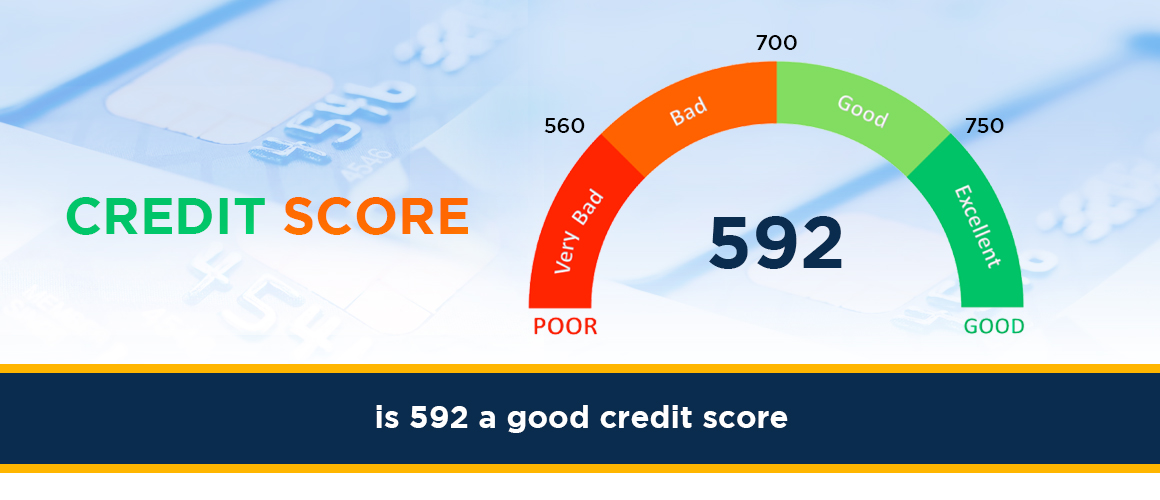
Understanding your credit score is paramount for financial well-being. A score of 592 falls into a specific credit range, and this post will explore what that means, why it matters, and how to improve it for better financial opportunities in 2025.
Understanding Credit Scores: The Foundation of Your Financial Reputation
In the intricate world of personal finance, a credit score acts as a numerical representation of your creditworthiness. It's a three-digit number that lenders, landlords, and even potential employers use to assess the risk associated with extending credit or services to you. This score is not arbitrary; it's meticulously calculated based on your past borrowing and repayment behavior, providing a snapshot of your financial reliability. In essence, your credit score is a crucial component of your financial identity, influencing your access to loans, the interest rates you'll pay, and even your ability to secure housing or certain jobs. A strong credit score opens doors to favorable financial opportunities, while a lower score can present significant hurdles. Understanding how this score is generated and what it signifies is the first step towards achieving robust credit health.
Is 592 a Good Credit Score? Decoding the Numbers
The question, "Is 592 a good credit score?" is a common one, and the answer is nuanced. In the grand scheme of credit scoring, a 592 score generally falls into the "fair" or "poor" category, depending on the specific scoring model used. This means that while it's not considered a "bad" score in the sense of being completely unmanageable, it's certainly not "good" either. A 592 score indicates that you may have encountered some financial challenges in the past, such as late payments, high credit utilization, or a limited credit history. Lenders often view scores in this range as carrying a higher risk, which can translate into higher interest rates, lower credit limits, or even outright denial of credit applications. However, it's crucial to remember that a credit score is not a permanent judgment. It's a dynamic figure that can be improved with consistent effort and strategic financial management. This post will delve into the specifics of what a 592 score signifies and, more importantly, provide actionable steps to elevate your credit standing.
Credit Score Ranges and What They Mean in 2025
Credit scoring models, most notably the FICO Score and VantageScore, categorize credit scores into distinct ranges, each carrying different implications for consumers. These ranges provide a standardized way to interpret your creditworthiness. As of 2025, these ranges generally look like this:
| Score Range | Category | Implications |
|---|---|---|
| 800-850 | Exceptional | Excellent approval odds, best interest rates, premium rewards. |
| 740-799 | Very Good | High approval odds, favorable interest rates, wide range of credit products. |
| 670-739 | Good | Good approval odds, competitive interest rates, many credit options available. |
| 580-669 | Fair | Moderate approval odds, higher interest rates, limited credit product options, potential for higher fees. |
| 300-579 | Poor | Low approval odds, very high interest rates, limited credit options, may require a co-signer or secured credit. |
Based on these widely accepted ranges for 2025, a credit score of 592 falls squarely within the "Poor" category. This classification suggests that lenders perceive a significant risk when considering you for new credit. It implies that there have likely been serious issues in your credit history, such as multiple late payments, defaults, collections, or even bankruptcies. While this might sound discouraging, understanding where you stand is the first step toward improvement. A score in this range means you will likely face challenges obtaining traditional loans, credit cards with favorable terms, or even renting an apartment without a substantial security deposit or a co-signer. The good news is that with targeted strategies and consistent effort, it is possible to move out of this category and build a stronger financial future. The journey from a 592 score to a more favorable one is achievable, and this guide will illuminate the path.
Factors That Influence Your Credit Score
Several key factors contribute to the calculation of your credit score, and understanding these elements is crucial for effective credit management. These factors are weighted differently, meaning some have a more significant impact than others. By focusing on the most influential components, you can prioritize your efforts for the greatest return in terms of score improvement.
Payment History (Approximately 35% of Score)
This is the most critical factor influencing your credit score. It reflects whether you pay your bills on time. Late payments, missed payments, defaults, and bankruptcies can severely damage your score. Even a single 30-day late payment can have a negative impact, and the longer the delinquency, the greater the damage. Conversely, a consistent history of on-time payments is the bedrock of a good credit score.
Amounts Owed (Credit Utilization) (Approximately 30% of Score)
Credit utilization refers to the amount of credit you are using compared to your total available credit. This is often expressed as a ratio. For example, if you have a credit card with a $1,000 limit and you owe $500 on it, your credit utilization for that card is 50%. Experts recommend keeping your overall credit utilization below 30%, and ideally below 10%, for the best results. High credit utilization signals to lenders that you may be overextended and at a higher risk of defaulting.
Length of Credit History (Approximately 15% of Score)
The length of time you've been using credit and the average age of your accounts also play a role. A longer credit history generally indicates more experience managing credit, which can be viewed positively by lenders. This is why it's often advised not to close old, unused credit accounts, as they contribute to the average age of your accounts.
Credit Mix (Approximately 10% of Score)
This factor considers the different types of credit you have, such as credit cards, installment loans (like mortgages or auto loans), and personal loans. Having a mix of credit types can demonstrate your ability to manage various forms of debt responsibly. However, this is a less significant factor than payment history or credit utilization, and you shouldn't open new accounts solely to improve your credit mix.
New Credit (Approximately 10% of Score)
This factor looks at how often you apply for and open new credit accounts. Applying for multiple credit accounts in a short period can signal financial distress and may result in a slight decrease in your score. Each hard inquiry, which occurs when a lender checks your credit for a new application, can lower your score by a few points.
For someone with a 592 credit score, it's highly probable that one or more of these factors are negatively impacting their score. Often, it's a combination of late payments and high credit utilization that leads to scores in this range. Addressing these core issues is paramount for any improvement strategy.
The Impact of a 592 Credit Score on Your Financial Life
A credit score of 592, categorized as "Poor" by most major scoring models in 2025, can significantly affect various aspects of your financial life. The repercussions extend beyond simply being denied a new credit card; they can influence your ability to achieve major life goals and incur substantial additional costs for services you need.
Higher Interest Rates on Loans
One of the most immediate impacts is the cost of borrowing. When you apply for a mortgage, auto loan, personal loan, or even a credit card with a 592 score, lenders will see you as a higher risk. To compensate for this perceived risk, they will offer you loans with significantly higher interest rates. Over the life of a loan, these higher rates can translate into thousands, or even tens of thousands, of dollars in extra interest payments. For instance, a 592 score might qualify you for an auto loan with an interest rate of 15-20% or higher, compared to a rate of 5-7% for someone with excellent credit. Similarly, mortgage rates can be substantially higher, making homeownership less attainable or more expensive.
Difficulty Obtaining New Credit
Securing approval for new credit cards, personal loans, or even a balance transfer can be extremely challenging with a 592 score. Many credit card issuers have minimum score requirements that far exceed this number. Even if you do find a card that accepts lower scores, it will likely come with a low credit limit, a high annual fee, and a very high Annual Percentage Rate (APR).
Limited Housing Options
Landlords often check credit scores as part of the tenant screening process. A 592 score may lead to rejection by landlords who are looking for tenants with a proven track record of financial responsibility. If you are approved, you might be required to pay a larger security deposit, a higher monthly rent, or provide a co-signer with a better credit history.
Higher Insurance Premiums
In many states, insurance companies (for auto and homeowners insurance) use credit-based insurance scores to help determine premiums. Studies have shown a correlation between credit history and the likelihood of filing an insurance claim. Consequently, individuals with lower credit scores often pay higher insurance premiums for the same coverage compared to those with good credit.
Employment Challenges
While not universally applied, some employers, particularly in financial or security-sensitive roles, may conduct credit checks as part of their background screening process. A low credit score could be interpreted as a sign of irresponsibility or potential financial distress, which might lead to an employer reconsidering your application.
Impact on Utility Services
Utility companies (electricity, gas, water, and sometimes cell phone providers) may also check your credit. If your score is low, you might be required to pay a security deposit to establish service, which you would typically get back after a period of consistent on-time payments. This can be an unexpected upfront cost.
Psychological Stress
The constant financial strain and the feeling of being limited in your opportunities can lead to significant stress and anxiety. The inability to secure favorable terms for essential financial products can create a cycle of debt and financial hardship.
Recognizing these impacts is a powerful motivator to take action. The good news is that by implementing the strategies outlined in the next section, you can begin to reverse these negative effects and build a more secure financial future.
Strategies to Improve a 592 Credit Score
Improving a credit score from the "Poor" category to a more favorable range requires a strategic and consistent approach. It's not an overnight fix, but with dedication, you can see significant progress. Here are actionable steps to help you boost your 592 credit score:
1. Obtain and Review Your Credit Reports
Before you can improve your score, you need to understand what's contributing to it. Obtain copies of your credit reports from all three major credit bureaus: Equifax, Experian, and TransUnion. You are entitled to a free report from each bureau annually at AnnualCreditReport.com. Carefully review each report for any errors, such as incorrect personal information, accounts you don't recognize, or inaccurate payment statuses. If you find errors, dispute them immediately with the credit bureau and the creditor.
2. Address Delinquent Accounts and Collections
If your credit report shows past-due accounts or accounts in collections, these are major drags on your score. Prioritize addressing these. You can try to negotiate a "pay-for-delete" agreement with collection agencies, where they agree to remove the collection from your report in exchange for payment. While not always successful, it's worth attempting. Even if you can't get it deleted, paying off or settling the debt will at least show that the account is no longer active, which can help over time.
3. Pay All Bills On Time, Every Time
As payment history is the most significant factor in your credit score, making on-time payments is paramount. Set up automatic payments or reminders for all your bills, including credit cards, loans, utilities, and rent (if reported). Even a single 30-day late payment can significantly harm your score, so consistency is key. For any accounts that are currently past due, bring them current immediately.
4. Reduce Your Credit Utilization Ratio
High credit utilization is a major detractor for scores in the 592 range. Aim to get your credit utilization ratio below 30%, and ideally below 10%. This means paying down balances on your credit cards. If you have multiple cards with high balances, focus on paying down the one with the highest utilization first, or the one with the highest interest rate to save money in the long run. If possible, request a credit limit increase on existing cards, as this will also lower your utilization ratio, provided you don't increase your spending.
5. Avoid Opening Too Many New Credit Accounts
While it might be tempting to apply for multiple new credit cards to try and improve your score, this can actually have the opposite effect. Each application results in a hard inquiry, which can temporarily lower your score. Focus on managing your existing credit responsibly before seeking new credit.
6. Consider a Secured Credit Card
For individuals with poor credit, a secured credit card can be an excellent tool for rebuilding credit. You'll make a cash deposit that typically equals your credit limit. This deposit reduces the lender's risk, making approval much easier. Use the card for small purchases and pay the balance in full and on time each month. This positive activity will be reported to the credit bureaus, helping to build a positive credit history.
7. Become an Authorized User
If you have a trusted friend or family member with excellent credit, you could ask them to add you as an authorized user on one of their credit cards. Their positive payment history and low utilization on that account can then be reflected on your credit report, potentially boosting your score. However, ensure the primary cardholder continues to manage the account responsibly, as their negative actions could also affect you.
8. Set Up Payment Reminders and Alerts
Utilize calendar alerts, phone reminders, or even ask your creditors to send you payment reminders. Missing a due date, even by accident, can be detrimental. Automating payments for the minimum amount due can be a safety net, but always aim to pay more than the minimum to reduce balances and interest charges.
Improving a 592 credit score is a marathon, not a sprint. It requires patience and consistent positive financial behavior. By focusing on these strategies, you can systematically work towards a healthier credit profile.
Building Positive Credit History
A strong credit history is the foundation of good credit health. For those starting with or rebuilding from a score of 592, the focus must be on establishing and maintaining positive financial behaviors that lenders value. This involves not just avoiding negative marks but actively cultivating a track record of responsibility. Building positive credit history is a proactive process that involves making smart choices with the credit you have and seeking out opportunities to demonstrate reliability.
Responsible Use of Secured Credit Cards
As mentioned earlier, secured credit cards are invaluable for individuals with low credit scores. The key to using them effectively for building positive history is consistent, responsible behavior. This means:
- Making Small Purchases: Use the card for everyday expenses that you can easily afford to pay off, such as groceries or gas.
- Paying On Time: Always pay at least the minimum amount by the due date. Ideally, pay the full statement balance to avoid interest charges.
- Keeping Utilization Low: Even though your limit is tied to your deposit, try to use only a small portion of it. If your limit is $300, aim to keep your balance below $30.
- Holding Onto the Card: Once you've demonstrated responsible use for 6-12 months, the issuer may offer to convert your secured card to an unsecured one or refund your deposit. Keep the account open to contribute to your credit history length.
Credit-Builder Loans
These are small loans specifically designed to help people build or repair credit. The loan amount is typically held in a savings account by the lender and released to you after you've made all the payments. Your on-time payments are reported to the credit bureaus, effectively creating a positive payment history. These loans often have modest interest rates and terms, making them a manageable option.
Rent and Utility Reporting Services
Historically, rent and utility payments were not reported to credit bureaus. However, several services now exist that allow you to have these on-time payments factored into your credit reports. While not all lenders weigh these as heavily as traditional credit accounts, they can provide an additional positive signal, especially for those with limited credit history. Research services like Experian Boost, RentReporters, or LevelCredit to see if they are a good fit for your situation.
Becoming an Authorized User (with Caution)
This strategy can be effective if done correctly. If a family member or close friend with an excellent credit history adds you as an authorized user to their well-managed credit card, their positive behavior on that account can reflect on your credit report. This can instantly add a positive payment history and potentially improve your credit utilization. However, it's crucial that the primary cardholder maintains perfect payment history and low utilization. Any negative activity on their account will also appear on your report and could harm your score.
Demonstrating Responsible Use of New Credit
Once you've managed to obtain new credit, such as a secured card or a credit-builder loan, the focus shifts to demonstrating consistent responsibility. This involves:
- Monitoring Your Accounts: Regularly check your statements for accuracy and to track your spending and payment due dates.
- Avoiding Maxing Out Cards: Never let your balances get close to your credit limit.
- Understanding Credit Limits: Treat your credit limit as a ceiling, not a target.
Building positive credit history is about demonstrating to lenders that you are a reliable borrower. It takes time and consistent effort, but each positive action you take contributes to a stronger financial future and a better credit score.
Managing Debt Effectively
For anyone with a 592 credit score, debt management is not just about paying bills; it's about strategically reducing the burden of debt and preventing it from further damaging your financial standing. Effective debt management is crucial for freeing up cash flow, reducing interest payments, and ultimately improving your credit utilization and overall score.
Prioritize High-Interest Debt
When you have multiple debts, especially with a low credit score, you're likely paying high interest rates. The "debt avalanche" method prioritizes paying off debts with the highest interest rates first, while making minimum payments on others. This strategy saves you the most money on interest over time. For example, if you have a credit card with 25% APR and a personal loan with 10% APR, you would focus extra payments on the credit card.
Consider Debt Consolidation
Debt consolidation involves combining multiple debts into a single, new loan. This can simplify your payments and potentially lower your interest rate. Options include:
- Personal Loans: A personal loan can be used to pay off high-interest credit cards. If you can qualify for a loan with a lower APR than your current debts, you can save money and streamline payments.
- Balance Transfer Credit Cards: Some cards offer a 0% introductory APR on balance transfers. This can give you a period (often 12-18 months) to pay down debt without accruing interest. Be aware of balance transfer fees and the APR after the introductory period ends.
With a 592 score, qualifying for favorable consolidation loans or balance transfers might be difficult, but it's worth exploring options like credit unions or specific programs designed for those with lower credit.
Negotiate with Creditors
If you're struggling to make payments, don't hesitate to contact your creditors. Explain your situation and see if they are willing to work with you. They might offer a modified payment plan, temporarily lower your interest rate, or waive late fees. It's always better to communicate proactively than to miss payments without explanation.
Create a Realistic Budget
A budget is essential for understanding where your money is going and identifying areas where you can cut back to allocate more funds towards debt repayment. Track your income and expenses diligently. Identify non-essential spending that can be reduced or eliminated to free up money for debt reduction. Online budgeting tools and apps can be very helpful in this process.
Avoid Taking on New Debt
While you are working to improve your credit score, it's critical to avoid accumulating more debt. Resist the urge to use credit cards for discretionary purchases if you can't pay them off immediately. Every new debt can complicate your repayment efforts and potentially increase your credit utilization.
Understand the Impact of Debt on Your Credit Score
Remember that high debt levels, particularly on credit cards, directly impact your credit utilization ratio, which is a major component of your credit score. By effectively managing and reducing your debt, you directly improve this critical metric, leading to a higher credit score over time.
Effective debt management is a cornerstone of rebuilding credit. By implementing these strategies, you can gain control of your finances, reduce your financial stress, and pave the way for significant credit score improvement.
Understanding Your Credit Reports
Your credit report is a detailed record of your credit history, compiled by the three major credit bureaus: Equifax, Experian, and TransUnion. It serves as the primary source of information for credit scoring models. Understanding its contents is crucial for identifying issues, disputing errors, and tracking your progress toward better credit health. A 592 credit score often indicates that there are significant negative items or a lack of positive history on these reports.
Key Sections of a Credit Report
Each credit report is generally divided into several key sections:
- Personal Information: This includes your name, address, Social Security number, date of birth, and employment history. Ensure this information is accurate, as inaccuracies can sometimes lead to identity theft or misidentification.
- Credit Accounts: This is the core of your report, detailing all your credit accounts, including credit cards, loans (mortgages, auto loans, student loans, personal loans), and any other lines of credit. For each account, you'll find information such as:
- The creditor's name
- The account number (often partially masked)
- The date the account was opened
- The credit limit or loan amount
- The current balance
- The payment history (showing on-time payments, late payments, defaults, etc.)
- The date of the last activity
- Public Records: This section may include information about bankruptcies, tax liens, and civil judgments. These are serious negative items that significantly impact your credit score.
- Inquiries: This lists all the entities that have recently requested your credit report. There are two types:
- Hard Inquiries: Occur when you apply for new credit. These can slightly lower your score.
- Soft Inquiries: Occur when you check your own credit, or when a company checks your credit for pre-approved offers or background checks. These do not affect your score.
Why Reviewing Your Credit Report is Essential
For someone with a 592 score, a thorough review of credit reports is non-negotiable. Here's why:
- Identifying Errors: Mistakes are common on credit reports. These can include incorrect payment statuses, accounts listed that you don't own, or outdated negative information. Errors can unfairly lower your score.
- Understanding Negative Marks: Your report will clearly show what negative items are affecting your score, such as late payments, high balances, or collections. This knowledge is crucial for developing a targeted improvement strategy.
- Tracking Progress: As you implement strategies to improve your credit, regularly reviewing your reports will allow you to see the impact of your efforts and identify any new issues that may arise.
- Disputing Inaccuracies: If you find an error, you have the right to dispute it with the credit bureau. The bureau is required to investigate your claim and remove any inaccurate information.
How to Dispute Errors
If you discover an error on your credit report:
- Gather Evidence: Collect any documentation that supports your claim (e.g., payment confirmations, correspondence with creditors).
- Write a Dispute Letter: Clearly state the inaccuracy and provide your supporting evidence. Send the letter via certified mail to the credit bureau.
- Follow Up: The credit bureau has a limited time to investigate. Keep records of all correspondence.
A clear understanding of your credit report is the first step in taking control of your credit health. It provides the roadmap for identifying problems and implementing solutions to move your 592 score in the right direction.
Credit Monitoring and Protection
Once you start working on improving your credit score from a 592, continuous monitoring and robust protection become essential. This proactive approach helps you catch errors quickly, stay aware of any fraudulent activity, and track the progress of your credit improvement efforts. In today's digital landscape, safeguarding your financial identity is as important as managing your finances.
Why Credit Monitoring is Crucial for a 592 Score
For individuals aiming to move beyond a "Poor" credit score, monitoring is not just about tracking progress; it's about vigilance. Here's why it's particularly important:
- Early Detection of Fraud: Identity theft can wreak havoc on your credit. Monitoring services can alert you to new accounts opened in your name or significant changes to your credit report, allowing you to act swiftly to prevent further damage.
- Catching Errors Promptly: As discussed, errors on credit reports can occur. The sooner you spot them, the sooner you can dispute them and potentially improve your score.
- Tracking Improvement: Seeing your score gradually increase as you implement positive financial habits is a powerful motivator. Monitoring services provide regular updates on your score and credit report changes.
- Staying Informed: Understanding the factors affecting your score is key. Monitoring services often provide insights into why your score changed, helping you refine your strategies.
Methods for Credit Monitoring
There are several ways to monitor your credit:
- Free Annual Credit Reports: As mentioned, you can get a free report from each of the three major bureaus annually at AnnualCreditReport.com. While this is a great starting point, it's not real-time monitoring.
- Credit Card Issuer Benefits: Many credit card companies now offer free credit score monitoring as a perk to their cardholders. Check with your card issuer to see if this service is available.
- Third-Party Credit Monitoring Services: Numerous companies offer comprehensive credit monitoring services. These typically involve a monthly fee and provide:
- Regular credit score updates (often daily or weekly)
- Alerts for significant changes to your credit report
- Access to your full credit report
- Identity theft insurance and restoration services
Popular services include Credit Karma, Experian, TransUnion, Equifax, and others like Identity Guard or LifeLock. Compare features and pricing to find one that suits your needs.
Credit Protection Measures
Beyond monitoring, taking active steps to protect your credit is vital:
- Secure Your Personal Information: Be cautious about sharing your Social Security number and other sensitive data. Shred documents containing personal information before discarding them.
- Use Strong, Unique Passwords: Protect your online financial accounts with complex passwords and enable two-factor authentication whenever possible.
- Be Wary of Phishing Scams: Never click on suspicious links in emails or text messages asking for personal financial information.
- Place Fraud Alerts: If you suspect your identity has been compromised, you can place a fraud alert on your credit reports. This requires creditors to take extra steps to verify your identity before extending credit.
- Consider Credit Freezes: A credit freeze (or security freeze) restricts access to your credit report, making it very difficult for identity thieves to open new accounts in your name. You'll need to temporarily "unfreeze" your credit to apply for new credit yourself.
By combining diligent credit monitoring with robust protection measures, you can safeguard your financial identity and ensure that your efforts to improve your credit score from 592 are not undermined by fraud or errors.
Alternative Lending Options for Lower Scores
When your credit score is 592, traditional lending avenues can be challenging. However, this doesn't mean you have no options for accessing credit when needed. Several alternative lending solutions are designed for individuals with lower credit scores, though it's crucial to approach them with caution due to potentially higher costs and risks.
Secured Loans
Secured loans require you to put up collateral, such as a car title or savings account. Because the lender has collateral to fall back on if you default, they are more willing to lend to individuals with lower credit scores. Examples include:
- Auto Title Loans: You can use your car's title as collateral. These loans often have very high interest rates and short repayment terms, making them risky.
- Secured Personal Loans: Similar to secured credit cards, you might deposit funds into a savings account, and the loan amount will be a percentage of that deposit.
Caution: The risk with secured loans is losing your collateral (e.g., your car or savings) if you cannot repay the loan.
Pawn Shop Loans
If you have valuable items, you can pawn them for a short-term loan. The pawn shop will hold your item as collateral. If you repay the loan with interest, you get your item back. If not, the pawn shop keeps and sells the item. These loans typically have very high interest rates.
Payday Loans and Cash Advance Services
Payday loans offer a short-term cash advance, usually until your next payday. They are notorious for extremely high fees and triple-digit Annual Percentage Rates (APRs). Cash advance services from credit cards also come with high fees and interest rates that start accruing immediately.
Extreme Caution: These are often considered predatory lending practices and can easily trap borrowers in a cycle of debt. They should be avoided if at all possible.
Credit Unions
Credit unions are member-owned financial cooperatives that often have more flexible lending criteria than traditional banks. They may offer:
- Credit-Builder Loans: As discussed, these are specifically designed to help members build credit.
- Share Secured Loans: Similar to other secured loans, where your savings account (shares) serves as collateral.
- Smaller Personal Loans: They might be more willing to work with members who have less-than-perfect credit.
Joining a credit union often requires meeting certain membership criteria (e.g., living in a specific area, working for a particular employer, or belonging to an affiliated group).
Peer-to-Peer (P2P) Lending Platforms
Some P2P lending platforms connect borrowers directly with individual investors. While many require decent credit, some platforms may have options for borrowers with lower scores, though interest rates will be higher to compensate for the risk.
Co-signer or Guarantor
If you have a family member or close friend with good credit, they might be willing to co-sign a loan for you. A co-signer agrees to be legally responsible for the debt if you fail to pay. This significantly increases your chances of approval and can help you secure better terms. However, it also puts the co-signer's credit at risk.
When considering any alternative lending option, it is absolutely critical to:
- Read the Fine Print: Understand all fees, interest rates, and repayment terms.
- Calculate the Total Cost: Don't just look at the monthly payment; consider the total amount you will repay over the life of the loan.
- Assess Your Repayment Ability: Be realistic about whether you can afford the payments without jeopardizing your financial stability.
While these options can provide much-needed funds, they should be a last resort, and used with extreme caution and a clear repayment plan.
The Long-Term Benefits of Good Credit
The journey to improving a credit score from 592 is a challenging one, but the rewards of achieving good credit health extend far beyond just accessing loans more easily. Building and maintaining a strong credit profile offers significant long-term advantages that can positively impact nearly every aspect of your financial life and overall well-being.
Financial Freedom and Flexibility
Good credit provides a foundation for financial freedom. It means you have access to a wider range of financial products and services, often with more favorable terms. This flexibility allows you to make major life decisions with greater ease, whether it's buying a home, starting a business, or investing for the future. You're not limited by high costs or outright denials, giving you more control over your financial destiny.
Significant Cost Savings
The most tangible benefit of good credit is the money you save. Lower interest rates on mortgages, auto loans, and credit cards translate into substantial savings over time. For example, a difference of a few percentage points on a 30-year mortgage can save you tens of thousands of dollars. Similarly, lower rates on car loans mean more affordable monthly payments and less interest paid overall. This saved money can be redirected towards savings, investments, or other financial goals.
Access to Better Opportunities
Beyond loans, good credit opens doors to numerous opportunities. Landlords are more likely to approve your rental applications, often with lower security deposits. Insurance companies may offer you lower premiums. Even some employers use credit checks as part of their hiring process, and a good score can be an advantage. It signals reliability and responsibility, qualities valued in many areas of life.
Reduced Financial Stress
Constantly worrying about whether you'll be approved for credit, facing high interest charges, or dealing with potential rejections can be a significant source of stress. Good credit alleviates much of this anxiety. Knowing you have a solid financial foundation provides peace of mind and allows you to focus on other aspects of your life.
Enhanced Negotiating Power
When you have excellent credit, you are a desirable customer. This gives you leverage to negotiate better terms, rates, and fees with lenders and service providers. You can shop around for the best deals with confidence, knowing you're likely to qualify for them.
Building Wealth
Ultimately, good credit is a tool that can help you build wealth. By saving money on interest, accessing favorable investment opportunities, and having the flexibility to make strategic financial moves, you can accelerate your wealth-building journey. It allows you to leverage borrowed money more effectively and at a lower cost, contributing to long-term financial security.
The effort invested in improving a 592 credit score is an investment in your future. The long-term benefits are substantial, impacting your financial health, your lifestyle, and your overall quality of life for years to come.
Conclusion: Your Path to Credit Health
Navigating the complexities of credit scores can feel daunting, especially when you're starting from a score like 592. This score, generally categorized as "Poor," indicates that lenders perceive a higher risk, which can lead to higher borrowing costs and limited access to credit. However, this is not a permanent financial sentence. Understanding that your credit score is a dynamic reflection of your financial habits, and not a fixed destiny, is the most empowering realization.
This comprehensive exploration has illuminated the critical factors that influence your credit score, from payment history and credit utilization to the length of your credit history. We've detailed the tangible impacts a 592 score can have, from increased interest rates on loans to challenges in securing housing. Crucially, we've provided a roadmap of actionable strategies designed to improve your credit health. These include diligently reviewing your credit reports for errors, prioritizing on-time payments, reducing credit utilization, and exploring tools like secured credit cards and credit-builder loans.
The journey to better credit requires patience, consistency, and a commitment to sound financial practices. By actively managing your debt, protecting your identity, and understanding the nuances of your credit reports, you can systematically build a stronger financial foundation. The long-term benefits of achieving good credit—financial freedom, significant cost savings, and access to better opportunities—are well worth the effort. Start today by taking the first step, whether it's obtaining your credit reports or setting up payment reminders. Your path to robust credit health is within reach.
