Is 593 a Good Credit Score? Understanding Your Creditworthiness
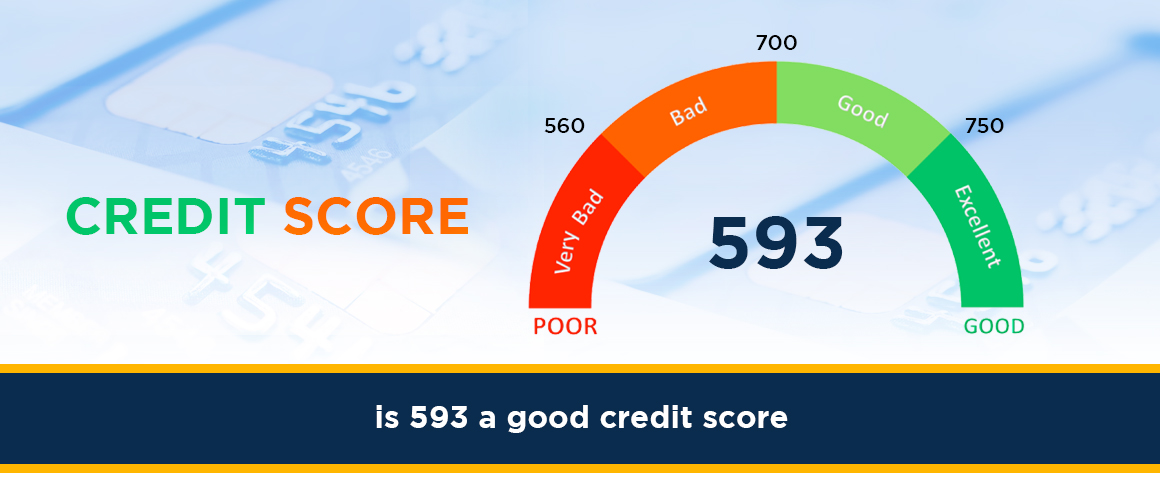
A credit score of 593 sits in a challenging position. While not the lowest possible, it signifies a need for improvement to access better financial products and rates. This guide will thoroughly explore what a 593 credit score means and how to elevate your creditworthiness.
Understanding Credit Scores: The Foundation
Credit scores are numerical representations of your creditworthiness, essentially a snapshot of your financial reliability. Lenders use these scores to assess the risk involved in lending you money. A higher score indicates a lower risk, making it easier to qualify for loans, credit cards, and other financial products, often with more favorable terms. Conversely, a lower score signals higher risk, which can lead to rejections or significantly higher interest rates. The most common scoring model is the FICO score, but VantageScore is also widely used. Both systems typically range from 300 to 850, with scores above 700 generally considered good.
The concept of a credit score is crucial in modern finance. It influences not only your ability to borrow but also your ability to rent an apartment, secure certain jobs, and even obtain insurance. Understanding how these scores are calculated and what they signify is the first step toward managing your financial health effectively. For many, the journey to a good credit score begins with understanding the basics of credit itself. This involves knowing what constitutes credit, how it's used, and why maintaining a positive credit history is paramount for long-term financial success. The transparency offered by credit scoring models has democratized access to credit to some extent, but it also places a significant emphasis on individual financial behavior.
In essence, your credit score is a three-digit number that speaks volumes about your financial habits. It's a language that lenders, landlords, and even some employers understand. Mastering this language, or at least understanding its grammar, is essential for navigating the financial landscape. The scoring systems are designed to predict the likelihood of you repaying borrowed money. They do this by analyzing patterns in your past borrowing and repayment behavior. Therefore, the score isn't just a random number; it's a calculated prediction based on tangible data. This predictive power is what makes credit scores so influential in the financial world.
What a 593 Credit Score Means: The Reality
A credit score of 593 falls into the "fair" or "poor" category, depending on the specific scoring model used. In the FICO scoring system, this score generally means you'll face challenges obtaining new credit. Lenders might view you as a higher risk, leading to higher interest rates on any approved loans or credit cards, or outright denials. You might also find it difficult to rent an apartment, secure favorable insurance premiums, or even get approved for certain utility services without a substantial security deposit.
This score indicates that there have likely been some negative marks on your credit history. These could include late payments, high credit utilization, collections, or even bankruptcies. While a 593 is not the absolute lowest score possible, it signals a need for significant attention and improvement. It’s a score that requires proactive steps to rebuild trust with lenders and demonstrate a commitment to responsible financial management. The good news is that it’s not a permanent state, and with the right strategies, it can be improved.
The implications of a 593 credit score extend beyond just borrowing. It can impact your overall financial freedom and opportunities. For instance, a lower credit score might mean you pay more for car insurance, which is a recurring expense. It can also affect your ability to get a cell phone plan without a hefty down payment. Therefore, understanding the full scope of what a 593 score means is crucial for motivating the necessary changes. It’s a call to action, prompting you to take control of your credit and, by extension, your financial future. The goal is to move beyond this score and unlock better financial possibilities.
Credit Score Ranges and Their Implications (2025)
Credit scoring models are continuously refined, but the general ranges and their implications remain relatively consistent. For 2025, here's a breakdown of typical FICO score ranges and what they signify:
| Score Range | Category | Implications |
|---|---|---|
| 800-850 | Exceptional | Excellent credit; best interest rates and terms. Easy approval for most credit products. |
| 740-799 | Very Good | Strong credit; qualify for most loans and credit cards with competitive rates. |
| 670-739 | Good | Solid credit; generally qualify for credit, but rates may be slightly higher than for "Very Good" scores. |
| 580-669 | Fair | Limited credit history or past issues. Difficulty qualifying for prime loans; expect higher interest rates and potential denials. A 593 falls within this range. |
| 300-579 | Poor | Significant credit problems. Very difficult to obtain credit; often requires secured loans or co-signers. High risk for lenders. |
As you can see, a 593 credit score places you squarely in the "Fair" category. This means that while you might still be able to obtain some forms of credit, the terms will likely be unfavorable. For example, if you apply for a mortgage with a 593 score, you could be looking at interest rates that are significantly higher than someone with a "Good" or "Very Good" score. This difference in interest can amount to tens of thousands of dollars over the life of the loan. Similarly, a 593 score might make it difficult to get approved for a new car loan without a substantial down payment or a co-signer with excellent credit.
Securing a personal loan with a 593 credit score can also be a challenge. Many lenders specializing in prime borrowers will automatically reject applications with scores below 600. You might have to turn to subprime lenders, who typically charge much higher interest rates and fees to compensate for the increased risk. This can trap individuals in a cycle of debt, where the cost of borrowing is so high that it becomes difficult to make progress on the principal amount. It’s crucial to understand these implications to appreciate the urgency of improving your credit score.
Beyond traditional lending, a 593 score can affect other aspects of your financial life. For instance, when applying for an apartment rental, landlords often pull credit reports to assess your reliability as a tenant. A score in the "Fair" range might lead to your application being denied or requiring a larger security deposit. Similarly, utility companies might require a deposit to establish service if your credit history is not strong. Even some employers, particularly those in sensitive positions, may review credit reports as part of their background checks. Therefore, improving your credit score from 593 is not just about getting better loan terms; it's about expanding your financial opportunities and reducing unnecessary costs.
Factors Affecting Your Credit Score
Several key factors contribute to your credit score. Understanding these components is vital for knowing where to focus your efforts for improvement. The most significant factors, according to FICO, are:
- Payment History (35%): This is the most critical factor. Consistently paying your bills on time, every time, is paramount. Late payments, even by a few days, can significantly damage your score.
- Amounts Owed (30%): This refers to your credit utilization ratio – the amount of credit you're using compared to your total available credit. Keeping this ratio low (ideally below 30%, and even better below 10%) is crucial. High utilization suggests you might be overextended.
- Length of Credit History (15%): The longer you've had credit accounts open and in good standing, the better. This shows lenders a longer track record of responsible behavior.
- Credit Mix (10%): Having a mix of different types of credit, such as credit cards, installment loans (like mortgages or auto loans), and retail accounts, can be beneficial. It demonstrates you can manage various forms of credit.
- New Credit (10%): Opening several new credit accounts in a short period can negatively impact your score. It can signal increased risk to lenders.
For someone with a 593 credit score, it's highly probable that one or more of these factors are negatively impacting their score. For instance, a history of late payments is a common culprit. Even a few instances of 30-day late payments can drag a score down considerably. If your payment history is the primary issue, focusing on making all future payments on time is the absolute priority. This means setting up reminders, automatic payments, or even budgeting for bills to ensure they are paid promptly.
High credit utilization is another major contributor to lower scores. If you have a credit card with a $1,000 limit and carry a balance of $800, your utilization is 80%. This is considered very high and will likely be hurting your score significantly. The goal is to reduce this utilization. This can be achieved by paying down balances, requesting a credit limit increase (if you can manage it responsibly), or using less of your available credit.
The length of your credit history also plays a role. If you're new to credit or have only had accounts open for a short period, your score might be lower simply because there isn't a long-term history for lenders to evaluate. In such cases, responsible credit management over time is the key to building a longer, more positive history. Similarly, if you've recently applied for multiple credit cards or loans, the "new credit" factor might be dragging your score down. It's generally advisable to space out credit applications.
Finally, while credit mix is a smaller factor, it's still worth considering. If all your credit consists of just one type, like only credit cards, diversifying by taking on an installment loan (if you can manage it responsibly) could help. However, this should never be done solely for the purpose of improving your score, as opening new accounts carries its own risks. The most impactful areas to address for a 593 score are almost always payment history and amounts owed.
Payment History: The Bedrock of Your Score
Your payment history is the single most influential factor in your credit score, accounting for a substantial 35% of the calculation. This metric provides lenders with a clear indication of your reliability in meeting your financial obligations. When lenders see a consistent pattern of on-time payments, it builds confidence that you will repay future debts as agreed. Conversely, any deviation from this pattern, such as late payments, defaults, or accounts sent to collections, can severely damage your score.
Even a single 30-day late payment can have a significant negative impact, especially if your credit history is otherwise thin. The severity of the impact often increases with the number of days the payment is late. A 60-day or 90-day late payment will generally cause more damage than a 30-day late payment. Furthermore, the recency of these late payments matters. More recent delinquencies have a stronger negative effect than those that occurred several years ago. For instance, a late payment from three months ago will hurt your score more than one from three years ago.
To improve your payment history, the most critical action is to ensure all your bills are paid on time, every single month. This includes credit cards, loans, mortgages, rent (if reported), and even utility bills if they are reported to credit bureaus after delinquency. Setting up automatic payments from your bank account can be a lifesaver. However, it's essential to ensure you always have sufficient funds in your account to cover these automatic withdrawals. Alternatively, calendar reminders or setting alarms on your phone can help you remember to make payments manually before the due date.
If you have past-due accounts, addressing them is crucial. Bringing them current is the first step. While the late payment itself will remain on your report for seven years, its impact will lessen over time as you establish a new pattern of on-time payments. For accounts that have gone to collections, resolving them, even through a payment plan or settlement, can be beneficial. However, be aware that settling a debt might still be reported as "settled for less than the full amount," which can have a negative connotation, though it's generally better than an outstanding collection account.
The longer you can demonstrate a consistent history of on-time payments, the more your credit score will recover and grow. Patience and discipline are key here. Building a strong payment history takes time and consistent effort, but it is the most reliable path to a higher credit score and improved financial standing. Focusing on this aspect alone can yield significant improvements for a score like 593.
Credit Utilization Ratio: Managing Your Debt Load
The credit utilization ratio (CUR) measures how much of your available credit you are currently using. It is calculated by dividing the total balance on your revolving credit accounts (like credit cards) by your total credit limit. This factor accounts for approximately 30% of your FICO score, making it the second most important element after payment history. A high CUR signals to lenders that you might be heavily reliant on credit, which increases the risk of default.
For example, if you have a credit card with a $5,000 limit and you carry a balance of $4,000, your CUR is 80% ($4,000 / $5,000 = 0.80). Lenders generally prefer to see a CUR below 30%. Scores in the "Fair" range like 593 are often associated with higher credit utilization ratios. If your score is 593, it’s highly probable that your CUR is elevated. This is a relatively easy factor to improve with focused effort.
To lower your credit utilization ratio, you have a few primary strategies:
- Pay Down Balances: The most direct method is to pay down the outstanding balances on your credit cards. Focus on paying more than the minimum payment whenever possible. Even small extra payments can make a difference over time.
- Increase Credit Limits: If you have a good payment history with a particular credit card issuer, you can request a credit limit increase. If approved, this will lower your CUR, assuming your balance remains the same. However, be cautious not to increase your spending just because your limit has increased.
- Spread Balances Across Cards: If you have multiple credit cards with high balances, consider transferring some of the balance to a card with a lower utilization or a 0% introductory APR offer (if available and you can manage the transfer fee and repayment).
- Use Credit Less Frequently: Consciously try to use your credit cards less often. Opt for debit cards or cash for everyday purchases if you struggle with overspending on credit.
It's important to note that your CUR is calculated based on the balances reported by your creditors to the credit bureaus, which typically happens once a month. Therefore, paying down your balance before the statement closing date can significantly impact your reported utilization for that month. Aiming for a CUR below 10% can have a particularly positive effect on your credit score.
For someone with a 593 credit score, aggressively tackling credit utilization is a smart move. It's a tangible area where you can see relatively quick improvements. By reducing the amount of credit you're using relative to your limits, you signal to lenders that you are managing your debt responsibly and are less of a risk. This is a critical step in moving out of the "Fair" credit category.
Length of Credit History: Time is a Virtue
The length of your credit history accounts for about 15% of your FICO score. This factor measures the average age of your credit accounts, including the age of your oldest account and the age of your newest account. A longer credit history generally indicates a more established pattern of financial behavior, which lenders find reassuring. It shows that you have successfully managed credit over an extended period.
For someone with a 593 score, it's possible that their credit history is relatively short. This can be the case for younger adults or individuals who have only recently started using credit. If this is the primary reason for a lower score, the strategy is straightforward: time and consistent responsible behavior. There's no quick fix for building a long credit history; it simply requires patience.
The best way to leverage this factor is to avoid closing older credit accounts, especially if they are in good standing and have no annual fees. Even if you don't use an older card frequently, keeping it open helps maintain the average age of your accounts. If you have an older credit card that you no longer use, consider making a small purchase on it occasionally and paying it off immediately to keep it active. This prevents the issuer from closing the account due to inactivity, which could shorten your average credit history length.
When you are looking to improve your credit score, avoid opening too many new accounts in a short period. While a diverse credit mix can be beneficial, opening numerous new accounts can reduce the average age of your credit history, thus negatively impacting this factor. It's a balancing act: you need to establish credit, but doing so too rapidly can be detrimental.
If your credit history is short, focusing on the other factors, particularly payment history and credit utilization, becomes even more critical. By excelling in these areas, you can offset the impact of a shorter credit history. As time passes and you continue to manage your credit responsibly, this factor will naturally improve, contributing positively to your overall score. For a 593 score, this factor might be less of an immediate concern compared to payment history and utilization, but it's a long-term consideration.
Credit Mix and New Credit: Secondary Factors
The remaining 20% of your FICO score is divided between your credit mix (10%) and new credit (10%). While less impactful than payment history and amounts owed, these factors still play a role in your overall creditworthiness.
Credit Mix: This factor considers the variety of credit accounts you have. Lenders like to see that you can manage different types of credit responsibly, such as revolving credit (credit cards) and installment loans (mortgages, auto loans, personal loans). If you only have credit cards, for example, having an installment loan could potentially improve your score. However, it's generally not advisable to take out a loan solely to improve your credit mix, as the interest costs and the act of opening a new account carry their own risks. For someone with a 593 score, focusing on managing existing credit well is more important than strategically opening new types of credit just for the mix.
New Credit: This factor looks at how many new credit accounts you've opened recently and how many hard inquiries (when a lender checks your credit for an application) you have on your report. Opening multiple new accounts in a short timeframe can be seen as a sign of financial distress or increased risk. Each time you apply for credit, the lender typically performs a hard inquiry, which can slightly lower your score for a short period. While one or two inquiries won't drastically affect your score, a flurry of them can. For individuals aiming to improve a 593 score, it's best to be judicious about applying for new credit. Focus on managing your current accounts responsibly before seeking new ones.
In summary, while payment history and credit utilization are the primary levers for improving a 593 credit score, paying attention to credit mix and new credit can provide marginal benefits. The key is to avoid opening unnecessary new accounts and to maintain a balanced approach to credit management over time.
Strategies to Improve a 593 Credit Score
Improving a 593 credit score requires a focused and consistent approach. Since this score falls into the "Fair" category, it indicates that there are likely negative factors at play that need to be addressed. Here are actionable strategies to help you climb out of this range and achieve a better credit standing:
- Prioritize On-Time Payments: As discussed, payment history is king. Make every effort to pay all your bills on time, every month. Set up reminders, auto-pay, or whatever system works best for you.
- Reduce Credit Utilization: Aggressively pay down balances on your credit cards to bring your credit utilization ratio below 30%, and ideally below 10%.
- Address Delinquent Accounts: If you have any accounts that are past due, bring them current immediately. If accounts are in collections, contact the collection agency to arrange a payment plan or settlement.
- Check Your Credit Reports for Errors: Mistakes on your credit report can unfairly lower your score. Obtain copies of your credit reports from all three major bureaus (Equifax, Experian, and TransUnion) and dispute any inaccuracies.
- Consider a Secured Credit Card: If you have difficulty qualifying for traditional credit cards, a secured credit card can be a valuable tool. You provide a cash deposit, which becomes your credit limit. Using this card responsibly and making on-time payments can help build positive credit history.
- Become an Authorized User: If you have a trusted friend or family member with excellent credit, ask them to add you as an authorized user on one of their well-managed credit cards. Their positive payment history can then be reflected on your credit report. Ensure they maintain good habits, as their mistakes can also affect you.
- Avoid New Unnecessary Credit: Resist the temptation to open new credit accounts unless absolutely necessary. Each application can result in a hard inquiry, and too many new accounts can lower your score.
- Be Patient: Improving a credit score takes time. Don't expect overnight results. Consistent, responsible financial behavior over several months to a year will yield the best results.
Let's delve deeper into some of these strategies to provide a more comprehensive roadmap for improvement.
Step-by-Step Guide to Improving Your Score
Embarking on the journey to improve a 593 credit score can feel daunting, but a structured approach makes it manageable. Here’s a detailed step-by-step guide:
Step 1: Obtain and Review Your Credit Reports
Your first and most crucial step is to understand exactly what's on your credit reports. You are entitled to a free credit report from each of the three major credit bureaus (Equifax, Experian, and TransUnion) every 12 months via AnnualCreditReport.com. Review each report meticulously for:
- Personal Information Accuracy: Ensure your name, address, Social Security number, and employment details are correct.
- Account Information: Verify that all listed accounts belong to you and that the balances, credit limits, and payment statuses are accurate.
- Negative Marks: Look for late payments, collections, charge-offs, bankruptcies, judgments, and liens. Note the dates and details of these items.
- Inquiries: Check for any hard inquiries you don't recognize.
If you find any errors, such as an account that isn't yours, an incorrect balance, or a payment marked late when it was on time, dispute them immediately with the credit bureau and the creditor.
Step 2: Create a Budget and Payment Plan
Understanding your income and expenses is fundamental to managing your finances effectively. Create a detailed budget that allocates funds for essential living expenses, debt repayment, and savings. For improving your credit score, prioritize paying down high-interest debt and ensuring all minimum payments are met on time. If you have multiple debts, consider the debt snowball or debt avalanche method for repayment. The debt avalanche method, which prioritizes paying off debts with the highest interest rates first, can save you more money in the long run.
Step 3: Tackle Credit Utilization
As mentioned, credit utilization is a major factor. Focus on paying down balances on your credit cards. If you have multiple cards, aim to get the utilization on each card below 30%. For example, if you have a card with a $1,000 limit, aim to keep the balance below $300. Ideally, you want to get this ratio as low as possible, preferably under 10% for maximum benefit.
Step 4: Establish a Pattern of On-Time Payments
This is non-negotiable. Set up automatic payments for all your credit accounts, or use calendar reminders to ensure you never miss a due date. Even if you can only pay the minimum, make sure it's on time. Once your accounts are current, focus on paying more than the minimum whenever possible to reduce balances faster and improve your utilization ratio.
Step 5: Consider Credit-Building Tools
If your credit history is thin or contains significant negative marks, traditional credit products might be out of reach. In such cases, consider:
- Secured Credit Cards: These require a cash deposit that typically equals your credit limit. Use it for small purchases and pay it off in full each month.
- Credit-Builder Loans: Offered by some credit unions and banks, these loans place the borrowed amount in a savings account that you can access only after you've paid off the loan. This demonstrates your ability to repay.
- Rent and Utility Reporting Services: Services like Experian Boost, RentReporters, or LevelCredit allow you to have on-time rent and utility payments reported to credit bureaus, which can help build your credit history.
Step 6: Be Patient and Consistent
Credit scores don't improve overnight. It takes months, and often years, of consistent, responsible financial behavior to see significant gains. Celebrate small victories, like bringing a balance down or making several consecutive on-time payments. Stay disciplined, and your score will gradually increase.
Using Secured Credit Cards Effectively
For individuals with a 593 credit score, qualifying for a traditional unsecured credit card can be difficult. This is where secured credit cards shine. A secured credit card works similarly to a regular credit card, but it requires you to provide a refundable cash deposit upfront. This deposit typically serves as your credit limit. For example, if you deposit $300, your credit limit will likely be $300.
Here’s how to use a secured credit card to your advantage:
- Choose a Reputable Issuer: Select a secured card from a well-known financial institution that reports your payment activity to all three major credit bureaus. This is essential for building credit.
- Use it for Small, Manageable Purchases: Don't use the secured card for large expenses you can't afford. Instead, use it for everyday items like groceries or gas, which you would have purchased anyway.
- Keep Utilization Low: Even with a secured card, maintaining a low credit utilization ratio is crucial. If your limit is $300, try to keep your balance below $30.
- Pay On Time, Every Time: This is the most critical aspect. Make sure your payment is made by the due date each month. Paying the full statement balance is ideal to avoid interest charges.
- Graduate to Unsecured Credit: Many secured cards offer a path to an unsecured card. After a period of responsible use (typically 6-12 months), the issuer may review your account and, if you've demonstrated good habits, convert your secured card to an unsecured one and refund your deposit.
By using a secured credit card diligently, you can establish a positive payment history and demonstrate to lenders that you are a reliable borrower, paving the way for a higher credit score.
Building a Positive Credit History from the Ground Up
For those with a 593 score, the focus is often on repairing existing issues. However, the principles of building a positive credit history are universal and form the bedrock of a strong financial future. Whether you're starting from scratch or recovering from past mistakes, these practices are essential.
1. Open Your First Account Responsibly: If you have limited credit history, consider a secured credit card or a credit-builder loan. These are designed for individuals with little to no credit history and are excellent tools for establishing a foundation. Make small purchases, pay them off immediately, and treat this account as if it were your only credit line.
2. Make All Payments On Time: This cannot be stressed enough. Payment history is the most significant factor in your credit score. Even one late payment can have a substantial negative impact. Automate payments or set multiple reminders to ensure you never miss a due date.
3. Keep Credit Utilization Low: Aim to use less than 30% of your available credit, and ideally less than 10%. This shows lenders you are not over-reliant on credit. If you have multiple credit cards, focus on paying down the balances on all of them.
4. Maintain Older Accounts: The length of your credit history matters. Avoid closing older credit accounts, especially if they are in good standing and have no annual fees. The longer an account has been open, the more it contributes positively to your credit history length.
5. Diversify Your Credit (Carefully): Over time, having a mix of credit types (e.g., credit cards and installment loans) can be beneficial. However, do not open new accounts solely for the sake of credit mix. Ensure any new credit is genuinely needed and can be managed responsibly.
6. Monitor Your Credit Regularly: Keep an eye on your credit reports and scores. This allows you to catch errors, track your progress, and stay aware of any potential fraudulent activity. Many credit card companies and banks offer free credit score monitoring services.
Building a positive credit history is a marathon, not a sprint. It requires discipline, patience, and consistent good financial habits. By adhering to these principles, you can gradually transform your credit profile from a 593 score to one that opens doors to better financial opportunities.
Understanding Your Credit Reports
Your credit report is a detailed record of your credit history. It's compiled by credit bureaus (Equifax, Experian, and TransUnion) and contains information about your borrowing and repayment activities. Lenders use this report, along with your credit score, to make lending decisions. Understanding its contents is crucial for managing your credit effectively.
A typical credit report includes the following sections:
- Personal Information: Your name, Social Security number, date of birth, current and previous addresses, and employment history. This information is used to identify you and ensure the report is accurate.
- Credit Accounts: A list of all your credit accounts, including credit cards, loans (mortgage, auto, student, personal), and lines of credit. For each account, you'll see:
- The name of the creditor
- Your account number (often partially masked)
- The date the account was opened
- Your credit limit or the original loan amount
- Your current balance
- Your payment history (e.g., on-time payments, late payments, defaults)
- The date the account was last reported
- Public Records: This section includes information from public sources, such as bankruptcies, tax liens, and civil judgments. These are significant negative items that can severely impact your credit score.
- Credit Inquiries: A record of who has accessed your credit report. There are two types:
- Hard Inquiries: Occur when you apply for credit. These can slightly lower your score and remain on your report for two years, though they typically only affect your score for one year.
- Soft Inquiries: Occur when you check your own credit, or when a company checks your credit for pre-approved offers or background checks (not related to a credit application). These do not affect your score.
Disputing Errors: If you find any inaccuracies on your credit report, it's essential to dispute them. You can do this by contacting the credit bureau directly and providing evidence to support your claim. The credit bureau is required to investigate your dispute and respond within a reasonable timeframe (usually 30 days). Correcting errors can sometimes lead to an immediate improvement in your credit score.
The Importance of the Report for a 593 Score: For someone with a 593 credit score, reviewing their credit report is paramount. It will likely reveal the specific reasons behind the lower score, such as a pattern of late payments, high credit card balances, or perhaps an old collection account. By identifying these issues, you can create a targeted plan to address them. For example, if you see a 60-day late payment from two years ago, you know that while it's an old mark, its lingering impact is significant. If you see multiple accounts with balances near their limits, you know that reducing credit utilization should be a top priority.
Understanding your credit report empowers you to take control of your financial narrative. It provides the raw data that lenders use, and by scrutinizing it, you can identify areas for improvement and work towards building a stronger, more accurate financial profile.
Credit Monitoring and Protection
Once you start working to improve your credit score, ongoing monitoring and protection become vital. Credit monitoring services can help you track your progress, detect fraudulent activity, and stay informed about changes to your credit report. Given that a 593 score can make you a target for certain scams or identity theft, proactive protection is essential.
What Credit Monitoring Offers:
- Credit Score Tracking: Most services provide regular updates on your credit score, allowing you to see how your efforts are paying off.
- Credit Report Monitoring: You'll receive alerts when significant changes occur on your credit report, such as new accounts being opened, changes in account balances, or new inquiries.
- Identity Theft Protection: Many services include features like dark web monitoring, social security number monitoring, and insurance against identity theft losses.
- Fraud Alerts and Security Freezes: You can place fraud alerts on your credit file to warn lenders to verify your identity before extending credit. A security freeze restricts access to your credit report, preventing new accounts from being opened in your name.
Why It's Important for a 593 Score:
When your credit score is in the "Fair" range, it signifies that your credit profile may have vulnerabilities. Identity thieves might see this as an opportunity to open new accounts in your name, further damaging your credit. By monitoring your credit, you can quickly identify and address any unauthorized activity. Early detection is key to minimizing the damage caused by identity theft.
Furthermore, consistent monitoring helps you stay accountable to your credit improvement goals. Seeing your score tick up can be a powerful motivator. It also allows you to verify that the positive changes you're making (like paying down debt) are being accurately reflected on your credit reports.
Free vs. Paid Services:
Many credit card issuers and banks offer free credit score monitoring as a perk to their customers. While these services are valuable, they may not offer the same level of comprehensive protection as paid services. Paid services often include more robust identity theft insurance and detailed alerts. For someone actively working to improve a 593 score, investing in a reputable credit monitoring service can provide peace of mind and a valuable tool for managing their credit health.
Remember, credit monitoring is not a substitute for responsible credit management. It's a tool to help you stay informed and protected as you work towards building a stronger credit profile.
When to Seek Professional Help
While many individuals can successfully improve their credit score on their own, there are situations where seeking professional assistance is advisable. If you're feeling overwhelmed, struggling with significant debt, or facing complex credit issues, a credit counselor or financial advisor can provide invaluable guidance.
Signs You Might Need Professional Help:
- Overwhelming Debt: If your debt load feels unmanageable and you're struggling to make minimum payments, a credit counselor can help you explore debt management plans or consolidation options.
- Little Progress Despite Efforts: If you've been diligently trying to improve your credit for months but aren't seeing any positive results, a professional can help identify why and adjust your strategy.
- Complex Credit Issues: Dealing with bankruptcies, foreclosures, or significant errors on your credit report can be complicated. A credit counselor or attorney specializing in credit can offer expert advice.
- Lack of Financial Literacy: If you feel you lack a fundamental understanding of credit and personal finance, working with a professional can be an educational experience.
- Emotional Strain: Financial stress can take a toll on your mental well-being. A professional can offer objective advice and support, alleviating some of that pressure.
Types of Professional Help:
- Non-Profit Credit Counseling Agencies: These agencies, often accredited by organizations like the National Foundation for Credit Counseling (NFCC), offer free or low-cost services. They can help with budgeting, debt management plans (DMPs), and financial education. Ensure the agency is reputable and not a debt settlement company that charges high upfront fees.
- Financial Advisors: While often focused on broader financial planning and investments, some financial advisors also have expertise in credit management and debt resolution.
- credit repair companies: Be cautious with these. Some legitimate companies can help dispute errors on your credit report. However, many are scams that charge high fees for services you can perform yourself. Always research them thoroughly and avoid any that guarantee results or charge upfront fees for services that haven't yet been performed.
Choosing the Right Professional:
When seeking help, prioritize non-profit credit counseling agencies accredited by reputable organizations. Ask about their fees, services, and how they operate. For more complex legal issues like bankruptcy, consult with a qualified attorney. Remember, the goal is to find someone who can provide honest, actionable advice to help you improve your financial situation and ultimately your credit score.
For someone with a 593 credit score, seeking guidance from a reputable credit counselor can be a wise investment. They can provide personalized strategies, help you navigate the complexities of debt, and ensure you're taking the most effective steps towards a healthier financial future.
In conclusion, a 593 credit score is a signal that requires attention, but it is by no means a permanent barrier to financial success. By understanding the factors that influence credit scores, implementing targeted strategies like consistent on-time payments and reduced credit utilization, and utilizing tools like secured credit cards, you can systematically improve your creditworthiness. Regularly reviewing your credit reports for errors and considering professional guidance when needed will further solidify your path to a better financial standing. Taking these proactive steps will not only elevate your credit score but also open doors to more favorable financial opportunities, ultimately contributing to greater financial freedom and security.
