Is 599 a Good Credit Score? Everything You Need to Know
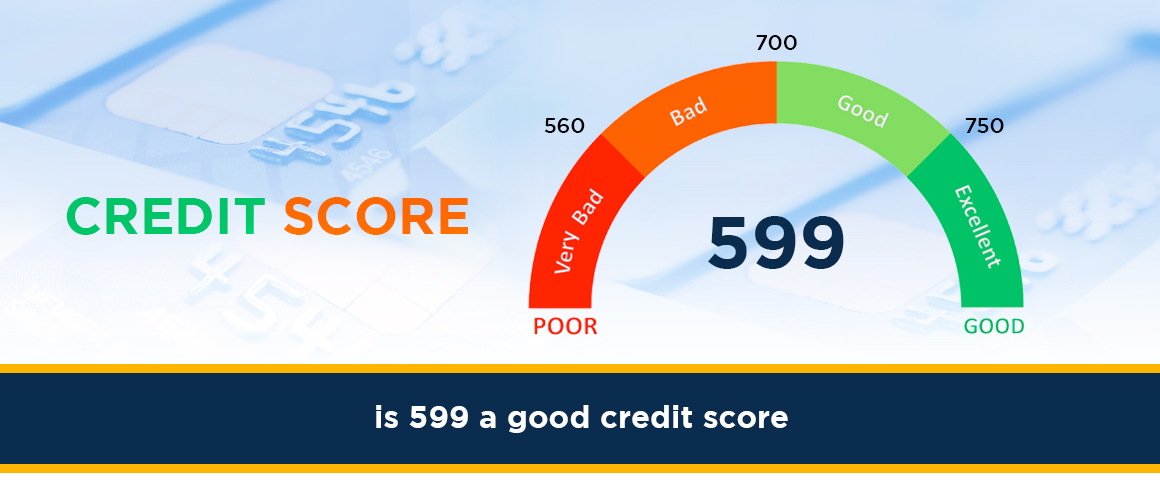
A credit score of 599 sits on the cusp of fair and poor. While not ideal, it's not insurmountable. This comprehensive guide will dissect what a 599 credit score means, its implications for borrowing, and actionable strategies to improve it significantly in 2025.
What is a 599 Credit Score?
A credit score is a three-digit number that lenders use to assess your creditworthiness – essentially, how likely you are to repay borrowed money. The most common credit scoring models are FICO and VantageScore, which use complex algorithms to analyze your credit history. A score of 599 falls into a particular bracket, indicating a level of risk for lenders. Understanding where this score sits within the broader spectrum is crucial for setting realistic financial goals and developing an effective strategy for improvement.
How Credit Scores are Calculated
While the exact formulas are proprietary, both FICO and VantageScore consider similar factors when calculating your credit score. These typically include:
- Payment History (35% of FICO score): This is the most critical factor. Late payments, defaults, and bankruptcies significantly damage your score.
- Amounts Owed (30% of FICO score): This refers to your credit utilization ratio – the amount of credit you're using compared to your total available credit. Keeping this ratio low is vital.
- Length of Credit History (15% of FICO score): A longer credit history generally results in a higher score, as it provides more data for lenders to assess your behavior.
- Credit Mix (10% of FICO score): Having a mix of different credit types (e.g., credit cards, installment loans) can be beneficial, but it's less impactful than payment history or amounts owed.
- New Credit (10% of FICO score): Opening multiple new credit accounts in a short period can lower your score, as it may indicate increased risk.
Credit Score Ranges Explained
Credit scoring models categorize scores into different ranges, each signifying a different level of credit risk. While the exact ranges can vary slightly between FICO and VantageScore, and even between different versions of these models, a general understanding is essential. These ranges help lenders quickly gauge your creditworthiness.
FICO Score Ranges
The FICO scoring model, widely used by lenders, typically categorizes scores as follows:
- Exceptional: 800-850
- Very Good: 740-799
- Good: 670-739
- Fair: 580-669
- Poor: 300-579
VantageScore Ranges
VantageScore, another popular scoring model, uses similar categories:
- Excellent: 781-850
- Good: 661-780
- Fair: 601-660
- Poor: 500-600
- Very Poor: 300-499
Comparison of Score Ranges
It's important to note that while the labels are similar, the numerical cutoffs can differ. For instance, a score that's considered "fair" by FICO might be "poor" by VantageScore, or vice versa. This is why understanding which scoring model a lender uses is sometimes relevant, though most focus on the general implications of a score within a broad range.
| Score Range | FICO Category | VantageScore Category |
|---|---|---|
| 800-850 | Exceptional | Excellent |
| 740-799 | Very Good | Good |
| 670-739 | Good | Good |
| 580-669 | Fair | Fair |
| 300-579 | Poor | Poor / Very Poor |
Is 599 Good or Bad? The Nuances
A credit score of 599 is generally considered to be in the "fair" to "poor" category, depending on the scoring model used. It's not a score that will qualify you for the best interest rates or loan terms, but it's also not the lowest possible score. This position means you have a significant opportunity to improve your financial standing with focused effort.
What Lenders See with a 599 Score
When a lender reviews a credit application with a score of 599, they typically perceive a moderate to high level of risk. This doesn't automatically mean denial, but it does mean that your application will be scrutinized more closely. Lenders might see:
- A history of late payments or missed payments.
- High credit utilization on existing credit cards.
- Recent negative marks on your credit report, such as collections or charge-offs.
- A limited credit history, making it difficult to assess long-term reliability.
The specific reasons behind the 599 score are as important as the score itself. A score of 599 resulting from a few recent late payments is viewed differently than a score of 599 stemming from multiple defaults and collections.
The Difference Between Fair and Poor
The distinction between "fair" and "poor" can be significant. A score in the high 500s might be considered "fair" by some models, implying a possibility of approval for certain products, albeit with higher costs. A score below 580 (FICO) or 600 (VantageScore) is more consistently categorized as "poor," signaling a higher risk and making loan approvals more challenging and expensive.
For a 599 score, it often sits at the higher end of the "fair" range or the lower end of the "poor" range. This ambiguity means that some lenders might still offer products, while others will outright reject the application. The key takeaway is that a 599 score requires attention and improvement to access better financial opportunities.
The Real-World Impact of a 599 Credit Score
Having a credit score of 599 can significantly affect your financial life, impacting your ability to borrow money, the cost of that borrowing, and even non-lending related aspects like renting an apartment or securing certain jobs.
Higher Interest Rates
This is one of the most immediate and costly consequences. Lenders use credit scores to determine interest rates. A lower score like 599 signals a higher risk, so lenders will charge you more for borrowing money to compensate for that risk. Over the life of a loan, this can translate into thousands of dollars in extra interest payments.
Example: Consider a $20,000 auto loan over five years. If you have a credit score of 740+, you might qualify for an interest rate of 5%. With a 599 score, that rate could easily jump to 12% or higher. The difference in monthly payments and total interest paid would be substantial.
Loan Denials and Limited Options
Many lenders have minimum credit score requirements. A 599 score may fall below these thresholds for conventional loans, such as mortgages, auto loans, and personal loans from traditional banks or credit unions. You might be denied outright or find that the only loan options available are from subprime lenders, which come with even less favorable terms.
Higher Insurance Premiums
In many states, insurance companies use credit-based insurance scores to help determine premiums for auto and homeowners insurance. A lower credit score can lead to higher insurance costs, as studies have shown a correlation between credit history and the likelihood of filing a claim. This is an indirect but significant financial burden.
Difficulty Renting an Apartment
Landlords often run credit checks on prospective tenants to gauge their reliability in paying rent on time. A score of 599 might be considered too risky by many landlords, leading to rejections or requirements for a larger security deposit or a co-signer.
Challenges with Utility Deposits and Cell Phone Plans
Utility companies and cell phone providers may also check your credit. A low score could mean you're required to pay a security deposit to establish service, which you might not have to do with a higher score. Similarly, you might be limited to prepaid cell phone plans instead of post-paid plans with device financing.
What Loans Can I Get with a 599 Credit Score?
While a 599 credit score presents challenges, it doesn't mean you're entirely locked out of borrowing. However, the options will be limited, and the terms will likely be less favorable. It's crucial to understand what's realistically available and to approach these options with caution.
Subprime Auto Loans
Many dealerships and specialized lenders offer auto loans for individuals with lower credit scores. These are often referred to as "buy here, pay here" lots or subprime auto lenders. While they can help you get a car, the interest rates can be exceptionally high (often 20% or more), and the loan terms might be shorter, leading to higher monthly payments.
Secured Credit Cards
A secured credit card is an excellent tool for building or rebuilding credit. You make a security deposit, which typically becomes your credit limit. This deposit mitigates the lender's risk. With responsible use, these cards can help you demonstrate creditworthiness and eventually qualify for unsecured cards.
Credit-Builder Loans
Offered by some credit unions and community banks, credit-builder loans are small loans where the borrowed amount is held in a savings account while you make payments. Once the loan is repaid, you receive the funds. This process helps you build a positive payment history without actually having access to the funds upfront.
Loans from Friends or Family
While not a formal credit product, borrowing from people you know can be an option. It's essential to treat these arrangements professionally, with a written agreement outlining repayment terms to avoid misunderstandings.
Co-signed Loans
If you have a friend or family member with excellent credit, they might be willing to co-sign a loan for you. This means they are legally obligated to repay the loan if you default. While this can help you get approved, it puts your co-signer's credit at risk and can strain relationships if not managed carefully.
Payday Loans and Cash Advances (Use with Extreme Caution)
These are short-term, high-interest loans that are often seen as a last resort. While they might be accessible with a 599 score, the triple-digit annual percentage rates (APRs) can trap borrowers in a cycle of debt. It is strongly advised to avoid these options if at all possible. Explore all other avenues before considering them.
Actionable Steps to Improve Your Credit Score from 599
Improving a 599 credit score is achievable with a strategic and consistent approach. The key is to address the underlying issues that led to the score and to build positive credit habits. This process takes time, but the long-term benefits are substantial.
Step 1: Get Your Credit Reports
Before you can improve your score, you need to understand what's on your credit report. You are entitled to a free copy of your credit report from each of the three major credit bureaus (Equifax, Experian, and TransUnion) once every 12 months through AnnualCreditReport.com. Review each report meticulously for errors.
Common Errors to Look For:
- Incorrect personal information (name, address, Social Security number).
- Accounts that do not belong to you.
- Incorrectly reported late payments or missed payments.
- Duplicate negative entries.
- Accounts that are listed as open when they should be closed, or vice versa.
- Incorrect balances or credit limits.
Step 2: Dispute Errors
If you find any inaccuracies on your credit reports, dispute them immediately with the credit bureau and the creditor that provided the information. The credit bureaus are required to investigate these disputes. Removing errors can sometimes lead to an instant score improvement.
How to Dispute:
- Gather Documentation: Collect any evidence that supports your claim (e.g., payment receipts, statements, letters).
- Write a Dispute Letter: Clearly state the inaccuracy, the account number, and what you believe the correct information should be. Send it via certified mail with return receipt requested.
- Submit Online: Most credit bureaus also allow you to file disputes online, which can be faster.
Step 3: Pay Down Credit Card Balances
Your credit utilization ratio is a major factor in your credit score. Aim to keep your utilization below 30% on each card and overall. For a 599 score, ideally, you'll want to get this number much lower, perhaps below 10%.
Actionable Tips:
- Prioritize paying down cards with the highest interest rates first (the "debt avalanche" method) or cards with the smallest balances first (the "debt snowball" method) for psychological wins.
- Consider making multiple payments throughout the month to keep your reported balance low.
- Request a credit limit increase on existing cards. If approved, this can lower your utilization ratio without you having to pay down debt, assuming you don't increase your spending.
Step 4: Make All Payments On Time, Every Time
Payment history is the most significant factor in your credit score. Even one late payment can have a substantial negative impact. Set up automatic payments or reminders to ensure you never miss a due date.
Strategies for On-Time Payments:
- Automatic Payments: Set up autopay for the minimum payment to avoid late fees and negative marks. Then, manually pay the rest before the due date.
- Calendar Reminders: Use your phone or computer calendar to alert you a few days before payments are due.
- Budgeting: Ensure you have the funds available in your bank account for all your credit obligations.
Step 5: Avoid Opening New Credit Accounts Unnecessarily
While opening a secured credit card or credit-builder loan can be beneficial, applying for multiple new credit accounts in a short period can lower your score due to hard inquiries. Only apply for credit when you genuinely need it and have a good chance of approval.
Understanding Your Credit Report: The Foundation of Improvement
Your credit report is the detailed history of how you've managed credit. It's the raw data that credit scoring models use to generate your score. A thorough understanding of its contents is the first and most crucial step toward improving a 599 credit score.
The Three Major Credit Bureaus
Your credit information is collected and maintained by three primary national credit bureaus:
- Equifax: One of the largest credit bureaus, providing credit information and analytics.
- Experian: Another major credit bureau with a global presence, offering data and analytics services.
- TransUnion: A global information and insights company that provides credit reporting and related services.
Each bureau may have slightly different information, which is why it's essential to check reports from all three.
Sections of a Credit Report
A typical credit report includes several key sections:
- Personal Information: Your name, address, Social Security number, date of birth, and employment history.
- Credit Accounts: A list of all your credit accounts, including credit cards, loans (mortgages, auto loans, student loans), and lines of credit. For each account, you'll see the creditor's name, account number (often partially masked), date opened, credit limit or loan amount, current balance, and payment history.
- Public Records: Information about bankruptcies, liens, and judgments.
- Credit Inquiries: A record of who has accessed your credit report. "Hard inquiries" occur when you apply for credit and can slightly lower your score. "Soft inquiries" occur for promotional offers or when you check your own credit and do not affect your score.
Interpreting Your Payment History
This is the most critical part of your report. It details whether you've paid your bills on time. Look for:
- Current Status: Whether the account is current, 30, 60, 90, or 120+ days past due.
- Late Payment Markers: Specific notations indicating how many days late a payment was.
- Collections and Charge-offs: Accounts that have been sent to a collection agency or written off by the original creditor.
Credit Utilization Ratio on Your Report
While not explicitly a "section," you can calculate your utilization for each card and overall by looking at the current balance and the credit limit reported for each account. A high utilization ratio (above 30%) is a significant red flag for lenders.
Proven Strategies for Boosting Your Credit Score
Once you understand your credit report and have addressed any errors, you can implement strategies designed to actively improve your score. These strategies focus on demonstrating responsible credit behavior over time.
Consistently Pay All Bills On Time
As mentioned, this is paramount. Set up reminders, automate payments, and ensure you have sufficient funds. Even if you can only pay the minimum, paying on time is better than being late. For accounts that are currently past due, bring them current as quickly as possible.
Reduce Credit Card Balances
Focus on lowering your credit utilization ratio. Paying down balances not only improves your utilization but also reduces the amount of interest you pay. Aim for a utilization ratio of 10-20% or lower for the best results.
Example: If you have a credit card with a $5,000 limit and a $3,000 balance, your utilization is 60%. Paying it down to $1,500 would bring your utilization to 30%, a significant improvement.
Become an Authorized User
If you have a trusted friend or family member with excellent credit and a long history of on-time payments, they could add you as an authorized user on one of their credit cards. Their positive payment history and low utilization on that card could then be reflected on your credit report, potentially boosting your score. However, ensure they manage the account responsibly, as their mistakes could also affect you.
Negotiate with Creditors
If you're struggling with past-due accounts or accounts in collections, contact the creditor or collection agency. You might be able to negotiate a payment plan or even a "pay-for-delete" agreement, where they agree to remove the negative mark from your credit report in exchange for payment. This is not always possible but is worth exploring.
Consider a Secured Loan (If Applicable)
If you have assets like a car or savings account, you might be able to use them as collateral for a secured loan. These loans are less risky for lenders and can sometimes be obtained with lower credit scores. Again, responsible repayment is key to improving your credit.
Building a Positive Credit History from Scratch (or Near Scratch)
For individuals with limited credit history or those looking to rebuild after significant financial setbacks, establishing a positive credit footprint is essential. A 599 score indicates some history, but it's likely marred by negative events or a lack of consistent positive activity.
Secured Credit Cards as a Starting Point
These are invaluable for anyone starting out or rebuilding. The security deposit acts as collateral, making approval much easier. Use the card for small, everyday purchases and pay the balance in full and on time each month. This demonstrates responsible credit card management.
Example: A $200 deposit for a secured card with a $200 limit. Use it for gas and groceries, and pay the $200 balance before the due date. This shows you can manage credit responsibly.
Credit-Builder Loans Explained
These are specifically designed to help people build credit. You make regular payments into a savings account, and once the loan term is complete, you receive the money. The lender reports your on-time payments to the credit bureaus, which helps establish a positive payment history.
Key Benefit: You build credit without taking on new debt that you might struggle to manage. The funds are held by the lender until repayment.
Rent Reporting Services
Some services allow you to report your on-time rent payments to the credit bureaus. Since rent is often one of the largest monthly expenses, consistently paying it on time can be a significant positive factor. Check if your landlord participates or if you can use a third-party service.
Utility Bill Reporting
Similar to rent, some companies allow you to report on-time payments for utilities like electricity, gas, and water. While not all credit scoring models weigh these as heavily as traditional credit accounts, they can still contribute to a more comprehensive credit profile.
Strategic Use of Existing Credit
If you have any existing credit accounts that are in good standing, use them sparingly and always pay them off in full. Avoid closing old accounts, as this can reduce your average length of credit history and increase your overall credit utilization ratio.
Dealing with Negative Items on Your Credit Report
Negative items on your credit report, such as late payments, collections, and charge-offs, are major contributors to a low credit score like 599. Addressing them is critical for improvement.
Late Payments and How to Mitigate Impact
A single late payment can drop your score significantly. If a late payment is a recent occurrence, focus on making all future payments on time. If it's an older mark, its impact will diminish over time, especially as you build a new history of positive payments.
For older late payments: Ensure no new negative marks appear. The passage of time is your ally here.
Collections and Charge-offs
These are serious negative marks. When a debt is sent to collections, it means the original creditor has given up on collecting it and sold it to a third-party agency. A charge-off is when the creditor writes off the debt as uncollectible.
Strategies:
- Negotiate a Settlement: Contact the collection agency. You may be able to negotiate a settlement for less than the full amount owed. Be aware that settling a debt may still be reported as "settled for less than full amount," which is better than "unpaid," but still negative.
- Pay for Delete: This is the ideal scenario. Negotiate an agreement where the collection agency removes the item from your credit report entirely in exchange for payment. Get this agreement in writing before you pay.
- Statute of Limitations: Be aware of your state's statute of limitations for debt collection. After this period, a creditor can no longer sue you for the debt, though it may remain on your credit report for up to seven years.
Bankruptcies and Judgments
These are the most severe negative items. A Chapter 7 bankruptcy can stay on your report for 10 years, while a Chapter 13 can stay for 7 years. Judgments also typically remain for seven years or until satisfied. Rebuilding credit after these events is challenging but possible with consistent positive actions over a long period.
Understanding the Seven-Year Rule
Most negative information (late payments, collections, charge-offs) will fall off your credit report after seven years from the date of the delinquency. Bankruptcies have longer reporting periods. While the negative impact lessens over time, it's best to address the issues directly rather than waiting for them to disappear.
Credit Monitoring and Ongoing Management
Improving your credit score isn't a one-time fix; it's an ongoing process. Regular monitoring and diligent management are key to maintaining and further increasing your score.
Why Credit Monitoring is Essential
Monitoring your credit reports and scores regularly allows you to:
- Detect Fraud and Identity Theft: Quickly identify any unauthorized accounts or inquiries.
- Track Progress: See how your efforts to improve your score are paying off.
- Stay Informed: Understand how specific actions affect your score.
- Identify New Errors: Catch any new inaccuracies that may appear on your reports.
How to Monitor Your Credit
You can monitor your credit through various means:
- Free Annual Credit Reports: As mentioned, get your reports from AnnualCreditReport.com.
- Credit Monitoring Services: Many companies offer free or paid services that provide regular access to your credit score and alerts for significant changes on your reports. Some credit card issuers and banks also offer free credit score access as a perk.
- Credit Bureaus: Equifax, Experian, and TransUnion offer their own monitoring services, often with free trials.
Setting Financial Goals
Once your score improves, set new goals. Perhaps you aim for a score that qualifies you for a mortgage or a lower interest rate on an auto loan. Having clear targets will help you stay motivated and continue practicing good credit habits.
Maintaining Healthy Credit Habits
The best way to keep your score high is to continue the practices that got you there:
- Always pay bills on time.
- Keep credit utilization low.
- Avoid opening too many new accounts at once.
- Review your credit reports annually.
- Limit applications for new credit to only when necessary.
The Long-Term Benefits of a Good Credit Score
Improving your credit score from 599 to a good or excellent range unlocks a world of financial advantages. It's not just about getting approved for loans; it's about saving money, having more options, and achieving financial peace of mind.
Access to Better Loan Terms
With a good credit score, you'll qualify for lower interest rates on mortgages, auto loans, personal loans, and credit cards. This translates to significant savings over the life of the loan, allowing you to pay less interest and potentially pay off debts faster.
Easier Approval for Major Purchases
Whether buying a home, a car, or even just securing a rental apartment, a strong credit score makes the approval process smoother and less stressful. Lenders and landlords see you as a reliable borrower.
Lower Insurance Premiums
As discussed, a good credit score can lead to lower premiums for auto and homeowners insurance, saving you money annually.
Financial Flexibility and Opportunities
A good credit score provides financial flexibility. You can take advantage of balance transfer offers on credit cards, secure favorable terms for business loans if you're an entrepreneur, and generally have more options when financial needs arise.
Reduced Stress and Greater Peace of Mind
Knowing you have a solid credit foundation can significantly reduce financial stress. You'll worry less about loan applications, unexpected expenses, and the overall stability of your financial situation.
A credit score of 599 is a stepping stone, not a dead end. By understanding its implications, diligently reviewing your credit report for errors, and implementing consistent, positive financial habits like on-time payments and low credit utilization, you can steadily improve your score. Focus on building a positive credit history with tools like secured credit cards and credit-builder loans. Addressing negative items proactively and monitoring your progress will pave the way to a stronger financial future. The journey from 599 to a good credit score is a marathon, not a sprint, but the rewards in terms of savings, opportunities, and financial security are well worth the effort.
