Is 603 a Good Credit Score? A Comprehensive Guide
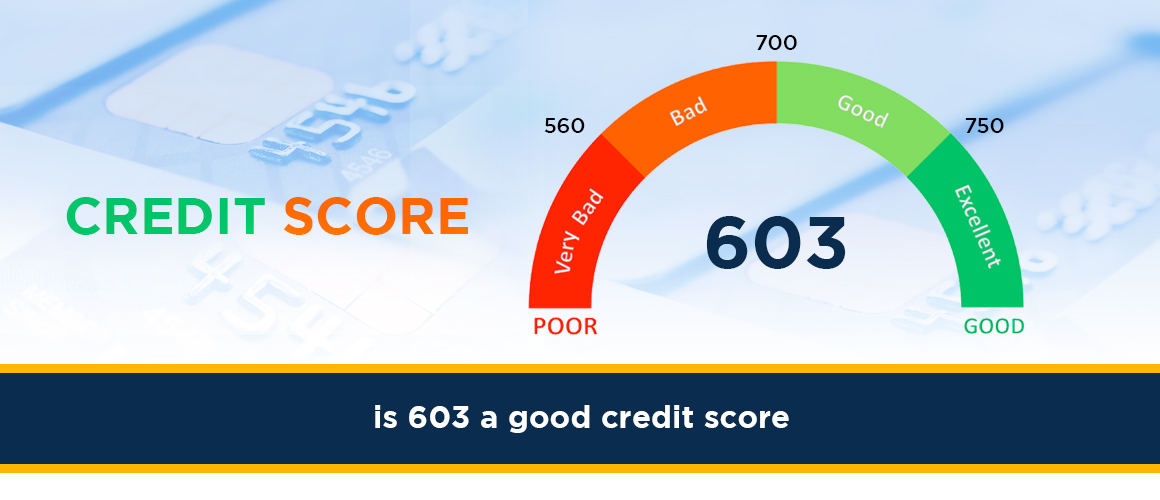
Understanding your credit score is crucial for financial health. This guide dives deep into whether a 603 credit score is considered good, what it means for your borrowing potential, and actionable steps to improve it in 2025.
What is a Credit Score and Why Does it Matter?
A credit score is a three-digit number that lenders use to assess your creditworthiness. It's a snapshot of your financial behavior, reflecting how likely you are to repay borrowed money. In essence, it's your financial reputation, distilled into a number. Lenders, including banks, credit card companies, and even landlords and employers, use this score to make decisions about whether to lend you money, offer you specific interest rates, or rent you an apartment. A higher score generally translates to better loan terms, lower interest rates, and easier access to credit products. Conversely, a lower score can mean higher costs, limited options, and even outright denial of credit. Understanding its significance is the first step toward managing your finances effectively.
Understanding Credit Score Ranges in 2025
Credit scoring models, primarily FICO and VantageScore, categorize credit scores into different ranges, each indicating a varying level of risk to lenders. While the exact thresholds can fluctuate slightly between scoring models and over time, the general consensus for 2025 remains consistent. These ranges help lenders quickly assess a borrower's credit risk. It's important to note that these are general guidelines, and individual lenders may have their own specific criteria.
FICO Score Ranges (2025)
The FICO score is the most widely used credit scoring model. Its ranges are typically defined as follows:
- Exceptional: 800-850
- Very Good: 740-799
- Good: 670-739
- Fair: 580-669
- Poor: 300-579
VantageScore Ranges (2025)
VantageScore is another popular credit scoring model. Its ranges are similar but have slightly different terminology:
- Excellent: 781-850
- Good: 661-780
- Fair: 601-660
- Poor: 500-600
- Very Poor: 300-499
As you can see, the definition of "good" can vary. For instance, a score of 670 might be considered "Good" by FICO, while a score of 661 is "Good" by VantageScore. Understanding which scoring model a lender uses can be helpful, though most lenders consider scores within these general brackets.
Is 603 a Good Credit Score? The Verdict
Let's get straight to the point: a credit score of 603 is generally not considered "good." Based on the common credit score ranges for 2025, a 603 falls squarely into the "Fair" category for both FICO and VantageScore. This means that while it's not in the "Poor" or "Very Poor" range, it indicates a moderate level of risk to lenders. You are likely to encounter challenges in obtaining favorable loan terms, and some lenders may even deny your applications outright. It's a score that signals room for significant improvement to unlock better financial opportunities.
While not ideal, it's important to remember that a 603 is a salvageable score. It's a signal that past financial decisions may have impacted your credit, but it doesn't define your future credit potential. Many individuals successfully improve their scores from this range to "Good" or "Very Good" within a year or two with diligent effort and strategic financial management.
What a 603 Credit Score Means for You
Having a 603 credit score can present several hurdles when you're trying to access credit or secure favorable financial products. Lenders view this score as indicating a higher risk of default compared to individuals with higher credit scores. This perception translates into tangible consequences:
Loan and Credit Card Approvals
You might find it harder to get approved for new credit cards or loans. When you are approved, the interest rates offered will likely be significantly higher than those offered to individuals with good or excellent credit. This means you'll pay more in interest over the life of the loan, making purchases more expensive.
Interest Rates
This is perhaps the most significant impact. For example, if you're looking to buy a car or a home, a 603 credit score could mean paying several percentage points higher in interest rates. Over the 15-30 year term of a mortgage, this difference can amount to tens of thousands of dollars in extra payments. Similarly, credit card APRs will be considerably higher, making carrying a balance very costly.
Loan Terms and Amounts
Lenders may also impose stricter terms, such as requiring a larger down payment for a mortgage or auto loan, or offering lower credit limits on credit cards. They might also require a co-signer with better credit to approve your application.
Renting an Apartment
Landlords often check credit scores as part of their tenant screening process. A 603 score might lead to a rejection or a requirement for a larger security deposit or a co-signer. They see it as an indicator of potential payment issues.
Insurance Premiums
In many states, insurance companies use credit-based insurance scores to determine premiums for auto and homeowners insurance. A lower credit score can result in higher insurance costs.
Utility Deposits
Some utility companies may require a security deposit to open an account if your credit score is below a certain threshold.
While these are the potential downsides, it's crucial to view a 603 score as a starting point for improvement rather than a permanent barrier. Many financial institutions offer products and services designed for individuals with fair credit, and with a focused effort, you can certainly elevate your score.
Key Factors Affecting Your Credit Score
Understanding what influences your credit score is paramount to improving it. Credit scoring models analyze various aspects of your financial behavior. The most impactful factors, as per the FICO model, are:
Payment History (35% of score)
This is the single most important factor. It reflects whether you pay your bills on time. Late payments, missed payments, defaults, and bankruptcies significantly damage your score. Even a single 30-day late payment can have a negative impact.
Amounts Owed (30% of score)
This factor looks at your credit utilization ratio, which is the amount of credit you're using compared to your total available credit. Keeping this ratio low (ideally below 30%, and even better below 10%) is crucial. High balances on credit cards can signal financial distress.
Length of Credit History (15% of score)
The longer you've had credit accounts open and in good standing, the better. A longer history provides lenders with more data to assess your repayment behavior. Closing old, unused accounts can sometimes shorten your credit history length.
Credit Mix (10% of score)
Having a mix of different types of credit – such as credit cards, installment loans (like mortgages or auto loans), and perhaps a personal loan – can be beneficial. It shows you can manage various forms of credit responsibly. However, this factor is less important than payment history or amounts owed.
New Credit (10% of score)
This relates to how often you apply for and open new credit accounts. Applying for multiple credit accounts in a short period can temporarily lower your score, as it may suggest you're in financial need or taking on too much debt.
For a score of 603, it's highly probable that one or more of these factors are not in optimal standing. Identifying which areas are weakest is the first step toward targeted improvement.
Common Reasons for a 603 Score
A score of 603 often stems from a combination of issues. Some of the most common culprits include:
- Recent or Past Due Payments: One or more late payments on credit cards, loans, or other bills.
- High Credit Utilization: Balances on credit cards are close to their limits.
- Collection Accounts: Unpaid debts that have been sent to a collection agency.
- Limited Credit History: Not having had credit for a long enough period to establish a strong track record.
- Recent Credit Inquiries: Applying for several new credit accounts recently.
- Errors on credit report: Sometimes, inaccuracies can drag down a score.
Understanding these common reasons can help you pinpoint the specific areas that need your attention to boost your score.
Strategies to Improve a 603 Credit Score
Improving a 603 credit score requires a strategic and consistent approach. The good news is that credit scores are dynamic and can be significantly improved over time. Here are actionable steps you can take:
1. Get a Copy of Your Credit Reports
Before you can fix your score, you need to know what's on your credit reports. You are entitled to a free credit report from each of the three major credit bureaus (Equifax, Experian, and TransUnion) once every 12 months at AnnualCreditReport.com. Review these reports meticulously for any errors, such as incorrect personal information, accounts you don't recognize, or incorrect payment statuses.
Disputing Errors
If you find any inaccuracies, dispute them immediately with the credit bureau and the creditor. This process can take time, but correcting errors can lead to a quick score increase.
2. Focus on Payment History
This is the most critical factor. For a 603 score, ensuring all future payments are made on time is non-negotiable.
- Pay Bills On Time, Every Time: Set up automatic payments or calendar reminders for all your bills, including credit cards, loans, rent, and utilities.
- Catch Up on Past Due Accounts: If you have any delinquent accounts, prioritize paying them off or bringing them current as soon as possible. The longer an account is past due, the more damage it does.
3. Lower Your Credit Utilization Ratio (CUR)
High credit utilization is a major drag on scores in the fair range. Aim to get your CUR below 30% on each card and overall. Ideally, keep it below 10% for the best impact.
- Pay Down Balances: Focus on paying down the balances on your credit cards, especially those with the highest utilization.
- Request a Credit Limit Increase: If you have a good payment history with a particular card issuer, you might be able to request a credit limit increase. This will lower your utilization ratio without you having to pay down debt, provided you don't increase your spending. Be cautious, as some issuers might do a hard pull for this, which can slightly impact your score.
- Don't Close Old Accounts: As mentioned, closing old accounts can reduce your total available credit, thus increasing your utilization ratio. Keep them open and use them sparingly if they have no annual fee.
4. Consider a Secured Credit Card
If you have a limited credit history or a history of missed payments, a secured credit card can be an excellent tool. You make a security deposit, which usually becomes your credit limit. This deposit mitigates the lender's risk, making approval easier. Use it responsibly by making small purchases and paying them off in full each month. Most secured cards report to the credit bureaus, helping you build positive credit history.
5. Become an Authorized User
If you have a trusted friend or family member with excellent credit, ask them to add you as an authorized user on one of their credit cards. Their positive payment history and low utilization on that card can benefit your credit score. However, ensure they are financially responsible, as their negative activity could also affect you.
6. Use a Credit-Builder Loan
These are small loans offered by some banks and credit unions. The loan amount is held in a savings account while you make payments. Once the loan is paid off, you receive the money. This process demonstrates your ability to make on-time payments on an installment loan and builds your credit history.
7. Be Patient and Consistent
Improving a credit score takes time. Don't expect overnight results. Consistent, responsible financial behavior over several months will gradually lead to score improvement. Monitor your progress regularly by checking your credit score and reports.
By implementing these strategies, you can systematically work towards increasing your 603 credit score and opening up better financial opportunities.
Alternative Lending Options with a 603 Score
While a 603 credit score can limit your options for traditional loans, there are still avenues for borrowing. These often come with higher interest rates or different terms, but they can be crucial for meeting immediate financial needs or building credit. It's important to carefully evaluate the terms and ensure you can manage the repayment.
Secured Loans
Secured loans require you to pledge an asset as collateral. Because the lender has collateral, the risk to them is lower, making approval more likely even with a fair credit score. Examples include:
- Auto Title Loans: You use your car's title as collateral. These are often short-term and have very high interest rates, so they should be a last resort.
- Home Equity Loans/Lines of Credit (HELOCs): If you own a home with significant equity, you might qualify. However, the approval process can still be stringent.
- Secured Personal Loans: Similar to secured credit cards, you might be able to get a personal loan by putting down collateral like savings or a CD.
Credit Unions
Credit unions are member-owned financial cooperatives that often have more flexible lending criteria than traditional banks. They may be more willing to work with members who have fair credit, especially if you have a history with them (e.g., a checking account).
Online Lenders Specializing in Fair Credit
Numerous online lenders focus on borrowers with less-than-perfect credit. These lenders often use alternative data in their decision-making process beyond just credit scores. However, it's essential to research these lenders thoroughly, as interest rates can be very high, and some may have predatory practices. Always compare offers from multiple lenders.
Payday Alternative Loans (PALs)
Offered by some federal credit unions, PALs are designed to be a more affordable alternative to traditional payday loans. They have smaller loan amounts and longer repayment terms, with capped interest rates.
Peer-to-Peer (P2P) Lending Platforms
On these platforms, individuals can borrow money directly from other individuals. While credit scores are still a factor, the criteria might be more flexible, and the rates can sometimes be competitive, depending on your risk profile.
When considering any of these options, it is vital to:
- Read the Fine Print: Understand all fees, interest rates, and repayment terms.
- Compare Offers: Shop around to find the best available terms.
- Assess Your Repayment Ability: Ensure you can comfortably afford the monthly payments without straining your budget.
These alternatives can provide necessary funds but should be approached with caution and a clear repayment plan.
Building Long-Term Credit Health
Improving your credit score from 603 is a significant step, but maintaining and further enhancing your credit health is a marathon, not a sprint. Building long-term credit health involves establishing consistent, responsible financial habits that will serve you well for years to come. It's about more than just hitting a specific score; it's about creating a robust financial foundation.
1. Maintain a Low Credit Utilization Ratio
As discussed, this is a powerful lever. Continuously strive to keep your credit utilization below 30%, and ideally below 10%. This means managing your credit card balances diligently, paying down debt regularly, and avoiding maxing out your cards. Even as your credit limit increases, ensure your spending doesn't outpace your ability to pay it off.
2. Continue Making On-Time Payments
Payment history is the bedrock of your credit score. Even a single late payment can set you back significantly. Automate payments where possible, set reminders, and always prioritize paying your bills by their due dates. This consistency builds trust with lenders and demonstrates reliability.
3. Diversify Your Credit Mix (Strategically)
Once you have a solid foundation, a healthy mix of credit types can be beneficial. This might include a credit card, an installment loan (like a car loan or mortgage), and perhaps a personal loan. However, don't open new accounts solely for the sake of credit mix if you don't need them or can't manage them responsibly. The positive impact of a good mix is less significant than stellar payment history and low utilization.
4. Keep Old Accounts Open
As long as they don't have exorbitant annual fees or tempt you to overspend, keeping older credit accounts open is beneficial. They contribute to the length of your credit history, which is a positive factor. Closing old accounts can shorten your average account age and reduce your total available credit, potentially increasing your utilization ratio.
5. Monitor Your Credit Regularly
Don't just check your credit score once a year. Make it a habit to review your credit reports and scores quarterly or semi-annually. This allows you to catch any fraudulent activity or errors early and track your progress. Many credit card companies and financial apps offer free credit score monitoring services.
6. Avoid Unnecessary Credit Applications
Every time you apply for new credit, a hard inquiry is typically placed on your credit report, which can slightly lower your score. Only apply for credit when you genuinely need it and have a good chance of being approved. Space out applications if you do need to apply for multiple credit products over time.
7. Understand Your Credit Score's Components
Revisit the factors that influence your score periodically. Knowing that payment history and credit utilization are the most impactful will help you prioritize your financial efforts. As your score improves, you can focus on optimizing these key areas further.
8. Build an Emergency Fund
While not directly impacting your credit score, having an emergency fund is crucial for long-term financial stability. It prevents you from needing to rely on high-interest debt (like credit cards or payday loans) when unexpected expenses arise, thus protecting your credit score from further damage.
Building and maintaining long-term credit health is an ongoing process. By incorporating these practices into your financial routine, you'll not only achieve and maintain a good credit score but also build a stronger, more secure financial future. The journey from a 603 score to excellent credit is achievable with discipline and a clear understanding of how credit works.
In conclusion, a 603 credit score is categorized as "Fair" in 2025, indicating a moderate risk to lenders. While not ideal, it's a score that can be significantly improved with focused effort. By understanding the factors that influence your score, diligently paying bills on time, managing credit utilization, and considering tools like secured credit cards or credit-builder loans, you can systematically raise your score. Explore alternative lending options cautiously if needed, and always prioritize long-term responsible financial habits. The path to excellent credit is within reach with consistent action and a commitment to financial well-being.
