Is 604 a Good Credit Score? A Comprehensive Guide
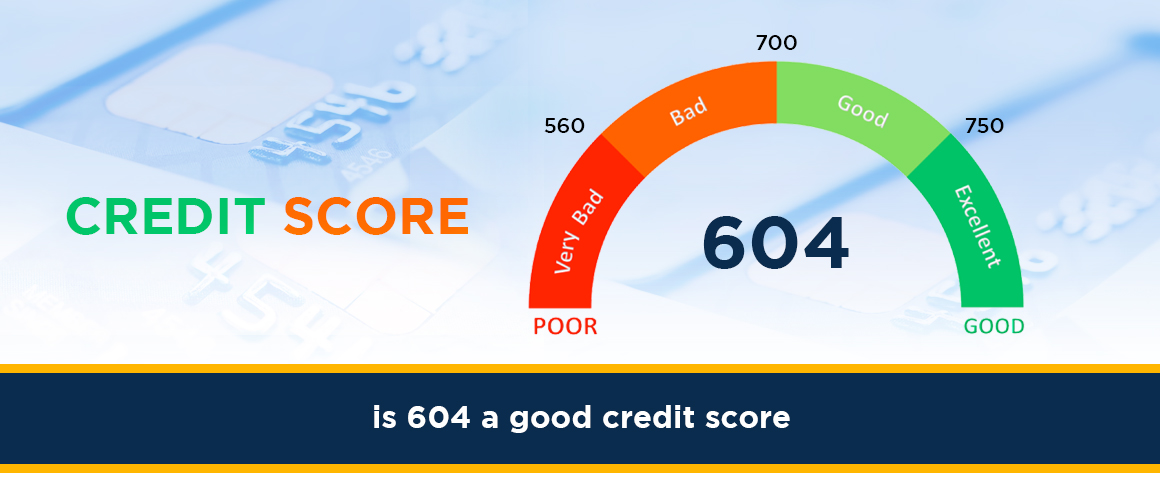
A credit score of 604 sits in a crucial zone, often considered fair but not yet good. Understanding what this means for your borrowing power, interest rates, and financial opportunities is vital. This guide comprehensively explores the implications of a 604 credit score and provides actionable steps to improve it.
What is a 604 Credit Score? Understanding the Tiers
Credit scores are numerical representations of your creditworthiness, calculated based on your credit history. These scores range typically from 300 to 850, with higher scores indicating lower risk to lenders. Understanding where a 604 falls within the broader credit score spectrum is the first step to assessing its implications.
credit score ranges Explained
While exact ranges can vary slightly between credit scoring models (like FICO and VantageScore), the general classifications are widely accepted. As of 2025, these are the common tiers:
- Exceptional: 800-850
- Very Good: 740-799
- Good: 670-739
- Fair: 580-669
- Poor: 300-579
Based on these common benchmarks, a 604 credit score firmly lands in the Fair category. This means that while it's not considered poor, it's also not yet in the "good" range. This distinction is significant because lenders often use these categories to make lending decisions and determine the terms of credit they offer.
FICO vs. VantageScore: A Quick Comparison
It's important to note that there are different scoring models. The two most prevalent are FICO and VantageScore. While they use similar factors, their scoring ranges and methodologies can differ slightly. However, for the purpose of general understanding, a 604 score generally falls into a similar category across both models, indicating a need for improvement.
FICO Score Ranges (2025):
- 800-850: Exceptional
- 740-799: Very Good
- 670-739: Good
- 580-669: Fair
- 300-579: Poor
VantageScore Ranges (2025):
- 781-850: Excellent
- 661-780: Good
- 601-660: Fair
- 500-600: Poor
- 300-499: Very Poor
As you can see, a 604 score is at the very top end of the "Fair" range for VantageScore, and firmly within "Fair" for FICO. This means it's a score that lenders will look at closely, and it might present challenges in obtaining the best loan terms.
How Lenders View a 604 Credit Score
Lenders use credit scores as a primary tool to assess the risk associated with lending money. A score of 604 signals to lenders that there are some concerns in your credit history, but also that you have demonstrated some positive credit behavior. They perceive a 604 score as a moderate risk.
Key Factors Lenders Consider
When evaluating a borrower, lenders look beyond just the number. They examine the underlying factors that contribute to the score. For a 604 score, these factors likely include:
- Payment History: This is the most critical factor. Late payments, missed payments, or defaults are significant red flags. A 604 score might indicate one or more instances of late payments in the past.
- credit utilization Ratio: This is the amount of credit you're using compared to your total available credit. High utilization (e.g., consistently using more than 30% of your credit limit) can negatively impact your score.
- Length of Credit History: A longer history of responsible credit management generally leads to higher scores. A shorter credit history, or a history with recent negative marks, can lower a score.
- Credit Mix: Having a mix of credit types (e.g., credit cards, installment loans) can be beneficial, but it's less impactful than payment history or utilization.
- New Credit: Opening too many new accounts in a short period can signal higher risk.
With a 604 score, lenders might see a pattern of some responsible credit use, but also evidence of past struggles, such as a few late payments or a period of high credit card balances. They will want to see a consistent history of on-time payments and manageable credit utilization moving forward.
Risk Assessment for Lenders
A 604 score places you in a category where lenders are more cautious. They anticipate a higher probability of default compared to someone with a "good" or "very good" score. This increased risk translates into:
- Higher Interest Rates: To compensate for the increased risk, lenders will charge more interest on loans.
- Stricter Loan Terms: You might face lower loan limits, shorter repayment periods, or require a larger down payment.
- Increased Scrutiny: Lenders may request more documentation or a co-signer to mitigate their risk.
- Potential for Rejection: While not guaranteed, there's a higher chance of loan applications being denied, especially for prime lending products.
It's important to remember that lenders have different risk appetites. Some may be willing to lend to individuals with a 604 score, but typically at a premium. Others, particularly those offering premium financial products, might have higher minimum score requirements.
Impact on Loan Approvals and Interest Rates
The most tangible impact of a 604 credit score is on your ability to secure loans and the cost of borrowing. While not outright disqualifying for all credit, it significantly affects the terms you'll be offered.
Mortgage Loans
Securing a mortgage with a 604 credit score can be challenging. While some lenders may offer FHA loans (Federal Housing Administration) to borrowers with scores as low as 580, the terms will likely be less favorable.
- Interest Rates: Expect significantly higher interest rates compared to someone with a "good" credit score. For example, a 1% difference in interest rate on a 30-year mortgage can cost tens of thousands of dollars more over the life of the loan.
- Down Payment: You might be required to make a larger down payment to offset the lender's risk.
- Private Mortgage Insurance (PMI): For conventional loans, if your down payment is less than 20%, you'll likely need PMI, which adds to your monthly payment. PMI costs are often higher for borrowers with lower credit scores.
- Loan Options: Your options might be limited to specific loan programs designed for borrowers with less-than-perfect credit, which often come with higher fees and rates.
Example: A borrower with a 740 credit score might qualify for a 30-year fixed-rate mortgage at 6.5%, while a borrower with a 604 score might be offered the same loan at 7.5% or higher. On a $300,000 loan, this difference in interest rate could mean paying an extra $500 or more per month, and hundreds of thousands of dollars more over 30 years.
Auto Loans
Getting approved for an auto loan with a 604 score is generally more feasible than a mortgage, but the interest rates will be higher.
- Interest Rates: Auto loan rates for fair credit borrowers can be substantially higher than for those with good credit. This means your monthly car payments will be higher, and you'll pay more in interest over the loan term.
- Loan Terms: Lenders might offer shorter loan terms to reduce their risk, leading to higher monthly payments.
- Down Payment: A larger down payment may be required to secure approval.
Current 2025 Data Snapshot: According to industry analysis in early 2025, the average interest rate for a 60-month auto loan for someone with a credit score in the 600-659 range could be around 10-15%, whereas someone with a score above 720 might secure rates closer to 5-7%.
Credit Cards
Obtaining prime credit cards with rewards and low introductory APRs will be difficult with a 604 score. However, you can still qualify for credit cards, though they might be:
- Secured Credit Cards: These require a cash deposit that usually equals your credit limit. They are designed for people with poor or fair credit to build a positive payment history.
- Store Credit Cards: Retailers often have more lenient approval criteria for their store-branded cards, but these typically come with very high interest rates.
- Subprime Credit Cards: These cards are specifically targeted at individuals with lower credit scores. They often come with high annual fees, high interest rates, and low credit limits.
Key Takeaway: While a 604 score doesn't mean you're shut out of credit, it means you'll likely pay more for it and have fewer options. Improving your score should be a priority to unlock better financial opportunities.
Strategies to Improve a 604 Credit Score
Improving a 604 credit score is achievable with a consistent and strategic approach. The key is to address the factors that are most heavily influencing your score. Here's a step-by-step guide:
1. Understand Your Credit Reports
Before you can improve your score, you need to know what's on your credit reports. You are entitled to a free credit report from each of the three major credit bureaus (Equifax, Experian, and TransUnion) annually via AnnualCreditReport.com.
- Review for Errors: Carefully examine each report for inaccuracies, such as incorrect personal information, accounts you don't recognize, or incorrect payment statuses. Dispute any errors immediately with the credit bureau.
- Identify Negative Items: Note any late payments, collections, bankruptcies, or high credit utilization. This will help you prioritize your improvement efforts.
2. Focus on Payment History (The Most Important Factor)
Payment history accounts for about 35% of your FICO score. Making on-time payments is paramount.
- Pay Bills on Time, Every Time: Set up automatic payments or reminders for all your bills – credit cards, loans, utilities, rent (if reported). Even one late payment can significantly hurt your score.
- Catch Up on Past Due Accounts: If you have any accounts that are currently past due, bring them current as soon as possible.
- Negotiate with Creditors: If you're struggling to make payments, contact your creditors. They may be willing to set up a payment plan or offer hardship programs.
3. Manage Your Credit Utilization Ratio (CUR)
Credit utilization makes up about 30% of your FICO score. Aim to keep your CUR below 30%, and ideally below 10%.
- Pay Down Credit Card Balances: Focus on paying down the balances on your credit cards. Prioritize cards with the highest interest rates first (the "debt avalanche" method) or those with the smallest balances for quick wins (the "debt snowball" method).
- Request a Credit Limit Increase: If you have a good payment history with a particular card issuer, you might be able to request a credit limit increase. This will lower your utilization ratio, assuming your spending remains the same.
- Avoid Maxing Out Cards: Never let your credit card balances get close to their limits.
4. Address Derogatory Marks
Negative items like collections, charge-offs, and judgments can severely impact your score. While they typically remain on your report for up to seven years, their impact lessens over time.
- Negotiate with Collection Agencies: If you have accounts in collections, you can try to negotiate a "pay-for-delete" agreement, where you pay a portion or full amount in exchange for the item being removed from your credit report. Get this agreement in writing before paying.
- Understand the Impact: Newer derogatory marks have a greater negative impact than older ones.
5. Build a Positive Credit History
Length of credit history (15% of FICO score) and credit mix (10%) are also factors.
- Keep Old Accounts Open: If you have older credit accounts that are in good standing and have no annual fees, keep them open. This helps lengthen your average credit history.
- Consider a Secured Credit Card: As mentioned earlier, these are excellent tools for building credit. Use it for small purchases and pay it off in full each month.
- Become an Authorized User: If a trusted friend or family member with excellent credit is willing, they can add you as an authorized user to one of their credit cards. Their positive payment history can then reflect on your report. Ensure they have a good track record!
6. Avoid New Credit Inquiries (Temporarily)
While new credit makes up 10% of your FICO score, opening too many accounts in a short period can lower your score. During your improvement phase, limit new credit applications unless absolutely necessary.
Step-by-Step Action Plan for Improvement:
- Month 1: Obtain all three credit reports. Review them thoroughly for errors and dispute any found. Make a list of all accounts, balances, and due dates. Set up payment reminders for all bills.
- Months 2-6: Focus intensely on paying down credit card balances to reduce utilization. Aim to get all cards below 30% utilization. Make all payments on time. If you have collections, start negotiating.
- Months 6-12: Continue making on-time payments and keeping utilization low. Consider applying for a secured credit card if you don't have one, and use it responsibly.
- Ongoing: Maintain diligent payment habits, keep utilization low, and continue monitoring your credit reports periodically.
Improving a credit score takes time and consistency. A 604 score can typically be moved into the "good" category (670+) within 12-24 months of diligent effort.
Common Misconceptions About 604 Credit Scores
Many individuals hold misconceptions about what a 604 credit score truly means and what can be done about it. Dispelling these myths is crucial for effective credit management.
Misconception 1: A 604 Score Means You're Denied All Credit
Reality: This is not true. While a 604 score puts you in the "fair" category, many lenders offer products for this credit tier. You may not get the best rates or terms, but approval is often possible for certain loans and credit cards, such as FHA mortgages, auto loans from subprime lenders, and secured credit cards.
Misconception 2: Paying Off Collections Automatically Fixes Your Score
Reality: Paying off a collection account is generally a good thing, but it doesn't always guarantee an immediate, significant score increase. The negative mark of the collection will still remain on your report for up to seven years. The benefit comes from stopping further negative reporting and potentially improving your score over time as the negative mark ages.
Misconception 3: Closing Old Credit Cards Will Improve Your Score
Reality: This is often the opposite of what's true. Closing an old credit card can negatively impact your score in two ways:
- It reduces your total available credit, which can increase your credit utilization ratio if you carry balances on other cards.
- It shortens the average age of your credit accounts, which is also a factor in your score.
Misconception 4: Checking Your Own Credit Score Hurts Your Score
Reality: This is a common misunderstanding. There are two types of credit inquiries:
- Hard Inquiries: Occur when a lender checks your credit for a loan or credit card application. These can slightly lower your score.
- Soft Inquiries: Occur when you check your own credit report, pre-qualification checks, or when employers perform background checks. These do not affect your credit score.
Misconception 5: All Credit Scores Are the Same
Reality: As discussed earlier, different scoring models (FICO, VantageScore) and different versions of these models exist. Furthermore, your credit score can vary slightly between the three major credit bureaus (Equifax, Experian, TransUnion) because they may not have identical information on your reports. It's important to know which score a lender is using, but the general principles for improvement apply across the board.
Misconception 6: You Need to Carry a Balance to Build Credit
Reality: This is false and potentially harmful. You do not need to carry a balance and pay interest to build credit. The most effective way to build credit is to use credit responsibly, which means making all payments on time and keeping your credit utilization low. Carrying a balance and paying interest is an unnecessary expense.
Understanding these misconceptions empowers you to make informed decisions about managing your credit and focusing your improvement efforts effectively.
Alternatives When You Have a 604 Credit Score
While a 604 credit score presents challenges, there are alternative financial strategies and products that can help you manage your needs and improve your credit situation.
Secured Loans and Credit Cards
These are designed for individuals with limited or damaged credit history. They require collateral or a cash deposit, which significantly reduces the lender's risk.
- Secured Credit Cards: As mentioned, you provide a cash deposit (e.g., $300) which typically becomes your credit limit. Use this card for small, manageable purchases and pay the balance in full each month. This builds a positive payment history.
- Secured Loans: These loans are backed by collateral, such as a car title loan or a savings account. They often have lower interest rates than unsecured loans for fair credit borrowers. However, be extremely cautious with title loans due to their high costs and the risk of losing your vehicle.
Co-signers
If you're applying for a loan or credit card and your score is borderline, a co-signer with a strong credit history can significantly improve your chances of approval and potentially secure better terms.
- How it Works: The co-signer agrees to be legally responsible for the debt if you fail to make payments.
- Risks for Co-signer: It's crucial that the co-signer understands the risks involved. If you default, their credit score will be negatively impacted, and they will be liable for the debt.
- Responsibility: If you choose to use a co-signer, it is your absolute responsibility to make all payments on time to protect their credit and your relationship.
Credit-Builder Loans
These are small loans offered by some credit unions and banks specifically to help individuals build or rebuild credit. The loan amount is typically held in a savings account and disbursed to you after you've made all the payments.
- Process: You make regular payments on the loan, and these payments are reported to the credit bureaus. Once the loan is fully repaid, you receive the funds.
- Benefit: This demonstrates consistent, on-time payment behavior, which is a key factor in credit scoring.
Rent and Utility Reporting Services
Some services allow you to have your on-time rent and utility payments reported to credit bureaus. While not all credit scoring models heavily weigh these, they can provide a boost, especially for those with limited credit history.
- How it Works: You sign up with a service, and they verify your rent or utility payments and report them. Some landlords or utility companies may offer this directly.
- Impact: This can add positive payment history to your credit report, especially if you don't have many other credit accounts.
Negotiating Terms
For certain purchases, like a car, you might have more room to negotiate the price or terms directly with the seller if you have a strong down payment or can demonstrate other positive financial attributes, even with a 604 score.
Important Note: While exploring these alternatives, always read the fine print carefully. Understand all fees, interest rates, and terms before committing to any product or service. The ultimate goal should always be to improve your credit score to access more favorable options in the future.
Long-Term Financial Planning with a 604 Score
A 604 credit score is a stepping stone, not a permanent destination. Effective long-term financial planning involves setting goals that include credit score improvement as a foundational element.
Setting Credit Score Improvement Goals
Your primary goal should be to move from the "fair" category to the "good" category (670+). Aim for incremental progress:
- Short-Term Goal (6-12 months): Increase your score by 30-50 points by focusing on reducing credit utilization and ensuring all payments are on time.
- Mid-Term Goal (12-24 months): Reach the "good" credit score range (670+) by maintaining positive habits and potentially opening a credit-builder loan or secured card.
- Long-Term Goal (24+ months): Aim for a "very good" or "excellent" score (740+) by continuing responsible credit management, diversifying your credit mix, and maintaining a long credit history.
Impact on Major Life Goals
Improving your credit score is directly linked to achieving significant life milestones:
- Homeownership: A higher credit score unlocks better mortgage rates, reduces down payment requirements, and lowers the cost of private mortgage insurance, making homeownership more affordable.
- Vehicle Purchase: Better scores mean lower auto loan interest rates, saving you money over the life of the loan.
- Retirement Planning: While not directly tied, a good credit score can indirectly help by reducing the cost of borrowing for other needs, freeing up more funds for savings and investments.
- Insurance Premiums: In many states, insurance companies use credit-based insurance scores to determine premiums for auto and homeowners insurance. A better credit score can lead to lower insurance costs.
- Rental Applications: Landlords often check credit scores. A higher score can make it easier to rent the apartment or house you want.
Building a Budget and Savings Plan
Improving your credit score often goes hand-in-hand with better financial management. Create a realistic budget that allocates funds for debt repayment, savings, and essential expenses.
- Debt Reduction Strategy: Prioritize paying down high-interest debt.
- Emergency Fund: Aim to build an emergency fund covering 3-6 months of living expenses. This prevents you from relying on credit cards during unexpected financial challenges, which can derail your credit improvement efforts.
- Savings for Goals: Allocate funds towards your specific savings goals, whether it's a down payment for a home, a new car, or investments.
Seeking Professional Advice
If you're struggling to manage your debt or improve your credit, consider seeking advice from a non-profit credit counseling agency. They can help you create a debt management plan and provide guidance on budgeting and financial planning.
Example: A couple planning to buy a home in three years notices their combined credit score is 604. They create a plan: one partner focuses on reducing credit card utilization to below 10%, while the other opens a secured credit card and uses it for small, regular purchases, paying it off monthly. They also start a dedicated savings account for their down payment. By consistently following this plan, they aim to reach a combined score of 700+ within two years, qualifying them for better mortgage options.
Long-term financial planning with a 604 credit score requires patience, discipline, and a clear understanding of your goals. By focusing on consistent, positive credit behaviors and smart financial management, you can steadily improve your score and unlock a world of better financial opportunities.
Conclusion
A credit score of 604 places you in the "fair" credit category, indicating a need for improvement but not a complete barrier to financial services. While it means you might face higher interest rates, stricter terms, and potential loan rejections compared to those with higher scores, it's a score that can be significantly improved with focused effort. Understanding that payment history and credit utilization are the most critical factors is key. By diligently reviewing your credit reports, paying all bills on time, reducing your credit card balances, and avoiding common misconceptions, you can systematically boost your score.
Consider alternatives like secured credit cards or credit-builder loans to establish a positive track record. Long-term financial planning should always include credit score improvement as a cornerstone, impacting major life goals like homeownership and vehicle purchases. With consistent application of these strategies and a commitment to responsible financial habits, you can move beyond a 604 score and unlock better financial opportunities, paving the way for a more secure and prosperous financial future. Take action today to start your journey toward excellent credit.
