Is 616 a Good Credit Score? A Comprehensive Guide
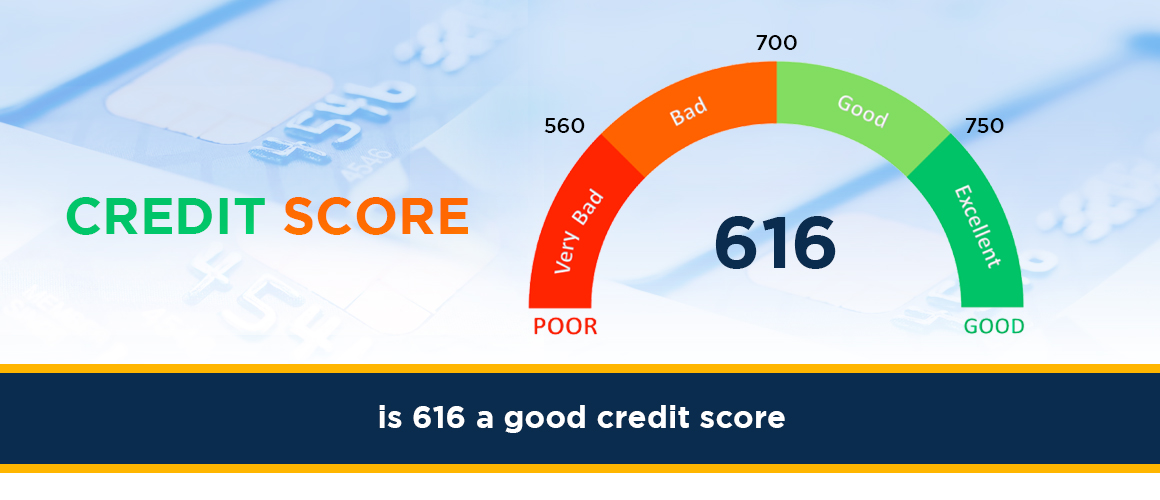
A credit score of 616 falls into the "fair" or "average" range. While not considered excellent, it's a solid foundation that indicates responsible credit behavior, though with room for significant improvement. This guide will explore what a 616 credit score means and how to elevate it.
Understanding Credit Scores: The Foundation
Before diving into the specifics of a 616 credit score, it's crucial to grasp the fundamental concept of credit scoring. Credit scores are numerical representations of your creditworthiness, calculated by credit bureaus based on your credit history. These scores are vital because they influence your ability to obtain loans, credit cards, mortgages, and even impact things like insurance premiums and rental applications. Lenders use them to assess the risk associated with lending you money. A higher score generally signifies a lower risk, leading to better loan terms and interest rates.
The most widely used credit scoring models are FICO and VantageScore. While they use slightly different algorithms, they both consider similar factors. Understanding these factors is the first step toward managing and improving your credit health. These factors include payment history, credit utilization, length of credit history, credit mix, and new credit inquiries. Each plays a significant role in determining your overall score. For instance, consistently paying bills on time is the most impactful factor, while opening too many new accounts in a short period can negatively affect your score.
Credit bureaus like Equifax, Experian, and TransUnion collect data from lenders and creditors to compile your credit reports. These reports are the raw data from which your credit scores are generated. It's essential to regularly review your credit reports for any inaccuracies, as errors can unfairly lower your score. Fortunately, there are established procedures for disputing errors with the credit bureaus. Building a positive credit history takes time and consistent, responsible financial behavior. It's not a sprint but a marathon, and understanding the nuances of credit scoring empowers you to make informed decisions that benefit your financial future.
What Does a 616 Credit Score Mean?
A credit score of 616, as per most standard scoring models in 2025, typically falls into the "fair" or "average" credit range. This means that while you're not in the "poor" or "bad" category, you're also not yet in the "good" or "excellent" tiers. Lenders and creditors view a 616 score as indicating a moderate level of risk. You're likely to be approved for credit, but often with less favorable terms compared to someone with a higher score.
This could translate to higher interest rates on loans and credit cards, lower credit limits, and potentially a requirement for a co-signer or a larger down payment on significant purchases like a car or a home. For example, if you're applying for an auto loan, a lender might offer you a higher APR with a 616 score than they would with a score of 700 or above. Similarly, credit card offers might be limited to secured credit cards or cards with higher interest rates and fewer rewards.
However, it's crucial to remember that a 616 score is not a permanent mark. It's a snapshot of your credit behavior at a particular moment. The good news is that it signifies that you have some credit history, which is a positive starting point. This means you've likely managed credit before, and with targeted efforts, you can certainly improve it. The key is to understand the specific factors contributing to your score and to implement strategies that address those areas. It's a score that says, "You're on the right track, but there's significant opportunity for growth."
Factors Influencing a 616 Score
Several key factors likely contribute to a 616 credit score. Understanding these is paramount to devising an effective improvement plan. While the exact weighting varies between scoring models, the following are generally the most influential:
- Payment History: This is the single most important factor. Late payments, missed payments, or defaults on loans or credit cards will significantly drag down your score. Even a few instances can have a lasting impact.
- Credit Utilization Ratio (CUR): This refers to the amount of credit you're using compared to your total available credit. A high CUR (generally above 30%) indicates you might be overextended, signaling higher risk. For a 616 score, it's probable that this ratio is elevated.
- Length of Credit History: While a 616 score suggests you have some history, it might not be particularly long. Shorter credit histories generally result in lower scores because there's less data for lenders to assess your long-term credit behavior.
- Credit Mix: Having a variety of credit accounts (e.g., credit cards, installment loans like mortgages or auto loans) can be beneficial, but only if managed responsibly. A lack of diversity or too many similar types of accounts might play a minor role.
- New Credit: Applying for multiple credit accounts in a short period can lead to numerous hard inquiries, which can temporarily lower your score. If recent applications have contributed to a 616 score, this is an area to address.
A score of 616 often indicates a combination of these factors, perhaps a history of a few late payments coupled with a high credit utilization ratio. Identifying the specific culprits is the first step toward a strategic improvement plan.
Is 616 "Good Enough"?
Whether a 616 credit score is "good enough" depends entirely on your financial goals and the specific credit products you're seeking. For everyday purchases or minor credit needs, it might suffice. However, for major financial milestones like buying a home, purchasing a new car with favorable financing, or securing a low-interest personal loan, a 616 score is generally considered insufficient to obtain the best terms.
In 2025, lenders are increasingly sophisticated in their risk assessment. While some subprime lenders might approve applications with a 616 score, the associated interest rates and fees will likely be considerably higher, costing you more money over the life of the loan. For instance, a mortgage lender might consider a 616 score as requiring a higher down payment and a higher interest rate compared to someone with a score in the 700s. The same applies to auto loans, personal loans, and even some credit card offers. The goal should always be to strive for a score that unlocks the most advantageous financial opportunities.
Credit Score Ranges Explained (2025 Update)
Understanding how a 616 score fits into the broader credit landscape is crucial. Credit scoring models categorize scores into ranges to help consumers and lenders quickly assess creditworthiness. While exact definitions can vary slightly between FICO and VantageScore, and can be updated periodically, the general ranges for 2025 are as follows:
| Score Range | Category | Implication |
|---|---|---|
| 800-850 | Exceptional | Best interest rates, highest credit limits, best loan terms. Minimal risk. |
| 740-799 | Very Good | Excellent loan terms, competitive interest rates, good credit limits. Low risk. |
| 670-739 | Good | Generally qualifies for most standard loans and credit cards with decent terms. Moderate risk. |
| 580-669 | Fair | May qualify for credit, but often with higher interest rates, lower limits, and stricter terms. Moderate to high risk. |
| 300-579 | Poor | Difficult to obtain credit, often requires secured options or co-signers. High risk. |
As you can see, a 616 credit score firmly resides within the "Fair" category. This means you're on the cusp of the "Good" range but still face limitations. The gap between "Fair" and "Good" is significant in terms of the financial benefits you can access. For example, the average interest rate on a 30-year fixed-rate mortgage in early 2025 for someone with a score above 740 is considerably lower than for someone with a score in the 600s. The difference can amount to tens of thousands of dollars over the life of the loan.
It's important to note that these are general guidelines. Lenders have their own proprietary criteria, and other factors like income, debt-to-income ratio, and employment history also play a role in lending decisions. However, your credit score remains a primary determinant. The goal for anyone with a 616 score should be to diligently work towards reaching the "Good" range (670+) to unlock more favorable financial opportunities.
Comparing 616 to Other Scores
To put a 616 into perspective, let's consider its standing relative to other common scores:
- Below 580 (Poor): This range signifies significant credit risk. Lenders are very hesitant to approve applications, and if they do, it's usually with extremely high interest rates and fees. You might be limited to secured credit cards or credit-builder loans.
- 580-669 (Fair): This is where 616 sits. You can get approved for credit, but terms are often suboptimal. Auto loans might have higher APRs, and credit card offers might be basic with limited rewards.
- 670-739 (Good): This is the target range. You'll qualify for most standard loans and credit cards with competitive interest rates and reasonable credit limits. This is where financial opportunities start to open up significantly.
- 740+ (Very Good to Exceptional): This range unlocks the best of what the credit market offers. You'll receive the lowest interest rates, highest credit limits, and access to premium rewards programs. Lenders see you as a very low-risk borrower.
The difference between a 616 and a 716 score, for instance, can mean saving thousands of dollars on a mortgage or auto loan. It's the difference between being a preferred customer and a customer who is seen as a higher risk, requiring compensation for that risk through higher costs.
The Impact of a 616 Credit Score on Your Financial Life
A 616 credit score can have a tangible impact on various aspects of your financial life in 2025. It's not just about loan applications; it permeates many financial decisions and opportunities.
Loan and Credit Card Approvals
As mentioned, obtaining new credit can be challenging with a 616 score. While not impossible, approvals may come with less desirable terms:
- Higher Interest Rates: This is the most significant impact. Whether it's a mortgage, auto loan, personal loan, or credit card, expect to pay more in interest over time. For example, a 1% difference in an auto loan APR can add hundreds or even thousands of dollars to the total cost of the vehicle.
- Lower Credit Limits: Credit card issuers may offer lower credit limits, restricting your purchasing power and potentially making it harder to keep your credit utilization ratio low.
- Secured Products: You might be steered towards secured credit cards (requiring a cash deposit) or secured loans, which are less risky for lenders but offer fewer benefits.
- Co-signer Requirements: For larger loans, such as mortgages or car loans, a lender might require a co-signer with a better credit score to mitigate their risk.
Insurance Premiums
In many states, insurance companies (auto, home, and sometimes even life) use credit-based insurance scores to help determine premiums. A lower credit score, like 616, can sometimes lead to higher insurance costs. Insurers view individuals with lower credit scores as potentially being higher risk, leading to more claims. While regulations vary by state, this is a factor to consider.
Rental Applications
Landlords often check credit scores as part of the tenant screening process. A 616 score might raise a red flag for some landlords, especially in competitive rental markets. They may view it as an indicator of potential financial instability, leading to a higher risk of late rent payments. This could result in your application being rejected or requiring a larger security deposit.
Utility Deposits
When setting up new utility services (electricity, gas, water, internet, mobile phone), companies may check your credit history. A lower score might mean you're required to pay a security deposit to ensure they receive payment for services rendered. This is less common for established customers but can be a factor for new accounts.
Employment Considerations
In certain industries, particularly those involving financial responsibility or access to sensitive information (e.g., finance, government), employers may conduct credit checks as part of the background screening process. While a 616 score isn't inherently disqualifying, it could be a point of concern for some employers, especially if the role demands a high degree of financial trustworthiness.
The cumulative effect of these impacts means that a 616 credit score can make everyday financial life more expensive and more complicated. It's a clear signal that improving your score will yield significant practical benefits.
Strategies to Improve Your 616 Credit Score
Improving a 616 credit score requires a strategic and consistent approach. The good news is that by focusing on the key factors that influence credit scores, you can make substantial progress. Here are actionable steps for 2025:
1. Prioritize On-Time Payments (Payment History)
This is non-negotiable. Payment history accounts for the largest portion of your credit score (around 35% for FICO). Every single payment you make going forward must be on time.
- Set Up Autopay: Automate payments for all your credit accounts and loans. Ensure you have sufficient funds in your bank account to cover these payments.
- Payment Reminders: Use calendar alerts, smartphone notifications, or even sticky notes to remind yourself of due dates.
- Contact Lenders if You Anticipate a Delay: If you foresee a difficulty in making a payment, contact your lender *before* the due date. They may be willing to offer a grace period or a payment plan, which is far better than a late payment mark.
- Address Past Due Accounts: If you have any accounts that are currently past due, make it your top priority to bring them current.
2. Reduce Your Credit Utilization Ratio (CUR)
Your CUR significantly impacts your score (around 30% for FICO). Aim to keep your overall CUR below 30%, and ideally below 10%, for the best results. A 616 score often suggests this is an area needing improvement.
- Pay Down Balances: Focus on paying down the balances on your credit cards. Prioritize those with the highest interest rates to save money in the long run.
- Don't Close Unused Cards: Closing a credit card reduces your total available credit, which can *increase* your CUR even if your spending hasn't changed. Keep older, unused cards open (as long as they don't have high annual fees) to maintain a higher total credit limit.
- Request a Credit Limit Increase: If you have a good payment history with a particular card issuer, consider requesting a credit limit increase. If approved, this will lower your CUR without you spending more.
- Spread Out Spending: If possible, avoid maxing out any single credit card.
3. Keep Older Accounts Open and Active
The length of your credit history matters (around 15% for FICO). Longer credit histories generally lead to higher scores.
- Avoid Closing Old Accounts: As mentioned, don't close your oldest credit cards, even if you don't use them often. They contribute to your average age of accounts.
- Use Them Sparingly: If you keep an old card open, use it occasionally for a small purchase (like a coffee) and pay it off immediately. This keeps the account active and demonstrates continued responsible use.
4. Limit New Credit Applications
Each time you apply for new credit, it typically results in a hard inquiry on your credit report, which can temporarily lower your score (around 10% for FICO). Applying for multiple accounts in a short period can be detrimental.
- Apply Only When Necessary: Only apply for credit when you genuinely need it and are likely to be approved.
- Research Options: Before applying, research which lenders and products are most suitable for your credit score range to minimize unnecessary inquiries.
- Space Out Applications: If you need to apply for multiple credit products over time, space out your applications by several months.
5. Consider Credit-Building Tools
If your credit history is thin or has some negative marks, specific tools can help.
- Secured Credit Cards: These require a cash deposit that typically equals your credit limit. They function like regular credit cards and report your payment activity to the credit bureaus. This is an excellent option for those with fair credit.
- Credit-Builder Loans: These are small loans where the borrowed amount is held in an account by the lender. You make payments on the loan, and once it's fully repaid, you receive the funds. Your payment history is reported to the bureaus.
- Rent and Utility Reporting Services: Services like Experian Boost, UltraFICO, and others allow you to add positive payment history for rent, utilities, and streaming services to your credit report. Check their eligibility requirements.
6. Dispute Errors on Your Credit Reports
Mistakes happen. Incorrect information on your credit reports can unfairly lower your score. In 2025, it's more important than ever to be vigilant.
- Obtain Your Credit Reports: Get free copies of your credit reports from Equifax, Experian, and TransUnion at AnnualCreditReport.com.
- Review Carefully: Look for any inaccuracies, such as accounts that don't belong to you, incorrect payment statuses, or outdated negative information.
- File a Dispute: If you find an error, file a dispute with the credit bureau reporting the information. They are legally obligated to investigate.
By consistently implementing these strategies, you can steadily improve your 616 credit score and move towards more favorable financial opportunities. Patience and persistence are key.
Common Pitfalls to Avoid When Improving Your Score
While diligently working to improve your credit score, it's easy to fall into common traps that can hinder your progress or even set you back. Being aware of these pitfalls in 2025 can help you stay on the right path.
1. Closing Old, Unused Credit Cards
As previously mentioned, this is a frequent mistake. While it might seem logical to close accounts you don't use, doing so can negatively impact your credit utilization ratio and the average age of your credit history. Both are important factors in your credit score. Keeping them open and inactive, or using them for small, paid-off purchases, is generally a better strategy.
2. Applying for Too Much Credit at Once
The temptation to apply for multiple credit cards or loans simultaneously, especially if you're seeking specific benefits or trying to consolidate debt, can be strong. However, each application typically results in a hard inquiry, which can lower your score. Multiple inquiries in a short period can signal to lenders that you're in financial distress, increasing their perceived risk.
3. Missing Payments After Getting Approved for New Credit
This is perhaps the most counterproductive mistake. You might get approved for a new, better credit card or loan and then, in the excitement or due to poor management, start missing payments on your existing accounts or even the new one. This negates any positive impact of the new credit and actively harms your payment history, which is the most critical component of your score.
4. Only Focusing on Credit Cards
While credit cards are a significant part of your credit profile, they aren't the only factor. Your credit mix (having different types of credit) can also play a role. If you only have credit cards, consider if adding an installment loan (like a small credit-builder loan) might be beneficial in the long run, provided you can manage it responsibly. However, this should be a secondary consideration after mastering credit card management.
5. Ignoring Your Credit Reports
Many people only check their credit reports when they're denied for credit. This is a missed opportunity. Regularly reviewing your reports (at least annually, or more often if you're actively working on your score) allows you to catch errors, monitor your progress, and understand what's impacting your score. Errors can significantly set you back, and timely disputes are crucial.
6. Falling for Credit Repair Scams
Beware of companies that promise to "erase" your negative credit history quickly or guarantee a specific score increase. Legitimate credit improvement takes time and consistent effort. These scams often charge high fees for services that you can do yourself for free, such as disputing errors or managing your accounts. If it sounds too good to be true, it almost certainly is.
7. Overspending with New Credit (Especially After a Score Increase)
As your score improves and you gain access to better credit products, the temptation to spend more can be overwhelming. This can lead to a resurgence of high credit utilization and potentially missed payments, undoing all your hard work. Always maintain responsible spending habits, regardless of your score.
By understanding and actively avoiding these common pitfalls, you can ensure your efforts to improve your 616 credit score are effective and sustainable, leading to genuine and lasting financial health.
Building Credit from Scratch vs. Improving a 616 Score
The journey to a good credit score can take different paths. For someone starting with no credit history, the process involves establishing a foundation. For someone with a 616 score, the focus shifts to repairing and enhancing an existing, albeit imperfect, credit profile.
Building Credit from Scratch
Individuals with no credit history face a unique challenge: lenders can't assess their creditworthiness because there's no data. The primary goal is to create a positive credit footprint.
- Secured Credit Cards: This is often the first step. A deposit is required, but responsible use and on-time payments are reported to the credit bureaus, building a history.
- Credit-Builder Loans: Similar to secured cards, these loans help establish a payment history.
- Authorized User: Becoming an authorized user on a trusted person's credit card (like a parent or spouse) can add their positive payment history to your report, but this is less impactful than having your own accounts.
- Co-signer: A co-signer can help you qualify for loans or credit cards you wouldn't otherwise get. However, the co-signer is equally responsible for the debt, and any missed payments will affect both your credit and theirs.
The key for those building from scratch is patience. It takes time and consistent, positive activity to establish a solid credit history. The initial scores might be low, but the focus is on building a foundation of good habits.
Improving a 616 Score
With a 616 score, you already have credit history. The challenge is to address the negative aspects and reinforce the positive ones. This involves a more targeted approach:
- Addressing Payment History: The priority is to ensure every payment is made on time going forward. Any past late payments will gradually lose their impact over time, but new ones will hurt immediately.
- Reducing Credit Utilization: This is often a major factor for scores in the fair range. Aggressively paying down credit card balances is crucial.
- Managing Existing Accounts: Focus on responsible use of current credit lines rather than opening many new ones.
- Disputing Errors: Identifying and correcting any inaccuracies on your credit report is vital.
- Strategic Use of Credit-Builder Tools: While building from scratch relies heavily on these tools, someone with a 616 might use them to supplement their existing credit or to specifically target a weak area, like adding an installment loan to their credit mix.
The main difference lies in the starting point. Building from scratch is about creating a positive record. Improving a 616 score is about refining an existing record, often by correcting past mistakes and optimizing current credit behavior. Both require diligence, but the strategies are tailored to the specific situation.
Real-World Scenarios: What to Expect with a 616 Credit Score
Let's illustrate the practical implications of a 616 credit score with some common financial scenarios in 2025.
Scenario 1: Buying a Car
You need to buy a car and have a 616 credit score. You apply for an auto loan for a $25,000 vehicle.
- Approval: You might be approved, but likely not by prime lenders offering the lowest rates. You'll probably be directed to subprime lenders or dealership financing departments specializing in fair credit.
- Interest Rate: Instead of an APR in the 4-7% range common for excellent credit, you might face an APR of 12-18% or even higher.
- Monthly Payments: For a 60-month loan at 15% APR, a $25,000 loan would result in monthly payments of approximately $650. If you had a 7% APR (good credit), the payment would be closer to $500. That's an extra $150 per month, or $9,000 over five years, solely due to your credit score.
- Down Payment: The lender might also require a substantial down payment, perhaps 10-20% ($2,500-$5,000), to offset their risk.
Scenario 2: Applying for a Credit Card
You want a new credit card for everyday spending and rewards.
- Card Options: Your options will likely be limited. You might qualify for:
- Secured Credit Cards: These require a deposit, which becomes your credit limit. They are a good way to build credit but offer few rewards.
- Store Credit Cards: These often have easier approval criteria but come with very high interest rates.
- "Fair Credit" Cards: Some issuers offer cards specifically for those with fair credit, but they usually have higher APRs, annual fees, and limited rewards programs.
- Credit Limit: If approved for an unsecured card, expect a low credit limit, perhaps $500-$1,500.
- Interest Rate: The APR will likely be in the 20-30% range, making carrying a balance very expensive.
Scenario 3: Applying for a Mortgage
You're looking to buy your first home. A 616 credit score is on the lower end for mortgage approval, especially for conventional loans.
- Conventional Loans: Most conventional lenders prefer scores of 620 or higher, and ideally 670+. With a 616, approval is unlikely without significant compensating factors.
- FHA Loans: The Federal Housing Administration (FHA) offers loans with more flexible credit requirements. You might be able to qualify for an FHA loan with a 616 score, but it will likely require a larger down payment (e.g., 10% instead of the minimum 3.5% for higher scores) and will come with FHA mortgage insurance premiums (MIP) that add to your monthly cost.
- Interest Rate: Even with an FHA loan, your interest rate will be higher than someone with excellent credit, increasing your monthly mortgage payment and the total interest paid over 30 years.
- Private Mortgage Insurance (PMI): If you somehow qualify for a conventional loan with a score of 616, you'll almost certainly need a substantial down payment and will pay significantly higher PMI rates.
These scenarios highlight that while a 616 score doesn't completely block access to credit, it comes with substantial financial penalties. The cost of borrowing is higher, and the range of available products is narrower.
The Long-Term Benefits of Achieving a Higher Credit Score
The effort invested in improving a 616 credit score pays dividends far beyond just getting approved for a loan. The long-term benefits are substantial and can significantly enhance your financial well-being.
1. Significant Cost Savings on Loans
This is perhaps the most direct and impactful benefit. Lower interest rates on mortgages, auto loans, and personal loans translate into tens of thousands of dollars saved over the life of the loans. For example, a 1-2% difference in a mortgage rate on a $300,000 loan can save you over $60,000 in interest payments across 30 years. Similarly, lower auto loan rates mean cheaper car payments.
2. Better Access to a Wider Range of Credit Products
As your score improves, you'll qualify for premium credit cards with lucrative rewards programs (cash back, travel points), lower interest rates, and higher credit limits. You'll also have access to a broader selection of loan products, giving you more choices and negotiating power.
3. Lower Insurance Premiums
In states where credit-based insurance scores are used, a higher credit score can lead to lower premiums for auto and homeowners insurance. This is because insurers correlate higher credit scores with lower risk of filing claims.
4. Easier Rental Approvals and Better Terms
Landlords are more likely to approve your rental applications when you have a good credit score, as it indicates financial responsibility. You may also be able to avoid larger security deposits or co-signer requirements.
5. Reduced or Eliminated Utility Deposits
Utility companies often waive security deposits for customers with good credit, saving you upfront costs when setting up new services.
6. Greater Financial Flexibility and Peace of Mind
A strong credit score provides a safety net. It means you're better positioned to handle unexpected emergencies, as you'll have access to affordable credit if needed. This reduces financial stress and provides a sense of security.
7. Enhanced Negotiating Power
When you have excellent credit, you're a desirable customer. Lenders and creditors are more willing to negotiate terms with you because they want your business. This can lead to better deals on everything from car loans to credit card interest rates.
8. Facilitates Achieving Major Financial Goals
Whether it's buying a home, starting a business, or investing, a strong credit score is often a prerequisite or a significant enabler. It unlocks opportunities that might otherwise be out of reach.
Investing time and effort into improving your credit score from 616 is not just about fixing a number; it's about building a more secure, flexible, and affordable financial future. The long-term rewards are substantial and far-reaching.
Conclusion: Your Path to Credit Success
A 616 credit score, while categorized as "fair," is a pivotal point. It signifies that you have established credit history but also presents a clear opportunity for significant improvement. This score indicates moderate risk to lenders, meaning you can likely access credit, but often with less favorable terms, higher interest rates, and potentially lower credit limits. The impact extends beyond loan applications, potentially affecting insurance premiums, rental prospects, and utility deposits.
The most effective strategies for elevating your score from 616 involve a steadfast commitment to on-time payments, diligently reducing your credit utilization ratio to below 30% (ideally below 10%), maintaining older credit accounts, and limiting new credit inquiries. Tools like secured credit cards and credit-builder loans can be instrumental, especially if your credit history has specific weaknesses. Crucially, regularly reviewing your credit reports for errors and disputing any inaccuracies is a vital step in ensuring your score accurately reflects your creditworthiness.
Avoid common pitfalls such as closing old accounts, applying for too much credit at once, or falling for credit repair scams. Remember that building or improving credit is a marathon, not a sprint. The long-term benefits of achieving a higher credit score—substantial cost savings on loans, better access to financial products, and greater overall financial flexibility—are well worth the consistent effort. By taking a strategic, informed, and disciplined approach, you can transform your 616 credit score into a powerful asset, paving the way for a more secure and prosperous financial future.
