Is 623 a Good Credit Score? All You Need to Know
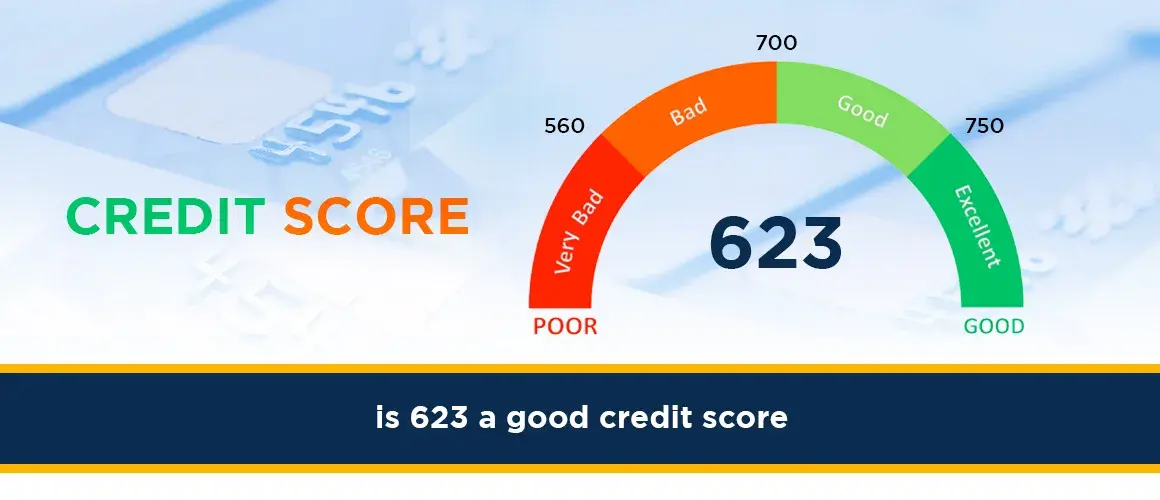
A credit score of 623 generally falls into the "fair" or "average" credit range. While not considered "good" or "excellent," it's a score that can still qualify you for certain financial products, albeit with potentially higher interest rates. Understanding what this score means and how to improve it is crucial for your financial future.
What is a Credit Score and Why Does it Matter?
Before delving into the specifics of a 623 credit score, it's essential to understand the fundamental concept of a credit score itself. In essence, a credit score is a three-digit number that lenders use to assess your creditworthiness – your likelihood of repaying borrowed money. This numerical representation is derived from the information contained in your credit reports, which are compiled by the three major credit bureaus: Equifax, Experian, and TransUnion. These reports detail your borrowing and repayment history, including how you've managed credit cards, loans, and other forms of debt.
Why does this number matter so profoundly? Your credit score acts as a financial passport in today's economy. It influences your ability to access a wide array of financial products and services, and it significantly impacts the terms you'll receive. A higher credit score generally translates to lower interest rates on loans, easier approval for credit cards, better insurance premiums, and even can affect your ability to rent an apartment or secure certain jobs. Conversely, a lower score can lead to rejections, higher costs, and limited options. For instance, in 2025, the average interest rate for a 30-year fixed-rate mortgage for someone with excellent credit might be around 6.5%, while someone with a fair credit score could face rates closer to 8.5% or even higher, leading to tens of thousands of dollars more in interest paid over the life of the loan. This disparity underscores the critical importance of understanding and managing your credit score.
The three major credit bureaus are responsible for collecting and maintaining this data. They receive information from lenders, creditors, and public records, and then use sophisticated scoring models, most commonly the FICO Score and VantageScore, to generate your credit score. While the exact algorithms are proprietary, they generally weigh the same key factors. Understanding these factors is the first step toward understanding your own score and how to improve it.
Understanding Credit Score Ranges in 2025
Credit scores are typically categorized into several ranges, providing a general idea of creditworthiness. While the exact cutoffs can vary slightly between different scoring models (FICO and VantageScore) and even between lenders, the general consensus for 2025 is as follows:
- Exceptional Credit: 800-850. This range signifies an excellent credit history with virtually no risk to lenders. Individuals in this bracket typically receive the best interest rates and loan terms.
- Very Good Credit: 740-799. This is a strong credit score, indicating a responsible borrower. You'll likely qualify for most loans and receive competitive interest rates.
- Good Credit: 670-739. This range is considered solid. You can expect to be approved for most credit products, though perhaps not always with the absolute lowest interest rates available.
- Fair Credit: 580-669. This is where a 623 credit score falls. It indicates some credit issues or a limited credit history. Lenders may approve applications but often with higher interest rates and potentially stricter terms.
- Poor Credit: 300-579. This range signifies significant credit problems. It can be challenging to get approved for new credit, and if approved, the terms will likely be very unfavorable.
It's important to note that these ranges are guidelines. Lenders often have their own internal thresholds and consider other factors beyond just the credit score when making lending decisions. However, these broad categories provide a useful framework for understanding where you stand. A score of 623 places you squarely in the "fair" category, meaning you are on the cusp of being considered average but still have room for improvement to access better financial opportunities.
Is 623 a Good Credit Score? A Detailed Look
Directly answering the question: Is 623 a good credit score? The straightforward answer is no, it is not considered "good" by most financial institutions and scoring models. As outlined in the 2025 credit score ranges, 623 falls into the "fair" credit category. This means that while you are not in the "poor" credit bracket, you are also not yet in the "good" or "very good" ranges.
What does this mean in practical terms?
- Loan Approvals: You might be approved for certain types of loans, such as personal loans, auto loans, or even some mortgages. However, the approval is not guaranteed, and the interest rates offered will likely be higher than those offered to individuals with good or excellent credit. For example, a car loan for someone with a 623 score might have an APR of 10-15%, compared to 4-7% for someone with a score above 700.
- Credit Card Offers: You may qualify for some credit cards, particularly secured credit cards or those designed for individuals with fair credit. These cards often come with lower credit limits and potentially higher annual fees or interest rates.
- Rental Applications: Landlords often check credit scores to assess a tenant's reliability. A 623 score might lead to rejection or a requirement for a larger security deposit or a co-signer.
- Insurance Premiums: In many states, insurance companies use credit-based insurance scores to determine premiums for auto and homeowners insurance. A fair credit score could result in higher insurance costs.
The good news is that a 623 credit score is not a permanent barrier. It signifies that there are areas in your credit history that could be improved. It's a score that indicates you have some experience with credit but may have made a few missteps or haven't established a long enough or robust enough credit history. The key is to understand what's holding your score back and to implement strategies to raise it.
For context, consider the average credit score in the United States. As of early 2025, the average FICO score hovers around 715. This means that a 623 score is noticeably below the national average, reinforcing its classification as "fair." However, this also highlights that a significant portion of the population has scores in the fair range, and many successfully improve their credit over time.
Factors Influencing Your Credit Score
Your credit score is not a static number; it's a dynamic reflection of your financial behavior. Several key factors contribute to its calculation, and understanding these is crucial for effective credit management. The most influential factors, according to standard scoring models like FICO, are:
Payment History (35% of score)
This is the single most important factor. It reflects whether you pay your bills on time. Late payments, missed payments, defaults, bankruptcies, and collections can all significantly damage your score. Even a single 30-day late payment can have a negative impact, and the severity increases with the length of the delinquency (60 days, 90 days, etc.). For someone with a 623 score, it's highly probable that payment history is a significant contributor to this rating.
Amounts Owed / credit utilization (30% of score)
This refers to the amount of credit you are using compared to your total available credit. It's often expressed as a credit utilization ratio. For example, if you have a credit card with a $1,000 limit and a balance of $500, your utilization ratio is 50%. Experts recommend keeping this ratio below 30%, and ideally below 10%, for optimal scores. High credit utilization signals to lenders that you might be overextended and at a higher risk of defaulting.
Length of Credit History (15% of score)
This factor considers how long your credit accounts have been open and how long it's been since you last used them. A longer credit history generally indicates more experience managing credit, which is viewed favorably. The average age of your accounts and the age of your oldest account both play a role.
Credit Mix (10% of score)
This factor looks at the different types of credit you have. Having a mix of credit, such as credit cards (revolving credit) and installment loans (like mortgages or auto loans), can be beneficial. It shows you can manage different forms of debt responsibly. However, this factor is less impactful than payment history or credit utilization.
New Credit (10% of score)
This factor considers how many new credit accounts you've opened recently and how many hard inquiries (when you apply for credit) appear on your report. Opening too many new accounts in a short period can signal risk to lenders, as can a high number of hard inquiries.
For a 623 credit score, it's common to see issues in one or more of these areas. For instance, a history of late payments would directly impact the payment history component. High credit card balances would negatively affect credit utilization. A very short credit history would also contribute to a lower score. Identifying which of these factors are most relevant to your specific situation is the first step toward targeted improvement.
Strategies to Improve a 623 Credit Score
Improving a 623 credit score requires a strategic and consistent approach. The goal is to demonstrate to lenders that you are a reliable borrower. Here are actionable steps you can take:
1. Pay All Bills On Time, Every Time
This is the most critical step. Set up automatic payments or reminders for all your bills, including credit cards, loans, utilities, and rent (if reported). Even a single late payment can undo months of progress. If you have past-due accounts, bring them current immediately.
2. Reduce Your Credit Utilization Ratio
If your credit card balances are high, focus on paying them down. Aim to get your utilization ratio below 30% on each card and overall. Consider making multiple payments throughout the month to keep your reported balance low. If possible, request a credit limit increase on existing cards, as this will lower your utilization ratio without you having to pay down debt faster. However, be aware that a hard inquiry might occur for a limit increase, which can slightly impact your score temporarily.
3. Dispute Errors on Your Credit Reports
Obtain copies of your credit reports from Equifax, Experian, and TransUnion (you can get free reports annually at annualcreditreport.com). Review them carefully for any inaccuracies, such as incorrect personal information, accounts you don't recognize, or erroneous late payment notations. If you find errors, dispute them with the credit bureau. Correcting errors can lead to a significant score increase.
4. Avoid Opening Too Many New Accounts
While building credit is important, opening multiple new credit accounts in a short period can hurt your score due to hard inquiries and a shorter average account age. Focus on managing your existing accounts responsibly before applying for new credit.
5. Consider a Secured Credit Card
If you struggle to get approved for unsecured credit cards, a secured credit card can be an excellent tool. You provide a cash deposit, which typically becomes your credit limit. Use the card for everyday purchases and pay the balance in full and on time each month. This demonstrates responsible credit behavior to the bureaus.
6. Become an Authorized User
If you have a trusted friend or family member with excellent credit, they might be willing to add you as an authorized user on one of their credit cards. Their positive payment history on that account can then be reflected on your credit report, potentially boosting your score. Ensure the primary cardholder has a strong credit history and low utilization on that card.
7. Be Patient and Consistent
Credit repair takes time. It's not an overnight process. Focus on building a consistent track record of responsible financial behavior. Over months and years, your score will gradually improve as positive actions outweigh past negative ones.
Example Scenario:
Let's say Sarah has a 623 credit score. Her credit report shows two credit cards with $1,500 balances each, and both cards have a $2,000 limit. Her total credit utilization is 75%. She also has one late payment on her oldest credit card from 18 months ago.
Sarah's Action Plan:
- Focus on Utilization: Sarah decides to aggressively pay down one card to zero and reduce the other to under $500. This will bring her overall utilization down to around 25%.
- Automate Payments: She sets up auto-pay for her minimum payments on both cards to ensure no future late payments.
- Check Reports: She pulls her credit reports to ensure the late payment is accurate and no other errors exist.
- Avoid New Credit: She refrains from applying for any new credit for the next 6-12 months.
By implementing these steps consistently over the next 6-12 months, Sarah can expect her credit score to increase significantly, potentially moving her into the "good" credit range.
What Loans Can You Get with a 623 Credit Score?
A 623 credit score, while in the "fair" category, doesn't necessarily mean you're locked out of all borrowing opportunities. Many lenders offer products for individuals with fair credit, but it's crucial to understand the implications.
1. Auto Loans
You can likely get approved for an auto loan with a 623 credit score. However, expect higher interest rates compared to borrowers with good credit. This means your monthly payments will be higher, and you'll pay more in interest over the life of the loan. Some subprime lenders specialize in this credit range, but always compare offers to find the best possible terms.
2. Personal Loans
Personal loans are often more accessible for those with fair credit than other types of loans. Many online lenders and some traditional banks offer personal loans to borrowers with scores in the 600s. Again, the interest rates will be higher, and loan amounts might be smaller. It's essential to research lenders that cater to fair credit and compare their APRs and fees.
3. Mortgages
Getting a mortgage with a 623 credit score is possible, but it's more challenging and will likely involve specific loan programs.
- FHA Loans: The Federal Housing Administration (FHA) insures loans for borrowers with lower credit scores. FHA loans typically require a minimum credit score of 580 for a 3.5% down payment, making a 623 score eligible. However, they come with mortgage insurance premiums (MIP) that can add to your monthly costs.
- VA Loans: For eligible veterans and active-duty military personnel, VA loans often have more flexible credit score requirements, and some lenders may approve a 623 score.
- Conventional Loans: While most conventional lenders prefer scores above 620, a 623 score might be on the borderline. If approved, you'll likely face higher interest rates and potentially a larger down payment requirement.
For any mortgage, lenders will also scrutinize your debt-to-income ratio, employment history, and savings. A strong overall financial profile can help compensate for a fair credit score.
4. Secured Loans
Loans secured by collateral, such as a home equity loan or a secured personal loan (backed by savings or a CD), may be more accessible. The collateral reduces the lender's risk, making them more willing to lend to borrowers with fair credit.
5. Credit Cards
As mentioned earlier, you can likely qualify for credit cards designed for fair credit. These might include secured credit cards or cards with lower credit limits and higher APRs. Some rewards cards might still be out of reach until your score improves.
Important Considerations for Borrowing with a 623 Score:
- Higher Interest Rates: Be prepared for higher APRs, which will increase the overall cost of borrowing.
- Fees: Some lenders may charge origination fees or other charges.
- Loan Limits: You might be offered smaller loan amounts.
- Co-signer: A co-signer with good credit can significantly improve your chances of approval and potentially secure better terms.
Before applying for any loan, it's advisable to research lenders that specialize in fair credit and compare multiple offers to find the most favorable terms. Understanding the total cost of borrowing, including interest and fees, is paramount.
Alternatives to Traditional Loans with a Fair Credit Score
If traditional loans are proving difficult to obtain or come with prohibitively high costs due to a 623 credit score, several alternatives can help you meet your financial needs. These options often focus on building credit or provide access to funds without relying solely on a high credit score.
1. Credit-Builder Loans
These are small loans specifically designed to help individuals build or improve their credit history. When you take out a credit-builder loan, the borrowed amount is typically held in an account by the lender. You make regular payments on this amount, and once the loan is fully repaid, the lender releases the funds to you. Your on-time payments are reported to the credit bureaus, helping to establish a positive payment history.
2. Secured Personal Loans
As mentioned previously, these loans are backed by collateral, such as a savings account, certificate of deposit (CD), or even a vehicle. Because the lender has collateral to fall back on if you default, they are more willing to lend to individuals with fair credit. The interest rates are often lower than unsecured personal loans for fair credit.
3. Peer-to-Peer (P2P) Lending Platforms
Platforms like LendingClub or Prosper connect borrowers directly with individual investors. While these platforms do assess creditworthiness, they may offer more flexibility than traditional banks. Borrowers with fair credit can sometimes secure loans, though interest rates can vary widely depending on the platform and the perceived risk.
4. Credit Unions
Credit unions are member-owned financial cooperatives. They often have more flexible lending criteria than large banks and may be more willing to work with members who have fair credit. They might offer credit-builder loans, secured loans, or personal loans with more favorable terms. Becoming a member of a credit union can be a beneficial step.
5. Rent-to-Own Agreements
For larger purchases like furniture or appliances, a rent-to-own agreement allows you to use an item immediately and pay for it in installments. While not a loan, it provides access to goods without a credit check. However, these agreements often come with significantly higher overall costs than purchasing outright or financing with a loan.
6. Borrowing from Friends or Family
While this can be a convenient option, it's crucial to approach it with caution. If you choose this route, treat it like a formal loan: document the agreement in writing, specify the loan amount, interest rate (if any), and repayment schedule. This helps prevent misunderstandings and preserves relationships.
7. Improving Credit Score First
In some cases, the best "alternative" is to focus on improving your credit score before seeking a loan. Dedicate a few months to implementing the strategies discussed earlier. Even a modest increase in your score can unlock better loan options and lower interest rates, saving you money in the long run. For instance, raising your score from 623 to 670 could potentially reduce your auto loan interest rate by several percentage points.
When considering alternatives, always read the terms and conditions carefully. Understand the total cost of borrowing, any fees involved, and the repayment obligations. Prioritize options that not only meet your immediate needs but also contribute positively to your long-term credit health.
Managing Debt with a Fair Credit Score
If you have a 623 credit score, it's likely that managing existing debt is a significant factor in your financial picture. Effectively managing debt is not only crucial for your current financial well-being but also a cornerstone of improving your credit score.
1. Understand Your Debt
The first step is to get a clear picture of all your debts:
- List all debts: Include credit cards, personal loans, auto loans, student loans, and any other forms of credit.
- Note balances: Record the current outstanding balance for each debt.
- Identify interest rates (APRs): This is crucial for prioritizing repayment.
- Note minimum payments: Understand what you owe each month.
2. Prioritize Debt Repayment Strategies
Two popular methods can help you tackle your debt:
- Debt Snowball Method: Pay off your smallest debts first while making minimum payments on larger ones. Once the smallest debt is paid off, roll that payment amount into the next smallest debt, creating a "snowball" effect. This method provides psychological wins and motivation.
- Debt Avalanche Method: Focus on paying off the debt with the highest interest rate first, while making minimum payments on others. This method saves you the most money on interest over time. For a 623 credit score, where interest rates can be high, the avalanche method is often more financially beneficial.
Example:
Suppose you have:
- Credit Card A: $1,000 balance, 22% APR
- Credit Card B: $2,000 balance, 18% APR
- Personal Loan: $5,000 balance, 12% APR
Using the Debt Avalanche method, you'd focus extra payments on Credit Card A (22% APR) until it's paid off, then move to Credit Card B (18% APR), and finally the Personal Loan (12% APR).
3. Avoid Taking on New Debt
While working to improve your score and manage existing debt, it's vital to avoid accumulating more debt. If possible, pause any non-essential borrowing.
4. Negotiate with Creditors
If you are struggling to make payments, contact your creditors. They may be willing to work with you to set up a more manageable payment plan, temporarily lower your interest rate, or waive certain fees. This can prevent further damage to your credit score.
5. Consider Debt Consolidation (with Caution)
Debt consolidation involves combining multiple debts into a single new loan, often with a lower interest rate. This can simplify payments and potentially reduce costs. However, with a 623 credit score, you may not qualify for the most favorable consolidation loans. If you do, ensure the new loan's interest rate and fees are genuinely lower than your current combined costs. A balance transfer credit card with a 0% introductory APR could also be an option, but watch out for transfer fees and the APR after the introductory period.
6. Seek Professional Help
If your debt feels overwhelming, consider consulting a non-profit credit counseling agency. They can help you create a budget, develop a debt management plan, and negotiate with creditors on your behalf. Be wary of for-profit debt settlement companies that make unrealistic promises.
Managing debt effectively is a continuous process. By implementing a structured repayment plan and avoiding new debt, you can gradually reduce your financial burden and simultaneously build a stronger credit profile.
Building Credit for the Future
A 623 credit score is a stepping stone, not a destination. The ultimate goal is to build a robust credit history that opens doors to favorable financial opportunities. This involves not just fixing current issues but also establishing a positive track record for the long term.
1. Consistent On-Time Payments
As emphasized repeatedly, this is the bedrock of good credit. Make it a non-negotiable habit. Automate payments, set calendar reminders, or use budgeting apps to ensure you never miss a due date. Every on-time payment is a positive mark on your credit report.
2. Maintain Low Credit Utilization
Aim to keep your credit utilization ratio below 30% on all your credit cards and overall. Lower is better – ideally below 10%. This demonstrates that you are not overly reliant on credit. Regularly monitor your balances and pay them down proactively.
3. Keep Old Accounts Open
Even if you no longer use an old credit card, keeping it open (especially if it has no annual fee) can benefit your credit score. This contributes to a longer average age of your credit accounts, which is a positive factor. As long as there's no annual fee and you can manage it responsibly (e.g., by making a small purchase occasionally and paying it off immediately), it can help your credit.
4. Diversify Your Credit Mix (Over Time)
As your credit improves, consider having a mix of credit types, such as revolving credit (credit cards) and installment loans (a car loan or mortgage). This shows you can handle different kinds of debt responsibly. However, do not open new accounts solely for the purpose of diversifying your credit mix if you don't need them. Focus on responsible management of existing accounts first.
5. Monitor Your Credit Regularly
Regularly check your credit reports for accuracy and monitor your credit score. Many credit card companies and financial institutions offer free credit score monitoring services. This allows you to track your progress and quickly identify any potential issues or fraudulent activity.
6. Educate Yourself on Credit Products
As you aim to improve your score, learn about different credit products and how they work. Understand the implications of APRs, fees, credit limits, and repayment terms. Making informed decisions about credit is key to long-term success.
7. Set Financial Goals
Having clear financial goals, such as buying a home, purchasing a new car, or simply having a lower cost of borrowing, can provide motivation to maintain good credit habits. Link your credit-building efforts to these tangible aspirations.
Building credit is a marathon, not a sprint. By consistently applying sound financial practices, you can steadily increase your credit score, paving the way for better loan terms, more credit opportunities, and greater financial freedom in the future. A 623 score is a starting point from which significant improvement is achievable with dedication and the right strategies.
Conclusion: Your Path Forward from a 623 Credit Score
A credit score of 623 places you firmly in the "fair" credit category for 2025. While this score indicates you have some credit experience, it also signifies that there are areas for improvement to unlock more favorable financial opportunities. It's not considered "good," meaning you may face higher interest rates, stricter terms, or even denial for some loans and credit products. However, this score is far from insurmountable.
The key takeaway is that your credit score is a dynamic reflection of your financial habits. By understanding the factors that influence it – particularly payment history and credit utilization – you can implement targeted strategies to raise your score. Prioritizing on-time payments, diligently reducing credit card balances, and monitoring your credit reports for errors are the most impactful steps you can take. Utilizing tools like secured credit cards or credit-builder loans can also be instrumental in demonstrating responsible credit behavior.
While a 623 score might allow you to qualify for certain loans, such as FHA mortgages or some auto and personal loans, expect higher costs. Exploring alternatives like credit unions or peer-to-peer lending, and always comparing multiple offers, is essential. Ultimately, the most effective path forward from a 623 credit score involves patience, consistency, and a commitment to sound financial practices. By focusing on these principles, you can steadily build a stronger credit profile, leading to better borrowing terms and greater financial flexibility in the years to come.
