Is 626 a Good Credit Score? Everything You Need to Know
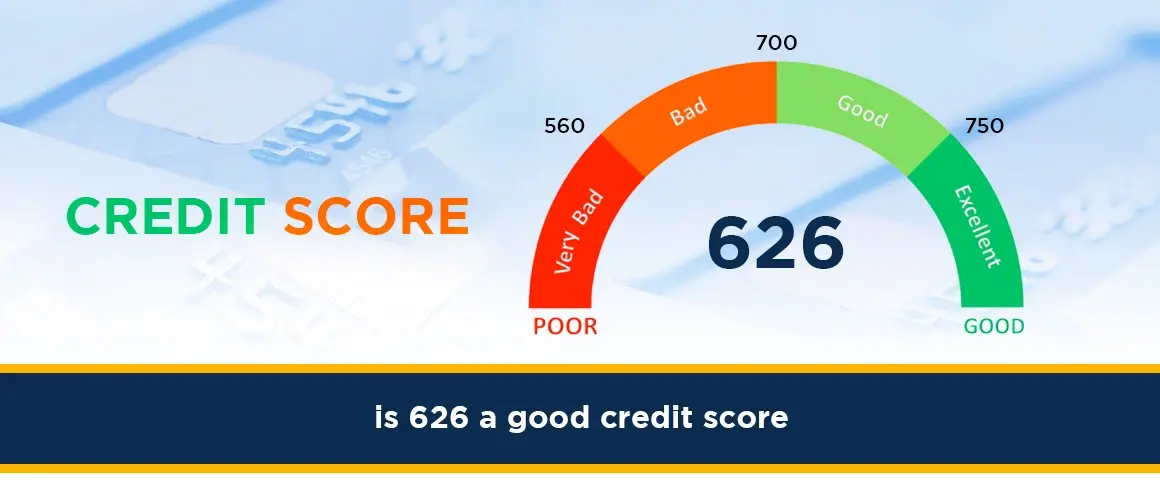
A credit score of 626 sits in a crucial zone, often considered fair or average. While not excellent, it's not dire either. Understanding what a 626 score means is vital for unlocking better loan terms, lower interest rates, and improved financial opportunities in 2025.
What is a 626 Credit Score? Understanding the Tiers
In the realm of credit scoring, a 626 score generally falls into the "fair" or "average" category. This means it's neither exceptionally high nor critically low. Lenders use credit scores as a primary indicator of your creditworthiness – how likely you are to repay borrowed money. Different credit bureaus and scoring models (like FICO and VantageScore) may have slightly varying ranges, but a 626 typically sits in a zone where approval for certain financial products is possible, though often with less favorable terms than someone with a higher score.
For context, let's look at the general credit score ranges used by major scoring models as of 2025:
| Score Range | Rating | Implications |
|---|---|---|
| 800-850 | Exceptional | Best interest rates, widest loan options, excellent approval odds. |
| 740-799 | Very Good | Good interest rates, strong approval odds for most products. |
| 670-739 | Good | Decent interest rates, good approval odds for many loans. |
| 580-669 | Fair | Higher interest rates, limited loan options, approval not guaranteed. |
| 300-579 | Poor | Difficult to get approved, very high interest rates, often requires secured loans or co-signers. |
As you can see, a 626 score places you squarely in the "Fair" category. This means while you're not in the "Poor" range, you're also not yet in the "Good" range. This distinction is significant because lenders perceive a 626 score as carrying a moderate level of risk. Consequently, you might face higher interest rates on loans and credit cards, potentially larger down payment requirements, and a narrower selection of available financial products compared to individuals with scores above 670.
The good news is that a 626 score is a solid foundation for improvement. It indicates that you likely haven't engaged in severely damaging credit behaviors, but there are areas where you can make positive changes to boost your score and unlock better financial opportunities. Understanding the mechanics behind credit scoring is the first step toward strategic improvement.
How Credit Scores Are Calculated: The Building Blocks
Credit scores aren't pulled out of thin air; they are meticulously calculated based on the information contained in your credit reports. While the exact algorithms are proprietary, both FICO and VantageScore, the two dominant scoring models, weigh several key factors. Understanding these components is crucial for anyone aiming to improve their credit score, including those with a 626.
Here's a breakdown of the primary factors influencing your credit score:
- Payment History (Approximately 35% of FICO Score): This is the most critical factor. It reflects whether you pay your bills on time. Late payments, missed payments, defaults, bankruptcies, and collections all significantly damage your score. Consistent on-time payments are the bedrock of a healthy credit score.
- Amounts Owed (credit utilization Ratio - Approximately 30% of FICO Score): This factor looks at how much credit you're using compared to your total available credit. Keeping your credit utilization low – ideally below 30%, and even better below 10% – demonstrates responsible credit management. High utilization suggests you might be overextended.
- Length of Credit History (Approximately 15% of FICO Score): The longer you've had credit accounts open and in good standing, the better. A longer history provides lenders with more data to assess your long-term credit behavior.
- Credit Mix (Approximately 10% of FICO Score): Having a mix of different types of credit, such as credit cards, installment loans (like mortgages or auto loans), and potentially a retail account, can be beneficial. It shows you can manage various forms of credit responsibly. However, this factor is less impactful than payment history or utilization.
- New Credit (Approximately 10% of FICO Score): This considers how many new credit accounts you've opened recently and how many hard inquiries you have. Opening many new accounts in a short period can signal increased risk.
For someone with a 626 score, it's likely that one or more of these factors are not optimal. For instance, a history of late payments, a high credit utilization ratio, or a relatively short credit history could all contribute to this score. Recognizing which of these areas are weaker will guide your efforts to improve your score.
It's also important to note that credit scoring models are updated periodically. The FICO 10 T and VantageScore 4.0 are among the latest iterations, aiming to provide more predictive scores by incorporating trends and considering a broader range of consumer behaviors. While the core principles remain the same, understanding these nuances can help in fine-tuning your credit management strategies for 2025 and beyond.
Factors Impacting a 626 Score: What's Holding You Back?
A 626 credit score suggests that while you're likely making an effort to manage your finances, certain aspects of your credit behavior are preventing your score from reaching higher tiers. Identifying these specific factors is the most crucial step in developing an effective plan to improve your score. Let's delve into the common culprits that might be contributing to a 626 credit score.
Payment History Issues
The most significant drag on a credit score is a negative payment history. Even a few instances of late payments can have a lasting impact. For a 626 score, this could manifest as:
- Occasional 30-Day Late Payments: If you've had a few payments that were 30 days past due in the last 1-3 years, this can significantly lower your score.
- One or Two 60-Day or 90-Day Late Payments: These are more severe and will have a more substantial negative effect.
- Collections Accounts: If any of your debts have been sent to a collection agency, this is a major red flag for lenders.
- Public Records: While less common, bankruptcies, judgments, or liens will severely damage your credit score.
Even if your payment history is generally good, a single significant blemish can keep your score in the fair range.
High Credit Utilization Ratio
This is another very common reason for a score in the 600s. Credit utilization is the ratio of your outstanding credit card balances to your total credit card limits. Lenders want to see that you're not maxing out your credit cards. For a 626 score, your utilization might be:
- Consistently Above 30%: If your total balances across all credit cards are more than 30% of your total credit limits, it can negatively impact your score.
- High Balances on One or Two Cards: Even if your overall utilization is low, having one card maxed out can be detrimental.
High utilization suggests financial strain and a higher risk of default.
Limited Length of Credit History
If you're new to credit or haven't had credit accounts open for very long, your score might be lower simply because there isn't enough data for lenders to assess your long-term behavior. A short credit history (e.g., less than 3-5 years of active accounts) can contribute to a score in the fair range.
Lack of Credit Mix
While not as impactful as payment history or utilization, a lack of diversity in your credit accounts can subtly affect your score. If you only have credit cards and no installment loans, or vice versa, it might be a minor contributing factor. Lenders like to see that you can manage different types of credit responsibly.
Recent Credit Applications (Hard Inquiries)
Applying for multiple credit cards or loans in a short period can lead to several hard inquiries on your credit report. Each hard inquiry can slightly lower your score. If you've recently applied for several new lines of credit, this could be contributing to your 626 score.
Errors on Credit Reports
It's also possible that your 626 score is being affected by inaccuracies on your credit reports. Common errors include incorrect personal information, accounts that don't belong to you, or outdated negative information that hasn't been removed. These errors can unfairly lower your score.
To pinpoint the exact reasons for your 626 score, it's essential to obtain your credit reports from the three major bureaus (Equifax, Experian, and TransUnion) and review them carefully. You can get free copies annually at AnnualCreditReport.com. This detailed review will reveal precisely which factors need your attention.
What Loans Can You Get with a 626 Score? Navigating Your Options
A 626 credit score, while in the "fair" range, doesn't mean you're locked out of all borrowing opportunities. However, it does mean you'll need to be more strategic and prepared for potentially less favorable terms. Lenders view this score as carrying a moderate risk, which translates into higher interest rates, stricter eligibility criteria, and sometimes, additional requirements.
Mortgages
Obtaining a mortgage with a 626 credit score is possible, but it's more challenging than with a higher score. You'll likely need to:
- Meet Higher Down Payment Requirements: Lenders may ask for a larger down payment to mitigate their risk.
- Face Higher Interest Rates: Expect interest rates that are significantly higher than those offered to borrowers with good or excellent credit. This will increase your monthly payments and the total cost of the loan over its lifetime.
- Consider Government-Backed Loans: FHA loans are often more accessible for borrowers with scores in the 600s. An FHA loan can allow for down payments as low as 3.5% for borrowers with scores of 580 or higher. However, they also come with mortgage insurance premiums.
- Work with Specialized Lenders: Some lenders specialize in working with borrowers who have fair credit.
It's crucial to shop around and compare offers from multiple lenders. A difference of even half a percentage point in interest can amount to tens of thousands of dollars over the life of a mortgage. For more on this, explore improving your credit score.
Auto Loans
Getting an auto loan with a 626 score is generally more feasible than a mortgage, but you should anticipate higher interest rates. This means your monthly car payments will be higher, and the total cost of the vehicle will increase due to interest charges. Some dealerships may offer financing, but it's often at a premium. It's advisable to get pre-approved for an auto loan from a bank or credit union before visiting a dealership to compare offers.
Personal Loans
Personal loans are available for individuals with a 626 credit score, but the options might be limited, and interest rates will be higher. You might find:
- Online Lenders: Many online lenders cater to borrowers with fair credit. They often have faster application processes and can offer quick funding.
- Credit Unions: Credit unions may be more flexible and offer better rates than traditional banks for members with fair credit.
- Secured Personal Loans: If you have collateral (like savings or an investment account), a secured personal loan might be an option with potentially lower rates.
Be wary of predatory lenders who offer "guaranteed approval" loans, as these often come with exorbitant fees and interest rates.
Credit Cards
Securing a traditional, unsecured credit card with a 626 score can be challenging. You're more likely to qualify for:
- Secured Credit Cards: These require a cash deposit that typically matches your credit limit. They are an excellent tool for building or rebuilding credit. The deposit reduces the lender's risk.
- Store Credit Cards: Retail store credit cards often have more lenient approval requirements than major credit cards, but they usually come with very high interest rates.
- Credit Builder Cards: These are specifically designed for individuals looking to improve their credit history.
While these cards might not offer premium rewards, they are stepping stones to better credit.
Student Loans
For federal student loans, credit history is generally not a primary factor for undergraduate loans. However, for private student loans, a 626 score might require a co-signer with good credit to secure favorable terms. Graduate student loans, like PLUS loans, may involve credit checks, and a 626 score could impact eligibility.
In summary, with a 626 credit score, your loan options are not entirely closed off, but they come with caveats. The key is to be prepared for higher costs and to diligently shop around for the best possible terms. Focusing on improving your score will significantly broaden your financial horizons.
Improving Your 626 Credit Score: A Step-by-Step Guide to a Better Financial Future
A 626 credit score is a signal that you have room for improvement, and the good news is that positive changes can lead to a noticeable score increase over time. By focusing on the key factors that influence credit scoring, you can systematically boost your score and unlock better financial opportunities. Here’s a comprehensive, step-by-step guide:
Step 1: Obtain and Review Your Credit Reports
Before you can improve your score, you need to understand its current state and identify any potential issues. As mentioned, you are entitled to a free credit report from each of the three major credit bureaus (Equifax, Experian, and TransUnion) annually. Visit AnnualCreditReport.com to request them.
Action: Carefully examine each report for errors. Look for:
- Incorrect personal information (name, address, Social Security number).
- Accounts you don't recognize.
- Incorrectly reported late payments or missed payments.
- Balances that don't match your records.
- Outdated negative information that should have been removed.
Step 2: Dispute Any Errors Found
If you find any inaccuracies, dispute them immediately with the credit bureau that provided the report. You can usually do this online, by mail, or by phone. Provide any supporting documentation you have. The credit bureaus are required to investigate your dispute within a reasonable timeframe (typically 30 days).
Action: Document all communication and keep copies of your dispute letters and any responses received.
Step 3: Focus on Payment History
This is the most impactful factor. To improve your score, you must demonstrate consistent, on-time payments moving forward.
Action:
- Pay all bills on time, every time. Set up automatic payments or calendar reminders for due dates.
- Catch up on any past-due accounts immediately. If you have any accounts that are currently delinquent, bring them current as soon as possible.
- Contact lenders if you anticipate a late payment. Sometimes, lenders can offer temporary hardship programs or payment arrangements if you communicate proactively.
Step 4: Reduce Your Credit Utilization Ratio
Aim to keep your credit utilization below 30%, and ideally below 10%. This ratio is calculated per card and overall.
Action:
- Pay down balances on your credit cards. Prioritize paying down the cards with the highest utilization first (the "debt avalanche" method) or the smallest balances first for quick wins (the "debt snowball" method).
- Avoid maxing out credit cards. Even if you pay the balance off each month, carrying a high balance at the time of your statement closing can negatively impact your utilization calculation.
- Request a credit limit increase. If you have a good payment history with a particular card issuer, you might be able to request a higher credit limit. This will lower your utilization ratio without you having to pay down debt, but only do this if you can resist the temptation to spend more.
Step 5: Maintain Existing Accounts
Closing old, unused credit accounts can sometimes hurt your score. It reduces your total available credit (increasing your utilization ratio) and shortens your average length of credit history.
Action: Keep older, well-managed credit accounts open, even if you don't use them frequently. Use them for small, recurring purchases that you pay off immediately to keep them active.
Step 6: Be Strategic About New Credit
While opening new credit can eventually help with credit mix and history length, applying for too much new credit in a short period can lower your score due to hard inquiries.
Action: Only apply for credit when you genuinely need it. Space out applications if possible.
Step 7: Consider a Secured Credit Card or Credit Builder Loan
If your credit history is thin or contains significant negative marks, these tools can be invaluable for building positive payment history.
Action: Apply for a secured credit card or a credit builder loan from a reputable financial institution. Use it responsibly by making small purchases and paying them off on time.
Step 8: Be Patient
Credit scores don't change overnight. Building a good credit score is a marathon, not a sprint. Positive actions take time to reflect on your credit reports and influence your score.
Action: Stick to your plan consistently. Monitor your credit reports and scores periodically (e.g., every 3-6 months) to track your progress.
By diligently following these steps, you can systematically improve your 626 credit score. As your score climbs into the "Good" and "Very Good" ranges, you'll find yourself eligible for better loan products with lower interest rates, saving you significant money over time. For more on managing debt, see managing debt effectively.
Alternatives to Traditional Loans with a 626 Score
When a 626 credit score presents challenges in securing traditional loans with favorable terms, exploring alternative financing options can be a wise strategy. These alternatives may offer more accessible pathways to funds, though it's crucial to understand their potential drawbacks and costs.
Secured Loans
Secured loans require you to pledge an asset as collateral. Because the lender has recourse to the asset if you default, they are often more willing to lend to individuals with fair credit.
- Secured Personal Loans: You can use savings accounts, certificates of deposit (CDs), or even your car (title loan, though these are high-risk) as collateral. These often come with lower interest rates than unsecured loans.
- Home Equity Loans or HELOCs: If you own a home with sufficient equity, you might be able to borrow against it. However, this puts your home at risk if you can't repay.
Co-signer or Joint Applicant
Bringing in a co-signer with a strong credit history can significantly improve your chances of loan approval and may even help you secure better interest rates. The co-signer is equally responsible for the debt, so it's a significant commitment for them.
Action: Discuss this option with trusted friends or family members who have excellent credit and understand the implications.
Pawn Shop Loans
Pawn shops offer loans based on the value of personal property you leave with them as collateral. These loans are typically short-term and have very high interest rates and fees. They are generally a last resort for small, immediate cash needs.
Payday Loans and Cash Advances (Use with Extreme Caution)
These are short-term, high-cost loans designed to be repaid on your next payday. They often come with astronomical Annual Percentage Rates (APRs) and can trap borrowers in a cycle of debt. While easily accessible, they are generally considered predatory and should be avoided if at all possible.
Warning: The fees and interest rates associated with payday loans can be crippling. They are not a sustainable solution for financial needs and can severely damage your credit further if you default.
Peer-to-Peer (P2P) Lending
Online platforms connect borrowers directly with individual investors. While some P2P lenders have competitive rates, others may still have credit score requirements that could be challenging for a 626 score. It's worth exploring different platforms to see if any are a good fit.
Credit Union Loans
Credit unions are member-owned financial institutions that may offer more flexible lending criteria than traditional banks. If you are a member of a credit union, inquire about their personal loan options for members with fair credit.
Borrowing from Retirement Accounts (401k Loans)
Some employer-sponsored retirement plans allow you to borrow against your vested balance. While this provides access to funds without a credit check, it can have significant long-term consequences for your retirement savings and may be subject to taxes and penalties if not repaid correctly. Consult a financial advisor before considering this option.
When considering any alternative loan, it's paramount to read all terms and conditions carefully, understand the APR, fees, and repayment schedule, and ensure you can realistically afford the payments. For many with a 626 score, the most sustainable path to better financial products involves actively working to improve their credit score.
Managing Debt Effectively with a 626 Credit Score
A 626 credit score often indicates that managing debt effectively is an area that needs attention. Whether you have existing debt or are planning to take on new obligations, a strategic approach is crucial to avoid further damaging your credit and to pave the way for improvement. Effective debt management not only helps your credit score but also frees up your finances for other goals.
Prioritize High-Interest Debt
If you have multiple debts, especially high-interest credit cards, focus on paying these down aggressively. The sooner you eliminate high-interest debt, the less you'll pay in interest over time, and the faster your credit utilization will improve.
Action: Consider the "debt avalanche" method, where you pay the minimum on all debts except the one with the highest interest rate, to which you apply all extra payments. This saves you the most money on interest.
Avoid Taking on New Unnecessary Debt
While you might be tempted to use new credit to manage existing obligations, be cautious. Taking on more debt when your score is in the fair range can be risky and may lead to higher interest rates. Focus on paying down what you owe before adding more.
Action: Before making any significant purchase on credit, ask yourself if it's truly necessary and if you can afford the payments without further straining your budget.
Negotiate with Creditors
If you're struggling to make payments, don't hesitate to contact your creditors. They may be willing to work with you to set up a more manageable payment plan, reduce interest rates temporarily, or waive late fees. This communication is far better than simply missing payments.
Action: Be honest about your financial situation and present a clear plan for how you intend to meet your obligations.
Consider Debt Consolidation (with Caution)
Debt consolidation involves combining multiple debts into a single new loan, often with a lower interest rate. This can simplify payments and potentially save you money on interest.
- Personal Loans: If you can qualify for a personal loan with a lower APR than your current debts, it can be a good option. However, a 626 score might limit your options or result in a rate that isn't significantly better.
- Balance Transfer Credit Cards: Some cards offer 0% introductory APRs on balance transfers. This can be very effective if you can pay off the balance before the promotional period ends. Be aware of balance transfer fees.
Caution: Debt consolidation is not a magic bullet. If you don't address the spending habits that led to the debt, you could end up with the consolidated loan *plus* new debt.
Budgeting is Key
A realistic budget is the foundation of effective debt management. It helps you understand where your money is going and identify areas where you can cut back to allocate more funds towards debt repayment.
Action: Track your income and expenses meticulously. Use budgeting apps or spreadsheets to monitor your spending and identify opportunities for savings.
Seek Professional Help
If your debt feels overwhelming, consider consulting a non-profit credit counseling agency. These agencies can help you create a debt management plan (DMP), negotiate with creditors on your behalf, and provide financial education. Ensure the agency is reputable and accredited.
Action: Look for agencies accredited by the Better Business Bureau (BBB) or the National Foundation for Credit Counseling (NFCC).
Managing debt effectively with a 626 score requires discipline and a clear strategy. By focusing on reducing high-interest debt, budgeting carefully, and making informed decisions about new credit, you can gain control of your finances and lay the groundwork for a significantly improved credit score. For more on how to actively boost your score, refer to improving your 626 credit score.
Understanding Your Credit Reports: The Foundation of Your Score
Your credit score is a numerical representation of the information contained within your credit reports. Therefore, understanding these reports is fundamental to comprehending your credit score, identifying potential issues, and implementing strategies for improvement. Think of your credit reports as your financial resume, detailing your history with credit.
What Information is Included?
Credit reports are compiled by the three major credit bureaus: Equifax, Experian, and TransUnion. Each report contains several key sections:
- Personal Information: Your name, addresses (current and past), Social Security number, date of birth, and employment information. This section is used to verify your identity.
- Credit Accounts: This is the core of your report. It lists all your credit accounts, including credit cards, installment loans (mortgages, auto loans, student loans), and any other lines of credit. For each account, you'll find details such as:
- The original creditor.
- The account number (often partially masked for security).
- The date the account was opened.
- The credit limit or loan amount.
- The current balance.
- Your payment history (on-time payments, late payments, etc.).
- The status of the account (open, closed, paid off, in collections).
- Public Records: This section includes information from public sources, such as bankruptcies, judgments, liens, and civil suits. These are significant negative items that can severely impact your score.
- Credit Inquiries: This lists all instances where a lender or creditor has accessed your credit report. There are two types:
- Hard Inquiries: Occur when you apply for new credit. These can slightly lower your score.
- Soft Inquiries: Occur when you check your own credit, or when a company checks your credit for pre-approved offers or employment screening. These do not affect your score.
Why Are Credit Reports Important for a 626 Score?
For someone with a 626 credit score, reviewing your credit reports is essential for several reasons:
- Identifying the Cause: Your reports will clearly show which factors are most negatively impacting your score. Is it a history of late payments? High credit utilization? An old collection account? Pinpointing the exact issues is the first step to fixing them.
- Detecting Errors: Inaccuracies are more common than you might think. An incorrect late payment reported, an account that isn't yours, or an outdated negative item can significantly lower your score. Correcting these errors can lead to a quick score improvement.
- Understanding Lender Perceptions: By seeing what lenders see, you can better understand why you might be facing higher interest rates or rejections.
- Tracking Progress: As you implement strategies to improve your score, periodically checking your reports will help you see the positive changes taking effect.
How to Access Your Credit Reports
As previously mentioned, you are legally entitled to a free credit report from each of the three major bureaus every 12 months. The official website for this is AnnualCreditReport.com. It's advisable to stagger your requests throughout the year (e.g., get Equifax in January, Experian in May, TransUnion in September) so you can monitor your credit more frequently.
Disputing Errors on Your Credit Report
If you find any inaccuracies, you have the right to dispute them. The process typically involves:
- Notifying the Credit Bureau: You can usually do this online, by mail, or by phone.
- Providing Evidence: Submit any supporting documents that prove the information is incorrect (e.g., payment receipts, account statements).
- Investigation: The credit bureau must investigate your dispute, usually within 30 days, and contact the furnisher of the information (the lender or creditor) for verification.
- Correction or Removal: If the information is found to be inaccurate or incomplete, it must be corrected or removed from your report.
You should also notify the furnisher of the information directly, as this can sometimes expedite the process.
Understanding your credit reports is not just about fixing problems; it's about gaining financial literacy. By regularly reviewing your reports, you empower yourself to make informed decisions, protect yourself from identity theft, and actively work towards achieving a higher credit score and better financial health. This knowledge is particularly valuable when aiming to move your 626 score into a more favorable range, as detailed in improving your 626 credit score.
Future Financial Goals and a 626 Score: Planning for Success
Your credit score is a critical enabler for achieving many significant financial goals. Whether you're dreaming of buying a home, purchasing a new car, starting a business, or simply having the flexibility to handle unexpected expenses, your credit score plays a pivotal role. For individuals with a 626 credit score, understanding how it impacts these goals and creating a plan to improve it is paramount.
Homeownership
Owning a home is a common long-term financial goal. A 626 credit score can make this goal more challenging, primarily due to higher mortgage interest rates and potentially larger down payment requirements. As discussed, FHA loans are often more accessible, but even then, the overall cost of the mortgage will be higher.
Action: Focus on improving your credit score to at least 670 (the threshold for "Good" credit) or ideally higher. This could save you tens of thousands of dollars in interest over the life of a 30-year mortgage. Simultaneously, start saving diligently for a down payment and closing costs.
Vehicle Purchase
Buying a car is often a necessity. With a 626 score, you'll likely face higher interest rates on auto loans, increasing your monthly payments and the total cost of the vehicle. If you can wait, improving your score can lead to substantial savings.
Action: Aim to improve your score before applying for an auto loan. If immediate purchase is necessary, get pre-approved from multiple lenders to compare rates and consider a less expensive vehicle that fits comfortably within your budget at a higher interest rate.
Starting or Expanding a Business
Many small businesses require loans or lines of credit for startup capital, inventory, or expansion. Lenders will scrutinize your personal credit score, especially for new businesses or sole proprietorships. A 626 score might limit your options to high-interest loans or require a personal guarantee with significant risk.
Action: Work on building your personal credit score. Explore SBA loans (Small Business Administration), which may have more flexible criteria, but a stronger credit profile will always be beneficial.
Managing Unexpected Expenses
Life is unpredictable. Having a good credit score provides a safety net. With excellent credit, you can access emergency funds through credit cards or personal loans at reasonable rates. With a 626 score, your options for quick, affordable emergency funds are limited.
Action: Prioritize building an emergency fund in a savings account. This is the most reliable and cost-effective way to handle unexpected expenses. Use credit cards only as a last resort and with a clear plan to repay the balance quickly.
Investing and Wealth Building
While not directly tied to credit scores, good credit management frees up financial resources that can be channeled into investments. Lower interest payments on loans mean more money available for savings and investments, accelerating wealth accumulation.
Action: Consistently work on improving your credit score and managing debt. The financial freedom gained will allow you to allocate more funds towards long-term investment goals.
The Long-Term Impact of a 626 Score
Carrying a 626 credit score long-term means consistently paying more for credit throughout your life. This can significantly hinder your ability to achieve major financial milestones like homeownership or accumulating substantial wealth. The cumulative effect of higher interest payments can be substantial.
The journey from a 626 credit score to a higher, more advantageous score is achievable. It requires a commitment to understanding your credit, addressing the underlying issues, and consistently practicing good financial habits. By focusing on the steps outlined in improving your 626 credit score, you are not just aiming for a number; you are building the financial foundation necessary to realize your future aspirations.
Conclusion
A credit score of 626 is a fair assessment of your creditworthiness, indicating that while you're not in a dire situation, there's significant room for improvement. It's a score that can grant access to some credit products, but often with less favorable terms, higher interest rates, and stricter conditions. Understanding the factors that contribute to this score – primarily payment history and credit utilization – is the critical first step toward positive change.
The good news is that with diligent effort and a strategic approach, a 626 credit score can be substantially improved. By focusing on consistent on-time payments, reducing your credit utilization ratio, disputing any errors on your credit reports, and maintaining responsible credit habits, you can steadily climb the credit score ladder. This journey requires patience and discipline, but the rewards – access to better loan products, lower interest rates, and greater financial flexibility – are well worth the effort.
Don't let a 626 score hold you back from your financial goals. Take control today by obtaining your credit reports, identifying areas for improvement, and implementing a concrete plan. The path to a stronger financial future begins with understanding your current credit standing and taking proactive steps to enhance it.
