Is 635 a Good Credit Score? A Comprehensive Guide
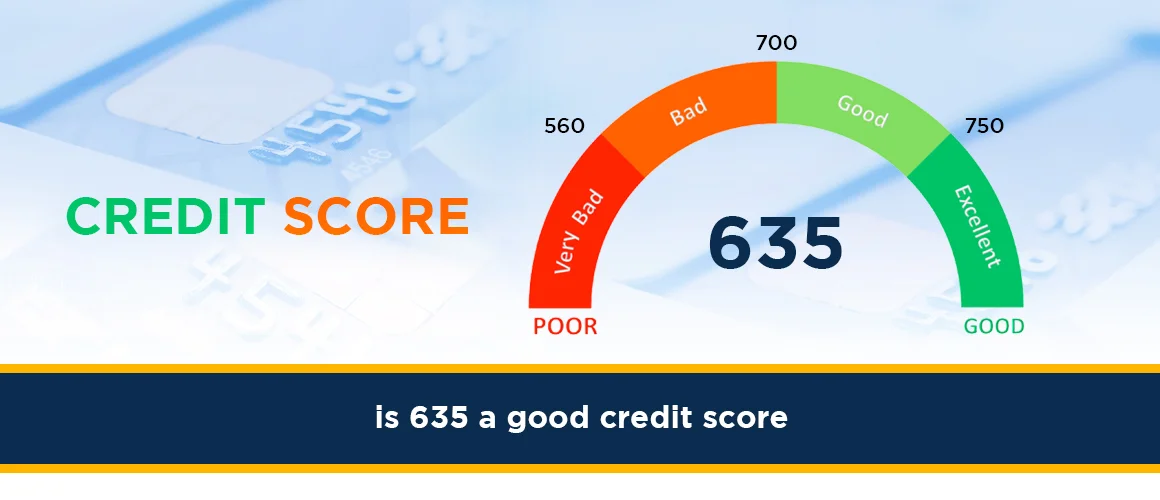
A credit score of 635 sits in a challenging but improvable range. While not considered "excellent," it's often labeled as "fair" or "average," meaning you can still access credit, but potentially with less favorable terms. This guide will break down what a 635 score signifies and how to leverage it or improve it.
What is a 635 Credit Score?
Understanding your credit score is fundamental to managing your financial health. A 635 credit score is a three-digit number that lenders use to assess your creditworthiness – essentially, how likely you are to repay borrowed money. This score is derived from your credit history, encompassing a variety of financial behaviors. In the landscape of credit scoring, 635 generally falls into the "fair" credit category, according to most major credit scoring models like FICO and VantageScore. This means that while you are not in the highest tier of creditworthiness, you are also not in the lowest. It signifies a credit history that has some positive elements but also contains marks that prevent it from reaching higher score brackets. These marks could include late payments, high credit utilization, or a relatively short credit history. For many lenders, a 635 score indicates a moderate level of risk, which can translate into higher interest rates, larger down payments, or even denial of credit in some cases. However, it also means that with strategic financial management and a focus on improving key credit behaviors, a 635 score is a solid foundation for building towards a better financial future.
Credit Score Ranges Explained
Credit scores are typically categorized into broad ranges, offering a general understanding of a consumer's creditworthiness. These ranges can vary slightly depending on the scoring model used (FICO and VantageScore being the most prominent), but the general sentiment remains consistent. Understanding these ranges helps put a 635 score into perspective.
Here's a general breakdown of credit score ranges as of 2025:
- Exceptional: 800-850
- Very Good: 740-799
- Good: 670-739
- Fair: 580-669
- Poor: 300-579
As you can see, a 635 credit score falls squarely within the "Fair" category. This means it's just above the "Poor" range but below the "Good" range. Lenders often use these categories to quickly assess risk. Individuals with scores in the "Fair" range might be approved for loans, but often at higher interest rates compared to those with "Good" or "Exceptional" scores. The difference in interest rates over the life of a loan can be substantial. For instance, a mortgage with a 635 score might have an interest rate that is 1-2% higher than one with a 720 score, translating into tens of thousands of dollars in extra interest payments over 30 years. Similarly, for auto loans and credit cards, approvals might come with higher APRs and lower credit limits. The "Fair" category indicates that while you have demonstrated some ability to manage credit, there are likely areas in your credit report that require improvement to achieve more favorable lending terms. It's a score that signals potential but also caution to lenders.
How a 635 Score Compares: The Nuances
While the "Fair" label is a general indicator, the true impact of a 635 credit score is nuanced and depends heavily on the specific lender and the type of credit product you are seeking. Not all lenders have the same minimum score requirements, and some may be more willing to work with borrowers in the "Fair" range, especially if other aspects of the application are strong, such as a stable income or a significant down payment.
For example, some subprime lenders specialize in working with individuals who have lower credit scores. These lenders might approve a loan for someone with a 635 score, but the interest rates and fees will likely be considerably higher to compensate for the increased risk. Conversely, prime lenders, who cater to borrowers with excellent credit, may outright deny applications with a 635 score. It's also important to note that different credit scoring models might produce slightly different scores. A FICO score of 635 might be viewed differently than a VantageScore of 635, although the general categories remain similar. The specific factors that contributed to your 635 score also play a significant role. A score of 635 resulting from a few recent late payments might be viewed more critically than a 635 score that is due to a short credit history but has a perfect payment record otherwise.
Furthermore, the economic climate of 2025 can influence lender behavior. In times of economic uncertainty, lenders might tighten their lending standards, making it harder to get approved with a 635 score. Conversely, in a robust economy, they might be more flexible. Therefore, while 635 is categorized as "Fair," its real-world implications are best understood by considering the specific context of your financial situation and the lender's policies.
The Impact of a 635 Score on Loan Applications
A 635 credit score can significantly influence your ability to obtain various types of credit and the terms you'll be offered. Understanding these impacts is crucial for setting realistic expectations and planning your financial moves.
Mortgages
Securing a mortgage with a 635 credit score is possible, but it's often challenging and will likely come with less favorable terms. Many conventional mortgage lenders prefer scores of 660 or higher for their best interest rates. With a 635 score, you might be looking at higher interest rates, which can substantially increase your monthly payments and the total cost of the home over the life of the loan. You may also be required to make a larger down payment. For example, a 20% down payment might be mandatory, whereas a borrower with a higher score might qualify for a loan with a much smaller down payment, such as 3-5%. FHA loans, which are government-backed, are more accessible to borrowers with lower credit scores, often allowing for scores as low as 580 with a 3.5% down payment. However, even with FHA loans, a 635 score might still result in higher mortgage insurance premiums. It's essential to shop around with different lenders, including those who specialize in FHA loans or offer portfolio loans, to find the best possible terms.
Auto Loans
Obtaining an auto loan with a 635 credit score is generally more achievable than a mortgage, but you should anticipate higher interest rates. A score in the "Fair" range typically means you'll be offered rates that are higher than those for borrowers with "Good" or "Excellent" credit. This can lead to significantly higher monthly payments and a greater overall cost for the vehicle. For instance, a car loan with a 635 score might have an interest rate of 8-12% or even higher, compared to rates as low as 3-5% for prime borrowers. This difference can add hundreds or even thousands of dollars to the total amount paid for the car. Some dealerships may offer in-house financing or work with subprime lenders, which can be an option, but always scrutinize the terms carefully. Pre-approval from a credit union or bank before visiting a dealership can give you a benchmark and leverage to negotiate better terms.
Personal Loans
Personal loans are often used for debt consolidation, unexpected expenses, or major purchases. With a 635 credit score, approval for a personal loan is possible, but the interest rates will likely be higher than for borrowers with better credit. Lenders view a 635 score as a moderate risk, so they will charge more to offset that risk. You might see APRs ranging from 15% to 30% or more, depending on the lender and the loan amount. Some online lenders are more flexible and may approve personal loans for individuals with fair credit, but it's crucial to compare offers from multiple sources. Be wary of predatory lenders who offer "guaranteed approval" loans, as these often come with exorbitant fees and interest rates.
Credit Cards
Securing a traditional, unsecured credit card with a 635 credit score can be difficult, especially for cards offering premium rewards or low introductory APRs. However, there are options available. You might qualify for a "starter" credit card, a card designed for people with limited or fair credit, or a secured credit card. Starter cards often come with lower credit limits and higher APRs. Secured credit cards require a cash deposit that typically equals your credit limit, acting as collateral. This deposit reduces the lender's risk, making approval more likely. While these cards may not offer lavish rewards, they are excellent tools for rebuilding credit. Using a secured card responsibly by making on-time payments and keeping balances low can help improve your credit score over time, eventually allowing you to qualify for unsecured cards with better terms. Some retailers also offer store credit cards that might be more accessible with a 635 score, but these often have very high interest rates.
Factors Influencing Your Credit Score
Your credit score is a dynamic number influenced by several key factors. Understanding these components is essential for knowing what actions will have the most significant impact on improving your 635 score. The most widely used credit scoring models, FICO and VantageScore, weigh these factors differently, but the core elements remain consistent.
Payment History
This is the most critical factor, accounting for approximately 35% of your FICO score. It reflects whether you pay your bills on time. Late payments, even by a few days, can negatively impact your score. The severity of the impact depends on how late the payment was (30, 60, 90 days past due), how recent it is, and how many instances appear on your report. A single 30-day late payment can drop your score by a significant margin, and multiple late payments or collections will have a more severe and lasting effect. For a 635 score, a history of missed or late payments is often a primary reason for it being in the "Fair" range. Consistent on-time payments are the bedrock of a good credit score.
Credit Utilization
This factor, typically making up about 30% of your FICO score, measures how much of your available credit you are using. It's calculated by dividing the total balance on your credit cards by your total credit limit. For example, if you have a credit card with a $1,000 limit and a balance of $500, your utilization is 50%. Experts recommend keeping your credit utilization ratio below 30%, and ideally below 10%, for the best results. High credit utilization signals to lenders that you may be overextended and at a higher risk of defaulting. A 635 score could be significantly impacted by high credit card balances relative to their limits.
Length of Credit History
This component, contributing around 15% to your FICO score, looks at how long your credit accounts have been open and the average age of your accounts. A longer credit history generally indicates more experience managing credit, which is viewed favorably. This includes the age of your oldest account, the age of your newest account, and the average age of all your accounts. For individuals with a 635 score, a shorter credit history can be a contributing factor. It takes time to build a long and positive credit record.
Credit Mix
This factor, accounting for about 10% of your FICO score, considers the different types of credit accounts you have. Lenders like to see that you can responsibly manage a variety of credit, such as revolving credit (credit cards) and installment loans (mortgages, auto loans, personal loans). Having a mix of these can demonstrate a well-rounded ability to handle different credit obligations. However, this factor is less impactful than payment history or credit utilization. It's generally not advisable to open new accounts solely to improve your credit mix if you don't need them.
New Credit
This element, also around 10% of your FICO score, relates to how often you open new credit accounts and the number of recent credit inquiries on your report. When you apply for credit, lenders often perform a "hard inquiry" on your credit report. Too many hard inquiries in a short period can signal financial distress and may lower your score. Opening several new accounts simultaneously can also indicate increased risk. While it's important to be mindful of this, applying for credit when you genuinely need it, especially if you're shopping for the best rate (like for a mortgage or auto loan), is a necessary part of financial life.
Strategies to Improve a 635 Credit Score
Improving a 635 credit score requires a focused and consistent effort. The good news is that by addressing the factors that influence your score, you can see positive changes over time. Here are actionable strategies to boost your creditworthiness:
Paying Bills On Time, Every Time
This is the single most impactful action you can take. Set up automatic payments or calendar reminders for all your bills – credit cards, loans, utilities, rent, etc. Even a single late payment can significantly damage your score, especially if it's more than 30 days past due. For a 635 score, demonstrating a consistent history of on-time payments is paramount. Make it a non-negotiable part of your financial routine. If you've missed payments in the past, focus on ensuring every future payment is made by the due date.
Reducing Credit Utilization
Aim to keep your credit utilization ratio below 30% on each credit card and overall. For example, if you have a credit card with a $1,000 limit, try to keep the balance below $300. The lower, the better – ideally below 10%. If your balances are high, focus on paying them down aggressively. Prioritize paying down cards with the highest interest rates first (the "avalanche" method) or those with the smallest balances first for quick wins (the "snowball" method). Making more than the minimum payment can make a significant difference in reducing utilization and interest charges.
Managing Existing Accounts Wisely
If you have older credit accounts that are in good standing, keep them open, even if you don't use them frequently. Closing old accounts can reduce your average credit history length and decrease your total available credit, which can negatively impact your credit utilization ratio. Use these older cards for small, recurring purchases that you can pay off immediately to keep them active and demonstrate continued responsible use.
Avoiding Unnecessary Applications
Each time you apply for new credit, a hard inquiry is placed on your credit report, which can temporarily lower your score. Limit applications for new credit to when you truly need it. If you are shopping for a mortgage or auto loan, do so within a short period (typically 14-45 days, depending on the scoring model) so that multiple inquiries for the same type of loan are treated as a single inquiry by the scoring model.
Disputing Errors on Your Credit Report
Mistakes can happen on your credit report. Review your credit reports from all three major bureaus (Equifax, Experian, and TransUnion) at least once a year. You can get free copies at AnnualCreditReport.com. If you find any inaccuracies – such as accounts you don't recognize, incorrect late payment notations, or wrong personal information – dispute them immediately with the credit bureau and the creditor. Removing errors can potentially boost your score.
Considering Secured Credit Cards
If you're struggling to get approved for unsecured credit, a secured credit card is an excellent tool for building or rebuilding credit. You'll make a deposit that serves as your credit limit. Use the card for everyday expenses and pay the balance in full and on time each month. Many issuers report your activity to the credit bureaus, helping you establish a positive credit history. After a period of responsible use, you may be able to graduate to an unsecured card and get your deposit back.
Becoming an Authorized User
If a trusted friend or family member with excellent credit is willing to add you as an authorized user to one of their well-managed credit cards, this can potentially boost your score. The account's positive history (on-time payments, low utilization) may be reflected on your credit report. However, be aware that if the primary cardholder mismanages the account, it can also negatively impact your credit. Ensure the primary user understands the responsibility involved.
What to Expect with a 635 Score in 2025
As we navigate 2025, the financial landscape continues to evolve. For individuals with a 635 credit score, the expectations remain largely consistent with previous years, but with a few key considerations. Lenders are generally cautious with scores in the "Fair" range. This means that while opportunities for credit exist, they will likely come with higher interest rates and potentially stricter terms compared to those with higher credit scores. For example, mortgage rates, while fluctuating, will likely be significantly higher for a 635 score compared to a score in the 700s. This translates to higher monthly payments and a greater overall cost of homeownership. Auto loan rates will also reflect this increased risk, making car purchases more expensive. Personal loan options might be limited to lenders specializing in subprime lending, which often carry very high APRs. Credit card approvals might lean towards secured cards or cards with limited features and high fees. The economic outlook for 2025, including inflation rates and the Federal Reserve's monetary policy, can also influence lending standards. If interest rates remain elevated or economic uncertainty increases, lenders might become even more risk-averse, potentially making it harder to secure credit with a 635 score. Conversely, a stable or improving economy might offer slightly more flexibility. It's crucial for individuals with a 635 score to be proactive. This involves diligently working to improve their credit by focusing on payment history, reducing debt, and monitoring their credit reports for errors. Understanding the specific requirements of different lenders and loan products will be key to navigating the credit market successfully in 2025.
Conclusion: Is 635 a Good Credit Score?
To directly answer the question: Is 635 a good credit score? No, not by most standards. A 635 credit score is generally categorized as "fair." While it's a score that indicates you have some credit experience and are not in the "poor" category, it falls short of what is considered "good" or "excellent." This means that lenders will view you as a moderate to higher risk, which typically translates into less favorable terms for loans and credit cards, such as higher interest rates, larger down payments, and lower credit limits. The impact of a 635 score can be significant, affecting your ability to secure mortgages, auto loans, and even rent an apartment. However, the situation is far from hopeless. A 635 score is a strong signal that there are opportunities for improvement. By focusing on the key pillars of credit health – consistently paying bills on time, significantly reducing credit card balances to lower your utilization ratio, maintaining older accounts, and disputing any errors on your credit report – you can systematically build a better credit profile. Utilizing tools like secured credit cards or becoming an authorized user on a responsible person's account can also provide pathways to credit building. In 2025, as in previous years, lenders will continue to assess risk, making a higher credit score your most powerful financial asset. The journey to improving a 635 score is a marathon, not a sprint, but every positive step taken will bring you closer to achieving your financial goals with better terms and greater accessibility to credit. Start today by understanding your credit report and implementing these proven strategies.
