Is 641 a Good Credit Score? Understanding Credit Scores and Their Impact
Is 641 a Good Credit Score? Understanding Credit Scores and Their Impact
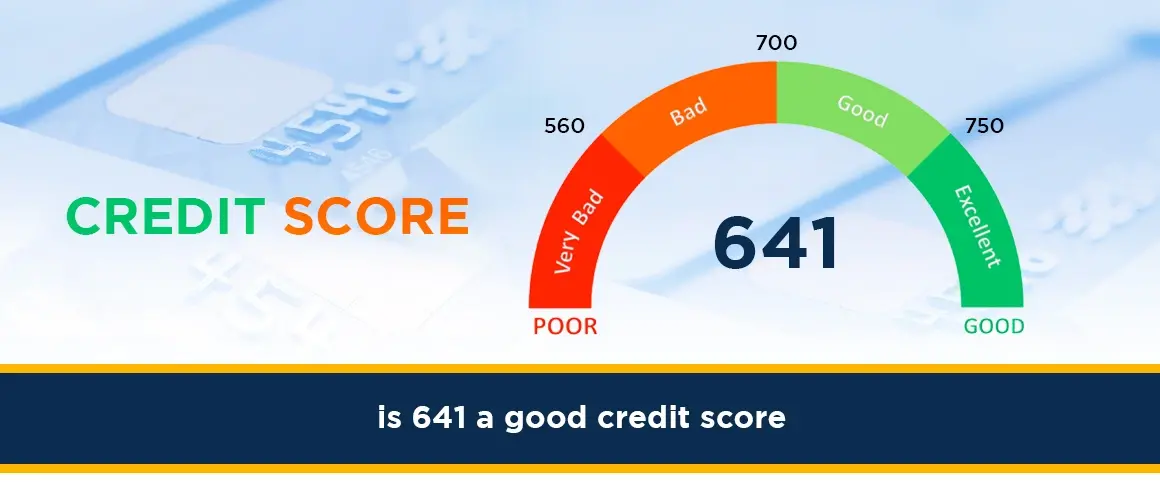
A credit score of 641 sits in a crucial zone, often considered fair. While not excellent, it's a score that can open doors, albeit with some limitations. Understanding its implications and how to improve it is key to unlocking better financial opportunities in 2025.
Understanding Credit Score Ranges
Credit scores are numerical representations of your creditworthiness, helping lenders assess the risk of lending you money. While different scoring models exist (like FICO and VantageScore), they generally categorize scores into broad ranges. These ranges provide a quick snapshot of your financial health and influence your ability to access credit, secure favorable interest rates, and even impact other areas of your life.
The FICO Scoring Model
The FICO score is the most widely used credit scoring model in the United States. It typically ranges from 300 to 850. Understanding these ranges is fundamental to interpreting your own score:
- Exceptional (800-850): This is the pinnacle of creditworthiness. Individuals with exceptional scores typically receive the best interest rates and terms on loans, have access to premium credit cards, and face minimal scrutiny from lenders.
- Very Good (740-799): Scores in this range indicate a strong credit history. Borrowers are seen as low-risk, qualifying for most loans and credit cards with competitive rates and terms.
- Good (670-739): This is a solid range, indicating a responsible credit user. You'll likely qualify for many loans and credit cards, though perhaps not always with the absolute lowest interest rates.
- Fair (580-669): A score of 641 falls squarely within this "fair" category. This means lenders see some risk, and while you can still qualify for credit, it may come with higher interest rates and less favorable terms. You might also face limitations on the types of credit available.
- Poor (300-579): Scores in this range signal significant risk to lenders. Obtaining credit can be challenging, and if approved, it will likely come with very high interest rates and strict terms. This range often requires substantial credit repair efforts.
The VantageScore Model
VantageScore is another popular credit scoring model, often used by lenders for pre-qualification and monitoring. Its ranges are similar, though they can vary slightly by version:
- Excellent (781-850): Comparable to FICO's exceptional range.
- Good (661-780): This range is broader than FICO's "Good" category and often includes scores that FICO might classify as "Very Good."
- Fair (601-660): This aligns closely with FICO's "Fair" category. A 641 score would be considered fair under VantageScore as well.
- Poor (500-600): Similar to FICO's poor range, indicating significant credit challenges.
- Very Poor (300-499): The lowest tier, representing extreme credit risk.
Regardless of the model, a 641 score generally places you in the "fair" or "lower end of good" category, suggesting room for improvement to access the best financial products.
What Does a 641 Credit Score Mean for You?
A credit score of 641 indicates that you have a credit history, but it likely contains some negative elements or is not as extensive as someone with a higher score. Lenders view this score as moderate risk. This means:
- Access to Credit: You can likely still qualify for credit cards and loans, but the options might be more limited. You may be approved for secured credit cards, credit-builder loans, or subprime auto loans.
- Interest Rates: Expect higher interest rates compared to individuals with good or excellent credit. This is because lenders charge more to compensate for the perceived higher risk of default. For example, a mortgage with a 641 score might have an interest rate 1-2% higher than for someone with a 740 score, significantly increasing the total cost of the loan over its lifetime.
- Loan Terms: Loan terms might be less flexible. Lenders may require larger down payments, shorter repayment periods, or co-signers.
- Rental Applications: Landlords often check credit scores. A 641 might lead to higher security deposits or outright rejection for desirable rental properties.
- Insurance Premiums: In many states, insurance companies use credit-based insurance scores to help set premiums for auto and homeowners insurance. A fair credit score could lead to higher insurance costs.
- Employment: Some employers, particularly in financial or sensitive roles, may review credit reports as part of background checks. While a 641 isn't typically a deal-breaker, it's worth noting.
In essence, a 641 credit score means you're not automatically excluded from financial products, but you'll likely pay more for them and have fewer choices. It's a score that signals a need for strategic credit management.
Factors That Influence Your Credit Score
Your credit score isn't a random number; it's a reflection of your financial behavior. Several key factors contribute to its calculation, and understanding them is crucial for effective improvement. The most significant factors, according to FICO, are:
1. Payment History (35% of Score)
This is the most critical component. It reflects whether you pay your bills on time. Late payments, missed payments, defaults, bankruptcies, and collections severely damage your score. Even a single 30-day late payment can have a noticeable negative impact.
- On-time payments: Consistently paying bills by their due date is paramount.
- Late payments: The more recent and severe the late payment (e.g., 60 or 90 days late), the greater the damage.
- Collections: Accounts sent to a collection agency significantly hurt your score.
- Public records: Bankruptcies, foreclosures, and judgments are major negative marks.
2. Amounts Owed (30% of Score)
This factor looks at how much debt you carry, particularly in relation to your available credit. This is often referred to as your credit utilization ratio.
- Credit Utilization Ratio (CUR): This is the amount of revolving credit you're using compared to your total available revolving credit. For example, if you have a credit card with a $5,000 limit and a balance of $2,500, your CUR is 50%. Keeping your CUR below 30% is generally recommended, and below 10% is ideal. A 641 score might indicate a higher-than-optimal CUR.
- Total Debt: While CUR is more impactful for revolving credit, the total amount of debt across all your accounts also plays a role.
- Installment Loan Balances: The amount owed on installment loans (like mortgages, auto loans, personal loans) relative to their original loan amounts also matters.
3. Length of Credit History (15% of Score)
The longer you've had credit accounts open and in good standing, the better. This factor demonstrates your experience managing credit over time.
- Average Age of Accounts: The average age of all your open credit accounts.
- Age of Oldest Account: The age of your longest-standing credit account.
- Age of Newest Account: While newer accounts don't significantly detract if managed well, opening too many new accounts in a short period can lower the average age and signal risk.
4. Credit Mix (10% of Score)
Lenders like to see that you can responsibly manage different types of credit. This includes revolving credit (credit cards) and installment credit (mortgages, auto loans, personal loans).
- Having a mix of credit types can be beneficial, but it's not as important as payment history or amounts owed.
- Don't open new accounts solely to improve your credit mix if you don't need them.
5. New Credit (10% of Score)
This factor considers how often you apply for and open new credit accounts. Opening too many new accounts in a short period can indicate financial distress or increased risk.
- Hard Inquiries: Each time you apply for credit, a hard inquiry is typically placed on your credit report, which can slightly lower your score for a short period.
- New Accounts: Opening multiple new accounts can lower the average age of your credit history and increase your overall debt.
Understanding these components allows you to focus your efforts on the areas that will have the most significant positive impact on your 641 credit score.
Strategies to Improve a 641 Credit Score
Improving a 641 credit score requires a consistent and strategic approach. The goal is to demonstrate responsible credit behavior over time. Here are actionable steps you can take:
1. Prioritize On-Time Payments
This is non-negotiable. Every single payment you make should be on time. If you have a history of late payments, focus intensely on changing this habit.
- Set up automatic payments: For recurring bills like credit cards, loans, and utilities, set up automatic payments from your bank account. Ensure you have sufficient funds to cover these payments.
- Use payment reminders: Utilize calendar alerts, phone reminders, or your bank's bill pay service to ensure you don't miss due dates.
- Pay at least the minimum: If you're struggling to pay the full balance, always pay at least the minimum amount due by the deadline to avoid a late payment mark.
2. Reduce Your Credit Utilization Ratio (CUR)
This is one of the most impactful areas for improvement for a 641 score. Aim to keep your CUR below 30%, and ideally below 10%.
- Pay down balances: Focus on paying down the balances on your credit cards, especially those with high utilization. Prioritize paying off cards with the highest interest rates first (the "debt avalanche" method) or those with the smallest balances for quicker wins (the "debt snowball" method).
- Request credit limit increases: If you have a good payment history with a particular card issuer, you might be able to request a credit limit increase. This can lower your CUR if your spending remains the same. Be cautious not to increase spending if you get a higher limit.
- Avoid closing old, unused credit cards: Closing a credit card reduces your total available credit, which can increase your CUR even if your balances remain the same.
3. Address Negative Marks on Your Credit Report
If you have past-due accounts or collection items, work to resolve them.
- Contact creditors: If you owe money on old accounts, contact the creditor or collection agency to discuss payment arrangements. Sometimes, you can negotiate a settlement for less than the full amount owed, but be aware that this may still be reported as a negative mark.
- Dispute errors: Obtain your credit reports from all three major bureaus (Equifax, Experian, and TransUnion) and carefully review them for any inaccuracies. If you find errors, dispute them immediately with the credit bureau and the furnisher of the information.
4. Consider Credit-Building Tools
If your credit history is thin or contains negative items, these tools can help establish positive payment history.
- Secured Credit Cards: These require a cash deposit that typically becomes your credit limit. Use it for small, everyday purchases and pay it off in full each month. This is an excellent way to build positive payment history.
- Credit-Builder Loans: Offered by some credit unions and banks, these loans involve you making payments on a loan that is held in a savings account. Once the loan is repaid, you receive the funds. The payments are reported to the credit bureaus.
- Authorized User: Becoming an authorized user on a trusted friend or family member's credit card can help, provided they have excellent credit and manage their account responsibly. Their positive payment history may be added to your report. However, their negative activity could also impact you.
5. Be Patient and Consistent
Credit repair is not an overnight process. It takes time and consistent good behavior to see significant improvements in your score. Focus on building a solid financial foundation.
- Monitor your credit regularly. Many services offer free credit monitoring, allowing you to track your progress and be alerted to any changes.
- Avoid applying for new credit unless absolutely necessary, as multiple hard inquiries can temporarily lower your score.
By diligently applying these strategies, you can steadily improve your 641 credit score and move towards more favorable financial opportunities.
Credit Score Benchmarks and Lender Perceptions in 2025
In 2025, the landscape of credit scoring continues to evolve, but the fundamental principles remain. Lenders' perceptions of credit scores are largely consistent, with higher scores signaling lower risk and better borrower quality. Here's how a 641 score is generally perceived by lenders in the current financial climate:
General Lender Perception of a 641 Score
A 641 credit score is typically categorized as "fair." This means lenders see you as a borrower who has demonstrated some credit management challenges in the past, or whose credit history is not extensive enough to be considered low-risk. While not outright rejected, you are not in the prime category for preferred lending terms.
- Risk Assessment: Lenders view a 641 score as indicating a moderate probability of default compared to scores in the "good" or "excellent" ranges.
- Approval Likelihood: Approval for standard loans and credit cards is possible but often depends on other factors in your application, such as income, employment history, and debt-to-income ratio.
- Product Availability: You are more likely to be offered products designed for borrowers with fair credit, which may include higher interest rates, lower credit limits, or specific fees.
Comparison with Other Score Ranges in 2025
To put a 641 score into perspective, consider how lenders view other common credit score ranges:
| Credit Score Range | Lender Perception | Likely Loan/Card Approval | Typical Interest Rates |
|---|---|---|---|
| 800-850 (Exceptional) | Lowest Risk | Very High | Lowest Available |
| 740-799 (Very Good) | Low Risk | High | Very Competitive |
| 670-739 (Good) | Moderate Risk | Good | Competitive |
| 641 (Fair) | Moderate to High Risk | Possible, with limitations | Higher than average |
| 580-669 (Fair) | High Risk | Challenging, often requires specific products | Significantly Higher |
| 300-579 (Poor) | Very High Risk | Very Difficult, often requires secured options or co-signers | Very High |
Note: Interest rates and approval likelihood are generalizations and can vary significantly based on the lender, specific loan product, and the applicant's overall financial profile.
Impact on Different Financial Products in 2025
The impact of a 641 credit score varies depending on the type of credit you're seeking:
- Mortgages: While a 641 score might be technically low enough for some FHA loans or conventional loans with significant down payments and potentially mortgage insurance (PMI), the interest rates will be considerably higher. Lenders often prefer scores in the mid-600s or higher for conventional mortgages.
- Auto Loans: Approval for auto loans is more likely with a 641 score than for a mortgage, but expect higher Annual Percentage Rates (APRs). This means your monthly car payments will be higher, and you'll pay more in interest over the life of the loan. Subprime auto lenders may be your primary option.
- Personal Loans: Unsecured personal loans can be harder to get with a 641 score, or they may come with very high interest rates. Secured personal loans or loans from credit unions might be more accessible.
- Credit Cards: You might qualify for rewards credit cards, but likely not the premium ones. More probable are cards designed for fair credit, which may have lower credit limits, annual fees, and higher APRs. Secured credit cards are a very common option.
- Rentals and Utilities: Landlords and utility companies often use credit checks. A 641 score might lead to a higher security deposit or require a co-signer for rental applications. Some utility providers might require a deposit.
In 2025, lenders are increasingly sophisticated in their risk assessment. While a 641 score isn't a dead end, it clearly signals that improving your creditworthiness will unlock significantly better financial terms and a wider array of options.
Impact of a 641 Credit Score on Loans and Interest Rates
The most tangible consequence of a 641 credit score is its direct impact on the cost and availability of credit. Lenders use your score as a primary indicator of risk, and a "fair" score translates into higher borrowing costs. This is primarily due to the increased interest rates you'll likely encounter.
Understanding Interest Rates and Risk
Interest is the cost of borrowing money. Lenders set interest rates based on their perceived risk of lending to a particular individual. A higher credit score suggests a lower risk of default, so lenders can afford to offer lower interest rates. Conversely, a lower credit score implies a higher risk, prompting lenders to charge more to compensate for that potential loss.
Illustrative Examples of Interest Rate Differences (2025 Projections)
Let's consider how a 641 credit score might affect the cost of borrowing for common financial products, using projected 2025 rates:
Mortgage Example
Consider a $300,000 mortgage over 30 years.
- Borrower with 740 Credit Score: Might qualify for a 6.5% interest rate.
- Monthly Principal & Interest: ~$1,896
- Total Interest Paid: ~$382,560
- Borrower with 641 Credit Score: Might qualify for an 8.0% interest rate (a 1.5% difference).
- Monthly Principal & Interest: ~$2,201
- Total Interest Paid: ~$492,360
Difference: The borrower with the 641 score would pay approximately $109,800 *more* in interest over the life of the loan. This significant difference highlights why improving your score is crucial for major purchases like a home.
Auto Loan Example
Consider a $25,000 auto loan over 60 months.
- Borrower with 700 Credit Score: Might qualify for a 7.0% interest rate.
- Monthly Payment: ~$493
- Total Interest Paid: ~$4,580
- Borrower with 641 Credit Score: Might qualify for a 10.5% interest rate (a 3.5% difference).
- Monthly Payment: ~$534
- Total Interest Paid: ~$7,040
Difference: The borrower with the 641 score would pay approximately $2,460 *more* in interest for the same vehicle. This increased cost can make affording a vehicle more challenging.
Personal Loan Example
Consider a $10,000 personal loan over 36 months.
- Borrower with 680 Credit Score: Might qualify for a 12.0% interest rate.
- Monthly Payment: ~$333
- Total Interest Paid: ~$1,988
- Borrower with 641 Credit Score: Might qualify for a 16.0% interest rate (a 4.0% difference).
- Monthly Payment: ~$350
- Total Interest Paid: ~$2,600
Difference: The borrower with the 641 score would pay approximately $612 *more* in interest. While seemingly smaller than mortgage or auto loan differences, this still represents a significant increase in the cost of borrowing for personal needs.
Beyond Interest Rates: Other Financial Impacts
The impact of a 641 credit score isn't limited to interest rates:
- Lower Credit Limits: Credit card issuers are likely to offer lower credit limits to borrowers with fair credit, which can make it harder to manage spending or utilize balance transfer offers.
- Higher Fees: Some loans or credit cards may come with higher origination fees, annual fees, or other service charges for borrowers with lower credit scores.
- Required Down Payments: For larger loans like mortgages or auto loans, lenders may require a larger down payment from borrowers with fair credit to reduce their own risk.
- Limited Product Options: As mentioned, you may be restricted to specific types of loans or credit cards designed for fair credit, which often have less attractive features.
- Impact on Renting and Utilities: Landlords and utility companies often perform credit checks. A 641 score can lead to higher security deposits or even denial of rental applications or service.
- Insurance Premiums: In many states, credit-based insurance scores are used to determine auto and homeowner's insurance premiums. A fair credit score can result in higher insurance costs.
In summary, a 641 credit score acts as a financial barrier, increasing the cost of borrowing and limiting access to the most favorable financial products. The effort to improve this score is directly linked to saving money and expanding financial opportunities.
Alternatives and Options with a 641 Credit Score
While a 641 credit score presents challenges, it doesn't mean you're entirely shut out of the financial world. There are specific products and strategies designed for individuals in this credit range. The key is to be resourceful and understand where you're most likely to find approval.
Secured Credit Cards
These are often the first recommendation for individuals with fair credit. A secured credit card requires a cash deposit, which typically serves as your credit limit. For example, a $300 deposit usually means a $300 credit limit.
- How they help: They allow you to build or rebuild positive payment history, which is the most crucial factor in credit scoring. By using the card for small purchases and paying it off on time, you demonstrate responsible behavior to the credit bureaus.
- Choosing one: Look for secured cards that report to all three major credit bureaus and have reasonable fees. Many issuers will eventually graduate you to an unsecured card after a period of responsible use.
Credit-Builder Loans
These are small loans specifically designed to help individuals establish or improve their credit history. The loan amount is typically held in a savings account by the lender and released to you only after you've paid off the loan.
- How they help: Your on-time payments are reported to the credit bureaus, building a positive payment history.
- Where to find them: Credit unions and some community banks often offer these loans. They are a safer alternative to payday loans, which can trap borrowers in debt.
Co-signed Loans or Credit Cards
If you have a trusted friend or family member with excellent credit, they might be willing to co-sign a loan or credit card application for you.
- How they help: The co-signer's good credit history can help you get approved for a loan or card you might not otherwise qualify for.
- Risks: It's crucial to understand that the co-signer is equally responsible for the debt. If you fail to make payments, it will negatively impact their credit score as well as yours. This option should only be considered if there's a high degree of trust and clear communication.
Subprime Loans and Credit Cards
These are financial products specifically marketed to individuals with lower credit scores. While they offer a path to credit, they often come with significant drawbacks.
- Auto Loans: Many dealerships work with subprime lenders who specialize in approving car loans for borrowers with fair or poor credit. However, expect higher APRs.
- Personal Loans: Some online lenders and financial institutions offer personal loans for fair credit borrowers, but interest rates can be very high.
- Credit Cards: Cards for fair credit often come with annual fees, high APRs, and low credit limits.
- Caution: Be extremely cautious with subprime products. Always read the fine print, understand all fees, and compare offers rigorously. The goal should be to use these products responsibly to improve your score, not to fall into a cycle of high-interest debt.
Rent-to-Own Programs
For larger purchases like furniture or appliances, rent-to-own programs might be an option. These programs allow you to pay for items over time, often without a traditional credit check.
- Considerations: While they offer accessibility, rent-to-own programs are usually much more expensive than buying outright or financing with a traditional loan. The total cost can be significantly higher.
Focusing on Utility and Rent Payments
While traditional credit bureaus have historically not included utility and rent payments in credit score calculations, this is changing. Some services now report these payments.
- Experian Boost: This free service allows you to add utility, phone, and streaming service payments to your Experian credit report, potentially improving your Experian FICO score.
- Rent Reporting Services: Services like LevelCredit or Rental Kharma allow you to report your on-time rent payments to credit bureaus. Check if your landlord participates or if you can sign up directly.
By exploring these alternatives and using them strategically, you can continue to access necessary financial services while working towards improving your 641 credit score. The ultimate aim is to transition from these options to more favorable, mainstream credit products.
Building a Stronger Credit Future
A credit score of 641 is a stepping stone, not a final destination. It signifies a need for improvement, but also the potential for significant gains. By understanding the factors that influence your score and implementing consistent, responsible financial habits, you can build a stronger credit future. This involves not just raising your score, but also cultivating a financial mindset that prioritizes long-term stability and opportunity.
Key Takeaways for a 641 Score
To summarize the journey from a 641 score:
- Payment History is King: Always pay your bills on time. This is the single most important factor affecting your score.
- Manage Your Debt: Keep your credit utilization ratio low, ideally below 30%, and aim for below 10% for the best results.
- Monitor Your Credit: Regularly check your credit reports for errors and track your progress.
- Be Patient: Credit improvement takes time. Consistent positive behavior over months and years is what builds a strong credit profile.
- Leverage Credit-Building Tools: Utilize secured credit cards and credit-builder loans strategically to establish positive history.
Long-Term Strategies for Financial Health
Beyond the immediate steps to improve your score, consider these long-term strategies:
- Budgeting and Saving: Develop a realistic budget and stick to it. Building an emergency fund can prevent you from relying on credit during unexpected financial challenges.
- Financial Education: Continuously educate yourself about personal finance, credit management, and investment strategies. Knowledge is power in navigating the financial world.
- Avoid High-Interest Debt: Be wary of predatory loans and high-interest credit cards. If you must use them, have a clear plan to pay them off quickly.
- Set Financial Goals: Whether it's buying a home, saving for retirement, or investing, having clear goals provides motivation and direction for your financial decisions.
- Seek Professional Advice: If you're struggling with debt or credit issues, consider consulting a non-profit credit counseling agency. They can offer personalized guidance and support.
Your credit score is a dynamic reflection of your financial habits. A 641 score is a signal to re-evaluate and adjust your approach. By focusing on the fundamentals of responsible credit management and adopting a long-term perspective, you can steadily climb the credit score ladder. This journey will not only improve your access to credit but also enhance your overall financial well-being, opening doors to better loan terms, lower interest rates, and a more secure financial future in 2025 and beyond.
