Is 642 a Good Credit Score? Understanding Credit Scores and Their Impact
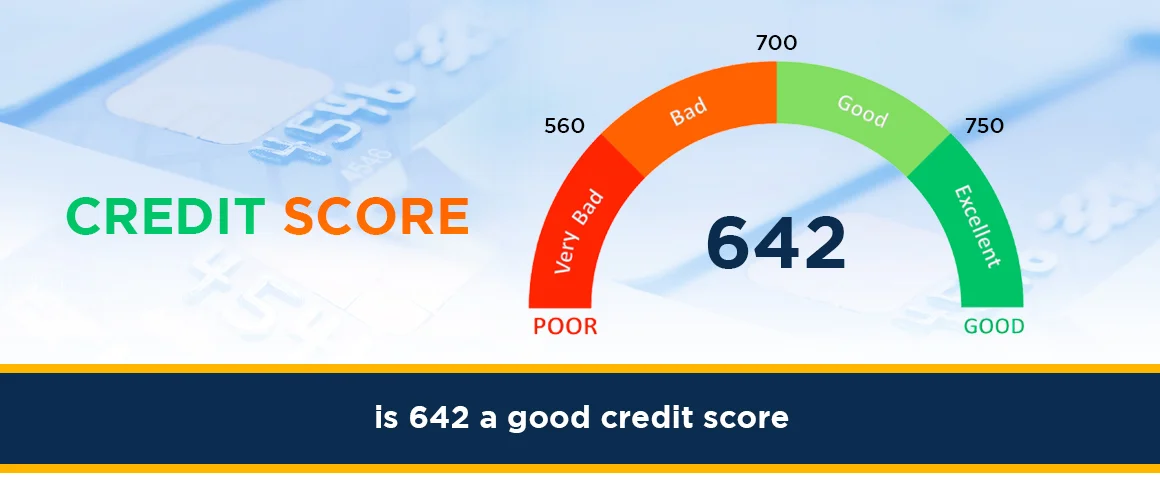
Is a credit score of 642 considered good? This comprehensive guide will demystify credit scores, explain what a 642 score means, and detail its significant impact on your financial life in 2025. We'll explore how to improve it and unlock better financial opportunities.
What is a Credit Score and Why Does it Matter?
In the intricate world of personal finance, a credit score stands as a pivotal metric, a three-digit number that encapsulates your creditworthiness. Lenders, landlords, insurers, and even potential employers use this score to gauge the likelihood of you repaying borrowed money or fulfilling financial obligations. Understanding your credit score is not just about knowing a number; it's about understanding your access to financial products and services, the interest rates you'll pay, and ultimately, your financial freedom and flexibility. In 2025, with an increasingly digital and interconnected financial landscape, the importance of a strong credit score continues to grow. It acts as a silent but powerful advocate for your financial health, opening doors to opportunities or, conversely, creating barriers.
The Role of Credit Bureaus
Credit scores are typically generated by credit bureaus, such as Equifax, Experian, and TransUnion. These bureaus collect vast amounts of data on individuals' credit activities, including loan payments, credit card usage, and public records like bankruptcies. This information is then used by scoring models, most notably FICO and VantageScore, to produce the credit scores that are widely used by lenders.
Why is a Good Credit Score Essential?
A good credit score is essential for several reasons:
- Loan Approvals: It significantly increases your chances of getting approved for mortgages, auto loans, personal loans, and credit cards.
- Lower Interest Rates: Borrowers with higher credit scores are seen as less risky, leading to lower interest rates on loans and credit cards. This can save you thousands of dollars over the life of a loan.
- Better Terms and Conditions: Beyond interest rates, a strong score can secure more favorable repayment terms, higher credit limits, and fewer fees.
- Rental Applications: Landlords often check credit scores to assess a tenant's reliability in paying rent on time.
- Utility Deposits: Utility companies may waive security deposits for customers with good credit.
- Insurance Premiums: In many states, insurance companies use credit-based insurance scores to help determine premiums for auto and homeowners insurance.
- Employment: Some employers, particularly in financial or security-sensitive roles, may review credit reports as part of the hiring process.
In essence, your credit score is a snapshot of your financial responsibility. Maintaining a healthy score is a proactive step towards achieving your financial goals and enjoying a smoother financial life.
Understanding Credit Score Ranges in 2025
Credit scoring models, like FICO and VantageScore, categorize credit scores into different ranges, each representing a different level of credit risk. Understanding these ranges is crucial for assessing where you stand and what your score of 642 signifies in the broader financial landscape of 2025. While exact thresholds can vary slightly between different scoring models and lenders, there's a general consensus on what constitutes poor, fair, good, very good, and excellent credit.
FICO Score Ranges (Commonly Used)
The FICO score is the most widely used credit scoring model. Its ranges are generally understood as follows:
- Exceptional: 800-850
- Very Good: 740-799
- Good: 670-739
- Fair: 580-669
- Poor: 300-579
VantageScore Ranges (Another Popular Model)
VantageScore is another prominent credit scoring model, often used by credit card companies and lenders. Its ranges are similar:
- Excellent: 781-850
- Good: 661-780
- Fair: 601-660
- Poor: 500-600
- Very Poor: 300-499
The Significance of the Ranges
These ranges are not arbitrary. They are based on extensive statistical analysis of millions of credit files. Lenders use these ranges to quickly assess the risk associated with a borrower. For instance:
- Exceptional/Excellent scores indicate a very low risk of default, leading to the best loan terms, lowest interest rates, and highest approval odds.
- Very Good scores still signify low risk, offering competitive rates and favorable terms.
- Good scores generally mean you'll qualify for most loans and credit cards, though perhaps not always with the absolute lowest rates.
- Fair scores indicate a moderate to high risk. You may still be approved for credit, but often with higher interest rates, lower credit limits, or requiring a co-signer.
- Poor scores signal a high risk of default. Obtaining credit can be very difficult, and if approved, it will likely come with very high interest rates and strict terms.
Knowing these ranges provides context for your individual credit score. A score of 642 falls into a specific category that has direct implications for your financial opportunities.
Is 642 a Good Credit Score? The Nuances of a 642 FICO Score
So, is a credit score of 642 considered good? When we look at the standard FICO score ranges, a 642 falls squarely within the "Fair" category (typically 580-669). This means it's not considered "good" in the sense of offering the best financial opportunities, but it's also not in the "poor" category, which presents more significant challenges.
Where 642 Stands
A 642 credit score signifies that you have had some credit issues in the past, or you have a limited credit history. While you are not deemed a high risk, you are certainly not a low-risk borrower. Lenders view this score as a signal that there's a moderate chance of default, which influences their lending decisions and the terms they offer.
Comparing 642 to Other Scores
To put 642 into perspective:
- Below 580 (Poor): This range indicates significant credit problems, such as late payments, defaults, or bankruptcies. Lenders are very hesitant to lend to individuals in this range, and if they do, it's with very high costs.
- 580-669 (Fair): This is where 642 resides. It suggests that while you might have had some issues, they may not be severe or recent, or your credit history is simply not robust enough to warrant a higher score. You can likely still access credit, but at a higher cost.
- 670-739 (Good): This is the benchmark for what most people consider a "good" credit score. With a score in this range, you'll generally qualify for a wider array of loans and credit cards with competitive interest rates.
- 740+ (Very Good to Exceptional): Scores in this range unlock the best financial products, lowest interest rates, and maximum flexibility.
Lender Perspectives on a 642 Score
Lenders often have internal thresholds for credit scores. For example:
- Mortgage Lenders: While some may approve a mortgage with a 642 score, it will likely require a larger down payment, higher interest rates, and potentially private mortgage insurance (PMI) for longer. The FHA loan program is often more accessible for scores in this range.
- Auto Lenders: You can expect to be approved for an auto loan, but the interest rate will be significantly higher than for someone with a "good" or "very good" score. This means higher monthly payments and more interest paid over the loan term.
- Credit Card Issuers: Securing a premium rewards credit card will be challenging. You'll likely be approved for secured credit cards or cards designed for those with fair credit, which often have lower credit limits and higher APRs.
The Goal: Moving Beyond "Fair"
While a 642 credit score isn't ideal, it's a score that can be improved. The key is to understand the factors that influence it and implement strategies to build a more positive credit history. The financial benefits of moving from "fair" to "good" are substantial.
The Real-World Impact of a 642 Credit Score
A credit score of 642, while not dire, has tangible effects on your daily financial life and your ability to achieve significant financial milestones in 2025. The difference between a "fair" score and a "good" or "very good" score can translate into thousands of dollars in savings or added costs. Let's break down the specific impacts:
Mortgage and Homeownership
Securing a mortgage with a 642 credit score is possible, but it comes with significant drawbacks. Lenders see this score as carrying a higher risk of default. This means:
- Higher Interest Rates: You will likely be offered interest rates that are considerably higher than those for borrowers with scores in the 700s. For a 30-year fixed mortgage of $300,000, even a 1% difference in interest rate can mean paying tens of thousands of dollars more over the life of the loan. For example, a 6.5% rate on a 30-year mortgage results in a monthly payment of approximately $1,896, while a 7.5% rate results in a monthly payment of approximately $2,098. That's a difference of $202 per month, or $2,424 per year.
- Larger Down Payment: Lenders may require a larger down payment to mitigate their risk. This could mean saving for a much longer period.
- Private Mortgage Insurance (PMI): If your down payment is less than 20%, you'll typically need PMI. With a lower credit score, PMI premiums can be higher and may be required for a longer duration.
- Limited Lender Options: Not all lenders will approve a mortgage with a 642 score. You might be limited to FHA loans, which have their own set of requirements and mortgage insurance premiums (MIP).
Auto Loans
Purchasing a vehicle is a common need, and a 642 credit score will affect your auto loan terms. Expect:
- Higher APRs: Auto loan interest rates for borrowers with fair credit are significantly elevated. A car loan with a higher APR means substantially larger monthly payments and more interest paid overall. For a $30,000 car loan over 5 years, a 7% APR (typical for good credit) results in a monthly payment of $594. A 12% APR (more likely for fair credit) results in a monthly payment of $665, costing an extra $852 in interest over the loan's life.
- Shorter Loan Terms: Lenders might offer shorter loan terms to reduce their risk, which can increase your monthly payments.
- Limited Vehicle Choices: You might find it harder to finance newer or more expensive vehicles.
Credit Cards
When it comes to credit cards, a 642 score will likely restrict your options:
- Secured Credit Cards: These are often the only option for individuals with fair credit. They require a cash deposit that serves as your credit limit.
- Cards for Fair Credit: Some issuers offer cards specifically for those with fair credit. These typically come with higher Annual Percentage Rates (APRs), annual fees, and lower credit limits.
- Rewards and Benefits: You will likely not qualify for premium rewards cards, travel cards, or cards with generous sign-up bonuses.
Personal Loans and Other Lending
Whether you need a personal loan for debt consolidation or an emergency expense, a 642 score will mean:
- Higher Interest Rates: Personal loan rates for fair credit borrowers can be quite high, making it an expensive way to borrow money.
- Limited Loan Amounts: You may not be able to borrow the full amount you need.
- Co-signer Requirements: Some lenders might require a co-signer with better credit to approve your loan.
Renting an Apartment
Landlords often check credit scores to assess a tenant's reliability. A 642 score might lead to:
- Difficulty Securing Rentals: Some landlords have strict credit score minimums, and 642 might be below their threshold.
- Larger Security Deposits: You might be asked to pay a larger security deposit to compensate for the perceived risk.
- Co-signer Requirement: You may need a co-signer to guarantee the rent payments.
Utility Services and Mobile Phone Plans
Utility companies and mobile carriers sometimes check credit. With a 642 score, you might be required to:
- Pay a Security Deposit: To avoid a deposit, you generally need a good credit history.
- Limited Plan Options: You might not qualify for the latest phone models on installment plans without a deposit.
The impact of a 642 credit score is clear: it makes borrowing more expensive and can limit your access to financial products and services. The good news is that these impacts are not permanent, and strategic credit management can lead to significant improvements.
How Credit Scores Are Calculated: Key Factors in 2025
Understanding how your credit score is calculated is fundamental to improving it. While the exact algorithms are proprietary, credit scoring models like FICO and VantageScore weigh several key factors. In 2025, these factors remain largely consistent, focusing on your credit behavior and history. Mastering these components is the roadmap to transforming a 642 score into a stronger one.
Payment History (Approximately 35% of FICO Score)
This is the single most important factor. It reflects whether you pay your bills on time. Consistent on-time payments are crucial. Late payments, especially those that are 30, 60, or 90+ days past due, can severely damage your score. A single 30-day late payment can drop your score significantly, and multiple late payments or collections have an even more profound negative effect. For a 642 score, payment history is likely a significant contributor to its current level, perhaps due to past delinquencies or a pattern of being close to the due date.
credit utilization Ratio (Approximately 30% of FICO Score)
This factor measures how much of your available credit you are using. It's calculated by dividing the total balance on your credit cards by your total credit card limits. For example, if you have a credit card with a $1,000 limit and a balance of $500, your utilization is 50%. Experts recommend keeping this ratio below 30%, and ideally below 10%, for the best results. A high credit utilization ratio signals to lenders that you may be overextended and are at a higher risk of defaulting. For a 642 score, a high utilization ratio is a prime area for improvement.
Length of Credit History (Approximately 15% of FICO Score)
This factor considers the age of your oldest credit account, the age of your newest account, and the average age of all your accounts. A longer credit history generally benefits your score, as it provides lenders with more data to assess your long-term credit behavior. If your credit history is short, this factor might be a drag on your score. Conversely, if you have older accounts that are in good standing, they can help boost your score.
Credit Mix (Approximately 10% of FICO Score)
This factor looks at the different types of credit you have, such as credit cards (revolving credit) and installment loans (mortgages, auto loans, personal loans). Having a mix of credit types can be beneficial, as it shows you can manage different forms of debt responsibly. However, this factor is less critical than payment history and credit utilization. It's not advisable to open new types of credit solely to improve your score.
New Credit (Approximately 10% of FICO Score)
This factor considers how many new credit accounts you've opened recently and how many hard inquiries you have on your credit report. Opening several new accounts in a short period can signal increased risk, as it might suggest financial distress. Each time you apply for credit, a lender typically performs a "hard inquiry," which can slightly lower your score. While necessary for obtaining new credit, it's wise to space out applications.
The Interplay of Factors
It's important to remember that these factors don't operate in isolation. A severe negative mark in one area, like a missed payment, can outweigh positive activity in others. For a 642 score, identifying which of these factors are most negatively impacting your score is the first step toward developing an effective improvement strategy. For instance, if your credit utilization is high, lowering it can have a rapid and significant positive effect.
Strategies to Improve a 642 Credit Score
A 642 credit score, while in the "fair" range, presents a clear opportunity for improvement. By focusing on the key factors that influence credit scoring, you can systematically work towards a higher, more advantageous score. The journey from 642 to a "good" or "very good" score is achievable with discipline and a strategic approach. Here are actionable steps you can take in 2025:
1. Master Your Payment History
Pay All Bills On Time, Every Time: This is non-negotiable. Even one late payment can set you back. Set up automatic payments for at least the minimum amount due on all your credit accounts to avoid missing due dates. If you've had past late payments, focus on building a long streak of on-time payments to gradually diminish their impact.
Catch Up on Past Due Accounts: If you have any accounts that are currently past due, prioritize bringing them current. The longer an account remains delinquent, the more it harms your score.
2. Reduce Your Credit Utilization Ratio
Pay Down Credit Card Balances: Aim to reduce your credit utilization ratio to below 30%, and ideally below 10%. Focus on paying down balances on cards with the highest utilization first, or those with the highest interest rates to save money in the long run.
Request a Credit Limit Increase: If you have a good payment history with a particular card issuer, consider requesting a credit limit increase. If approved, this will immediately lower your utilization ratio, assuming your balance remains the same. Be cautious not to increase spending just because your limit is higher.
Don't Close Unused Credit Cards (with caution): Closing a credit card reduces your total available credit, which can increase your utilization ratio. If a card has no annual fee and you can manage it responsibly, keeping it open can be beneficial. However, if it has a high annual fee and you don't use it, closing it might be a better financial decision, but be aware of the potential impact on your utilization.
3. Build a Longer Credit History
Keep Old Accounts Open: As mentioned, older accounts with positive payment history contribute to a longer average age of accounts. Avoid closing them unless there's a compelling reason like a high annual fee.
Become an Authorized User (Strategically): If a trusted friend or family member with excellent credit is willing to add you as an authorized user on their well-managed credit card, their positive payment history and low utilization can reflect on your credit report, potentially boosting your score. Ensure they have a history of on-time payments and low balances.
4. Be Mindful of New Credit
Limit New Credit Applications: Avoid applying for multiple credit accounts in a short period. Only apply for credit when you genuinely need it. Each hard inquiry can slightly lower your score.
Space Out Applications: If you need to apply for credit, try to space out your applications by several months.
5. Address Negative Marks (If Applicable)
Review Your Credit Reports: Obtain free copies of your credit reports from Equifax, Experian, and TransUnion at AnnualCreditReport.com. Scrutinize them for any errors, such as incorrect late payments, accounts that aren't yours, or inaccurate balances. Dispute any errors you find immediately.
Negotiate with Creditors: If you have outstanding debts that have gone to collections, consider negotiating a settlement. While this may not remove the negative mark entirely, it can update the status to "settled" or "paid," which is generally viewed more favorably than an unpaid collection account.
6. Consider Tools for Credit Building
Secured Credit Cards: As mentioned, these require a cash deposit but function like regular credit cards. Use them for small, everyday purchases and pay the balance in full each month. This is an excellent way to build positive payment history and gradually increase your credit limit.
Credit-Builder Loans: These are small loans offered by some credit unions and banks. The loan amount is held in a savings account and released to you after you've paid off the loan. Your payments are reported to the credit bureaus, helping you build credit history.
Rent and Utility Reporting Services: Services like Experian Boost, UltraFICO, and others allow you to add positive rent and utility payment history to your credit report. This can be particularly helpful if these are your primary consistent payments.
7. Patience and Consistency
Credit score improvement is not an overnight process. It requires consistent, responsible financial behavior over time. Celebrate small victories, like seeing your utilization ratio drop or maintaining a streak of on-time payments. With dedication, a 642 score can steadily climb.
Building Credit From Scratch (and How it Relates to 642)
For individuals starting with no credit history, the goal is to establish a positive credit footprint. This process is fundamentally different from improving an existing score like 642, but the underlying principles of responsible credit management are the same. Understanding this distinction helps clarify why a 642 score, while not ideal, is a step beyond having no credit at all.
The Challenge of "No Credit"
When you have no credit history, lenders have no data to assess your risk. This can be as challenging as having bad credit, as it makes it difficult to qualify for loans, credit cards, or even rent an apartment. The "catch-22" is that you need credit to build credit.
Strategies for Building Credit From Scratch
The initial steps for building credit from scratch are designed to create a credit report and demonstrate responsible borrowing behavior:
- Secured Credit Cards: These are often the first and most accessible option. A deposit is required, which acts as collateral. Responsible use (making small purchases and paying them off in full and on time) builds a positive payment history.
- Credit-Builder Loans: As discussed earlier, these loans are specifically designed to help individuals establish credit. The loan amount is held in an account, and your on-time payments are reported to the credit bureaus.
- Authorized User Status: Being added as an authorized user to a credit card held by someone with excellent credit can be a quick way to establish some credit history. However, the primary cardholder's behavior directly impacts your credit, so this should only be done with someone highly trustworthy.
- Co-signed Loans: If you can find a co-signer with good credit, they can help you qualify for a loan or credit card. However, the co-signer is equally responsible for the debt, and any missed payments will negatively affect both of your credit scores.
- Store Credit Cards: Some retail stores offer credit cards that may be easier to qualify for than traditional credit cards. While they often have high interest rates, they can be a starting point if used responsibly.
How a 642 Score Differs from "No Credit"
A credit score of 642 means you *have* a credit history. This history, while not perfect, contains information about your past borrowing and repayment behavior. This is a significant advantage over having no history at all:
- Data for Assessment: Lenders have data points to analyze. While the data may indicate some risk, it's still more informative than a complete absence of information.
- Access to More Options: A 642 score, even in the "fair" range, opens up more possibilities for obtaining credit than a credit score of zero or no credit file. You can qualify for certain loans and credit cards, albeit with less favorable terms.
- Foundation for Improvement: The existing credit history provides a foundation upon which to build. You can actively work on improving specific negative factors or strengthening positive ones. Someone with no credit has to start from zero.
The Transition from "No Credit" to "Fair" and Beyond
The path from "no credit" often involves a progression through score ranges. Initially, a person might get approved for a secured card or credit-builder loan, establishing a score in the low 500s or 600s. With consistent, positive behavior, this score can then climb into the "fair" range (like 642), and with continued effort, into the "good" and "very good" categories. A 642 score represents a stage where credit has been established, and the focus shifts from mere establishment to active improvement and optimization.
Common Misconceptions About Credit Scores
The world of credit scores is often shrouded in mystery and misinformation. Dispelling common myths is crucial for making informed financial decisions and effectively managing your credit. Many people hold beliefs about credit scores that are inaccurate and can hinder their progress. Here are some prevalent misconceptions, and the reality in 2025:
Misconception 1: Checking Your Own Credit Score Lowers It
Reality: This is false. When you check your own credit score or obtain a copy of your credit report (often called a "soft inquiry"), it does not affect your score. Only "hard inquiries," which occur when you apply for new credit, can have a small, temporary impact. You can and should check your credit score regularly to monitor your progress.
Misconception 2: Closing Old Credit Cards is Always Good for Your Score
Reality: As discussed earlier, closing old credit cards can actually hurt your score. It reduces your total available credit, potentially increasing your credit utilization ratio. It also shortens your average length of credit history. Unless a card has a high annual fee or is tempting you to overspend, it's often better to keep older, well-managed accounts open.
Misconception 3: Your Credit Score is Fixed and Cannot Be Changed
Reality: Your credit score is dynamic and can change based on your financial behavior. While negative marks can stay on your report for up to seven years (or ten for bankruptcy), their impact diminishes over time, and positive actions can significantly improve your score. A score of 642 is not a life sentence; it's a point in time that can be improved.
Misconception 4: Carrying a Small Balance on Credit Cards Builds Credit
Reality: This is a harmful myth. While having credit accounts and using them responsibly is key, intentionally carrying a small balance to "build credit" is not necessary and can be detrimental. The most effective way to build credit is to pay your balances in full and on time each month. Carrying a balance incurs interest charges and increases your credit utilization ratio, which can lower your score.
Misconception 5: Everyone Uses the Same Credit Score
Reality: There are multiple credit scoring models (FICO, VantageScore) and numerous variations within those models (e.g., FICO Score 8, FICO Score 9, industry-specific scores). Lenders choose which score to use based on their specific needs. While the general principles of good credit management apply across all scores, the exact number can vary.
Misconception 6: Your Bank Account Balance Affects Your Credit Score
Reality: Your checking and savings account balances do not directly impact your credit score. Credit scores are based on your credit behavior, not your cash reserves. However, having sufficient funds in your bank account is essential for making timely payments on your credit accounts, which *does* affect your score.
Misconception 7: Denied Credit Means You Can Never Get Credit Again
Reality: If you're denied credit, the lender is required to provide you with an adverse action notice explaining the primary reasons for the denial. This information is invaluable. It tells you exactly what you need to work on to improve your creditworthiness for future applications. A denial is a setback, not an end to your credit journey.
Misconception 8: You Need to Carry Debt to Have a Good Credit Score
Reality: While a credit history often involves borrowing, you don't need to carry a balance to have a good score. The ideal scenario is to use credit for convenience and rewards, pay off the entire balance each month, and maintain a low credit utilization ratio. This demonstrates responsible management without incurring interest charges.
Understanding these misconceptions is a vital step in managing your credit effectively. By focusing on accurate information and proven strategies, you can navigate the credit landscape with confidence and work towards achieving your financial goals, whether your current score is 642 or you're starting from scratch.
The Future of Your Credit: Long-Term Goals
Your credit score is not merely a snapshot of your past financial behavior; it's a critical tool that shapes your financial future. For anyone with a 642 credit score, looking ahead involves setting clear, long-term goals and understanding how consistent, responsible financial habits will pave the way to achieving them. The aim is to move beyond the limitations of a "fair" score and unlock the broader opportunities that come with excellent credit.
Achieving Financial Milestones
A strong credit score is foundational for major life events. Long-term goals often include:
- Homeownership: The dream of owning a home becomes significantly more attainable with a good to excellent credit score. Lower interest rates mean more affordable monthly payments, allowing you to build equity faster and potentially afford a larger or better-located home.
- Buying a New Vehicle: Upgrading your transportation without being burdened by excessively high auto loan interest rates is a common long-term objective.
- Starting a Business: Access to favorable business loans or lines of credit often depends on the owner's personal creditworthiness.
- Investing and Wealth Building: While not directly tied to credit scores, the savings generated from lower interest rates on mortgages and other loans can be redirected towards investments, accelerating wealth accumulation.
The Power of Compound Interest and Savings
The financial benefits of a good credit score are amplified by the power of compound interest and savings. Consider the difference in total interest paid over 30 years on a $300,000 mortgage:
- At 6.5% APR (Fairly Good Credit): Total interest paid is approximately $353,000.
- At 7.5% APR (Likely for 642 Score): Total interest paid is approximately $400,000.
That's a difference of nearly $47,000 in interest paid. This substantial saving can be used for retirement, education, or other investments, demonstrating how improving your credit score directly contributes to your long-term financial well-being.
Maintaining and Growing Your Score
Once you've improved your score beyond 642, the focus shifts to maintaining and further growing it. This involves:
- Continued On-Time Payments: This remains the cornerstone of good credit.
- Low Credit Utilization: Keeping balances low relative to credit limits is crucial for optimal scores.
- Responsible Credit Use: Using credit strategically for purchases you can afford and paying them off promptly.
- Monitoring Your Credit: Regularly checking your credit reports and scores to catch any errors or fraudulent activity.
- Avoiding Unnecessary Applications: Limiting hard inquiries by only applying for credit when truly needed.
The Long-Term Vision
Your credit score is a marathon, not a sprint. The habits you cultivate today will determine your financial opportunities for years to come. By understanding the impact of your credit score, actively working to improve it from a 642, and maintaining responsible financial practices, you are investing in your future financial health and freedom. The goal is to reach a point where your credit score is an asset that opens doors, rather than a barrier that limits your potential.
In conclusion, a credit score of 642 is considered "fair." While it's not ideal and can lead to higher borrowing costs and limited options, it is a score that offers a solid foundation for improvement. By diligently focusing on payment history, credit utilization, and other key factors, you can significantly enhance your creditworthiness. The journey to a better credit score is an investment in your financial future, unlocking greater opportunities and savings for years to come.
