Is 659 a Good Credit Score? Understanding the Importance of Your Credit Score
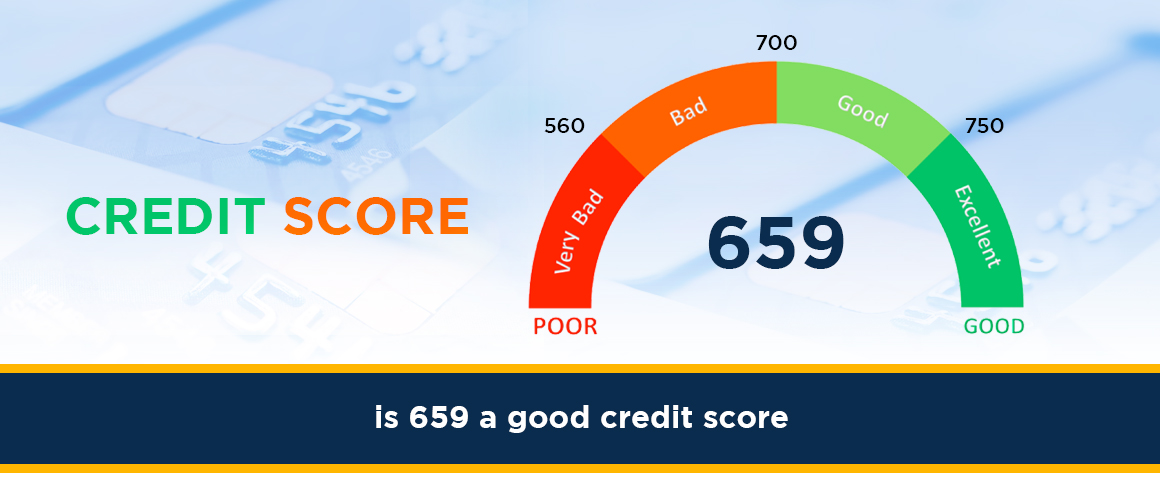
Discover if a 659 credit score is a good standing and understand its profound impact on your financial future. This comprehensive guide will demystify credit scoring, offering actionable insights for 2025 to help you leverage or improve your score.
Understanding Credit Scores: The Foundation of Your Financial Health
In the intricate world of personal finance, your credit score stands as a pivotal metric, a three-digit number that encapsulates your creditworthiness. It's more than just a number; it's a narrative of your financial behavior, a testament to how reliably you manage borrowed money. Lenders, landlords, insurers, and even potential employers use this score to gauge the risk associated with extending credit or offering services. In 2025, understanding this score is not just beneficial; it's essential for navigating the financial landscape effectively. A strong credit score can unlock doors to better interest rates, higher loan approvals, and more favorable terms across a spectrum of financial products. Conversely, a lower score can present significant hurdles, leading to higher costs and limited options. This guide aims to demystify credit scores, with a particular focus on the implications of a 659 score, providing you with the knowledge to make informed financial decisions.
Is 659 a Good Credit Score? Decoding the Numbers
The question "Is 659 a good credit score?" is a common one, and the answer is nuanced. Generally, a credit score of 659 falls into the "fair" or "average" category. While it's not considered "excellent" or "very good," it's also not in the "poor" or "bad" range. This means you are likely to be approved for credit, but often with less favorable terms compared to individuals with higher scores. Lenders view a 659 score as carrying a moderate level of risk. You might qualify for loans, credit cards, and mortgages, but expect higher interest rates, lower credit limits, and potentially larger down payment requirements. For many, a 659 score represents a solid foundation that can be improved with strategic financial management. It's a score that signals you're not a high-risk borrower, but there's definitely room for enhancement to access the best financial products and rates available in the market.
The Spectrum of Credit Scores
Credit scoring models, most notably FICO and VantageScore, categorize scores into ranges to provide a general understanding of creditworthiness. These ranges are not absolute definitions but rather guidelines. A 659 score sits in a position where opportunities exist, but optimization is key. It's crucial to understand where this score fits within the broader spectrum to appreciate its implications and potential for growth.
659: The "Fair" Zone
In most standard credit scoring models, a 659 score typically lands within the "fair" credit range. This classification suggests that while you have a history of managing credit, there might be some blemishes or a lack of extensive positive credit history. It's a score that signifies moderate risk to lenders. You're not a guaranteed rejection, but you're also not a prime candidate for the most competitive offers. Think of it as a score that opens some doors but requires you to pay a premium for entry. For instance, when applying for a credit card, you might be approved for a card with a modest credit limit and a higher Annual Percentage Rate (APR) than someone with an 800 score. Similarly, for a mortgage, a 659 score could mean a higher interest rate, increasing your monthly payments and the total interest paid over the life of the loan.
Comparing 659 to Other Ranges
To truly understand the significance of a 659 credit score, it's helpful to compare it to other common credit score ranges. This comparison highlights the advantages of higher scores and the disadvantages of lower ones.
| Credit Score Range | Classification | General Implications |
|---|---|---|
| 800-850 | Exceptional | Best interest rates, highest credit limits, easiest approvals. |
| 740-799 | Very Good | Excellent loan and credit card offers, competitive rates. |
| 670-739 | Good | Access to a wide range of credit products, generally good rates. |
| 580-669 | Fair | Approval is possible but with higher interest rates and less favorable terms. |
| 300-579 | Poor | Difficult to get approved for credit, very high interest rates, limited options. |
As you can see, a 659 score sits at the higher end of the "Fair" range, bordering on "Good." This proximity means that with some focused effort, you can potentially move into the "Good" category, which significantly broadens your financial opportunities. The difference between a 659 and a 670, for example, can be substantial in terms of the interest rates you're offered on a mortgage or auto loan.
Credit Score Ranges and What They Mean in 2025
The landscape of credit scoring is dynamic, with scoring models like FICO and VantageScore constantly evolving. However, the fundamental ranges and their implications remain largely consistent. For 2025, understanding these ranges is crucial for financial planning and decision-making. The general consensus among lenders is that scores above 700 are considered strong, offering access to the best terms. Scores between 670 and 699 are typically seen as "Good," still providing decent options. A score of 659 falls into the "Fair" category, generally defined as scores between 580 and 669. This means that while you're not in the "Poor" credit bracket (typically below 580), you're also not yet in the "Good" bracket.
FICO Score Ranges for 2025
The FICO score is the most widely used credit scoring model in the United States. Its ranges are generally accepted by most lenders:
- Exceptional: 800-850
- Very Good: 740-799
- Good: 670-739
- Fair: 580-669
- Poor: 300-579
Based on these FICO ranges, a 659 credit score is firmly in the "Fair" category. This means that lenders will assess your applications with a higher degree of caution. You might still get approved for loans and credit cards, but expect higher interest rates and potentially stricter terms. For example, the average interest rate for a 30-year fixed-rate mortgage in early 2025 for someone with a credit score in the "Fair" range can be significantly higher – potentially 1-2% or more – than for someone with a score in the "Good" or "Very Good" range. This difference translates to hundreds of dollars more in monthly payments and tens of thousands of dollars more in interest over the life of the loan.
VantageScore Ranges for 2025
VantageScore is another popular credit scoring model, often used by credit card issuers and some lenders. Its ranges are similar to FICO's, though they can sometimes differ slightly:
- Excellent: 781-850
- Good: 661-780
- Fair: 601-660
- Poor: 500-600
- Very Poor: 300-499
According to VantageScore's 2025 guidelines, a 659 credit score would place you at the very top of the "Fair" range, or even just below the "Good" range, depending on the exact calculation. This means that while you are close to crossing into the "Good" category, you are still likely to face similar challenges as with the FICO model: higher interest rates and less favorable terms. The proximity to the "Good" range, however, offers a strong incentive to focus on improving your score, as a modest increase can unlock better financial opportunities.
What These Ranges Mean for You in 2025
In 2025, a 659 credit score means you are a borrower who has demonstrated some credit management ability but may have experienced issues like late payments, high credit utilization, or a short credit history. Lenders see this score as an indicator of moderate risk.
- Loan Approvals: You will likely be approved for many types of loans (auto loans, personal loans, mortgages), but the interest rates offered will be higher than for those with scores in the "Good" or "Excellent" categories. This means your monthly payments will be higher, and you'll pay more interest over time.
- Credit Card Offers: You can qualify for credit cards, but they will likely be cards with lower credit limits, higher APRs, and fewer rewards or perks. Premium travel cards or cards with 0% introductory APR offers may be out of reach.
- Rental Applications: Landlords often check credit scores. A 659 score might be acceptable in some markets, but in competitive rental markets, it could lead to rejection or a request for a larger security deposit.
- Insurance Premiums: In many states, insurance companies use credit-based insurance scores to help determine premiums for auto and homeowners insurance. A 659 score could lead to higher insurance costs.
The key takeaway is that while a 659 score isn't a complete barrier to credit, it's a significant hurdle to obtaining the best financial products and terms. It represents a missed opportunity to save money on interest and access a wider array of financial tools.
The Real-World Impact of a 659 Credit Score
A 659 credit score, while not considered "bad," can significantly influence your financial life in tangible ways throughout 2025. The implications are most keenly felt when you apply for new credit or seek to secure essential services. Understanding these impacts can serve as a powerful motivator to improve your score.
Mortgage and Homeownership
Securing a mortgage is one of the most significant financial transactions most people undertake. For a 659 credit score, the path to homeownership can be more challenging and expensive.
- Interest Rates: Lenders use credit scores to determine mortgage interest rates. With a 659 score, you are likely to be offered rates that are considerably higher than those available to borrowers with scores in the "Good" or "Excellent" ranges. For example, in early 2025, a borrower with a 740+ score might secure a 30-year fixed mortgage at 6.5%, while someone with a 659 score might be offered 7.5% or even higher. This 1% difference can translate to hundreds of dollars more per month in payments and tens of thousands of dollars more in interest paid over the 30-year loan term.
- Down Payment Requirements: Some lenders may require a larger down payment for borrowers with scores in the "Fair" range to mitigate their risk. This can delay your ability to purchase a home if you haven't saved a substantial amount.
- Loan Approval: While approval is possible, it might be more difficult. Lenders may scrutinize your application more closely, looking for compensating factors like a stable job history and significant savings. Some loan programs, particularly those with the most favorable terms, might be inaccessible.
Auto Loans
Purchasing a vehicle often requires an auto loan. A 659 credit score will affect the terms of this loan.
- Higher Interest Rates: Similar to mortgages, auto loan interest rates are tied to credit scores. A 659 score will result in a higher APR, increasing your monthly payments and the total cost of the car. Over the typical 5-year loan term, this can add a significant amount to the price you ultimately pay.
- Limited Lender Options: You might find that fewer lenders are willing to approve your loan application, or you may be limited to dealership financing, which sometimes carries higher rates than traditional banks or credit unions.
- Leasing Challenges: Leasing a car, which often requires a good credit score, may be difficult or impossible with a 659 score.
Credit Cards
Credit cards are a common tool for everyday spending and building credit. With a 659 score, your options will be limited.
- Lower Credit Limits: You're likely to be approved for cards with lower credit limits, which can be restrictive if you have significant spending needs or want to keep your credit utilization ratio low.
- Higher APRs: The interest rates on credit cards for individuals with fair credit are typically much higher than for those with good or excellent credit. This means carrying a balance can become very expensive very quickly.
- Fewer Rewards and Perks: Premium credit cards offering generous rewards, travel points, or cash back are usually reserved for individuals with higher credit scores. You'll likely be limited to basic cards with few or no benefits.
- Secured Credit Cards: You might be offered a secured credit card, which requires a cash deposit that typically serves as your credit limit. While this can be a good tool to rebuild credit, it's not ideal if you're looking for unsecured credit.
Personal Loans and Debt Consolidation
Personal loans can be useful for consolidating debt or covering unexpected expenses.
- Higher Interest Rates: The interest rate on a personal loan with a 659 credit score will be higher, making debt consolidation less financially advantageous. The savings from consolidating high-interest debt might be offset by the higher interest rate on the new loan.
- Limited Loan Amounts: You may not qualify for the full loan amount you need, or the loan terms might be less flexible.
Renting an Apartment
Landlords often use credit checks to assess the reliability of potential tenants.
- Higher Security Deposits: A 659 score might lead a landlord to request a larger security deposit to cover potential risks.
- Application Rejection: In highly competitive rental markets, a score in the "Fair" range could lead to your application being overlooked in favor of applicants with stronger credit profiles.
- Co-signer Requirement: You might be asked to provide a co-signer with a better credit score to guarantee the rent payments.
Insurance Premiums
In many states, insurance companies use credit-based insurance scores to help set premiums for auto and homeowners insurance.
- Increased Costs: A 659 credit score can result in higher insurance premiums compared to individuals with higher credit scores. This is because statistical data often shows a correlation between lower credit scores and a higher likelihood of filing claims.
In essence, a 659 credit score means you're paying more for credit and services. The cumulative effect of these higher costs can significantly impact your budget and your ability to achieve long-term financial goals. The good news is that this score is improvable, and taking steps to do so can lead to substantial savings and expanded financial opportunities.
Strategies to Improve Your 659 Credit Score
Improving a 659 credit score from "Fair" to "Good" or "Very Good" is an achievable goal with consistent effort and smart financial habits. The key is to address the factors that most significantly influence your score. Here are actionable strategies to boost your creditworthiness in 2025:
1. Pay Your Bills On Time, Every Time
Payment history is the single most important factor in your credit score, accounting for approximately 35% of your FICO score.
- Set Up Autopay: Automate payments for all your bills, including credit cards, loans, and utilities. This ensures you never miss a due date.
- Use Calendar Reminders: If autopay isn't feasible, set up calendar alerts a few days before each bill is due.
- Pay at Least the Minimum: If you're struggling to pay the full balance, always pay at least the minimum amount by the due date. A late payment can drop your score significantly.
- Address Past Due Accounts: If you have any accounts that are currently past due, bring them current as quickly as possible.
2. Reduce Your Credit Utilization Ratio (CUR)
Credit utilization, which is the amount of credit you're using compared to your total available credit, accounts for about 30% of your FICO score. Aim to keep your CUR below 30%, and ideally below 10%.
- Pay Down Balances: Focus on paying down the balances on your credit cards. The lower your balances, the lower your utilization.
- Request a Credit Limit Increase: If you have a good payment history with a particular card issuer, you can request a credit limit increase. This will lower your utilization ratio, assuming your spending remains the same. Be aware that some issuers may perform a hard inquiry for this, which can slightly impact your score temporarily.
- Avoid Maxing Out Cards: Never max out your credit cards. Even if you pay them off in full each month, high utilization can be reported to credit bureaus and negatively affect your score.
- Spread Your Spending: If possible, spread your spending across multiple credit cards rather than concentrating it on one.
3. Avoid Opening Too Many New Credit Accounts at Once
While opening new credit can be beneficial in the long run, applying for multiple accounts in a short period can negatively impact your score. Inquiries make up about 10% of your FICO score.
- Apply Strategically: Only apply for credit when you genuinely need it.
- Shop Around for Rates: If you're looking for a loan (e.g., auto loan or mortgage), take advantage of rate-shopping periods. Credit scoring models often treat multiple inquiries for the same type of loan within a short timeframe (typically 14-45 days, depending on the model) as a single inquiry.
- Understand Hard vs. Soft Inquiries: Hard inquiries occur when you apply for credit and can lower your score by a few points. Soft inquiries, such as checking your own credit report or pre-qualification offers, do not affect your score.
4. Keep Old, Unused Accounts Open
The length of your credit history accounts for about 15% of your FICO score. Older accounts, especially those with a positive payment history, contribute to a longer average credit age.
- Don't Close Unused Cards: Unless there's a compelling reason (like a high annual fee you can't justify), avoid closing old credit card accounts, even if you don't use them often.
- Use Them Periodically: To keep them active and prevent the issuer from closing them due to inactivity, make a small purchase on these cards occasionally and pay it off immediately.
5. Diversify Your Credit Mix
Your credit mix – the types of credit accounts you have (e.g., credit cards, installment loans like mortgages or auto loans) – accounts for about 10% of your FICO score.
- Demonstrate Responsible Management: Having a mix of credit types and managing them responsibly can positively impact your score. However, don't open new accounts solely to improve your credit mix if you don't need them.
- Focus on Core Factors First: This factor is less important than payment history and credit utilization. Prioritize those areas before worrying too much about your credit mix.
6. Address Errors on Your Credit Reports
Errors on your credit report can unfairly lower your score. Take the time to review your reports regularly.
- Obtain Free Credit Reports: You are entitled to a free credit report from each of the three major credit bureaus (Equifax, Experian, and TransUnion) once every 12 months at AnnualCreditReport.com.
- Dispute Inaccuracies: If you find any errors (e.g., accounts that aren't yours, incorrect late payment markers, incorrect balances), dispute them immediately with the credit bureau and the creditor.
7. Consider a Secured Credit Card or Credit-Builder Loan
If your credit history is thin or has significant negative marks, these tools can help.
- Secured Credit Card: Requires a cash deposit that typically becomes your credit limit. Using it responsibly and paying on time can help build a positive payment history.
- Credit-Builder Loan: You make payments on a loan that is held in an account until the loan is fully repaid. The payments are reported to credit bureaus, helping to establish a positive payment history.
8. Be Patient
Improving a credit score takes time. Negative information can remain on your credit report for up to seven years (though its impact diminishes over time), while positive actions build your score gradually. Consistent, responsible behavior is key. Aim for steady progress rather than expecting overnight results.
By implementing these strategies, you can systematically improve your credit score from 659 towards the "Good" and "Very Good" ranges, unlocking better financial opportunities and saving money on interest for years to come.
Key Factors Influencing Your Credit Score
Understanding what goes into your credit score is fundamental to managing and improving it. Credit scoring models, primarily FICO and VantageScore, are designed to predict your likelihood of repaying borrowed money. While the exact algorithms are proprietary, they weigh several key factors consistently. For 2025, these factors remain the bedrock of credit scoring.
1. Payment History (Approximately 35% of FICO Score)
This is the most critical component of your credit score. It reflects whether you pay your bills on time.
- On-Time Payments: Consistently paying your bills by the due date is paramount.
- Late Payments: Even one late payment can significantly lower your score, especially if it's 30 days or more past due. The severity of the impact increases with the number of days late (30, 60, 90+).
- Collections: Accounts that have been sent to collections are highly damaging.
- Public Records: Bankruptcies, judgments, and liens are severe negative marks that drastically reduce your score and remain on your report for many years.
2. Amounts Owed / Credit Utilization Ratio (Approximately 30% of FICO Score)
This factor looks at how much debt you carry relative to your total available credit. It's often referred to as the Credit Utilization Ratio (CUR).
- High Utilization is Risky: Using a large percentage of your available credit, especially on credit cards, signals to lenders that you may be overextended and at a higher risk of default.
- Target Ratio: Experts recommend keeping your overall CUR below 30%, and ideally below 10%, for the best results. This applies to both individual credit cards and your total credit utilization.
- Revolving vs. Installment Debt: While both are considered, revolving credit (like credit cards) is generally more impactful in this category than installment loans (like mortgages or auto loans).
3. Length of Credit History (Approximately 15% of FICO Score)
This factor considers how long your credit accounts have been open and the average age of all your accounts.
- Older is Better: A longer credit history generally indicates more experience managing credit, which is viewed favorably.
- Average Age: The average age of all your open accounts is calculated. Closing older accounts can decrease this average.
- First Use Date: The date of the first use of credit on your oldest account also plays a role.
4. Credit Mix (Approximately 10% of FICO Score)
This factor assesses the variety of credit types you have. Lenders like to see that you can responsibly manage different forms of credit.
- Types of Credit: This includes revolving credit (credit cards, lines of credit) and installment credit (mortgages, auto loans, student loans, personal loans).
- Diversity is Key: Having a mix, such as both credit cards and an installment loan, can be beneficial, but it's not as critical as payment history or utilization.
- Don't Open Unnecessary Accounts: It's generally not advisable to open new accounts solely to improve your credit mix if you don't need them.
5. New Credit / Inquiries (Approximately 10% of FICO Score)
This factor considers how many new credit accounts you've opened recently and how many "hard inquiries" appear on your credit report.
- Hard Inquiries: These occur when you apply for new credit (loans, credit cards). Each hard inquiry can slightly lower your score by a few points. Too many in a short period can signal financial distress.
- Rate Shopping: Credit scoring models are designed to distinguish between shopping for the best rate on a specific loan (e.g., mortgage, auto loan) and opening multiple new accounts. Multiple inquiries for the same type of loan within a short window are typically treated as a single inquiry.
- New Accounts: Opening several new accounts in a short time can also negatively impact your score.
Other Influencing Factors
While the above are the primary drivers, other elements can also play a role:
- Public Records: As mentioned, bankruptcies, judgments, and liens have a severe negative impact.
- Credit Report Accuracy: Inaccurate information on your credit report can negatively affect your score. Regular review and dispute of errors are crucial.
- Type of Credit Used: While not a direct scoring factor, the types of credit you have can influence other factors. For example, managing a mortgage responsibly contributes positively to your payment history and credit mix.
Understanding these components allows you to prioritize your efforts. For a 659 credit score, focusing intensely on payment history and credit utilization will yield the most significant improvements. By diligently managing these factors, you can systematically raise your score and unlock better financial opportunities.
Credit Score Myths vs. Realities in 2025
The world of credit scores is often shrouded in misinformation. Dispelling common myths and understanding the realities is crucial for effective credit management in 2025.
Myth 1: Checking Your Own Credit Score Lowers It.
Reality: This is false. When you check your own credit report or score (often called a "soft inquiry"), it does not affect your credit score. Lenders perform "hard inquiries" when you apply for credit, and those are the ones that can have a minor, temporary impact. Checking your score regularly is encouraged to monitor your progress.
Myth 2: Closing Old Credit Cards Will Immediately Boost Your Score.
Reality: Closing old credit cards can actually hurt your score. It reduces your total available credit, which can increase your credit utilization ratio, and it shortens the average age of your credit accounts, both of which negatively impact your score. It's generally best to keep old, unused accounts open (unless they have high annual fees) and use them sparingly to maintain a positive history.
Myth 3: You Need to Carry a Balance to Build Credit.
Reality: This is a dangerous myth. Carrying a balance means you're paying interest, and high credit utilization (even if paid off monthly) can hurt your score. The most effective way to build credit is by making on-time payments on any credit you use. You can use a credit card for small purchases and pay it off in full each month to build a positive payment history without incurring interest charges.
Myth 4: Your Credit Score Is Based Solely on Your Income.
Reality: Your income is not a direct factor in calculating your credit score. Credit scores are based on your credit behavior – how you manage borrowed money. While income is considered by lenders when approving loans (to assess your ability to repay), it doesn't appear on your credit report and isn't used by scoring models.
Myth 5: All Credit Scores Are the Same.
Reality: There are different scoring models (FICO, VantageScore) and different versions of these models. Lenders may use different scores for different products. For example, mortgage lenders typically use FICO scores, while some credit card companies might use VantageScore. Your score can vary slightly depending on which model and version is used.
Myth 6: A Single Late Payment Won't Make a Big Difference.
Reality: A single late payment, especially if it's 30 days or more past due, can significantly lower your credit score. Payment history is the most crucial factor, and late payments are a strong indicator of increased risk.
Myth 7: It's Impossible to Improve a Low Credit Score.
Reality: This is untrue. While it takes time and consistent effort, credit scores can be improved. By addressing the factors that influence your score – paying bills on time, reducing debt, and managing credit responsibly – you can gradually raise your score over time. A 659 score is a prime example of a score that is well within the range for significant improvement.
Myth 8: You Can Buy Your Way to a Higher Credit Score.
Reality: There are no quick fixes or services that can magically boost your credit score. Legitimate credit repair involves addressing the underlying issues that affect your score, such as paying down debt and ensuring accurate reporting. Be wary of companies promising instant score increases or offering to remove accurate negative information.
Myth 9: A Credit Freeze Prevents You from Checking Your Own Score.
Reality: A credit freeze (or security freeze) restricts access to your credit report by third parties for new credit applications. It does not prevent you from checking your own credit report or score. You can still access your reports and scores for monitoring purposes.
Myth 10: All Debts Affect Your Score Equally.
Reality: While all debts contribute to your credit report, their impact on your score varies. For example, credit card utilization has a more immediate and significant impact than the balance on a car loan. Also, negative information like collections or bankruptcies has a far greater negative impact than simply having a lot of debt if managed well.
Understanding these realities is key to making informed decisions about your credit. A 659 score is a fair score, but by understanding the truth behind credit scoring, you can implement effective strategies to improve it and gain access to better financial products and services.
Why Consistent Credit Monitoring is Crucial
In today's financial environment, consistently monitoring your credit is not just a good practice; it's a necessity for safeguarding your financial health and achieving your goals. For individuals with a 659 credit score, regular monitoring is particularly important as it allows you to track your progress toward improvement and identify potential issues before they escalate.
1. Detecting and Preventing Identity Theft and Fraud
Identity theft is a pervasive threat. Monitoring your credit reports regularly is one of the most effective ways to detect fraudulent activity.
- Early Warning System: If unauthorized accounts are opened in your name, or if there are unfamiliar inquiries or balances on your report, it's an immediate red flag. Early detection allows you to act swiftly to close fraudulent accounts, dispute charges, and minimize damage to your credit score and finances.
- Securing Your Identity: By reviewing your credit reports from Equifax, Experian, and TransUnion, you can ensure that no new credit lines have been opened without your knowledge.
2. Tracking Your Progress Towards Improvement
If your goal is to raise your 659 credit score, consistent monitoring is essential to see the impact of your efforts.
- Measure Your Success: Whether you're focusing on paying down debt, improving payment history, or managing credit utilization, seeing your score tick up provides motivation and confirms that your strategies are working.
- Identify What Works: Monitoring allows you to see which actions are having the most positive effect on your score, enabling you to refine your approach.
3. Ensuring Accuracy of Your Credit Report
Credit reports are not always perfect. Errors can occur due to administrative mistakes, data entry issues, or even identity theft.
- Correcting Errors: Inaccurate late payments, incorrect balances, or accounts that don't belong to you can unfairly lower your score. Regularly reviewing your reports allows you to identify these errors and initiate disputes with the credit bureaus and creditors.
- Maintaining a Clean Record: A clean and accurate credit report is vital for presenting your best financial self to lenders.
4. Making Informed Financial Decisions
Your credit score influences many significant financial decisions, from buying a car to renting an apartment.
- Understanding Your Options: Knowing your current credit score and what it means helps you understand which loan products, credit cards, or rental agreements you are likely to qualify for and at what terms.
- Negotiating Power: A strong credit score gives you leverage when negotiating interest rates and terms. Monitoring helps you ensure you're always in the best possible position.
5. Avoiding Unnecessary Fees and Higher Costs
As discussed, a lower credit score like 659 can lead to higher interest rates on loans and credit cards, as well as increased insurance premiums.
- Saving Money: By improving your score through diligent credit management and monitoring, you can qualify for lower interest rates, saving you thousands of dollars over time.
- Accessing Better Products: Higher credit scores unlock access to premium credit cards with better rewards, lower APRs, and more favorable loan terms.
How to Monitor Your Credit
There are several ways to monitor your credit:
- Free Annual Credit Reports: You are entitled to one free credit report from each of the three major credit bureaus (Equifax, Experian, and TransUnion) every 12 months at AnnualCreditReport.com. Spacing out your requests (e.g., checking one bureau every four months) allows for continuous monitoring.
- Credit Monitoring Services: Many credit card companies and financial institutions offer free credit monitoring services to their customers. These services often provide access to your FICO or VantageScore and alert you to significant changes on your credit report.
- Paid Services: Numerous companies offer paid credit monitoring services that provide more comprehensive features, such as detailed alerts, identity theft insurance, and credit score simulators.
For anyone aiming to improve a 659 credit score, consistent monitoring is an indispensable tool. It empowers you to take control of your credit health, protect yourself from fraud, and ensure you are always making the most financially sound decisions.
Conclusion: Your Credit Score Journey
Navigating the world of credit scores can seem complex, but understanding their significance is paramount to achieving financial well-being. A 659 credit score, while not ideal, is a fair score that offers a solid foundation for improvement. It signifies that you have some credit experience but may have encountered challenges or have room to optimize your credit habits. The real-world impact of this score in 2025 is tangible: you can access credit, but often at higher costs and with fewer options compared to those with higher scores. This means paying more for mortgages, auto loans, and credit cards, potentially hindering your financial goals.
The good news is that your credit score is not static. By focusing on the key factors that influence it – particularly consistent on-time payments and maintaining a low credit utilization ratio – you can systematically elevate your score. Strategies such as setting up autopay, paying down credit card balances, and avoiding unnecessary new credit applications are crucial steps. Furthermore, regularly monitoring your credit reports for accuracy and potential fraud is vital for maintaining a healthy credit profile. Remember, credit building is a marathon, not a sprint. Patience and consistent, responsible financial behavior are your greatest allies. Embrace the journey of improving your credit score; the financial rewards and peace of mind it brings are well worth the effort. Start today by reviewing your credit reports and implementing the actionable strategies outlined in this guide.
