Is 687 a Good Credit Score? What You Need to Know
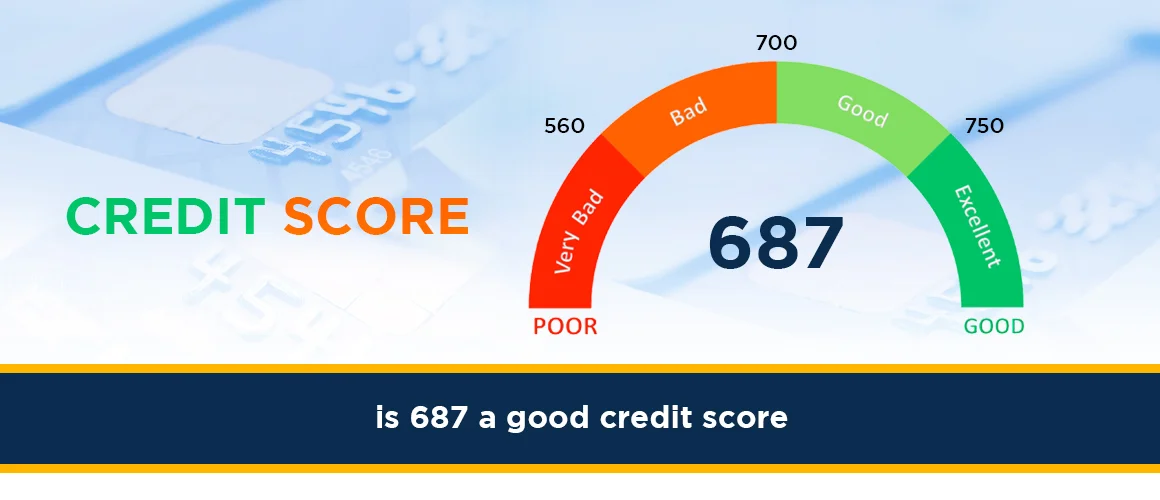
A credit score of 687 generally falls into the "good" to "very good" range, offering a solid foundation for accessing credit. While not the highest possible score, it's often sufficient for securing loans and credit cards with favorable terms. Understanding its implications is key to leveraging this score effectively.
Understanding Credit Scores: The Foundation
Credit scores are numerical representations of your creditworthiness, designed to help lenders assess the risk associated with lending you money. They are calculated based on your credit history, which includes information from your credit reports. These scores are crucial because they influence your ability to obtain loans, credit cards, rent an apartment, and even secure certain jobs. In essence, your credit score is a snapshot of your financial responsibility and reliability.
The most widely used credit scoring models are those developed by FICO and VantageScore. While both systems evaluate similar aspects of your credit behavior, they may use slightly different methodologies and weighting for each factor, leading to minor variations in the scores they produce. However, the general principles and the impact of your financial habits remain consistent across both models. Lenders use these scores to make informed decisions about approving credit applications and setting interest rates.
Understanding how these scores are generated is the first step to managing your financial health effectively. A higher credit score typically translates to lower interest rates, better loan terms, and greater access to financial products. Conversely, a lower score can lead to higher costs, limited options, and potential rejections for credit. For individuals and families, a good credit score is not just a number; it's a gateway to achieving significant financial goals, such as homeownership, car purchases, and comfortable retirement planning.
Is 687 a Good Credit Score? A Deep Dive
The question, "Is 687 a good credit score?" is a common one, and the answer is nuanced but generally positive. In the landscape of credit scoring, a 687 score is typically categorized as "good" or "very good," depending on the specific scoring model and the lender's internal criteria. This score indicates that you have managed credit responsibly for a significant period, demonstrating a pattern of timely payments and a reasonable utilization of credit.
For most lenders, a 687 score suggests a lower risk of default compared to individuals with scores below 600. This means you are likely to be approved for a variety of credit products, including personal loans, auto loans, and credit cards. The interest rates and terms offered may not be the absolute best available (which are usually reserved for scores above 740), but they will likely be competitive and significantly better than what someone with a poor or fair credit score would receive.
It's important to recognize that "good" is relative. While 687 is a solid score, there's always room for improvement. Many lenders aim for scores of 700 and above to offer their most premium rates and benefits. However, achieving a 687 score signifies a strong financial foundation. It means you've likely avoided major credit mishaps like bankruptcies, foreclosures, or significant late payments. This score represents a level of financial maturity that lenders respect and reward.
The context of your credit history also matters. For instance, if you have a short credit history, a 687 score is exceptionally good. If you have a long history, maintaining this score requires consistent positive behavior. The key takeaway is that a 687 credit score is a valuable asset that opens many doors, but it also serves as a strong platform from which to build an even better financial future.
Credit Score Ranges Explained (2025 Data)
Understanding how your 687 credit score fits into the broader spectrum of creditworthiness is essential. Credit bureaus and scoring agencies typically divide credit scores into several ranges. While these ranges can vary slightly between FICO and VantageScore, and even among different versions of their models, the general classifications remain consistent. As of 2025, here's a breakdown of common credit score ranges and what they signify:
| Score Range (FICO & VantageScore General) | Category | Implications |
|---|---|---|
| 300-579 | Very Poor | Extremely difficult to obtain credit. High risk for lenders. May require secured credit products or co-signers. |
| 580-669 | Fair | May qualify for some credit, but with higher interest rates and less favorable terms. Approval is not guaranteed. |
| 670-739 | Good | Generally considered good. Likely to be approved for most credit products with reasonable interest rates. Your 687 score falls within this range. |
| 740-799 | Very Good | Excellent approval odds and access to the best interest rates and terms. Many lenders consider this the threshold for premium offers. |
| 800-850 | Exceptional/Excellent | Top-tier creditworthiness. Qualifies for the absolute best rates, rewards, and lending opportunities. Minimal risk for lenders. |
As you can see, a 687 credit score firmly places you in the "Good" category. This is a significant achievement and reflects responsible financial behavior. While it's not in the "Exceptional" range, it's far from "Fair" or "Very Poor." This means you are a desirable borrower for many financial institutions.
The key advantage of a good credit score like 687 is the increased likelihood of approval for credit products. Lenders see you as someone who pays their bills on time and manages debt effectively. This translates into more options when you need to finance a car, buy a home, or simply manage your everyday expenses with a credit card. However, it's also a score that indicates there's still room for growth. By continuing to practice good credit habits, you can aim to move into the "Very Good" or "Exceptional" categories, unlocking even more financial benefits and savings.
Factors Influencing Your 687 Credit Score
Your credit score isn't a random number; it's a calculated outcome of your financial behaviors over time. Understanding the factors that contribute to your 687 score can help you maintain it and identify areas for improvement. The most influential factors, according to FICO and VantageScore models, are:
1. Payment History (Most Important)
This is the single most critical factor, typically accounting for about 35% of your FICO score. It reflects whether you pay your bills on time. A 687 score suggests that your payment history is largely positive, with most, if not all, payments made by their due dates. Any late payments, even by a few days, can significantly impact your score. Consistent on-time payments are the bedrock of a good credit score.
- Positive Impact: Making all payments on time for all credit accounts (credit cards, loans, mortgages).
- Negative Impact: Any instances of late payments (30, 60, 90+ days past due), defaults, bankruptcies, or collections.
2. Amounts Owed / credit utilization Ratio (Very Important)
This factor, making up about 30% of your FICO score, looks at how much credit you are using compared to your total available credit. This is often referred to as your credit utilization ratio (CUR). For a 687 score, your CUR is likely in a healthy range, meaning you're not maxing out your credit cards. Experts generally recommend keeping your CUR below 30%, and ideally below 10% for optimal scores.
- Positive Impact: Keeping balances low on credit cards and other revolving credit.
- Negative Impact: High balances on credit cards, especially if they approach your credit limits.
Example: If you have a credit card with a $10,000 limit and a balance of $3,000, your CUR is 30%. If you have a $1,000 balance, your CUR is 10%. A lower CUR is better.
3. Length of Credit History (Important)
This factor, accounting for about 15% of your FICO score, considers how long your credit accounts have been open and the average age of your accounts. A longer credit history generally helps your score, as it provides lenders with more data to assess your long-term credit behavior. A 687 score suggests you have a reasonably established credit history.
- Positive Impact: Having older credit accounts that have been managed well over time.
- Negative Impact: A very short credit history or a history of frequently closing older accounts.
4. Credit Mix (Less Important)
This accounts for about 10% of your FICO score and looks at the variety of credit you manage, such as credit cards, installment loans (like auto loans or mortgages), and retail accounts. Having a mix of different types of credit, and managing them responsibly, can be beneficial. A 687 score indicates you likely have a reasonable mix.
- Positive Impact: Demonstrating the ability to manage different types of debt successfully.
- Negative Impact: Having only one type of credit or struggling to manage multiple types.
5. New Credit (Less Important)
This factor, also around 10% of your FICO score, considers how many new credit accounts you've opened recently and how many hard inquiries are on your credit report. Opening too many new accounts in a short period can signal increased risk to lenders. A 687 score suggests you haven't recently engaged in aggressive credit seeking.
- Positive Impact: Not opening numerous new accounts in a short timeframe.
- Negative Impact: Frequently applying for new credit, leading to multiple hard inquiries.
Understanding these components is crucial. If your 687 score is solid, it's likely due to strong performance in payment history and credit utilization. To improve further, focus on maintaining these areas and potentially addressing the length of your credit history or credit mix if they are weaker points.
Credit Cards You Can Likely Get with a 687 Score
With a 687 credit score, you are in a strong position to qualify for a variety of credit cards. While you might not get the most premium rewards cards that require exceptional credit (typically 740+), you have access to a wide range of options that offer good benefits and help you continue building your credit. Lenders view a 687 score as "good," meaning you represent a manageable risk.
Types of Credit Cards to Consider:
- Rewards Credit Cards: Many cards offering cashback, travel points, or other rewards are within reach. Look for cards that align with your spending habits. For example, if you spend a lot on groceries or gas, find a card that offers bonus rewards in those categories. Some popular options might include cards like the Capital One Quicksilver Cash Rewards Credit Card or the Discover it Cash Back, which often approve applicants in the good credit range.
- Balance Transfer Credit Cards: If you have existing high-interest debt, a balance transfer card could be beneficial. Many of these cards offer 0% introductory APRs on balance transfers, allowing you to pay down debt more efficiently. A 687 score often qualifies you for these offers, though the length of the introductory period might vary.
- Travel Credit Cards: While the top-tier travel cards might be out of reach, there are still excellent travel rewards cards that a 687 score can qualify for. These cards can help you earn points or miles for flights, hotels, and other travel expenses.
- Secured Credit Cards (as a stepping stone): Although your score is good, if you are looking to rebuild or establish credit further, a secured credit card can be an option. However, with a 687 score, you should ideally be looking for unsecured cards. If you are denied for unsecured cards, a secured card can be a temporary solution.
- Store Credit Cards: Retail store credit cards are often easier to obtain and can offer special discounts or financing. While they can be useful for specific retailers, be mindful of potentially high interest rates if you carry a balance.
What to Expect Regarding Terms:
While approval is likely, the specific terms offered will depend on the card issuer and the exact score. You can generally expect:
- Credit Limits: Credit limits will likely be moderate, perhaps ranging from $1,000 to $5,000 or more, depending on the card and your overall credit profile.
- Interest Rates (APRs): The Annual Percentage Rate (APR) will likely be higher than what someone with an excellent credit score would receive. Expect APRs in the mid-to-high teens or even low twenties. It's crucial to aim to pay your balance in full each month to avoid these interest charges.
- Fees: Annual fees may be present, especially on rewards cards, but many good options have no annual fee. Be sure to compare fees against the benefits offered.
Recommendation: When applying, research cards specifically targeting individuals with "good" credit. Read the terms and conditions carefully, paying close attention to APRs, fees, and rewards structures. Applying for a few targeted cards is better than applying for many, as each application can result in a hard inquiry on your credit report, which can slightly lower your score.
Loans and Mortgages with a 687 Score
A 687 credit score is generally considered strong enough to qualify for various types of loans, including auto loans, personal loans, and even mortgages, though the terms and interest rates will reflect your "good" credit standing. Lenders see you as a reliable borrower, but perhaps not as risk-free as someone with a score above 740.
Auto Loans:
With a 687 credit score, you are very likely to be approved for an auto loan. You should qualify for competitive interest rates, though perhaps not the absolute lowest advertised rates that are often reserved for borrowers with scores of 740 or higher. Expect rates that are fair and allow for manageable monthly payments.
- Interest Rates: Likely to be in the single digits or low double digits, depending on market conditions and the specific lender.
- Loan Terms: You should have access to standard loan terms (e.g., 36, 48, 60, 72 months).
- Down Payment: While not always required, a larger down payment can help secure better terms and reduce your monthly payments.
Tip: Get pre-approved for an auto loan from your bank or credit union before visiting a dealership. This gives you a benchmark for the interest rate and allows you to negotiate more effectively.
Personal Loans:
Personal loans are often unsecured, meaning they don't require collateral. A 687 score makes you a strong candidate for unsecured personal loans from banks, credit unions, and online lenders. These loans can be used for various purposes, such as debt consolidation, home improvements, or unexpected expenses.
- Loan Amounts: You can typically borrow anywhere from $1,000 to $50,000, depending on the lender and your income.
- Interest Rates: Expect rates that are higher than mortgage or auto loans but significantly lower than credit card rates. Rates could range from around 7% to 20% or more.
- Repayment Terms: Typically range from 1 to 7 years.
Recommendation: Compare offers from multiple lenders to find the lowest interest rate and best repayment terms. Online lenders often offer quick application processes and funding.
Mortgages:
Securing a mortgage with a 687 credit score is achievable, but it may require a larger down payment and potentially a higher interest rate compared to borrowers with excellent credit. Lenders generally prefer scores of 700 or higher for conventional loans, but a 687 score can still be approved, especially with other strong financial factors.
- Conventional Loans: Fannie Mae and Freddie Mac guidelines typically allow for conventional loans with scores down to 620, but a 687 score will yield better terms. You might need a larger down payment (e.g., 10-20%) to compensate for the lower score.
- FHA Loans: These government-backed loans are more lenient with credit scores. With a 687 score, you would likely qualify for an FHA loan with a down payment as low as 3.5%. However, FHA loans come with mortgage insurance premiums (MIP) that add to your monthly cost.
- VA Loans: For eligible veterans, VA loans offer excellent terms with no down payment requirement and generally more flexible credit score requirements than conventional loans. A 687 score should be sufficient for VA loan approval.
Important Note: When applying for a mortgage, lenders will look at your entire financial picture, including your debt-to-income ratio, employment history, and savings. A 687 score is a good starting point, but strengthening other areas can significantly improve your chances of approval and securing favorable terms.
In summary, a 687 credit score opens doors to most lending opportunities. While it's a strong score, continuing to improve it can lead to substantial savings through lower interest rates across all types of credit.
Strategies to Improve Your 687 Credit Score
While a 687 credit score is good, aiming for a "very good" or "exceptional" score can unlock even better financial opportunities and savings. Fortunately, there are several actionable strategies you can implement to boost your score further. These strategies focus on reinforcing the positive aspects of your credit history and addressing any potential weaknesses.
1. Maintain Perfect Payment History:
This is the most impactful strategy. Ensure every single bill is paid on time, every time. Even one 30-day late payment can significantly drop your score. Set up automatic payments or reminders to avoid missing due dates.
- Action: Double-check all due dates and ensure sufficient funds are available in your accounts.
2. Reduce Credit Utilization Ratio (CUR):
Your credit utilization ratio is a major factor. Aim to keep your balances on credit cards and other revolving credit lines as low as possible. Ideally, keep your CUR below 10% for optimal results, and certainly below 30%.
- Action: Pay down existing credit card balances aggressively. If possible, pay off one card completely before moving to the next.
- Action: Consider requesting a credit limit increase on existing cards. If approved, this will lower your CUR, assuming your spending remains the same. Be cautious, as some issuers may perform a hard inquiry for this.
Example: If you have a credit card with a $5,000 limit and a $2,000 balance, your CUR is 40%. Paying down the balance to $500 would bring your CUR to 10%.
3. Keep Older Accounts Open:
The length of your credit history is important. Closing older, well-managed accounts can shorten your average account age and negatively impact your score. Even if you don't use an older card often, keeping it open (perhaps with a small, recurring charge that you pay off immediately) can help maintain your credit history length.
- Action: Resist the urge to close credit accounts, especially those that have been open for several years and have a positive payment history.
4. Be Strategic About New Credit Applications:
While building credit involves opening new accounts, applying for too much credit in a short period can hurt your score. Each hard inquiry can temporarily lower your score by a few points. Space out your applications for new credit.
- Action: Only apply for credit when you truly need it. Research the eligibility requirements beforehand to minimize unnecessary applications.
5. Monitor Your Credit Reports Regularly:
Errors on your credit report can unfairly lower your score. You are entitled to a free credit report from each of the three major credit bureaus (Equifax, Experian, and TransUnion) annually via AnnualCreditReport.com.
- Action: Review your credit reports for any inaccuracies, such as incorrect account information, late payments you didn't make, or accounts you don't recognize. Dispute any errors promptly with the credit bureau.
6. Consider a Credit-Builder Loan or Secured Credit Card (If Needed):
If your credit history is thin or you've had past issues, these tools can help. A credit-builder loan involves making payments on a loan that is held in an account until you've paid it off, after which you receive the funds. A secured credit card requires a cash deposit that becomes your credit limit. Both report your payment activity to the credit bureaus.
- Action: If you've made significant progress but feel stuck, explore these options to add positive payment history. However, with a 687 score, these might be less necessary unless you're aiming for the highest scores.
7. Manage Your Debt Wisely:
This encompasses more than just credit card utilization. It involves having a manageable amount of total debt relative to your income. Lenders look at your debt-to-income ratio (DTI) when assessing your ability to handle new debt.
- Action: Focus on paying down all forms of debt, including installment loans, in addition to credit card balances.
By consistently applying these strategies, you can steadily improve your credit score from 687 towards the "very good" and "exceptional" tiers, leading to even greater financial benefits.
Common Mistakes to Avoid with a 687 Score
While a 687 credit score is a positive achievement, it's crucial to avoid common pitfalls that can cause it to stagnate or even decline. Many people with good credit scores make mistakes that prevent them from reaching higher tiers or even lead to a drop in their score. Being aware of these potential errors can help you maintain and improve your financial standing.
1. Missing Payments:
This is the most significant mistake. Even one missed payment can have a substantial negative impact on your credit score, undoing months or years of positive progress. A 687 score indicates you've been diligent, but complacency can lead to oversight.
- Avoid: Relying solely on memory. Set up automatic payments or calendar reminders for all due dates.
2. Maxing Out Credit Cards:
A high credit utilization ratio is a major red flag for lenders and credit scoring models. Even if you pay your balances off eventually, consistently carrying high balances signals financial strain and increases your risk.
- Avoid: Using close to your credit limit on any card. Keep your utilization below 30%, and ideally below 10%, across all your cards and on each individual card.
3. Applying for Too Much Credit at Once:
Each time you apply for new credit, a hard inquiry is typically placed on your credit report. Multiple hard inquiries within a short period can suggest financial desperation and lower your score. While a 687 score is good, numerous recent applications can still be detrimental.
- Avoid: Applying for multiple credit cards or loans simultaneously unless you are rate shopping for a specific type of loan (like a mortgage or auto loan) within a short window, which is often treated as a single inquiry.
4. Closing Old, Unused Credit Accounts:
As mentioned earlier, closing older accounts can reduce the average age of your credit history and potentially increase your overall credit utilization ratio (if you have balances on other cards). This can negatively impact your score.
- Avoid: Closing credit cards just because you don't use them frequently, especially if they have no annual fee and a positive history.
5. Not Monitoring Credit Reports for Errors:
Mistakes on credit reports are more common than you might think. Incorrect late payment notations, accounts that don't belong to you, or wrong balances can all lower your score without you realizing it.
- Avoid: Assuming your credit report is always accurate. Regularly review your reports from Equifax, Experian, and TransUnion for any discrepancies and dispute them promptly.
6. Falling for "Credit Repair" Scams:
Many companies claim they can quickly and easily fix your credit for a fee. Legitimate credit improvement takes time and consistent good behavior. Be wary of promises that sound too good to be true.
- Avoid: Paying high fees for services that promise to remove accurate negative information or create new credit identities. Focus on proven strategies like on-time payments and reducing debt.
7. Treating All Credit Cards the Same:
While you have a good score, it's still important to be mindful of the terms. High APRs on credit cards can be costly if you carry a balance. Store cards often have very high interest rates.
- Avoid: Carrying balances on high-interest credit cards unnecessarily. Understand the APRs and fees associated with each card you use.
By actively avoiding these common mistakes, you can ensure your 687 credit score remains strong and continues to grow, opening up even better financial opportunities in the future.
Conclusion: Your 687 Credit Score Strategy
A credit score of 687 is a solid foundation for your financial life. It signifies that you've demonstrated responsible credit management and are viewed favorably by lenders. This score opens doors to a wide array of credit cards, loans, and financial products with competitive terms, making it a valuable asset.
However, "good" is not the ceiling. Your 687 score presents a prime opportunity to leverage your current success and aim even higher. By focusing on the key drivers of creditworthiness – consistent on-time payments, maintaining a low credit utilization ratio, and managing the length and mix of your credit history – you can steadily climb into the "very good" and "exceptional" credit score ranges. This upward trajectory will not only solidify your financial standing but also unlock significant savings through lower interest rates on mortgages, auto loans, and potentially even better credit card rewards.
The strategies outlined – from avoiding missed payments and high balances to monitoring your credit reports and being judicious with new credit applications – are your roadmap. Implement them diligently, and you'll find that your 687 credit score is not just a number, but a powerful tool that, with continued smart management, will serve you well for years to come. Take proactive steps today to build on this excellent foundation and achieve your long-term financial goals.
