Is 718 a Good Credit Score? Everything You Need to Know
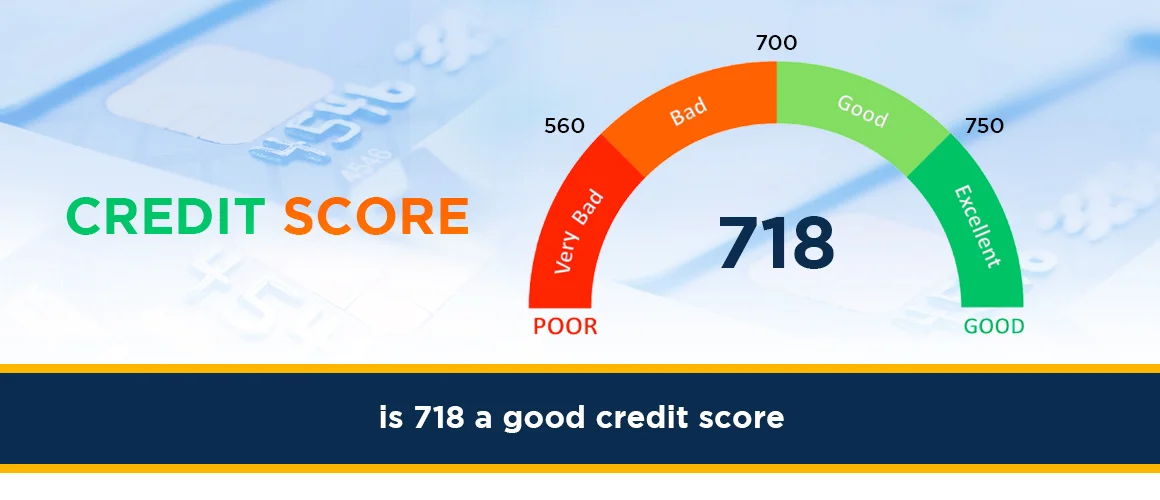
A credit score of 718 sits in a favorable position, often considered good, unlocking many financial opportunities. This comprehensive guide breaks down what a 718 credit score means, how it compares to others, and actionable steps to leverage or improve it for better loan terms and financial health in 2025.
What is a 718 Credit Score?
A credit score of 718 is generally considered a "good" credit score. This means that lenders view you as a relatively low-risk borrower. With a 718 score, you are likely to qualify for a wide range of financial products, including loans and credit cards, often with favorable interest rates and terms. It signifies a history of responsible credit management, though there's still room for improvement to reach the "excellent" tier.
Understanding Credit Score Ranges in 2025
Credit scores are typically categorized into ranges, though the exact labels and boundaries can vary slightly between credit scoring models (like FICO and VantageScore) and lenders. For 2025, the general consensus for FICO scores, which is widely used, is as follows:
It's crucial to understand that these are general guidelines. Lenders may have their own proprietary scoring models or adjust their acceptance criteria based on other factors like income, employment history, and debt-to-income ratio.
| Score Range | Category | Implication |
|---|---|---|
| 300-579 | Very Poor | Difficult to qualify for credit; high interest rates if approved. |
| 580-669 | Fair | May qualify for some loans, but with higher interest rates and less favorable terms. |
| 670-739 | Good | Generally qualifies for most loans with competitive rates and terms. A 718 falls squarely in this category. |
| 740-799 | Very Good | Excellent chances of approval for most credit products with very favorable terms and low interest rates. |
| 800-850 | Exceptional/Excellent | Top-tier creditworthiness; qualifies for the best rates and terms available. |
A 718 credit score sits comfortably within the "Good" range. This means you're performing significantly better than a large portion of the population. While not in the highest tier, it's a solid score that opens doors to many financial opportunities that might be closed to those with lower scores. For instance, a 718 score is often the benchmark for securing reasonable interest rates on mortgages and auto loans, which are significant financial commitments.
Is 718 a Good Credit Score for Loans?
Yes, a 718 credit score is generally considered good for most types of loans. It indicates to lenders that you have a history of managing credit responsibly and are likely to repay borrowed funds. This score can help you qualify for a variety of loans, often with better terms than those with fair or poor credit.
Mortgage Loans
For mortgage loans, a 718 credit score is typically considered good. While the absolute best rates are often reserved for scores above 740 or 760, a 718 score can still qualify you for competitive interest rates. Many lenders consider scores in the high 600s and low 700s as acceptable for conventional loans. With a 718, you're likely to avoid the highest interest rates and may even be eligible for certain first-time homebuyer programs or government-backed loans (like FHA loans, though these often have more lenient score requirements but may come with mortgage insurance premiums). In 2025, the average interest rate for a 30-year fixed-rate mortgage for borrowers with scores in the 700-719 range could be around 6.5% to 7.0%, significantly lower than for those with scores in the fair range (which could be 8.0% or higher).
Auto Loans
A 718 credit score is very good for obtaining an auto loan. Lenders view this score as a sign of reliability. You can expect to qualify for a loan with a competitive interest rate, which can save you thousands of dollars over the life of the loan. For example, in 2025, someone with a 718 credit score might secure an auto loan interest rate between 5.0% and 6.5% for a new car, whereas someone with a fair credit score could face rates of 9% or higher. This difference can translate to hundreds of dollars in monthly savings or significant overall interest paid.
Personal Loans
Personal loans are often unsecured, meaning lenders take on more risk. Therefore, a good credit score like 718 is highly beneficial. You'll likely be approved for a personal loan with a reasonable interest rate, and you'll have access to a wider range of lenders and loan amounts. For a 718 score in 2025, personal loan interest rates could range from 7% to 12%, depending on the loan term and lender. This is a substantial advantage compared to rates that could exceed 20% for individuals with lower credit scores.
Credit Cards
With a 718 credit score, you're well-positioned to qualify for a variety of credit cards, including those with attractive rewards programs, travel benefits, and introductory 0% APR offers. You'll likely be approved for cards that offer better cashback rates, more points per dollar spent, or lower ongoing interest rates. While the most premium, exclusive cards might require scores in the 740+ range, a 718 score opens the door to many excellent options that can enhance your spending power and rewards. You might also be eligible for higher credit limits than someone with a fair credit score.
Factors That Influence Your Credit Score
Understanding what impacts your credit score is key to maintaining and improving it. The three major credit bureaus (Equifax, Experian, and TransUnion) use information from your credit reports to calculate your score. The most influential factors, according to FICO, are:
Payment History (35% of score)
This is the most critical factor. Making payments on time, every time, is paramount. Late payments, missed payments, defaults, bankruptcies, and collections can significantly damage your score. A consistent history of on-time payments demonstrates reliability to lenders.
Credit Utilization Ratio (30% of score)
This refers to the amount of credit you're using compared to your total available credit. For example, if you have a credit card with a $10,000 limit and you owe $3,000, your utilization ratio is 30%. Experts recommend keeping this ratio below 30%, and ideally below 10%, for the best impact on your score. A lower utilization signals that you are not over-reliant on credit.
Length of Credit History (15% of score)
The longer you've had credit accounts open and in good standing, the better. This includes the age of your oldest account, the age of your newest account, and the average age of all your accounts. A longer history provides lenders with more data to assess your long-term credit behavior.
Credit Mix (10% of score)
Having a variety of credit types, such as credit cards, installment loans (like mortgages or auto loans), and perhaps even a personal loan, can positively influence your score. This shows you can manage different forms of credit responsibly. However, don't open new accounts just to diversify your credit mix; this factor is less important than others.
New Credit (10% of score)
Opening multiple new credit accounts in a short period can negatively impact your score. Each time you apply for credit, a "hard inquiry" is placed on your report, which can slightly lower your score. While a few inquiries won't drastically affect a good score, a spree of applications can signal increased risk to lenders.
How to Leverage a 718 Credit Score
A 718 credit score is a valuable asset. Here's how you can use it to your advantage:
Negotiating Interest Rates
With a 718 score, you have significant leverage when negotiating interest rates on loans. Don't just accept the first offer you receive. Shop around with multiple lenders (banks, credit unions, online lenders) to compare offers. Mentioning a competing lower rate can often prompt other lenders to match or beat it. For example, if one lender offers you a 7.0% APR on a car loan, and another offers 6.5%, you can go back to the first lender and ask if they can match the 6.5% to secure your business. This can save you hundreds or even thousands of dollars in interest over the loan's term.
Exploring Premium Credit Cards
A 718 score makes you eligible for many credit cards that offer excellent rewards, travel perks, sign-up bonuses, and purchase protections. While the absolute top-tier cards might require scores above 740, you can still access cards that provide substantial value. Consider cards that align with your spending habits, whether it's travel rewards, cashback, or specific store discounts. For instance, you might qualify for a travel rewards card that offers a generous sign-up bonus of 50,000 points after spending $3,000 in the first three months, which could be worth over $500 in travel. This is a great way to get more value from your everyday spending.
Refinancing Existing Debt
If you have existing debt, such as a student loan, auto loan, or even a credit card balance with a high interest rate, a 718 credit score might allow you to refinance it at a lower rate. Refinancing can reduce your monthly payments and the total interest paid over time. For example, if you have a $20,000 auto loan with a 9% interest rate and 4 years remaining, refinancing to a 6% rate could save you approximately $1,500 in interest and lower your monthly payment by about $30-$40. Always compare refinancing offers carefully and consider any fees involved.
Strategies to Improve a 718 Credit Score
While 718 is a good score, aiming for "very good" (740+) or "excellent" (800+) can unlock even better financial opportunities and lower interest rates. Here are actionable strategies:
Maintaining Perfect Payment History
This is non-negotiable. Continue to pay all your bills on time, every single month. If you have a tendency to forget due dates, set up automatic payments for at least the minimum amount due. For any recurring bills, consider setting calendar reminders a few days before the due date. Even one late payment can significantly drop your score, so diligence here is crucial for maintaining and improving your 718 score.
Reducing Credit Utilization
This is one of the fastest ways to boost your score if your utilization is currently above 30%. Aim to keep your credit utilization ratio below 10% for the best results. You can achieve this by:
- Paying down balances: Focus on paying off credit card debt. Even making multiple payments throughout the month can help lower your reported utilization.
- Requesting a credit limit increase: If you have a good payment history with a particular card issuer, you might be able to request a higher credit limit. This will immediately lower your utilization ratio if your spending remains the same. For example, if you have a $5,000 balance on a card with a $10,000 limit (50% utilization), requesting a limit increase to $15,000 would drop your utilization to about 33%.
- Spreading out spending: If possible, try not to max out any single credit card. Distribute your spending across multiple cards if you have them, keeping the balance on each low.
Avoiding Unnecessary New Credit
Resist the urge to apply for new credit cards or loans unless you genuinely need them. Each application results in a hard inquiry, which can temporarily lower your score. If you're planning to apply for a major loan, like a mortgage, in the near future, it's especially important to limit new credit applications. Focus on managing your existing credit accounts responsibly.
Monitoring Your Credit Reports
Regularly check your credit reports from Equifax, Experian, and TransUnion. You are entitled to a free report from each bureau annually via AnnualCreditReport.com. Look for any errors, such as accounts you don't recognize, incorrect payment statuses, or outdated information. Disputing errors can lead to a score increase if corrected. Many credit card companies and financial institutions also offer free credit score monitoring services, which can alert you to significant changes.
Common Misconceptions About Credit Scores
Several myths surround credit scores that can lead to poor financial decisions. Debunking these is important:
- Myth: Checking your own credit score hurts your score. Fact: Checking your own credit score (a "soft inquiry") does not impact your score. Only applications for new credit (a "hard inquiry") can cause a slight, temporary dip.
- Myth: You need to carry a balance to build credit. Fact: You don't need to carry a balance. Making on-time payments on a credit card, even if you pay it off in full each month, is the best way to build credit. This demonstrates responsible usage without incurring interest.
- Myth: Closing old credit accounts will improve your score. Fact: Closing old accounts can actually hurt your score by reducing your average credit history length and increasing your credit utilization ratio (if you have balances on other cards). It's generally better to keep old, unused accounts open with zero balances.
- Myth: Everyone's credit score is calculated the same way. Fact: While the core factors are similar, different scoring models (FICO, VantageScore) and lender-specific algorithms exist, leading to slight variations in scores.
- Myth: A high credit score guarantees loan approval. Fact: While a good score significantly increases your chances, lenders also consider other factors like income, employment stability, debt-to-income ratio, and the specific loan product.
The Future of Credit Scoring in 2025 and Beyond
The credit scoring landscape is constantly evolving. In 2025 and beyond, we can expect several trends to shape how creditworthiness is assessed:
- Increased use of alternative data: Lenders and scoring models are increasingly exploring alternative data sources beyond traditional credit reports. This could include rent payments, utility bills, and even cash flow analysis from bank accounts. This aims to provide a more inclusive picture of creditworthiness, especially for individuals with limited credit history.
- Focus on financial wellness: There's a growing emphasis on a borrower's overall financial health, not just their past credit behavior. This might involve looking at budgeting habits, savings, and financial literacy.
- AI and machine learning: Advanced algorithms will likely play a larger role in credit scoring, enabling more sophisticated risk assessments and potentially more personalized credit offers. This could lead to more dynamic scoring models that adapt quickly to changing economic conditions.
- Consumer empowerment and transparency: Regulations and consumer demand are pushing for greater transparency in how credit scores are calculated and used. Expect more tools and resources to help consumers understand and manage their credit.
- Data privacy concerns: As more data is used, concerns about data privacy and security will become even more critical. Robust security measures and ethical data handling will be paramount.
For individuals with a 718 credit score, staying informed about these changes is beneficial. Continuing to build a strong credit foundation will remain essential, but understanding how new data points might be incorporated can help you prepare for the future of credit.
For example, if a new scoring model in 2026 begins to heavily weigh on-time rent payments, someone with a 718 score who has consistently paid rent on time might see their score increase further, even if their credit card balances remain the same. Conversely, if a lender starts to penalize high levels of buy-now-pay-later usage, those who heavily rely on such services might see their scores fluctuate more.
The core principles of responsible financial management—paying bills on time, keeping debt low, and monitoring your credit—will continue to be the bedrock of a strong credit score, regardless of the scoring model used. A 718 score positions you well to adapt to these future trends.
In conclusion, a 718 credit score is a commendable achievement, placing you firmly in the "good" category. This score opens doors to favorable terms on mortgages, auto loans, personal loans, and credit cards, saving you money and providing greater financial flexibility. While it's a solid foundation, continuous effort in maintaining on-time payments, managing credit utilization, and monitoring your credit reports can help you climb into the "very good" or "excellent" tiers. By understanding the factors that influence your score and leveraging your current standing, you can make informed financial decisions and pave the way for even greater opportunities in the future. Keep up the good work, and consider implementing the improvement strategies discussed to maximize your credit potential.
