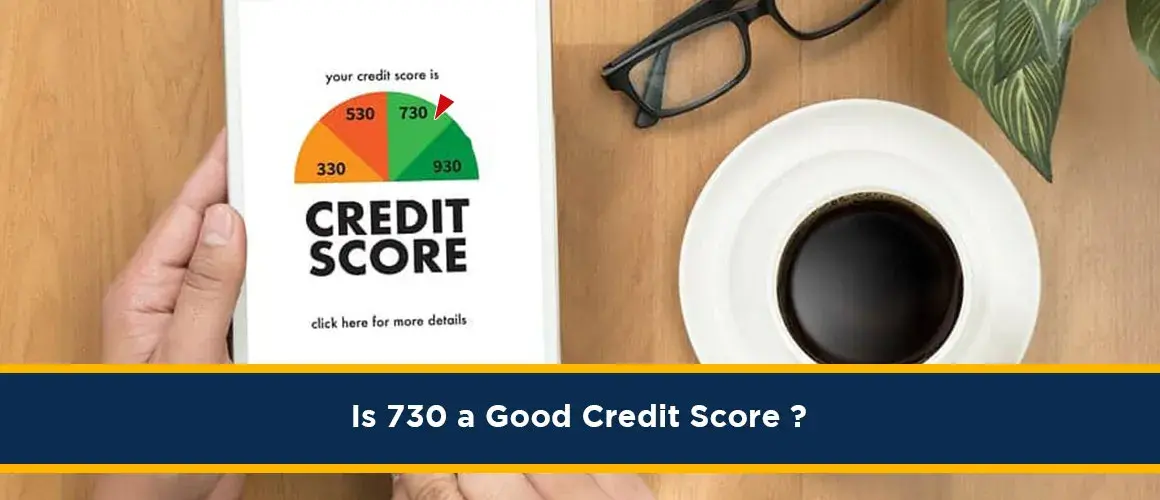
A credit score of 730 is generally considered very good, offering significant advantages in loan approvals, interest rates, and financial opportunities. This score demonstrates responsible credit management and positions you favorably with lenders.
What is a 730 Credit Score?
A credit score is a three-digit number that lenders use to assess your creditworthiness. It's a snapshot of your financial behavior, indicating how likely you are to repay borrowed money. Scores typically range from 300 to 850, with higher scores signifying lower risk to lenders. A score of 730 falls into a highly desirable category, often referred to as "very good" or "prime." This means that when you apply for credit, such as a mortgage, auto loan, or credit card, lenders view you as a reliable borrower. This perception translates into tangible financial benefits, making it easier to get approved for loans and often securing more favorable terms, including lower interest rates. Understanding what a 730 credit score signifies is the first step toward leveraging its power for your financial goals.
Credit Score Ranges Explained
Credit scoring models, most notably FICO and VantageScore, categorize credit scores into different ranges to provide a general understanding of creditworthiness. While the exact thresholds can vary slightly between models and over time, the general classifications remain consistent. These ranges help consumers and lenders quickly gauge the risk associated with a particular score.
FICO Score Ranges (as of 2025)
The FICO score is the most widely used credit scoring model in the United States. Its ranges are as follows:
| Score Range | Category | Implication |
|---|---|---|
| 300-579 | Very Poor | High risk, difficult to get approved for credit. |
| 580-669 | Fair | Below average, may face higher interest rates and stricter terms. |
| 670-739 | Good | Above average, generally qualifies for better rates and terms. |
| 740-799 | Very Good | Excellent creditworthiness, favorable rates and terms. |
| 800-850 | Exceptional | Lowest risk, best possible rates and terms. |
VantageScore Ranges (as of 2025)
VantageScore is another popular credit scoring model developed by the three major credit bureaus. Its ranges are slightly different:
| Score Range | Category | Implication |
|---|---|---|
| 300-579 | Very Poor | High risk, limited credit options. |
| 580-660 | Poor | Significant risk, difficult approval. |
| 661-720 | Fair | Average credit, some limitations. |
| 721-780 | Good | Strong credit profile, good approval odds. |
| 781-850 | Excellent | Top-tier credit, best financial opportunities. |
As you can see, a score of 730 comfortably sits within the "Good" to "Very Good" range for FICO, and squarely in the "Good" category for VantageScore. This places you in a strong position to access favorable financial products and services. It's important to note that these are general guidelines, and individual lenders may have their own specific criteria.
Why 730 is a Good Score: The Benefits
Achieving a credit score of 730 is a significant accomplishment that unlocks a host of financial advantages. Lenders perceive individuals with scores in this range as responsible and reliable, which translates into better terms and easier access to credit. Let's delve into the specific benefits:
Lower Interest Rates on Loans and Credit Cards
This is perhaps the most significant benefit. A 730 credit score often qualifies you for the lowest available interest rates on mortgages, auto loans, personal loans, and credit cards. Over the life of a loan, even a small difference in interest rate can save you thousands of dollars. For instance, on a 30-year mortgage, a 1% lower interest rate can reduce your monthly payments and total interest paid substantially. Consider a $300,000 mortgage. A rate of 6.5% (typical for a "good" score) versus 7.5% (typical for a "fair" score) could mean a difference of over $200 per month and tens of thousands of dollars over the loan term. This is a direct reflection of the reduced risk lenders perceive.
Higher Approval Odds for Loans and Credit Cards
When you have a 730 credit score, lenders are more likely to approve your applications for credit. This is because your score indicates a history of responsible borrowing and repayment. Whether you're looking for a new credit card with better rewards, a car loan to purchase a new vehicle, or a mortgage to buy a home, a 730 score significantly increases your chances of getting approved. This can be particularly crucial during significant life events, such as buying a home or starting a business, where access to capital is paramount.
Better Terms and Higher Credit Limits
Beyond just interest rates, a good credit score can also influence other terms of credit. You might be offered higher credit limits on credit cards, providing you with more purchasing power and flexibility. For loans, you might find more flexible repayment schedules or fewer fees. Lenders are willing to offer these better terms because they are confident in your ability to manage the credit responsibly and repay the debt.
Access to Premium Credit Cards
Many of the most rewarding credit cards, such as those offering premium travel rewards, cashback bonuses, or other exclusive perks, require good to excellent credit. A 730 score typically qualifies you for these cards, allowing you to earn points, miles, or cashback on your spending, which can offset travel costs or provide significant savings.
Easier Rental Application Approvals
Landlords often check credit scores as part of the tenant screening process. A 730 score demonstrates financial responsibility, making you a more attractive applicant. This can be especially helpful in competitive rental markets, where landlords may receive numerous applications and prefer tenants with a proven track record of financial stability.
Lower Insurance Premiums
In many states, insurance companies use credit-based insurance scores to help determine premiums for auto and homeowners insurance. A higher credit score generally correlates with lower insurance rates because studies have shown a link between credit behavior and the likelihood of filing a claim. A 730 score can contribute to significant savings on your insurance policies.
Negotiating Power
When you have a strong credit score, you have more leverage when negotiating terms with lenders. You can confidently shop around for the best rates and terms, knowing that you are a desirable borrower. This can lead to better deals on everything from car loans to personal loans.
In essence, a 730 credit score is a powerful financial tool. It signals to the financial world that you are a responsible borrower, opening doors to better financial products, significant cost savings, and greater overall financial flexibility. It's a score that many strive for, and for good reason.
How to Achieve and Maintain a 730 Score
Reaching and sustaining a credit score of 730 requires consistent, responsible financial habits. It's not a one-time achievement but an ongoing commitment. Fortunately, the principles are straightforward and focus on building a positive credit history. Here's a step-by-step guide:
1. Pay Your Bills On Time, Every Time
Importance: Payment history is the single most significant factor influencing your credit score, accounting for about 35% of your FICO score. Late payments can have a devastating and long-lasting impact.
Action Steps:
- Set up automatic payments for all your bills (credit cards, loans, utilities, rent if reported).
- Create calendar reminders a few days before due dates.
- If you anticipate a delay, contact your lender immediately to discuss options.
2. Keep credit utilization Low
Importance: Credit utilization is the amount of credit you're using compared to your total available credit. It accounts for about 30% of your FICO score. Keeping this ratio low (ideally below 30%, and even better below 10%) signals that you are not over-reliant on credit.
Action Steps:
- Aim to use no more than 30% of your credit limit on each credit card.
- If you have a $10,000 credit limit, try to keep your balance below $3,000.
- Pay down balances before the statement closing date to ensure a lower utilization is reported to the credit bureaus.
- Consider requesting a credit limit increase on existing cards if you have a good payment history; this can lower your utilization ratio if your spending remains the same.
3. Avoid Opening Too Many New Credit Accounts Quickly
Importance: While new credit accounts for about 10% of your FICO score, opening multiple accounts in a short period can be seen as a sign of financial distress or increased risk by lenders.
Action Steps:
- Only apply for credit when you genuinely need it.
- Space out your credit applications.
4. Maintain a Long Credit History
Importance: The length of your credit history (about 15% of your FICO score) shows lenders how long you've managed credit. A longer history of responsible use is beneficial.
Action Steps:
- Keep older, unused credit accounts open, especially if they have no annual fee. Closing them can reduce your average account age and increase your credit utilization ratio.
- Be mindful of the age of your accounts when making decisions about closing them.
5. Limit Credit Inquiries
Importance: Each time you apply for new credit, it typically results in a "hard inquiry" on your credit report, which can slightly lower your score (about 10% of your FICO score). Too many hard inquiries in a short period can signal risk.
Action Steps:
- Only apply for credit when necessary.
- When shopping for rates (e.g., mortgages, auto loans), try to do so within a short timeframe (usually 14-45 days depending on the scoring model) so that multiple inquiries are treated as a single one for scoring purposes.
6. Monitor Your Credit Reports Regularly
Importance: Errors on your credit report can negatively impact your score. Regularly reviewing your reports helps you catch and dispute inaccuracies.
Action Steps:
- Obtain your free credit reports annually from each of the three major credit bureaus (Equifax, Experian, and TransUnion) at AnnualCreditReport.com.
- Review each report for any accounts you don't recognize, incorrect personal information, or errors in payment history.
- Dispute any errors promptly with the credit bureau and the creditor.
7. Diversify Your Credit Mix (If Applicable)
Importance: Having a mix of credit types (e.g., credit cards, installment loans like mortgages or auto loans) can positively influence your score (about 10% of your FICO score), showing you can manage different forms of credit. However, this is a less significant factor than payment history or credit utilization, and you should not open new accounts solely for the sake of credit mix.
Action Steps:
- If you only have credit cards, consider obtaining a small installment loan (like a credit-builder loan) if it makes financial sense for you, and manage it responsibly.
Maintaining a 730 credit score is about building a consistent track record of responsible financial behavior. By focusing on timely payments, low credit utilization, and mindful credit applications, you can not only achieve this score but also keep it strong for years to come, ensuring continued access to the best financial opportunities.
Factors Affecting Your Credit Score
Your credit score is a dynamic number influenced by various aspects of your financial life. Understanding these factors is crucial for both achieving and maintaining a good score. The most influential elements are consistently reported by credit scoring models like FICO and VantageScore, though the precise weighting can vary. As of 2025, the primary drivers remain consistent, emphasizing responsible credit management.
Payment History (Approximately 35% of FICO Score)
This is the most critical factor. It reflects whether you pay your bills on time. Late payments, missed payments, defaults, bankruptcies, and collections all negatively impact this component. Even a single 30-day late payment can significantly lower your score, with more severe consequences for longer delinquency periods.
- Positive Impact: Consistently paying all your credit obligations on or before the due date.
- Negative Impact: Any instance of a late payment, regardless of how late it is.
Amounts Owed (Credit Utilization) (Approximately 30% of FICO Score)
This factor looks at how much debt you carry relative to your total available credit. It's often referred to as credit utilization ratio. A high utilization ratio suggests you might be overextended and at a higher risk of default.
- Positive Impact: Keeping your credit utilization ratio low, ideally below 30% and even better below 10% on individual credit cards and overall.
- Negative Impact: Maxing out credit cards or carrying high balances across multiple cards.
Length of Credit History (Approximately 15% of FICO Score)
This factor considers the age of your oldest credit account, the age of your newest credit account, and the average age of all your accounts. A longer history of responsible credit management is generally viewed favorably by lenders.
- Positive Impact: Having older credit accounts that have been managed well over time.
- Negative Impact: Having a short credit history or frequently closing older accounts, which reduces the average age of your accounts.
Credit Mix (Approximately 10% of FICO Score)
This refers to the variety of credit accounts you have. Lenders like to see that you can successfully manage different types of credit, such as revolving credit (credit cards) and installment loans (mortgages, auto loans, personal loans). However, this is a less significant factor, and you shouldn't open new accounts solely to improve your credit mix.
- Positive Impact: A healthy mix of different credit types managed responsibly.
- Negative Impact: Having only one type of credit or a very limited credit history.
New Credit (Approximately 10% of FICO Score)
This factor considers how many new credit accounts you've opened recently and the number of hard inquiries on your credit report. Opening too many new accounts in a short period can signal increased risk.
- Positive Impact: Applying for credit only when needed and spacing out applications.
- Negative Impact: Opening multiple new accounts within a short timeframe or having numerous hard inquiries.
Other Influencing Factors (Less Direct or Model-Specific)
While the above are the primary FICO components, other elements can indirectly or directly affect your score:
- Public Records: Bankruptcies, judgments, and tax liens can severely damage your score.
- Collections: Accounts sent to a collection agency indicate a failure to pay debts.
- identity theft: Fraudulent activity on your credit report can significantly lower your score if not addressed promptly.
- Credit Inquiries: While part of "New Credit," it's worth noting that "hard inquiries" (from credit applications) can slightly lower your score, whereas "soft inquiries" (like checking your own score or pre-qualification offers) do not.
- Type of Credit Used: For example, a secured credit card or a credit-builder loan can be instrumental in establishing or rebuilding credit.
Understanding these factors empowers you to make informed decisions about your finances. By prioritizing on-time payments and managing your credit utilization effectively, you build a strong foundation for a good credit score like 730.
What If My Score is Lower Than 730?
If your current credit score is below 730, it's important to remember that this is a common situation, and there are clear, actionable steps you can take to improve it. The journey to a better score is a marathon, not a sprint, and consistency is key. Fortunately, credit scoring models are designed to reward positive financial behaviors over time. Here’s a breakdown of what to do:
1. Identify the Root Cause
Before you can improve, you need to understand why your score is lower. Obtain your credit reports from Equifax, Experian, and TransUnion (free at AnnualCreditReport.com) and review them carefully. Look for:
- Late Payments: Are there any recent or historical late payments?
- High Credit Utilization: Are your credit card balances high relative to their limits?
- Collections or Charge-offs: Are there any accounts that have been sent to collections?
- Public Records: Are there any bankruptcies or judgments listed?
- Errors: Are there any inaccuracies on your report?
2. Prioritize On-Time Payments
This is the most critical step. Even if your score is low, making every payment on time moving forward will have a significant positive impact. For existing late payments, their impact will lessen over time as they age on your report.
- Action: Set up automatic payments or calendar reminders for all your bills.
3. Reduce Your Credit Utilization Ratio
High utilization is a major score killer. Aim to get your balances below 30% of your credit limits, and ideally below 10%.
- Action: Pay down your credit card balances aggressively. If you have multiple cards with high balances, focus on paying down the one with the highest interest rate first (the "avalanche method") or the one with the smallest balance first for quick wins (the "snowball method").
- Action: If your spending habits are under control, consider asking for a credit limit increase on your existing cards. This can lower your utilization ratio without you having to pay down debt immediately.
4. Address Collections and Past-Due Accounts
Accounts in collections or significantly past due are detrimental. While they will remain on your report for several years, managing them can mitigate further damage.
- Action: Contact the collection agency or original creditor. You may be able to negotiate a settlement for less than the full amount owed, or arrange a payment plan. Even a payment plan can show positive progress.
5. Dispute Errors on Your Credit Report
Errors can unfairly drag down your score. If you find any inaccuracies, dispute them immediately with the credit bureau.
- Action: Follow the dispute process outlined by Equifax, Experian, and TransUnion. Provide any supporting documentation you have.
6. Consider Credit-Building Tools
If you have a thin credit file or are recovering from past issues, specific tools can help:
- Secured Credit Cards: These require a cash deposit that usually becomes your credit limit. They function like regular credit cards and are reported to the credit bureaus, helping you build a positive payment history.
- Credit-Builder Loans: These are small loans where the borrowed amount is held in an account by the lender and released to you after you've paid off the loan. Your payments are reported to the credit bureaus.
- Rent and Utility Reporting Services: Services like Experian Boost or RentReporters allow you to have on-time rent and utility payments factored into your credit score.
7. Be Patient and Consistent
Improving a credit score takes time. Negative information has a diminishing impact as it ages, and positive actions build up over months and years. Focus on building a consistent history of responsible behavior.
While a score below 730 might mean higher interest rates or more scrutiny from lenders now, it's a stepping stone. By implementing these strategies, you can steadily improve your creditworthiness and unlock better financial opportunities in the future.
What If My Score is Higher Than 730?
Congratulations! A credit score above 730 places you in a strong position, often referred to as "Very Good" or "Exceptional" by FICO. This means you've demonstrated excellent credit management and are viewed as a low-risk borrower by lenders. While you're already doing many things right, there's always room to optimize and maintain your excellent standing. Here's how to leverage and protect your high score:
1. Continue Your Excellent Habits
The foundation of your high score is likely built on consistent, responsible financial behavior. Don't let up now!
- On-Time Payments: Continue to pay all your bills on or before the due date. This remains the most critical factor.
- Low Credit Utilization: Keep your credit card balances low. Aim to stay well below 30%, and ideally below 10%, of your credit limits. This signals financial discipline and ample available credit.
- Responsible Credit Use: Continue to use credit wisely. Avoid opening too many new accounts in a short period, and only apply for credit when you genuinely need it.
2. Optimize Your Credit for Maximum Benefits
With a strong score, you have access to the best financial products. It's time to ensure you're taking full advantage:
- Shop for Better Rates: Regularly compare interest rates on existing loans (mortgages, auto loans, personal loans) and credit cards. You may be able to refinance existing debt at a lower rate or transfer balances to a 0% APR card to save on interest.
- Premium Credit Cards: Explore premium rewards credit cards that offer generous sign-up bonuses, lucrative rewards programs (travel points, cashback), and valuable perks like airport lounge access, travel insurance, or concierge services. Your score makes you an ideal candidate for these.
- Negotiate Terms: With a high score, you have significant negotiating power. When applying for new loans or credit, don't hesitate to ask for the best possible terms and rates.
- Higher Credit Limits: If you need more purchasing power or want to further reduce your credit utilization ratio, consider requesting credit limit increases on your existing cards.
3. Protect Your Score from Deterioration
Even with a high score, there are pitfalls to avoid:
- Monitor for Errors and Fraud: Regularly check your credit reports for any inaccuracies or fraudulent activity. Identity theft can happen to anyone, and prompt action is crucial to protect your score.
- Avoid Excessive Credit Applications: While you can afford to apply for new credit, doing so too frequently can still cause minor dips in your score due to hard inquiries. Be strategic about when and why you apply.
- Don't Close Old Accounts Carelessly: Keeping older, well-managed credit accounts open can benefit the length of your credit history and your overall credit utilization ratio.
- Be Mindful of New Debt: While you can likely qualify for new loans, ensure you're borrowing responsibly and can comfortably manage any new debt obligations.
4. Consider Financial Planning and Investment Opportunities
A strong credit score is a pillar of overall financial health. With your credit well-managed, you can focus on other areas:
- Investment Accounts: Your good credit may make it easier to qualify for investment loans or margin accounts if that's part of your strategy.
- Homeownership: If you're a homeowner, your score can help you secure better terms on home equity loans or lines of credit for renovations or other needs.
- Retirement Planning: A strong financial foundation, including good credit, supports robust retirement planning.
Having a credit score above 730 is a testament to your financial discipline. It opens doors to significant financial advantages. By continuing your responsible habits and strategically leveraging your excellent creditworthiness, you can ensure this score remains a powerful asset for achieving your long-term financial goals.
Credit Score Myths vs. Reality
The world of credit scores is often shrouded in misinformation. Many people operate under assumptions that can hinder their efforts to improve their scores or lead them to make poor financial decisions. Let's debunk some common credit score myths and present the reality as of 2025.
Myth 1: Checking Your Own Credit Score Lowers It.
Reality: This is false. When you check your own credit score or review your credit report, it's considered a "soft inquiry." Soft inquiries do not affect your credit score in any way. Lenders perform "hard inquiries" when you apply for credit, and these are the ones that can have a minor impact.
Myth 2: You Need to Carry a Balance on Your Credit Card to Build Credit.
Reality: This is a dangerous myth. The most important factor in credit scoring is paying your bills on time. You can build excellent credit by paying your credit card balances in full every month. In fact, carrying a balance incurs interest charges, and high credit utilization (from carrying balances) can hurt your score. The key is to have credit accounts reported to the bureaus and to manage them responsibly.
Myth 3: Closing Old Credit Card Accounts Will Immediately Boost Your Score.
Reality: Closing old accounts can actually hurt your score. This is because it reduces the average age of your credit history and can increase your credit utilization ratio if you have balances on other cards. It's generally advisable to keep older, unused credit cards open, especially if they don't have an annual fee, to benefit your credit history length and utilization.
Myth 4: All Credit Scores Are the Same.
Reality: There are different scoring models (FICO, VantageScore) and different versions of these models. Lenders may use various scores depending on the type of credit you're applying for. While they are generally correlated, your FICO score might differ slightly from your VantageScore, and even different FICO versions can yield different numbers.
Myth 5: Your Credit Score Is Fixed and Unchangeable.
Reality: Your credit score is dynamic and can change based on your financial behavior. While negative information can remain on your report for years, your score can improve significantly over time with consistent, positive actions like on-time payments and reduced credit utilization.
Myth 6: It's Impossible to Get a Good Score If You Have a Thin Credit File or Past Mistakes.
Reality: While challenging, it's not impossible. Tools like secured credit cards, credit-builder loans, and authorized user status (if managed responsibly by the primary cardholder) can help build or rebuild credit. Consistency and time are your allies.
Myth 7: You Only Need to Check Your Credit Report Once a Year.
Reality: While you are entitled to a free report from each bureau annually, it's wise to check them more frequently, especially if you suspect errors or fraud. Many free credit monitoring services are available that alert you to changes on your report.
Myth 8: A High Credit Score Means You'll Automatically Be Approved for Any Loan.
Reality: While a high credit score significantly increases your chances of approval and secures better terms, it's not the only factor lenders consider. They also look at your income, employment history, debt-to-income ratio, and the specific loan product you're applying for.
Understanding the reality behind these myths is crucial for effective credit management. By focusing on proven strategies and dispelling common misconceptions, you can confidently work towards achieving and maintaining a strong credit score like 730.
The Future of Credit Scoring
The landscape of credit scoring is continually evolving, driven by technological advancements, changing consumer behaviors, and the need for more inclusive and predictive models. As we look towards the future, several trends are likely to shape how creditworthiness is assessed. While the core principles of responsible financial management will likely remain, the methods and data used may expand.
1. Increased Use of Alternative Data
One of the most significant potential shifts is the broader integration of alternative data sources. Beyond traditional credit bureau data, lenders and scoring models may increasingly incorporate information such as:
- Rent and Utility Payments: As mentioned earlier, services are already emerging to report these. Expect this to become more standardized and influential.
- Bank Transaction Data: With consumer consent, analyzing cash flow, savings habits, and spending patterns from bank accounts could offer a more holistic view of financial stability, especially for those with limited traditional credit history.
- Telecommunications and Subscription Services: Consistent on-time payments for phone bills, streaming services, or internet could be considered.
- Employment and Income Verification: More sophisticated methods for verifying stable employment and income could play a larger role.
The goal is to provide credit access to "credit invisibles" or those with thin files, who may be financially responsible but lack traditional credit footprints.
2. Advanced Analytics and Machine Learning
The use of artificial intelligence (AI) and machine learning (ML) algorithms is expected to become more sophisticated. These technologies can analyze vast datasets to identify complex patterns and predict risk with greater accuracy than traditional statistical models. This could lead to more personalized credit assessments.
3. Enhanced Consumer Control and Transparency
There's a growing demand for greater transparency in how credit scores are calculated and used. Future scoring models might offer consumers more insight into the specific factors influencing their scores and provide more actionable advice for improvement. Regulations may also evolve to give consumers more control over their data and how it's used.
4. Focus on Financial Wellness and Behavior
Beyond just assessing risk, future scoring might also incorporate elements that reflect a consumer's overall financial wellness and proactive financial management. This could include factors related to budgeting, saving, and financial literacy.
5. Cybersecurity and Data Privacy Concerns
As more data is collected and analyzed, robust cybersecurity measures and strict data privacy protocols will be paramount. Protecting consumer information from breaches and ensuring ethical data usage will be critical for maintaining trust in the credit scoring system.
6. Dynamic and Real-Time Scoring
While credit scores are currently updated periodically, the future might see more dynamic scoring models that can reflect changes in a consumer's financial situation in near real-time. This could lead to more fluid credit limits and interest rates.
For consumers, staying informed about these evolving trends is important. While the specifics of future scoring models are yet to be fully determined, the fundamental principles of responsible financial management – paying bills on time, managing debt wisely, and monitoring your credit – will undoubtedly remain the bedrock of a strong credit score, whether it's 730 or higher.
Conclusion
In summary, a credit score of 730 is unequivocally a good score, placing you in a favorable position within the credit landscape. It signifies responsible financial behavior and opens doors to a multitude of benefits, including lower interest rates, higher approval odds for loans and credit cards, and better overall financial terms. This score is a powerful indicator of your creditworthiness, demonstrating to lenders that you are a low-risk borrower.
Achieving and maintaining a 730 credit score is within reach for most individuals by adhering to fundamental principles: prioritizing on-time payments, keeping credit utilization low, and managing new credit applications wisely. Regularly monitoring your credit reports for errors and understanding the factors that influence your score are also crucial steps. If your score is currently below 730, remember that improvement is possible through consistent, positive financial habits and potentially utilizing credit-building tools. For those already above this threshold, continuing these excellent practices and strategically leveraging your strong credit can lead to even greater financial optimization and security.
Your credit score is a vital component of your financial health. A 730 score is a significant asset that should be nurtured and protected. By staying informed and committed to sound financial practices, you can ensure your credit score remains a powerful tool for achieving your financial aspirations for years to come.