Is 738 a Good Credit Score? A Comprehensive Guide
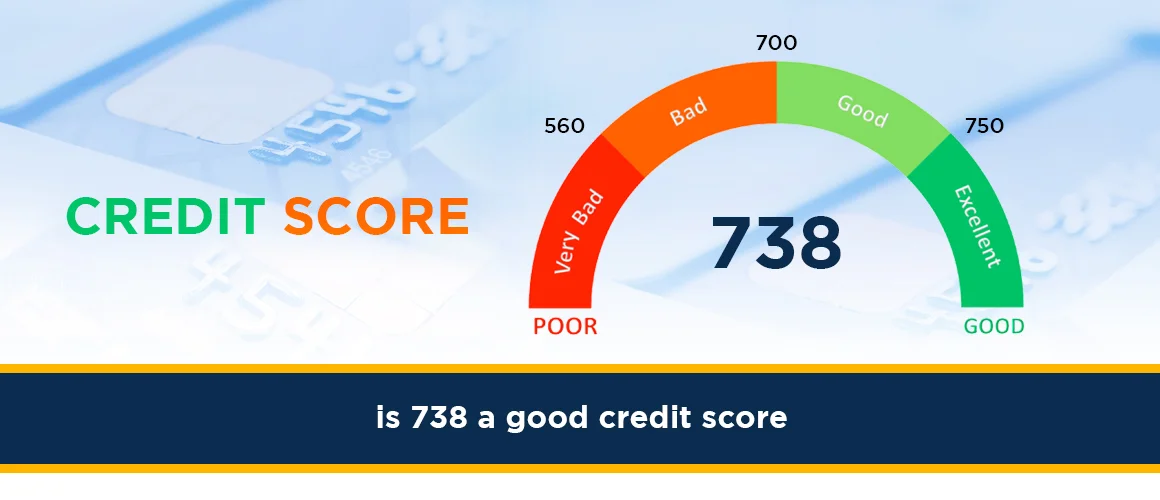
A credit score of 738 generally signifies a good to very good financial standing. This score can unlock favorable interest rates on loans and credit cards, offering significant savings and broader access to financial products. Understanding its implications is key to leveraging this strong score effectively.
What is a 738 Credit Score?
A credit score is a three-digit number that lenders use to assess your creditworthiness, essentially predicting how likely you are to repay borrowed money. A score of 738, according to most major credit scoring models like FICO and VantageScore, falls into the "good" to "very good" category. This means you've demonstrated a responsible history of managing credit, making you a relatively low-risk borrower in the eyes of financial institutions.
Understanding Credit Score Ranges
Credit scores are not a single, static number but rather a range that reflects different levels of credit risk. While specific ranges can vary slightly between scoring models and lenders, the general consensus for FICO scores (the most widely used) in 2025 is as follows:
| Score Range | Category | Implication |
|---|---|---|
| 300-579 | Poor | High risk, difficult to get credit, high interest rates |
| 580-669 | Fair | Moderate risk, some credit options available, higher rates |
| 670-739 | Good | Low to moderate risk, good credit options, competitive rates |
| 740-799 | Very Good | Low risk, excellent credit options, best rates |
| 800-850 | Exceptional | Very low risk, premium credit products, lowest rates |
As you can see, a 738 score sits at the upper end of the "Good" category, bordering on "Very Good." This distinction is important because it often unlocks more favorable terms than scores solely within the "Good" range.
Is 738 Good or Excellent?
While 738 is undoubtedly a strong score, it's typically categorized as "Good" and on the cusp of "Very Good." It's not yet in the "Exceptional" range (usually 800+). However, for many lending decisions, particularly for mortgages and auto loans, a 738 score is more than sufficient to qualify for competitive interest rates. It signifies a solid financial history that lenders trust. The difference between a 738 and a score in the 760s or 780s might be a slightly lower interest rate, but the difference in approval odds is often minimal at this level.
What Lenders See in a 738 Score
Lenders view a 738 credit score as an indicator of responsible financial behavior. They see that you have a history of:
- Making payments on time.
- Managing your existing debt effectively.
- Not taking on excessive new debt without reason.
- Maintaining a reasonable balance on your credit cards.
This score suggests that you are a reliable borrower who is likely to repay loans as agreed, minimizing the lender's risk.
Benefits of a 738 Credit Score
Possessing a credit score of 738 opens doors to a wide array of financial advantages. This score demonstrates to lenders that you are a responsible borrower, leading to better terms and conditions across various financial products.
Loan Approvals and Interest Rates
One of the most significant benefits of a 738 credit score is improved access to loans and better interest rates. For major loans like mortgages, auto loans, and personal loans, this score often qualifies you for rates that are substantially lower than those offered to individuals with fair or poor credit. Over the life of a loan, these savings can amount to thousands of dollars.
Example: Auto Loan Savings (2025 Estimates)
Consider a $30,000 auto loan for 60 months. A borrower with a 738 credit score might qualify for an interest rate of around 6.5%. A borrower with a "Fair" credit score (e.g., 620) might face an interest rate of 12.5%.
| Credit Score | Estimated Interest Rate | Monthly Payment | Total Interest Paid |
|---|---|---|---|
| 738 (Good) | 6.5% | $585 | $5,100 |
| 620 (Fair) | 12.5% | $685 | $11,100 |
The difference in total interest paid is over $6,000, showcasing the tangible financial benefit of a 738 score.
For mortgages, the impact is even more pronounced. A 0.5% difference in interest rate on a 30-year, $300,000 mortgage can save you tens of thousands of dollars over the loan term.
Credit Card Offers
With a 738 credit score, you'll likely qualify for a wider range of credit cards, including those with premium rewards, generous sign-up bonuses, and low introductory APRs. You'll also have a better chance of being approved for cards with higher credit limits, which can be beneficial for managing your credit utilization ratio.
Many of the best travel rewards cards, cashback cards, and balance transfer cards are reserved for individuals with good to excellent credit. A 738 score puts you firmly in this category.
Rental Applications
Landlords often check credit scores to assess the reliability of potential tenants. A score of 738 is generally considered strong enough to pass most rental application credit checks, making it easier to secure the apartment or house you desire. It signals that you are likely to pay your rent on time.
Insurance Premiums
In many states, insurance companies use credit-based insurance scores to help determine premiums for auto and homeowners insurance. A higher credit score, like 738, can often lead to lower insurance premiums because statistically, individuals with better credit tend to file fewer claims. This is an often-overlooked benefit that can lead to significant annual savings.
Factors That Influence a 738 Credit Score
Understanding what contributes to your credit score is crucial for both achieving and maintaining a score of 738. Credit scoring models weigh several factors differently, but the most impactful ones are generally consistent.
Payment History
Weight: ~35%
This is the single most important factor. Making all your payments on time, every time, is paramount. Late payments, missed payments, defaults, and bankruptcies can severely damage your score. A 738 score indicates a strong track record of timely payments.
Credit Utilization Ratio (CUR)
Weight: ~30%
This refers to the amount of credit you're using compared to your total available credit. For example, if you have a credit card with a $10,000 limit and a balance of $3,000, your CUR is 30%. Experts generally recommend keeping your CUR below 30%, and ideally below 10%, for the best scores. A 738 score suggests you are likely managing this effectively, keeping balances low relative to your limits.
Length of Credit History
Weight: ~15%
The longer you've had credit accounts open and in good standing, the better. This includes the age of your oldest account, the age of your newest account, and the average age of all your accounts. A longer history demonstrates more experience managing credit.
Credit Mix
Weight: ~10%
Having a mix of different types of credit, such as revolving credit (credit cards) and installment loans (mortgages, auto loans, student loans), can be beneficial. It shows you can manage various forms of debt responsibly. However, this factor is less critical than payment history and credit utilization.
New Credit
Weight: ~10%
This factor considers how many new accounts you've opened recently and how many hard inquiries you have on your credit report. Opening many new accounts in a short period can signal increased risk. A 738 score suggests you haven't been excessively opening new credit lines.
Understanding Hard vs. Soft Inquiries
It's important to distinguish between hard and soft inquiries. A hard inquiry occurs when a lender checks your credit as part of a loan or credit card application. Too many hard inquiries in a short period can slightly lower your score. Soft inquiries, such as checking your own credit score or pre-qualification checks, do not affect your score.
How to Achieve and Maintain a 738 Credit Score
Achieving and maintaining a credit score of 738 requires consistent, responsible financial habits. It's not a one-time effort but an ongoing commitment to sound credit management.
Consistent On-Time Payments
This is non-negotiable. Set up automatic payments for all your bills, or use calendar reminders to ensure you never miss a due date. Even one late payment can have a significant negative impact, especially if it's more than 30 days late.
Actionable Tip: Use your bank's bill pay service or your credit card company's auto-pay feature for at least the minimum payment. This acts as a safety net.
Keeping Credit Utilization Low
Aim to keep your credit utilization ratio below 30%, and ideally below 10%. If you have a credit card with a $5,000 limit, try to keep your balance below $1,500 (30%) or even better, below $500 (10%).
Actionable Tip: Pay down your credit card balances before the statement closing date, not just the due date. This ensures a lower balance is reported to the credit bureaus.
Avoiding Excessive New Credit Applications
Only apply for credit when you genuinely need it. Each application can result in a hard inquiry, which can slightly lower your score. Space out your applications if you are looking to build credit or improve your score.
Actionable Tip: Before applying for a loan or credit card, use pre-qualification tools offered by many lenders. These use soft inquiries and can give you an idea of your approval odds without impacting your score.
Monitoring Your Credit Reports
Regularly review your credit reports from the three major bureaus (Equifax, Experian, and TransUnion). You are entitled to a free report from each bureau annually via AnnualCreditReport.com. Look for any errors, such as incorrect personal information, accounts you don't recognize, or inaccurate payment statuses.
Actionable Tip: Dispute any errors you find immediately with the credit bureau and the creditor. Correcting errors can sometimes lead to a significant score increase.
Responsible Credit Mix
While not the most critical factor, having a mix of credit types can be beneficial. If you only have credit cards, consider applying for a small installment loan (like a credit-builder loan) if appropriate, and manage it responsibly. Conversely, if you have many installment loans, ensure your credit card management is impeccable.
Actionable Tip: Don't open new accounts solely for the sake of credit mix if you don't need them. Focus on managing your existing credit types well.
What If My Score is Slightly Lower Than 738?
If your score is hovering just below 738, perhaps in the 720-737 range, you are still in a very strong position. The strategies to reach 738 are the same as those to maintain it:
- Focus on Credit Utilization: Even a small reduction in your credit card balances can boost your score. If your utilization is above 30%, prioritize paying down those balances.
- Review Credit Reports for Errors: A single incorrect negative mark can drag down your score. Ensure your reports are accurate.
- Time is a Healer: If you've had recent minor issues (e.g., a single 30-day late payment from a year ago), time will gradually lessen their impact.
- Avoid New Debt: Resist the urge to open new accounts or take on new loans until you reach your target score.
In many cases, consistent good habits for a few more months will naturally push your score into the 738 range and beyond.
What If My Score is Slightly Higher Than 738?
Congratulations! If your score is in the 739-760 range, you are firmly in "Very Good" territory. The goal now is to maintain this excellent standing and potentially push towards "Exceptional" (800+).
- Continue Stellar Payment Habits: Never miss a payment.
- Maintain Low Credit Utilization: Keep your balances as low as possible.
- Monitor Credit Reports: Stay vigilant for any inaccuracies.
- Consider Credit-Building Products (Carefully): If you have a very thin credit file, you might consider a secured credit card or a credit-builder loan to add positive history, but do so judiciously.
- Be Strategic with New Credit: If you need to open a new account, ensure it's a strategic move that complements your existing credit profile and doesn't significantly increase your overall credit utilization.
A score above 738 generally means you're already receiving very competitive offers. The incremental benefits of scores in the high 700s or 800s are often marginal in terms of interest rates but can provide access to the absolute best premium products and highest credit limits.
Common Misconceptions About a 738 Credit Score
Despite its strength, there are common misunderstandings about what a 738 credit score means.
Misconception 1: You Will Get Approved for Everything
While a 738 score significantly increases your approval odds, it doesn't guarantee approval for every single loan or credit card. Lenders also consider factors like your income, debt-to-income ratio, employment history, and the specific loan product you're applying for. A lender might deny a very large loan if your income doesn't support the repayment, regardless of your credit score.
Misconception 2: Your Score is Fixed
Credit scores are dynamic and can change. A 738 score is a snapshot in time. If you start missing payments or dramatically increase your credit card balances, your score can decrease. Conversely, continued responsible behavior can further improve it.
Misconception 3: All Credit Scores Are the Same
As mentioned, different scoring models (FICO, VantageScore) and different versions of these models exist. A 738 FICO score might be equivalent to a slightly different VantageScore. Furthermore, lenders may use industry-specific scores (e.g., for auto loans or mortgages) which can vary.
Misconception 4: You Need a Perfect Score for the Best Rates
For many major financial products, a score in the high 700s or even a 738 can already qualify you for the best available rates. While scores of 800+ offer the absolute lowest rates, the difference between a 738 and an 800 might be minimal, especially for standard loan products. The jump from "Fair" to "Good" credit often yields the most significant rate improvements.
Future Financial Goals with a 738 Credit Score
A 738 credit score positions you well to achieve a variety of financial goals:
Buying a Home
This score is excellent for mortgage applications. You'll likely qualify for competitive interest rates, potentially saving you hundreds of thousands of dollars over the life of a 30-year mortgage. It also opens doors to various loan programs, including conventional, FHA, and VA loans, with favorable terms.
Purchasing a Vehicle
Securing an auto loan with a low interest rate will make buying a new or used car more affordable. A 738 score means you won't be penalized with high financing costs.
Investing and Business Ventures
While not directly tied to credit scores, a strong credit history can be a prerequisite for certain investment opportunities or business loans. It demonstrates financial responsibility, which is attractive to investors and lenders alike.
Improving Overall Financial Health
Leverage your strong score to negotiate better terms on existing debts or consolidate high-interest debt into a lower-interest personal loan. This can free up cash flow and accelerate your debt repayment journey.
Building Wealth
By saving money on interest payments for major purchases and having access to favorable credit terms, you can allocate more of your income towards savings, investments, and other wealth-building activities.
Conclusion: Is 738 a Good Credit Score?
In summary, a credit score of 738 is undeniably good. It signifies a strong financial history, demonstrating to lenders that you are a reliable borrower. This score opens doors to a wide array of financial opportunities, including favorable interest rates on loans, attractive credit card offers, and easier approval for rentals and insurance. While it sits at the upper end of the "Good" category and borders on "Very Good," it's more than sufficient for most financial needs in 2025.
Maintaining this score requires consistent diligence: always pay bills on time, keep credit utilization low, and monitor your credit reports for accuracy. If your score is slightly below 738, focus on these core principles, and you'll likely reach it. If your score is already above it, continue your responsible habits to maintain your excellent standing and potentially climb towards exceptional credit. A 738 credit score is a powerful financial asset that, when managed wisely, can significantly contribute to achieving your long-term financial goals.
