Is 782 a Good Credit Score? Exploring the Impact and Benefits
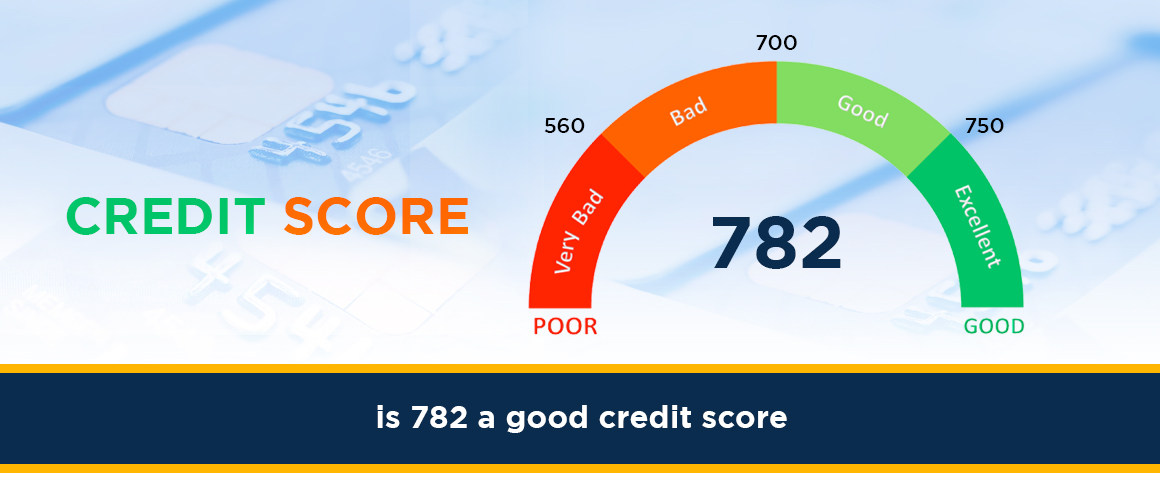
A credit score of 782 is a strong indicator of excellent creditworthiness. This score opens doors to favorable loan terms, lower interest rates, and a wider array of financial products, making it a highly desirable benchmark for consumers aiming for financial success.
What is a 782 Credit Score? Understanding the Tiers
Credit scores are numerical representations of your creditworthiness, typically ranging from 300 to 850. These scores are calculated by credit bureaus using complex algorithms that analyze your credit history. The most widely used scoring models are FICO and VantageScore, which categorize scores into different tiers. Understanding these tiers is crucial for comprehending where a 782 score fits into the broader credit landscape.
Generally, credit scores are broken down as follows, though exact ranges can vary slightly between scoring models and lenders:
- Exceptional/Excellent: 800-850
- Very Good: 740-799
- Good: 670-739
- Fair: 580-669
- Poor: 300-579
A score of 782 comfortably sits within the "Very Good" to "Excellent" range, depending on the specific scoring model and the lender's internal benchmarks. This signifies a strong financial history and a low risk to lenders. It indicates responsible credit management over an extended period, characterized by timely payments, low credit utilization, and a healthy mix of credit accounts.
The factors that contribute to your credit score are multifaceted. They include payment history (the most significant factor), credit utilization ratio, length of credit history, credit mix, and the number of recent credit inquiries. A score of 782 suggests that these factors have been managed effectively. For instance, a consistent history of paying bills on time, keeping credit card balances low relative to their limits, and avoiding excessive applications for new credit are hallmarks of individuals with scores in this bracket.
It's important to note that while FICO and VantageScore are the most common, different lenders may use proprietary scoring models or weigh certain factors differently. However, the general principles of what constitutes a good score remain consistent. A 782 score is universally recognized as a strong indicator of financial responsibility, paving the way for numerous financial advantages.
Is 782 a Good Credit Score? The Verdict
The straightforward answer is a resounding yes. A credit score of 782 is considered very good to excellent by most financial institutions and credit scoring models. This score places you in a highly advantageous position when seeking credit, loans, or other financial services. Lenders view individuals with scores in this range as reliable borrowers who are likely to repay their debts as agreed.
In the context of credit score tiers, 782 typically falls within the "Very Good" category, and in many instances, it's on the cusp of or even within the "Excellent" range (often starting at 800). For example, FICO's general score ranges often place 740-799 as "Very Good," and 800-850 as "Exceptional." VantageScore also categorizes 721-779 as "Very Good" and 781-850 as "Excellent." Therefore, a 782 score is undeniably strong.
What does this mean in practical terms? It means you are highly likely to qualify for the best interest rates on mortgages, auto loans, and personal loans. You'll also have access to premium credit cards with attractive rewards and benefits. Furthermore, a 782 score can influence other areas of your life, such as rental applications, utility deposits, and even insurance premiums.
Achieving a 782 credit score is a testament to responsible financial behavior. It signifies that you have consistently managed your credit obligations well over time. This includes making payments on time, keeping your credit utilization low, and maintaining a good length of credit history. While it's not the absolute highest score possible (which typically starts at 800), it's more than sufficient to unlock significant financial benefits and demonstrate a low-risk profile to creditors.
The key takeaway is that a 782 credit score is not just "good"; it's a powerful financial asset. It reflects a solid understanding of credit management and a proven track record of financial responsibility, making it a target score for many individuals striving for financial stability and optimal borrowing terms.
The Impact of a 782 Credit Score: Benefits and Opportunities
Possessing a credit score of 782 unlocks a wealth of financial advantages and opportunities that are often unavailable to those with lower scores. This score signals to lenders that you are a low-risk borrower, which translates into better terms, lower costs, and greater access to financial products. Let's explore the significant impacts of having a 782 credit score.
Loan Approvals and Interest Rates
One of the most significant benefits of a 782 credit score is the ease with which you can qualify for loans, particularly mortgages, auto loans, and personal loans. Lenders are more willing to approve applications from individuals with strong credit histories because the probability of default is significantly lower. This means you're less likely to face outright rejections and more likely to be approved for larger loan amounts if needed.
Crucially, a 782 score often secures you the lowest available interest rates. Even a small difference in interest rates can translate into thousands of dollars saved over the life of a loan, especially for substantial debts like mortgages. For instance, consider a $300,000 mortgage over 30 years:
- Interest Rate of 6.5%: Monthly payment approx. $1,896. Total interest paid approx. $382,560.
- Interest Rate of 7.0%: Monthly payment approx. $1,996. Total interest paid approx. $418,560.
- Interest Rate of 7.5%: Monthly payment approx. $2,098. Total interest paid approx. $455,280.
As you can see, a 0.5% difference in interest rate can cost you tens of thousands of dollars more in interest over the loan term. A 782 credit score positions you to access the lower end of these rates, saving you substantial amounts of money.
Similarly, for auto loans, a 782 score can mean the difference between a 5% APR and a 9% APR. On a $30,000 car loan over five years, this could mean saving over $3,000 in interest. For personal loans, the impact is also pronounced, with lower rates making debt consolidation or significant purchases more affordable.
Credit Card Perks
A 782 credit score opens the door to premium credit cards. These cards often come with:
- Higher Credit Limits: This can be beneficial for managing cash flow or making large purchases, though it requires discipline to avoid overspending.
- Generous Rewards Programs: Think 2% or even 3% cash back on purchases, extensive travel points, airline miles, and hotel loyalty program benefits.
- Attractive Welcome Bonuses: Many premium cards offer substantial sign-up bonuses, such as tens of thousands of points or hundreds of dollars in cash back, after meeting a minimum spending requirement.
- Introductory 0% APR Offers: Some of the best cards offer 0% introductory APR on purchases and balance transfers for an extended period (e.g., 12-21 months), allowing you to finance large purchases or pay down existing debt interest-free.
- Additional Benefits: This can include travel insurance, rental car insurance, purchase protection, extended warranties, and airport lounge access.
Securing these cards is significantly easier with a 782 score compared to someone with a fair or poor credit rating.
Renting and Utilities
Landlords often check credit scores as part of the tenant screening process. A score of 782 indicates that you are a responsible individual who pays bills on time, making you a desirable tenant. This can lead to:
- Easier Approval for Rental Properties: You're more likely to be approved for apartments or houses, even in competitive rental markets.
- Lower Security Deposits: Some landlords may waive or reduce security deposit requirements for tenants with excellent credit.
- Fewer Co-signer Requirements: You likely won't need a co-signer to secure a lease.
Similarly, utility companies (electricity, gas, water, internet, mobile phone) often use credit checks to determine if a security deposit is required. With a 782 credit score, you are likely to be exempt from paying a security deposit, saving you upfront cash. This is because your score demonstrates a low risk of non-payment.
Insurance Premiums
In many U.S. states, insurance companies use credit-based insurance scores to help determine premiums for auto and homeowners insurance. Studies have shown a correlation between credit history and the likelihood of filing an insurance claim. Individuals with higher credit scores tend to file fewer claims. Therefore, a 782 credit score can lead to lower insurance premiums. While not a guarantee, it's a significant factor that can contribute to cost savings on your insurance policies.
Employment Opportunities
Certain employers, particularly those in industries involving financial responsibility, handling sensitive data, or requiring security clearances, may conduct credit checks as part of their background screening process. A strong credit score like 782 can be viewed positively, indicating reliability and responsibility. While it's not always a deciding factor, it can certainly be a contributing element that helps you stand out among candidates, especially for positions where trust and financial acumen are paramount.
How to Achieve and Maintain a 782 Credit Score
Achieving and maintaining a credit score of 782 requires a consistent and disciplined approach to managing your finances. It's not about a single action but rather a pattern of responsible behavior over time. The key is to focus on the core factors that influence credit scoring models. Here's a breakdown of the essential strategies:
Payment History is King
This is the single most important factor in your credit score, accounting for approximately 35% of the FICO score. To achieve and maintain a 782 score, you must ensure that all your credit obligations are paid on time, every time. This includes:
- Credit Cards: Pay at least the minimum amount due by the due date. Ideally, pay the full statement balance to avoid interest charges.
- Loans (Mortgage, Auto, Student, Personal): Make your monthly payments on time.
- Other Bills: While not always directly reported, consistently late payments on utilities or rent can sometimes impact your ability to get credit or may be reported by certain collection agencies.
Actionable Steps:
- Set up Autopay: Schedule automatic payments for at least the minimum amount due. This is a foolproof way to avoid late payments, especially if you have multiple bills.
- Set Reminders: Use calendar alerts or mobile apps to remind you a few days before your due dates, giving you time to make payments if autopay isn't an option or if you prefer to pay manually.
- Catch Up Quickly: If you do miss a payment, pay it as soon as possible. The impact of a late payment is less severe if it's paid within 30 days of the due date. However, even a single 30-day late payment can significantly drop your score.
Credit Utilization Ratio Matters
This factor accounts for about 30% of your FICO score. It measures the amount of credit you're using compared to your total available credit. A low credit utilization ratio (CUR) indicates that you are not over-reliant on credit. Experts generally recommend keeping your CUR below 30%, but for scores in the 782 range, it's often beneficial to aim for below 10%.
Calculation: (Total Balances on Credit Cards / Total Credit Limits on Credit Cards) * 100 = CUR%
Example: If you have two credit cards with limits of $5,000 each, your total available credit is $10,000. If you owe $1,000 on one card and $500 on the other, your total balance is $1,500. Your CUR would be ($1,500 / $10,000) * 100 = 15%.
Actionable Steps:
- Pay Down Balances: The most direct way to lower your CUR is to pay down your credit card balances. Focus on paying more than the minimum.
- Request Credit Limit Increases: If you have a good payment history with a particular card issuer, you can request a credit limit increase. This will increase your total available credit, thereby lowering your CUR, assuming your spending remains the same.
- Spread Out Spending: If you have a large purchase planned, consider using multiple credit cards to keep the balance on any single card low.
- Pay Before the Statement Closing Date: Your CUR is typically reported to credit bureaus on your statement closing date. Paying down your balance before this date can artificially lower your reported utilization.
Length of Credit History
This factor contributes about 15% to your FICO score. It refers to the average age of your credit accounts, including the age of your oldest account and the age of your newest account. A longer credit history generally indicates more experience managing credit responsibly.
Actionable Steps:
- Keep Old Accounts Open: Even if you don't use an old credit card often, keeping it open (especially if it has no annual fee) helps maintain your average account age. If you do use it, make small, occasional purchases and pay them off immediately to keep it active.
- Avoid Opening Too Many New Accounts Quickly: While new credit can be beneficial in moderation (see below), opening many new accounts in a short period can lower the average age of your accounts.
- Be Patient: This factor is largely determined by time. As you continue to manage credit responsibly, your average account age will naturally increase.
Credit Mix and New Credit
These two factors each account for about 10% of your FICO score.
- Credit Mix: Having a mix of different types of credit (e.g., credit cards, installment loans like mortgages or auto loans) can be beneficial, as it shows you can manage various forms of debt. However, this is a less significant factor, and you shouldn't open new accounts solely to improve your credit mix.
- New Credit: This refers to how many new accounts you've opened recently and how many hard inquiries (when a lender checks your credit for a loan or card application) you have. Opening too many new accounts or having too many hard inquiries in a short period can signal increased risk and lower your score.
Actionable Steps:
- Apply for Credit Strategically: Only apply for credit when you genuinely need it. Space out your applications. For instance, if you're shopping for a mortgage or auto loan, do so within a short timeframe (e.g., 14-45 days, depending on the scoring model) so that multiple inquiries are treated as a single shopping period.
- Avoid "Credit Shopping Sprees": Don't apply for multiple credit cards or loans simultaneously unless absolutely necessary.
- Understand Hard vs. Soft Inquiries: Hard inquiries occur when you apply for credit and can slightly lower your score. Soft inquiries (e.g., checking your own credit score, pre-qualification offers) do not affect your score.
Monitoring Your Credit
Regularly checking your credit reports and scores is essential for identifying errors, monitoring your progress, and staying aware of any fraudulent activity. You are entitled to a free credit report from each of the three major credit bureaus (Equifax, Experian, and TransUnion) annually via AnnualCreditReport.com.
Actionable Steps:
- Review Your Credit Reports: Check for any inaccuracies, such as incorrect personal information, accounts you don't recognize, or erroneous late payment notations. Dispute any errors immediately with the credit bureau.
- Use credit monitoring Services: Many credit card companies and financial institutions offer free credit score monitoring. While these scores may not be identical to your FICO score, they provide a good indication of your credit health and can alert you to significant changes.
- Set Goals: Track your score's progress over time. Celebrate milestones and adjust your strategies if your score plateaus or declines unexpectedly.
By diligently applying these strategies, you can not only achieve a 782 credit score but also maintain it, ensuring continued access to the best financial opportunities.
Comparing 782 to Other Credit Score Ranges
Understanding how a 782 credit score stacks up against other common credit score ranges provides valuable context. It highlights the distinct advantages and disadvantages associated with each tier and underscores why a 782 score is so beneficial.
782 vs. Excellent Scores (800 and Above)
Scores of 800 and above are considered "Exceptional" or "Excellent." While a 782 score is very strong, scores of 800+ represent the pinnacle of creditworthiness. The difference is often marginal in terms of loan approvals, as both ranges are highly desirable to lenders. However, individuals with scores of 800+ might occasionally secure slightly better interest rates or qualify for the most exclusive premium credit cards that have extremely high approval thresholds.
Key Differences:
- Interest Rates: While both ranges get the best rates, 800+ might shave off an additional 0.1% to 0.25% on some loans.
- Credit Card Approval: The very top-tier rewards cards might be more accessible with an 800+ score.
- Perception: An 800+ score is often seen as a sign of perfect credit management.
Similarities:
- Loan Approval: Both are highly likely to be approved for most loans.
- Low Interest Rates: Both ranges secure the most competitive interest rates available.
- Minimal Deposits: Both typically avoid security deposits for utilities and rentals.
In essence, the jump from 782 to 800+ offers incremental benefits rather than a dramatic shift in financial opportunities. A 782 score already provides most of the advantages of excellent credit.
782 vs. Very Good Scores (740-799)
A 782 score falls squarely within the "Very Good" range (which often starts around 740). In fact, it's at the higher end of this spectrum, bordering on excellent. The distinction between 782 and other scores within the 740-799 range is subtle. Lenders generally group all scores within this bracket together as highly desirable.
Key Differences:
- Slightly Better Rates: A 782 might secure a slightly lower rate than a 740 score, but the difference is usually minimal.
- Broader Approval: While both are good, 782 might offer a slightly wider range of approved loan products compared to lower scores in the "Very Good" tier.
Similarities:
- Excellent Loan Opportunities: Both are excellent for qualifying for mortgages, auto loans, and personal loans with favorable terms.
- Access to Rewards Cards: Both ranges grant access to many premium credit cards.
- Low Risk Profile: Both are perceived as low-risk by most lenders.
The difference between 782 and, say, a 750 score within this category is often negligible for most lending decisions. Both are highly effective.
782 vs. Good Scores (670-739)
This is where the benefits of a 782 score become much more pronounced. The "Good" credit score range (typically 670-739) is still considered acceptable by many lenders, but it doesn't command the best rates or the widest array of options.
Key Differences:
- Interest Rates: A 782 score will secure significantly lower interest rates on loans compared to a score in the "Good" range. For example, a mortgage rate could be 0.5% to 1.5% lower, saving thousands annually.
- Loan Approval: While a "Good" score may get approved, a 782 score increases the likelihood of approval for larger loan amounts and for more specialized loan products.
- Credit Card Access: Premium rewards cards with the best benefits are much harder to obtain with a "Good" score.
- Rental & Utility Deposits: Individuals with "Good" scores might still be asked for security deposits for utilities or rentals, whereas a 782 score typically waives these.
Similarities:
- Basic Loan Qualification: Both scores generally allow for basic loan qualification, unlike "Fair" or "Poor" scores.
- Some Credit Card Options: Decent credit card options are available for both, though the quality and rewards differ significantly.
The jump from a "Good" score to a 782 score represents a significant upgrade in financial power and savings potential.
782 vs. Fair and Poor Scores
Scores in the "Fair" (580-669) and "Poor" (300-579) ranges represent significant credit challenges. The difference between 782 and these lower scores is vast.
Key Differences:
- Loan Approval: Approvals for major loans like mortgages or auto loans are difficult to obtain with "Fair" or "Poor" scores, and if approved, they come with extremely high interest rates and unfavorable terms. A 782 score guarantees much easier approvals and vastly superior terms.
- Interest Rates: The interest rates for "Fair" and "Poor" scores can be prohibitively high, sometimes double or triple those offered to individuals with a 782 score. This makes borrowing incredibly expensive.
- Credit Card Access: Access to traditional credit cards is limited, often restricted to secured credit cards or cards with very low limits and high fees.
- Rental/Utility/Insurance: Significant security deposits, higher premiums, and potential denial of services are common with lower scores.
- Overall Financial Health: A "Fair" or "Poor" score signals high risk to lenders and can severely limit financial options and opportunities.
Similarities:
- None significant: The practical financial implications are worlds apart.
In summary, a 782 credit score is a powerful financial tool that provides access to the best financial products and services, offering significant savings and opportunities that are simply not available to individuals with lower credit scores.
Common Misconceptions About Credit Scores
Despite the widespread importance of credit scores, several common misconceptions persist. Understanding these myths can help individuals manage their credit more effectively and avoid making decisions based on inaccurate information. A 782 score is a testament to avoiding these pitfalls.
Myth 1: Checking your own credit score lowers it.
Fact: This is false. When you check your own credit score or review your credit report, it's considered a "soft inquiry." Soft inquiries do not affect your credit score in any way. Only "hard inquiries," which occur when you apply for new credit (like a loan or credit card), can have a small, temporary impact on your score.
Myth 2: Closing old credit card accounts will improve your score.
Fact: In most cases, closing old credit card accounts can actually hurt your score. This is because it reduces your average age of credit history and decreases your total available credit. A lower total credit limit increases your credit utilization ratio, which can negatively impact your score. It's generally advisable to keep old, unused accounts open, especially if they have no annual fee.
Myth 3: Your credit score is the same everywhere.
Fact: While FICO and VantageScore are the most common scoring models, there are many different versions of these models, and lenders may use their own proprietary scores. This means your score can vary slightly depending on who is pulling it and which model they are using. However, the general trends and factors influencing your score remain consistent.
Myth 4: You need to carry a balance on your credit card to build credit.
Fact: This is a dangerous misconception. You do not need to carry a balance to build credit. In fact, carrying a balance often leads to paying interest and can increase your credit utilization ratio, potentially lowering your score. The most crucial factor is making on-time payments. Paying your statement balance in full each month is the best practice for building credit and avoiding interest charges.
Myth 5: A single late payment won't hurt your score much.
Fact: A single late payment, especially if it's 30 days past due, can significantly damage your credit score, sometimes by 50-100 points or more, depending on your starting score. Payment history is the most critical factor in credit scoring.
Myth 6: Your credit report is always accurate.
Fact: Credit reports can and do contain errors. These can include incorrect personal information, accounts that don't belong to you, or inaccurate payment histories. It's vital to review your credit reports regularly and dispute any inaccuracies with the credit bureaus.
Myth 7: Everyone with a high credit score gets the same best rates.
Fact: While a high score like 782 guarantees access to the best rates, the absolute lowest rates might still depend on other factors like your income, debt-to-income ratio, loan-to-value ratio (for mortgages), and the specific lender's risk assessment. However, a 782 score puts you in the prime position to negotiate for the best terms.
Understanding these facts helps demystify credit scores and empowers you to make informed decisions that support a strong credit profile, like maintaining a 782 score.
Strategies to Boost Your Score if Below 782
If your current credit score is below 782, don't be discouraged. With focused effort and consistent application of sound financial practices, you can significantly improve your score. The journey to a 782 credit score involves addressing the key factors that influence your creditworthiness. Here are actionable strategies to help you climb the credit ladder:
Address Payment History Issues
If your score is impacted by late payments, your absolute top priority is to establish a perfect payment record going forward. Even a single 30-day late payment can cause a significant drop.
Steps:
- Pay Bills on Time, Every Time: Set up automatic payments for at least the minimum amount due on all credit accounts. Use calendar reminders for manual payments.
- Catch Up on Delinquent Accounts: If you have accounts that are currently past due, bring them current as quickly as possible. The sooner you do, the less damage they will cause.
- Dispute Inaccurate Late Payments: If you find an erroneous late payment on your credit report, dispute it immediately with the credit bureau.
Reduce Credit Utilization
High credit utilization is a major drag on credit scores. Aim to get your utilization ratio below 30%, and ideally below 10%, to see the best results.
Steps:
- Pay Down Balances: Aggressively pay down balances on your credit cards. Focus on the cards with the highest utilization first.
- Request Credit Limit Increases: Contact your credit card issuers and ask for a credit limit increase on your existing cards. If approved, this will lower your utilization ratio without you spending more.
- Avoid Maxing Out Cards: Even if you pay them off monthly, avoid letting your balances get very high before the statement closing date.
Build a Longer Credit History
The length of your credit history is important. If your credit history is short, focus on responsible use over time.
Steps:
- Keep Old Accounts Open: Don't close your oldest credit accounts, even if you don't use them often. This helps maintain the average age of your accounts.
- Use Old Accounts Sparingly: Make small, occasional purchases on older cards and pay them off immediately to keep them active and demonstrate continued responsible use.
- Be Patient: This factor naturally improves with time.
Manage New Credit Applications
Too many new credit applications in a short period can lower your score.
Steps:
- Apply Only When Necessary: Resist the urge to apply for every new card offer you receive.
- Shop Smart for Loans: If you need a mortgage or auto loan, shop around for rates within a concentrated period (e.g., 14-45 days) so that multiple inquiries are treated as one shopping event.
Consider Credit-Building Products
If you have limited credit history or past issues, certain products can help.
Steps:
- Secured Credit Cards: These require a cash deposit that typically becomes your credit limit. They function like regular credit cards and are reported to the credit bureaus, helping you build a positive payment history.
- Credit-Builder Loans: Offered by some credit unions and banks, these loans involve you making payments on a loan that is held in an account. Once you've paid it off, you receive the money. This demonstrates consistent repayment.
- Authorized User: Becoming an authorized user on a trusted individual's credit card (e.g., a family member) can help, as their positive payment history may be added to your report. However, ensure the primary cardholder has excellent credit habits.
Monitor Your Progress
Regularly checking your credit score and reports is crucial.
Steps:
- Get Your Free Annual Reports: Visit AnnualCreditReport.com to get your free reports from Equifax, Experian, and TransUnion. Review them for errors and dispute any inaccuracies.
- Use Credit Monitoring Tools: Many banks and credit card companies offer free credit score monitoring. This helps you track your progress and identify any sudden changes.
By implementing these strategies consistently, individuals can systematically improve their credit scores, moving from lower tiers towards the highly desirable 782 mark and beyond.
Future Outlook for Credit Scores in 2025
The landscape of credit scoring is dynamic, influenced by economic conditions, regulatory changes, and evolving lending practices. As we look towards 2025, several trends are likely to shape how credit scores are calculated and utilized.
Continued Emphasis on Payment History and Utilization: The core components of credit scoring—payment history and credit utilization—will remain paramount. Lenders and scoring models will continue to prioritize these factors as the strongest indicators of creditworthiness. Therefore, maintaining a flawless payment record and keeping credit utilization low will be as crucial as ever for achieving and maintaining a score like 782.
Potential for Alternative Data Integration: While traditional credit bureaus rely on data from lenders, there's ongoing discussion and development around incorporating alternative data sources. This could include things like rent payments, utility payments, and even cash flow data from bank accounts. For individuals with thin credit files (limited credit history), this could offer new avenues to demonstrate creditworthiness. However, for those with established credit and scores like 782, the impact of this integration might be less dramatic, as their traditional credit data is already robust.
Economic Sensitivity: The economic climate in 2025 will undoubtedly play a role. If the economy experiences significant shifts, such as rising inflation, interest rate hikes, or a recession, it could lead to increased delinquencies and defaults. This might cause average credit scores to dip slightly, making a score of 782 even more valuable and harder to attain. Conversely, a stable or growing economy generally supports higher credit scores across the population.
Technological Advancements in Scoring: Artificial intelligence and machine learning are increasingly being used to refine credit scoring models. These technologies can analyze vast amounts of data to identify subtle patterns and predict risk more accurately. This could lead to more nuanced scoring, but the fundamental principles are unlikely to change drastically. The goal remains to assess risk and predict repayment behavior.
Regulatory Scrutiny: The credit reporting industry is subject to ongoing regulatory oversight. Changes in laws related to data privacy, fair lending, and credit reporting could influence how data is collected, used, and scored. Consumers can expect continued efforts to ensure fairness and accuracy in credit reporting.
The Enduring Value of a High Score: Regardless of these evolving trends, the fundamental value of a strong credit score like 782 is expected to remain high. In 2025, as in previous years, individuals with exceptional credit will continue to benefit from lower borrowing costs, greater access to financial products, and a generally more favorable financial standing. A 782 score will continue to be a key differentiator for securing the best opportunities in the lending market.
For those aiming for or maintaining a 782 score, the best strategy for 2025 and beyond is to stick to the proven methods: consistent on-time payments, low credit utilization, and prudent credit management. These fundamentals are timeless and will serve you well in any economic or technological landscape.
In conclusion, a credit score of 782 is an excellent financial asset, placing you in a highly favorable position within the credit landscape. It signifies a strong track record of responsible financial behavior and opens doors to numerous benefits, including lower interest rates on loans, access to premium credit cards, and easier approvals for rentals and other services. While scores above 800 represent the absolute pinnacle, a 782 score offers nearly all the advantages of exceptional credit, making it a highly achievable and rewarding benchmark. By understanding the factors that influence your score and consistently applying sound financial practices, you can achieve and maintain this impressive credit standing, paving the way for greater financial freedom and opportunity in 2025 and beyond.
