Is 792 a Good Credit Score? All You Need to Know
Understanding Credit Scores
Navigating the world of personal finance can sometimes feel like deciphering a complex code. At the heart of this code lies the credit score, a three-digit number that holds significant sway over your financial life. Understanding what a credit score represents, how it's determined, and what different scores mean is crucial for making informed financial decisions. This guide delves into the intricacies of credit scoring, with a specific focus on answering the pivotal question: Is 792 a good credit score? We'll explore why this score is so important and what it unlocks for you.
What is a Credit Score?
A credit score is a numerical representation of your creditworthiness, essentially a snapshot of your financial behavior related to borrowing and repaying money. Lenders, landlords, insurers, and even some employers use this score to assess the risk associated with extending credit or services to you. The most common scoring models are FICO and VantageScore, which use algorithms to predict the likelihood that you will repay borrowed money. A higher score generally indicates a lower risk to lenders, making it easier to qualify for loans, credit cards, and other financial products with favorable terms.
How Credit Scores Are Calculated
While the exact proprietary algorithms remain secret, both FICO and VantageScore base their calculations on the information found in your credit reports. These reports are compiled by the three major credit bureaus: Equifax, Experian, and TransUnion. The scores are derived from five key factors, though their weight can vary slightly between scoring models:
- Payment History (Approximately 35%): This is the most critical factor. It reflects whether you pay your bills on time. Late payments, defaults, bankruptcies, and collections can significantly damage your score.
- Amounts Owed (Credit Utilization Ratio) (Approximately 30%): This factor looks at how much credit you are using compared to your total available credit. Keeping this ratio low is vital.
- Length of Credit History (Approximately 15%): The longer you have been managing credit responsibly, the more positive it is for your score. This includes the age of your oldest account, the age of your newest account, and the average age of all your accounts.
- Credit Mix (Approximately 10%): Having a mix of different types of credit, such as credit cards, installment loans (like mortgages or auto loans), and retail accounts, can demonstrate your ability to manage various credit products.
- New Credit (Approximately 10%): This factor considers how many new accounts you have opened and how many hard inquiries (when you apply for credit) appear on your report. Opening too many accounts in a short period can be seen as a sign of higher risk.
Understanding these components is the first step toward managing your credit effectively and aiming for a high score like 792.
Credit Score Ranges and What They Mean
Credit scores typically fall within a range, usually from 300 to 850. Different score ranges are associated with varying levels of creditworthiness and, consequently, different lending opportunities. While specific thresholds can shift slightly, here's a general breakdown of common credit score ranges as of 2025:
| Score Range | Rating | Description |
|---|---|---|
| 800-850 | Exceptional | Excellent credit; lowest risk for lenders. |
| 740-799 | Very Good | Strong credit history; highly desirable. |
| 670-739 | Good | Acceptable credit; most lenders will approve. |
| 580-669 | Fair | Limited credit history; may face higher interest rates. |
| 300-579 | Poor | High risk; difficult to obtain credit. |
It's important to note that these ranges are guidelines. Lenders may have their own internal criteria and risk tolerance. However, understanding these general categories provides a clear framework for assessing your financial standing.
Is 792 a Good Credit Score?
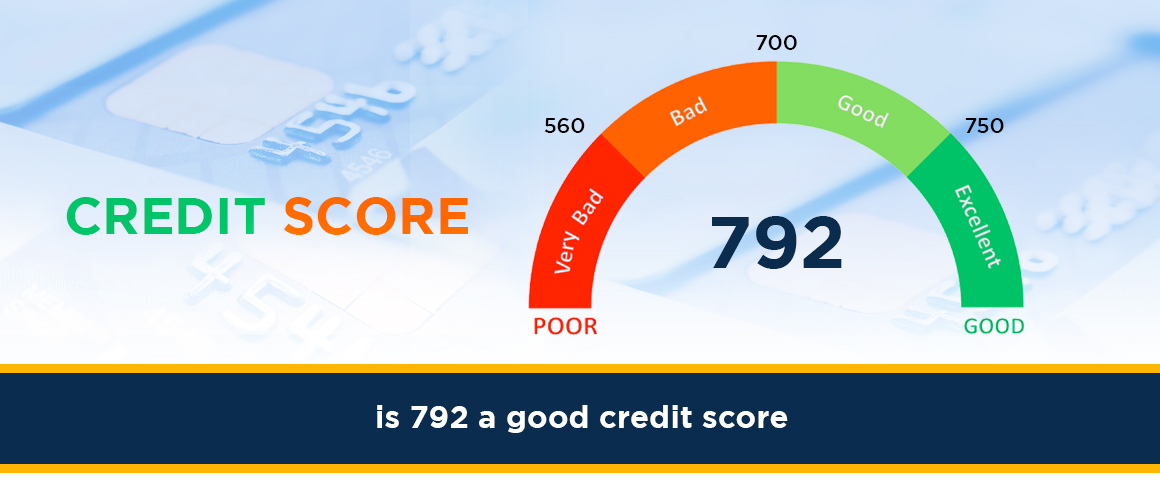
To directly answer your question: Yes, a credit score of 792 is an excellent credit score. It places you firmly in the "Very Good" to "Exceptional" range, depending on the specific scoring model and its exact benchmarks. This score signifies that you have a strong history of managing credit responsibly, making you a highly desirable borrower in the eyes of most financial institutions. A 792 score opens doors to the best financial products and terms available in the market.
Why 792 is Considered Excellent
A score of 792 demonstrates a consistent and positive financial track record. It indicates that you have a robust payment history, manage your credit utilization effectively, and have likely maintained accounts for a significant period. Lenders view individuals with scores in this range as having a very low probability of defaulting on loans or credit card payments. This confidence translates into tangible benefits for the consumer, allowing them to access capital on highly favorable terms. It signifies financial maturity and a deep understanding of credit management principles.
Benefits of a 792 Credit Score
Possessing a 792 credit score unlocks a wealth of financial advantages. Here are some of the key benefits you can expect:
- Lower Interest Rates: This is perhaps the most significant benefit. With an excellent score, you'll qualify for the lowest available Annual Percentage Rates (APRs) on mortgages, auto loans, personal loans, and credit cards. Over the life of a loan, this can save you thousands, if not tens of thousands, of dollars. For example, a 0.5% lower interest rate on a 30-year mortgage can save hundreds of thousands of dollars.
- Higher Approval Odds: Lenders are much more likely to approve your applications for credit, whether it's a new credit card, a mortgage, or a car loan. Your score signals reliability.
- Larger Credit Limits: Credit card issuers and lenders are often willing to offer higher credit limits to individuals with excellent credit, providing greater financial flexibility.
- Better Loan Terms: Beyond interest rates, you may be able to negotiate more favorable repayment terms, longer loan durations, or reduced fees.
- Easier Rental Applications: Landlords frequently check credit scores to assess potential tenants. A 792 score makes you a highly attractive candidate, increasing your chances of securing the rental property you desire.
- Lower Insurance Premiums: In many states, insurance companies use credit-based insurance scores to help determine premiums for auto and homeowners insurance. A higher score can lead to significant savings on your insurance policies.
- Access to Premium Rewards Cards: Many of the most lucrative rewards credit cards, offering substantial travel miles, cashback, or other perks, are reserved for applicants with excellent credit.
- Negotiating Power: When you have a strong credit score, you have more leverage to negotiate terms with lenders. They want your business, and your score gives you an advantage.
In essence, a 792 credit score acts as a financial passport, granting you access to the best financial opportunities and saving you money across various aspects of your financial life.
How to Achieve and Maintain a 792 Credit Score
Achieving and maintaining a credit score of 792 requires consistent, responsible financial habits. It's not about luck; it's about strategy and discipline. Here's a breakdown of how to get there and stay there:
Understanding the Factors That Influence Your Score
As previously discussed, your score is built on five pillars. To reach and maintain a 792, you must excel in each of these areas. Let's revisit them with a focus on actionable steps.
Payment History: The Cornerstone of Your Credit
This is non-negotiable. Every single payment you make on borrowed money must be on time.
- Automate Payments: Set up automatic payments from your bank account for all credit accounts (credit cards, loans, mortgages). Ensure you have sufficient funds in your account to cover these payments.
- Set Reminders: If automation isn't possible, set calendar reminders a few days before your due dates.
- Pay at Least the Minimum: If you're ever in a tight spot, always pay at least the minimum amount due by the deadline. A late payment is far more damaging than carrying a balance.
- Catch Up Quickly: If you do miss a payment, rectify it as soon as possible. The sooner you pay, the less impact it may have.
Credit Utilization Ratio: Keeping It Low
This ratio measures how much of your available credit you're using. Aim to keep it below 30%, but for scores in the 792 range, keeping it below 10% is ideal.
- Pay Down Balances: Regularly pay down your credit card balances. Don't just pay the minimum.
- Make Multiple Payments: Consider making payments more than once a month, especially if you use your cards frequently. This can help keep your reported balance lower.
- Request Credit Limit Increases: If you have a good payment history with a particular card issuer, you can request a credit limit increase. This will lower your utilization ratio if your spending remains the same.
- Avoid Maxing Out Cards: Never max out your credit cards, even if you plan to pay them off quickly. The utilization ratio is often reported at the statement closing date.
Length of Credit History: Time is on Your Side
This factor is about patience and consistency. The longer you've managed credit responsibly, the better.
- Keep Old Accounts Open: Unless there's a compelling reason (like an annual fee you can't justify), keep your oldest credit accounts open, even if you don't use them often. Closing an old account can shorten your average credit history length and potentially increase your utilization ratio.
- Use Older Cards Periodically: To keep older accounts active and prevent issuers from closing them due to inactivity, make a small purchase on them every few months and pay it off immediately.
Credit Mix: Diversification is Key
While not as heavily weighted as payment history or utilization, having a mix of credit types can be beneficial.
- Include Installment Loans: If you only have credit cards, consider if an installment loan (like a small personal loan or a secured loan) might be appropriate for your financial situation. However, do not take on debt you don't need solely for the sake of credit mix.
- Manage All Accounts Wisely: The key is responsible management of whatever mix you have.
New Credit and Inquiries: Be Strategic
Opening too many new accounts or applying for credit too frequently can negatively impact your score.
- Apply Only When Necessary: Only apply for credit when you genuinely need it.
- Space Out Applications: If you need to apply for multiple credit products, try to space them out over several months.
- Understand Hard vs. Soft Inquiries: A "hard inquiry" occurs when a lender checks your credit for a loan or credit card application and can slightly lower your score. "Soft inquiries" (like checking your own score or pre-qualification offers) do not affect your score.
Common Mistakes That Can Lower Your Score
Even with good intentions, certain common financial missteps can sabotage your credit score. Being aware of these pitfalls is crucial for maintaining an excellent score.
- Late Payments: As emphasized, this is the biggest score killer. Even one 30-day late payment can have a significant negative impact.
- High Credit Utilization: Consistently carrying high balances on your credit cards signals to lenders that you may be overextended.
- Closing Old Credit Accounts: This can reduce your average account age and increase your credit utilization ratio, both of which negatively affect your score.
- Applying for Too Much Credit at Once: Multiple hard inquiries in a short period can make you appear desperate for credit, which is a red flag for lenders.
- Ignoring Credit Reports: Not checking your credit reports regularly means you might miss errors or fraudulent activity that could be harming your score.
- Co-signing Loans for Others: If the person you co-sign for misses payments, it will negatively impact your credit score as well as theirs. You are just as responsible for the debt.
- Carrying Balances on Multiple Cards: While a credit mix is good, having high balances across many cards can be problematic.
- Not Understanding Different Credit Scoring Models: Different lenders use different scoring models (e.g., FICO 8, FICO 9, VantageScore 3.0, VantageScore 4.0). While your score will generally be in a similar range, there can be slight variations.
Avoiding these common errors is just as important as implementing positive credit management strategies.
What If Your Score is Lower Than 792?
If your current credit score is below 792, don't despair. The good news is that credit scores are dynamic and can be improved with consistent effort and the right strategies. The journey to an excellent score is achievable for most individuals.
Strategies for Improving Your Credit Score
Improving your credit score involves addressing the factors that are currently holding you back. Here are actionable steps:
- Pay All Bills On Time, Every Time: This is the absolute priority. If you have a history of late payments, focus intensely on making every payment on time going forward. Set up reminders or automatic payments.
- Reduce Your Credit Utilization Ratio: If you have credit card balances, focus on paying them down. Aim to get each card's balance below 30% of its limit, and ideally below 10%. Contact your credit card companies to request a credit limit increase on cards where you have a good payment history.
- Dispute Errors on Your Credit Report: Obtain copies of your credit reports from Equifax, Experian, and TransUnion. Review them carefully for any inaccuracies, such as accounts that aren't yours, incorrect late payment notations, or outdated negative information. File disputes with the credit bureaus for any errors you find. You can do this online, by mail, or by phone.
- Be Patient with Negative Information: Most negative information, like late payments, stays on your credit report for seven years. Bankruptcies can stay for up to 10 years. While you can't remove accurate negative information early, its impact diminishes over time. Focus on building positive credit history to outweigh the negative.
- Consider a Secured Credit Card: If you have a low score or limited credit history, a secured credit card can be a great tool. You provide a cash deposit that typically becomes your credit limit. Use it for small purchases and pay it off in full each month to build a positive payment history.
- Become an Authorized User: If a trusted friend or family member with excellent credit is willing, they can add you as an authorized user to one of their well-managed credit cards. Their positive payment history on that account can then appear on your credit report, potentially boosting your score. Ensure they manage the account responsibly, as their mistakes could also affect you.
- Avoid Opening Too Many New Accounts Quickly: As mentioned, this can lower your score. Only apply for credit when you truly need it and space out applications.
- Negotiate with Creditors: If you're struggling with existing debt, contact your creditors. They may be willing to work with you on a payment plan or settle the debt for less than the full amount. While settling for less might impact your score negatively in the short term, it can be better than prolonged delinquency.
Improving your credit score is a marathon, not a sprint. Consistency and diligence are key.
Understanding Credit Reports
Your credit report is the raw data that credit scoring models use to generate your credit score. It's a detailed history of your borrowing and repayment activities. Understanding its contents is vital for managing your credit effectively. A credit report typically includes:
- Personal Information: Name, address, Social Security number, date of birth, and employment information.
- Credit Accounts: A list of all your credit cards, loans, mortgages, and other credit accounts, including the lender, account number (often partially masked), date opened, credit limit or loan amount, current balance, and payment history (on-time payments, late payments, etc.).
- Public Records: Information about bankruptcies, tax liens, and civil judgments.
- Inquiries: A list of all parties who have requested to view your credit report. This section distinguishes between "hard" inquiries (resulting from credit applications) and "soft" inquiries (like checking your own credit).
It's crucial to regularly review your credit reports for accuracy. Errors can occur and negatively impact your score.
How to Check Your Credit Score and Report
Monitoring your credit is an essential part of maintaining an excellent score. Fortunately, it's easier and more accessible than ever.
- Free Annual Credit Reports: You are entitled to one free credit report from each of the three major credit bureaus (Equifax, Experian, and TransUnion) every 12 months. You can request these through the official government-mandated website: AnnualCreditReport.com. It's recommended to stagger your requests, getting one report every four months from a different bureau to monitor your credit throughout the year.
- Free Credit Scores: Many credit card issuers and financial institutions offer free access to your credit score as a customer benefit. This is often a FICO score or a VantageScore. Check with your bank or credit card provider to see if they offer this service.
- credit monitoring Services: Numerous services offer credit monitoring, which provides regular updates on your credit reports and scores, alerts you to significant changes, and can help protect you from identity theft. Some are free, while others require a subscription fee.
Regularly checking your score and reports allows you to catch errors, track your progress, and stay informed about your financial health.
Conclusion: Your Path to Credit Excellence
In summary, a credit score of 792 is undeniably excellent. It signifies a strong financial history, a low-risk profile for lenders, and unlocks access to the most advantageous financial products and terms available. This score is not an accident; it's the result of diligent and consistent responsible credit management. By prioritizing on-time payments, keeping credit utilization low, maintaining a long credit history, and strategically managing new credit, you can achieve and sustain a score in this elite range. Remember that even if your score is currently lower, the strategies outlined in this guide provide a clear roadmap for improvement. Regularly checking your credit reports and scores is paramount to staying on track. Your financial future is significantly influenced by your credit health, and with informed decisions and disciplined habits, you can secure a path to credit excellence, ensuring you benefit from the best financial opportunities the market has to offer.
