Is 798 a Good Credit Score? A Comprehensive Guide
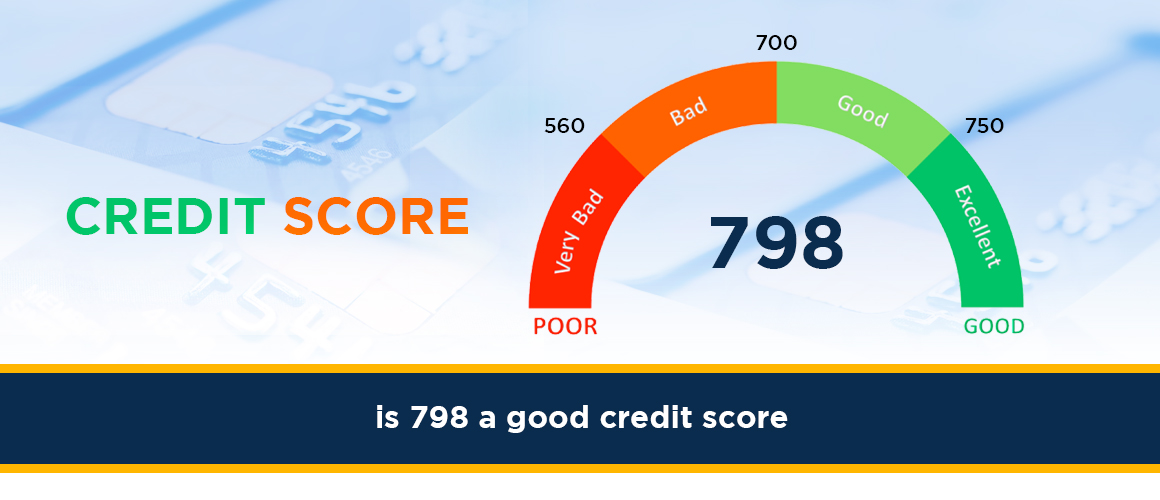
A credit score of 798 is exceptionally strong, placing you in the excellent tier. This guide will comprehensively explore what this score signifies, its advantages, and how to leverage it for your financial goals in 2025.
Understanding Credit Scores
Credit scores are numerical representations of your creditworthiness, essentially a three-digit summary of your credit history. Lenders use these scores to assess the risk associated with lending you money. A higher score indicates a lower risk, making it easier to qualify for loans, credit cards, and other financial products, often with more favorable terms.
In the United States, the most widely used credit scoring models are FICO and VantageScore. While they have slightly different methodologies, they generally operate within similar score ranges and consider the same core factors. Understanding these factors is crucial for managing and improving your credit health.
Credit scoring models are dynamic, meaning they are regularly updated to reflect changes in lending practices and economic conditions. For instance, the FICO 10 T model, introduced in 2020, incorporates trended data, looking at how you manage your credit over time, not just a snapshot. VantageScore also releases new versions periodically, aiming to provide a more accurate reflection of risk. As of 2025, these advanced models are increasingly being adopted by lenders.
The primary purpose of a credit score is to predict the likelihood of a borrower defaulting on their financial obligations. A score of 798 suggests a very low probability of default, making you an attractive borrower to financial institutions.
What is a 798 Credit Score?
A credit score of 798 is considered excellent. It falls within the upper echelon of credit scores, signifying a long history of responsible credit management. This score demonstrates to lenders that you are a reliable borrower who consistently meets financial obligations.
This score is not just a number; it's a testament to your financial discipline. It indicates that you have likely managed credit accounts, made timely payments, kept credit utilization low, and avoided significant negative marks on your credit reports. For lenders, a 798 score is a strong signal of low risk.
In the context of FICO scores, which typically range from 300 to 850, a 798 is very close to the top. Similarly, for VantageScore, which also generally ranges from 300 to 850, a 798 is firmly in the excellent category. This score opens doors to a wide array of financial opportunities.
Achieving a 798 credit score typically requires several years of consistent, positive credit behavior. It's not something that happens overnight but rather a result of diligent financial habits over an extended period. This score is a valuable asset in your financial toolkit.
Credit Score Ranges and What They Mean
Credit scoring models categorize scores into ranges to provide a general understanding of creditworthiness. While the exact ranges can vary slightly between FICO and VantageScore, and even between different versions of their models, the general interpretation remains consistent. Here's a typical breakdown as understood in 2025:
| Score Range | Category | Likelihood of Approval | Typical Interest Rates |
|---|---|---|---|
| 800-850 | Exceptional | Very High | Lowest |
| 740-799 | Very Good / Excellent | High | Low |
| 670-739 | Good | Moderate to High | Average |
| 580-669 | Fair | Moderate to Low | Higher |
| 300-579 | Poor | Very Low | Highest |
As you can see, a score of 798 falls squarely into the "Very Good" to "Excellent" category, often overlapping with "Exceptional" depending on the specific model and lender interpretation. This means you are in a prime position to secure favorable financial terms.
The distinction between "Very Good" and "Exceptional" can be subtle but significant. While both are excellent, scores above 800 often command the absolute best interest rates and terms. However, a 798 score is so close to the top that many lenders will treat it as equivalent to an 800+ score for most lending decisions.
Understanding these ranges helps contextualize your 798 score. It's not just good; it's a score that opens doors and provides significant financial advantages.
Is 798 a Good Credit Score? The Verdict
Yes, a credit score of 798 is unequivocally a good credit score. In fact, it's an excellent credit score. It signifies a high level of creditworthiness and a strong track record of responsible financial behavior.
Lenders view a 798 score as a strong indicator of low risk. This means you are highly likely to be approved for various credit products, including mortgages, auto loans, personal loans, and premium credit cards. Furthermore, you can expect to receive the most competitive interest rates and favorable terms available in the market.
In 2025, with evolving credit scoring models and a competitive lending landscape, a 798 score positions you as a highly desirable borrower. It demonstrates a mature understanding of credit management and a consistent commitment to financial obligations.
While scores above 800 are considered "exceptional," a 798 is so close to the top tier that the practical difference in benefits is often minimal for many lending products. You are well within the range that lenders associate with their best customers.
The verdict is clear: a 798 credit score is a significant financial asset that provides substantial advantages in accessing credit and securing favorable financial terms.
Benefits of a 798 Credit Score
Possessing a 798 credit score unlocks a multitude of financial benefits. These advantages can significantly impact your ability to achieve your financial goals and save money over time. Here are some of the key benefits you can expect:
- Lower Interest Rates: This is perhaps the most significant benefit. Lenders offer their lowest interest rates to borrowers with excellent credit scores like 798. This translates to substantial savings over the life of a loan, whether it's a mortgage, auto loan, or personal loan. For example, a difference of even 1-2% in interest on a 30-year mortgage can save you tens of thousands of dollars.
- Higher Approval Odds: You'll find it much easier to get approved for loans and credit cards. Lenders are more willing to take a chance on borrowers with a proven track record of responsible credit use. This is especially true for competitive products like premium rewards credit cards or large mortgages.
- Access to Premium Credit Cards: A 798 score qualifies you for some of the best rewards credit cards on the market. These cards often offer lucrative sign-up bonuses, high cash back rates, travel perks, airport lounge access, and other valuable benefits.
- Favorable Loan Terms: Beyond just interest rates, you can often negotiate better terms on loans. This might include longer repayment periods, lower down payment requirements, or reduced fees.
- Easier Rental Applications: Landlords frequently check credit scores to assess a tenant's reliability. A 798 score makes you a highly attractive candidate for rental properties, potentially reducing security deposit requirements or even eliminating the need for a co-signer.
- Better Insurance Premiums: In many states, insurance companies use credit-based insurance scores to help set premiums for auto and homeowners insurance. An excellent credit score can lead to lower insurance costs.
- Negotiating Power: With a strong credit score, you have more leverage when negotiating terms with lenders and service providers. You can often shop around and secure the best deals because you are a low-risk prospect.
- Reduced Security Deposits for Utilities: Utility companies often require security deposits for new accounts. A good credit score can waive or significantly reduce these deposits.
- Faster Loan Approvals: Lenders can often process applications more quickly for borrowers with excellent credit, as the risk assessment is more straightforward.
These benefits collectively contribute to a more financially secure and flexible future. A 798 credit score is not just about getting approved; it's about getting approved on the best possible terms, saving you money and opening up more opportunities.
How to Achieve and Maintain a 798 Credit Score
Achieving and maintaining a credit score of 798 requires consistent, responsible financial behavior. It's a combination of good habits and a deep understanding of the factors that influence your score. Here's a step-by-step guide:
1. Prioritize On-Time Payments
Action: Make every single payment on or before the due date. This is the single most impactful factor in your credit score. Set up automatic payments for all your bills to avoid missing due dates.
Why it matters: Payment history accounts for about 35% of your FICO score. Even a single late payment can significantly damage your score, especially if it's more than 30 days late.
2. Keep Credit Utilization Low
Action: Aim to keep your credit utilization ratio below 30%, and ideally below 10%. This means using only a small portion of your available credit limit on your credit cards.
Why it matters: Credit utilization accounts for about 30% of your FICO score. High utilization signals to lenders that you might be overextended financially.
Example: If you have a credit card with a $10,000 limit, try to keep your balance below $3,000 (30%) or, even better, below $1,000 (10%).
3. Maintain a Long Credit History
Action: Avoid closing old, unused credit accounts, especially if they have a good payment history. The longer your accounts have been open and managed well, the better.
Why it matters: The length of your credit history contributes about 15% to your FICO score. A longer history demonstrates a longer period of responsible credit management.
4. Diversify Your Credit Mix
Action: Having a mix of credit types (e.g., credit cards, installment loans like a mortgage or auto loan) can be beneficial, but don't open new accounts solely for this purpose.
Why it matters: Credit mix accounts for about 10% of your FICO score. Lenders like to see that you can manage different types of credit responsibly.
5. Be Mindful of New Credit Applications
Action: Apply for new credit only when you genuinely need it. Each hard inquiry from a credit application can slightly lower your score.
Why it matters: New credit and inquiries make up about 10% of your FICO score. Too many applications in a short period can be a red flag.
6. Regularly Review Your Credit Reports
Action: Obtain your free credit reports from AnnualCreditReport.com at least once a year and review them for errors. Dispute any inaccuracies immediately.
Why it matters: Errors on your credit report can unfairly lower your score. Identifying and correcting them is crucial for maintaining an accurate and high score.
7. Monitor Your Credit Score
Action: Use free credit monitoring services offered by many banks, credit card companies, or third-party services to keep track of your score and understand any changes.
Why it matters: Monitoring helps you stay aware of your credit health and allows you to react quickly if any negative changes occur.
By consistently applying these strategies, you can not only achieve a 798 credit score but also maintain it over the long term, ensuring continued access to the best financial products and services.
Potential Challenges Even With a 798 Score
While a 798 credit score is outstanding and opens many doors, it's important to understand that it doesn't make you immune to all financial challenges or credit-related issues. Here are a few potential hurdles you might still encounter:
- Specific Lender Criteria: Some niche lenders or specialized financial products might have even stricter requirements that go beyond just the credit score. For example, a lender might have specific debt-to-income ratio requirements or require a longer credit history than you currently have.
- Recent Negative Marks: Even with a high score, a very recent, significant negative event (like a bankruptcy or foreclosure that has since been resolved) might still cause some lenders to be more cautious, even if your score is high. The scoring models are predictive, and recent major issues can sometimes outweigh a high score temporarily.
- Economic Downturns: During severe economic recessions, lenders may tighten their lending standards across the board, making it harder for everyone to qualify for credit, regardless of their score. This is less about your personal creditworthiness and more about the overall economic climate.
- High Debt-to-Income Ratio (DTI): While your credit score might be excellent, lenders also look at your DTI ratio. If you have a high DTI (meaning a large portion of your income goes towards debt payments), you might still face challenges qualifying for new loans, especially large ones like mortgages, as it indicates you might be overextended.
- Limited Credit History: Even with a high score, if your credit history is very short, some lenders might be hesitant for certain products. For instance, a 798 score achieved in just two years might be viewed differently than one built over 20 years.
- Errors on Credit Reports: Although you should monitor your reports, if an error slips through and negatively impacts your score without your knowledge, it could lead to unexpected rejections or less favorable terms.
- Fraud or identity theft: If your identity is compromised and fraudulent accounts are opened in your name, this can negatively impact your credit, even if you've historically maintained an excellent score. Vigilance is always necessary.
It's crucial to remember that a credit score is just one piece of the lending puzzle. Lenders assess a borrower's overall financial health, which includes income, employment stability, debt-to-income ratio, and the specific product being applied for. While 798 is a fantastic score, maintaining a holistic view of your finances is always wise.
Credit Score Factors and Their Impact
Understanding the components that make up a credit score is essential for managing and improving it. FICO, the most widely used scoring model, breaks down its score calculation into five key categories, each with a different weighting. These weights are generally consistent across most FICO versions, including those used in 2025.
Here's a breakdown of the primary factors and their approximate impact:
Payment History (Approx. 35% of score)
This is the most critical factor. It reflects whether you pay your bills on time. Key elements include:
- On-time payments: Paying bills by the due date is paramount.
- Late payments: The severity and recency of late payments matter. A 30-day late is less damaging than a 60-day or 90-day late.
- Collections: Accounts sent to collection agencies are highly detrimental.
- Bankruptcies, foreclosures, repossessions: These are severe negative events that can significantly lower your score for many years.
Impact: A perfect payment history is the foundation of an excellent credit score. Any blemishes here will have the most significant negative effect.
Credit Utilization Ratio (Approx. 30% of score)
This measures how much of your available revolving credit (primarily credit cards) you are using. It's calculated by dividing the total balances on your revolving accounts by the total credit limits on those accounts.
- Low utilization is key: Keeping balances low relative to your credit limits is crucial.
- Individual card utilization: It's also beneficial to keep utilization low on each individual card, not just overall.
Impact: High credit utilization is a strong indicator of potential financial distress. Keeping it below 30% is good, but below 10% is ideal for maximizing your score.
Example: If you have a $5,000 balance on a card with a $10,000 limit, your utilization for that card is 50%. If your total available credit across all cards is $30,000 and your total balances are $15,000, your overall utilization is 50%. Reducing that $15,000 balance to $3,000 (10% utilization) would significantly boost your score.
Length of Credit History (Approx. 15% of score)
This factor considers the age of your oldest credit account, the age of your newest credit account, and the average age of all your accounts.
- Older accounts are better: A longer history of responsible credit management demonstrates stability and reliability.
- Average age matters: Opening many new accounts can lower the average age of your credit history.
Impact: A longer credit history generally leads to a higher score, assuming it's a history of responsible behavior.
Types of Credit and Credit Mix (Approx. 10% of score)
This looks at the variety of credit accounts you have. Lenders want to see that you can manage different types of credit responsibly.
- Revolving credit: Credit cards, lines of credit.
- Installment loans: Mortgages, auto loans, student loans, personal loans (these have fixed payments over a set period).
Impact: A healthy mix can improve your score, but it's not worth opening accounts you don't need just for the sake of credit mix. A good score can be achieved with just credit cards, but a mix can provide a slight boost.
New Credit and Inquiries (Approx. 10% of score)
This category considers how many new accounts you've opened recently and how many "hard inquiries" have been made on your credit report.
- Hard inquiries: Occur when you apply for credit. Each one can slightly lower your score for a short period.
- Soft inquiries: Occur when you check your own credit or when lenders pre-approve you for offers. These do not affect your score.
- Rate shopping: Credit scoring models often allow a grace period (typically 14-45 days, depending on the model) for multiple inquiries for the same type of loan (e.g., mortgages, auto loans) to be treated as a single inquiry.
Impact: Opening many new accounts or having numerous hard inquiries in a short time can signal increased risk.
By understanding and actively managing these five factors, you can effectively build and maintain an excellent credit score like 798.
Credit Reports and Disputes
Your credit report is a detailed record of your credit history, compiled by the three major credit bureaus: Equifax, Experian, and TransUnion. Your credit score is derived from the information contained within these reports. Therefore, ensuring the accuracy of your credit report is paramount to maintaining a high score.
What's in a Credit Report?
A typical credit report includes:
- Personal Information: Name, address, Social Security number, date of birth, employment history.
- Credit Accounts: A list of all your credit cards, loans (mortgages, auto loans, student loans, personal loans), and any other lines of credit. For each account, it shows the lender, account number (often partially masked), date opened, credit limit or loan amount, current balance, and payment history (including dates and amounts of payments).
- Public Records: Information on bankruptcies, foreclosures, liens, and judgments.
- Inquiries: A record of who has accessed your credit report. Hard inquiries (from credit applications) are listed here.
Why Accuracy Matters
Errors on your credit report can lead to a lower credit score, denial of credit, or higher interest rates. Common errors include:
- Incorrect personal information.
- Accounts that don't belong to you (potential identity theft).
- Incorrectly reported late payments or missed payments.
- Accounts listed as open when they have been closed or paid off.
- Incorrect credit limits or balances.
- Duplicate negative information.
How to Obtain Your Credit Reports
You are entitled to a free credit report from each of the three major credit bureaus every 12 months through AnnualCreditReport.com. Due to the COVID-19 pandemic, these reports are often available weekly for free. It's highly recommended to check them regularly.
The Dispute Process
If you find any inaccuracies on your credit report, you have the right to dispute them with the credit bureau that generated the report and the creditor that provided the information. Here's how:
- Gather Evidence: Collect all documentation that supports your claim (e.g., payment confirmations, statements, letters from creditors).
- Contact the Credit Bureau: You can file a dispute online, by mail, or by phone with Equifax, Experian, or TransUnion. Online disputes are generally the fastest. You'll need to clearly identify the inaccurate information and explain why it's incorrect.
- Contact the Creditor: You may also need to contact the creditor directly to resolve the issue.
- Follow Up: The credit bureaus are required to investigate your dispute within a reasonable timeframe, typically 30 days (or 45 days for initial credit reports). They will contact the creditor to verify the information.
- Review the Results: Once the investigation is complete, the credit bureau will send you an updated report. If the information was corrected, ensure it reflects accurately on your score. If the dispute is denied, you can request that your statement of dispute be included in your file.
Maintaining accurate credit reports is a proactive step in ensuring your 798 credit score remains strong and reflects your true financial behavior.
Credit Score Monitoring and Protection
Once you've achieved an excellent credit score like 798, protecting it becomes as important as building it. Continuous monitoring is key to identifying any potential issues early on and safeguarding your financial reputation.
Why Monitor Your Credit Score?
- Detecting Errors: As discussed, errors can occur. Monitoring helps you spot them quickly before they cause significant damage.
- Identifying Fraud: If unauthorized accounts are opened or suspicious activity appears on your credit report, monitoring can alert you, allowing you to act swiftly to prevent identity theft.
- Tracking Progress: If you're working to improve your score, monitoring allows you to see the impact of your efforts and adjust your strategies as needed.
- Staying Informed: Understanding your score helps you know when you're in a good position to apply for new credit or refinance existing debt.
Methods for Monitoring Your Credit Score
Several options are available for monitoring your credit score and reports:
- Free Credit Monitoring Services: Many credit card issuers, banks, and financial institutions offer free credit score monitoring as a perk to their customers. These services often provide access to your FICO or VantageScore score and may include alerts for significant changes.
- Third-Party Credit Monitoring Services: Companies like Credit Karma, Credit Sesame, and others offer free access to credit scores and reports, along with tools to track changes and identify potential issues. Some also offer paid services that provide more comprehensive monitoring, identity theft protection, and insurance.
- AnnualCreditReport.com: While not a real-time monitoring service, regularly pulling your free reports from AnnualCreditReport.com is a crucial part of protection. It allows for a deep dive into the details of your credit history.
- Identity Theft Protection Services: These services often bundle credit monitoring with other protective features, such as dark web monitoring, fraud restoration, and insurance against identity theft losses.
Protecting Your Score
Beyond monitoring, proactive measures are essential:
- Secure Your Information: Shred sensitive documents, use strong, unique passwords for online accounts, and be wary of phishing scams.
- Enable Alerts: Set up alerts with your credit card companies and monitoring services for large transactions, new account openings, or changes to your credit report.
- Use Credit Freezes: For enhanced security, consider placing a credit freeze (also known as a security freeze) on your reports. This restricts access to your credit file, making it much harder for identity thieves to open new accounts in your name. You can temporarily lift the freeze when you need to apply for credit.
- Review Statements Regularly: Check your bank and credit card statements for any unauthorized transactions.
By actively monitoring and protecting your credit, you ensure that your excellent 798 score remains a reliable asset for your financial future.
Credit Score Improvement Strategies
While a 798 credit score is already excellent, there's always room for minor optimization or ensuring it stays at its peak. If your score is slightly below 798 or you simply want to reach the "exceptional" tier (800+), here are some targeted strategies:
Paying Down Credit Card Balances Further
Even if your utilization is below 30%, reducing it further to below 10% can provide a significant boost. This means ensuring your reported balances are as low as possible. If you have multiple cards, focus on paying down the one with the highest utilization first, or the one with the highest interest rate.
Becoming an Authorized User
If you have a trusted friend or family member with an excellent credit history and long-standing accounts, they could add you as an authorized user to one of their credit cards. If they manage that account responsibly, its positive history can reflect on your credit report and potentially boost your score. However, be aware that if they mismanage the account, it could harm your score.
Negotiating with Creditors
If you have any accounts with less-than-ideal terms (e.g., a high interest rate on a personal loan), you might be able to negotiate a lower rate, especially with your excellent score. While this might not directly improve your score, it can reduce your debt burden and free up cash flow for other score-boosting activities.
Waiting Out Minor Derogatories
If you have very minor negative marks that are several years old (e.g., a single 30-day late payment from five years ago), their impact diminishes over time. Continuing to maintain excellent credit behavior will eventually overshadow these older issues.
Considering a Credit Limit Increase
If you have a good handle on your spending and can resist the temptation to spend more, requesting a credit limit increase on your existing credit cards can lower your credit utilization ratio. For example, if you have a $5,000 balance on a card with a $10,000 limit (50% utilization), requesting an increase to $20,000 would drop your utilization to 25%.
Strategic Use of New Credit
While generally advised to avoid too much new credit, strategically opening a new, low-limit credit card and using it sparingly for small purchases (which you pay off immediately) can help increase your average age of accounts over time and potentially increase your overall available credit, thus lowering utilization. This is a more advanced strategy and should be approached with caution.
Ensuring All Accounts Are Reported
Make sure all your credit accounts are being reported to the credit bureaus. Sometimes, newer or smaller accounts might not be. If you have a credit-building loan or a secured card that isn't reporting, inquire with the lender about reporting to the major bureaus.
Remember, with a 798 score, these are often minor tweaks rather than major overhauls. The focus shifts from repairing damage to optimizing performance.
Loan and Mortgage Approval With a 798 Score
A credit score of 798 is a powerful asset when applying for loans and mortgages. It significantly increases your chances of approval and helps you secure the most favorable terms available.
Mortgage Approval
For mortgages, lenders typically consider scores of 740 and above to be excellent. With a 798 score:
- Highest Approval Odds: You are highly likely to be approved for a mortgage, even for larger loan amounts.
- Lowest Interest Rates: You will qualify for the lowest available interest rates, which can save you tens of thousands of dollars over the life of a 15- or 30-year mortgage. For instance, a 0.5% difference in interest on a $300,000 mortgage can mean paying an extra $50,000+ over 30 years.
- Fewer Lender Restrictions: Lenders are more willing to work with you on down payment requirements and other loan conditions.
- Access to Best Loan Programs: You'll be eligible for a wider range of mortgage products, including conventional loans, jumbo loans, and potentially even some specialized programs.
Example: A borrower with a 798 score might secure a 30-year fixed-rate mortgage at 6.5%, while someone with a 680 score might be offered 7.5%. This difference is substantial.
Auto Loan Approval
When applying for an auto loan, a 798 score typically places you in the top tier of borrowers.
- Excellent Approval Odds: Approval is almost guaranteed for most standard auto loans.
- Lowest Interest Rates: You'll receive the most competitive APRs, significantly reducing the total cost of the vehicle. For a $30,000 loan over five years, a difference of 2% in APR can save you over $1,500.
- Negotiating Power: You have leverage to negotiate not just the interest rate but also the price of the vehicle.
Personal Loan Approval
Personal loans are often unsecured, meaning they don't require collateral. Lenders rely heavily on credit scores to assess risk.
- High Approval Likelihood: A 798 score makes you a prime candidate for unsecured personal loans.
- Best Rates and Terms: You'll qualify for the lowest interest rates, making borrowing more affordable. This is crucial if you're consolidating debt or financing a large purchase.
- Larger Loan Amounts: Lenders may be willing to offer higher loan amounts to borrowers with such strong credit.
Key Takeaway: A 798 credit score transforms the borrowing process from a potential struggle into a streamlined experience with significant cost savings. It's a testament to your financial responsibility and provides a competitive edge in securing the best financial products.
Credit Cards and Rewards With a 798 Score
A credit score of 798 not only makes it easy to get approved for credit cards but also unlocks access to some of the most premium and rewarding cards available on the market. These cards offer substantial benefits that can significantly enhance your spending power and travel experiences.
Premium Travel Rewards Cards
Cards like The Platinum Card® from American Express, Chase Sapphire Reserve®, and Capital One Venture X Rewards Credit Card typically require excellent credit. With a 798 score, you are a prime candidate for these cards, which offer:
- Generous Sign-Up Bonuses: Often worth hundreds or even thousands of dollars in travel credits or points.
- High Earning Rates: Excellent multipliers on travel purchases, dining, and everyday spending.
- Travel Perks: Airport lounge access, travel insurance, elite status with hotels and rental car companies, statement credits for travel expenses.
- Annual Travel Credits: Significant credits that can offset the annual fee, such as credits for flights, hotels, or dining.
Cash Back and Other Rewards Cards
Beyond travel, a 798 score also qualifies you for top-tier cash back cards and other specialized rewards cards:
- High Flat-Rate Cash Back: Cards offering 2% or more cash back on all purchases, with no spending caps.
- Category Bonuses: Cards that offer elevated cash back rates in specific categories like groceries, gas, or dining.
- Balance Transfer Cards: Cards offering long 0% introductory APR periods on balance transfers, allowing you to save on interest if you have existing credit card debt.
- 0% Intro APR Purchase Cards: Cards that offer 0% introductory APR on new purchases, providing interest-free financing for a set period.
Benefits Beyond Rewards
The advantages of having a 798 score extend beyond just the rewards programs:
- No Annual Fees: You'll also be eligible for many excellent cards with no annual fees, offering great value without an upfront cost.
- Higher Credit Limits: Premium cards often come with higher credit limits, which can help keep your credit utilization low, further bolstering your score.
- Purchase Protection and Extended Warranties: Many premium cards offer robust purchase protection, extended warranties on items you buy, and other valuable consumer benefits.
- Fraud Protection: All major credit cards offer zero liability for fraudulent charges, but premium cards often have enhanced security features.
Strategic Use: To maximize the benefits, strategically choose cards that align with your spending habits and financial goals. For instance, if you travel frequently, a premium travel card makes sense. If you prefer simplicity, a high-rate cash back card might be better. Always aim to pay your balance in full each month to avoid interest charges, thus maximizing the value of your rewards.
Other Financial Products and Services
Your excellent 798 credit score extends its benefits beyond loans and credit cards, influencing your access to and cost of a wide range of other financial products and services in 2025.
Insurance Premiums
In many states, insurance companies use credit-based insurance scores to help determine premiums for auto and homeowners insurance. A higher score generally correlates with lower premiums because statistically, individuals with better credit tend to file fewer claims. This can lead to significant annual savings on your insurance policies.
Utility Services
When setting up new utility accounts (electricity, gas, water, internet, mobile phone), companies often check your credit. A strong credit score like 798 typically means you won't need to pay a security deposit, or the deposit required will be minimal. This saves you upfront cash and avoids the hassle of dealing with deposit requirements.
Rental Applications
Landlords and property managers frequently review credit reports to assess the reliability of potential tenants. A 798 score signals that you are a responsible individual who pays bills on time. This can make it easier to secure rental properties, especially in competitive markets, and may even lead to lower security deposit requirements.
Employment Screening
In certain industries, particularly those involving financial responsibility or access to sensitive information, employers may conduct credit checks as part of the background screening process. An excellent credit score can be a positive indicator of responsibility and trustworthiness during the hiring process.
Business Loans and Lines of Credit
If you are a small business owner or aspire to be one, your personal credit score can play a significant role, especially when starting out or seeking smaller business loans. A 798 score can improve your chances of securing business financing and may result in better terms and lower interest rates.
Investment Accounts
While less common, some brokerage firms may check your credit report when you open certain types of investment accounts, particularly margin accounts, to assess your overall financial stability and risk tolerance.
In essence, a 798 credit score acts as a financial passport, signaling trustworthiness and reliability across various aspects of your financial life. It simplifies processes, reduces costs, and opens doors to opportunities that might be inaccessible to those with lower scores.
Common Misconceptions About Credit Scores
Despite the widespread use of credit scores, several misconceptions persist. Understanding these myths can help you manage your credit more effectively and avoid making decisions based on inaccurate information.
Myth 1: Checking Your Own Credit Score Lowers It.
Fact: Checking your own credit score is considered a "soft inquiry" and does not affect your score. Only "hard inquiries," which occur when you apply for new credit, can have a minor impact. You can check your score and credit reports as often as you like without penalty.
Myth 2: You Need to Carry a Balance to Build Credit.
Fact: You do not need to carry a balance on your credit cards to build or maintain good credit. In fact, carrying a balance and paying interest is costly. The key is to use credit responsibly and pay your bills on time. Keeping credit utilization low is more important than carrying a balance.
Myth 3: Closing Old Credit Cards Will Immediately Boost Your Score.
Fact: Closing old credit cards can actually hurt your score. It reduces your average age of credit history and decreases your overall available credit, which can increase your credit utilization ratio. Unless an old card has a high annual fee you can't justify, it's often better to keep it open and use it sparingly.
Myth 4: Your Credit Score is Fixed and Cannot Be Changed.
Fact: Credit scores are dynamic and can change based on your financial behavior. By implementing good credit management practices, you can improve a low score or maintain an excellent one.
Myth 5: All Credit Scores Are the Same.
Fact: There are different scoring models (FICO, VantageScore) and different versions of these models. Lenders may use various scores depending on the type of credit product. While they are generally correlated, your score can vary slightly depending on which model is used.
Myth 6: A Bad Credit Score Means You Can Never Get Approved for Anything.
Fact: While a low score makes it difficult, it doesn't mean impossible. There are credit-building products and strategies available for those with poor credit. It simply requires more effort and often comes with higher costs.
Myth 7: Your Credit Report Only Includes Debts.
Fact: Your credit report includes information about all your credit accounts, including payment history, credit limits, and balances. It also includes public records like bankruptcies and judgments. It's a comprehensive record of your credit activity.
Dispelling these myths is crucial for making informed financial decisions and effectively managing your creditworthiness.
The Future of Credit Scoring
The landscape of credit scoring is constantly evolving, driven by technological advancements, changing economic conditions, and a desire for more predictive and inclusive models. Here's a glimpse into what the future of credit scoring might hold:
1. Advanced Data Analytics and AI
Credit scoring models are becoming increasingly sophisticated, leveraging artificial intelligence (AI) and machine learning (ML) to analyze vast datasets. This allows for more nuanced risk assessments, potentially incorporating alternative data sources.
2. Alternative Data Sources
To improve financial inclusion, scoring models may increasingly incorporate data beyond traditional credit reports. This could include:
- Rent and Utility Payments: Consistent on-time payments for rent, utilities, and telecom services could be factored in, helping individuals with limited credit history build a score.
- Bank Transaction Data: With consumer consent, analysis of checking and savings account activity could provide insights into financial stability and spending habits.
- Cash Flow Analysis: A deeper understanding of an individual's cash flow patterns can offer a more real-time view of their ability to manage debt.
3. Trended Data
Models like FICO 10 T already incorporate "trended data," which looks at how consumers manage their credit over time, not just a snapshot. This provides a more dynamic and potentially accurate picture of risk. Expect this to become more prevalent.
4. Focus on Financial Health
Future scoring models may shift from solely predicting default to assessing overall financial health. This could involve evaluating factors like savings habits, emergency preparedness, and debt management strategies.
5. Personalization and Customization
As AI advances, scoring models might become more personalized. Instead of a one-size-fits-all approach, scores could be tailored based on specific lending products and individual circumstances, providing a more accurate risk assessment for each unique situation.
6. Regulatory Scrutiny and Ethical Considerations
As new data sources and AI are integrated, there will be increased scrutiny regarding fairness, bias, and data privacy. Regulators will likely play a significant role in ensuring that future scoring models are equitable and do not perpetuate discrimination.
7. Real-Time Scoring
The concept of real-time credit scoring, where decisions are made instantaneously based on up-to-the-minute data, may become more common, particularly for digital lending platforms.
For individuals with excellent scores like 798, these changes may offer opportunities to further optimize their financial standing or to help others build credit more effectively. The key will be to stay informed and adapt to these evolving methodologies.
Conclusion: Your 798 Credit Score Journey
A credit score of 798 is a remarkable achievement, placing you firmly in the excellent credit tier. This score is a powerful financial asset, signifying a strong history of responsible credit management and opening doors to a world of advantageous financial opportunities. You are in a prime position to secure the best interest rates on loans, qualify for premium credit cards with lucrative rewards, and enjoy favorable terms across a spectrum of financial products and services.
We've explored the nuances of credit scoring, the tangible benefits a 798 score provides, and the consistent habits required to both attain and maintain such a high standing. Remember, your score is a reflection of your financial discipline, particularly your payment history and credit utilization. By continuing to prioritize on-time payments, keep balances low, and monitor your credit reports diligently, you can ensure your score remains robust.
While challenges are minimal at this level, vigilance against errors and fraud remains essential. As the credit scoring landscape evolves with AI and alternative data, staying informed will help you navigate future financial decisions. Your 798 credit score is not just a number; it's a testament to your financial maturity and a key enabler of your future financial goals. Leverage it wisely, and continue to build upon this strong foundation.
