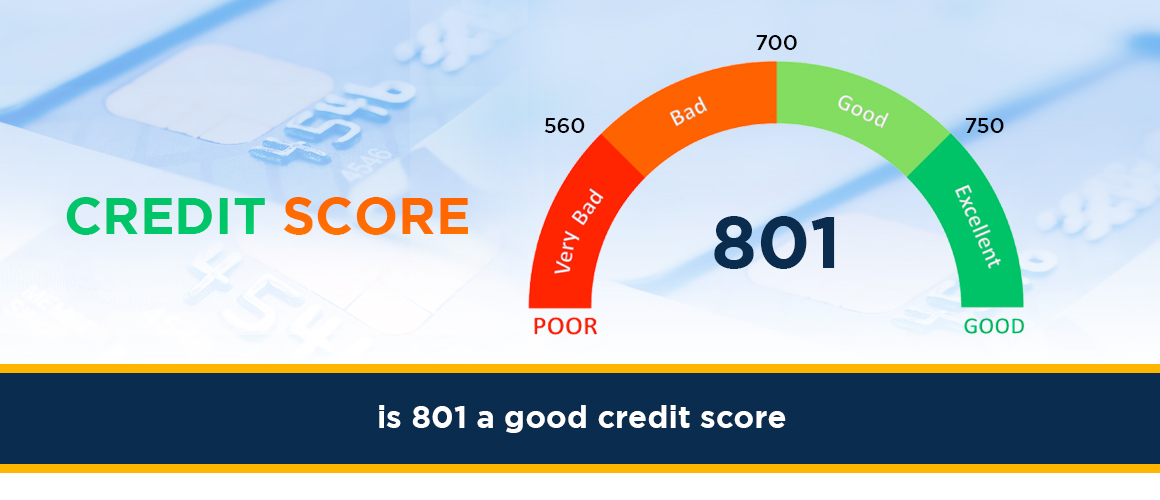
An 801 credit score is exceptionally good, often considered near-perfect. It signifies a strong financial history, making you a highly desirable borrower. This score unlocks the best interest rates, loan terms, and rewards across various financial products, from mortgages to credit cards. Discover what this excellent score means for you.
What is a Credit Score?
A credit score is a three-digit number that lenders use to assess your creditworthiness, or how likely you are to repay borrowed money. It's a snapshot of your financial behavior, derived from the information in your credit reports. These reports detail your borrowing and repayment history, including credit cards, loans, and mortgages. Credit scores are crucial because they influence your ability to get approved for loans, credit cards, and even rental housing or employment in some cases. They also play a significant role in determining the interest rates you'll pay, directly impacting the overall cost of borrowing.
The most widely used credit scoring models are FICO and VantageScore. While they use slightly different algorithms, they both evaluate the same core elements of your credit history. Understanding what goes into your score is the first step to managing and improving it. For instance, paying bills on time is paramount, as is keeping credit utilization low. The goal of a credit score is to provide a standardized, objective measure of risk for lenders.
In essence, your credit score acts as a financial report card. A higher score indicates a lower risk to lenders, translating into more favorable terms and easier access to credit. Conversely, a lower score suggests a higher risk, potentially leading to loan denials or higher interest rates. The scores are dynamic, meaning they can change over time based on your financial actions. This underscores the importance of consistent, responsible credit management.
Understanding Credit Score Ranges
Credit scores are typically categorized into ranges, each representing a different level of credit risk. These ranges can vary slightly between scoring models (FICO and VantageScore), but the general classifications remain consistent. Understanding these ranges helps you gauge your current financial standing and set realistic goals for improvement.
As of 2025, the general credit score ranges are as follows:
FICO Score Ranges:
- Exceptional: 800-850
- Very Good: 740-799
- Good: 670-739
- Fair: 580-669
- Poor: 300-579
VantageScore Ranges:
- Excellent: 781-850
- Good: 661-780
- Fair: 601-660
- Poor: 500-600
- Very Poor: 300-499
It's important to note that these are general guidelines. Lenders may have their own specific criteria and may consider other factors beyond your credit score when making lending decisions. However, these ranges provide a solid framework for understanding where you stand. A score in the "Exceptional" or "Excellent" category, such as 801, signifies a borrower who is highly likely to repay debts, making them very attractive to lenders.
The distribution of credit scores shows that a significant portion of the population falls into the "Good" to "Very Good" categories. Achieving a score in the highest tier requires a consistent history of responsible financial behavior over an extended period. This includes meticulous bill payment, low credit utilization, and a long credit history with a mix of credit types. The higher your score, the more financial doors it opens.
Why Ranges Matter for Borrowers
The credit score ranges are not just abstract numbers; they have tangible consequences for consumers. Lenders use these ranges to segment borrowers and offer different rates and terms. For instance, someone with an "Exceptional" score is likely to qualify for the lowest interest rates on mortgages, auto loans, and personal loans. This can save them thousands of dollars over the life of the loan.
Conversely, individuals with scores in the "Fair" or "Poor" categories may face higher interest rates, larger down payment requirements, or even outright loan denials. This is because their scores indicate a higher risk of default. Understanding where you fall within these ranges empowers you to take targeted steps to improve your score if necessary, thereby unlocking better financial opportunities.
Is 801 a Good Credit Score? The Verdict
Yes, an 801 credit score is an excellent credit score. It firmly places you in the top tier of creditworthiness according to both FICO and VantageScore models. This score is often considered "near-perfect" and signifies that you are a very low-risk borrower in the eyes of lenders.
With an 801 credit score, you are highly likely to be approved for virtually any type of credit product you apply for. More importantly, you will almost certainly qualify for the most favorable interest rates and terms available in the market. This means significant savings on major purchases like homes and cars, as well as better rewards and benefits on credit cards.
Think of it this way: lenders compete for the business of individuals with scores like 801. They want your business because you represent a reliable source of repayment. This competitive environment translates into better deals for you. While a perfect 850 is theoretically possible, an 801 is so close to the top that the practical benefits are virtually indistinguishable from a perfect score.
In 2025, having an 801 credit score is a testament to years of responsible financial management. It indicates a strong understanding of credit principles and a consistent track record of fulfilling financial obligations. This score is not just a number; it's a powerful financial asset that opens doors to opportunities and provides peace of mind.
Comparing 801 to Other Scores
To truly appreciate an 801 score, it's helpful to see how it stacks up against other common credit score ranges. Let's consider a hypothetical scenario for a mortgage loan with a 30-year term:
| Credit Score Range | Estimated Average Interest Rate (2025) | Estimated Monthly Payment (for $300,000 loan) | Total Interest Paid (over 30 years) |
|---|---|---|---|
| Exceptional (800+) | 6.0% | $1,798.65 | $347,514 |
| Very Good (740-799) | 6.5% | $1,896.17 | $382,621 |
| Good (670-739) | 7.0% | $1,995.96 | $418,506 |
| Fair (580-669) | 8.0% | $2,201.29 | $492,464 |
| Poor (300-579) | 10.0% | $2,631.45 | $647,322 |
Note: Interest rates are estimates and can vary based on lender, market conditions, loan type, and other borrower factors.
As this table illustrates, an 801 credit score can lead to significant savings. In this example, a borrower with an 801 score would pay approximately $35,000 less in interest over 30 years compared to someone with a "Very Good" score, and nearly $170,000 less than someone with a "Fair" score. These are substantial differences that highlight the immense value of a high credit score.
What Makes an 801 Credit Score So Valuable?
An 801 credit score is valuable because it signals to lenders that you are a responsible and reliable borrower. This trust translates into tangible benefits across all aspects of your financial life. Lenders view individuals with such high scores as low-risk, meaning they are highly unlikely to default on their payments. This perceived security allows them to offer the best possible terms and rates.
Here's a breakdown of why an 801 score is so highly prized:
Access to the Best Interest Rates
This is arguably the most significant benefit. With an 801 score, you'll qualify for the lowest available interest rates on mortgages, auto loans, personal loans, and credit cards. Even a small difference in interest rates can amount to tens of thousands of dollars saved over the life of a loan, especially for large purchases like a home. Lenders want your business, and they offer their best rates to attract you.
Higher Approval Odds
When you apply for credit, whether it's a new credit card, a car loan, or a mortgage, lenders will check your credit score. An 801 score significantly increases your chances of getting approved. In many cases, lenders have automated systems that approve applications with scores above a certain threshold, and 801 comfortably clears those hurdles. This means less stress and fewer rejections when you need to borrow money.
Better Loan Terms and Higher Limits
Beyond just interest rates, lenders are often willing to offer more favorable loan terms to borrowers with exceptional credit. This could include longer repayment periods, lower down payment requirements, or fewer fees. Additionally, credit card issuers are more likely to offer higher credit limits to individuals with scores like 801, providing greater purchasing power and potentially improving your credit utilization ratio if managed wisely.
Exclusive Rewards and Benefits
Credit card companies often reserve their most lucrative rewards programs, sign-up bonuses, and perks for cardholders with excellent credit. This can include high cashback rates, generous travel miles, premium airport lounge access, concierge services, and extended warranties. An 801 score makes you eligible for these top-tier credit cards.
Negotiating Power
Possessing an 801 credit score gives you significant negotiating power. When shopping for loans or credit cards, you can confidently compare offers and negotiate for better terms, knowing that you are a highly desirable customer. Lenders may be more willing to bend on certain terms to secure your business.
Reduced Need for Co-signers or Collateral
For many financial products, individuals with lower credit scores may need a co-signer or to pledge collateral to secure a loan. With an 801 score, this is rarely necessary. Your credit history alone is sufficient assurance for lenders, simplifying the application process and avoiding reliance on others.
Impact on Insurance Premiums
In many states, insurance companies use credit-based insurance scores to help determine premiums for auto and homeowners insurance. A higher credit score generally correlates with lower insurance premiums, as studies suggest a link between credit management and the likelihood of filing claims. An 801 score can lead to substantial savings on insurance costs.
How to Achieve and Maintain an 801 Credit Score
Achieving and maintaining an 801 credit score requires consistent, responsible financial behavior over an extended period. It's not a one-time effort but an ongoing commitment to sound credit management practices. While the exact timeline varies depending on your starting point, focusing on the key factors that influence credit scores is essential.
1. Pay All Bills On Time, Every Time
Payment history is the single most important factor influencing your credit score, accounting for about 35% of your FICO score. Even a single late payment can significantly damage your score. Set up automatic payments, reminders, or calendar alerts to ensure you never miss a due date for credit cards, loans, utilities, or rent.
2. Keep Credit Utilization Low
Credit utilization refers to the amount of credit you're using compared to your total available credit. Experts recommend keeping this ratio below 30%, but for scores in the 800s, it's often closer to 10% or less. This means if you have a credit card with a $10,000 limit, you should aim to keep your balance below $1,000. Paying down balances before the statement closing date can also help keep your reported utilization low.
3. Maintain a Long Credit History
The average age of your credit accounts contributes to about 15% of your credit score. Lenders prefer to see a long history of responsible credit use. Avoid closing old credit accounts, especially those with no annual fees, as this can reduce your average account age and increase your credit utilization ratio.
4. Diversify Your Credit Mix
Having a mix of different types of credit (e.g., credit cards, installment loans like mortgages or auto loans) can positively impact your score, accounting for about 10% of your FICO score. This shows lenders you can manage various forms of credit responsibly. However, don't open new accounts solely to diversify your credit mix; focus on managing the credit you already have.
5. Limit New Credit Applications
Each time you apply for new credit, a hard inquiry is typically placed on your credit report, which can slightly lower your score for a short period. While a few inquiries won't drastically hurt your score, applying for multiple new credit accounts in a short span can signal increased risk to lenders. Aim to space out applications for new credit.
6. Regularly Monitor Your Credit Reports
You are entitled to a free credit report from each of the three major credit bureaus (Equifax, Experian, and TransUnion) annually at AnnualCreditReport.com. Review these reports carefully for any errors or inaccuracies, such as incorrect personal information, accounts you don't recognize, or late payments that you know were made on time. Dispute any errors promptly, as they can negatively affect your score.
7. Avoid Co-signing for Others Unless Absolutely Necessary
When you co-sign a loan, you are equally responsible for the debt. If the primary borrower misses payments, it will negatively impact your credit score. Only co-sign if you are completely confident in the borrower's ability to repay and are prepared to take on the debt yourself if necessary.
Maintaining an 801 score is about demonstrating consistent reliability and responsible financial habits over time. It's a marathon, not a sprint, but the rewards are substantial.
Factors That Influence Your Credit Score
Your credit score is a complex calculation based on several key factors. Understanding these components allows you to focus your efforts on the areas that will have the most significant impact on your score. The FICO scoring model, widely used by lenders, breaks down the influences into five main categories:
1. Payment History (Approx. 35% of FICO Score)
This is the most critical factor. It reflects whether you pay your bills on time. Late payments, missed payments, defaults, bankruptcies, and collections all have a negative impact. The severity of the impact depends on how recent and how severe the delinquency is. A single 30-day late payment can drop your score, while more severe delinquencies have an even greater effect.
2. Amounts Owed (Approx. 30% of FICO Score)
This category looks at how much debt you carry, particularly in relation to your available credit. Key metrics here include:
- Credit Utilization Ratio: As mentioned, this is the amount of credit you're using divided by your total available credit. Lower is better.
- Total Debt: The overall amount of money you owe across all your credit accounts.
- Number of Accounts with Balances: Having balances on many accounts can be seen as higher risk than having balances on just a few.
3. Length of Credit History (Approx. 15% of FICO Score)
This factor considers the age of your oldest credit account, the age of your newest credit account, and the average age of all your accounts. A longer credit history generally indicates more experience managing credit, which is viewed favorably by lenders. Keeping older accounts open, even if you don't use them often, can help maintain a longer average account age.
4. Credit Mix (Approx. 10% of FICO Score)
This refers to the variety of credit accounts you have. Lenders like to see that you can successfully manage different types of credit, such as revolving credit (credit cards) and installment loans (mortgages, auto loans, personal loans). However, this factor is less important than payment history and amounts owed. You don't need to open new accounts just to improve your credit mix.
5. New Credit (Approx. 10% of FICO Score)
This category looks at how many new credit accounts you've opened recently and how many hard inquiries are on your credit report. Opening several new accounts in a short period or having many recent inquiries can suggest you're taking on a lot of debt quickly, which lenders may perceive as higher risk. However, the impact of new credit is generally temporary.
Understanding Hard vs. Soft Inquiries
It's important to distinguish between hard and soft inquiries. A hard inquiry occurs when you apply for new credit. Lenders review your credit report, and this review is recorded as a hard inquiry. Too many hard inquiries in a short period can slightly lower your score. A soft inquiry occurs when you check your own credit score, or when a potential employer or landlord reviews your credit report (with your permission). Soft inquiries do not affect your credit score.
By understanding these influencing factors, you can tailor your financial habits to maximize your credit score. Focusing on consistent, on-time payments and keeping credit utilization low will yield the most significant positive results.
Common Myths About Credit Scores
The world of credit scores is often shrouded in misunderstanding. Dispelling common myths is crucial for effective credit management. Many people believe certain practices will hurt their score when, in reality, they are either neutral or beneficial. Let's debunk some of these prevalent misconceptions:
Myth 1: Checking Your Own Credit Score Lowers It
Fact: This is false. When you check your own credit score or credit report (often called a "soft inquiry"), it does not impact your score at all. Lenders performing "hard inquiries" when you apply for credit are the ones that can slightly affect your score. Regularly checking your own score is actually a good practice to monitor your financial health and catch errors.
Myth 2: Closing Old Credit Cards Boosts Your Score
Fact: In most cases, closing an old credit card can actually hurt your score. This is because it reduces your average credit history length and can increase your credit utilization ratio if you carry balances on other cards. It's generally advisable to keep older, unused credit cards open, especially if they don't have an annual fee.
Myth 3: You Need to Carry a Balance to Build Credit
Fact: This is a dangerous myth. You do not need to carry a balance on your credit cards to build credit. In fact, carrying balances often leads to high interest charges and can negatively impact your credit utilization. The most effective way to build credit is by making on-time payments on any credit you use. If you use a credit card, paying the statement balance in full by the due date is ideal.
Myth 4: Your Credit Score Is Fixed
Fact: Your credit score is dynamic and can change over time. It's a reflection of your ongoing financial behavior. By practicing good credit habits, you can improve a low score, and by slipping up, you can lower a good score. Consistent responsible management is key to maintaining a high score like 801.
Myth 5: All Debts Affect Your Score Equally
Fact: Different types of debt have varying impacts. For instance, missed payments on credit cards or loans are generally more damaging than a missed utility payment that hasn't been sent to collections. Also, the amount owed relative to your credit limit (credit utilization) is a major factor for revolving credit, whereas for installment loans, the on-time payment history is paramount.
Myth 6: Co-signing a Loan Is Risk-Free if the Other Person Pays
Fact: Co-signing means you are legally responsible for the debt. If the primary borrower misses even one payment, it will appear on your credit report and negatively impact your score. Even if payments are made on time, the debt will still be reflected on your credit report, potentially affecting your ability to secure your own credit.
Understanding these facts helps you make informed decisions about your credit. Relying on accurate information is crucial for building and maintaining a strong credit profile.
What If My Score Is Not 801 Yet?
If your current credit score is not yet at the 801 mark, don't be discouraged. Achieving an exceptional credit score is a journey, and many people are working towards it. The good news is that with consistent effort and the right strategies, you can significantly improve your score over time. The key is to focus on the fundamental factors that influence creditworthiness.
1. Identify Your Starting Point
First, obtain your credit reports from Equifax, Experian, and TransUnion at AnnualCreditReport.com. Review them carefully to understand where you stand. Look for any negative marks, such as late payments, high credit utilization, or collections, and identify the reasons behind them. Also, check for any errors that might be dragging your score down.
2. Prioritize On-Time Payments
If your payment history is a weak spot, make this your absolute top priority. Set up payment reminders or automatic payments for all your bills. Even a single missed payment can have a lasting negative impact, so diligence here is crucial. Focus on paying at least the minimum amount due by the deadline for all accounts.
3. Tackle High Credit Utilization
High credit utilization is a common reason for lower scores. If your credit card balances are high relative to your limits, focus on paying them down. Aim to get your utilization below 30%, and ideally below 10%, for the best scores. Consider making multiple payments throughout the month to keep your reported balance low.
4. Build a Longer Credit History
If your credit history is relatively short, time is your best ally. Continue to use your existing credit accounts responsibly. Avoid closing older accounts, as this can shorten your credit history length. Over time, as you consistently manage your credit well, the average age of your accounts will increase.
5. Consider a Secured Credit Card or Credit-Builder Loan
If you have a thin credit file or a damaged credit history, a secured credit card or a credit-builder loan can be excellent tools. A secured credit card requires a cash deposit that typically becomes your credit limit. A credit-builder loan involves borrowing a small amount and making payments on it, with the loan amount released to you once the loan is repaid. Both options report your payment activity to the credit bureaus, helping you build a positive credit history.
6. Be Patient and Consistent
Improving a credit score takes time and consistent effort. There are no quick fixes. Focus on building healthy financial habits that you can maintain long-term. Celebrate small victories, like paying down a credit card balance or making several months of on-time payments in a row.
While reaching 801 might take months or even years, every improvement is a step in the right direction. The principles of good credit management are universal, and applying them diligently will lead to better financial outcomes.
Example Scenario: Improving from 680 to 801
Let's consider Sarah, who currently has a credit score of 680. She has a couple of credit cards with balances that are nearing their limits and has missed a payment on one card about a year ago. To reach an 801 score, Sarah needs to implement a targeted plan:
- Address Past Issues: Sarah acknowledges the missed payment and focuses on ensuring no future payments are late. She also reviews her credit report for any errors related to this.
- Reduce Credit Utilization: Sarah aggressively pays down her credit card balances. She aims to get her utilization on each card below 10%. This might involve cutting back on discretionary spending or allocating extra funds from her budget.
- Maintain On-Time Payments: For the next 12-18 months, Sarah meticulously ensures every bill is paid on time. She sets up automatic payments for all her accounts.
- Avoid New Debt: Sarah refrains from applying for new credit during this period to avoid unnecessary hard inquiries and the temptation to increase debt.
- Monitor Progress: She checks her credit score and reports quarterly to track her progress and ensure no new issues arise.
With consistent application of these strategies over approximately 18-24 months, Sarah can realistically expect to see her score climb significantly, potentially reaching the 800+ range. The key is discipline and adherence to the core principles of credit management.
The Future of Credit Scoring
The landscape of credit scoring is continuously evolving, driven by technological advancements and a desire for more inclusive and predictive models. While the core principles of creditworthiness will likely remain, we can anticipate several trends shaping the future of credit scoring in the coming years, extending beyond 2025.
1. Increased Use of Alternative Data
Traditional credit scoring models rely heavily on credit card and loan repayment history. However, there's a growing interest in incorporating "alternative data" to provide a more comprehensive view of a borrower's financial behavior, especially for those with limited credit history. This could include:
- Rent and utility payment history
- Bank account transaction data (with consumer consent)
- Cash flow analysis
- Employment history and income stability
The goal is to provide access to credit for individuals who might be overlooked by traditional scoring methods, promoting financial inclusion.
2. Enhanced Predictive Analytics and AI
Lenders and scoring agencies are increasingly leveraging artificial intelligence (AI) and machine learning to develop more sophisticated predictive models. These advanced algorithms can analyze vast datasets to identify subtle patterns and correlations that might be missed by older scoring methods. This can lead to more accurate risk assessments and potentially fairer lending practices.
3. Greater Emphasis on Cash Flow and Financial Health
Beyond just repayment history, future scoring models may place a greater emphasis on a borrower's overall cash flow and financial health. This could involve analyzing how well individuals manage their day-to-day finances, their savings habits, and their ability to handle unexpected expenses. This shift could move credit scoring towards a more holistic assessment of financial stability.
4. Real-Time Scoring and Monitoring
The concept of credit scoring might move towards more real-time updates. Instead of relying on monthly reports, lenders might have access to more dynamic credit information, allowing for quicker lending decisions and more personalized credit management tools for consumers. This could also enable more proactive financial guidance.
5. Regulatory Scrutiny and Consumer Protection
As credit scoring models become more complex, regulators are likely to increase their scrutiny to ensure fairness and prevent discrimination. There will be ongoing debates and developments around data privacy, algorithmic bias, and the transparency of scoring models. Consumer protection will remain a key focus, ensuring that individuals understand how their credit is assessed and have recourse if they believe they are being unfairly treated.
While the exact future remains to be seen, it's clear that credit scoring will continue to evolve. Staying informed about these changes and maintaining strong financial habits will be crucial for navigating the credit landscape effectively in the years to come.
Conclusion
An 801 credit score is an exceptional achievement, placing you in the top echelon of creditworthy individuals. It signifies a robust financial history, characterized by consistent on-time payments, low credit utilization, and responsible credit management over time. This near-perfect score unlocks a world of financial advantages, including access to the most competitive interest rates, higher approval odds for loans and credit cards, and exclusive rewards and benefits. Essentially, it tells lenders you are a low-risk borrower they want to do business with.
Maintaining an 801 score requires ongoing diligence. Prioritizing timely bill payments, keeping credit utilization low, and monitoring your credit reports for accuracy are paramount. While reaching this score takes time and consistent effort, the financial rewards are substantial, potentially saving you thousands of dollars over your lifetime. If your score isn't yet at this level, focus on the foundational principles of credit management—patience, consistency, and informed decision-making—to steadily improve your financial standing.
The credit scoring landscape is dynamic, with trends pointing towards greater use of alternative data and advanced analytics. Regardless of future changes, the core tenets of responsible financial behavior will remain the bedrock of a strong credit score. Continue to educate yourself, manage your finances wisely, and your excellent credit will serve as a powerful asset throughout your financial journey.