Is 806 a Good Credit Score? Everything You Need to Know
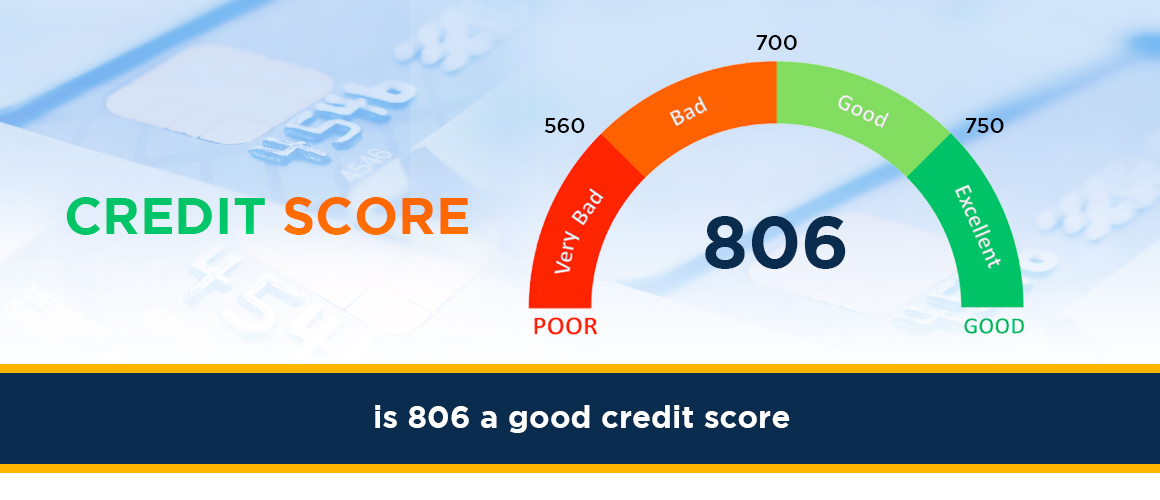
An 806 credit score is exceptionally high, placing you in the top tier of borrowers. This score signifies excellent financial responsibility and makes you a highly attractive candidate for lenders, opening doors to the best loan terms and rates available in 2025.
What is an 806 Credit Score?
An 806 credit score is a numerical representation of your creditworthiness, indicating a very low risk to lenders. It falls into the "Exceptional" or "Superprime" category, depending on the scoring model used. This score is the result of consistently responsible credit behavior over an extended period. Lenders view individuals with scores in this range as highly reliable borrowers who are very likely to repay their debts on time. In the competitive lending landscape of 2025, an 806 credit score is a significant asset, providing a substantial advantage when seeking any form of credit, from mortgages and auto loans to credit cards and personal loans.
The journey to an 806 credit score isn't typically achieved overnight. It's a testament to years of diligent financial management, demonstrating a deep understanding of how credit works and a commitment to maintaining a stellar financial reputation. This score suggests that you have a robust credit history, manage your debt effectively, and have a proven track record of meeting your financial obligations promptly. For lenders, this translates to a reduced risk of default, making them eager to offer you favorable terms and competitive interest rates.
Understanding what constitutes an 806 credit score is the first step. It’s not just a number; it's a powerful indicator of your financial health and a key that unlocks numerous financial opportunities. Whether you're planning a major purchase, looking to refinance existing debt, or simply want to ensure you have access to the best financial products, an 806 credit score is a goal worth striving for. It signifies not just good financial habits, but exceptional ones.
Understanding Credit Score Ranges
Credit scores are typically categorized into ranges, each representing a different level of credit risk. While the exact ranges can vary slightly between different credit scoring models (like FICO and VantageScore), the general consensus for 2025 is as follows:
| Score Range | Category | Description |
|---|---|---|
| 300-579 | Very Poor | Indicates significant credit risk; likely to face challenges obtaining credit. |
| 580-669 | Fair | May qualify for credit, but often with higher interest rates and less favorable terms. |
| 670-739 | Good | Generally considered good; qualifies for most standard loan products with reasonable rates. |
| 740-799 | Very Good | Excellent creditworthiness; qualifies for premium credit products and competitive rates. |
| 800-850 | Exceptional | Top-tier creditworthiness; qualifies for the best rates, terms, and rewards. |
As you can see, an 806 credit score comfortably sits within the "Exceptional" range. This is the highest possible tier, reserved for consumers who have demonstrated outstanding credit management over a long period. Scores in this range are highly sought after by lenders because they represent the lowest risk of default. Individuals with exceptional credit scores are typically offered the most competitive interest rates on mortgages, auto loans, and credit cards, often accompanied by attractive rewards programs and lower fees.
It's important to note that while 850 is the theoretical maximum score, achieving a score of 800 or above is considered excellent. The difference between an 806 and an 830, for instance, might be marginal in terms of immediate benefits, as both are firmly in the exceptional category. However, understanding these ranges helps contextualize where an 806 score stands in the broader credit landscape. It signifies not just a passing grade, but a top honor in financial responsibility.
The scoring models themselves, such as FICO and VantageScore, are proprietary algorithms that analyze your credit report data to generate these scores. While they use similar factors, their weighting and methodologies can differ slightly, leading to minor score variations across different reports and bureaus. However, the overarching message of an 806 score remains consistent: you are an exceptionally low-risk borrower.
Is 806 a Good Credit Score? The Verdict
Yes, an 806 credit score is not just good; it's exceptional. It is unequivocally one of the highest credit scores attainable. In the credit scoring system used by most lenders in 2025, a score of 800 and above is considered "Exceptional." This places you in the top echelon of consumers with the best credit histories and financial habits.
When lenders evaluate loan applications, they use credit scores as a primary indicator of risk. A score of 806 signals to them that you have a proven history of managing credit responsibly, paying bills on time, and maintaining a low credit utilization ratio. This significantly reduces the perceived risk for the lender, making them more willing to approve your applications and offer you the most favorable terms.
Consider this: the average credit score in the United States in early 2025 hovers around the mid-700s. An 806 score is considerably higher than the average, demonstrating a level of financial discipline that sets you apart. This score is a powerful tool that can save you thousands of dollars over the life of a loan due to lower interest rates.
For example, when applying for a 30-year mortgage of $300,000, a borrower with an 806 credit score might qualify for an interest rate of, say, 5.5%. A borrower with a "Good" score of 700 might be offered a rate of 6.5%. Over 30 years, this 1% difference translates to tens of thousands of dollars in savings. This is just one illustration of how a high credit score directly impacts your financial well-being.
Therefore, if you have an 806 credit score, you can be confident that you are in an excellent financial position. It signifies a strong financial foundation and opens up a world of opportunities for securing credit on the most advantageous terms. It's a score that many aspire to achieve and a clear indicator of excellent credit management.
The Perks of an 806 Credit Score
Possessing an 806 credit score unlocks a multitude of benefits, making it a significant advantage in nearly every aspect of your financial life. Lenders actively seek out borrowers with scores in this range because they represent the lowest risk. Here are some of the key advantages you can expect:
1. Access to the Best Interest Rates
This is arguably the most significant perk. With an 806 credit score, you will qualify for the lowest interest rates on mortgages, auto loans, personal loans, and credit cards. This can translate into substantial savings over the life of any loan. For instance, on a $300,000 mortgage, a difference of even 0.5% in interest rate can save you over $50,000 in interest payments over 30 years. In 2025, with fluctuating economic conditions, securing the lowest possible rate is crucial for maximizing your financial gains.
2. Higher Approval Odds
Lenders are much more likely to approve your applications for credit when you have an exceptional credit score. Whether you're applying for a new credit card, a car loan, or a mortgage, your 806 score significantly boosts your chances of getting approved, often with minimal scrutiny.
3. Favorable Loan Terms and Higher Credit Limits
Beyond just interest rates, lenders are often willing to offer more generous loan terms, such as longer repayment periods or lower down payment requirements, to borrowers with exceptional credit. You're also more likely to be approved for higher credit limits on credit cards, providing greater purchasing power and flexibility.
4. Premium Credit Card Rewards and Benefits
Top-tier credit cards, offering lucrative rewards like extensive travel points, generous cashback programs, airport lounge access, and premium concierge services, are typically reserved for individuals with excellent credit. An 806 score ensures you're eligible for these high-value cards.
5. Easier Approval for Rentals and Utilities
Landlords and utility companies often check credit scores to assess the reliability of potential tenants and customers. An 806 score can make it easier to secure rental apartments or homes, and you may be able to avoid security deposits for utilities like electricity, gas, or cell phone service.
6. Better Insurance Rates
In many states, insurance companies use credit-based insurance scores (which are derived from your credit history) to help determine premiums for auto and homeowners insurance. A higher credit score generally leads to lower insurance rates, as studies have shown a correlation between credit management and claim frequency.
7. Negotiating Power
When you have an exceptional credit score, you have more leverage to negotiate terms with lenders. You can confidently ask for better rates or terms, knowing that you are a highly desirable customer.
8. Financial Peace of Mind
Knowing you have an excellent credit score provides a sense of security. It means you have a strong financial safety net and are well-positioned to handle unexpected financial needs or seize opportunities that require good credit.
In essence, an 806 credit score acts as a financial passport, granting you access to the best financial products and services available, often with significant cost savings and added conveniences. It's a clear indicator of financial health and responsibility.
How to Achieve and Maintain an 806 Credit Score
Achieving and maintaining an 806 credit score requires consistent, responsible financial behavior. It's not about one-time actions but a sustained commitment to best practices. Here’s a breakdown of the key strategies:
1. Pay All Bills On Time, Every Time
Payment history is the single most important factor in your credit score, accounting for about 35% of it. Even a single late payment can significantly impact your score. Set up automatic payments or calendar reminders to ensure you never miss a due date for credit cards, loans, utilities, and rent. If you do miss a payment, pay it as soon as possible and contact the creditor to see if they can waive any late fees or prevent it from being reported to the credit bureaus.
2. Keep Credit Utilization Low
Credit utilization is the amount of credit you're using compared to your total available credit. It accounts for about 30% of your score. Aim to keep your credit utilization ratio below 30%, and ideally below 10%, on each credit card and across all your cards combined. For example, if you have a credit card with a $10,000 limit, try to keep your balance below $3,000, and even better, below $1,000.
Strategy:
- Make multiple small payments throughout the billing cycle rather than one large payment just before the due date.
- Request credit limit increases on existing cards, which can lower your utilization ratio if your spending remains the same.
- Avoid maxing out credit cards, even if you pay them off before the due date. The reported balance is what matters for your score.
3. Maintain a Long Credit History
The length of your credit history contributes about 15% to your score. This includes the age of your oldest account, the age of your newest account, and the average age of all your accounts. The longer you've managed credit responsibly, the better. Therefore, it's generally advisable to keep older, well-managed accounts open, even if you don't use them frequently.
Tip: Use an old, unused credit card for a small, recurring purchase (like a streaming service subscription) and automatically pay it off each month to keep the account active and demonstrate continued responsible usage.
4. Diversify Your Credit Mix
Having a mix of different types of credit, such as credit cards (revolving credit) and installment loans (like mortgages or auto loans), can positively impact your score, accounting for about 10%. Lenders like to see that you can manage various credit products responsibly. However, don't open new accounts solely for the sake of credit mix; this can be detrimental.
5. Limit New Credit Applications
Each time you apply for new credit, it typically results in a "hard inquiry" on your credit report, which can slightly lower your score. While the impact is usually minimal and temporary, applying for many new accounts in a short period can signal to lenders that you may be a higher risk. This factor accounts for about 10% of your score.
Best practice: Only apply for credit when you genuinely need it. When shopping for loans like mortgages or auto loans, try to do all your applications within a short timeframe (usually 14-45 days, depending on the scoring model) as scoring models often treat these as a single shopping experience.
6. Monitor Your Credit Reports Regularly
Obtain your free credit reports from each of the three major credit bureaus (Equifax, Experian, and TransUnion) at least annually via AnnualCreditReport.com. Review them carefully for any errors or inaccuracies, such as incorrect personal information, accounts you don't recognize, or incorrect payment statuses. Dispute any errors immediately with the credit bureaus and the creditor involved.
7. Avoid Closing Unused Credit Cards (with caveats)
Closing an old credit card can reduce your average account age and decrease your total available credit, potentially increasing your credit utilization ratio. If the card has no annual fee and you can manage it responsibly, keeping it open can be beneficial for your score. However, if an old card has a high annual fee or you struggle with the temptation to overspend on it, closing it might be the better financial decision, even if it has a minor impact on your score.
By consistently applying these strategies, you can not only achieve an 806 credit score but also maintain it over the long term, ensuring you continue to benefit from the advantages it offers.
Common Misconceptions About High Credit Scores
Despite the clear advantages, several misconceptions surround high credit scores like 806. Understanding these myths can help you navigate your credit journey more effectively.
Myth 1: You Need to Carry a Balance to Build Credit
This is a persistent myth. You do not need to carry a balance on your credit cards to build or maintain a good credit score. In fact, carrying a balance often means you're paying interest, which is a cost, not a benefit. The key factors are making on-time payments and keeping credit utilization low. Paying your statement balance in full each month is the ideal strategy.
Myth 2: Closing Old Credit Cards Will Immediately Boost Your Score
As discussed earlier, closing old credit cards can actually hurt your score by reducing your average account age and lowering your total available credit. While it might seem counterintuitive, keeping old, well-managed accounts open is generally beneficial for maintaining a high credit score.
Myth 3: Checking Your Own Credit Score Lowers It
There are two types of credit inquiries: hard and soft. Hard inquiries occur when a lender checks your credit for a new loan or credit card application. These can slightly lower your score. Soft inquiries, however, happen when you check your own credit score, or when a company checks your credit for pre-approval offers or background checks. Soft inquiries do not affect your credit score at all. It's crucial to check your own credit report and score regularly to monitor its health.
Myth 4: All Credit Scores Are the Same
There are different credit scoring models (FICO, VantageScore) and different versions of these models. Additionally, scores can vary slightly between the three major credit bureaus (Equifax, Experian, TransUnion) because their data might not be perfectly synchronized. While these variations are usually minor for individuals with excellent credit, it’s important to understand that there isn't a single, universal credit score.
Myth 5: A High Credit Score Guarantees Loan Approval
While an 806 credit score significantly increases your chances of approval, it's not an absolute guarantee. Lenders also consider other factors, such as your income, employment history, debt-to-income ratio, and the specific loan product you're applying for. For example, a lender might be hesitant to approve a very large loan if your income doesn't adequately support the monthly payments, even with an exceptional credit score.
Myth 6: You Need to Have a Lot of Debt to Have a Good Credit Score
This is another misconception. While managing different types of credit (credit mix) is a factor, it doesn't mean you need to carry substantial debt. Responsible management of revolving credit (like credit cards) with low utilization is far more important than having large balances on installment loans. In fact, keeping debt levels low is a hallmark of excellent credit management.
Dispelling these myths is essential for making informed decisions about your credit. An 806 score is built on responsible habits, not on carrying debt or making unnecessary applications.
What If My Score is Close to 806?
If your credit score is hovering just below the 800 mark, perhaps in the high 700s (e.g., 770, 780, 795), you are already in an excellent position. You likely qualify for most of the best rates and terms available. However, if your goal is specifically to reach or surpass 806, here are some targeted strategies:
1. Focus on Credit Utilization
If your credit utilization is above 10% on any card or across all cards, this is likely the quickest way to see an improvement. Aim to reduce your balances further. Even a small reduction from 15% to 10% can make a difference. Consider making payments before the statement closing date to ensure a lower balance is reported.
2. Ensure All Accounts Are Reporting Positively
Double-check your credit reports to ensure there are no minor blemishes or reporting errors that might be holding your score back. Sometimes, a slightly misreported payment or an old, minor delinquency that was resolved can still have a subtle impact.
3. Age Your Accounts
Time is a factor. If your credit history is relatively short, or if your oldest accounts are not very old, your score may naturally increase as these accounts age and demonstrate a longer track record of responsible use. There's no shortcut here; consistent good behavior over time is key.
4. Avoid Any New Negative Activity
At this stage, the priority is to protect your excellent score. Avoid any late payments, over-limit spending, or new credit applications unless absolutely necessary. Any new negative mark can be difficult to recover from when you're already at the top tier.
5. Consider a Secured Credit Card (Strategically)
This is less likely to be needed if you're already in the high 700s, but for some, a secured credit card used responsibly can help increase available credit and demonstrate continued positive behavior. However, this is a nuanced strategy and might not be necessary if you already have a good mix of credit and high limits.
6. Be Patient
Credit scores are dynamic. Even with an excellent score, slight fluctuations are normal. If you're already in the high 700s, a score of 806 is often just a matter of time and continued responsible behavior. Focus on maintaining your excellent habits, and the score will likely follow.
It's important to remember that the difference between a score of 790 and 806 might be minimal in terms of the actual benefits received from lenders. Both are considered exceptional. The primary goal should be to maintain financial health and responsible credit management, rather than chasing a specific number, though reaching 806 is certainly a commendable achievement.
Credit Score Factors and Their Impact
Understanding the components that make up your credit score is crucial for managing it effectively. The FICO scoring model, which is widely used, breaks down the score into five key categories:
1. Payment History (35% of score)
This is the most critical factor. It reflects whether you pay your bills on time. Late payments, defaults, bankruptcies, and collections can significantly damage your score. Conversely, a consistent history of on-time payments is the foundation of a good score.
- Positive Impact: On-time payments, no delinquencies.
- Negative Impact: Late payments (30, 60, 90+ days past due), collections, charge-offs, bankruptcies.
2. Amounts Owed (30% of score)
This category looks at how much debt you carry, particularly your credit utilization ratio. A lower utilization ratio (the amount of credit you're using versus your total available credit) is better. High balances on credit cards can signal financial distress to lenders.
- Positive Impact: Low credit utilization ratio (ideally below 10%), low overall debt.
- Negative Impact: High credit utilization ratio (above 30%), maxed-out credit cards, high total debt.
3. Length of Credit History (15% of score)
This factor considers the age of your oldest credit account, the age of your newest account, and the average age of all your accounts. A longer credit history generally indicates more experience managing credit, which is viewed favorably.
- Positive Impact: Older accounts in good standing, longer average account age.
- Negative Impact: Short credit history, closing older accounts that significantly reduces average age.
4. Credit Mix (10% of score)
Lenders like to see that you can manage different types of credit responsibly. This includes revolving credit (credit cards) and installment loans (mortgages, auto loans, student loans). A diverse mix can be beneficial, but it's not as important as payment history or amounts owed.
- Positive Impact: Having both revolving credit and installment loans managed well.
- Negative Impact: Having only one type of credit, or managing multiple types poorly.
5. New Credit (10% of score)
This category considers how many new credit accounts you've opened recently and how many hard inquiries are on your report. Opening many new accounts in a short period can be seen as a sign of increased risk. However, rate shopping for mortgages or auto loans within a short period is usually treated as a single inquiry.
- Positive Impact: Few recent inquiries, opening new accounts only when needed.
- Negative Impact: Multiple hard inquiries in a short period, opening many new accounts quickly.
Understanding these weights helps you prioritize your credit management efforts. For an 806 credit score, you are likely excelling in all these categories, particularly payment history and amounts owed.
Credit Reports and Disputes
Your credit report is a detailed record of your credit history, compiled by the three major credit bureaus: Equifax, Experian, and TransUnion. It contains information such as your personal details, account history (loans, credit cards), inquiries, and public records (like bankruptcies). Your credit score is calculated based on the information in this report.
Accessing Your Credit Reports
You are entitled to a free credit report from each of the three bureaus every 12 months. The official website to request these is AnnualCreditReport.com. It's crucial to check these reports regularly, especially if you have an excellent score, to ensure accuracy and to spot any potential fraudulent activity.
What to Look For on Your Credit Report
- Personal Information: Ensure your name, address, Social Security number, and employment history are accurate.
- Account Information: Verify that all credit accounts listed are yours and that the balances, credit limits, and payment statuses (e.g., "current," "paid as agreed") are correct.
- Inquiries: Review the list of who has accessed your credit report. You should recognize most of them (e.g., lenders you applied to). An unusual number of hard inquiries could be a red flag.
- Public Records: Check for any public records like bankruptcies, liens, or judgments. These should be accurate and removed after the statutory period.
Disputing Errors
If you find any inaccuracies on your credit report, you have the right to dispute them. The process typically involves:
- Identify the Error: Clearly note down the incorrect information on your report.
- Contact the Credit Bureau: You can file a dispute online, by mail, or by phone with the respective credit bureau. Provide all relevant documentation supporting your claim.
- Contact the Creditor: You should also contact the company that provided the information to the credit bureau (e.g., your credit card company) to inform them of the error and request a correction.
Credit bureaus are required to investigate your dispute within a reasonable timeframe, usually 30 days (or 45 days for initial reports). If the information is found to be inaccurate, it must be corrected or removed from your report. For individuals with an 806 score, ensuring the accuracy of their report is vital to maintain that standing.
Credit Score Monitoring in 2025
In 2025, credit score monitoring has become more accessible and sophisticated than ever. Regularly tracking your credit score is an essential practice for anyone aiming to achieve or maintain an exceptional score like 806. Here's why and how:
Why Monitor Your Credit Score?
- Detect Fraud and identity theft: Sudden, unexplained drops in your score or new accounts you don't recognize can be early indicators of identity theft.
- Track Progress: Monitoring allows you to see how your financial habits are impacting your score and to celebrate improvements.
- Identify Errors: It helps you catch any inaccuracies on your credit report that could be negatively affecting your score.
- Stay Informed: Understand how different financial actions (like applying for a new card or paying down debt) influence your score.
Methods for Monitoring Your Credit Score in 2025
- Free Credit Score Services: Many credit card issuers and financial institutions offer free access to your credit score through their online portals or mobile apps. These scores are often VantageScore or a specific FICO score version. While not always the exact score a lender might use, they provide a very good indication of your credit health.
- credit monitoring Services: Numerous paid services offer more comprehensive credit monitoring. These often include real-time alerts for changes to your credit report, identity theft protection, and access to all three credit bureau reports. Examples include services from Experian, TransUnion, Equifax, and third-party providers.
- AnnualCreditReport.com: As mentioned, use this official source to get your full credit reports annually. While it doesn't provide a score directly, it's essential for a complete picture and for identifying issues that affect your score.
What to Do with Monitoring Information
When you monitor your score, pay attention to:
- Score Changes: Understand why your score might have moved up or down.
- New Inquiries: Be aware of any new hard inquiries that you didn't authorize.
- Changes to Accounts: Look for any unexpected changes in account statuses or balances.
For someone with an 806 credit score, consistent monitoring is about safeguarding that exceptional status and ensuring no external factors or errors compromise it. It's a proactive approach to maintaining financial excellence.
Conclusion: Your 806 Credit Score Journey
An 806 credit score is a remarkable achievement, placing you in the elite category of consumers with exceptional creditworthiness. It signifies a deep understanding of credit management and a consistent commitment to responsible financial behavior. This score is your golden ticket, unlocking the best interest rates, favorable loan terms, higher credit limits, and access to premium financial products available in 2025. The benefits extend beyond just securing loans; they can influence insurance premiums and even rental applications, providing a significant financial advantage and peace of mind.
Achieving and maintaining this score is a testament to prioritizing on-time payments, keeping credit utilization low, maintaining a long credit history, diversifying your credit mix, and being judicious with new credit applications. It requires diligence and a proactive approach, including regular monitoring of your credit reports and scores to catch any errors or potential fraud. Remember that your credit score is a dynamic reflection of your financial habits, and consistent positive actions are key to its strength.
If your score is already close to 806, focus on refining your habits, particularly regarding credit utilization, and patiently allow time to further solidify your credit history. Continue to be vigilant about accuracy on your credit reports. For those aspiring to reach this level, the path is clear: consistent, responsible credit management over time. An 806 credit score is more than just a number; it's a powerful financial tool that, when managed wisely, can significantly enhance your financial well-being and open doors to opportunities that others can only dream of.
