Is 811 a Good Credit Score? Exploring the Importance of a High Credit Score
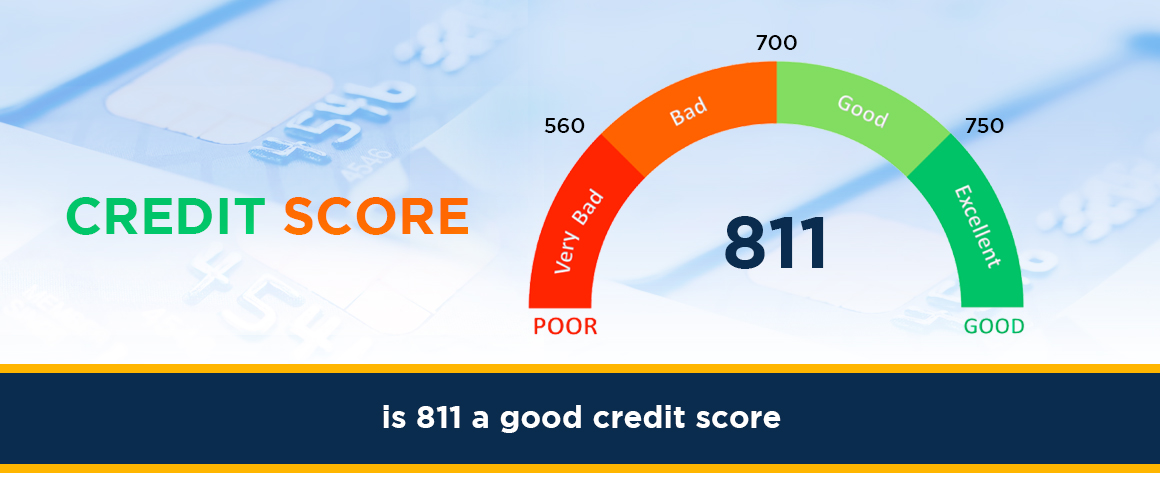
Understanding your credit score is crucial for financial well-being. An 811 credit score is exceptionally high, placing you in the top tier of borrowers. This guide explores what an 811 score signifies and why achieving and maintaining such a high credit rating opens doors to unparalleled financial opportunities in 2025.
What is an 811 Credit Score?
An 811 credit score is a remarkable achievement, signifying an extremely low risk to lenders. In the realm of credit reporting agencies like FICO and VantageScore, scores typically range from 300 to 850. An 811 falls squarely within the "Exceptional" or "Excellent" category, indicating a history of responsible credit management. This score suggests you have consistently paid bills on time, managed debt wisely, and demonstrated a long-standing pattern of reliability. For lenders, this translates to a borrower who is highly likely to repay borrowed funds, making them an ideal candidate for the best financial products and terms available in the market.
Credit Score Ranges and What They Mean
Credit scores are numerical representations of your creditworthiness, designed to help lenders assess the risk associated with lending you money. While specific ranges can vary slightly between scoring models (like FICO and VantageScore), the general classifications remain consistent. Understanding these ranges is key to appreciating the significance of an 811 score.
FICO Score Ranges (as of 2025 data)
The FICO score is the most widely used credit scoring model in the United States. Its ranges are generally categorized as follows:
| Score Range | Category | Likelihood of Delinquency |
|---|---|---|
| 800-850 | Exceptional | Very Low |
| 740-799 | Very Good | Low |
| 670-739 | Good | Moderate |
| 580-669 | Fair | High |
| 300-579 | Poor | Very High |
VantageScore Ranges (as of 2025 data)
VantageScore is another popular credit scoring model, often used by credit card companies and lenders. Its ranges are similar:
| Score Range | Category | Risk Level |
|---|---|---|
| 781-850 | Excellent | Minimal Risk |
| 661-780 | Good | Moderate Risk |
| 601-660 | Fair | Substantial Risk |
| 500-600 | Poor | High Risk |
As you can see, an 811 score consistently places you at the pinnacle of creditworthiness, regardless of the scoring model used. It signifies that you are among the most reliable borrowers in the country.
Why an 811 Score is Considered Excellent
An 811 credit score is not just good; it's exceptional. This score signifies a near-perfect track record of financial responsibility. Lenders view individuals with scores in the high 700s and 800s as having a virtually negligible risk of default. This perception is built upon several key factors that contribute to a high credit score:
Payment History: The Cornerstone
The most significant factor influencing your credit score is your payment history. Consistently making payments on time, every time, for all your credit obligations (credit cards, loans, mortgages) is paramount. An 811 score indicates an impeccable payment history, with no late payments, defaults, or collections reported in recent years. This demonstrates to lenders that you are dependable and can be trusted with borrowed money.
credit utilization: Managing Debt Wisely
Credit utilization refers to the amount of credit you are using compared to your total available credit. Keeping this ratio low, ideally below 30% and even better below 10%, is crucial. An 811 score suggests that you are not maxing out your credit cards and are using your credit lines responsibly. This indicates you have access to credit but don't rely heavily on it, which is a sign of financial discipline.
Length of Credit History: Building Trust Over Time
The longer you have managed credit accounts responsibly, the more information lenders have to assess your behavior. An established credit history shows a pattern of good financial habits over an extended period. Individuals with scores like 811 often have credit accounts that have been open and well-managed for many years, sometimes decades. This longevity builds a strong foundation of trust.
Credit Mix: Demonstrating Versatility
Having a mix of different types of credit, such as revolving credit (credit cards) and installment loans (mortgages, auto loans, personal loans), can positively impact your score. It shows that you can manage various credit products responsibly. An 811 score implies you have successfully managed different credit types, proving your adaptability and financial maturity.
New Credit: Prudence in Applications
While opening new credit accounts can be beneficial for building credit, applying for too many at once can negatively affect your score. An 811 score suggests that you are judicious about opening new credit lines, only doing so when necessary and after careful consideration. This indicates a thoughtful approach to managing your credit profile.
In essence, an 811 credit score is a testament to years of diligent financial behavior. It's not a score that is typically achieved overnight but rather through consistent, responsible credit management over a significant period. This makes it a highly valuable asset in the financial landscape.
The Unparalleled Benefits of an 811 Credit Score
Possessing an 811 credit score unlocks a world of financial advantages that are simply not available to individuals with average or below-average credit. This score positions you as a prime candidate for the most favorable terms and lowest interest rates across a wide spectrum of financial products. Here’s a breakdown of the significant benefits you can expect in 2025:
Mortgage Loans: Securing Your Dream Home
For those looking to purchase a home, an 811 credit score is a golden ticket. You'll qualify for the lowest available mortgage interest rates, which can save you tens of thousands of dollars over the life of a 30-year loan. For instance, a 0.5% difference in interest rate on a $300,000 mortgage can save you over $50,000 in interest payments. Furthermore, you'll likely face fewer hurdles in the approval process and may be able to secure a larger loan amount. Many lenders also waive or reduce private mortgage insurance (PMI) for borrowers with excellent credit, further reducing your monthly housing costs.
Auto Loans: Driving a Better Deal
When purchasing a vehicle, a high credit score like 811 translates to significantly lower auto loan interest rates. This means your monthly car payments will be lower, and the total cost of the vehicle will be reduced. Lenders are eager to offer their best rates to borrowers with exceptional credit because the risk of default is minimal. You might even find dealers offering special financing incentives exclusively for customers with top-tier credit scores.
Credit Cards: Premium Rewards and Perks
The best rewards credit cards, offering lucrative cashback, travel points, and premium perks like airport lounge access, travel insurance, and concierge services, are almost exclusively reserved for individuals with excellent credit. An 811 score makes you a prime candidate for these top-tier cards. You'll also benefit from higher credit limits, providing greater purchasing power and potentially improving your credit utilization ratio if managed wisely.
Personal Loans: Flexible and Affordable Borrowing
Whether you need funds for a renovation, debt consolidation, or an unexpected expense, an 811 credit score ensures you can secure personal loans with the most competitive interest rates and flexible repayment terms. This can make a significant difference in the overall cost of borrowing, especially for larger loan amounts.
Lower Insurance Premiums
In many states, insurance companies use credit-based insurance scores to help determine premiums for auto and homeowners insurance. A high credit score like 811 often leads to lower insurance rates because statistical data suggests that individuals with better credit tend to file fewer claims. This is a less obvious but very real financial benefit of maintaining excellent credit.
Rental Applications: Standing Out from the Crowd
Landlords often check credit scores when evaluating rental applications. A high score like 811 can make your application stand out, giving you an advantage over other prospective tenants, especially in competitive rental markets. It signals to the landlord that you are a responsible individual who pays bills on time, making you a desirable tenant.
Negotiating Power: More Leverage
When you have an 811 credit score, you have significant negotiating power. Lenders and creditors recognize your value and are often willing to offer better terms, lower fees, and more favorable conditions to secure your business. You are not just a borrower; you are a highly sought-after customer.
Peace of Mind: Financial Security
Beyond the tangible financial savings, an excellent credit score provides immense peace of mind. Knowing that you have the financial flexibility to handle unexpected emergencies, qualify for favorable loans when needed, and generally navigate the financial world with ease contributes significantly to your overall financial security and well-being.
In summary, an 811 credit score is not merely a number; it's a powerful financial tool that opens doors to opportunities, saves you substantial amounts of money, and provides a strong foundation for achieving your financial goals.
How to Achieve and Maintain an 811 Score
Achieving and maintaining an 811 credit score requires consistent, disciplined financial habits. While there's no magic formula, adhering to best practices in credit management will pave the way. Here’s a step-by-step guide:
Step 1: Pay All Bills On Time, Every Time
This is the absolute most critical factor. Set up automatic payments for all your credit accounts, including credit cards, loans, and mortgages. If you prefer manual payments, create calendar reminders or use budgeting apps to ensure you never miss a due date. Even a single late payment by 30 days can significantly damage your score, making it much harder to reach and maintain an 811.
Step 2: Keep Credit Utilization Low
Aim to keep your credit utilization ratio below 30% on each credit card and across all your cards combined. For an 811 score, it's even better to aim for below 10%. If you have a $10,000 credit limit, try to keep your balance below $1,000. If you tend to carry balances, consider paying down debt strategically or requesting a credit limit increase on existing cards (if you can trust yourself not to spend more).
Example:
If you have a credit card with a $5,000 limit and a balance of $1,500, your utilization is 30%. To get below 10%, you'd want to keep the balance below $500.
Step 3: Maintain a Long Credit History
The longer you've had credit accounts open and in good standing, the better. Avoid closing old credit card accounts, especially if they have no annual fee and are in good standing. This helps maintain your average age of accounts, a factor that contributes positively to your score. If an old card has a high annual fee you no longer wish to pay, consider downgrading to a no-fee option rather than closing it entirely.
Step 4: Diversify Your Credit Mix (Strategically)
Having a mix of credit types (e.g., credit cards, installment loans like a mortgage or auto loan) can be beneficial. However, don't open new accounts solely to diversify your credit mix if you don't need them. The positive impact of credit mix is less significant than payment history and credit utilization. Focus on managing the credit you have responsibly.
Step 5: Be Prudent with New Credit Applications
Each time you apply for new credit, a hard inquiry is typically placed on your credit report, which can slightly lower your score. Avoid applying for multiple credit accounts in a short period. Only apply for credit when you genuinely need it and after researching which lenders are likely to approve you. Pre-qualification tools can help you gauge your chances without a hard inquiry.
Step 6: Regularly Monitor Your Credit Reports
Obtain your free credit reports from AnnualCreditReport.com at least once a year from each of the three major credit bureaus (Equifax, Experian, and TransUnion). Review them carefully for any errors, inaccuracies, or fraudulent activity. Dispute any errors immediately with the credit bureau and the creditor involved. Errors can unfairly drag down your score.
Step 7: Understand Your Credit Score Factors
Knowing what influences your score helps you prioritize your efforts. As mentioned, payment history and credit utilization are the most impactful. The other factors include the length of your credit history, credit mix, and new credit. Focusing on the top two will yield the most significant results.
Step 8: Avoid High-Risk Behaviors
This includes things like taking out payday loans, defaulting on payments, having accounts sent to collections, or filing for bankruptcy. These actions have severe and long-lasting negative impacts on your credit score, making it incredibly difficult to climb back into the excellent range.
Step 9: Consider Credit-Building Tools (If Necessary)
If you are starting with a lower score or have limited credit history, tools like secured credit cards or credit-builder loans can help. These products report your payment activity to the credit bureaus, allowing you to build a positive credit history over time. Once you've established a good track record, you can transition to traditional credit products.
Maintaining an 811 score is an ongoing commitment. It's about building and reinforcing habits that demonstrate financial responsibility and trustworthiness to lenders. It’s a marathon, not a sprint, and the rewards are substantial.
Common Misconceptions About High Credit Scores
Despite the clear advantages, there are several persistent myths surrounding high credit scores, like an 811. Understanding these misconceptions can help you make more informed financial decisions and avoid common pitfalls.
Misconception 1: You Need to Carry a Balance to Build Credit
This is perhaps the most damaging misconception. You do *not* need to carry a balance on your credit cards to build a good credit score. In fact, carrying balances and paying interest is detrimental to your financial health. The key to building credit is making on-time payments. Keeping your credit utilization low by paying your statement balance in full each month is the most effective and cost-efficient strategy. Lenders look for responsible repayment, not for you to pay them interest unnecessarily.
Misconception 2: Closing Old Credit Cards Will Immediately Boost Your Score
While closing unused credit cards might seem like a good way to simplify finances, it can actually hurt your score. Closing an account can reduce your average age of credit history and, more significantly, decrease your total available credit. This can increase your credit utilization ratio, negatively impacting your score. It's generally advisable to keep old, unused credit cards open, especially if they have no annual fee, to maintain a healthy credit profile.
Misconception 3: Checking Your Own Credit Score Hurts Your Score
There are two types of credit inquiries: hard and soft. Hard inquiries occur when a lender checks your credit for a loan or credit card application, and they can slightly lower your score. Soft inquiries, which happen when you check your own credit score or when a company checks it for pre-approval offers or background checks, do not affect your score at all. You can and should check your credit score and reports regularly without fear of penalty.
Misconception 4: All Credit Scores Are the Same
As discussed earlier, there are different scoring models (FICO, VantageScore) and various versions of these models used by different lenders. Your score can vary slightly depending on which model and version is used. Additionally, your credit reports from Equifax, Experian, and TransUnion can sometimes contain different information, leading to score variations. It's important to be aware that your "credit score" isn't a single, universal number.
Misconception 5: A High Credit Score Guarantees Loan Approval
While an 811 credit score significantly increases your chances of loan approval and secures the best terms, it is not an absolute guarantee. Lenders also consider other factors such as your income, employment history, debt-to-income ratio, and the specific loan product you're applying for. A lender might deny a loan even to someone with an excellent credit score if other financial indicators suggest too much risk for their lending criteria.
Misconception 6: You Can "Buy" a Good Credit Score
There are no legitimate services that can instantly improve your credit score or "buy" you a good score. Services that promise such outcomes are often scams. Building a strong credit score is a gradual process that involves consistent, responsible financial behavior over time. Be wary of any company that asks for upfront fees to fix your credit.
Misconception 7: Having Many Credit Cards is Always Bad
The number of credit cards you have is less important than how you manage them. If you have multiple credit cards and use them responsibly, paying them off on time and keeping utilization low, it can be a positive sign to lenders. It demonstrates your ability to manage various credit lines. The key is responsible usage, not the sheer number of accounts.
Dispelling these myths is crucial for anyone aiming for or maintaining an excellent credit score. Understanding the reality behind credit scoring empowers you to make smarter financial decisions.
What If Your Score is Lower Than 811?
If your current credit score is below 811, don't despair. The journey to an excellent credit score is achievable for most individuals with a commitment to sound financial practices. The strategies outlined in the "How to Achieve and Maintain an 811 Score" section are your roadmap. The key is to identify the areas where your credit profile can be improved and to implement consistent changes.
Identify the Root Cause
Start by obtaining your credit reports from Equifax, Experian, and TransUnion. Review them for any negative marks such as late payments, high credit utilization, collections, or public records (like bankruptcies or judgments). Understanding what's holding your score back is the first step to addressing it.
Prioritize Key Actions
If your payment history is the issue, focus relentlessly on making all future payments on time. If credit utilization is high, work on paying down balances or requesting credit limit increases. If your credit history is short, focus on responsible use of existing accounts and consider adding a secured credit card or credit-builder loan.
Be Patient and Persistent
Credit scores don't change overnight. It takes time and consistent effort to see significant improvements. Negative marks can stay on your report for up to seven years (though their impact lessens over time), while positive actions build your score gradually. Celebrate small victories and stay committed to your plan.
Seek Professional Guidance If Needed
If you're struggling to understand your credit report or develop an effective strategy, consider consulting a reputable non-profit credit counseling agency. They can provide personalized advice and help you create a budget and debt management plan. Be cautious of for-profit credit repair companies, as many are scams or offer services you can perform yourself for free.
Focus on the Journey, Not Just the Destination
Even if you don't reach an 811 score immediately, improving your credit from "Fair" to "Good" or "Very Good" can unlock significant financial benefits. Aiming for incremental improvements can make the process less daunting and more rewarding.
Remember, an 811 credit score is an aspirational goal that signifies exceptional financial health. By understanding the factors that influence your score and implementing disciplined financial habits, you can steadily work towards achieving and maintaining this coveted status, opening up a world of financial advantages.
Conclusion
An 811 credit score is an outstanding financial achievement, placing you in the top echelon of creditworthy individuals. It signifies a history of impeccable financial responsibility, characterized by on-time payments, low credit utilization, and a long, well-managed credit history. This exceptional score is not merely a number; it's a powerful tool that unlocks unparalleled benefits, including the lowest interest rates on mortgages and auto loans, access to premium credit cards with lucrative rewards, and greater negotiating power with lenders. In 2025, maintaining such a score is more advantageous than ever, offering substantial savings and financial flexibility. While achieving and sustaining an 811 score requires consistent discipline, understanding its importance and adhering to best practices in credit management—paying bills on time, keeping balances low, and monitoring your credit reports—will pave the way. Even if your current score is lower, remember that consistent effort and strategic financial habits can lead to significant improvements over time. Embrace the journey of building and maintaining excellent credit; the rewards are well worth the commitment.
