Is 819 a Good Credit Score? Understanding the Importance of a High Credit Score
Is 819 a Good Credit Score? Understanding the Importance of a High Credit Score
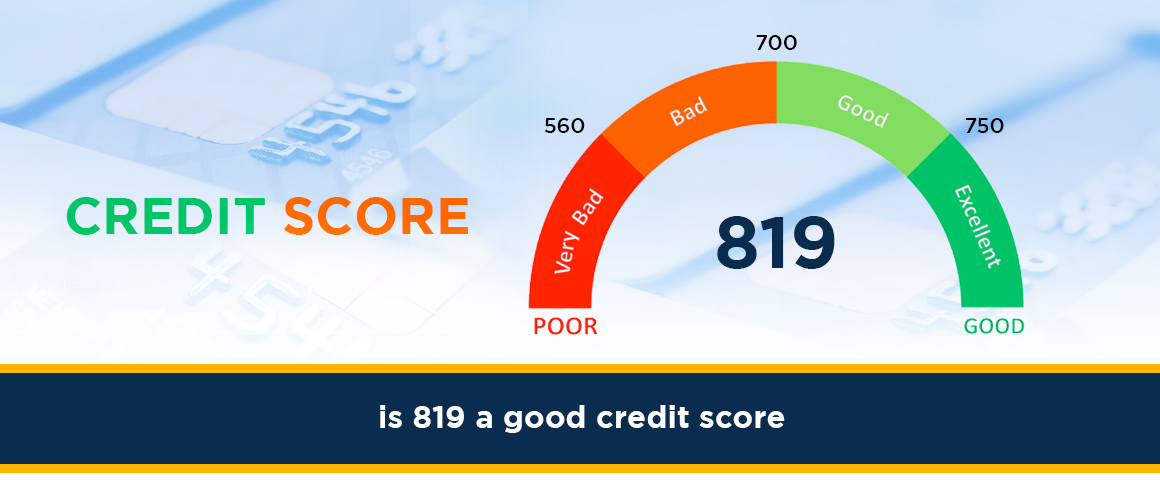
Achieving an 819 credit score places you in an elite category, signifying exceptional financial responsibility. This score unlocks the best lending terms and demonstrates a strong credit history, making it significantly easier to secure loans, mortgages, and even rent an apartment. Understanding its value is crucial for leveraging your financial standing.
Credit Score Basics: What Are They and Why Do They Matter?
In the complex world of personal finance, a credit score often acts as a financial passport. It's a three-digit number that lenders, landlords, and even some employers use to assess your creditworthiness – essentially, how likely you are to repay borrowed money. This score is a snapshot of your financial behavior over time, compiled from information found in your credit reports. Understanding what a credit score is and why it's so important is the first step toward managing your financial health effectively.
What Exactly is a Credit Score?
A credit score is a numerical representation of your credit risk. It's calculated by credit bureaus, such as Equifax, Experian, and TransUnion, using sophisticated scoring models like FICO and VantageScore. These models analyze your credit history to predict the probability that you will default on a loan within the next 24 months. The higher your score, the lower your perceived risk to lenders.
The Role of Credit Bureaus
Credit bureaus are private companies that collect and maintain detailed records of consumers' credit histories. They gather information from lenders, creditors, and public records. When you apply for credit, lenders will typically pull your credit report from one or more of these bureaus to assess your financial standing. The accuracy and completeness of the information in your credit report directly impact your credit score.
Why Do Credit Scores Matter So Much?
The significance of a credit score extends far beyond just borrowing money. It influences many aspects of your financial life:
- Loan Approvals: A good credit score is essential for getting approved for mortgages, auto loans, personal loans, and credit cards.
- Interest Rates: A higher score often means lower interest rates on loans, saving you thousands of dollars over the life of the loan.
- Rental Applications: Landlords frequently check credit scores to gauge a tenant's reliability in paying rent.
- Insurance Premiums: In many states, insurance companies use credit-based insurance scores to determine premiums for auto and homeowner's insurance.
- Employment: Some employers, particularly in sensitive positions, may review credit reports as part of their background checks.
- Utility Services: Utility companies might require a security deposit if you have a low credit score.
In essence, your credit score is a critical indicator of your financial responsibility and can significantly impact your ability to achieve major life goals, from buying a home to starting a business.
Understanding Credit Score Ranges
Credit scores are not static; they exist within defined ranges, each signifying a different level of creditworthiness. While the exact ranges can vary slightly between scoring models, they generally fall into broad categories that help lenders and consumers interpret the numbers. Understanding these ranges is vital for knowing where you stand and what you need to do to improve or maintain your financial health.
The FICO Score Range
The FICO score is the most widely used credit scoring model in the United States. Its standard range is from 300 to 850. Here's a general breakdown of FICO score categories:
- Exceptional: 800-850. This is the highest tier, indicating an extremely low risk to lenders.
- Very Good: 740-799. Still excellent, offering access to favorable loan terms.
- Good: 670-739. Generally considered a solid score, allowing for decent loan options.
- Fair: 580-669. May qualify for loans, but often with higher interest rates and less favorable terms.
- Poor: 300-579. Indicates high risk, making it very difficult to obtain credit.
The VantageScore Range
VantageScore is another popular credit scoring model, developed collaboratively by Equifax, Experian, and TransUnion. Its range is also typically 300 to 850, with similar interpretations to FICO, though the specific category names might differ slightly. VantageScore's categories often include:
- Excellent: 781-850
- Good: 661-780
- Fair: 601-660
- Poor: 500-600
- Very Poor: 300-499
It's important to note that while the ranges are similar, your FICO score and VantageScore can differ because they use slightly different algorithms and data weighting.
Interpreting Your Score
Knowing where your score falls within these ranges is crucial. A score in the "Fair" category might be sufficient for some basic credit needs, but it won't unlock the best rates. Conversely, scores in the "Very Good" or "Exceptional" tiers open doors to premium financial products and significant cost savings. The goal for most individuals should be to reach and maintain a score in the "Good" to "Exceptional" range.
Why the Distinction Matters
Lenders use these ranges to make quick decisions about loan applications. A borrower with an "Exceptional" score is seen as a reliable bet, while someone with a "Poor" score is considered a significant risk. The difference in interest rates between these categories can be substantial. For example, a mortgage with a 7% interest rate over 30 years on a $300,000 loan will cost significantly more in total interest than the same loan at a 5% interest rate.
So, Is 819 a Good Credit Score?
The answer is a resounding YES. An 819 credit score is not just good; it is exceptional. In fact, it's at the very top of the credit score spectrum. Both FICO and VantageScore models consider scores in the 800s to be the highest attainable, representing the most creditworthy borrowers.
What an 819 Score Signifies
Possessing an 819 credit score indicates that you have demonstrated a long-standing pattern of responsible financial behavior. This includes:
- Consistent On-Time Payments: You have a history of paying all your bills, including credit cards, loans, and mortgages, by their due dates.
- Low credit utilization: You likely keep your credit card balances very low relative to their credit limits.
- Responsible Credit Mix: You may have a variety of credit accounts (e.g., credit cards, installment loans) managed well.
- Limited Negative Marks: Your credit report is likely free of significant negative items like bankruptcies, foreclosures, or collection accounts.
- Long Credit History: You've had credit accounts open and in good standing for an extended period.
This score essentially tells lenders that you are an extremely low-risk borrower, making you highly desirable for any type of credit product.
What You Can Expect with an 819 Score
With an 819 credit score, you are in a prime position to benefit from the best financial products available. You can expect:
- Lowest Interest Rates: You will qualify for the lowest advertised interest rates on mortgages, auto loans, personal loans, and credit cards. This can save you tens of thousands of dollars over time.
- Higher Credit Limits: Lenders are more willing to extend generous credit limits on credit cards and lines of credit.
- Easier Loan Approvals: Your applications for loans and credit cards will likely be approved with minimal scrutiny.
- Favorable Terms: You can often negotiate better terms on loans, such as lower fees or more flexible repayment options.
- Rental and Housing Advantages: Landlords will view you as a highly reliable tenant, making it easier to secure desirable rental properties.
- Better Insurance Rates: You may qualify for lower premiums on auto and homeowner's insurance.
In short, an 819 credit score opens doors to the most advantageous financial opportunities and provides a significant cushion of financial flexibility.
Comparing 819 to Other Scores
To put an 819 score into perspective, consider the following:
| Score Range | Category | Implication |
|---|---|---|
| 800-850 | Exceptional | Best rates, highest limits, easiest approvals. 819 falls here. |
| 740-799 | Very Good | Excellent rates, good limits, generally easy approvals. |
| 670-739 | Good | Decent rates and terms, most approvals possible. |
| 580-669 | Fair | Higher interest rates, potentially stricter terms, some denials. |
| 300-579 | Poor | Difficult to get credit, very high rates, significant risk. |
As you can see, an 819 score places you at the pinnacle of creditworthiness, offering advantages that those with lower scores can only dream of. It's a testament to excellent financial management.
Key Factors That Influence Your Credit Score
While an 819 score is fantastic, understanding how it's built is crucial for maintaining it. Credit scoring models are complex, but they primarily weigh five key factors. By managing these elements effectively, you can ensure your score remains high or improve it if it's not yet in the optimal range.
1. Payment History (Approximately 35% of Score)
This is the most significant factor. It reflects whether you pay your bills on time. Late payments, missed payments, defaults, bankruptcies, and collections can severely damage your score. Conversely, a consistent record of on-time payments is the bedrock of a good credit score.
- What it means: Every payment you make on time builds positive history. Even one 30-day late payment can have a noticeable negative impact.
- For an 819 score: This means a spotless payment history, with zero late payments reported for all credit accounts over many years.
- Actionable Tip: Set up automatic payments or reminders for all your bills. If you miss a payment, pay it as soon as possible to minimize the negative impact.
2. Amounts Owed (Credit Utilization) (Approximately 30% of Score)
This factor looks at how much debt you carry, particularly on revolving credit like credit cards. Credit utilization ratio (CUR) is the amount of credit you're using compared to your total available credit. Experts recommend keeping your CUR below 30%, but for top scores, it should be much lower, ideally below 10%.
- What it means: Using a large portion of your available credit can signal to lenders that you are overextended and potentially a higher risk.
- For an 819 score: This indicates very low balances across all credit cards, often well below 10% of the credit limit, even if you have high credit limits.
- Actionable Tip: Pay down credit card balances strategically. Consider requesting credit limit increases on existing cards (if you can resist the temptation to spend more) to lower your utilization ratio.
3. Length of Credit History (Approximately 15% of Score)
This factor considers how long your credit accounts have been open and the average age of your accounts. A longer credit history generally indicates more experience managing credit, which is viewed favorably.
- What it means: Older accounts, managed responsibly, contribute positively to your score. Closing old accounts, especially those with no annual fee, can shorten your average credit history length.
- For an 819 score: This suggests you have maintained credit accounts for a significant number of years, demonstrating long-term financial responsibility.
- Actionable Tip: Keep older, well-managed credit accounts open, even if you don't use them frequently.
4. Credit Mix (Approximately 10% of Score)
This factor assesses the variety of credit accounts you have. Lenders like to see that you can manage different types of credit, such as revolving credit (credit cards) and installment loans (mortgages, auto loans, personal loans).
- What it means: Having a mix of credit types can be beneficial, but it's not essential to have all types. The key is managing them well. Don't open new accounts solely to improve your credit mix if you don't need them.
- For an 819 score: This might mean you have a healthy mix of credit, but it's more likely that excellent management of your existing accounts is the primary driver.
- Actionable Tip: Focus on managing the credit you have responsibly. Don't open new accounts just for the sake of mix unless it aligns with your financial goals.
5. New Credit (Approximately 10% of Score)
This factor looks at how many new credit accounts you've opened recently and how many hard inquiries you have on your credit report. Opening many new accounts in a short period can signal increased risk.
- What it means: Applying for multiple credit cards or loans in a short timeframe can lower your score temporarily.
- For an 819 score: This indicates you haven't been opening numerous new accounts or applying for credit excessively.
- Actionable Tip: Apply for new credit only when necessary. Space out applications for credit over time.
Understanding these factors is the foundation for both achieving and maintaining a high credit score like 819. It’s about consistent, responsible financial habits.
The Tangible Benefits of a High Credit Score
We've touched upon the advantages of an 819 credit score, but let's delve deeper into the tangible financial benefits. Having an exceptional credit score isn't just about bragging rights; it translates into real money saved and greater financial freedom. In 2025, the impact of a high score is more pronounced than ever, as lenders increasingly rely on creditworthiness to mitigate risk in a dynamic economic landscape.
Mortgage Approval and Savings
Securing a mortgage is one of the biggest financial endeavors for most individuals. An 819 credit score is your golden ticket to the best mortgage rates. Let's look at the potential savings on a $300,000, 30-year fixed-rate mortgage in 2025:
| Credit Score | Interest Rate (Estimated 2025) | Monthly Payment | Total Interest Paid (30 Years) |
|---|---|---|---|
| 819 (Exceptional) | 5.5% | $1,697.75 | $311,190 |
| 720 (Good) | 6.5% | $1,896.24 | $382,646 |
| 650 (Fair) | 7.5% | $2,097.75 | $455,190 |
As this table illustrates, an 819 score can save you over $70,000 in interest payments compared to someone with a "Fair" credit score. This is a substantial amount that can be used for other financial goals or simply improve your overall financial well-being.
Auto Loans with Lower Payments
Purchasing a vehicle is another significant expense. A higher credit score translates directly into lower interest rates on auto loans, reducing your monthly payments and the total cost of the car.
Consider a $30,000 auto loan over 60 months in 2025:
| Credit Score | Interest Rate (Estimated 2025) | Monthly Payment | Total Interest Paid (5 Years) |
|---|---|---|---|
| 819 (Exceptional) | 4.0% | $553.17 | $3,190 |
| 720 (Good) | 5.5% | $572.49 | $4,349 |
| 650 (Fair) | 7.0% | $591.44 | $5,486 |
Even on a car loan, the difference in interest paid can be significant, amounting to over $2,000 saved with an 819 score compared to a "Fair" score. This money can be put towards other financial priorities.
Credit Card Rewards and Perks
With an 819 score, you qualify for the most premium credit cards. These cards often come with generous sign-up bonuses, lucrative rewards programs (cash back, travel points), and valuable perks like airport lounge access, travel insurance, and purchase protection.
For example, a card offering 2% cash back on all purchases could yield substantial savings for someone who spends $3,000 per month:
- Annual cash back: $3,000/month * 12 months * 0.02 = $720 per year.
Beyond cash back, travel rewards can fund significant vacation expenses, and other perks add value to everyday spending.
Easier Access to Rental Properties
Landlords and property managers frequently use credit checks to screen potential tenants. A high credit score like 819 signals that you are a responsible individual who pays bills on time, making you a highly desirable tenant. This can give you an edge in competitive rental markets and may even allow you to bypass security deposit requirements in some cases.
Lower Insurance Premiums
In many states, insurance companies use credit-based insurance scores as a factor in determining premiums for auto and homeowner's insurance. A higher credit score generally correlates with lower insurance costs, as statistically, individuals with better credit tend to file fewer claims.
Financial Flexibility and Peace of Mind
Beyond the direct monetary savings, an exceptional credit score provides invaluable financial flexibility. It means you have access to credit when you need it, whether for emergencies or planned purchases. This can reduce financial stress and provide peace of mind, knowing you have a strong financial foundation.
Strategies for Maintaining and Improving Your Credit Score
Achieving an 819 credit score is a significant accomplishment, but maintaining it requires ongoing diligence. If your score isn't yet in this elite range, consistent effort can lead to improvement. Here are proven strategies for both maintaining an excellent score and working towards one.
1. Pay All Bills On Time, Every Time
This cannot be stressed enough. Payment history is the most critical factor in your credit score. Even one late payment can have a lasting negative impact.
- Action: Set up automatic payments for all your bills, ensuring sufficient funds are in your account. Use calendar reminders or budgeting apps to track due dates. If you do miss a payment, pay it immediately and contact the creditor to see if they can waive any late fees or prevent it from being reported to the credit bureaus (though this is not guaranteed).
2. Keep Credit Utilization Low
Aim to use less than 30% of your available credit, but for an 819 score, keeping it below 10% is ideal. This means if you have a credit card with a $10,000 limit, you should aim to keep your balance below $1,000.
- Action: Pay down your credit card balances before the statement closing date. Consider making multiple payments throughout the month. If you have multiple cards, focus on paying down the one with the highest utilization first. Requesting a credit limit increase on existing cards can also lower your utilization ratio, provided you don't increase your spending.
3. Avoid Opening Too Many New Accounts
Each time you apply for new credit, it typically results in a hard inquiry on your credit report, which can slightly lower your score. Opening multiple accounts in a short period can be a red flag to lenders.
- Action: Only apply for credit when you truly need it. If you are shopping for a mortgage or auto loan, do your research and apply for multiple lenders within a short window (typically 14-45 days, depending on the scoring model), as these inquiries are often grouped together and have a lesser impact.
4. Review Your Credit Reports Regularly
Errors on your credit report can negatively affect your score. You are entitled to a free credit report from each of the three major credit bureaus (Equifax, Experian, TransUnion) annually via AnnualCreditReport.com.
- Action: Obtain your reports and carefully review them for any inaccuracies, such as incorrect personal information, accounts you don't recognize, or erroneous late payments. If you find an error, dispute it immediately with the credit bureau and the creditor.
5. Maintain a Healthy Credit Mix
While not as crucial as payment history or utilization, having a mix of credit types (e.g., credit cards, installment loans) can positively influence your score. However, don't open new accounts solely to improve your mix if you don't need them.
- Action: Continue to manage any existing installment loans (like a mortgage or car loan) and credit cards responsibly. If you have only ever had credit cards, consider if a small, manageable installment loan (like a credit-builder loan) might be beneficial once you have a solid credit history.
6. Keep Old Accounts Open
The length of your credit history matters. Closing older accounts can shorten your average credit history and potentially increase your credit utilization ratio if you transfer balances. This is especially true for credit cards with no annual fee.
- Action: Unless an old account has a high annual fee you can't justify, consider keeping it open and using it occasionally for small purchases, paying it off immediately. This demonstrates continued responsible use over a long period.
7. Be Patient
Improving a credit score, especially from a lower range to an exceptional one, takes time. Negative information typically stays on your report for seven years (or ten for bankruptcy), but its impact diminishes over time. Positive actions, however, build a strong history that lenders value.
- Action: Focus on consistent, good financial habits. Don't get discouraged by slow progress. Celebrate small wins, like seeing your score increase by a few points.
By implementing these strategies consistently, you can not only maintain an excellent credit score like 819 but also continue to strengthen your financial reputation, ensuring you always have access to the best financial products and terms available.
Debunking Common Credit Score Myths
The world of credit scores is often shrouded in mystery and misinformation. Many people hold beliefs about credit scores that are simply not true, leading them to make financial decisions that could hinder their progress. Let's debunk some of the most common credit score myths to provide clarity and empower you with accurate knowledge.
Myth 1: Checking Your Own Credit Score Lowers It
Fact: This is one of the most persistent myths. Checking your own credit score, whether through a free service offered by your bank, a credit card company, or by pulling your own report, is considered a "soft inquiry." Soft inquiries do not affect your credit score in any way. Only "hard inquiries," which occur when you apply for new credit, can have a minor, temporary impact.
Myth 2: You Need to Carry a Balance to Build Credit
Fact: You absolutely do not need to carry a balance on your credit cards to build or maintain good credit. In fact, carrying high balances negatively impacts your credit utilization ratio, which is a major component of your score. The key is to make on-time payments. Using a credit card for small, everyday purchases and paying it off in full each month is an excellent way to build credit history without incurring interest charges.
Myth 3: Closing Unused Credit Cards Will Improve Your Score
Fact: Closing unused credit cards can actually hurt your score. Here's why: it reduces your total available credit, which can increase your credit utilization ratio. It also shortens the average age of your credit accounts, another factor in credit scoring. Unless an old card has a prohibitive annual fee or a history of issues, it's often better to keep it open and use it sparingly.
Myth 4: Your Credit Score is Fixed and Cannot Be Changed
Fact: Your credit score is dynamic and can change based on your financial behavior. While negative marks can take time to fade, positive actions like consistent on-time payments and managing debt effectively can significantly improve your score over time. It requires effort and patience, but improvement is definitely possible.
Myth 5: All Credit Scores Are the Same
Fact: There are different scoring models (like FICO and VantageScore) and different versions of these models. Lenders may use various models and versions when evaluating your creditworthiness. While the general principles of what makes a good score are consistent, your score can vary slightly depending on which model is used.
Myth 6: It's Okay to Co-sign for Everyone
Fact: While co-signing can help someone else get approved for credit, it's risky for you. As a co-signer, you are equally responsible for the debt. If the primary borrower misses payments or defaults, it will negatively impact your credit score and potentially your financial standing.
Myth 7: A High Credit Score Guarantees Loan Approval
Fact: While an 819 score makes approval highly likely, lenders also consider other factors like your income, employment history, debt-to-income ratio, and the specific loan product you're applying for. A high credit score is a significant advantage, but it's not the sole determinant of loan approval.
Understanding these facts helps you navigate the credit landscape with confidence. By dispelling these myths, you can focus on the proven strategies that genuinely build and maintain a strong credit score, like the one you've achieved with an 819.
The Credit Score Landscape in 2025 and Beyond
The financial world is constantly evolving, and credit scoring is no exception. As we navigate 2025 and look toward the future, several trends are shaping how credit scores are calculated and used. Staying informed about these changes is crucial for maintaining your financial health and continuing to benefit from an exceptional score like 819.
Increased Reliance on Alternative Data
While traditional credit reports remain paramount, there's a growing trend towards incorporating alternative data sources. This can include things like rent payments, utility payments, and even cash flow data from bank accounts. For individuals with thin credit files or limited traditional credit history, this can be a pathway to building credit. For those with excellent scores like 819, it may offer further opportunities to demonstrate financial responsibility, though its impact on top-tier scores is still being explored.
Advancements in Scoring Models
Credit scoring models are continuously refined to better predict credit risk. Expect ongoing updates to FICO and VantageScore, which may adjust the weighting of certain factors or incorporate new data points. The goal is always to provide lenders with the most accurate assessment of a borrower's likelihood to repay debt.
The Rise of Buy Now, Pay Later (BNPL) and Its Impact
Buy Now, Pay Later services have exploded in popularity. While initially not always reported to credit bureaus, there's a growing movement to include BNPL payment history in credit reports. This could impact scores, both positively and negatively, depending on how consumers manage these short-term payment plans. For those with 819 scores, responsible use of BNPL will be key to maintaining their standing.
Focus on Financial Wellness and Education
There's a greater emphasis on financial literacy and wellness. As consumers become more aware of the impact of their credit scores, there's a demand for better tools and education to manage credit effectively. This trend supports individuals in achieving and maintaining high scores.
Data Security and Privacy Concerns
As more data is used to calculate credit scores, concerns about data security and privacy become more prominent. Regulatory bodies are likely to continue scrutinizing how consumer data is collected, stored, and used, ensuring that individuals' financial information is protected.
The Continued Importance of Core Principles
Despite evolving trends, the fundamental principles of good credit management will remain constant. Paying bills on time, keeping debt levels low, and managing credit responsibly will always be the cornerstones of a strong credit score. For those with an 819 score, continuing these practices is the best way to ensure their financial advantage.
In 2025 and beyond, a high credit score like 819 will continue to be a powerful asset. By staying informed about industry trends and adhering to sound financial practices, you can ensure your creditworthiness remains strong, opening doors to opportunities and providing a secure financial future.
Conclusion
Achieving an 819 credit score is an exceptional feat, placing you in the top tier of creditworthy individuals. This score is a powerful indicator of your financial discipline and responsibility, unlocking a world of benefits, including the lowest interest rates on loans, higher credit limits, and easier approval for mortgages, rentals, and other financial products. It signifies a strong track record of on-time payments, low credit utilization, and responsible credit management.
The key factors influencing your score—payment history, amounts owed, credit history length, credit mix, and new credit—have all been managed exceptionally well to reach this level. Maintaining an 819 score requires continued diligence: always pay bills on time, keep credit utilization low, and monitor your credit reports for accuracy. If your score is not yet at this elite level, implementing these strategies consistently will pave the way for significant improvement.
As the credit landscape evolves in 2025 and beyond, with new data sources and scoring models emerging, the core principles of responsible credit management remain unchanged. By staying informed and committed to sound financial habits, you can safeguard your excellent credit score and continue to leverage its advantages for a secure and prosperous financial future. Your 819 score is a testament to your financial acumen; continue to nurture it.
