Is 822 a Good Credit Score? Exploring the Importance of Credit Scores
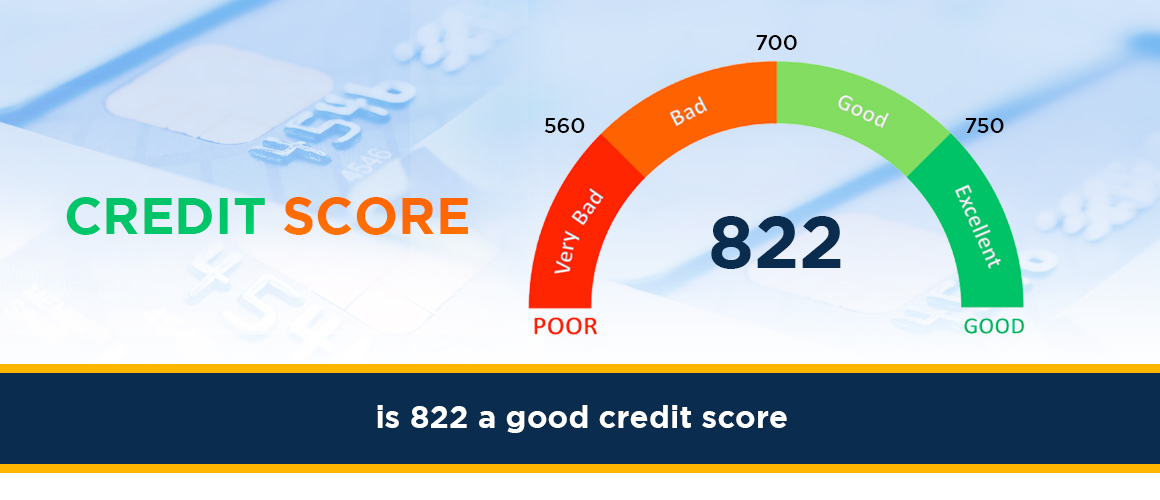
An 822 credit score is exceptionally good, placing you in the top tier of borrowers. This score opens doors to the best loan terms, lowest interest rates, and premium financial products. Understanding its significance is key to leveraging this excellent financial standing.
What is a Credit Score and Why Does It Matter?
At its core, a credit score is a three-digit number that lenders use to assess your creditworthiness. It's a snapshot of your financial behavior, particularly how reliably you've managed debt in the past. This score is a critical component of the modern financial landscape, influencing everything from your ability to rent an apartment to the interest rates you'll pay on a mortgage or car loan. In essence, it's a key indicator of your financial health and a predictor of your likelihood to repay borrowed money. Lenders, landlords, and even some employers rely on this numerical representation to make informed decisions about extending credit or services to you. A higher score signifies lower risk, while a lower score suggests a higher risk of default. Understanding this fundamental concept is the first step toward managing your finances effectively and achieving your financial goals.
Understanding Credit Score Ranges
Credit scores are not a single, monolithic entity. Instead, they fall into various ranges, each signifying a different level of credit risk. These ranges are generally consistent across the major credit scoring models, such as FICO and VantageScore, although the exact numerical boundaries might differ slightly. Understanding these ranges is crucial for interpreting your own score and for setting realistic financial goals. For instance, knowing that a score of 700 is considered good, while 800 is considered exceptional, helps you gauge your current standing and what you need to achieve to access the most favorable financial products.
FICO Score Ranges (2025)
The FICO score is the most widely used credit scoring model in the United States. While it has several versions, the general ranges remain consistent. As of 2025, the typical FICO score ranges are categorized as follows:
- Exceptional: 800-850
- Very Good: 740-799
- Good: 670-739
- Fair: 580-669
- Poor: 300-579
VantageScore Ranges (2025)
VantageScore is another popular credit scoring model, developed by the three major credit bureaus: Equifax, Experian, and TransUnion. Its ranges are also widely recognized:
- Excellent: 781-850
- Good: 661-780
- Fair: 601-660
- Poor: 500-600
- Very Poor: 300-499
As you can see, both models have a top tier for scores that indicate exceptional creditworthiness. The exact terminology might vary slightly, but the underlying principle remains the same: higher scores mean lower risk for lenders.
Is 822 a Good Credit Score? The Verdict
Let's cut to the chase: Yes, an 822 credit score is an excellent credit score. In fact, it falls squarely within the highest tier of credit scores recognized by both FICO and VantageScore models. This score signifies that you are an exceptionally low-risk borrower. Lenders view individuals with scores in the 800s as highly reliable and responsible with their credit. Having an 822 score means you are likely to be approved for most credit products and will qualify for the most competitive interest rates and terms available in the market.
To put it into perspective, an 822 score is significantly higher than the average credit score in the United States. As of 2025, the average FICO score hovers around the mid-700s. This means that with an 822, you are in the top percentile of credit users. This elite status is not easily achieved and reflects a consistent history of responsible financial behavior.
When a lender sees an 822, they see a borrower who:
- Consistently pays bills on time.
- Maintains a low credit utilization ratio.
- Has a long and positive credit history.
- Rarely, if ever, defaults on payments.
- Manages credit responsibly across various accounts.
Therefore, an 822 credit score is not just "good"; it's outstanding. It's a powerful financial asset that can save you thousands of dollars over your lifetime through lower borrowing costs.
The Perks of an 822 Credit Score
Possessing an 822 credit score unlocks a world of financial advantages. It's more than just a number; it's a key that opens doors to premium financial opportunities and significant cost savings. Lenders compete for your business when you have a score this high, offering you the best terms and lowest rates. Here are some of the most significant benefits you can expect:
Lower Interest Rates on Loans and Credit Cards
This is perhaps the most immediate and impactful benefit. When you apply for a mortgage, auto loan, personal loan, or credit card, your credit score is a primary determinant of the interest rate you'll be offered. With an 822 score, you'll qualify for the lowest available Annual Percentage Rates (APRs). Over the life of a large loan, such as a mortgage, this can translate into tens of thousands of dollars in savings. For example, on a $300,000 mortgage over 30 years, a difference of just 1% in interest rate can save you over $50,000.
Higher Approval Odds for Loans and Credit Cards
Lenders are far more likely to approve applications from individuals with excellent credit scores. This means you'll have a higher chance of getting approved for the credit products you want, whether it's a premium rewards credit card, a larger loan amount, or even a mortgage with a low down payment. This reduces the frustration and time spent dealing with rejections.
Access to Premium Credit Cards and Rewards Programs
Many of the most desirable credit cards, offering lucrative rewards like travel points, cashback, and exclusive perks, are reserved for applicants with excellent credit. An 822 score ensures you can qualify for these cards, allowing you to maximize your spending by earning rewards and benefits.
Better Terms on Leases and Rentals
Your credit score isn't just for borrowing money. Landlords often check credit scores to assess potential tenants. An 822 score can make it easier to secure rental properties, as landlords see you as a reliable tenant who is likely to pay rent on time. Similarly, car rental companies may waive security deposits or offer better rental rates.
Lower Insurance Premiums
In many states, insurance companies use credit-based insurance scores to help determine premiums for auto and homeowners insurance. A higher credit score generally correlates with lower insurance premiums, as statistical data suggests that individuals with better credit tend to file fewer claims. This can lead to substantial savings on your annual insurance costs.
Negotiating Power
With an excellent credit score, you have more leverage when negotiating terms with lenders. You can shop around for the best offers and use competitive rates as a bargaining chip to secure even better deals. Lenders are more willing to negotiate with low-risk borrowers.
Financial Flexibility and Peace of Mind
Ultimately, an 822 credit score provides a sense of financial security and flexibility. It means you have a strong financial foundation, making it easier to navigate unexpected expenses or pursue major life goals like buying a home or starting a business. This peace of mind is invaluable.
How Credit Scores Are Calculated
Understanding how your credit score is generated is crucial for both achieving and maintaining a high score like 822. While the exact algorithms used by FICO and VantageScore are proprietary, they are based on your credit report data. The scores are calculated by analyzing various aspects of your credit history to predict the likelihood of you repaying borrowed money. The primary scoring models weigh different factors with varying degrees of importance.
The Role of Credit Bureaus
Your credit score is derived from the information held by the three major credit bureaus: Equifax, Experian, and TransUnion. These bureaus collect data from lenders and other creditors about your credit accounts. This data includes payment history, amounts owed, length of credit history, new credit, and credit mix. When you apply for credit, lenders request your credit report from one or more of these bureaus, and a scoring model then generates your credit score based on that report.
The Scoring Models (FICO and VantageScore)
As mentioned earlier, FICO and VantageScore are the two dominant scoring models. Both aim to predict the probability of a borrower defaulting on their debt within a 24-month period. They use statistical analysis of your credit report data to assign a numerical score. While the core principles are similar, their algorithms and the weighting of certain factors can differ, leading to slightly different scores from each model.
Key Components of Credit Scoring
Both FICO and VantageScore consider similar categories of information from your credit report. The general weighting, according to FICO, is as follows:
- Payment History (35%): This is the most critical factor. It includes whether you pay your bills on time, how late your payments are, and any accounts that have gone to collections or bankruptcy. Consistent on-time payments are paramount.
- Amounts Owed (30%): This looks at how much debt you carry, particularly in relation to your available credit (credit utilization ratio). Keeping balances low on credit cards is essential.
- Length of Credit History (15%): A longer history of responsible credit use generally benefits your score. This includes the age of your oldest account, the age of your newest account, and the average age of all your accounts.
- Credit Mix (10%): Having a mix of different types of credit, such as credit cards, installment loans (like mortgages or auto loans), and potentially a retail account, can be beneficial. It shows you can manage various forms of credit responsibly.
- New Credit (10%): This factor considers how many new credit accounts you've opened recently and how many hard inquiries are on your report. Opening too many accounts in a short period can negatively impact your score.
VantageScore uses a similar framework but categorizes the factors slightly differently, with Payment History and Amounts Owed being the most influential.
Key Factors Influencing Your Credit Score
To achieve and maintain an 822 credit score, you need to pay close attention to the specific factors that influence it. These are the building blocks of your creditworthiness. Mastering these elements will not only help you reach an exceptional score but also ensure its longevity.
Payment History: The Cornerstone of Your Score
As highlighted, this is the most significant factor. Every late payment, missed payment, or delinquency can significantly damage your score. Conversely, a perfect record of on-time payments is the single most effective way to build a strong credit profile. Even one 30-day late payment can drop your score considerably, especially if your score is already high. For an 822 score, your payment history must be impeccable.
Credit Utilization Ratio (CUR): Less is More
This ratio compares the amount of revolving credit you're using to your total available revolving credit. For example, if you have a credit card with a $10,000 limit and a balance of $1,000, your CUR is 10%. Experts recommend keeping your CUR below 30% for a good score, but for an exceptional score like 822, it's best to keep it below 10%. This demonstrates that you are not overly reliant on credit and can manage your balances effectively.
Example:
| Credit Card Limit | Current Balance | Credit Utilization Ratio (CUR) |
|---|---|---|
| $5,000 | $500 | 10% |
| $10,000 | $3,000 | 30% |
| $20,000 | $1,500 | 7.5% |
As you can see, even with a significant credit limit, a low balance results in a very favorable CUR.
Length of Credit History: Time is Your Ally
The longer you've managed credit responsibly, the more data lenders have to assess your reliability. This includes the age of your oldest account, the age of your newest account, and the average age of all your accounts. Avoid closing old, unused credit cards if they have no annual fee, as this can shorten your average account age and negatively impact your score.
Credit Mix: Diversity Demonstrates Capability
Lenders like to see that you can handle different types of credit. This includes revolving credit (like credit cards) and installment credit (like mortgages, auto loans, or personal loans). Having a mix shows you can manage various repayment structures. However, this factor is less critical than payment history or utilization, and you shouldn't open new accounts solely to diversify your credit mix if it's not a genuine need.
New Credit and Inquiries: A Delicate Balance
When you apply for new credit, lenders typically perform a "hard inquiry" on your credit report. Too many hard inquiries in a short period can signal to lenders that you might be in financial distress or are taking on too much debt, which can lower your score. While rate shopping for certain loans (like mortgages or auto loans) within a short window (usually 14-45 days, depending on the scoring model) is typically treated as a single inquiry, applying for multiple credit cards or loans rapidly can have a negative impact.
Public Records and Collections
Negative information, such as bankruptcies, foreclosures, judgments, and accounts sent to collections, has a significant detrimental effect on your credit score. An 822 score implies an absence of such negative marks on your credit report.
Strategies for Maintaining an 822 Credit Score
Achieving an 822 credit score is a significant accomplishment, but maintaining it requires ongoing diligence and responsible financial habits. The factors that helped you get there are the same ones you need to focus on to keep your score in the exceptional range. Here are actionable strategies to ensure your score remains robust:
1. Continue Paying All Bills On Time, Every Time
This is non-negotiable. Set up automatic payments for your credit cards, loans, and any other recurring bills. If you prefer manual payments, create calendar reminders a few days before the due date. Even a single late payment can cause your score to drop significantly, potentially from the 800s to the high 700s or even lower.
2. Keep Your Credit Utilization Ratio Extremely Low
Aim to keep your balances on revolving credit accounts well below 10% of their limits. If you have a credit card with a $10,000 limit, try to keep your balance below $1,000. If you need to make a large purchase, pay it off as quickly as possible. Consider asking for credit limit increases on existing cards if your spending habits are consistent, as this can lower your utilization ratio if your balance remains the same.
3. Monitor Your Credit Reports Regularly
Obtain your free credit reports from Equifax, Experian, and TransUnion annually at AnnualCreditReport.com. Review them carefully for any errors, inaccuracies, or fraudulent activity. Dispute any discrepancies immediately with the credit bureau and the creditor involved. Errors can negatively impact your score, and catching them early is crucial.
4. Avoid Opening Unnecessary New Credit Accounts
While a diverse credit mix can be beneficial, resist the urge to open new credit accounts simply for promotional offers or because you "might need it later." Each application results in a hard inquiry, and too many can lower your score. Only apply for credit when you genuinely need it.
5. Maintain Old, Unused Credit Accounts (If No Annual Fee)
As mentioned, closing old credit cards can shorten your average age of accounts, negatively impacting the "length of credit history" factor. If an old card has no annual fee and you don't use it, keep it open and make a small purchase on it occasionally (e.g., a streaming service subscription) and pay it off immediately to keep it active. This helps preserve your credit history length.
6. Be Mindful of Large Purchases and Debt Accumulation
While having credit is good, carrying large balances on multiple accounts can be detrimental. If you're planning a major purchase that will significantly increase your debt, consider the impact on your credit utilization and overall debt-to-income ratio. Prioritize paying down existing debt before taking on substantial new obligations.
7. Understand the Impact of Credit Counseling or Debt Management Plans
If you ever find yourself in a situation where you need to seek credit counseling or enter a debt management plan, be aware that these actions can be reflected on your credit report and may temporarily affect your score. However, they are often necessary steps toward financial recovery and can help you rebuild your credit over the long term.
8. Stay Informed About Credit Scoring Changes
Credit scoring models are updated periodically. While the core principles of responsible credit management remain constant, staying aware of any significant changes in how scores are calculated can be beneficial. Reputable financial websites and credit bureaus often provide updates on these developments.
What If My Score Drops Below 822?
It's natural for credit scores to fluctuate slightly. However, a significant drop from an 822 can be concerning. The good news is that with a score this high, you have a buffer. A drop might occur due to a new hard inquiry, a slight increase in credit utilization, or a minor administrative error. However, if the drop is substantial (e.g., more than 20-30 points), it's crucial to investigate the cause. Here's how to address it:
1. Identify the Cause
The first step is to understand *why* your score dropped. Review your latest credit report from each of the three major bureaus. Look for any new accounts opened, increased balances, late payments, or other changes. If you recently applied for new credit, that inquiry is likely the culprit, and its impact will diminish over time.
2. Check for Errors
Mistakes on credit reports are more common than you might think. Carefully examine your reports for any inaccuracies, such as accounts that aren't yours, incorrect payment statuses, or outdated information. If you find an error, dispute it immediately with the credit bureau and the creditor. This process can take time, but correcting errors is vital for accurate credit scoring.
3. Address Credit Utilization Issues
If your credit utilization has increased, take steps to lower it. Pay down balances on your credit cards. If you have multiple cards, focus on paying down the one with the highest utilization first, or the one with the highest interest rate (the latter is generally more financially sound). Remember, keeping utilization below 10% is ideal for maintaining an exceptional score.
4. Be Patient with Hard Inquiries
If a hard inquiry is the reason for the score drop, be patient. The impact of inquiries lessens over time, and they typically have minimal effect on your score after 12 months, falling off your report entirely after 24 months. Focus on maintaining good credit habits, and your score will recover.
5. Avoid Making Rash Decisions
Don't panic if your score dips slightly. Avoid closing accounts or making drastic changes to your credit behavior unless it's to correct an identified problem. Consistent, responsible habits are the best way to ensure your score rebounds and remains strong.
6. Consider a credit monitoring Service
For ongoing peace of mind, consider using a credit monitoring service. These services track your credit reports and scores from the major bureaus and alert you to any significant changes or suspicious activity. This can help you catch potential issues early.
Remember, an 822 score is a testament to your excellent financial management. Even a slight dip doesn't negate your strong credit history. By understanding the causes and taking prompt, appropriate action, you can typically restore your score to its previous level.
Credit Score Myths vs. Reality
The world of credit scores is often shrouded in misinformation. Many people hold beliefs about credit scores that are not entirely accurate, which can lead to poor financial decisions. Understanding the reality behind these myths is crucial for effective credit management.
Myth 1: Checking Your Own Credit Score Lowers It.
Reality: This is false. When you check your own credit score or report through a free service provided by your bank, credit card company, or a credit monitoring site, it's considered a "soft inquiry." Soft inquiries do not affect your credit score at all. Only "hard inquiries," which occur when you apply for new credit, can have a minor, temporary impact.
Myth 2: Closing Old Credit Cards is Always a Good Idea.
Reality: As discussed, closing old credit cards, especially those with no annual fee, can negatively impact your credit score. It reduces your average age of accounts and can increase your credit utilization ratio if you carry balances on other cards. It's generally better to keep old, well-managed accounts open.
Myth 3: You Need to Carry a Balance to Build Credit.
Reality: This is a persistent myth. You do not need to carry a balance on your credit cards to build credit. In fact, carrying a balance often leads to paying interest and can increase your credit utilization, potentially harming your score. The most important factor is making on-time payments. Paying your statement balance in full each month is the best practice.
Myth 4: Your Credit Score is Fixed and Cannot Be Changed.
Reality: Your credit score is dynamic and can change based on your financial behavior. While negative information can remain on your report for several years, responsible credit management can significantly improve your score over time. Similarly, irresponsible behavior can lower it.
Myth 5: All Credit Scores Are the Same.
Reality: There are different scoring models (FICO, VantageScore) and different versions of these models. Each may produce a slightly different score based on the data in your credit report. Lenders may use different models and versions depending on their specific needs and the type of credit being offered.
Myth 6: A High Credit Score Guarantees Loan Approval.
Reality: While an excellent credit score like 822 significantly increases your chances of approval, it's not the only factor. Lenders also consider your income, debt-to-income ratio, employment history, and the specific loan requirements. However, a high score is a major advantage.
Understanding these distinctions between myth and reality empowers you to manage your credit more effectively and maintain an exceptional score like 822.
The Future of Credit Scoring
The landscape of credit scoring is not static; it's continuously evolving. As technology advances and consumer behavior changes, credit scoring models are being refined to become more predictive and inclusive. Several trends are shaping the future of how creditworthiness is assessed.
1. Alternative Data Sources
There's a growing interest in incorporating alternative data sources into credit scoring. This includes things like rent payments, utility bills, and even cash flow data from bank accounts. The goal is to provide a more comprehensive picture of financial responsibility, especially for individuals with thin credit files (limited credit history) who may not qualify for traditional credit products.
2. Enhanced Predictive Analytics and AI
Advanced analytics and artificial intelligence (AI) are being used to develop more sophisticated scoring models. These technologies can identify complex patterns in data that traditional methods might miss, potentially leading to more accurate predictions of credit risk.
3. Focus on Financial Health and Stability
Future scoring models may place a greater emphasis on overall financial health and stability, not just credit repayment history. This could include factors related to savings, budgeting, and financial literacy.
4. Increased Transparency and Consumer Control
There's a push for greater transparency in how credit scores are calculated and for consumers to have more control over their data. Initiatives like open banking and data portability aim to give individuals more insight and agency over their financial information.
5. Cybersecurity and Data Privacy
As more data is collected and analyzed, cybersecurity and data privacy will become even more critical. Ensuring the secure handling of sensitive financial information will be paramount for maintaining consumer trust.
While the core principles of responsible credit management—paying bills on time, keeping balances low, and managing debt wisely—will likely remain central, the methods of assessment may become more nuanced. For individuals with an 822 score, staying informed about these developments can help them adapt and continue to leverage their strong credit standing in the evolving financial world.
Conclusion
In conclusion, an 822 credit score is an outstanding achievement, placing you in the elite tier of borrowers. It signifies exceptional financial responsibility and opens the door to the most favorable lending terms, lowest interest rates, and premium financial products. This score is a powerful asset, capable of saving you thousands of dollars over your lifetime and providing significant financial flexibility.
Maintaining this score requires consistent diligence: always pay bills on time, keep credit utilization low, monitor your credit reports for errors, and avoid unnecessary new credit applications. While a slight fluctuation is normal, understanding the factors that influence your score and proactively addressing any issues will ensure your continued success. Embrace the advantages your 822 score offers, and continue to make informed financial decisions. Your excellent credit is a testament to your financial discipline and a valuable tool for achieving your long-term goals.
