Is 826 a Good Credit Score? A Comprehensive Guide
What is an 826 Credit Score?
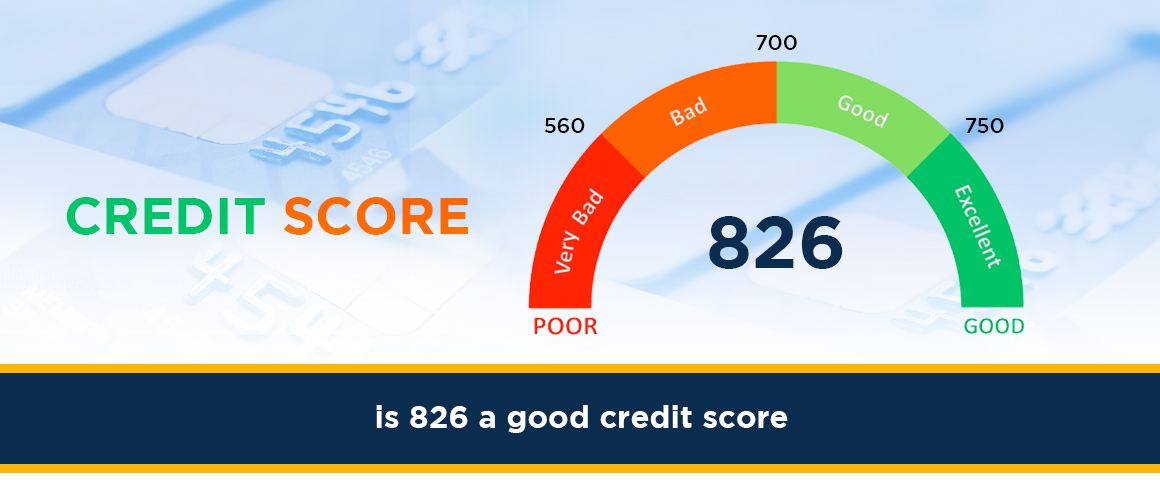
An 826 credit score is an exceptional numerical representation of your creditworthiness, placing you in the elite tier of borrowers. This score signifies a history of responsible financial behavior, making lenders highly confident in your ability to repay debts. Achieving an 826 means you are among the top percentile of consumers, unlocking the best financial products and terms available in 2025.
Understanding Credit Score Ranges
Credit scores are numerical representations that lenders use to assess the risk associated with lending money to an individual. While different scoring models exist, the most widely used are FICO and VantageScore. Both models categorize scores into broad ranges, each indicating a different level of credit risk. Understanding these ranges is crucial to contextualize what an 826 score truly means.
FICO Score Ranges (2025)
FICO scores typically range from 300 to 850. The categories are generally defined as follows:
- Exceptional: 800-850
- Very Good: 740-799
- Good: 670-739
- Fair: 580-669
- Poor: 300-579
VantageScore Ranges (2025)
VantageScore, a competitor to FICO, also uses a 300-850 scale but defines its ranges slightly differently:
- Excellent: 781-850
- Good: 661-780
- Fair: 601-660
- Poor: 500-600
- Very Poor: 300-499
Interpreting the Ranges
As you can see, an 826 credit score falls squarely into the highest possible category for both FICO and VantageScore. This means that lenders view individuals with scores in this range as extremely low-risk borrowers. They are highly likely to approve loan applications and offer the most favorable interest rates and terms.
For context, the average credit score in the United States in early 2025 is hovering around 715. An 826 score is significantly above this average, indicating a superior financial profile compared to the vast majority of consumers. This high score is not just a number; it's a testament to years of consistent, responsible credit management.
Is 826 a Good Credit Score? The Verdict
Yes, an 826 credit score is not just good; it is exceptional. It represents the pinnacle of creditworthiness that most consumers strive for. This score indicates that you have consistently demonstrated a strong ability to manage credit responsibly over an extended period. Lenders see an 826 score as a strong signal of reliability, meaning you are highly likely to repay borrowed money as agreed.
In the competitive lending landscape of 2025, having an 826 credit score is like having a golden ticket. It opens doors to the best financial opportunities, from securing the lowest interest rates on mortgages and auto loans to qualifying for premium credit cards with generous rewards and benefits. It signifies a level of trust and confidence that few consumers achieve.
When lenders evaluate loan applications, they analyze various factors, but the credit score is often the most significant determinant of approval and terms. An 826 score tells them you have a proven track record of making payments on time, managing debt levels prudently, and maintaining a healthy credit history. This drastically reduces their perceived risk, allowing them to offer you their most attractive products.
Benefits of an 826 Credit Score
Possessing an 826 credit score unlocks a wealth of financial advantages. These benefits extend beyond just getting approved for loans; they translate into significant cost savings and access to premium financial products. Here are some of the key advantages:
1. Lowest Interest Rates
This is arguably the most significant benefit. Lenders compete for borrowers with excellent credit scores. To attract and retain these low-risk customers, they offer the lowest available interest rates. Over the life of a large loan, such as a mortgage or a car loan, this can translate into tens of thousands of dollars in savings.
Example: For a $300,000 mortgage over 30 years, a borrower with an 826 credit score might secure a rate of 5.5%, while someone with a "Good" score (e.g., 710) might get 6.5%. This difference could mean paying over $100,000 more in interest over the loan's term.
2. Higher Approval Odds
With an 826 score, loan applications are almost guaranteed to be approved, provided other criteria like income and debt-to-income ratio are met. This is especially true for credit cards, personal loans, and even rental applications, where landlords often check credit reports.
3. Access to Premium Credit Cards
The most coveted rewards credit cards, offering substantial sign-up bonuses, high cashback rates, travel perks, and exclusive benefits, are typically reserved for individuals with excellent credit. An 826 score makes you a prime candidate for these top-tier cards.
4. Favorable Loan Terms and Higher Limits
Beyond interest rates, lenders may offer more flexible repayment terms, longer loan durations, or higher credit limits on credit cards and loans to individuals with exceptional credit scores. This provides greater financial flexibility.
5. Easier Rental Applications
Landlords frequently use credit scores to assess potential tenants. A high score like 826 signals reliability and a history of fulfilling financial obligations, making you a highly desirable tenant and potentially reducing the need for a co-signer or a larger security deposit.
6. Better Insurance Premiums
In many states, insurance companies use credit-based insurance scores (which are derived from your credit history) to help set premiums for auto and homeowners insurance. A higher credit score can often lead to lower insurance rates.
7. Reduced Need for Security Deposits
When setting up utilities or mobile phone plans, companies often require a security deposit if your credit history is questionable. With an 826 score, you are likely to be exempt from these deposits.
8. Negotiating Power
When you have an excellent credit score, you have more leverage to negotiate terms with lenders. You can shop around and compare offers, knowing that you qualify for the best rates, and potentially push for even better terms.
How to Achieve and Maintain an 826 Credit Score
Achieving and maintaining an 826 credit score requires consistent, disciplined financial habits. It's not something that happens overnight but rather the result of long-term responsible credit management. Here's a comprehensive guide to building and preserving such an excellent score:
1. Pay All Bills On Time, Every Time
Payment history is the single most important factor influencing your credit score, typically accounting for about 35% of your FICO score. Even a single late payment can significantly drop your score. Set up automatic payments or reminders to ensure you never miss a due date for credit cards, loans, rent, utilities, and any other recurring bills.
2. Keep credit utilization Low
Credit utilization ratio (CUR) is the amount of credit you're using compared to your total available credit. It accounts for about 30% of your FICO score. Ideally, you should aim to keep your CUR below 30%, but for scores in the 800s, it's often recommended to keep it below 10%.
Strategy: If you have a credit card with a $10,000 limit, try to keep your balance below $1,000. You can achieve this by making multiple payments throughout the billing cycle or by requesting a credit limit increase on existing cards.
3. Maintain a Long Credit History
The length of your credit history accounts for about 15% of your FICO score. This includes the age of your oldest account, the age of your newest account, and the average age of all your accounts. A longer history generally indicates more experience managing credit.
Strategy: Avoid closing old, unused credit accounts, especially if they have a positive payment history and no annual fee. Keeping them open helps maintain the average age of your accounts.
4. Diversify Your Credit Mix
Having a mix of different types of credit (e.g., credit cards, installment loans like mortgages or auto loans) can positively impact your score, accounting for about 10% of your FICO score. This shows lenders you can manage various forms of credit responsibly.
Strategy: Don't open new accounts just for the sake of credit mix, as this can sometimes hurt your score in the short term due to hard inquiries and a lower average account age. Focus on managing the credit you have well.
5. Limit New Credit Applications
Each time you apply for new credit, a hard inquiry is typically placed on your credit report, which can slightly lower your score for a short period. This factor accounts for about 10% of your FICO score.
Strategy: Only apply for credit when you genuinely need it. If you're shopping for a mortgage or auto loan, try to do so within a short timeframe (e.g., 14-45 days, depending on the scoring model) so that multiple inquiries for the same type of loan are often treated as a single inquiry.
6. Monitor Your Credit Reports Regularly
Mistakes can happen. Regularly review your credit reports from Equifax, Experian, and TransUnion for any inaccuracies, such as incorrect personal information, accounts you don't recognize, or erroneous late payments. You are entitled to a free credit report from each bureau annually via AnnualCreditReport.com.
Strategy: Dispute any errors you find immediately. Correcting inaccuracies can help boost your score if the errors were negatively impacting it.
7. Avoid High-Risk Behaviors
This includes things like defaulting on loans, filing for bankruptcy, having accounts sent to collections, or carrying very high balances on multiple credit cards. These actions have a severe and long-lasting negative impact on your credit score.
8. Consider Secured Credit Cards or Credit-Builder Loans (If Starting Out)
If you are new to credit or trying to rebuild a damaged score, these tools can be invaluable. A secured credit card requires a cash deposit that acts as your credit limit, while a credit-builder loan holds the loan amount in an account until you pay it off. Both report your payment activity to the credit bureaus.
Factors That Influence Your Credit Score
Understanding the components that make up your credit score is essential for both achieving and maintaining an excellent score. While the exact algorithms are proprietary, credit bureaus and scoring models like FICO and VantageScore consistently emphasize several key factors. These are the pillars upon which your creditworthiness is built.
1. Payment History (Approx. 35% of FICO Score)
This is the most critical factor. It reflects whether you pay your bills on time. Lenders want to see a consistent history of timely payments. Late payments, missed payments, defaults, bankruptcies, and accounts in collection all negatively impact this category.
- Positive Impact: On-time payments for all credit accounts.
- Negative Impact: Any payment that is 30 days or more past due. The severity of the negative impact increases with the number of days late (e.g., 60, 90 days).
2. Amounts Owed / Credit Utilization (Approx. 30% of FICO Score)
This category looks at how much debt you carry relative to your total available credit. High credit utilization suggests you might be overextended and could be a higher risk. Keeping balances low on revolving credit (like credit cards) is crucial.
- Positive Impact: Low credit utilization ratio (CUR), ideally below 10%.
- Negative Impact: High CUR (e.g., above 30%), carrying large balances on multiple credit cards.
Calculation: (Total Balance on Revolving Credit / Total Credit Limit on Revolving Credit) * 100 = CUR
3. Length of Credit History (Approx. 15% of FICO Score)
This factor considers how long your credit accounts have been open. It includes the age of your oldest account, the age of your newest account, and the average age of all your accounts. A longer history demonstrates more experience managing credit.
- Positive Impact: A long history of responsible credit use, with older accounts being well-managed.
- Negative Impact: A short credit history, or closing older accounts which reduces the average age.
4. Credit Mix (Approx. 10% of FICO Score)
This refers to the variety of credit you have. Having a mix of installment loans (like mortgages, auto loans, personal loans) and revolving credit (credit cards) can be beneficial, as it shows you can manage different types of debt.
- Positive Impact: A healthy mix of different credit types, managed responsibly.
- Negative Impact: Having only one type of credit, or too many of one type without managing them well.
5. New Credit (Approx. 10% of FICO Score)
This factor looks at how many new credit accounts you've opened recently and how many hard inquiries are on your report. Opening many new accounts in a short period can signal increased risk.
- Positive Impact: Few recent credit applications and inquiries.
- Negative Impact: Opening multiple new credit accounts in a short timeframe, numerous hard inquiries.
Other Influencing Factors
While the above are the primary FICO components, other elements can influence your score:
- Public Records: Bankruptcies, liens, and judgments will significantly lower your score.
- Inquiries: Hard inquiries (from credit applications) have a minor impact, while soft inquiries (like checking your own score) do not.
- Credit Report Accuracy: Errors on your credit report can negatively affect your score.
For an 826 score, it's clear that individuals excel in all these categories, particularly payment history and credit utilization. They are meticulous about payments and maintain very low balances relative to their credit limits.
Common Misconceptions About High Credit Scores
Even with an excellent credit score like 826, misconceptions can arise. Understanding these can help you manage your credit effectively and avoid potential pitfalls. Here are some common myths:
Misconception 1: Closing Old Credit Cards Will Boost Your Score
Reality: Closing old credit cards can actually hurt your score. It reduces the average age of your credit history and decreases your total available credit, which can increase your credit utilization ratio. Unless an old card has a high annual fee or is causing you to overspend, it's often best to keep it open and use it sparingly.
Misconception 2: You Need to Carry a Balance to Build Credit
Reality: This is false and potentially harmful. The most effective way to build credit is to pay your bills on time. Carrying a balance means you're paying interest, and high balances can negatively impact your credit utilization ratio. You can build excellent credit by paying off your statement balance in full each month.
Misconception 3: Checking Your Own Credit Score Lowers It
Reality: Checking your own credit score or credit report is considered a "soft inquiry" and does not affect your score at all. Only "hard inquiries," which occur when you apply for new credit, can have a minor, temporary impact.
Misconception 4: All Credit Scores Are the Same
Reality: There are different credit scoring models (FICO, VantageScore) and versions of these models. Additionally, your scores can vary slightly between the three major credit bureaus (Equifax, Experian, TransUnion) due to differences in the data reported by creditors. Lenders may also use industry-specific scores.
Misconception 5: A High Credit Score Guarantees Loan Approval
Reality: While an 826 score significantly increases your chances of approval, it's not the only factor. Lenders also consider your income, employment history, debt-to-income ratio, and the specific loan product you're applying for. A high score means you're a low-risk borrower, but other financial factors are still assessed.
Misconception 6: You Need to Have a Lot of Debt to Have a Good Score
Reality: The opposite is true. While a diverse credit mix can be beneficial, managing debt responsibly means keeping balances low. High debt levels, even if paid on time, can indicate financial strain and negatively impact your credit utilization ratio.
Misconception 7: Credit Scores Are Permanent
Reality: Credit scores are dynamic and can change based on your financial behavior. A good score can drop with negative activity, and a lower score can be improved with consistent positive habits. It requires ongoing effort to maintain an excellent score.
What If My Score is Lower Than 826?
It's important to remember that even if your score is not quite 826, any score in the "Excellent" or "Very Good" range (typically 740+) still provides significant advantages. The difference between 800 and 826 might be marginal in terms of loan approvals and basic interest rates for many lenders. However, if your score is considerably lower, focusing on improvement is key. Here’s how to approach it:
1. Identify the Gaps
Obtain your credit reports from all three bureaus and check your credit score from a reliable source. Analyze the factors that are negatively impacting your score. Are you missing payments? Is your credit utilization too high? Is your credit history too short?
2. Prioritize Payment History
If late payments are an issue, make on-time payments your absolute top priority. Set up reminders, automate payments, and ensure you never miss a due date again. This is the most impactful step you can take.
3. Reduce Credit Utilization
If your credit card balances are high, focus on paying them down. Aim to get your utilization ratio below 30% as a starting point, and ideally below 10% for scores in the excellent range. Consider requesting credit limit increases on existing cards (which may result in a soft inquiry that doesn't hurt your score) to lower your utilization ratio.
4. Be Patient with Credit History Length
The length of your credit history takes time to build. Continue to manage your existing accounts responsibly. Avoid closing older accounts, as this can shorten your average credit age.
5. Consider Credit-Building Tools
If you have a thin credit file (few accounts), consider adding a secured credit card or a credit-builder loan. Use these tools responsibly by making on-time payments to establish a positive credit history.
6. Dispute Errors
Thoroughly review your credit reports for any errors. If you find any, dispute them with the credit bureaus. Correcting inaccuracies can provide a quick boost to your score.
7. Avoid Quick Fixes
Be wary of services that promise to instantly raise your credit score. Building good credit is a marathon, not a sprint, and requires consistent, positive financial behavior.
Even scores in the high 700s are considered very good and will qualify you for most of the best financial products. The journey to 826 is about refining excellent habits and ensuring near-perfection across all credit factors.
The Role of Credit Bureaus and Scoring Models
Credit bureaus and scoring models are the backbone of the credit reporting system in the United States. Understanding their roles is fundamental to grasping how credit scores are generated and utilized.
Credit Bureaus (The Data Gatherers)
The three major credit bureaus in the U.S. are Equifax, Experian, and TransUnion. Their primary function is to collect and maintain detailed credit information on consumers. Creditors (banks, credit card companies, lenders, etc.) report your payment history and account balances to these bureaus.
- Data Collection: They gather information such as your name, address, Social Security number, credit accounts (credit cards, loans, mortgages), payment history, credit limits, balances, and public records (like bankruptcies or liens).
- Report Generation: Based on this data, they generate credit reports for consumers and provide them to lenders and other authorized entities upon request.
- Accuracy: They are responsible for the accuracy of the information on your credit reports and have processes for handling disputes when errors are found.
Scoring Models (The Data Interpreters)
Credit bureaus don't assign scores themselves. Instead, they provide the raw data from your credit report to scoring models, which then generate a numerical credit score. The two most prominent scoring models are:
FICO Score
Developed by the Fair Isaac Corporation, the FICO score is the most widely used credit scoring model in the U.S., accounting for approximately 90% of lending decisions. FICO has various versions, with FICO Score 8 and FICO Score 9 being common, and newer versions like FICO Score 10 being increasingly adopted. The FICO model uses the five key factors discussed earlier: payment history, amounts owed, length of credit history, credit mix, and new credit.
VantageScore
VantageScore is a competing credit scoring model developed collaboratively by the three major credit bureaus. It also uses a 300-850 scale and considers similar factors to FICO, though the weighting and specific methodologies may differ. VantageScore is often used by credit monitoring services and some lenders.
How They Work Together
When you apply for credit, a lender will typically pull your credit report from one or more of the credit bureaus. They then use a specific scoring model (e.g., FICO Score 8) to analyze the data on that report and generate a credit score. This score, along with other factors, helps the lender decide whether to approve your application and what terms (interest rate, loan amount) to offer.
An 826 credit score means that the data on your credit report, when analyzed by a FICO or VantageScore model, indicates an extremely low risk of default. It signifies a history of responsible financial management that is highly valued by lenders.
Conclusion: Your 826 Credit Score Journey
An 826 credit score is an outstanding achievement, placing you in the top echelon of consumers. It signifies a robust financial history built on consistent, responsible credit management. This exceptional score is your passport to the most favorable loan terms, lowest interest rates, premium credit cards, and greater financial flexibility in 2025. It demonstrates a level of trust that lenders highly value, translating into significant savings and enhanced opportunities throughout your financial life.
Maintaining this score requires ongoing diligence: always pay bills on time, keep credit utilization low, manage your credit mix wisely, and monitor your credit reports for accuracy. While achieving an 826 is a testament to your financial discipline, continuous effort is key to preserving this valuable asset. If your score is not yet at this level, understand the contributing factors and implement strategies to improve. With patience and consistent good habits, you can build or enhance your creditworthiness. An excellent credit score is not just about numbers; it's about the financial freedom and security it provides. Continue to make informed financial decisions, and your credit score will remain a powerful tool in your financial arsenal.
