Is 827 a Good Credit Score? Everything You Need to Know
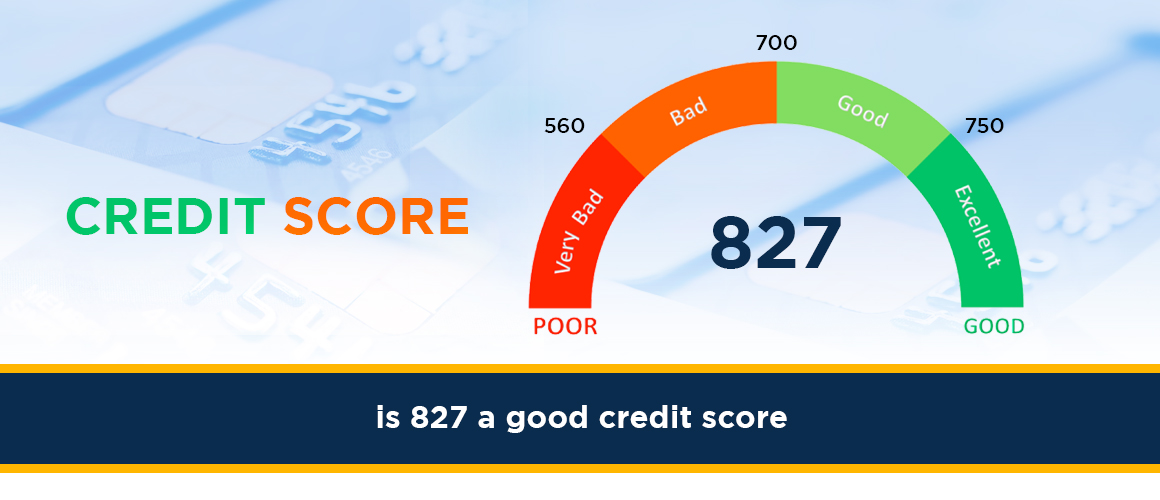
Achieving an 827 credit score is an exceptional feat, placing you in the top tier of borrowers. This score signifies outstanding creditworthiness, unlocking the best financial products and terms. Discover why an 827 is fantastic and what it means for your financial future.
Understanding Credit Scores: The Foundation
Credit scores are numerical representations of your creditworthiness, essentially a snapshot of your financial behavior over time. Lenders, landlords, insurers, and even some employers use these scores to assess the risk associated with extending credit or services to you. A higher score indicates a lower risk, making you a more desirable borrower. Understanding how these scores are calculated and what they signify is the first step toward managing your finances effectively and unlocking better opportunities.
The most widely used credit scoring models are FICO and VantageScore. While they have slightly different methodologies and scoring ranges, they both aim to predict the likelihood of a borrower defaulting on a loan. The scores are derived from information found in your credit reports, which are maintained by the three major credit bureaus: Equifax, Experian, and TransUnion. These reports detail your borrowing history, including credit accounts, payment history, amounts owed, length of credit history, new credit, and credit mix.
For decades, credit scores have served as a critical gatekeeper in the financial world. They influence everything from mortgage rates and car loan approvals to the cost of your insurance premiums and even your ability to rent an apartment. A strong credit score is not just about borrowing money; it's about accessing a wider range of financial products with more favorable terms, saving you significant amounts of money over time through lower interest rates and fewer fees.
The journey to understanding your credit score begins with recognizing that it's not a static number. It's dynamic, changing as your financial habits evolve. Therefore, consistent monitoring and responsible financial management are paramount. In the following sections, we will delve deeper into what an 827 credit score specifically means, the advantages it brings, and how to maintain this exceptional level of financial health.
What Exactly is an 827 Credit Score?
An 827 credit score is not just a number; it's a testament to a long-standing history of responsible financial management. It signifies that you have consistently met your financial obligations, managed credit wisely, and demonstrated a low risk to lenders. In the grand scheme of credit scoring, an 827 falls squarely within the highest possible tiers, often referred to as "exceptional" or "superprime."
This score suggests that you have a proven track record of paying bills on time, keeping credit utilization low, and maintaining a healthy mix of credit accounts over an extended period. Lenders view individuals with scores in this range as highly reliable, making them the most sought-after borrowers. When you have an 827 credit score, you are essentially telling the financial world that you are a borrower who is extremely unlikely to default on your obligations.
It's important to note that credit scoring models, such as FICO and VantageScore, are designed to predict future payment behavior. An 827 score indicates a very low probability of delinquency or default. This translates into significant advantages when applying for credit, as lenders are eager to attract and retain customers who pose minimal risk.
The psychological impact of such a score is also noteworthy. It provides a sense of financial security and empowerment, knowing that you have access to the best financial products available. This can reduce stress and open doors to opportunities that might be inaccessible to individuals with lower scores. Understanding the precise meaning of an 827 score is the first step in appreciating its immense value.
Credit Score Ranges Explained (2025 Update)
Credit scoring models categorize scores into different ranges to help consumers and lenders understand creditworthiness. While the exact ranges can vary slightly between FICO and VantageScore, and even between different versions of their models, the general tiers remain consistent. As of 2025, here's a breakdown of typical credit score ranges and what they generally signify:
| Score Range | Rating | Likelihood of Approval | Interest Rates |
|---|---|---|---|
| 800-850 | Exceptional | Very High | Lowest Available |
| 740-799 | Very Good | High | Very Low |
| 670-739 | Good | Moderate to High | Low to Moderate |
| 580-669 | Fair | Moderate to Low | Moderate to High |
| 300-579 | Poor | Very Low | Very High or Denial |
An 827 credit score firmly sits in the "Exceptional" range. This is the pinnacle of credit scoring, indicating that you are among the most financially responsible consumers. Scores in this upper echelon are highly valued by lenders because they represent the lowest risk of default. For individuals with scores between 800 and 850, the financial landscape opens up considerably.
In 2025, lenders continue to prioritize borrowers with exceptional credit scores. This is because the economic climate often necessitates careful risk management, and high credit scores are the most reliable indicators of low risk. The difference between an "Exceptional" score and a "Very Good" score might seem small, but it can translate into tangible savings, especially on large loans like mortgages or auto financing. Even a slight reduction in interest rates can save thousands of dollars over the life of a loan.
It's crucial to remember that these ranges are general guidelines. Specific lenders may have their own internal scoring criteria and thresholds. However, an 827 score will almost universally be recognized as outstanding, granting you access to the most competitive loan offers, credit cards with premium rewards, and the best insurance rates. Maintaining this score requires ongoing diligence in your financial habits, but the rewards are substantial.
Why is an 827 Credit Score Considered Excellent?
An 827 credit score is considered excellent because it signifies a near-perfect track record of financial responsibility. This score places you in the top percentile of consumers, typically above 90% of all credit users. Lenders use credit scores to assess the risk of lending money. A higher score indicates a lower risk of default, meaning you are highly likely to repay borrowed funds as agreed.
The components that contribute to such a high score are consistent and positive financial behaviors. These include:
- Perfect Payment History: Consistently paying all bills on or before the due date for many years. Even a single late payment can significantly impact a score, so an 827 suggests an absence of such issues.
- Low Credit Utilization Ratio: Keeping the amount of credit used significantly lower than the total available credit. For example, using less than 10% of your credit card limits is ideal. An 827 score implies this ratio has been managed meticulously.
- Long Credit History: Maintaining open credit accounts for a considerable duration, demonstrating a long-term ability to manage credit responsibly.
- Healthy Credit Mix: Having a variety of credit types (e.g., credit cards, installment loans like mortgages or auto loans) and managing them well. This shows you can handle different forms of credit.
- Few Recent Credit Inquiries: Limiting applications for new credit, as too many inquiries in a short period can suggest financial distress or increased risk.
In the current financial landscape of 2025, where economic uncertainties can arise, lenders place an even higher premium on borrowers with exceptional credit scores. An 827 score communicates a level of financial stability and reliability that is highly attractive. It suggests that you are not only capable of managing debt but also likely to do so without causing problems for the lender. This significantly reduces the perceived risk for any financial institution.
Furthermore, an 827 score often means you are well-versed in the nuances of credit management. It implies a proactive approach to monitoring your credit reports, understanding the impact of your financial decisions, and making choices that consistently favor your credit health. This level of financial maturity is what makes an 827 score truly stand out as excellent.
The Perks of Having an 827 Credit Score
Possessing an 827 credit score opens doors to a world of financial advantages. This exceptional score signals to lenders that you are a prime candidate for their best products and services. The benefits are tangible and can lead to significant savings and enhanced financial flexibility.
Here are some of the key perks:
- Lowest Interest Rates: This is arguably the most significant benefit. With an 827 score, you will qualify for the lowest available interest rates on mortgages, auto loans, personal loans, and credit cards. Over the life of a substantial loan, this can translate into tens of thousands of dollars saved. For instance, on a $300,000 mortgage, a 0.5% difference in interest rate can save you over $50,000 in interest payments over 30 years.
- Higher Approval Odds: When applying for any form of credit, your chances of approval are exceptionally high. Lenders are eager to lend to individuals with such a strong credit history, as the risk of default is minimal. This can be particularly beneficial in competitive markets or when seeking specialized financial products.
- Premium Credit Cards: You'll gain access to the most exclusive and rewarding credit cards. These often come with lucrative sign-up bonuses, high rewards rates on spending, travel perks (like airport lounge access, travel insurance, and free flights), and premium customer service.
- Better Loan Terms: Beyond just interest rates, you'll likely qualify for more favorable loan terms, such as longer repayment periods, lower down payment requirements, or reduced fees.
- Easier Rental Approvals: Landlords often check credit scores to assess a potential tenant's reliability. An 827 score makes you an ideal candidate, increasing your chances of securing the rental property you desire, often with fewer or no conditions like larger security deposits.
- Lower Insurance Premiums: In many states, insurance companies (auto, homeowners) use credit-based insurance scores as a factor in determining premiums. An excellent credit score can lead to significantly lower insurance costs, saving you money annually.
- Negotiating Power: A high credit score gives you leverage. You can often negotiate better terms or rates with lenders, as they are keen to earn your business.
- Peace of Mind: Knowing you have an exceptional credit score provides a sense of financial security and confidence. It means you're well-positioned to handle unexpected financial needs or to seize opportunities that require good credit.
In 2025, as financial institutions continue to refine their risk assessment strategies, the value of an 827 credit score is amplified. It's a powerful tool that, when leveraged correctly, can dramatically improve your financial well-being and open up a wider array of opportunities.
Maintaining and Improving Your Credit Score
While an 827 credit score is phenomenal, maintaining it requires ongoing vigilance, and even exceptional scores can sometimes be improved further. The key is to consistently practice sound financial habits that are favored by credit scoring models.
Here are essential strategies for maintaining and potentially improving your credit score:
1. Pay All Bills On Time, Every Time:
This is the single most crucial factor. Payment history accounts for the largest portion of your credit score. Even one late payment (30 days or more past due) can significantly drop your score. Set up automatic payments or reminders to ensure you never miss a due date.
2. Keep Credit Utilization Low:
Credit utilization is the ratio of your outstanding credit card balances to your total credit card limits. Aim to keep this ratio below 30%, and ideally below 10%, for the biggest positive impact. If you have a high balance on a card, consider paying it down or requesting a credit limit increase (if you can manage it responsibly).
3. Avoid Opening Too Many New Accounts Quickly:
While a mix of credit can be beneficial, opening many new accounts in a short period can lead to multiple hard inquiries on your credit report, which can temporarily lower your score. Only apply for credit when you genuinely need it.
4. Monitor Your Credit Reports Regularly:
Obtain your free credit reports from Equifax, Experian, and TransUnion annually at AnnualCreditReport.com. Review them for any errors, such as incorrect personal information, accounts you don't recognize, or inaccurate payment statuses. Dispute any inaccuracies promptly, as errors can unfairly lower your score.
5. Keep Old Accounts Open (If They Are in Good Standing):
The length of your credit history is another important factor. Closing old, unused credit accounts can shorten your average credit history and potentially increase your credit utilization ratio if you have balances on other cards. If an old card has no annual fee and is in good standing, consider keeping it open and using it for small, occasional purchases that you pay off immediately.
6. Diversify Your Credit Mix (If Appropriate):
Having a mix of credit types (e.g., revolving credit like credit cards and installment loans like mortgages or auto loans) can positively impact your score. However, don't open new accounts solely to improve your credit mix; this strategy should be a natural progression of your financial needs.
7. Be Patient:
Building and maintaining an excellent credit score takes time. Positive financial behaviors accumulate over months and years. If you've had past credit issues, focus on consistent good habits, and your score will gradually improve.
For those with an 827 score, the focus shifts from significant improvement to consistent maintenance. The goal is to avoid any negative marks that could cause a dip. For example, if you're considering a major purchase like a home, you'll want to ensure your score remains stable or even sees minor improvements by continuing these best practices.
Key Factors That Influence Your Credit Score
Understanding the specific factors that contribute to your credit score is crucial for both building and maintaining an excellent score like 827. Credit scoring models, primarily FICO and VantageScore, weigh several elements differently. While the exact algorithms are proprietary, the general categories and their relative importance are well-established. As of 2025, these factors continue to be the pillars of credit scoring.
Payment History (Approximately 35% of FICO Score)
This is the most critical component. It reflects whether you pay your bills on time. Late payments, defaults, bankruptcies, and collections all have a severe negative impact. Conversely, a consistent history of on-time payments is the bedrock of a high credit score.
What it means for an 827: An 827 score implies an impeccable payment history. This means you have likely never missed a payment or, if you have, it was a very long time ago and has had minimal impact due to the passage of time and other positive factors.
Amounts Owed (Credit Utilization) (Approximately 30% of FICO Score)
This factor looks at how much debt you carry relative to your total available credit, particularly on credit cards. This is known as your credit utilization ratio. High utilization suggests you might be overextended and at a higher risk of default. Keeping your utilization low, ideally below 10%, is key.
What it means for an 827: To achieve an 827, you likely maintain very low credit utilization ratios across all your credit cards, often well below 30% and possibly even below 10% on each card and overall.
Length of Credit History (Approximately 15% of FICO Score)
This refers to the age of your oldest credit account, the age of your newest credit account, and the average age of all your accounts. A longer credit history generally indicates more experience managing credit, which is viewed positively.
What it means for an 827: An 827 score often comes with a long credit history, meaning you've been managing credit responsibly for many years. This demonstrates a sustained ability to handle credit.
Credit Mix (Approximately 10% of FICO Score)
This factor considers the variety of credit accounts you have, such as credit cards (revolving credit) and installment loans (mortgages, auto loans, student loans). Having a mix can be beneficial, showing you can manage different types of credit responsibly. However, it's not advisable to open new accounts just for the sake of credit mix.
What it means for an 827: A well-established credit history with a healthy mix of credit types, managed responsibly, contributes to an 827 score. This shows you can handle various credit products.
New Credit (Approximately 10% of FICO Score)
This factor considers how many new credit accounts you've opened recently and the number of credit inquiries on your report. Opening many new accounts in a short period can signal increased risk, as it might suggest financial difficulty or a sudden need for credit.
What it means for an 827: Individuals with an 827 score typically limit their applications for new credit, resulting in few hard inquiries and a low number of recently opened accounts. They apply for credit strategically.
Understanding these factors allows you to focus your efforts on the areas that have the most significant impact. For an 827 score, all these elements are likely performing at their peak. For instance, if you are looking to buy a home in 2025, understanding that your credit mix and the length of your credit history are important can help you make informed decisions about which accounts to keep open and manage.
Strategies to Achieve and Maintain an 800+ Credit Score
Achieving an 800+ credit score, like your 827, is a significant financial accomplishment. It requires discipline, consistency, and a deep understanding of credit scoring principles. The strategies to reach this level are the same ones needed to maintain it. As we look towards 2025, these core principles remain paramount.
1. Cultivate a Flawless Payment Record
This is non-negotiable. Set up automatic payments for all your bills – credit cards, loans, utilities (if reported). If you prefer manual payments, schedule them in your calendar with ample buffer time before the due date. Even a single 30-day late payment can drop your score by dozens of points, potentially pushing you out of the 800+ club.
2. Master Credit Utilization
Keep your credit utilization ratio consistently low. For an 800+ score, aim for below 10% on each card and overall. If you have a credit card with a $10,000 limit, try to keep your balance below $1,000. If you anticipate a large purchase, consider paying it off before the statement closing date to prevent it from being reported to the credit bureaus. Alternatively, request a credit limit increase on existing cards, but only if you are confident you won't be tempted to spend more.
3. Build and Preserve a Long Credit History
The longer you've managed credit responsibly, the better. Avoid closing old, unused credit accounts, especially if they have no annual fee. These accounts contribute to your average age of accounts and your overall available credit. If an old card has a high annual fee, consider calling the issuer to see if you can downgrade to a no-fee card without closing the account.
4. Strategically Diversify Your Credit Mix
While not as impactful as payment history or utilization, having a mix of credit types (e.g., credit cards, an auto loan, a mortgage) can be beneficial. If you only have credit cards, consider if an installment loan might be a sensible addition to your financial life (e.g., a small personal loan that you pay off quickly). However, never open accounts solely to improve your credit mix; this can backfire.
5. Limit New Credit Applications
Each time you apply for new credit, a hard inquiry is placed on your credit report, which can slightly lower your score. While a few inquiries won't derail an 800+ score, excessive applications can. Only apply for credit when you genuinely need it and have a high likelihood of approval. Space out applications for new credit by at least six months to a year.
6. Regularly Review Your Credit Reports
Obtain your free credit reports from Equifax, Experian, and TransUnion annually via AnnualCreditReport.com. Scrutinize them for any errors. Incorrect late payments, accounts you don't recognize, or inaccurate personal information can drag down your score. Dispute any errors immediately with the credit bureau and the creditor.
7. Understand Lender-Specific Preferences
While the core factors are universal, some lenders might have slightly different weightings or preferences. For instance, when applying for a mortgage, lenders will scrutinize your debt-to-income ratio very closely, in addition to your credit score. Being aware of these nuances can help you tailor your approach when seeking specific types of credit.
8. Seek Expert Advice If Needed
If you're struggling to reach or maintain an 800+ score, consider consulting with a reputable non-profit credit counseling agency. They can provide personalized advice based on your financial situation.
Maintaining an 800+ score is about consistent, responsible financial behavior over the long term. It's a marathon, not a sprint. For someone with an 827 score, these strategies are likely already ingrained habits, ensuring their continued access to the best financial products available in 2025 and beyond.
Common Misconceptions About High Credit Scores
Despite the clear benefits, many misconceptions surround high credit scores, including scores like 827. Understanding these myths can help you better appreciate the reality of creditworthiness and avoid making decisions based on inaccurate information. Here are some common misconceptions:
Myth 1: Closing Old Credit Cards Will Immediately Boost Your Score
Reality: Closing an old credit card can actually hurt your score. It reduces your average age of accounts and decreases your total available credit, which can increase your credit utilization ratio. If the card has no annual fee and is in good standing, it's generally better to keep it open and use it sparingly.
Myth 2: You Need to Carry a Balance to Build Credit
Reality: This is one of the most persistent myths. You absolutely do not need to carry a balance on your credit cards to build credit. In fact, carrying balances often leads to high credit utilization, which negatively impacts your score. The most effective way to build credit is to pay your balances in full and on time each month.
Myth 3: Checking Your Own Credit Score Lowers It
Reality: Checking your own credit score or viewing your credit report is considered a "soft inquiry" and does not affect your score. Only when you apply for new credit does a "hard inquiry" occur, which can have a minor, temporary impact. Many services offer free credit score monitoring without harming your score.
Myth 4: All Credit Scores Are the Same
Reality: There are different scoring models (FICO, VantageScore) and different versions of these models. Lenders may use various scores depending on the type of credit they are offering. While they are all based on your credit report, their exact calculations and ranges can differ slightly. An 827 on one model might be slightly different on another, but it will always be considered excellent.
Myth 5: A High Credit Score Guarantees Loan Approval
Reality: While an 827 score significantly increases your chances of approval, it's not an absolute guarantee. Lenders also consider other factors such as your income, employment history, debt-to-income ratio, and the specific loan product's criteria. However, with an 827, you are in the strongest possible position.
Myth 6: You Can "Buy" a Good Credit Score
Reality: There are no legitimate services that can instantly "buy" you a good credit score. Legitimate credit repair involves addressing errors on your report and practicing good financial habits over time. Be wary of companies promising quick fixes or guaranteed score increases.
Myth 7: Having Multiple Credit Cards is Always Bad
Reality: As mentioned earlier, a diverse credit mix can be beneficial. Having multiple credit cards, managed responsibly with low utilization and on-time payments, can actually help build a strong credit profile. The key is responsible management, not the sheer number of cards.
Dispelling these myths is crucial for anyone aiming for or maintaining an excellent credit score. Understanding the true mechanics of credit scoring allows for more effective financial planning and decision-making, ensuring that your 827 score continues to serve you well in 2025 and beyond.
What If My Score is Slightly Lower Than 827?
It's important to remember that even a score slightly below 827, such as 800, 810, or 820, is still considered exceptional. The difference between 800 and 850 is often minimal in terms of the actual benefits you receive from most lenders. The vast majority of financial institutions treat any score in the 740+ range as "excellent" or "superprime," granting access to their best rates and terms.
If your score is, for example, 815, you are still in an outstanding position. You will likely qualify for the lowest interest rates on mortgages, auto loans, and personal loans. Premium credit cards with the best rewards and benefits will be within your reach. Lenders will view you as a highly desirable borrower with minimal risk.
The primary difference between an 815 and an 827 might be very subtle. For instance, a lender might offer a slightly lower rate to an 827 borrower than an 815 borrower on a very large loan, but this difference is often marginal. The practical impact on your monthly payments or overall savings might be negligible.
Focus on Consistency: If your score is in this exceptional range but not precisely 827, the best course of action is to continue with the practices that got you there: always pay on time, keep credit utilization low, and monitor your credit reports. Small fluctuations are normal and often due to minor changes in reported balances or utilization. These typically resolve themselves over time with continued good financial behavior.
Don't Obsess Over the Exact Number: While aiming for the highest possible score is commendable, don't let a score that's slightly below 827 cause undue stress. An 815 score is still a powerful financial asset. The key is to maintain your excellent credit standing. If you're looking to apply for a major loan, such as a mortgage in 2025, and your score is 815, you are in an excellent position and should proceed with confidence. The focus should be on leveraging the benefits of your exceptional score rather than solely on chasing a few extra points.
Minor Improvements: If you are aiming to push from, say, 810 to 827, revisit the factors that influence your score. Ensure your credit utilization is as low as possible (under 10%). If you have any older accounts with low credit limits that are rarely used, consider requesting a credit limit increase on them to further lower your overall utilization. Also, ensure your credit reports are completely free of any errors. Sometimes, correcting a minor inaccuracy can provide a small boost.
Ultimately, any score above 800 is considered exceptional. The benefits are largely the same, and the financial doors that open are extensive. Your focus should be on maintaining this elite status through consistent, responsible financial management.
Conclusion: Leveraging Your 827 Credit Score Advantage
An 827 credit score is a remarkable achievement, placing you in the top echelon of creditworthy individuals. This score signifies a history of exceptional financial responsibility, making you a highly desirable borrower for lenders. As we've explored, this score unlocks the most favorable interest rates, highest approval odds, premium credit cards, and significant savings across various financial products. In 2025, with its unique economic landscape, such a strong credit score provides unparalleled financial security and opportunity.
The journey to an 827 score is built on consistent on-time payments, low credit utilization, a long credit history, and a healthy credit mix. Maintaining this score requires ongoing diligence. Continue to pay all bills promptly, keep credit utilization low, monitor your credit reports for accuracy, and avoid unnecessary new credit applications. These habits, once ingrained, will ensure your score remains a powerful asset.
If your score is slightly below 827, remember that any score above 800 is considered exceptional and offers nearly identical benefits. Focus on consistent good practices, and your score will likely remain stable or improve further. The key is not to obsess over minor fluctuations but to leverage the immense advantages your current score provides.
Your 827 credit score is more than just a number; it's a reflection of your financial discipline and a gateway to superior financial products and terms. By understanding its value and continuing to practice sound financial management, you can confidently navigate your financial future, making the most of this significant advantage.
