Is 828 a Good Credit Score? Understanding the Key Factors
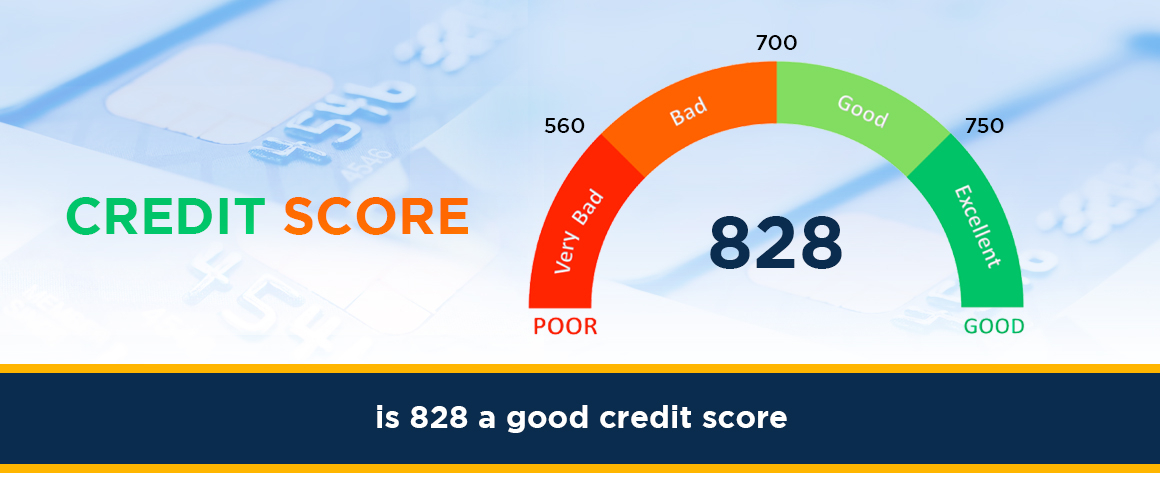
An 828 credit score is exceptionally high, placing you in the top tier of borrowers. This score signifies excellent creditworthiness, opening doors to the best loan terms, lowest interest rates, and premium financial products. Understanding what makes an 828 score so valuable is key to leveraging its power.
Understanding Credit Scores: The Foundation
In the complex world of personal finance, a credit score acts as a vital numerical representation of your creditworthiness. Lenders, landlords, and even some employers use this score to assess the risk associated with extending credit or services to you. It's a snapshot of your financial behavior, particularly how you've managed borrowed money in the past. Understanding the basics of credit scoring is the first step to appreciating the significance of a score like 828.
Credit scoring models, most notably FICO and VantageScore, analyze a vast array of data points from your credit reports. These reports, maintained by the three major credit bureaus (Equifax, Experian, and TransUnion), detail your borrowing and repayment history. The algorithms behind these scores are designed to predict the likelihood of you repaying debt as agreed. A higher score generally indicates a lower risk to lenders, while a lower score suggests a higher risk.
The importance of your credit score cannot be overstated. It influences your ability to secure a mortgage, buy a car, rent an apartment, obtain a credit card, and even the premiums you pay for insurance. In essence, your credit score is a powerful financial tool that can significantly impact your life and financial opportunities. For 2025, the landscape of credit scoring remains fundamentally based on these core principles, with a continued emphasis on responsible financial management.
What Exactly is an 828 Credit Score?
An 828 credit score is not just good; it's exceptional. It signifies that you have a long history of responsible credit management and have demonstrated a very low risk to lenders. This score places you in the uppermost echelon of consumers, often referred to as "superprime" or "exceptional." It indicates a consistent pattern of making payments on time, managing debt levels prudently, and maintaining a healthy credit profile over an extended period.
When a lender sees an 828 credit score, they interpret it as a strong signal of reliability. It suggests that you are highly likely to repay borrowed funds according to the agreed-upon terms. This level of trust translates directly into tangible financial advantages. It's the result of meticulous financial habits and a deep understanding of how credit works. Achieving and maintaining such a score is a testament to disciplined financial behavior.
In the context of credit scoring, reaching an 828 score means you've likely excelled in all the key areas that contribute to a credit report. This isn't a score that happens by accident; it's the product of deliberate and consistent positive financial actions. For 2025, this score continues to represent the pinnacle of creditworthiness, offering unparalleled access to financial products and services.
Credit Score Ranges in 2025: Where Does 828 Fit?
Credit scoring models typically categorize scores into broad ranges, each associated with a different level of risk and a corresponding set of financial opportunities. While the exact ranges can vary slightly between FICO and VantageScore, and even between different versions of these models, an 828 score consistently falls into the highest category. Understanding these ranges provides context for just how impressive an 828 score is.
Here's a general breakdown of credit score ranges for 2025, highlighting where an 828 score stands:
| Score Range (FICO/VantageScore General) | Category | Implication |
|---|---|---|
| 800 - 850 | Exceptional / Superprime | Lowest risk; best interest rates, premium products. An 828 falls squarely in this category. |
| 740 - 799 | Very Good / Prime | Low risk; excellent interest rates, wide range of loan options. |
| 670 - 739 | Good / Near Prime | Moderate risk; generally good rates, but not the best. |
| 580 - 669 | Fair / Subprime | Higher risk; higher interest rates, limited loan options, potential for fees. |
| 300 - 579 | Poor / Deep Subprime | Very high risk; difficult to obtain credit, very high interest rates, significant fees. |
As you can see, an 828 credit score places you at the very top. It signifies that you are among the most financially responsible consumers, and lenders view you as an ideal borrower. This distinction is crucial because it unlocks the most favorable terms and conditions across virtually all credit-related products. In 2025, achieving this score means you're likely to qualify for the lowest possible interest rates on mortgages, auto loans, and personal loans, potentially saving you thousands of dollars over the life of the loan.
The Key Factors Driving an 828 Credit Score
Attaining an 828 credit score is not a matter of luck; it's the result of consistently demonstrating positive financial behaviors across several key areas. Credit scoring models are designed to weigh different factors with varying degrees of importance. To reach the pinnacle of creditworthiness, one must excel in each of these crucial components. For 2025, these factors remain the bedrock of credit scoring.
The primary factors influencing your credit score, in order of general importance, are:
- Payment History (approximately 35% of FICO score)
- Credit Utilization (approximately 30% of FICO score)
- Length of Credit History (approximately 15% of FICO score)
- Credit Mix (approximately 10% of FICO score)
- New Credit and Inquiries (approximately 10% of FICO score)
Let's delve into each of these factors to understand precisely what it takes to achieve and maintain an 828 credit score.
Payment History: The Cornerstone of Excellent Credit
Payment history is, without question, the most significant factor influencing your credit score. It accounts for about 35% of your FICO score. This metric reflects your track record of paying bills on time. For an 828 score, this means an absolutely flawless record of on-time payments for every single debt you've ever had.
What constitutes a perfect payment history for an 828 score?
- No Late Payments: This includes no 30-day, 60-day, or 90-day delinquencies on any credit accounts (credit cards, loans, mortgages, etc.). Even a single late payment, especially in recent years, can significantly damage your score and make reaching 828 extremely difficult.
- No Defaults or Collections: Accounts that have been sent to collections or have defaulted are severe negative marks. An 828 score implies you have never experienced such issues.
- No Bankruptcies or Foreclosures: These are among the most damaging events to a credit score and are incompatible with an exceptional score like 828.
To achieve an 828, you must have demonstrated consistent, timely payments for many years. This requires discipline and a robust system for managing your financial obligations. For 2025, lenders continue to place the highest premium on this factor, as it's the most reliable predictor of future repayment behavior.
Credit Utilization: Managing Your Debt Wisely
Credit utilization, also known as your credit utilization ratio (CUR), measures how much of your available credit you are using. It's the second most important factor, accounting for about 30% of your FICO score. For an 828 score, this means maintaining a very low utilization ratio across all your credit accounts.
What is the ideal credit utilization for an 828 score?
- Below 30% is Good, Below 10% is Excellent: While a CUR below 30% is generally considered good, to reach an 828 score, you should aim for a utilization ratio of 10% or even lower. This means if you have a total credit limit of $50,000 across all your cards, you should ideally owe no more than $5,000, and preferably less than $500.
- Low Utilization on Each Card: It's not just the overall utilization that matters; it's also important to keep the utilization low on each individual credit card. High balances on one or two cards can negatively impact your score even if your overall utilization is low.
- Avoid Maxing Out Cards: Never carry balances close to your credit limits. This signals to lenders that you may be overextended and relying heavily on credit.
Maintaining a low credit utilization demonstrates that you are not dependent on credit to manage your finances and can pay down balances effectively. This is a critical component for achieving an 828 score in 2025.
Length of Credit History: Building Trust Over Time
The length of your credit history refers to how long your credit accounts have been open and how long you've been using credit. This factor accounts for about 15% of your FICO score. A longer credit history generally leads to a higher score because it provides lenders with more data to assess your long-term financial behavior.
What does length of credit history mean for an 828 score?
- Average Age of Accounts: Lenders look at the average age of all your open credit accounts. A higher average age is better.
- Age of Oldest Account: The age of your oldest credit account also plays a role. Having an account that has been open and in good standing for many years is highly beneficial.
- Consistency Over Time: This factor emphasizes that credit scoring rewards patience and consistent responsible behavior over many years.
For an 828 score, you likely have a credit history that spans a decade or more, with older accounts remaining open and in good standing. This demonstrates a sustained commitment to responsible credit use, which is highly valued by scoring models in 2025.
Credit Mix: Demonstrating Responsibility Across Different Credit Types
Credit mix refers to the variety of credit accounts you have. This factor accounts for about 10% of your FICO score. Having a mix of different types of credit, such as revolving credit (credit cards) and installment loans (mortgages, auto loans, personal loans), can positively impact your score. It shows that you can manage different kinds of debt responsibly.
What constitutes a good credit mix for an 828 score?
- Balanced Portfolio: A healthy credit mix might include a mortgage, an auto loan, and several credit cards.
- Responsible Management: The key is not just having different types of credit, but managing them all responsibly. Having multiple types of debt that are all paid on time and have low balances is ideal.
- Not Necessary to Open Unneeded Accounts: While a good mix is beneficial, it's not worth opening new accounts solely to improve your credit mix, especially if it leads to unnecessary debt or hard inquiries. For an 828 score, the focus is on the quality of management across existing accounts.
An individual with an 828 score likely demonstrates the ability to handle various credit products effectively, showcasing a well-rounded financial maturity that lenders appreciate in 2025.
New Credit and Inquiries: Strategic Application
This factor, accounting for about 10% of your FICO score, considers how often you open new credit accounts and how many "hard inquiries" appear on your credit report. Hard inquiries occur when a lender checks your credit report as part of a credit application (e.g., for a loan or credit card).
What is the approach to new credit for an 828 score?
- Minimize New Accounts: To maintain an 828 score, you should be very selective about opening new credit accounts. Frequent applications can signal financial distress or a higher risk.
- Limit Hard Inquiries: Each hard inquiry can slightly lower your score. While the impact is usually small and temporary, too many in a short period can be detrimental.
- Rate Shopping Exception: Credit scoring models typically allow for a "rate shopping" window (usually 14-45 days depending on the scoring model) where multiple inquiries for the same type of loan (like a mortgage or auto loan) are treated as a single inquiry. This is important for finding the best rates.
Someone with an 828 score understands the impact of new credit and inquiries and applies for credit only when necessary and strategically, ensuring they don't jeopardize their exceptional credit standing in 2025.
The Unmatched Benefits of an 828 Credit Score
Possessing an 828 credit score is like having a golden ticket in the financial world. It unlocks a realm of benefits that are simply unavailable to those with lower scores. Lenders and service providers recognize this score as a strong indicator of reliability, offering preferential treatment and the most advantageous terms. In 2025, these benefits continue to be substantial.
Here's a look at the significant advantages of having an 828 credit score:
Loans and Mortgages: Securing the Best Rates
Perhaps the most significant benefit of an 828 credit score is the ability to secure the lowest possible interest rates on loans and mortgages. This can translate into tens of thousands of dollars saved over the life of a loan.
- Mortgages: With an 828 score, you'll likely qualify for the absolute best Annual Percentage Rates (APRs) on home loans. This means lower monthly payments and less interest paid over 15, 20, or 30 years. You may also have an easier time qualifying for jumbo loans or other specialized mortgage products.
- Auto Loans: When buying a car, an 828 score will ensure you get the lowest APRs, significantly reducing the total cost of the vehicle. This can mean hundreds or even thousands of dollars in savings.
- Personal Loans: For unsecured personal loans, an 828 score guarantees access to the most competitive rates and the highest loan amounts, often with flexible repayment terms.
Consider this: a difference of even 1% in interest rate on a $300,000 mortgage can save you over $60,000 in interest over 30 years. This is the power of an exceptional credit score.
Credit Cards: Premium Perks and Rewards
Top-tier credit cards, often referred to as premium or luxury cards, are typically reserved for individuals with excellent credit. An 828 score makes you a prime candidate for these cards, which offer:
- Generous Rewards Programs: These cards often feature lucrative points, miles, or cash-back programs, allowing you to earn significant rewards on your spending.
- Valuable Sign-Up Bonuses: Many premium cards offer substantial welcome bonuses that can be redeemed for travel, statement credits, or merchandise.
- Exclusive Travel Benefits: Cardholders often enjoy perks like airport lounge access, travel insurance, elite status with hotels or rental car companies, and statement credits for travel expenses.
- High Credit Limits: Premium cards typically come with high credit limits, which can help maintain a low credit utilization ratio if managed wisely.
Having an 828 score means you can choose from the best credit cards on the market, maximizing your spending power and earning potential in 2025.
Rentals and Utilities: Smoother Approvals
Beyond traditional lending, landlords and utility companies also check credit scores to assess the reliability of potential tenants and customers. An 828 score can simplify these processes:
- Apartment Rentals: Landlords often have strict credit score requirements for rental applications. An 828 score will likely meet or exceed these requirements, making your application stand out and potentially reducing the need for a co-signer or larger security deposit.
- Utility Services: Many utility companies (electricity, gas, water, internet, cell phone) require a credit check. With an 828 score, you can typically set up services without paying a security deposit.
This ease of access to housing and essential services is a significant convenience afforded by an exceptional credit profile.
Insurance Premiums: Potential Savings
In many states, insurance companies use credit-based insurance scores to help determine premiums for auto and homeowners insurance. These scores are derived from your credit history and are used as a predictor of risk. A higher credit score, like 828, often correlates with lower insurance premiums.
- Auto Insurance: Drivers with excellent credit tend to file fewer claims, so insurers may offer them lower rates.
- Homeowners Insurance: Similarly, homeowners with strong credit histories may benefit from reduced premiums.
While not all states allow the use of credit information for insurance pricing, where it is permitted, an 828 score can lead to tangible savings on your insurance costs in 2025.
How to Achieve and Maintain an 828 Credit Score
Achieving an 828 credit score requires a long-term commitment to excellent financial habits. While it's a challenging goal, it's attainable for those who are diligent and strategic. Maintaining such a high score is equally important and involves consistent application of these principles.
Maintaining a Perfect Payment History
This is the non-negotiable foundation for an 828 score. Every single payment on every credit account must be made on or before the due date. Here's how to ensure this:
- Automate Payments: Set up automatic payments for all your bills. Ensure you have sufficient funds in your bank account to cover these payments to avoid overdraft fees and missed payments.
- Use Calendar Reminders: Supplement automatic payments with calendar reminders a few days before the due date, especially for variable bills or if you prefer to review before payment.
- Prioritize Payments: If you ever face financial difficulty, prioritize paying your credit accounts and loans above all else. A missed payment can derail years of good work.
- Check Statements Regularly: Review your credit card and loan statements each month to ensure accuracy and to confirm payment processing.
Keeping Credit Utilization Low
Aim to keep your overall credit utilization below 10% and ideally even lower. For individual cards, try to keep balances well below 30% of the limit.
- Pay Down Balances Frequently: Don't wait for the statement closing date. Pay down your credit card balances throughout the billing cycle, especially if you're making large purchases.
- Increase Credit Limits (Strategically): If you have a good payment history with a particular card issuer, consider requesting a credit limit increase. This can lower your utilization ratio if your spending remains the same. However, only do this if you are confident you won't be tempted to spend more.
- Spread Purchases: If possible, spread large purchases across multiple credit cards to avoid maxing out any single card.
- Avoid Closing Old, Unused Cards: Unless a card has an exorbitant annual fee that outweighs its benefits, keep older, unused credit cards open. They contribute positively to your average age of accounts and your total available credit, which helps your utilization ratio.
Strategic Credit Building
While an 828 score implies a long history, for those building towards it, strategic actions are key.
- Open Accounts Thoughtfully: Only open new credit accounts when you genuinely need them. Each application results in a hard inquiry, which can slightly lower your score.
- Diversify Your Credit (If Appropriate): As mentioned, a mix of credit types can be beneficial. If you only have credit cards, consider a small installment loan (like a credit-builder loan) and pay it off diligently. However, this is a minor factor compared to payment history and utilization.
- Age Your Accounts: The longer your accounts are open and in good standing, the better. Avoid closing older accounts, as they contribute positively to the average age of your credit history.
Monitoring Your Credit Reports Regularly
It's crucial to know what's on your credit reports, as they are the source of information for your credit score. Errors can occur and negatively impact your score.
- Annual Credit Report: You are entitled to a free credit report from each of the three major credit bureaus (Equifax, Experian, and TransUnion) once every 12 months at AnnualCreditReport.com. Take advantage of this to review your reports thoroughly.
- Dispute Errors: If you find any inaccuracies (e.g., accounts you don't recognize, incorrect payment statuses), dispute them immediately with the credit bureau and the creditor.
- credit monitoring Services: Consider using a credit monitoring service. Many credit card issuers and financial institutions offer free credit score monitoring, which can alert you to significant changes or new activity on your report.
Regularly checking your reports ensures that your credit profile accurately reflects your responsible financial behavior in 2025.
Common Misconceptions About High Credit Scores
Even with an exceptional score like 828, some common myths and misunderstandings persist about creditworthiness and what these high scores truly represent. Clarifying these can help manage expectations and ensure continued responsible behavior.
Is 828 Too High to Improve?
Technically, yes, an 828 credit score is at the very top of most scoring models. For instance, the FICO Score 8 and FICO Score 9 models typically cap out at 850. So, while you can't numerically increase your score beyond 850, the practical implication is that you are already maximizing your credit potential. The focus shifts from increasing the number to *maintaining* it. Any further improvements would be marginal and likely imperceptible to lenders, as 828 already signifies the lowest risk category.
The real "improvement" with an 828 score comes not from a higher number, but from the continued benefits it provides. It's about ensuring no negative marks appear on your report that could cause the score to drop. For 2025, the goal is preservation and leveraging the existing score.
Can a Score Drop from 828?
Absolutely. While an 828 score indicates excellent credit health, it is not permanent. It is a reflection of your credit behavior *at a specific point in time*. Several actions can cause an 828 score to drop:
- Late Payments: Even one missed payment can significantly impact your score.
- High Credit Utilization: If you start carrying high balances on your credit cards, your utilization ratio will increase, lowering your score.
- Opening Too Many New Accounts: Applying for multiple new credit lines in a short period can lead to a score decrease.
- Closing Old Credit Accounts: This can reduce your average age of accounts and your total available credit, potentially increasing utilization.
- Negative Public Records: Events like bankruptcy, foreclosure, or judgments, if they were to occur, would severely damage your score.
- Errors on Credit Report: While less common, errors can sometimes lead to score fluctuations.
Maintaining an 828 score requires ongoing vigilance and adherence to the same principles that helped you achieve it. It's a dynamic number, not a static achievement.
The Difference Between FICO Score and VantageScore
It's important to understand that there isn't just one credit score. The two most prominent scoring models are FICO and VantageScore. While they analyze similar data, their algorithms and scoring ranges can differ slightly.
- FICO Score: This is the most widely used credit scoring model by lenders in the United States. There are many versions of FICO scores (e.g., FICO Score 8, FICO Score 9, FICO Auto Score, FICO Bankcard Score). Generally, FICO scores range from 300 to 850.
- VantageScore: This model was developed collaboratively by the three major credit bureaus (Equifax, Experian, and TransUnion) as an alternative to FICO. It also ranges from 300 to 850.
While an 828 score is exceptional on both models, the exact score you see might vary depending on which model and version is being used. For example, your FICO Score 8 might be 828, while your VantageScore 4.0 might be 835. Both indicate excellent creditworthiness. Lenders often use specific versions of FICO scores tailored to the type of credit they are offering (e.g., mortgage, auto loan).
For 2025, lenders continue to rely heavily on FICO scores, but VantageScore is gaining traction, especially among credit monitoring services and some newer lenders. Understanding that your score can vary is key.
Conclusion: Leveraging Your Excellent Credit
An 828 credit score is a remarkable financial achievement, signifying an exceptional level of creditworthiness and trustworthiness. It places you in the top percentile of consumers, unlocking unparalleled financial advantages. From securing the lowest interest rates on mortgages and auto loans to qualifying for premium credit cards with lucrative rewards, the benefits are substantial and can lead to significant long-term savings.
Achieving and maintaining an 828 score hinges on consistent, disciplined financial practices: a flawless payment history, exceptionally low credit utilization, a long and well-managed credit history, a healthy credit mix, and strategic management of new credit applications. These factors, weighted by scoring models like FICO and VantageScore, paint a picture of a highly reliable borrower.
For 2025, this score continues to be your passport to the best financial products and services. The key is not just to reach this score but to preserve it through ongoing vigilance. Regularly monitor your credit reports, automate payments, keep balances low, and apply for credit judiciously. By understanding the power of your 828 credit score and continuing to manage your finances responsibly, you can continue to leverage this exceptional asset for years to come.
