Unlocking Mobile Home Ownership: Credit Score Essentials
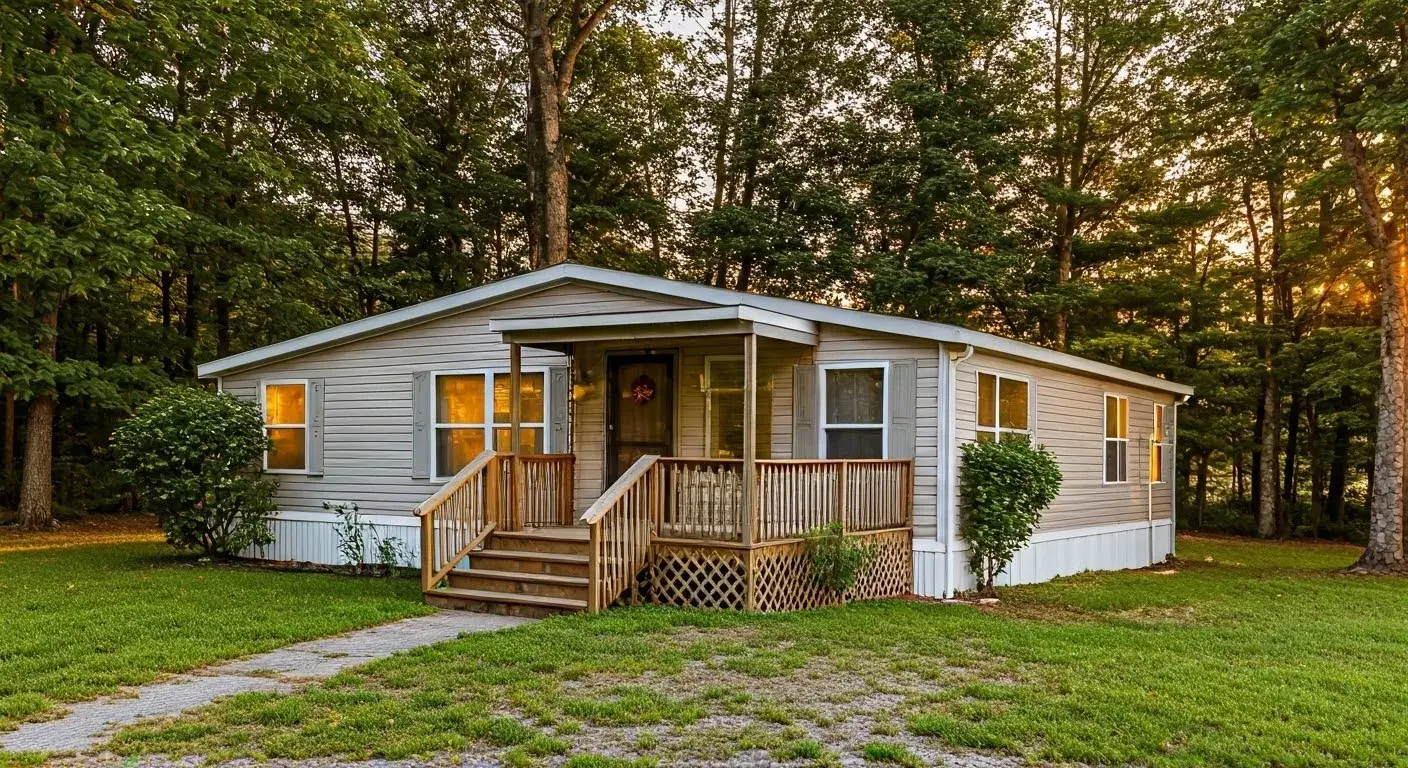
Dreaming of homeownership but facing credit score hurdles? This guide unlocks the essentials of mobile home ownership, focusing on how your credit score impacts your journey and how to navigate the process successfully, even with less-than-perfect credit.
Understanding Credit Scores for Mobile Home Loans
For many aspiring homeowners, the dream of owning a piece of property can feel distant, especially when considering the financial prerequisites. Mobile homes, often referred to as manufactured homes, offer a more accessible pathway to homeownership for a significant portion of the population. However, like any major purchase financed through a loan, your credit score plays a pivotal role in determining your eligibility, the terms you'll receive, and ultimately, the success of your application. In 2025, understanding the intricacies of credit scores is more crucial than ever for anyone looking to secure financing for a mobile home.
A credit score is essentially a three-digit number that lenders use to assess your creditworthiness – your likelihood of repaying borrowed money. It's a snapshot of your financial behavior, compiled from information in your credit reports maintained by the three major credit bureaus: Equifax, Experian, and TransUnion. This score is a dynamic entity, fluctuating based on your financial habits. A higher score generally indicates a lower risk to lenders, translating into more favorable loan terms, lower interest rates, and a greater chance of approval. Conversely, a lower score can signal higher risk, potentially leading to loan denial, higher interest rates, or the requirement for a larger down payment.
The Components of Your Credit Score
To effectively navigate the mobile home financing landscape, it's beneficial to understand what factors contribute to your credit score. While the exact algorithms are proprietary, the scoring models, such as FICO and VantageScore, generally weigh the following components:
Payment History (Approximately 35% of FICO Score)
This is the most significant factor. It reflects whether you pay your bills on time. Late payments, defaults, bankruptcies, and collections can severely damage this aspect of your score.
Amounts Owed (credit utilization) (Approximately 30% of FICO Score)
This refers to the amount of credit you're currently using compared to your total available credit. Keeping your credit utilization ratio low (ideally below 30%) is crucial. For instance, if you have a credit card with a $10,000 limit and a balance of $3,000, your utilization is 30%. High utilization suggests you might be overextended.
Length of Credit History (Approximately 15% of FICO Score)
The longer you've had credit accounts open and managed them responsibly, the better. This shows lenders a longer track record of your financial behavior.
Credit Mix (Approximately 10% of FICO Score)
Lenders like to see that you can manage different types of credit responsibly, such as credit cards, installment loans (like auto loans or mortgages), and potentially other forms of credit.
New Credit (Approximately 10% of FICO Score)
Opening multiple new credit accounts in a short period can negatively impact your score. Each hard inquiry (when you apply for credit) can cause a small, temporary dip.
Understanding these components empowers you to take targeted actions to improve your credit profile. For mobile home buyers in 2025, a solid grasp of these elements is the first step towards securing the financing needed to achieve their homeownership dreams.
How Your Credit Score Affects Mobile Home Financing
The significance of your credit score in the mobile home financing process cannot be overstated. It acts as a gatekeeper, influencing not just whether you get approved for a loan, but also the financial terms that will shape your monthly payments and the overall cost of your home for years to come. In 2025, lenders are increasingly relying on sophisticated credit scoring models to assess risk, making a strong credit profile more valuable than ever.
Loan Approval and Denial
At the most fundamental level, your credit score is a primary determinant of whether a lender will approve your application for a mobile home loan. Lenders have specific minimum credit score requirements, and falling below these thresholds can lead to an automatic denial. While these minimums can vary between lenders and loan types, a score that is too low signals a higher probability of default, making the loan a risky proposition for the financial institution.
Interest Rates
If your credit score is within the acceptable range but not exceptionally high, you will likely be offered an interest rate. However, the specific rate offered is directly tied to your creditworthiness. Borrowers with higher credit scores are perceived as less risky and are therefore rewarded with lower interest rates. Conversely, those with lower scores will typically be offered higher interest rates. Even a small difference in interest rate can translate into thousands of dollars over the life of a loan, making credit score improvement a financially prudent decision.
Consider this 2025 scenario:
| credit score range | Estimated Interest Rate (for a $100,000 mobile home loan over 20 years) | Estimated Monthly Payment | Total Interest Paid Over Loan Term |
|---|---|---|---|
| 740+ (Excellent) | 6.5% | $746.05 | $79,052.00 |
| 670-739 (Good) | 7.5% | $805.50 | $93,320.00 |
| 580-669 (Fair) | 9.0% | $900.30 | $116,072.00 |
| Below 580 (Poor) | 11.0% (if approved) | $1,064.50 | $155,480.00 |
Note: These are illustrative examples for 2025 and actual rates will vary based on lender, market conditions, loan type, and individual borrower profile.
As the table demonstrates, a borrower with an excellent credit score could save over $76,000 in interest compared to someone with a fair credit score on the same $100,000 loan. This stark difference highlights the financial incentive to improve your credit score before applying for a mobile home loan.
Down Payment Requirements
Lenders often use credit scores to determine the required down payment. Borrowers with lower credit scores are typically asked to provide a larger down payment. This serves as a form of security for the lender, reducing their risk exposure. A substantial down payment demonstrates your commitment to the purchase and your financial stability, making you a more attractive borrower even with a less-than-perfect credit history.
Loan Terms and Conditions
Beyond interest rates and down payments, your credit score can also influence other aspects of the loan agreement. This might include the loan term (the length of time you have to repay the loan), the types of fees associated with the loan, and any specific covenants or conditions attached to the financing. Lenders may be more willing to offer flexible terms or a longer repayment period to borrowers with a strong credit history.
Insurance Premiums
While not directly part of the loan itself, your credit score can also impact the cost of homeowners insurance for your mobile home. Many insurance companies in 2025 use credit-based insurance scores to help determine premiums. A lower credit score may result in higher insurance costs, adding to your overall monthly housing expenses.
In summary, your credit score is a multifaceted tool that lenders use to gauge your financial reliability. Understanding its profound impact is the first step in strategizing for successful mobile home financing. For those looking to buy a mobile home in 2025, proactively managing and improving your credit score can unlock better loan terms, reduce overall costs, and significantly increase your chances of achieving homeownership.
What Credit Score Do You Need for a Mobile Home Loan?
One of the most common questions aspiring mobile home owners ask is: "What credit score do I need?" The answer, as with many financial matters, is not a single, definitive number. In 2025, the minimum credit score required for a mobile home loan can vary significantly based on several factors, including the type of loan, the lender, and the specific loan program. However, understanding general benchmarks can help you assess your current standing and set realistic goals.
General Credit Score Ranges for Mobile Home Loans
While there's no universal minimum, here’s a general breakdown of credit score expectations for mobile home financing in 2025:
- Excellent Credit (740+): With a credit score in this range, you are considered a prime borrower. You'll likely qualify for the most favorable interest rates and loan terms across various loan types, including conventional mortgages, FHA loans, and VA loans if applicable. Lenders will compete for your business, offering competitive rates and potentially lower down payment requirements.
- Good Credit (670-739): This is a strong credit range that will qualify you for most mobile home loan programs. You can expect competitive interest rates, though they may be slightly higher than those offered to borrowers with excellent credit. You'll likely have a good selection of lenders and loan options available.
- Fair Credit (580-669): Borrowers in this range may still qualify for mobile home loans, but the options will be more limited, and the terms will likely be less favorable. You might face higher interest rates, larger down payment requirements, and potentially fewer lender choices. Some lenders specialize in working with borrowers in this credit bracket, but it's crucial to shop around and compare offers carefully.
- Poor Credit (Below 580): Securing traditional financing with a credit score below 580 can be challenging. Many conventional lenders will deny applications outright. However, some specialized lenders or programs might consider applicants in this range, often requiring a significant down payment, a co-signer, or offering loans with very high interest rates. It's often advisable to focus on improving your credit score before applying for a loan in this category.
Factors Influencing Minimum Credit Score Requirements
Beyond the general ranges, several specific factors influence the minimum credit score a lender will accept:
Loan Type
Different loan programs have different credit score requirements:
- Conventional Loans: These loans, backed by Fannie Mae and Freddie Mac, typically require higher credit scores. While some may go as low as 620, a score of 670 or higher is generally preferred for better terms.
- FHA Loans (Federal Housing Administration): FHA loans are designed to be more accessible to borrowers with lower credit scores. In 2025, the minimum FICO score for an FHA loan is generally 580 with a 3.5% down payment. However, some lenders may impose their own higher minimums (e.g., 600 or 620). For scores between 500-579, a 10% down payment is typically required, and approval is less common.
- VA Loans (Department of Veterans Affairs): For eligible veterans, VA loans offer excellent terms, often with no down payment required. While the VA doesn't set a specific minimum credit score, most lenders do, typically ranging from 620 to 660. The VA's focus is on the veteran's overall financial picture, but lenders use credit scores as a primary risk assessment tool.
- USDA Loans (U.S. Department of Agriculture): These loans are for rural properties and also have flexible credit requirements. While the USDA doesn't set a minimum, lenders usually look for scores of 640 or higher for streamlined processing.
Lender Policies
Each lender has its own risk tolerance and underwriting guidelines. A large national bank might have stricter requirements than a smaller, local credit union or a specialized manufactured home lender. It’s essential to research and compare offers from multiple lenders.
Down Payment Amount
A larger down payment can sometimes compensate for a lower credit score. If you can offer a down payment significantly higher than the minimum required, a lender might be more willing to approve your loan, even if your credit score is borderline. For example, a borrower with a 600 credit score might be approved with a 10% down payment, whereas someone with a 640 score might only need 5%.
Loan-to-Value (LTV) Ratio
This ratio compares the loan amount to the value of the home. Lenders are generally more comfortable with lower LTV ratios, which means a higher down payment. A lower credit score combined with a high LTV ratio increases the perceived risk for the lender.
Overall Financial Profile
Lenders don't look solely at your credit score. They also consider your income stability, debt-to-income ratio (DTI), employment history, and savings. A strong overall financial profile can sometimes help offset a slightly lower credit score.
What If Your Credit Score Is Too Low?
If your credit score doesn't meet the minimum requirements for the mobile home loan you desire, don't despair. The most effective strategy is to focus on improving your credit score before reapplying. This involves addressing the factors that contribute to your score, such as paying down debt, making on-time payments, and correcting any errors on your credit reports. For specific guidance on improving your score, refer to the section on Strategies to Improve Your Credit Score Before Applying.
In 2025, understanding these nuances of credit score requirements for mobile home loans is key to setting achievable goals and navigating the financing process successfully. By knowing what lenders look for, you can better prepare yourself and increase your chances of securing the loan that makes your mobile home ownership dream a reality.
Strategies to Improve Your Credit Score Before Applying
If your credit score is currently below the threshold for your desired mobile home loan, or if you simply want to secure the best possible terms, investing time in improving your credit score is a wise move. This proactive approach can significantly impact your eligibility, interest rate, and overall cost of homeownership. In 2025, several proven strategies can help boost your creditworthiness.
1. Obtain and Review Your Credit Reports
The first step is to understand where you stand. You are entitled to a free copy of your credit report from each of the three major credit bureaus (Equifax, Experian, TransUnion) every 12 months through AnnualCreditReport.com. Review these reports meticulously for any errors, such as incorrect personal information, accounts that don't belong to you, or inaccurate payment statuses. Dispute any inaccuracies immediately with the credit bureau and the creditor involved. Correcting errors can sometimes lead to a significant score increase.
2. Pay All Bills On Time, Every Time
As mentioned earlier, payment history is the most influential factor in your credit score. Ensure you pay all your bills – credit cards, loans, utilities, rent (if reported) – by their due dates. Even one late payment can have a negative impact. Set up automatic payments or reminders to avoid missing deadlines. If you have past-due accounts, bring them current as soon as possible.
3. Reduce Your Credit Utilization Ratio
This is another critical area for improvement. Aim to keep your credit utilization ratio below 30%, and ideally below 10%. This means the amount of credit you're using should be a small percentage of your total available credit.
- Pay Down Balances: Focus on paying down the balances on your credit cards, especially those with high utilization. Prioritize paying more than the minimum payment.
- Avoid Maxing Out Cards: Never max out your credit cards, as this signals financial distress.
- Request a Credit Limit Increase: If your payment history is good, you might consider asking your credit card issuer for a credit limit increase. This can lower your utilization ratio, provided you don't increase your spending.
4. Address Delinquent Accounts and Collections
If you have accounts in collections or significantly past due, work to resolve them. Lenders view these negatively. You can try negotiating a payment plan or a settlement. While settling for less than the full amount might still appear on your report, resolving the debt shows responsibility. Some newer scoring models are less punitive about older collection accounts, but it's still best to clear them.
5. Be Strategic About New Credit
While opening new credit accounts can be part of a credit mix strategy, applying for too much credit in a short period can lower your score due to multiple hard inquiries. If you're planning to apply for a mobile home loan soon, avoid opening new credit cards or taking out other loans unless absolutely necessary. If you do need to open a new account to help your credit mix, do so thoughtfully and manage it responsibly.
6. Keep Old Accounts Open
The length of your credit history matters. Even if you have an old credit card with a small balance or no balance, keeping it open and in good standing can benefit your credit score by contributing to your average account age and your overall credit utilization. Just ensure there are no annual fees that outweigh the benefit, or that you can manage any fees responsibly.
7. Consider a Secured Credit Card or Credit-Builder Loan
If you have a very limited credit history or a damaged credit report, these tools can be invaluable:
- Secured Credit Card: You make a cash deposit with the issuer, which then becomes your credit limit. Use this card for small purchases and pay it off in full each month to build a positive payment history.
- Credit-Builder Loan: Offered by some credit unions and banks, this loan involves you making payments on a loan that is held in an account. Once you've paid it off, you receive the funds. Your on-time payments are reported to the credit bureaus.
8. Be Patient and Consistent
Improving a credit score takes time and consistent effort. Don't expect overnight results. Focus on building good financial habits that will not only improve your score but also set you up for responsible homeownership. Lenders often look at your credit history over several months, so starting your credit improvement journey well in advance of your loan application is ideal.
By implementing these strategies in 2025, you can systematically improve your credit score, making you a more attractive candidate for mobile home financing and paving the way for better loan terms and a smoother path to owning your home.
Exploring Mobile Home Loan Options with Different Credit Scores
Securing financing for a mobile home in 2025 is achievable for a wide range of credit profiles, thanks to various loan programs designed to meet different needs. Understanding these options based on your credit score is crucial for making informed decisions and increasing your chances of approval.
For Borrowers with Excellent Credit (740+)
If you have an excellent credit score, you're in the strongest position. You'll have access to the widest array of loan products with the most competitive terms.
- Conventional Mortgages: These loans are not backed by government agencies and are often preferred by lenders for borrowers with strong credit. You can expect the lowest interest rates, flexible down payment options (sometimes as low as 3-5%), and a streamlined application process. These loans can be used for manufactured homes that are permanently affixed to a foundation and meet certain property standards.
- FHA Loans: While FHA loans are known for their accessibility, borrowers with excellent credit can still benefit from them, especially if they prefer a lower down payment (3.5%) or want to finance a home that might not meet all conventional loan requirements. Your excellent score will ensure you get the best available FHA rates.
- VA Loans: For eligible veterans, VA loans offer significant advantages like no down payment requirement and competitive interest rates. An excellent credit score will solidify your eligibility and ensure you receive the most favorable terms.
- USDA Loans: If you're looking to purchase a mobile home in a USDA-eligible rural area, these loans offer 100% financing. An excellent credit score will make the application process smooth and secure the best rates.
Key Advantage: Lowest interest rates, minimal down payment requirements, and a wide selection of lenders and loan products.
For Borrowers with Good Credit (670-739)
With a good credit score, you remain a strong candidate for most mobile home financing options. You'll likely qualify for competitive rates, though they might be slightly higher than those for excellent credit.
- Conventional Loans: You'll likely qualify for conventional loans, though your interest rate might be a bit higher than someone with a 740+ score. Down payment requirements will still be manageable, often starting at 5%.
- FHA Loans: A solid choice for borrowers in this range, offering the benefits of a lower down payment and potentially more lenient property requirements compared to conventional loans.
- VA Loans: If you're a veteran, this remains an excellent option with no down payment.
- USDA Loans: Available for eligible rural properties, offering 100% financing.
Key Advantage: Broad access to loan programs with competitive, though not the absolute lowest, interest rates and reasonable down payment options.
For Borrowers with Fair Credit (580-669)
This credit range presents more challenges but is far from insurmountable for mobile home ownership. Your options will be more limited, and terms will likely be less favorable.
- FHA Loans: This is often the go-to option for borrowers with fair credit. The minimum FICO score for FHA loans is typically 580, allowing for a 3.5% down payment. Some lenders might require a slightly higher score (e.g., 600 or 620) or a larger down payment for scores in the lower end of this range.
- Manufactured Home Lenders Specializing in Lower Credit: Many lenders focus specifically on the manufactured housing market and have programs designed for borrowers with fair credit. These loans might come with higher interest rates and potentially higher down payment requirements than FHA loans.
- Portfolio Loans: Some lenders offer "portfolio loans" that they keep on their own books rather than selling them on the secondary market. These can sometimes be more flexible regarding credit score requirements.
Considerations: Expect higher interest rates and potentially larger down payments. It's crucial to shop around extensively and compare offers from multiple lenders specializing in manufactured homes or FHA loans.
For Borrowers with Poor Credit (Below 580)
Securing financing with a credit score below 580 is the most challenging. Traditional lenders and government-backed programs often have strict minimums.
- Specialized Lenders: A limited number of lenders cater to borrowers with poor credit. These loans will almost certainly come with very high interest rates, significant down payment requirements (potentially 10-20% or more), and shorter loan terms.
- Rent-to-Own Programs: While not a loan, some mobile home parks or sellers offer rent-to-own agreements. A portion of your monthly rent goes towards the purchase price. This can be a way to occupy a home and build equity while working on improving your credit for future financing.
- Co-signer: If you have a trusted friend or family member with excellent credit, they might be willing to co-sign your loan. This significantly increases your chances of approval and can help you secure better terms, but it also puts them at financial risk if you default.
- Focus on Credit Repair: For many in this situation, the most advisable path is to dedicate time to improving their credit score before pursuing a loan. This involves addressing the issues that led to the low score and building a positive credit history.
Key Strategy: Prioritize credit repair. Explore rent-to-own or consider a co-signer if absolutely necessary, but understand the risks involved. High interest rates and down payments are almost guaranteed.
Important Considerations for All Credit Levels
Regardless of your credit score, remember these points:
- Shop Around: Never accept the first loan offer you receive. Compare rates, fees, and terms from at least three to five different lenders.
- Understand Loan Types: Know whether you're looking at financing for a manufactured home that will be personal property or real property (permanently affixed to land you own). This distinction can affect loan options.
- Down Payment: The more you can put down, the better your loan terms will likely be, regardless of your credit score.
- Debt-to-Income Ratio (DTI): Lenders will also assess your DTI. A lower DTI (meaning your monthly debt payments are a smaller portion of your gross monthly income) improves your loan prospects.
By understanding the specific loan options available for your credit score range in 2025, you can approach the mobile home financing process with confidence and a clear strategy.
Beyond Traditional Loans: Alternative Financing Avenues
While traditional bank loans and government-backed programs are the most common routes to financing a mobile home, they aren't the only ones. For individuals whose credit scores present challenges or who seek different terms, several alternative financing avenues exist in 2025. These options can be particularly helpful for those who might not qualify for conventional mortgages or FHA/VA loans.
1. Seller Financing (Owner Financing)
In seller financing, the seller of the mobile home acts as the lender. Instead of the buyer securing a loan from a bank, they make payments directly to the seller over an agreed-upon period. This arrangement is more common in private party sales of mobile homes, especially those on leased land or where the seller owns the land as well.
- How it Works: The buyer and seller agree on a purchase price, interest rate, loan term, and payment schedule. A promissory note and mortgage or deed of trust are typically used to formalize the agreement.
- Pros: Can be more flexible with credit requirements than traditional lenders. May allow for negotiation on terms. Can be quicker than traditional financing.
- Cons: Sellers may charge higher interest rates. The seller might require a larger down payment. The buyer may not be able to secure financing to pay off the seller later if their credit doesn't improve. The terms are entirely dependent on the seller's willingness and financial situation.
2. Rent-to-Own Agreements
A rent-to-own agreement, also known as a lease-purchase agreement, allows you to live in the mobile home while paying rent, with an option to purchase the home at a later date. A portion of your monthly rent is typically credited towards the down payment or purchase price.
- How it Works: You sign a lease agreement that includes an option to buy. You'll pay a non-refundable option fee upfront and a monthly rent, part of which goes towards the purchase. You'll need to secure financing (or have the cash) to buy the home at the end of the lease term.
- Pros: Allows you to occupy a home immediately. Provides time to improve your credit score for future financing. A portion of your rent builds equity.
- Cons: Option fees and rent credits can be lost if you don't purchase the home. The purchase price is often locked in, which could be a disadvantage if market values decrease. You're still responsible for home maintenance and repairs.
3. Credit Unions and Community Banks
While larger banks might have stricter lending criteria, local credit unions and community banks can sometimes be more flexible. They often have a vested interest in their local communities and may be more willing to work with borrowers who have slightly lower credit scores or unique financial situations, especially if you are already a member.
- Pros: Potentially more personalized service and flexibility. May offer competitive rates and terms.
- Cons: May have fewer loan products than large national banks. Eligibility might require membership.
4. Manufactured Home Retailer Financing
Many mobile home dealerships partner with specific lenders or have their own in-house financing options. These lenders often specialize in manufactured housing and may have more flexible credit requirements than traditional mortgage lenders.
- How it Works: The dealership facilitates the loan process, often with a preferred lender. They may offer financing for the home itself, and sometimes for the land if purchased together.
- Pros: Convenient one-stop shopping. Lenders may understand the manufactured home market better. Potentially more lenient credit requirements.
- Cons: Interest rates and fees might be higher than what you could find by shopping independently. The selection of lenders is limited to those partnered with the dealership.
5. Personal Loans and Home Equity Loans (for existing homeowners)
If you have a strong credit score and own other property, you might consider a personal loan or a home equity loan (if you have equity in your current home) to finance a mobile home.
- Personal Loans: These are unsecured loans that can be used for various purposes, including purchasing a mobile home. They are typically easier to qualify for than mortgages if you have good credit, but they often come with higher interest rates and shorter repayment terms.
- Home Equity Loans/Lines of Credit (HELOCs): If you own a traditional home and have built up equity, you can borrow against that equity. This can provide a large sum of money at a potentially lower interest rate than a personal loan. However, this puts your existing home at risk if you cannot repay the loan.
- Pros: Can be faster than mortgage processes. May offer flexibility in how funds are used.
- Cons: Personal loans have higher interest rates and shorter terms. Home equity loans put your existing home at risk. These are generally not ideal for financing the entire cost of a mobile home unless combined with other funds.
6. Co-signer or Guarantor
As mentioned earlier, if your credit score is borderline or low, bringing in a co-signer with a strong credit history can significantly improve your chances of loan approval and help you secure better terms. The co-signer is legally obligated to repay the loan if you default.
- Pros: Greatly increases approval odds. Can lead to better interest rates.
- Cons: Puts the co-signer's credit and financial well-being at risk. Can strain relationships if payments become an issue.
When exploring alternative financing in 2025, it's crucial to thoroughly understand the terms, interest rates, fees, and any potential risks involved. Always read contracts carefully and consider consulting with a financial advisor or housing counselor to ensure you're making the best decision for your financial situation.
The Mobile Home Loan Application: What to Expect
Applying for a mobile home loan involves a process similar to applying for any other type of mortgage, but with some specific considerations for manufactured housing. Understanding what to expect can help you prepare and navigate the application smoothly. In 2025, lenders are diligent in their assessments, so being well-prepared is key.
1. Pre-Qualification and Pre-Approval
Pre-qualification: This is an initial assessment where a lender reviews your basic financial information (income, assets, debts, estimated credit score) to give you an idea of how much you might be able to borrow. It's not a commitment from the lender.
Pre-approval: This is a more thorough process where the lender verifies your financial information by reviewing your credit report, income documents, and assets. A pre-approval letter indicates that you are likely to be approved for a specific loan amount, making your offer to purchase more attractive to sellers.
2. Gathering Required Documentation
Lenders will require a comprehensive set of documents to assess your financial stability and creditworthiness. Be prepared to provide:
- Proof of Income: Recent pay stubs (usually 30 days), W-2 forms (past two years), tax returns (past two years), and potentially profit and loss statements if self-employed.
- Proof of Assets: Bank statements (checking and savings, usually 2-3 months), investment account statements, and documentation for any other significant assets.
- Identification: Government-issued photo ID (driver's license, passport).
- Employment Verification: Lenders will often contact your employer to confirm your employment status and salary.
- Debt Information: Details on all outstanding loans, credit cards, and other debts.
- Gift Letters: If a portion of your down payment is a gift from family, a signed gift letter stating the funds are a gift and not a loan will be required.
- Mobile Home Specifics: If you've already selected a home, you'll need details about the specific model, its age, VIN (Vehicle Identification Number), and potentially appraisals or inspections.
3. The Loan Application Form
You will complete a formal loan application, which is a detailed document requesting information about your personal finances, employment history, and the property you intend to purchase. Be accurate and honest in all your responses.
4. Credit Check
The lender will perform a hard credit inquiry to review your credit reports and credit scores from Equifax, Experian, and TransUnion. This is a crucial step in their risk assessment.
5. Underwriting Process
Once your application and documentation are submitted, the loan goes to an underwriter. The underwriter reviews all the information to determine if you meet the lender's criteria and the specific requirements of the loan program. They assess your creditworthiness, ability to repay the loan, and the value and condition of the property.
6. Property Appraisal and Inspection
For mobile homes, especially those being financed as real property (permanently affixed to land), an appraisal is usually required. This determines the fair market value of the home and the land. An inspection might also be necessary to ensure the home meets safety and structural standards, particularly for government-backed loans.
- Appraisal: Assesses the home's value.
- Inspection: Checks the home's condition, foundation, plumbing, electrical, and HVAC systems.
7. Loan Approval and Commitment Letter
If the underwriter approves your loan, you'll receive a commitment letter outlining the final loan terms, interest rate, and any conditions you must meet before closing.
8. Closing
This is the final step where you sign all the necessary loan documents, transfer ownership of the property, and pay your closing costs and down payment. The lender disburses the loan funds to finalize the purchase. You will typically receive the keys to your new mobile home at this stage.
Tips for a Smoother Application Process
- Start Early: Begin the pre-approval process well before you plan to make an offer on a home.
- Be Organized: Have all your documents readily available and organized.
- Be Honest: Provide accurate information on your application.
- Communicate: Stay in touch with your loan officer and respond promptly to any requests for additional information.
- Ask Questions: Don't hesitate to ask your loan officer to clarify anything you don't understand.
Navigating the mobile home loan application process in 2025 requires diligence and preparation. By understanding each step and having your documentation in order, you can significantly increase your chances of a successful and stress-free experience, bringing you closer to mobile home ownership.
Managing Credit After Mobile Home Ownership
Achieving mobile home ownership is a significant milestone, but it's not the end of your financial journey. Maintaining and improving your credit score after purchasing your home is crucial for long-term financial health, future borrowing needs, and even securing better rates on insurance and other services. In 2025, responsible credit management is more important than ever.
1. Continue Making On-Time Mortgage Payments
Your mobile home mortgage is likely the largest debt you'll carry. Making consistent, on-time payments is paramount. This positive payment history will be reflected on your credit reports and significantly contribute to maintaining or improving your credit score. Set up automatic payments to ensure you never miss a due date.
2. Manage Other Debts Responsibly
While your mortgage is a priority, don't neglect other debts like credit cards, auto loans, or personal loans. Continue to pay them on time and work towards reducing balances, especially on high-interest debt. Keeping your overall debt-to-income ratio (DTI) low remains important.
3. Monitor Your Credit Utilization
Even with a mortgage, your credit card utilization ratio remains a key factor in your credit score. Aim to keep your balances low relative to your credit limits. If you've used credit cards to furnish or improve your new home, focus on paying down those balances as quickly as possible.
4. Regularly Review Your Credit Reports
Continue to obtain and review your credit reports annually from AnnualCreditReport.com. Check for any new errors, unauthorized accounts, or incorrect information that could negatively impact your score. Dispute any discrepancies promptly.
5. Avoid Unnecessary New Debt
While life brings new needs, be cautious about taking on excessive new debt shortly after purchasing a home. Significant new debt can increase your DTI and potentially lower your credit score if not managed carefully.
6. Build an Emergency Fund
Unexpected expenses are a reality, especially with homeownership. Having an emergency fund can prevent you from having to rely on high-interest credit cards or loans when an unforeseen event occurs (e.g., major home repair, job loss). This financial stability indirectly supports your credit by preventing the need for emergency borrowing.
7. Consider Refinancing Strategically
As your credit score improves or if interest rates drop significantly, you may consider refinancing your mobile home loan. A lower interest rate can save you a substantial amount of money over the life of the loan. However, be aware of refinancing costs and ensure the long-term savings outweigh the fees.
8. Use Credit Wisely for Home Improvements
If you plan major renovations or upgrades to your mobile home, consider the best financing method. While using existing equity or a home equity line of credit might be options, ensure you have a solid repayment plan. Avoid over-leveraging yourself.
By actively managing your credit after purchasing your mobile home, you not only protect your investment but also build a stronger financial future. This discipline can open doors to future opportunities, such as securing better rates on insurance, obtaining favorable terms for future loans, and ultimately, achieving greater financial freedom and security in your new home.
Conclusion
Unlocking mobile home ownership in 2025 hinges significantly on understanding and managing your credit score. This comprehensive guide has illuminated the critical role your credit score plays, from determining loan approval and interest rates to influencing down payment requirements and overall loan terms. We've explored the essential components of credit scoring, the varying minimum score requirements across different loan types, and provided actionable strategies to improve your creditworthiness before applying.
Whether you have excellent credit or are working to overcome past challenges, a variety of loan options and alternative financing avenues exist to help you achieve your homeownership goals. By diligently gathering documentation, understanding the application process, and continuing responsible credit management post-purchase, you can navigate the path to owning a mobile home successfully. Your credit score is a powerful tool; wield it wisely to secure your dream home.
